

For seasoned premium travellers, the phrase “turning left” upon boarding is synonymous with luxury. At Businessclass, we like to call it “Turning left for less,” capturing the allure of superior cabins without the full First Class price tag.
Business Class promises fully flat beds, vintage Champagne, attentive service, priority check-in, VIP lounges, and generous frequent flyer rewards—offering a truly elevated journey.
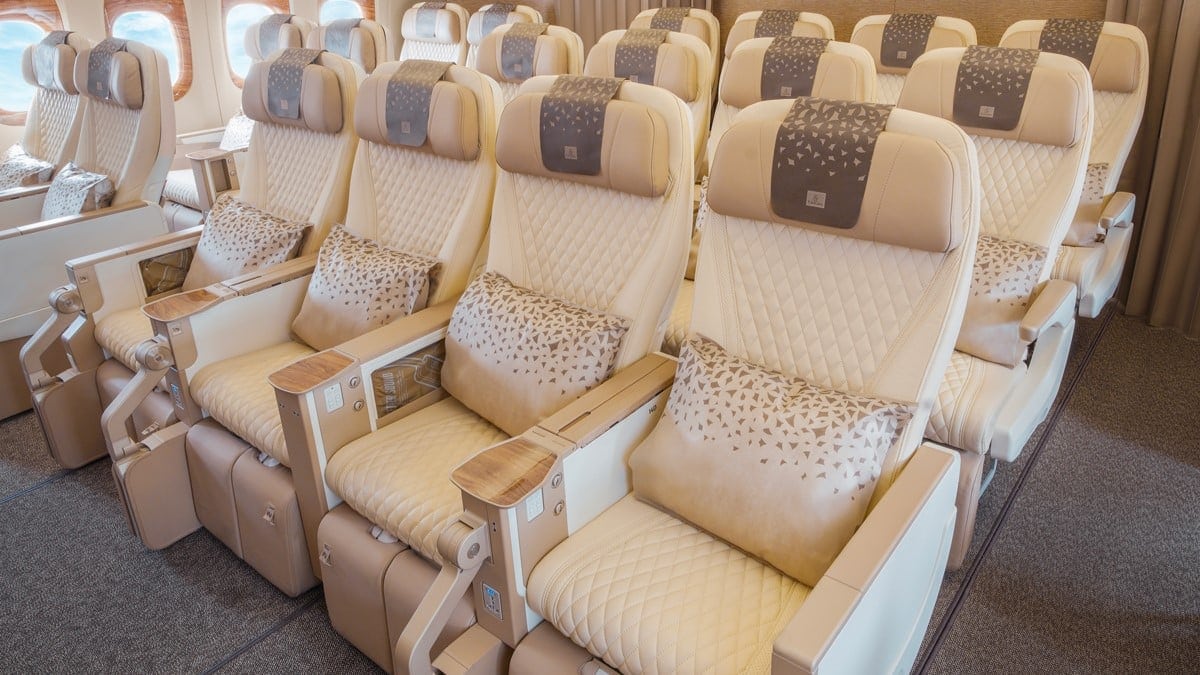
But Premium Economy has rapidly matured into a formidable middle ground. With Emirates now offering its acclaimed Premium Economy on the A380 across 20+ global routes, many aviation experts argue that the experience rivals or even surpasses the Business Class product of some legacy carriers. Air France now refers to its offering simply as “Premium”, dropping “Economy” to reflect the step-change in comfort and amenities.
Premium Economy is no longer just a minor upgrade. Expect plush seating, upgraded menus and drinks, enhanced entertainment, thoughtful amenity kits, and attractive loyalty incentives. It’s a compelling choice for families and leisure travellers seeking comfort on long-haul journeys, without the higher price tag of a Business Class ticket.
While Premium Economy is a substantial improvement over standard Economy, it doesn’t deliver the full suite of exclusive benefits reserved for Business Class. As always in aviation, your experience matches your investment.
What is Business Class?
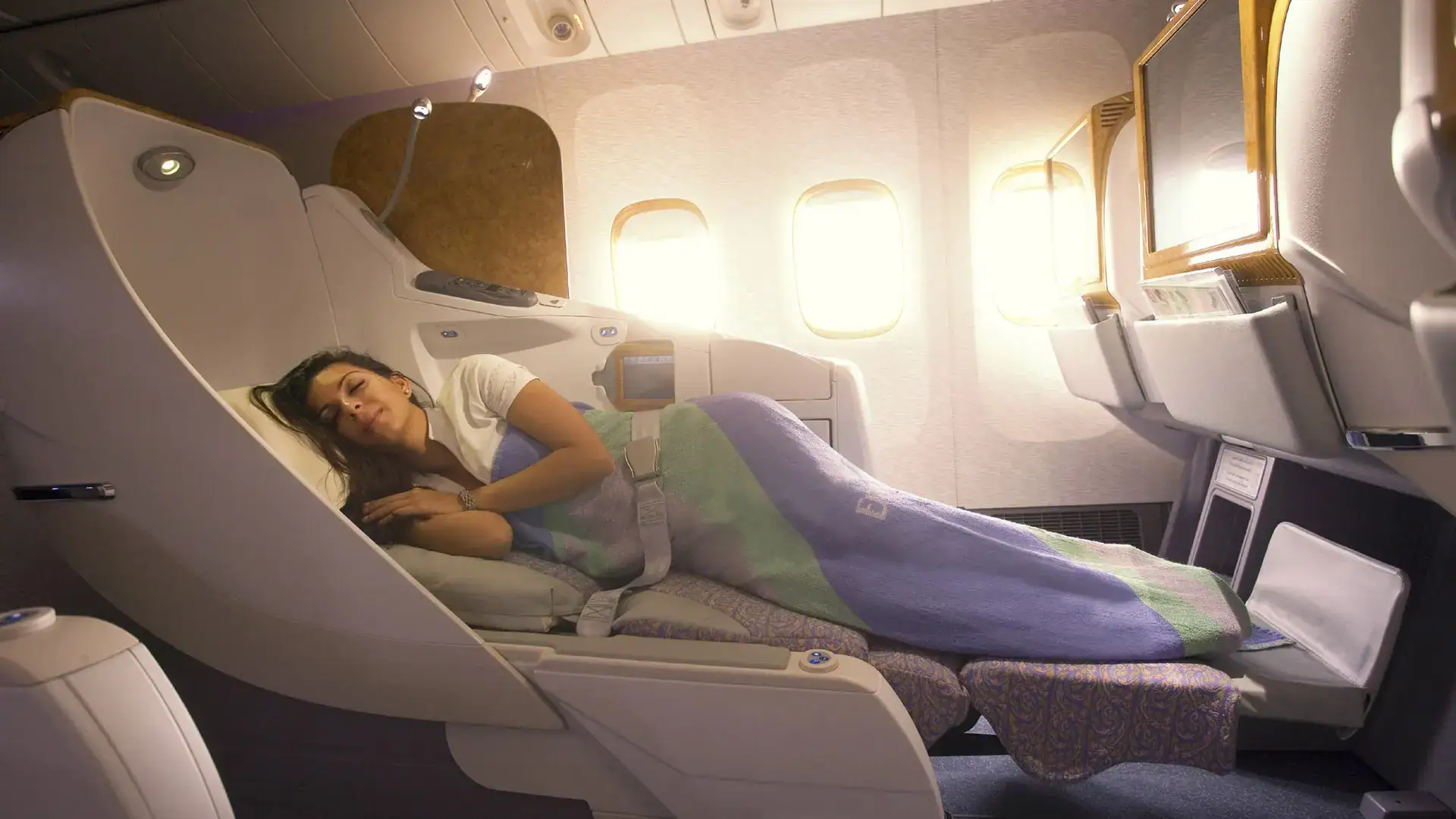
Business Class is designed to be a sanctuary for travellers—whether for business or leisure—offering a blend of productivity and indulgence. Expect fully lie-flat beds, fine dining, and premium amenities that transform long-haul flights into restorative experiences.
Airport perks set the tone: dedicated check-in counters, fast-track security, and ample baggage allowances. Business Class lounges provide stylish, tranquil spaces with gourmet dining, private workstations, and often barista or bartender service. Some flagship lounges feature spa treatments, rainfall showers, nap suites, and play zones for families.
Many Business Class lounges accommodate hundreds of guests and integrate cutting-edge technology—think high-speed Wi-Fi, conference rooms, and abundant charging stations. Increasingly, lounges offer wellness amenities, including yoga spaces and healthy menu options, reflecting the evolving needs of global travellers.
Access is typically reserved for Business Class ticket holders, elite frequent flyers, and select pay-per-use guests, depending on airline policy and lounge location.
What is Premium Economy?
Positioned between Economy and Business Class, Premium Economy delivers a significant step up in comfort, especially on long-haul flights. Since EVA Air pioneered the concept in 1991, airlines have continually enhanced this cabin with wider seats, greater recline, and bespoke amenities. While Premium Economy fares can be more than double those of standard Economy, they remain much more accessible than Business Class—making this cabin a popular choice for value-driven travellers.
As airlines have reimagined their premium offerings—often prioritizing Business over First Class—Premium Economy has become an essential product. Demand is surging, and nearly every top global carrier now features a Premium Economy cabin (notably, Qatar Airways and Etihad remain exceptions as of 2025). Expect further innovation and network expansion as passenger expectations continue to rise.

What is the main difference between Business Class and Premium Economy?
The essential distinction between Business Class and Premium Economy is the overall level of luxury and personal space. Premium Economy offers a notable upgrade from Economy—think wider seats, extra legroom, and improved cuisine—but it does not approach the privacy, sophistication, or amenities of Business Class.
In Premium Economy, you may enjoy perks like priority boarding, higher baggage allowance, and upgraded meals on select airlines, but these are not universally guaranteed. Business Class, on the other hand, consistently features lie-flat beds, gourmet multi-course dining (often with menus designed by world-class chefs), premium wines and Champagne, and attentive, dedicated service. Many leading airlines now offer Business Class suites with sliding doors, bringing the experience closer to First Class—some even offer double beds or private group seating arrangements.

Key differences between Business Class and Premium Economy
Business Class vs Premium Economy: Pricing
Business Class fares typically command a significant premium over Premium Economy, reflecting the superior seat, service, and overall experience. That said, pricing can fluctuate widely based on route, season, airline, and demand trends.
For instance, a roundtrip Business Class ticket on British Airways from London Heathrow to New York JFK in January 2025 costs over four times as much as Premium Economy on the same route. Flying Delta from London to Los Angeles, Business Class fares are nearly triple those of Premium Economy for similar dates. Singapore Airlines shows a 2.5x price difference on London–Singapore flights, while Emirates’ Business Class fares to Dubai are just over twice the cost of Premium Economy on select dates.
Premium Economy thus offers a compelling value proposition for those seeking comfort without the full Business Class splurge, but Business Class remains the gold standard for premium travel.
Business Class vs Premium Economy: Seats
Business Class Seats:
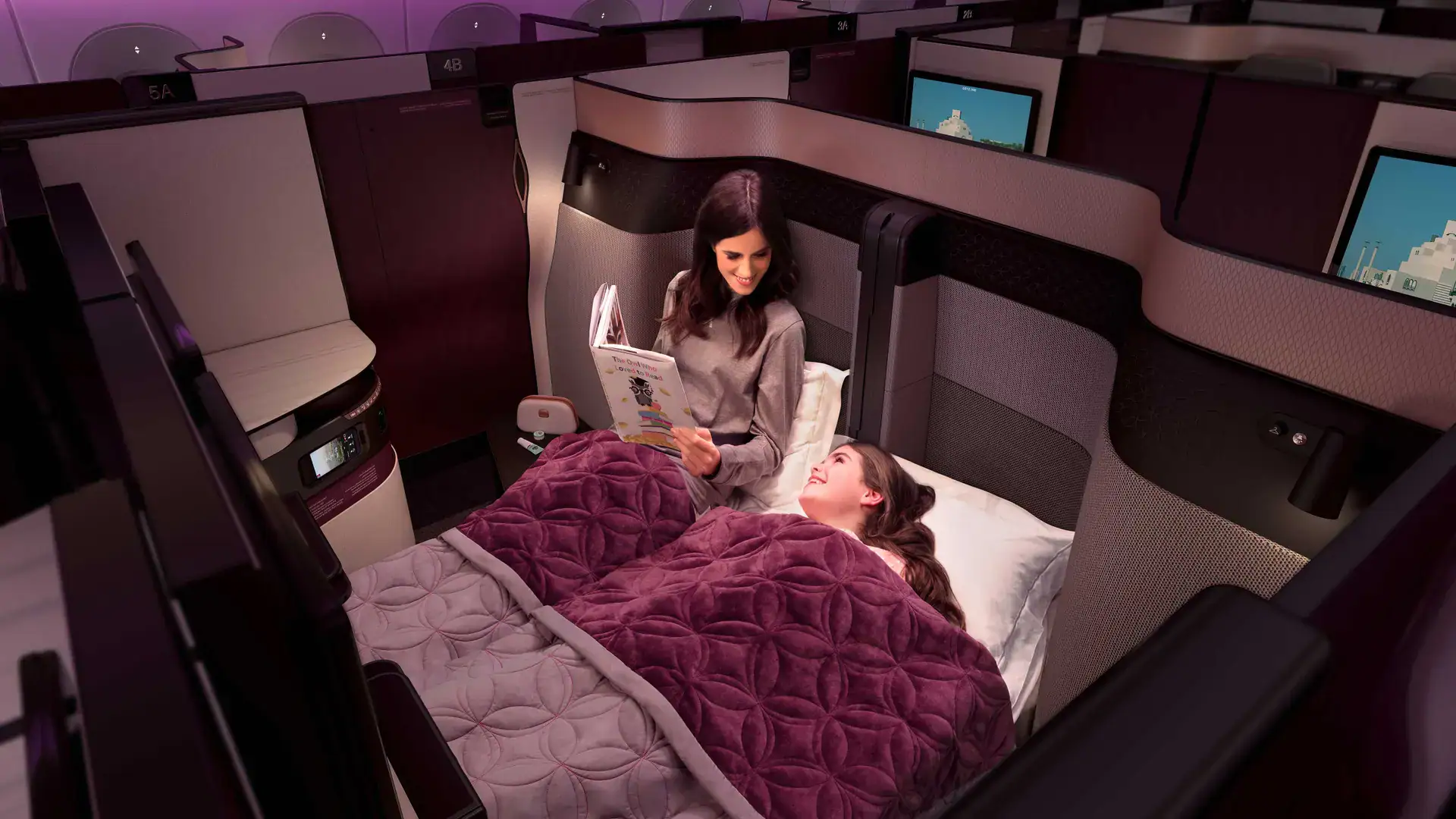
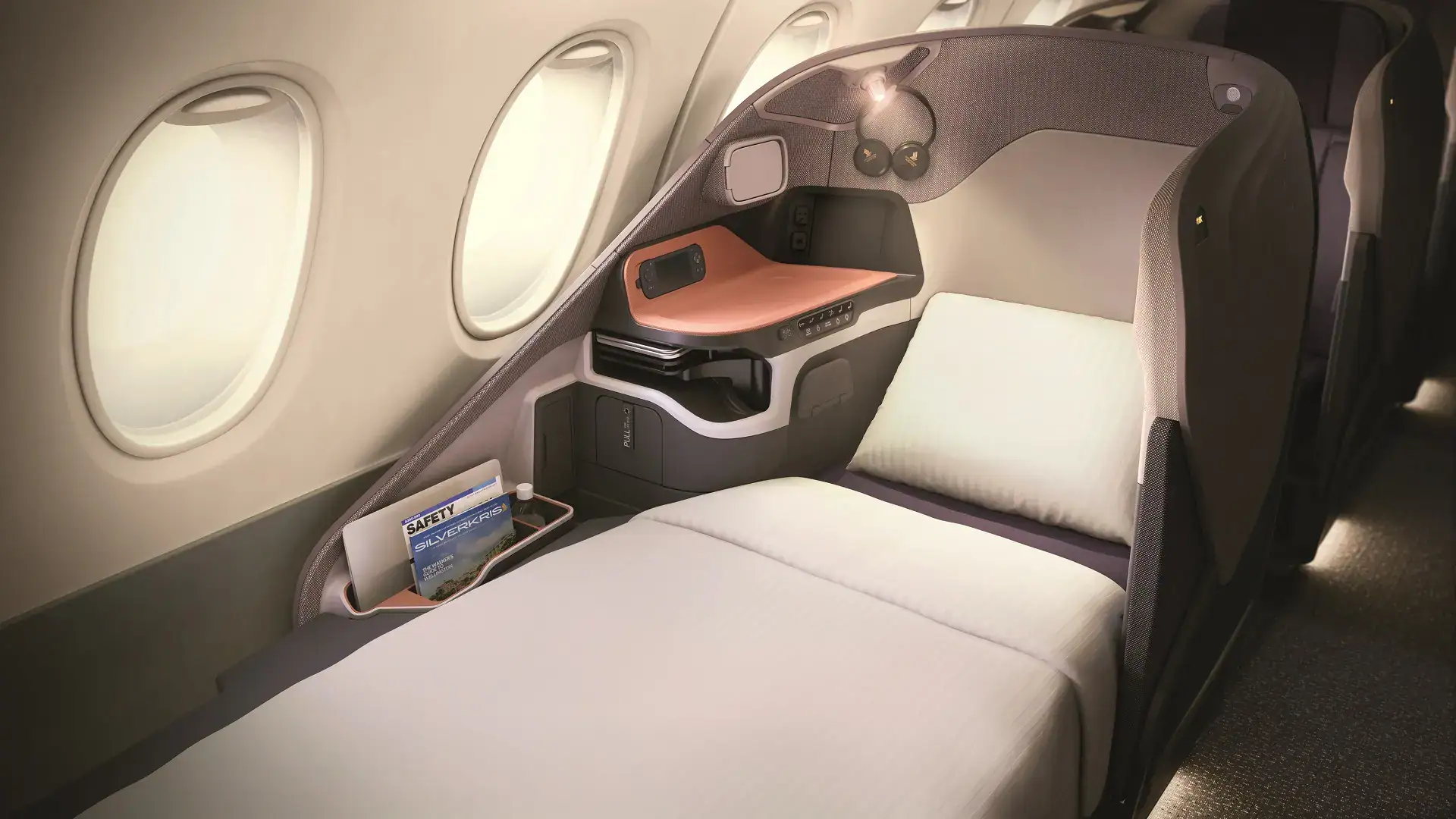
Business Class seats are engineered for comfort, privacy, and flexibility. Most international cabins feature a 1-2-1 layout, ensuring direct aisle access for every passenger. Seats convert into fully flat beds—some up to 2 metres long—with ample storage, workspace, and high-tech controls. The latest generation of suites, including privacy doors, ‘throne’ seats for solo flyers, and double beds for couples, elevate the experience even further. Families and groups can enjoy configurable “quad” suites on select airlines, allowing for socializing or shared dining.
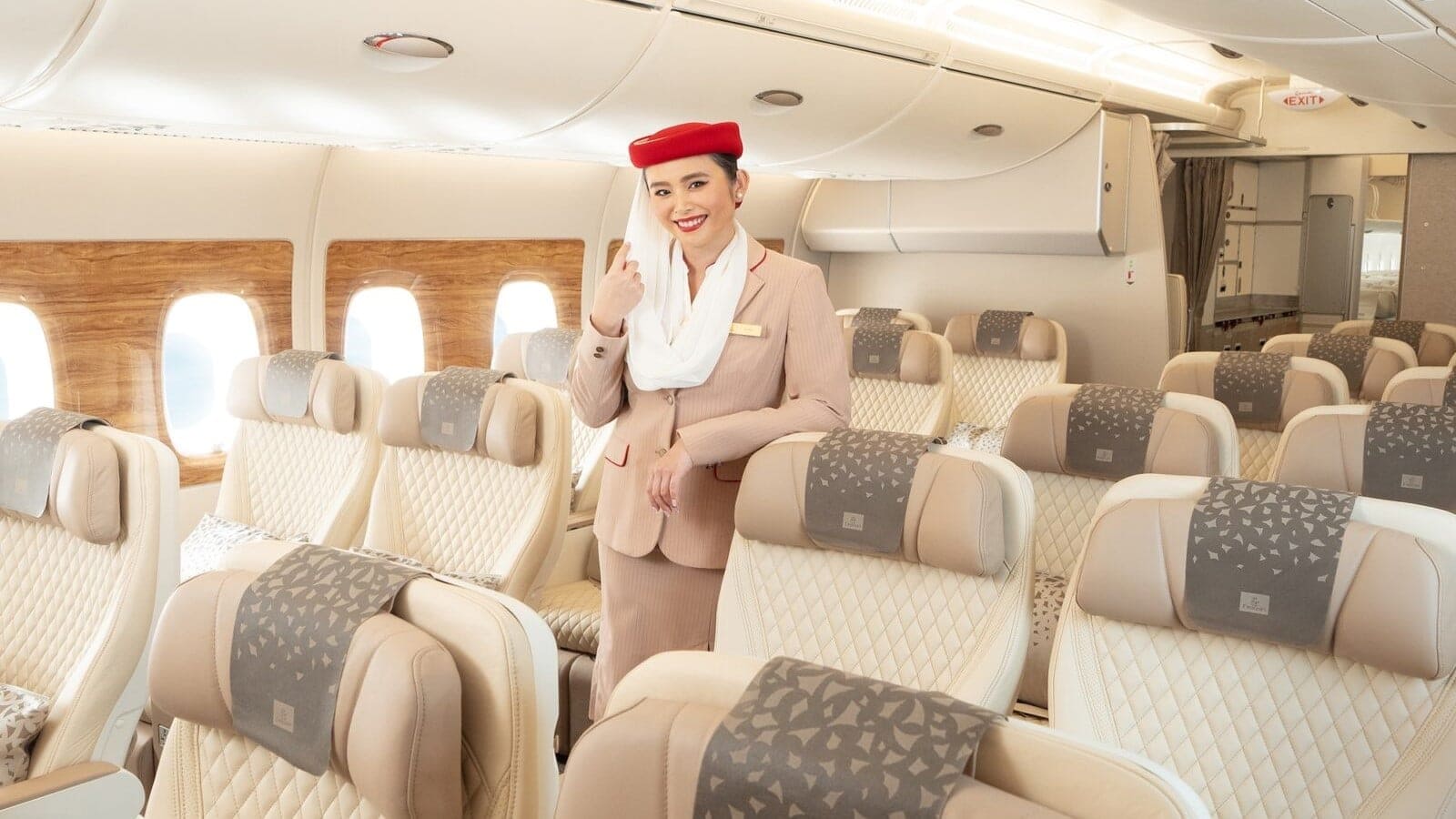
Among the leading options in 2025, Qatar Airways Qsuite remains a benchmark: its innovative quad arrangement and sliding doors offer a near-private jet ambiance. Singapore Airlines continues to set standards with extra-wide seats and double beds on its A380s, while Etihad’s A350 Business Studios blend luxury with cutting-edge tech and sustainability. Emirates impresses with its opulent A380 Business Class—featuring champagne leather, wood accents, and even a personal minibar. Notably, Emirates’ Premium Economy now closely resembles Business Class of a decade ago, with plush leather seats, wood trims, and advanced ergonomic features.
Premium Economy Seats:
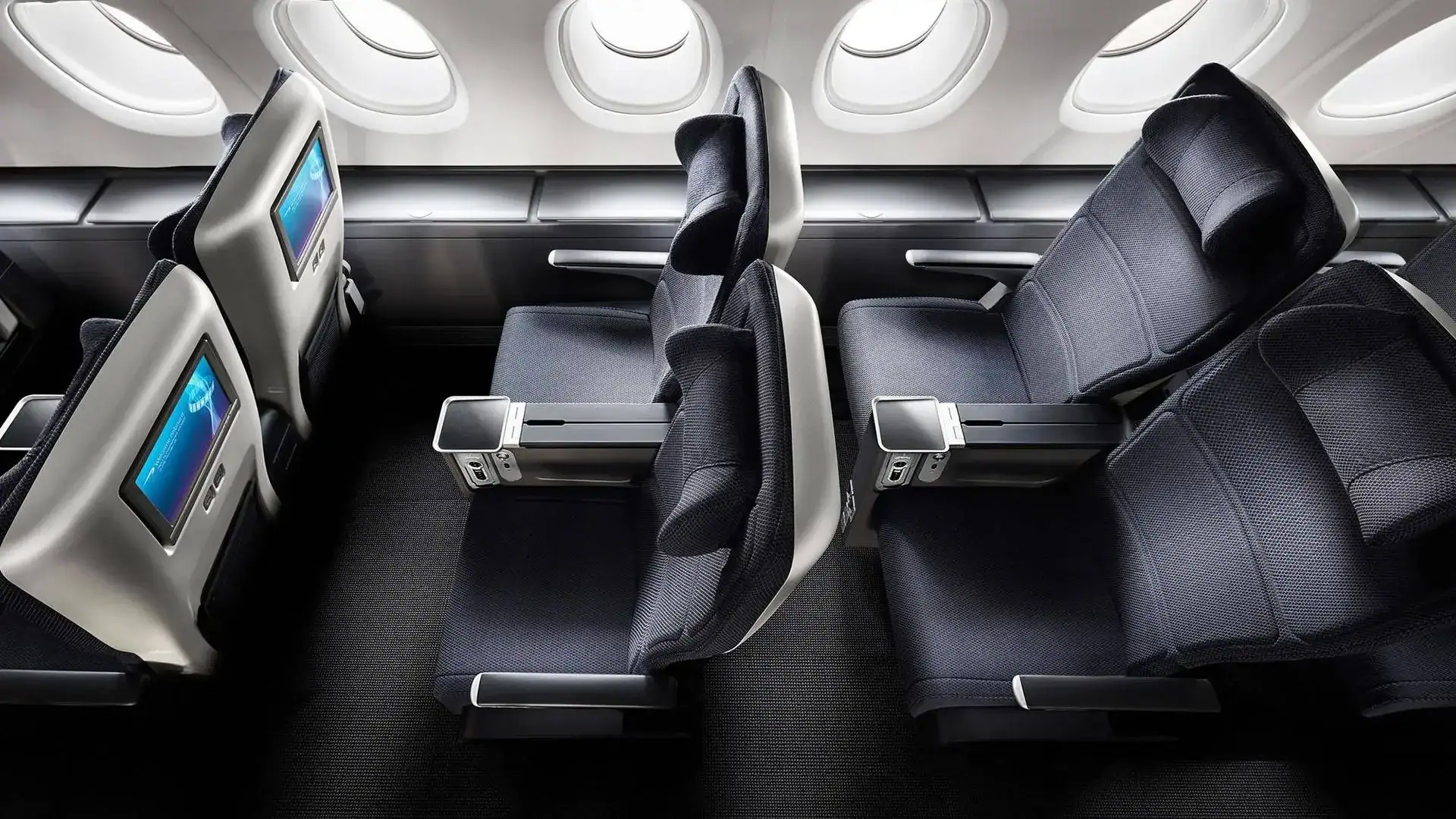
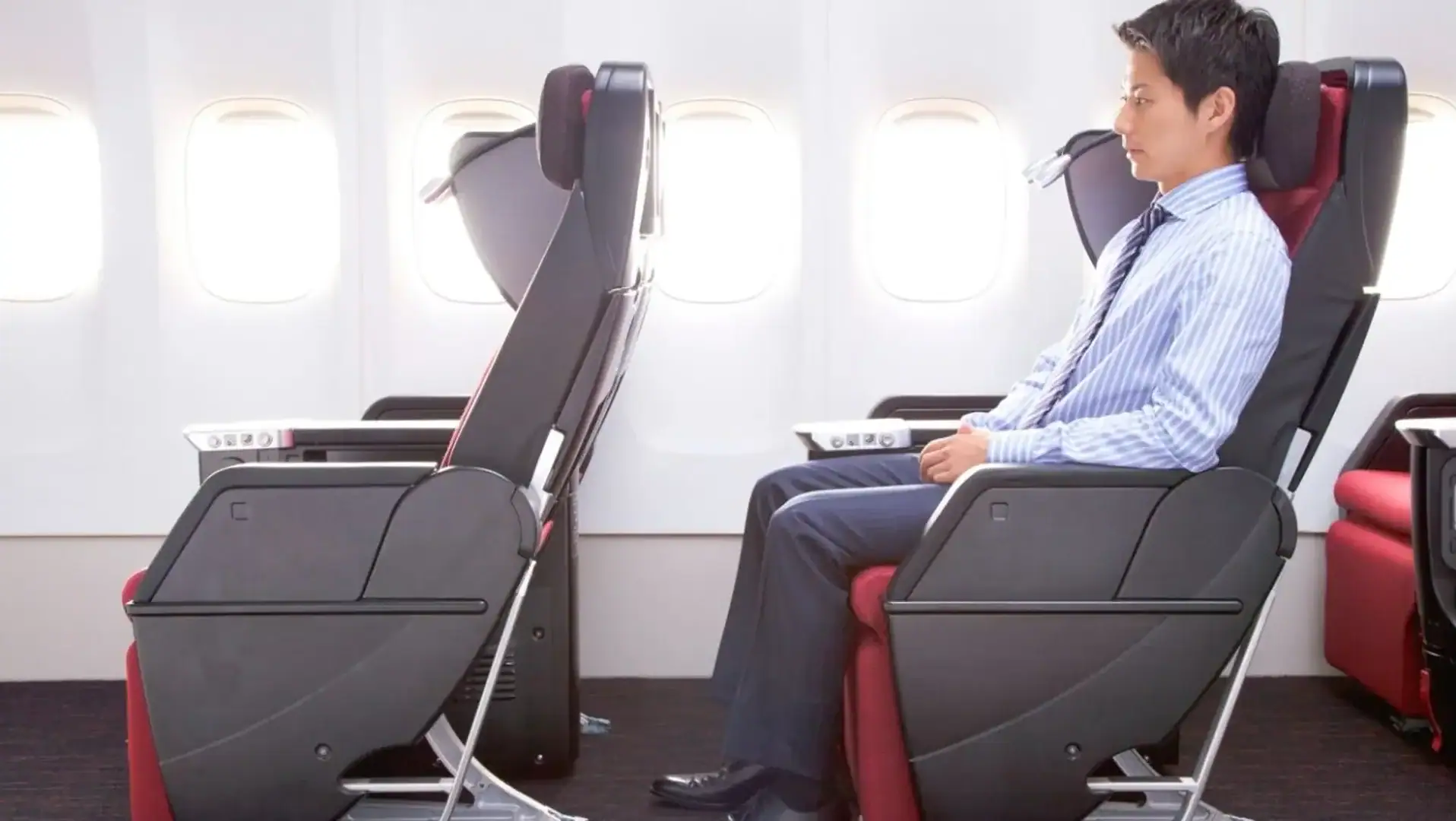
Premium Economy cabins offer a clear step up from Economy, with seat pitch often extending 7 inches (18 cm) beyond standard Economy, an extra inch or more of width, and deeper recline. While true lie-flat beds are exclusive to Business Class, Premium Economy seats add comfort with adjustable footrests, lumbar support, and larger entertainment screens. Expect leather finishes, wide dining tables, and power outlets as standard on most new products.
Cabin configurations are typically 2-4-2 or 2-3-2, making Premium Economy appealing for families or groups. Solo travellers may find less privacy than in Business Class, as armrest dividers replace privacy screens.
Emirates' Premium Economy on its A380s, with 56 seats at the front of the main deck, features a 40-inch (101.6 cm) pitch, 19.5-inch (50 cm) width, and 8-inch (20 cm) recline, plus a 13.3-inch (34 cm) entertainment screen. The cabin’s cream leather and wood finish echo Business Class aesthetics, and destinations now include London, Paris, New York, Sydney, and more.
British Airways World Traveller Plus on the 787, A380, and select 777s provides 7 inches (18 cm) of extra recline and an inch more width, with ergonomic headrests and footrests. Delta’s Premium Select on the A350, A330, and 767 offers 38-inch (96.5 cm) pitch, 19-inch (48 cm) width, and plush memory foam seats. Japan Airlines features fixed-shell seats that recline within the seatback, maximizing privacy and space, plus large tables ideal for work or dining.
Business Class Seats:
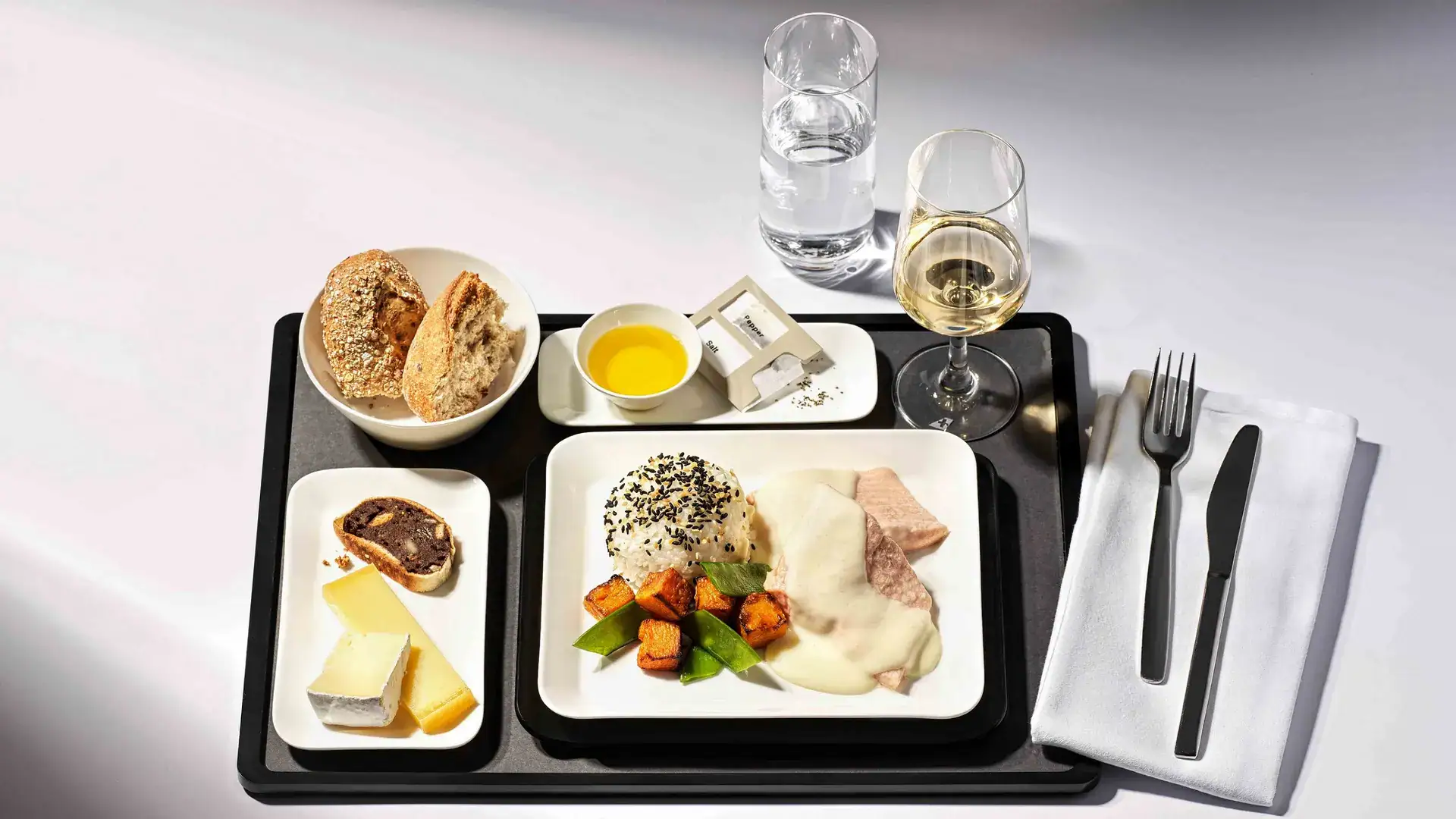
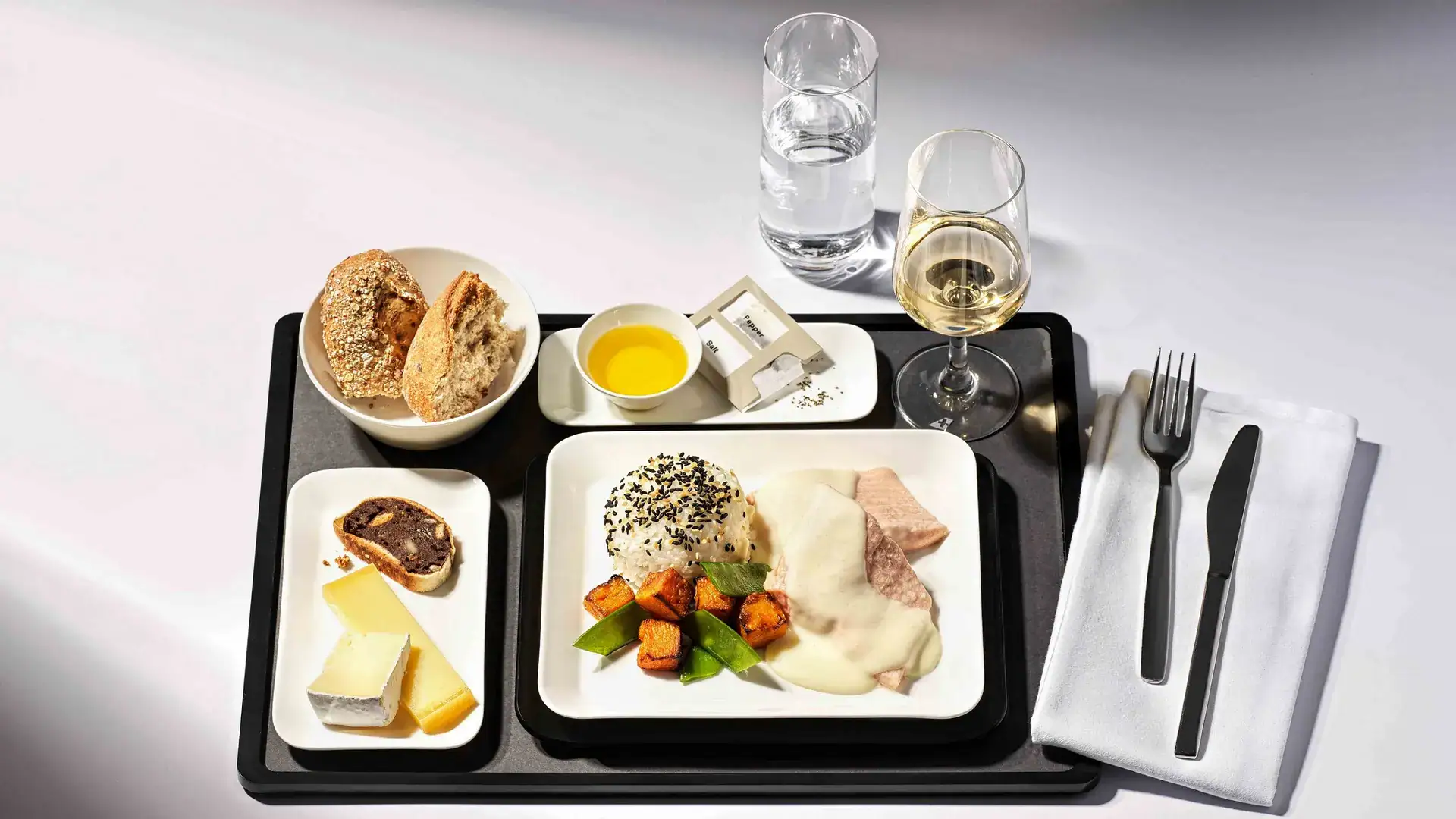
One of the hallmarks of Business Class is the exceptional quality of its food and beverage service. Menus are often curated by Michelin-starred chefs and paired with world-class wines, while many airlines offer dine-on-demand flexibility and multi-course presentations.
Business Class passengers enjoy bespoke meals with fresh, seasonal ingredients, and it’s common to find chef-led concepts or “flying chefs” on board. Wine lists are typically curated by expert sommeliers, and Champagne is poured freely. Dining is often restaurant-style, served on fine china, with personalized service elevating the experience.
SWISS International Air Lines continues to win accolades for its 'SWISS Taste of Switzerland' program, refreshing menus quarterly with creations from the country’s top chefs. Premium Economy guests also enjoy an upgraded three-course meal with regional flair.
Turkish Airlines features onboard chefs preparing gourmet Turkish and international dishes on select long-haul flights, while ANA (All Nippon Airways) partners with a collective of renowned culinary experts for its “The Connoisseurs” program, offering Japanese, French, and fusion cuisine, and expertly selected sake and wine.
Qantas remains a leader in culinary innovation, collaborating with chef Neil Perry for modern Australian menus, paired with premium local wines and a full dine-on-demand offering.
Premium Economy meal service has also evolved, with many airlines now offering plated, multi-course meals and complimentary wine or premium spirits. While the presentation and choice are more limited than Business Class, the quality is a clear step above Economy.
Air France recently introduced a Michelin-starred chef-designed menu for long-haul Premium guests departing Paris, including Champagne and a gourmet full-course meal. Air New Zealand offers a three-course meal with New Zealand wines, and British Airways World Traveller Plus features a curated wine list, sparkling wine on departure, and a choice of hot entrees. Emirates Premium Economy pampers guests with a three-course meal on Royal Doulton china, paired with Chandon sparkling wine and a selection of fine vintages from the Business Class cellar.
Premium Economy Seats:
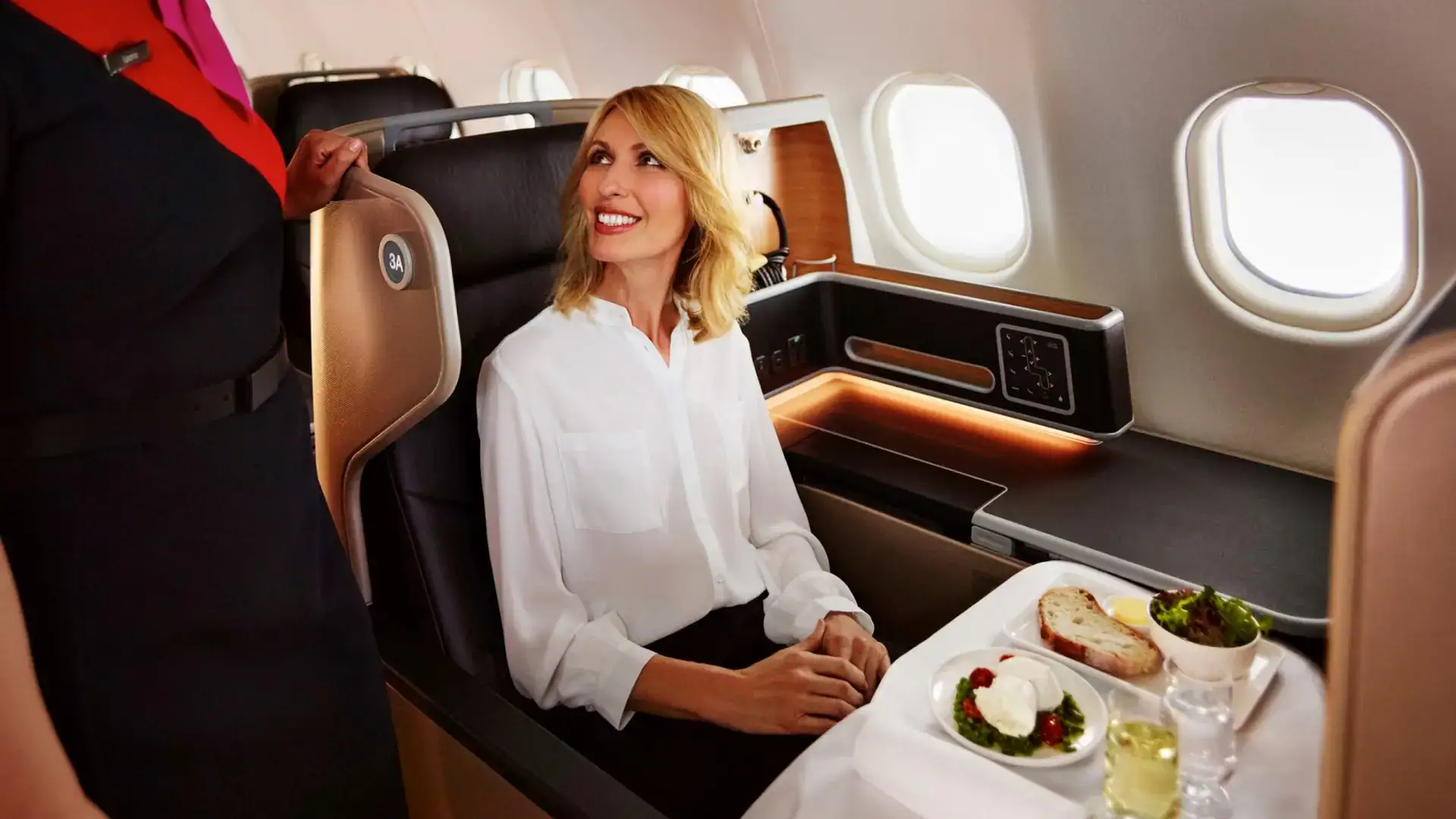
Both Business Class and Premium Economy offer state-of-the-art entertainment on international flights: large HD touchscreens, premium headphones, and extensive on-demand content are now standard. Business Class often includes the latest tech, such as Bluetooth connectivity and personalized controls.
Wi-Fi connectivity is increasingly available in both cabins, with Business Class generally offering higher data allowances or complimentary access. Service levels are distinct: Business Class has a dedicated crew focusing solely on premium guests, ensuring discrete and prompt attention. Premium Economy attendants may also serve Economy, but Premium passengers are always prioritized for meal and beverage service.
Business Class vs Premium Economy: Food & Drinks
Designer amenity kits are a signature of Business Class, often created in partnership with luxury brands and containing upscale skincare, fragrances, and travel essentials. These kits have become coveted collectibles for frequent flyers, and many airlines now include pyjamas, slippers, and plush bedding for overnight flights.
Premium Economy passengers typically receive thoughtfully curated amenity packs with essentials such as hydrating creams, dental kits, earplugs, and masks. While less extravagant than Business Class, the quality has risen considerably, with some airlines—like Air New Zealand—offering exclusive skincare collaborations for both premium cabins.
Business Class vs Premium Economy: In-flight service & Entertainment

Business Class vs Premium Economy: Amenities
Business Class and Premium Economy are fundamentally different products. Business Class delivers a truly elevated journey with superior comfort, privacy, and service—a significant leap above Premium Economy, which itself is a marked improvement over standard Economy. For long-haul travel, the investment in Business Class is often justified by the quality of rest and overall experience.
FAQs
Business Class is vastly more luxurious than Premium Economy. Features such as lie-flat beds, gourmet dining, exclusive lounges, and high-end amenity kits set Business Class apart. Premium Economy offers enhanced comfort and service over Economy, but does not approach the exclusivity or refinement of Business Class.
Is Business Class worth the extra cost over Premium Economy?
Premium Economy seats do not convert into fully flat beds. They provide generous recline and enhanced support, often with footrests and leg rests, but true lie-flat beds remain exclusive to Business and First Class cabins.
Is Business Class more luxurious than Premium Economy?
Absolutely. Business Class seats offer significantly more space, privacy, and adjustability than Premium Economy. Airlines continue to innovate with advanced seat designs, including private suites and double beds. While Premium Economy provides ample legroom versus Economy, Business Class remains unmatched for comfort and tranquility.
Do the seats in Premium Economy lie flat?
Yes, both Business Class and Premium Economy tickets accrue frequent flyer points, though the earning rates differ by airline and fare class. Higher fares generally yield more miles or points. Always consult your carrier’s loyalty program for specific details on accrual rates.
Are the legroom and seats better in Business Class than Premium Economy?
Business Class tickets almost always include access to premium airport lounges. Premium Economy does not typically come with lounge access, although a few airlines—such as SAS—occasionally offer this perk as a special benefit.
Can you earn frequent flyer points in Business Class and Premium Economy?
Both Business Class and Premium Economy include complimentary meals and beverages. Business Class passengers enjoy gourmet cuisine and premium alcohol, including Champagne. Premium Economy guests receive an upgraded meal and drink selection over Economy, though the range and quality are more modest compared to Business Class.
Businessclass scans hundreds of travel sites to help you discover the finest premium flight offers. Businessclass also compares leading hotel suppliers for the best rates at top-tier properties.