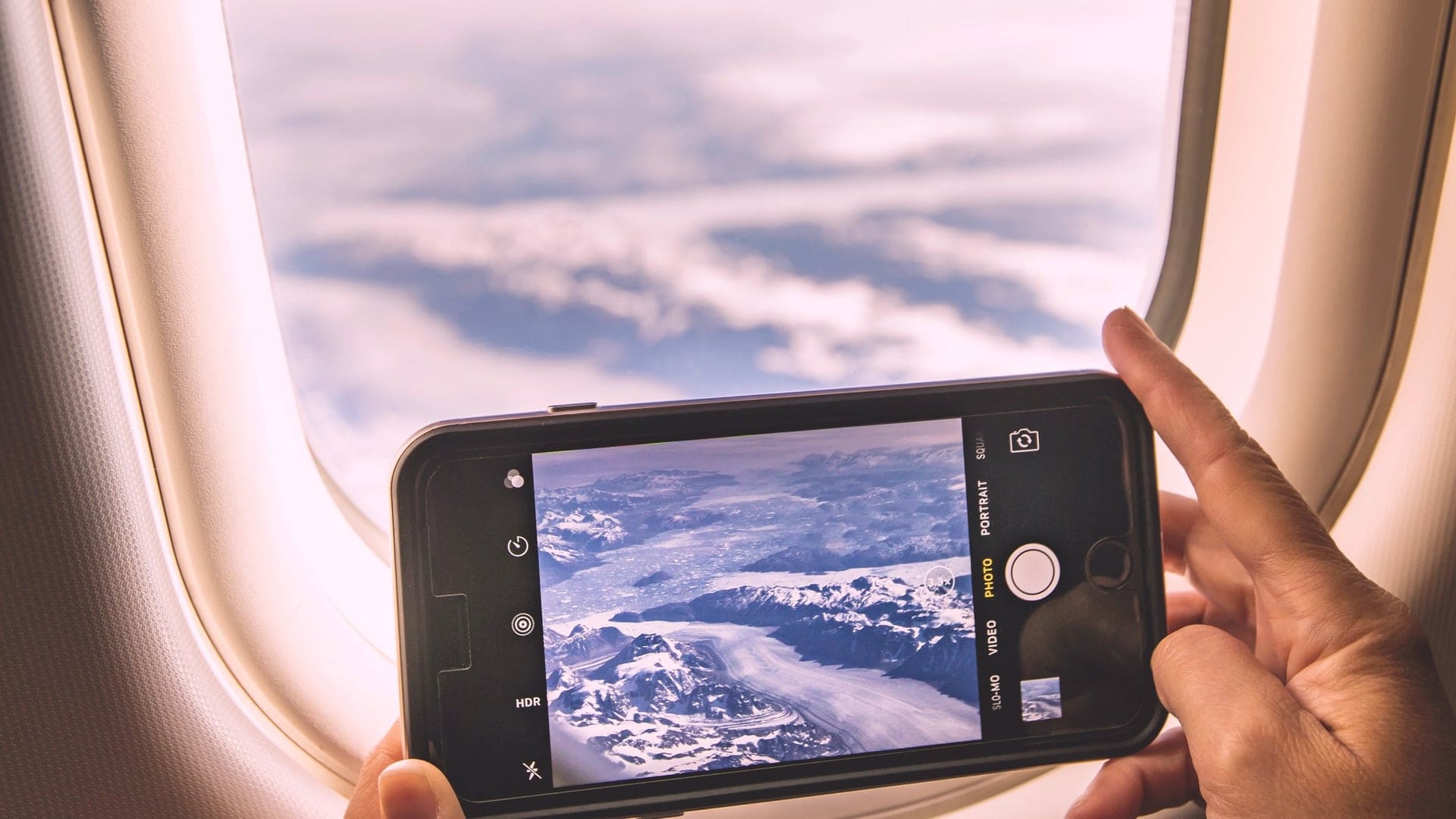

The era of forced digital isolation while flying in Europe is coming to an end, as the European Union ushers in the next generation of onboard connectivity for travelers.
Following a landmark directive by the European Commission, airlines operating within the EU are now permitted to offer 5G network access during flights. This transformative change allows passengers to use their mobile devices in the air exactly as they do on the ground—making voice calls, sending messages, streaming high-definition content, and accessing data-intensive applications without compromise.
Historically, passengers were required to switch devices to airplane mode to prevent potential interference with aircraft avionics. This long-standing precaution was rooted in concerns that active mobile signals might disrupt sensitive onboard navigation and communication systems.
Traditional mobile networks rely on terrestrial towers, which become inaccessible at cruising altitude. In response, phones would continuously search for a signal, emitting electromagnetic waves that aviation authorities feared could impact flight safety.
However, the 5G spectrum implemented across the EU and UK operates on frequencies specifically chosen to avoid interference with aviation electronics—unlike some deployments in other regions such as the United States. This deliberate frequency allocation significantly reduces the risk of disruption to critical aircraft systems.
With cutting-edge 5G technology, passengers can now benefit from seamless high-speed connections of up to 100 Mbps, facilitated by direct satellite uplinks between the aircraft and ground infrastructure. This enables everything from rapid movie downloads to uninterrupted video conferencing mid-flight.
While European regulators have greenlit inflight 5G, airlines retain discretion over how these new capabilities are managed. Carriers are expected to implement robust safety protocols and may introduce policies governing voice calls or other services to balance passenger comfort and tranquility.
Some airlines may choose to restrict voice calls to preserve a serene cabin environment, as traveler preferences vary widely. The specifics of inflight mobile use will likely differ between carriers, reflecting their individual service philosophies and customer feedback.
As of June 2025, UK-registered flights continue to prohibit mobile phone use during flight, though regulatory reviews are ongoing.
Businessclass leverages advanced search technology to curate the most competitive premium airfare deals. We also compare top hotel providers to secure the finest luxury accommodations at exceptional rates.