
Japan has fully reopened its borders to international visitors, eliminating nearly all pandemic-era restrictions and reinstating visa-free entry for most nationalities. Travelers are no longer required to present proof of vaccination or negative test results, and the previous daily arrival cap has been abolished, making seamless and spontaneous travel to Japan possible once again.
This revitalization of inbound tourism marks a pivotal moment for Japan's travel sector, which is seeing a resurgence in global demand. With the yen remaining relatively favorable for foreign visitors, the country is experiencing a surge in international arrivals, boosting both hospitality and aviation industries.
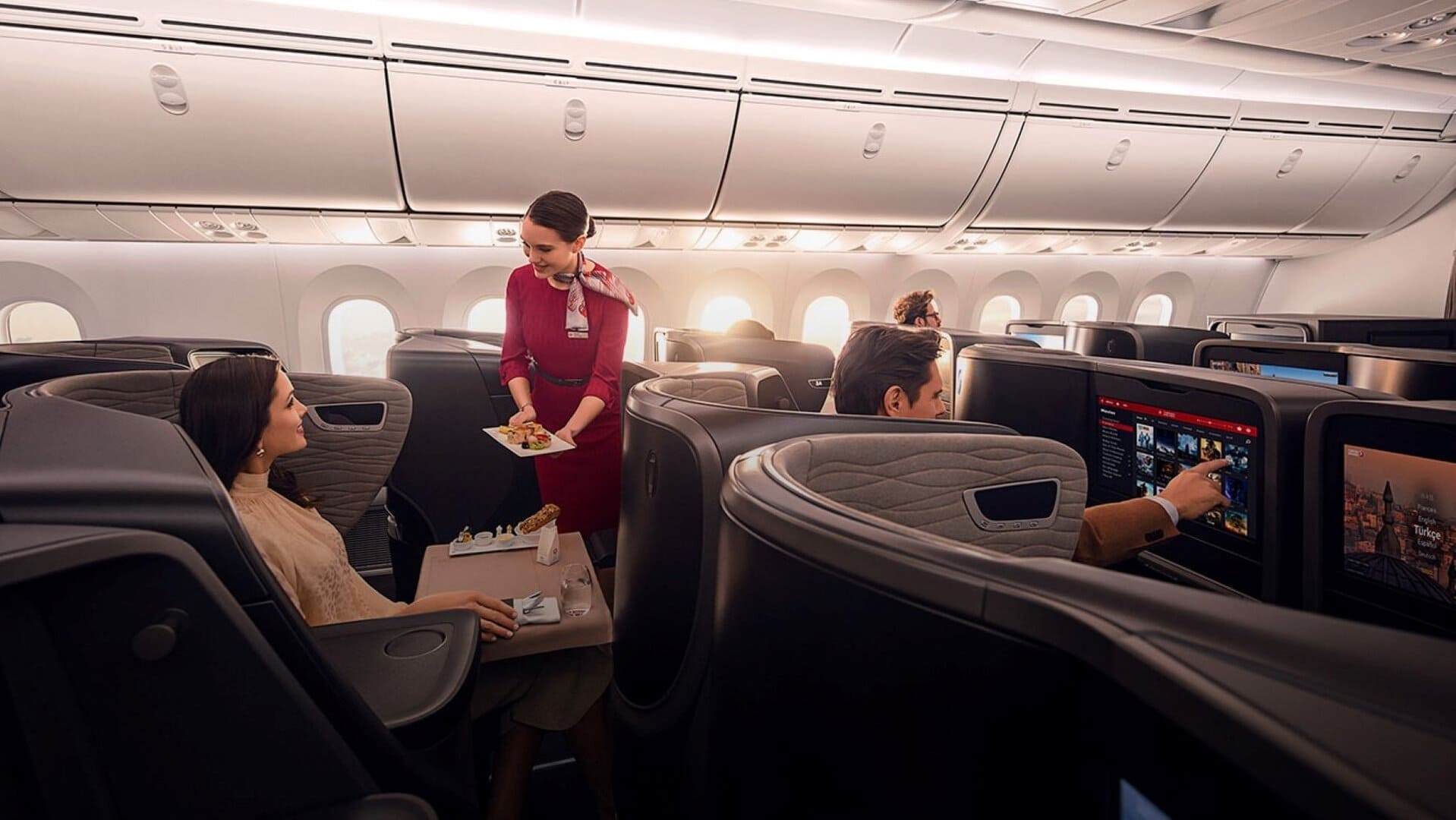
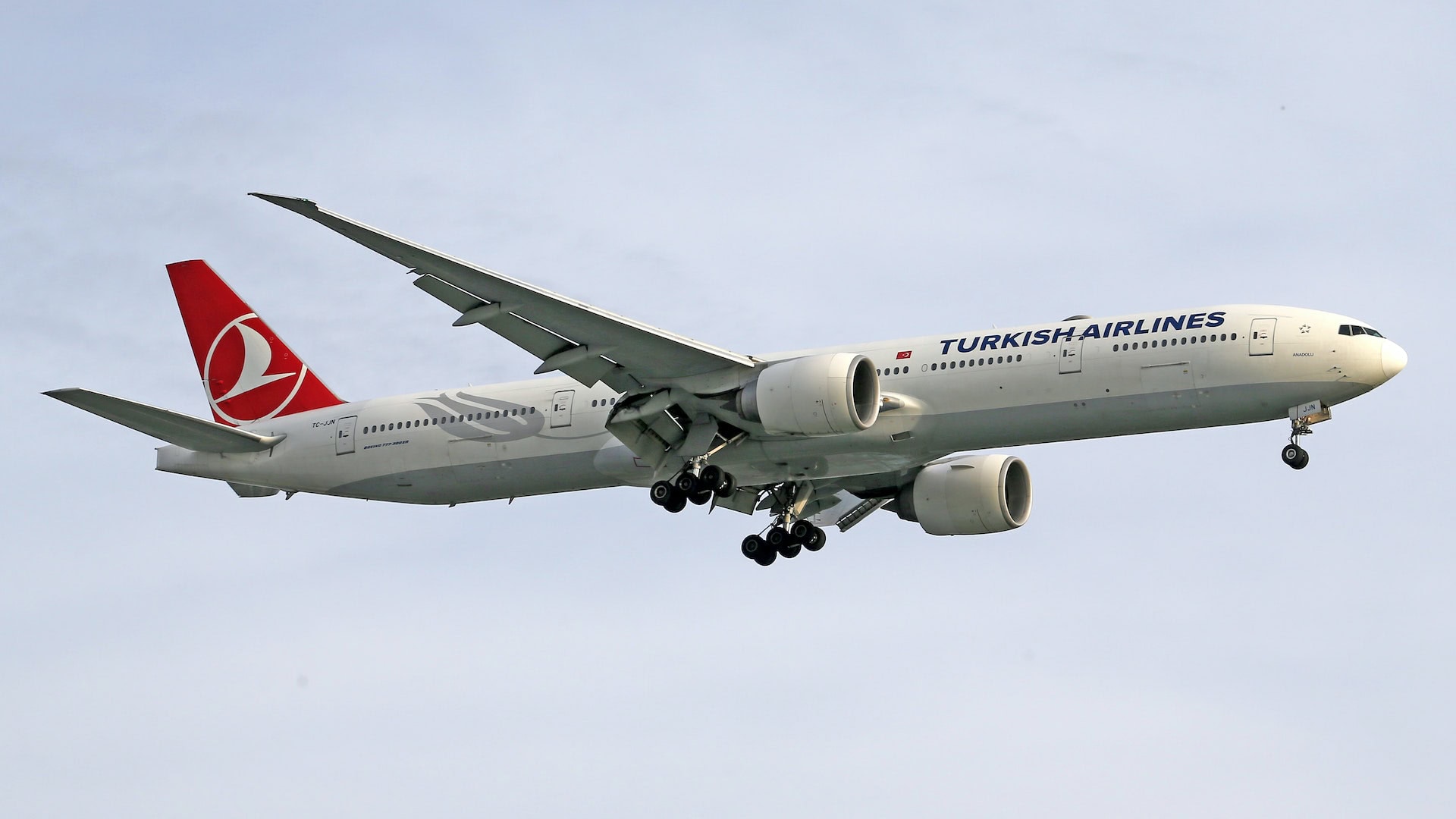
Turkish Airlines has responded with a strategic enhancement of its Japan network, now offering direct flights from Istanbul to both Tokyo Narita and Haneda airports. As of December, the Star Alliance flagship has reinstated its Narita service, operating three times weekly with state-of-the-art Boeing 787-9 Dreamliners featuring 30 lie-flat Business Class suites. This complements the carrier's already robust daily frequency to Haneda, catering to both business and leisure travelers seeking flexibility and premium service.
This dual-airport strategy marks the first time Turkish Airlines has operated scheduled passenger flights to both Tokyo gateways concurrently. The airline had maintained a longstanding presence at Narita until 2020, when pandemic constraints led to a temporary consolidation at Haneda. The return to Narita signifies Turkish Airlines' commitment to the Japanese market and its confidence in the sustained recovery of international travel.
Explore our expert review of Turkish Airlines Business Class
Discover why Istanbul Airport retains its 5-star status