

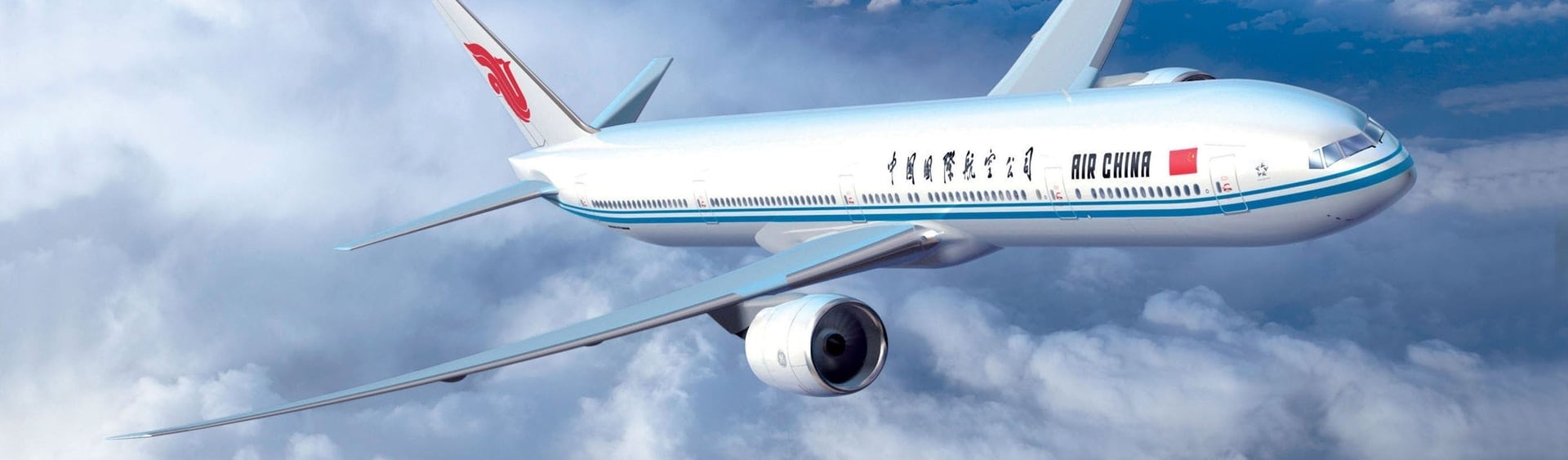
Air China’s Business Class delivers an immersive experience for travelers seeking a blend of comfort, service, and authentic Chinese culture. From the moment you board, you’ll notice distinctively Chinese touches—culinary traditions, bilingual service, and subtle design cues—creating a sense of place at 35,000 feet. For those open to exploring new perspectives in premium travel, Air China stands out among global carriers.
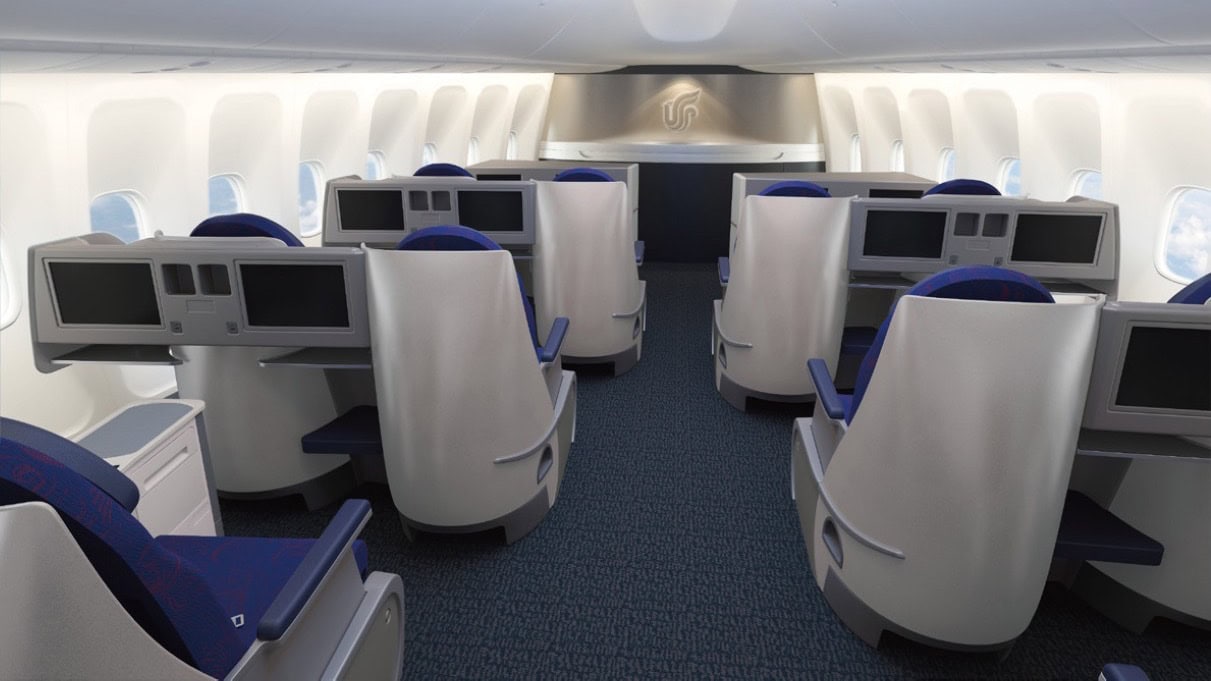
On long-haul routes operated by Boeing 747 and 777 aircraft, Air China’s premium product is branded as Capital Pavilion Business Class, complemented by the exclusive Forbidden Pavilion First Class for the ultimate in-flight luxury.
The airline’s extensive network covers mainland China comprehensively and provides seamless connections throughout Asia, the Pacific region, Europe, and North America. Its unrivaled domestic reach is a significant advantage for business and leisure travelers alike, with Beijing serving as the primary hub, supported by a network of secondary hubs nationwide.
As a proud member of Star Alliance, Air China allows travelers to earn and redeem miles with nearly two dozen global partners, including Air Canada, ANA, Lufthansa, Swiss, and United, among others. Star Alliance Gold members enjoy priority services even in Economy, while Air China’s own PhoenixMiles loyalty program continues to evolve, offering valuable rewards for frequent flyers.
Airport experience
Air China’s primary operations are split between Beijing Capital and the architecturally striking Daxing International airports, with robust presence in Shanghai and Chengdu. All hubs feature modern terminals with a curated selection of retail and dining outlets, though Western food options remain less prominent than local fare.
Business Class guests benefit from complimentary chauffeur-driven airport transfers in select cities, eliminating the hassle of local transportation and language barriers for a smooth start to your journey.
Dedicated check-in counters and fast-track security channels help expedite your airport experience, but travelers should be prepared for thorough security inspections—Chinese authorities often inspect electronics, chargers, and liquids, and may open bottles for verification. Build in extra time, as brisk interactions are customary and not a reflection of service quality.
International connections can be complex, occasionally requiring terminal transfers, additional security screening, and, for some nationalities, a transit or entry visa. Plan accordingly to ensure a stress-free connection.
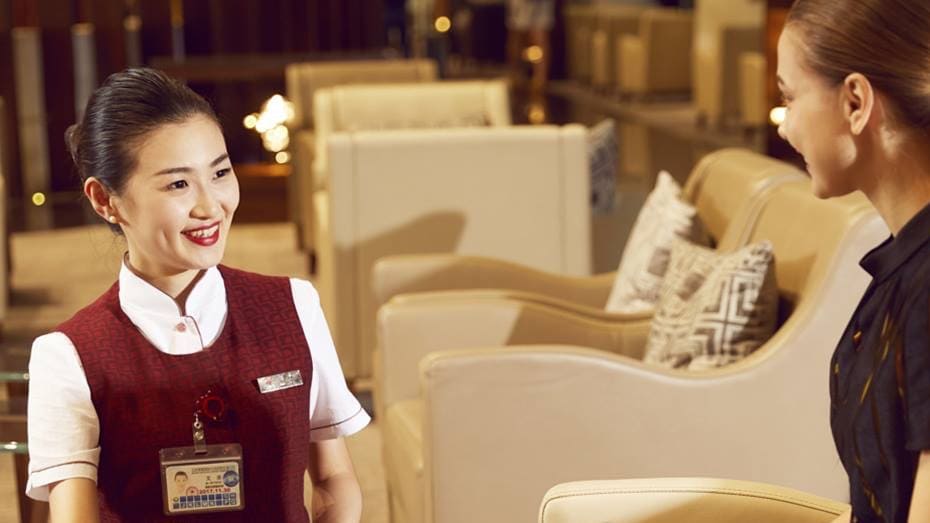
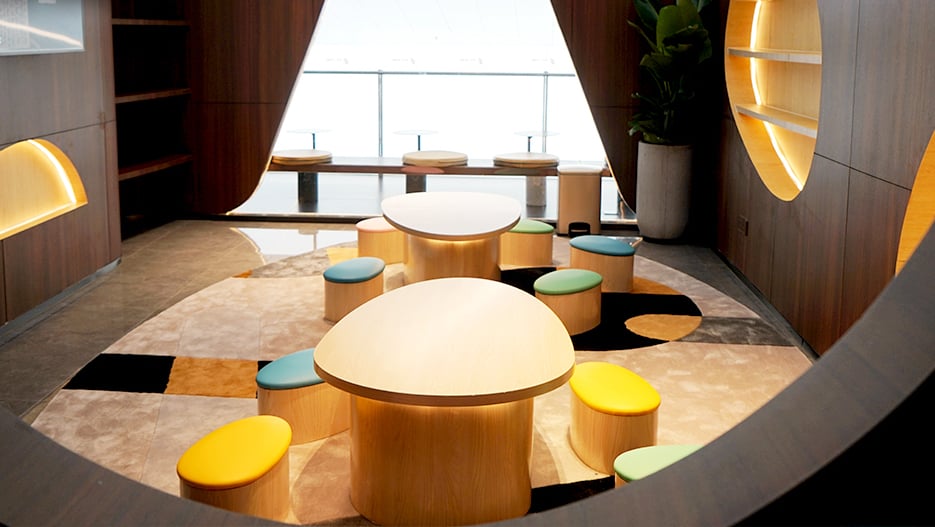
Air China’s flagship lounges in Beijing and Shanghai set the standard, featuring tranquil nap suites, extensive buffets with hot and cold selections, and open bars. Domestic lounges are functional but less lavish. Wi-Fi access in lounges is subject to government regulation and requires passport verification, with access to some international websites restricted.
Priority boarding lanes are provided for premium and elite passengers, though enforcement can be inconsistent. Many of the unique aspects of the Air China ground experience reflect local practices rather than airline shortcomings.

Cabin & Seat
With a fleet of nearly 500 aircraft, Air China ranks among the world’s aviation giants. Your Business Class experience will vary depending on aircraft type and route—but the carrier’s most advanced product can be found on its Airbus A350-900s.
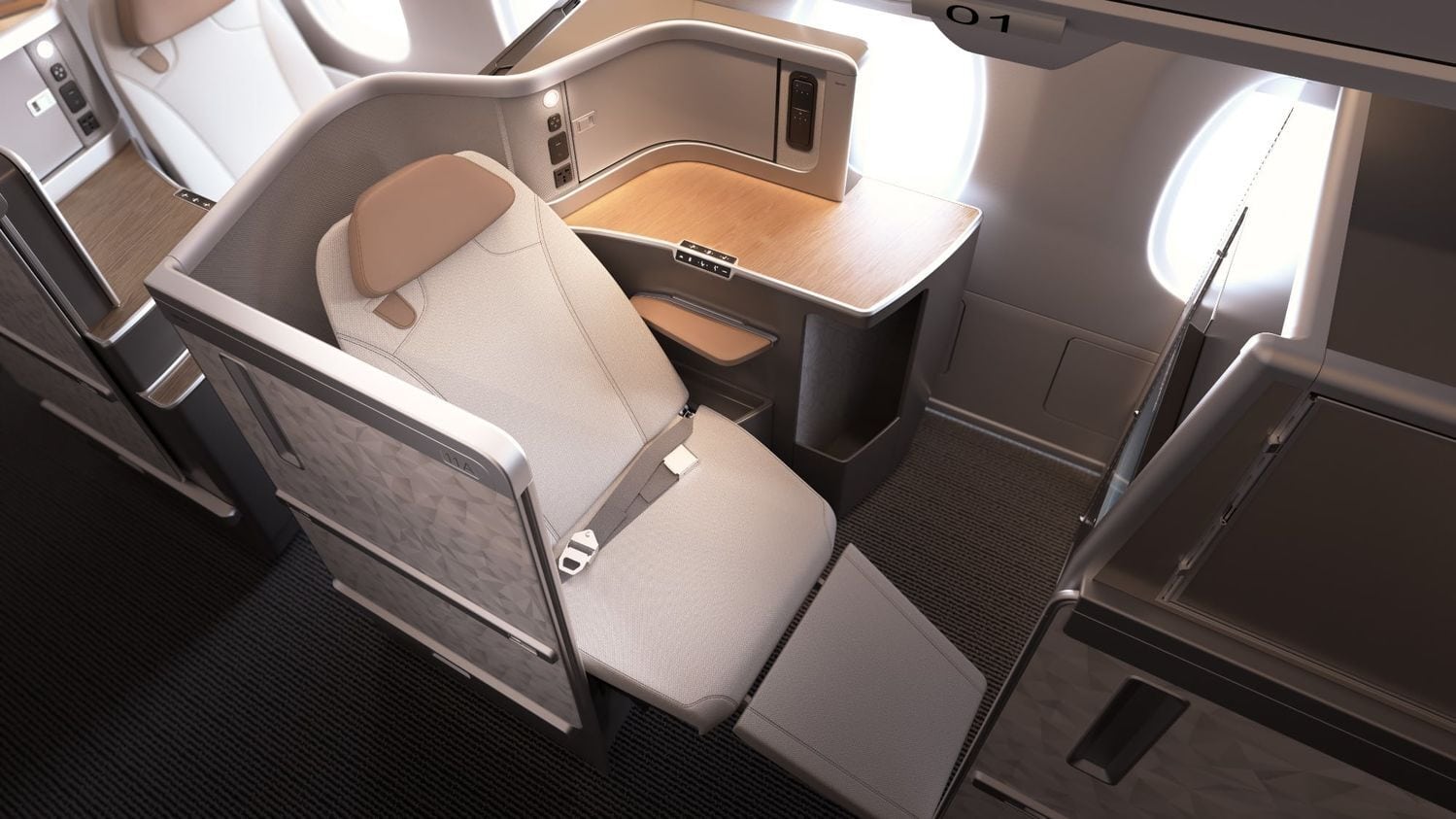
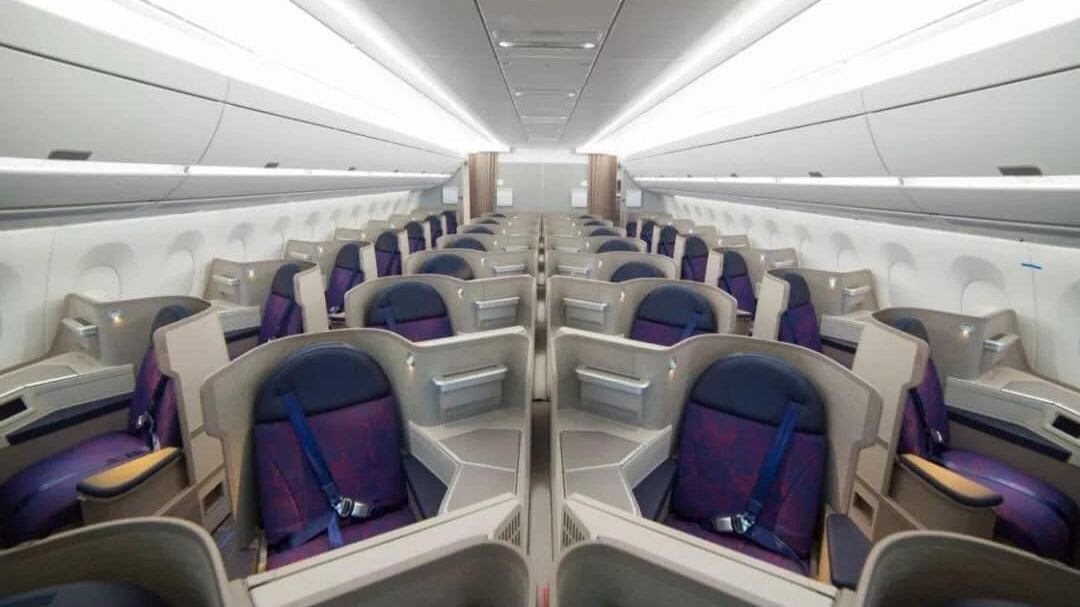
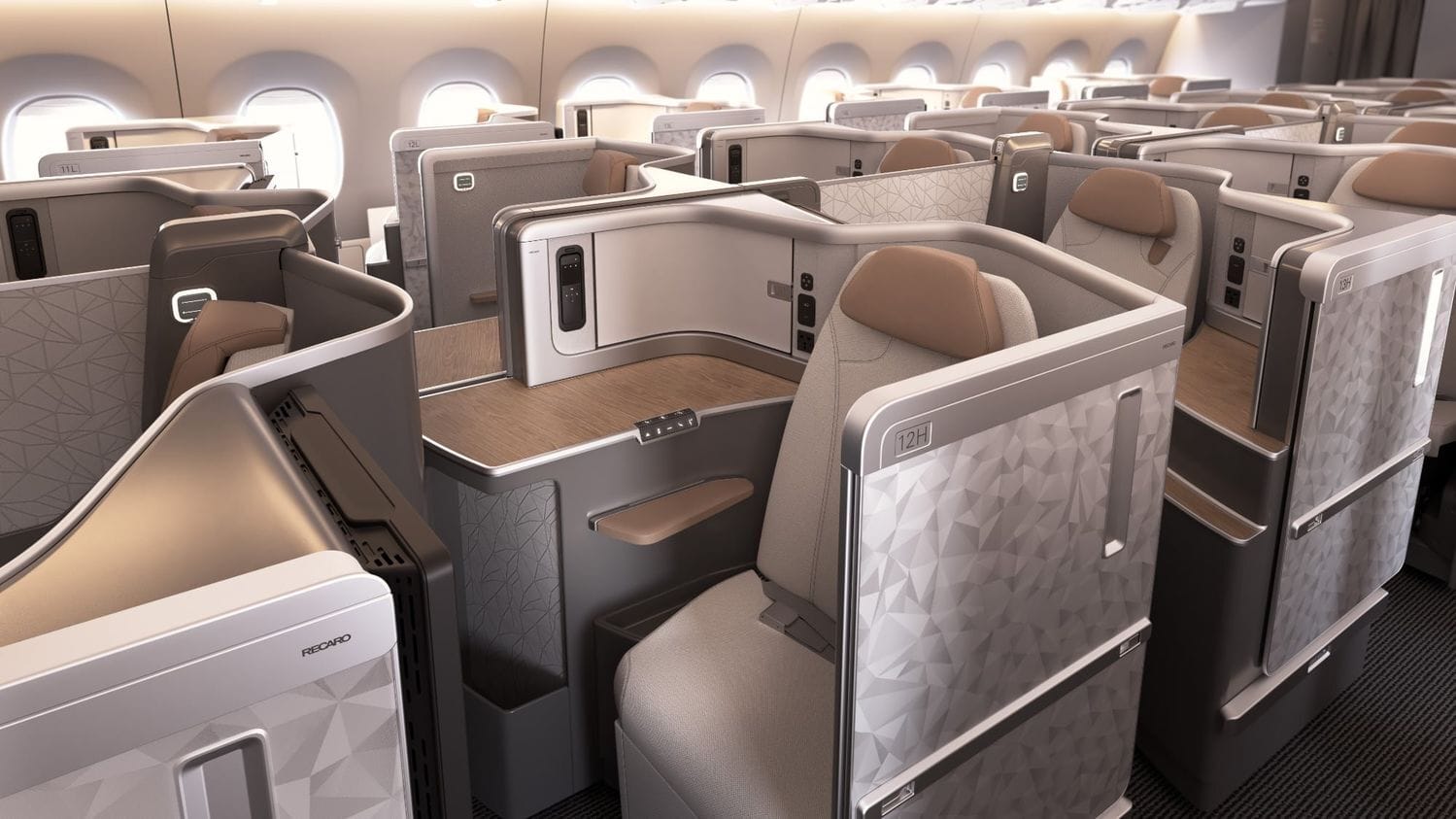
The A350-900 features private suites with sliding doors, offering exceptional privacy. These suites convert into 1.98-meter (78-inch) fully flat beds with memory foam cushioning, and are arranged in a 1-2-1 configuration for direct aisle access. This marks Air China’s foray into next-generation Business Class, setting new standards since their introduction.
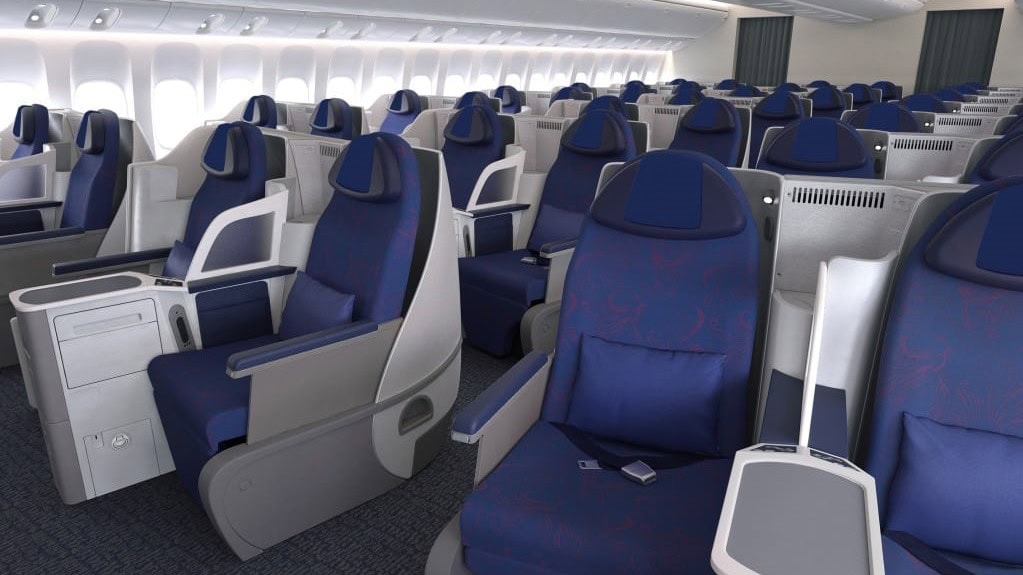
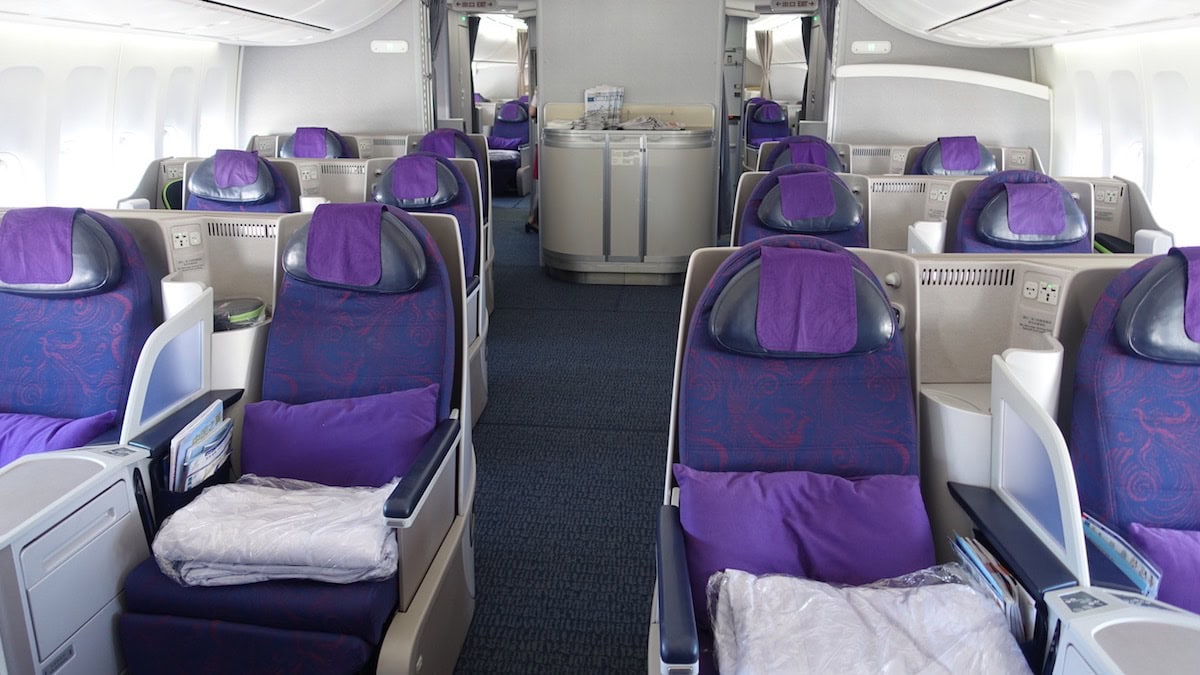
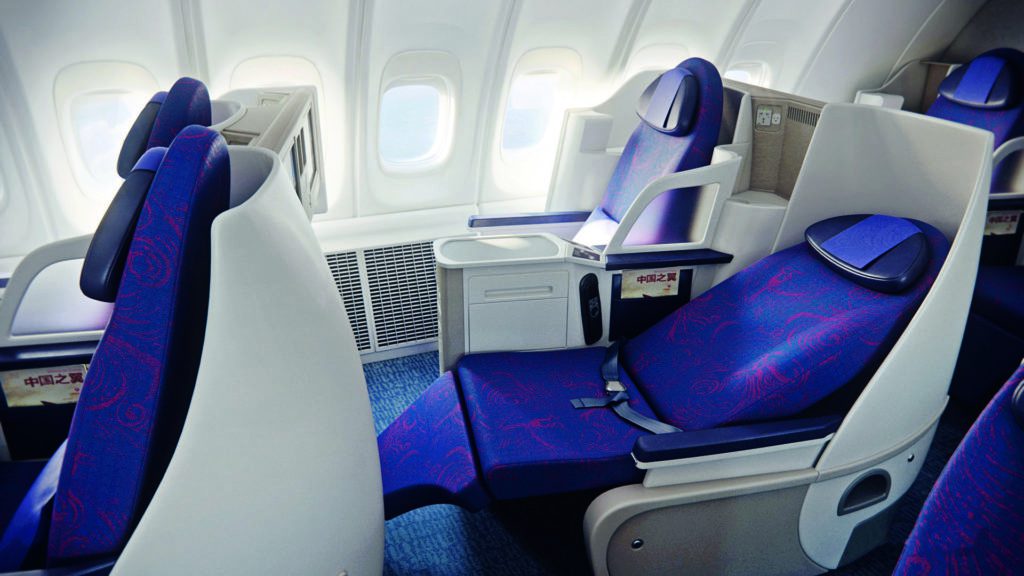
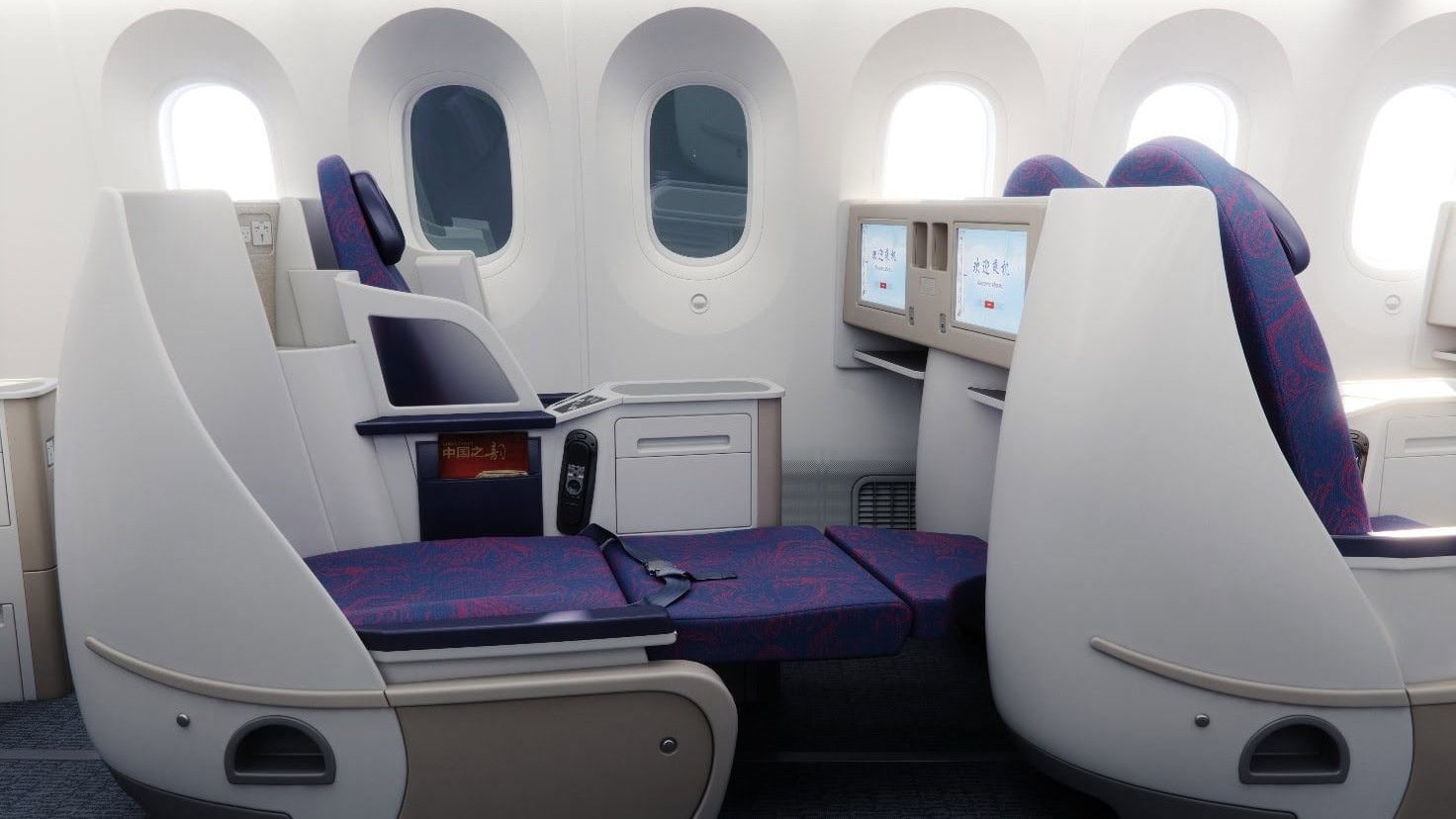
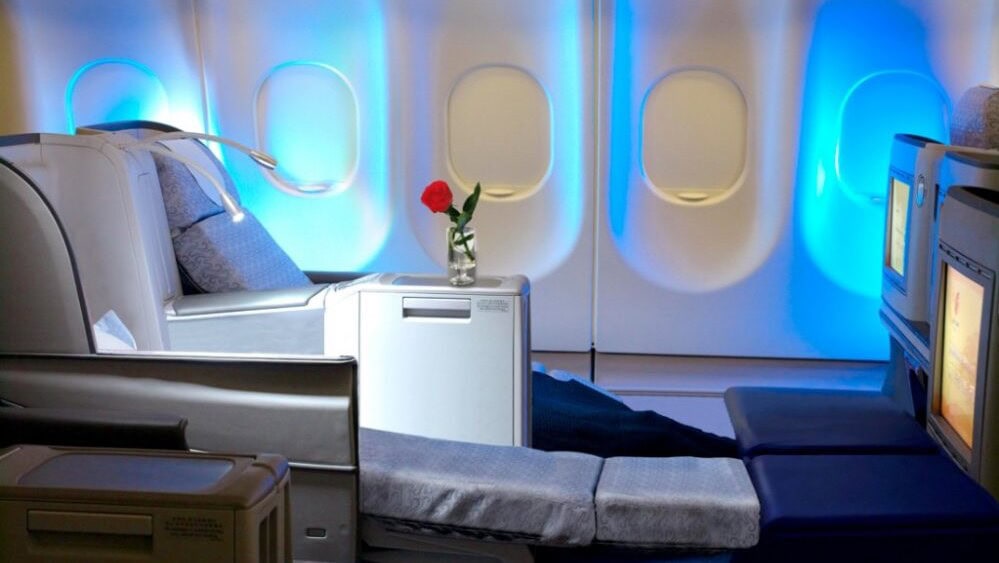
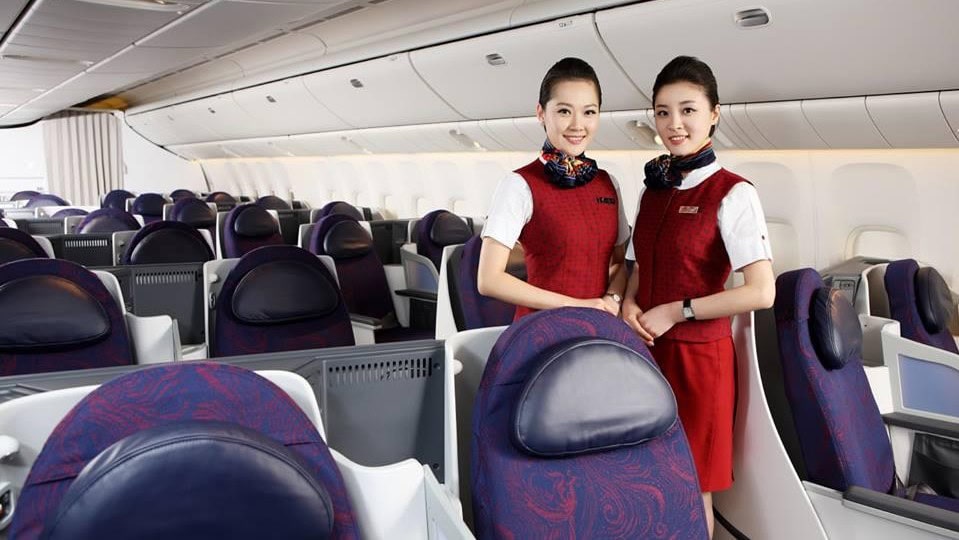
Other widebody aircraft—including the A330, Boeing 747, 777, and 787—feature a 2-2-2 seat layout, with a mix of fully flat and angled lie-flat seats. The center section provides the easiest aisle access, while paired window seats appeal to couples seeking a more secluded atmosphere. Some guests report limited footwell space when the bed is fully extended—an important consideration for taller travelers.
Specific seat nuances are worth noting: On the Boeing 787, Row 14 seats lack windows, making them feel more enclosed. The Business Class cabin on the 747 is uniquely positioned in the nose and upper deck, providing a quiet, exclusive environment reminiscent of a private jet. Both feature a 2-2 seating pattern, ensuring a more intimate setting.
Every Business Class seat is equipped with a personal side table, USB and power outlets, a generous fold-out dining table, and convenient storage. Electronic controls allow for multiple seating positions, including a fully flat bed for restful sleep. We recommend consulting the seat map before booking, as configurations can vary based on route. The A350s and 747s consistently deliver the best experience.
For detailed images, videos, and seat maps, use the Businessclass flight search tool. This resource also provides comprehensive seat specifications, helping you make an informed choice before reserving your flight.
Cuisine
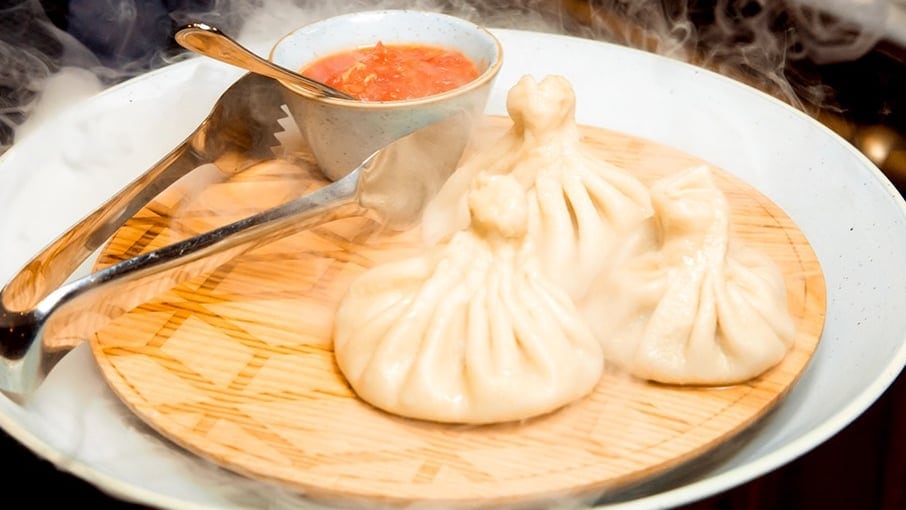
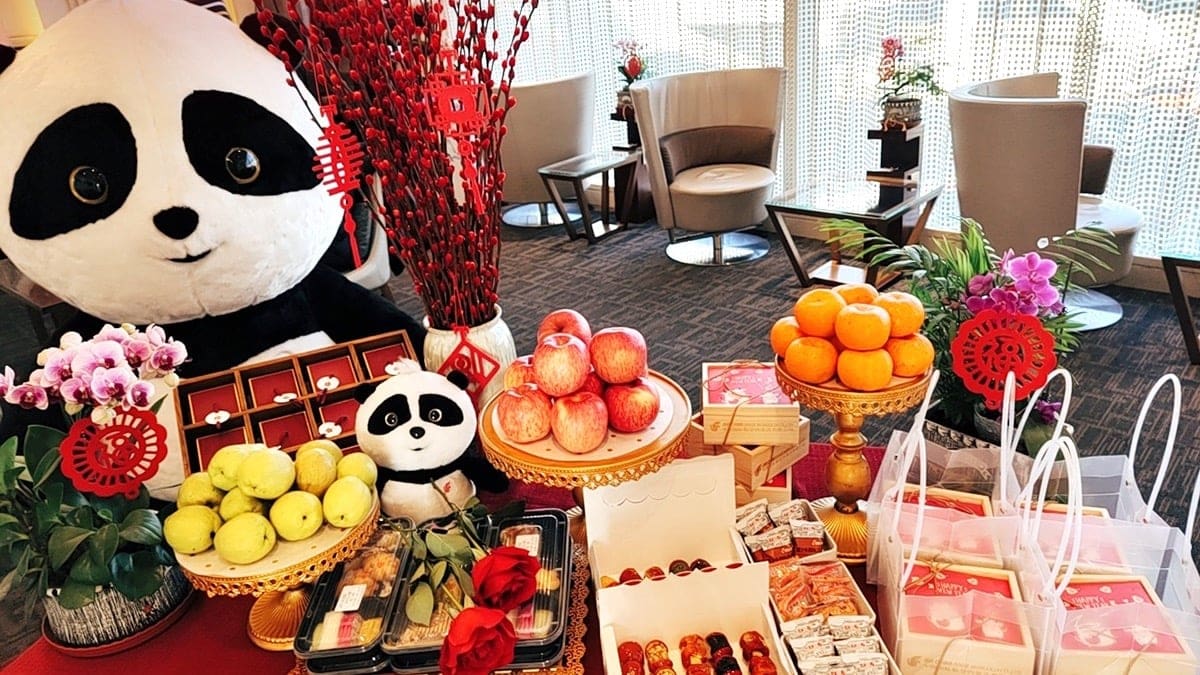
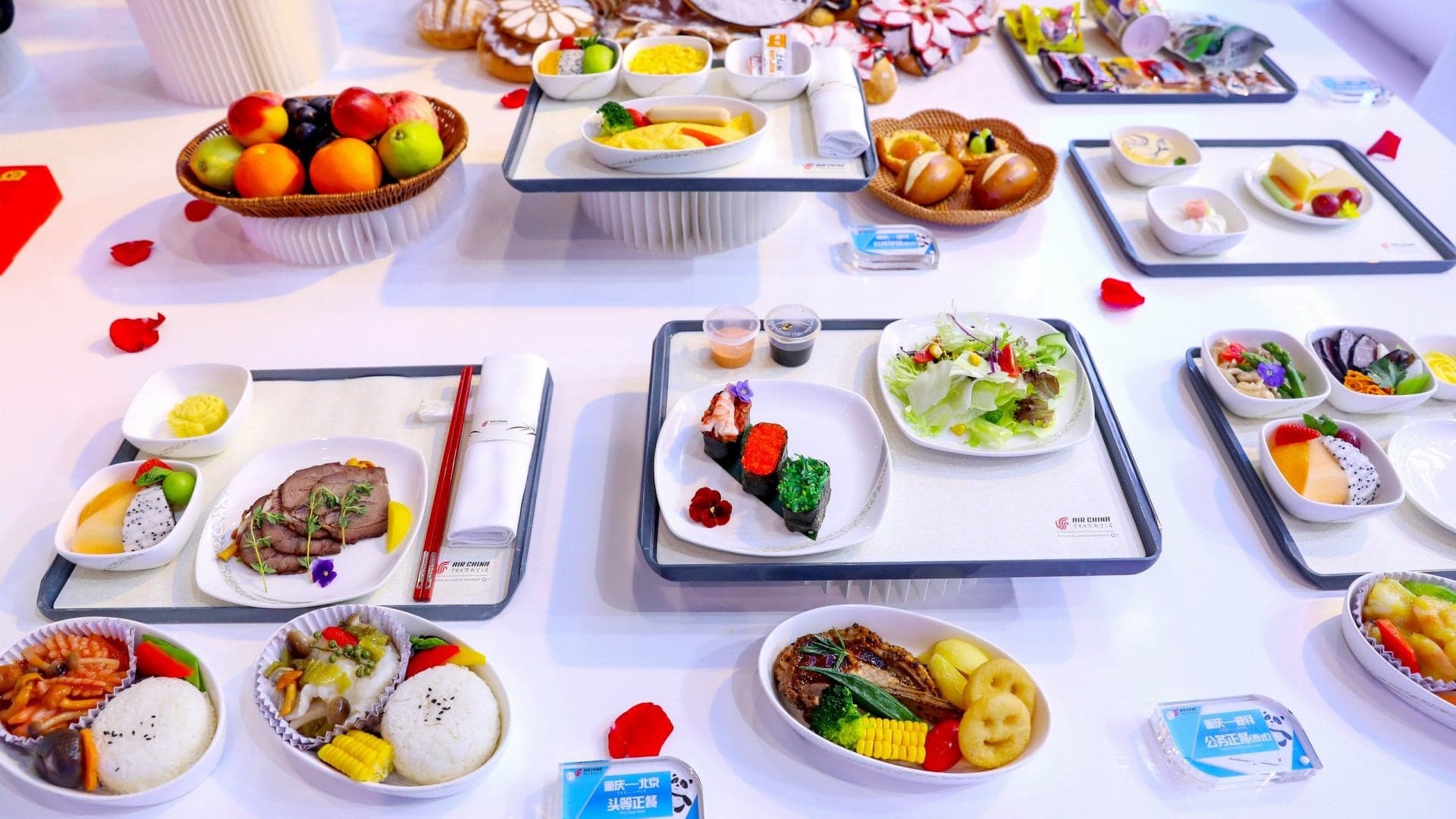
Air China’s Business Class menu is a celebration of Chinese gastronomy, with a thoughtful nod to Western preferences. Expect a wide array of choices, allowing you to personalize your dining experience to suit your palate.
Printed menus detail multi-course offerings, which on long-haul sectors are delivered on fine porcelain and elegant tableware atop crisp linens. Service can feel brisk at times, with crew occasionally collecting menus after meal selections—request to keep yours for a reference throughout the flight.
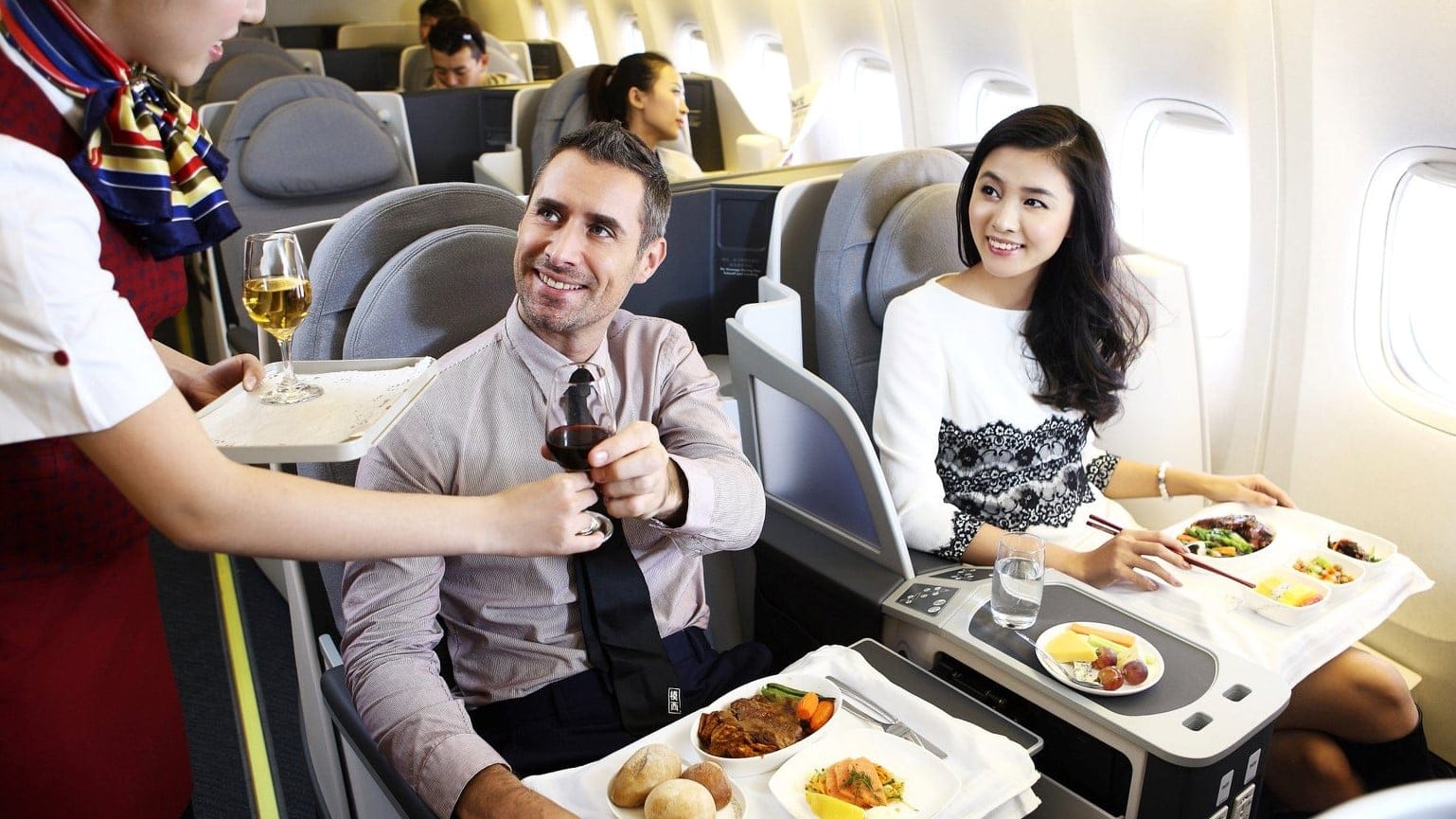
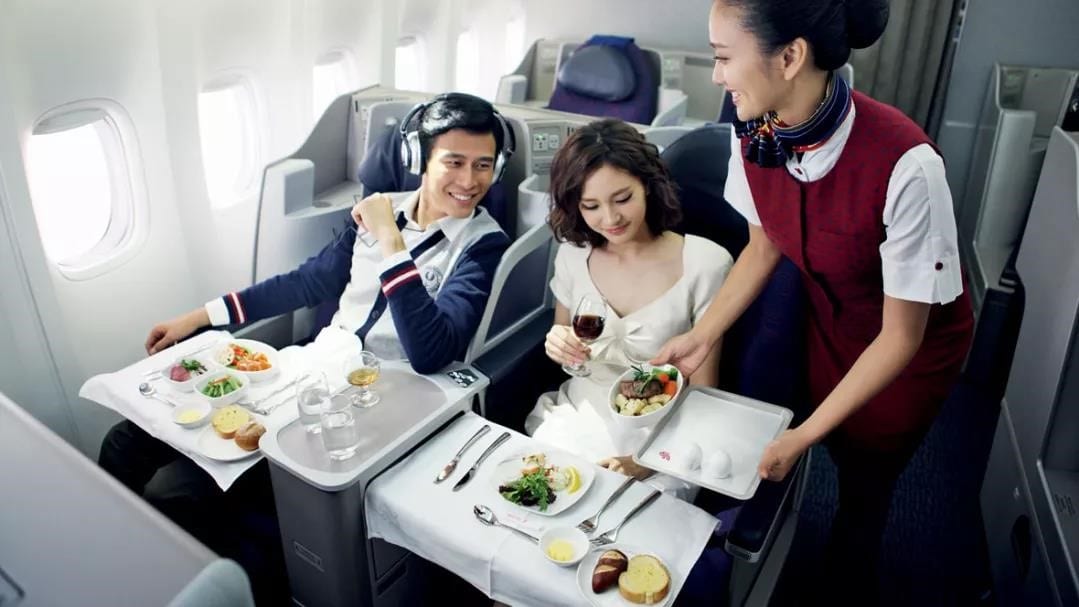
The meal service begins with a hot towel, aperitif, amuse-bouche, and nuts, followed by a starter and fresh salad. Main courses typically feature two Chinese and two Western options, with at least one vegetarian dish. Dishes are presented in individual casseroles—while portions are generous and flavors authentic, the reheating process can sometimes impact visual appeal.
Dessert selections include pastries, fresh fruit, and cheese, complemented by attentive drink service. All courses are plated in the galley for a refined presentation.
Two to three hours prior to arrival, a second meal is served, with both Chinese and Western choices that vary depending on the time of day and destination.
On select flights, guests may pre-order their preferred dishes online from the standard menu, ensuring availability. Special dietary requests—including vegetarian, halal, and seafood—are also accommodated in advance. While there is no true dine-on-demand, light snacks such as ice cream, noodles, and waffles are available between meals, either from the galley or delivered to your seat.
Beverages
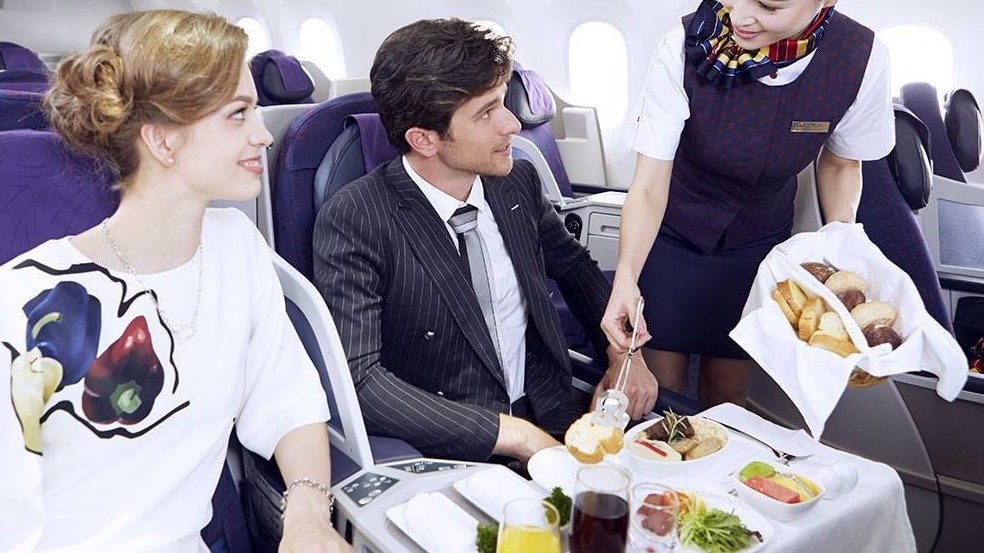
Upon boarding, Business Class travelers are welcomed with a glass of Champagne or sparkling wine—labels rotate but frequently include premium selections such as Drappier Carte d’Or—and water.
In-flight, the beverage menu features a curated list of international and Chinese wines, along with an array of soft drinks and juices. A highlight is Air China’s exceptional tea program, offering a diverse range of regional green and herbal teas, each described in detail with origins and tasting notes—a true immersion into Chinese tea culture.
Cabin crew are attentive with beverage refills, which is especially appreciated as glassware tends to be on the smaller side. Each seat is provisioned with bottled water, and throughout the flight, attendants circulate frequently with additional refreshments and fresh fruit.
The Businessclass flight search tool provides up-to-date information on the Champagne and wine offerings for Business and First Class. We strive for accuracy, but encourage feedback if you notice a change on your flight.
Service
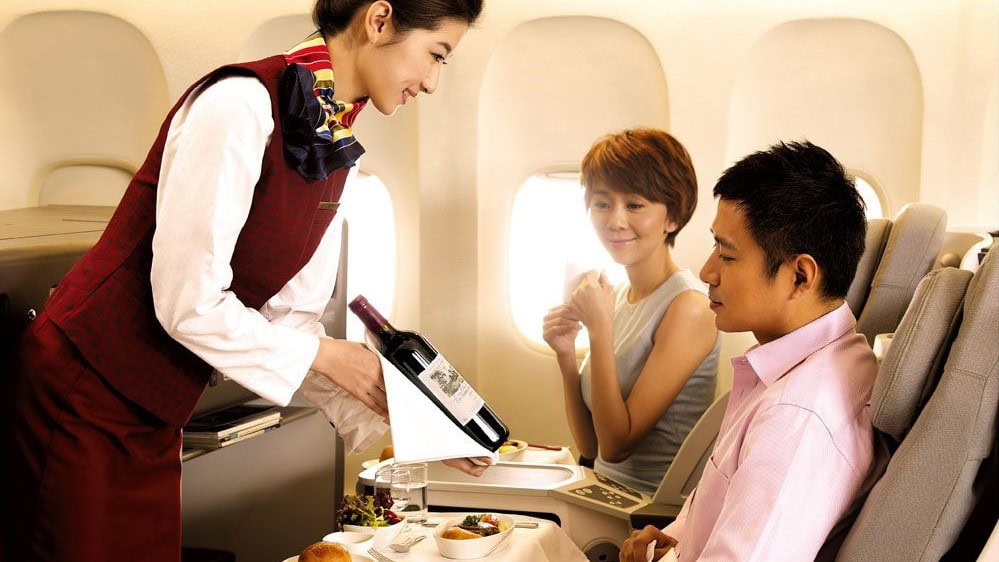
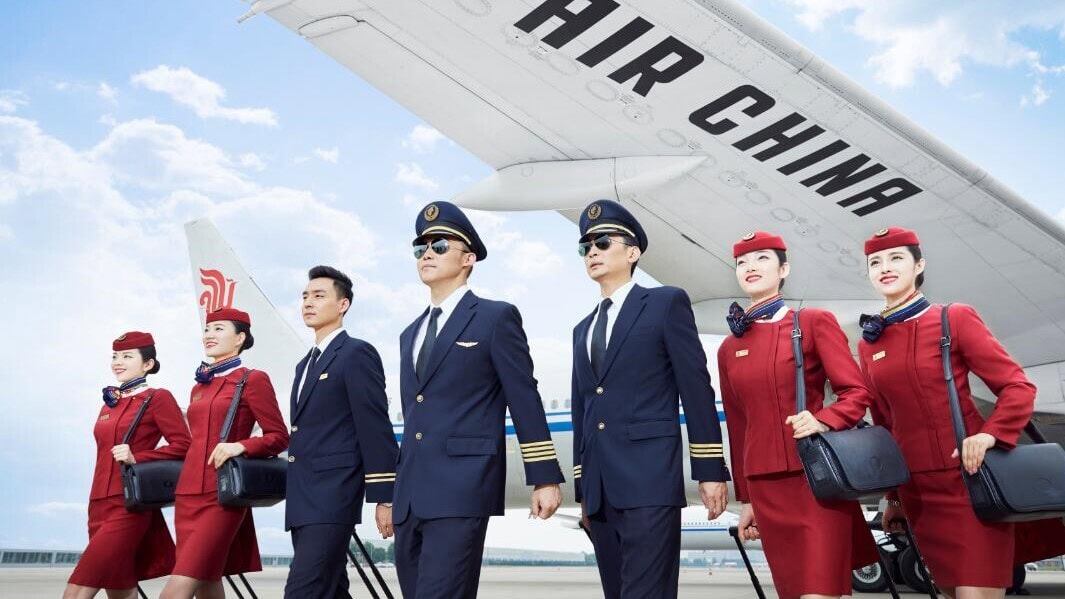
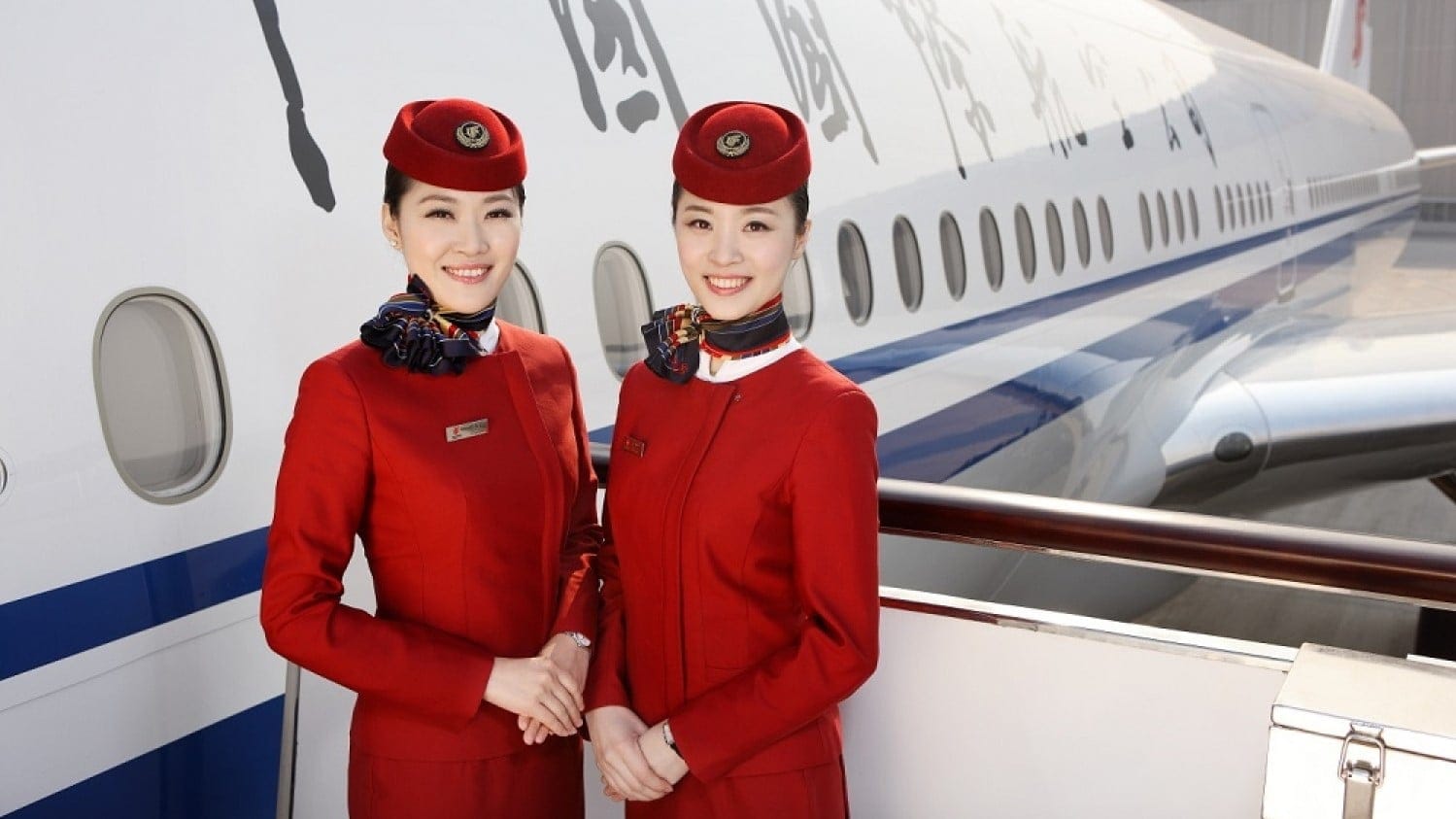
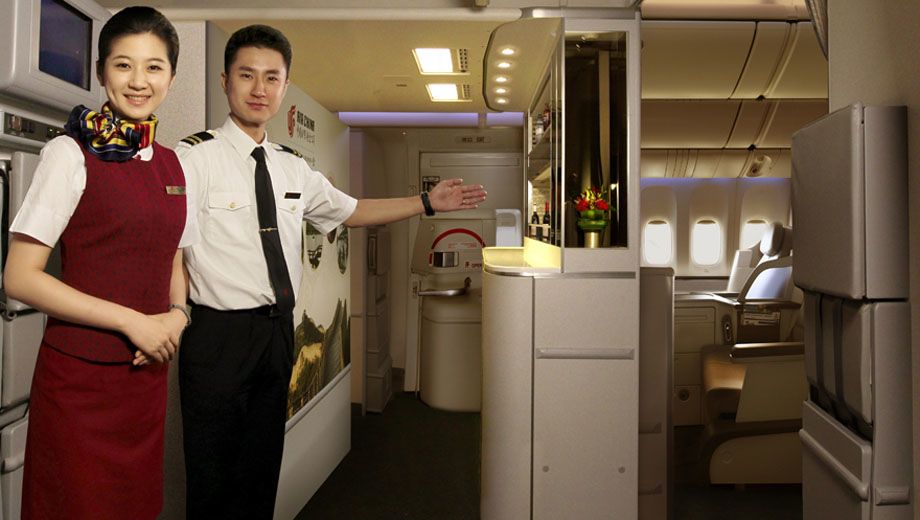
Service in Air China’s Business Class can vary depending on the crew, but our recent experiences reveal a team that is genuinely eager to please. While English proficiency is present, some language barriers persist, and what may appear as reserve is often a form of cultural modesty. With patience and a warm approach, interactions become more engaging and personalized. While service may not match the refinement of some other premium Asian carriers, it is delivered with sincerity and a friendly spirit.
Entertainment
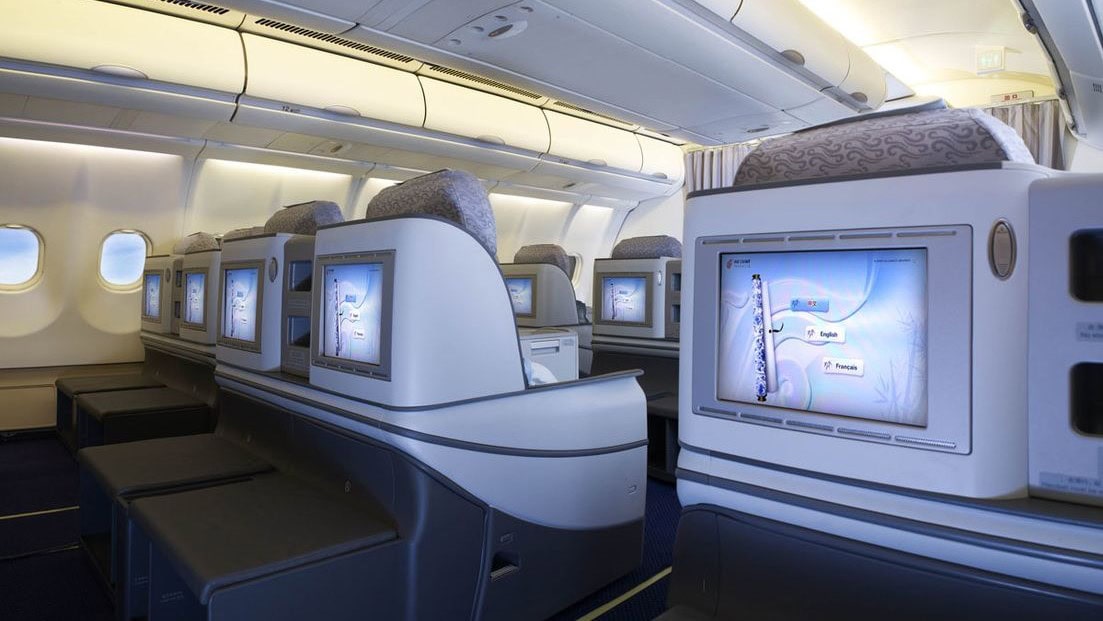
Each Business Class seat is equipped with a large, high-resolution screen featuring both touchscreen and remote control functionality. The entertainment library includes a mix of Chinese films, Hollywood blockbusters, international movies, select sitcoms, a deep roster of documentaries, and a variety of music. While the selection is not as expansive as some competitors, content is available in multiple languages.
Noise-reducing headphones are provided at every seat. As of 2025, Air China is gradually rolling out Wi-Fi on select new aircraft, but connectivity remains inconsistent across the fleet. The moving map remains a passenger favorite, offering detailed route tracking and flight data for aviation enthusiasts.
Comprehensive Wi-Fi and entertainment details can be found using the Businessclass flight search tool.
Amenities & Facilities
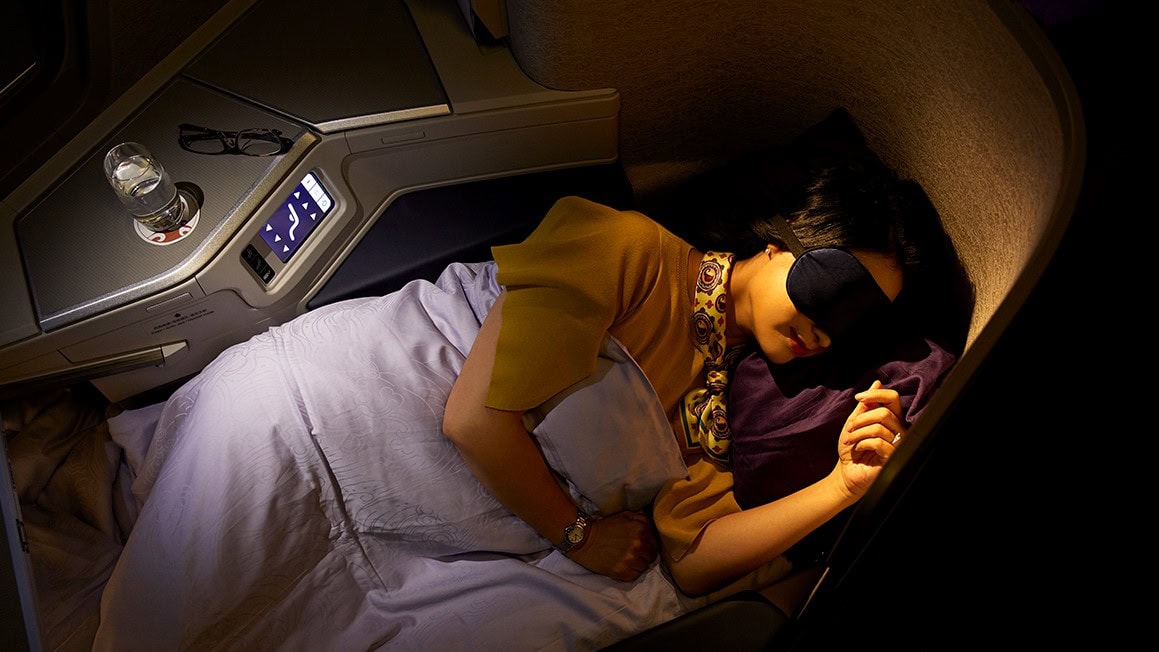
Business Class amenity kits feature L’Occitane products, including lip balm and hand cream, alongside other essentials. Additional toiletries are available in the lavatories, which are consistently maintained—a notable strength compared to other regional carriers. Children receive thoughtful extras such as stationery and toys on request.
Each seat is furnished with a comfortable pillow and blanket, though cabin temperatures tend to be on the warmer side. Complimentary slippers add to the comfort. Families with infants can reserve bassinets on long-haul flights for select seats, making Air China a practical choice for those traveling with young children.
Short & Medium Haul
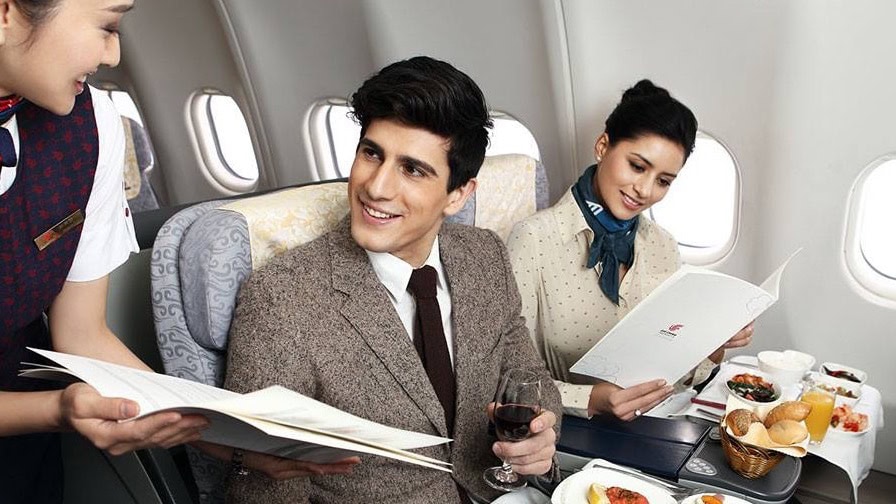
On domestic and regional routes, Air China deploys both widebody and narrowbody aircraft, with Business Class typically featuring recliner-style seating on the latter. These seats are comfortable for shorter journeys, and meal service usually includes hot dishes with both Chinese and Western choices. Beverage selections remain broad, with coffee, teas, soft drinks, beer, wine, and spirits available, though offerings may vary by route and aircraft type. Domestic routes may see more streamlined meal and beverage presentations compared to international flights.
Notably, Air China brands its top-tier domestic cabin as First Class, though the product closely mirrors Business Class in terms of seats and service. On select domestic flights operated by long-haul aircraft (such as the 747 or 777), the Capital Pavilion Business Class is marketed as First Class, while the Forbidden Pavilion First Class is sold as an ultra-premium option, informally dubbed "Super First Class" by staff.
Sustainability
Environmental responsibility is a growing focus for Air China. The airline continues to invest in new-generation, fuel-efficient aircraft and has expanded its use of sustainable aviation fuels on select routes in 2025.
The Businessclass flight search tool displays CO2 emissions for every flight. Our scoring system prioritizes flights operated by the most environmentally advanced aircraft.
What We Love
- Distinctive Chinese ambiance in the air, from curated tea selections to regionally inspired menus
- Extensive domestic and international network, including exclusive access to lesser-served Asian destinations
- The unique privacy and intimacy of Business Class on the Boeing 747, reminiscent of a boutique jet experience