
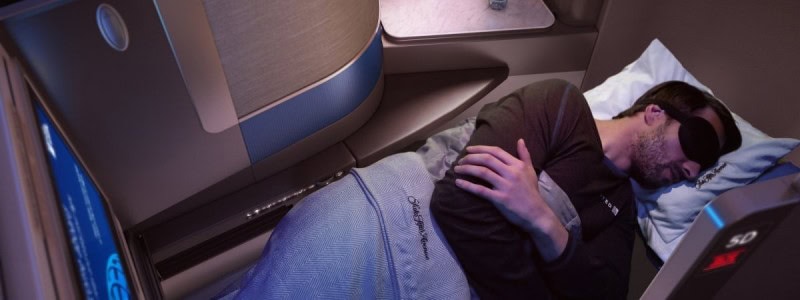
In-flight rest is the gold standard of premium air travel. Don’t we all wish we could drift off effortlessly as soon as we buckle in?
Some travelers seem to master the art of sleeping through turbulence and takeoff alike, awakening only as the wheels touch down while the rest of us toss and turn, longing for a moment’s peace at 35,000 feet.
Securing deep sleep above the clouds is consistently ranked as one of the top challenges for frequent flyers. Recognizing this, leading airlines have invested heavily in sleep-enhancing features, transforming cabins into sanctuaries of rest with state-of-the-art amenities and science-backed solutions.
Discover how today’s airlines are redefining the in-flight sleep experience for discerning travelers.
1. Suites
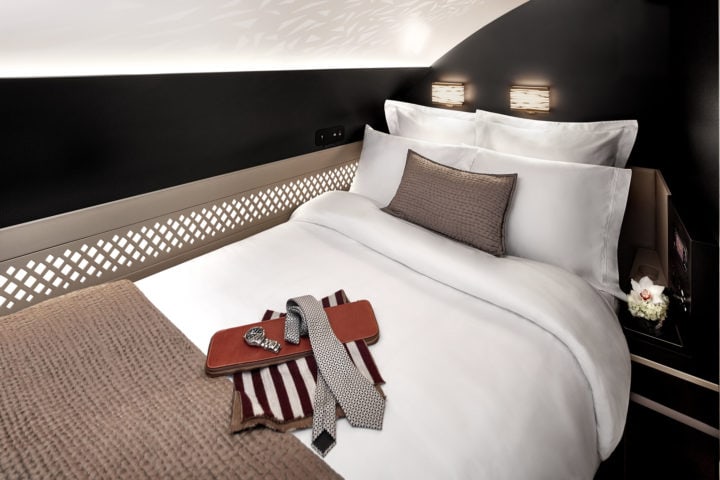
For those seeking the pinnacle of sleep at cruising altitude, Etihad’s The Residence remains unmatched. This opulent three-room suite boasts a private living area, a dedicated shower room, and a secluded bedroom featuring a lavish 208cm (6ft 10in) double bed. With fares starting from around £12,000 one way, it’s an investment in true luxury rest—and a bucket-list sleep experience for many.
Etihad's The Residence: 6ft 10in double bed for unrivaled in-flight comfort
Other airlines have entered the private suite arena, offering first class travelers enclosed sanctuaries. For a curated look at elite options, see our guide to the world’s most luxurious first class suites.
2. Fully-flat beds and angled lie-flat seats
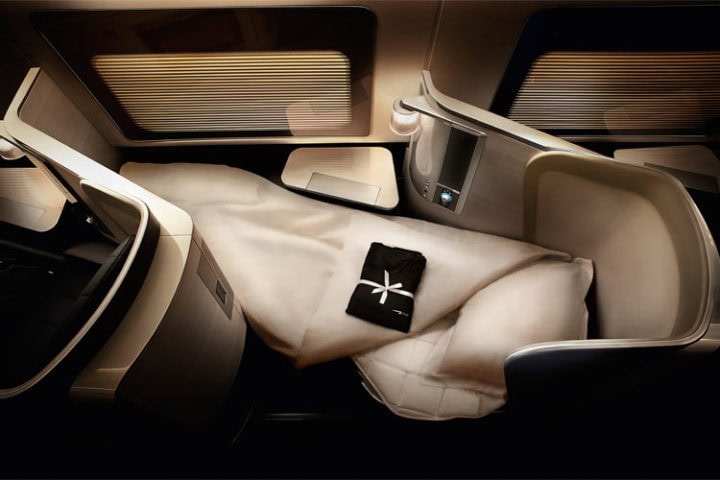
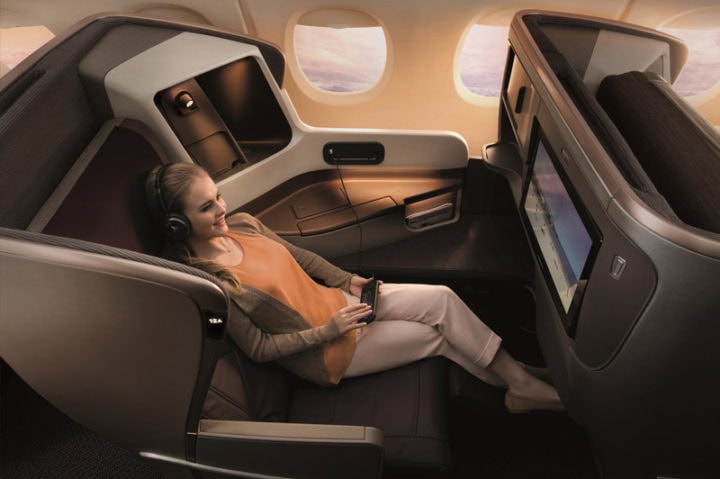
The fully lie-flat bed revolutionized business and first class comfort, allowing passengers to recline a full 180 degrees and enjoy restorative sleep. While British Airways pioneered this feature, it is now a standard across premium cabins on leading airlines such as Air France, Qatar Airways, Singapore Airlines, Qantas, Etihad, and Virgin Atlantic.
Lie-flat bed in British Airways First Class: a benchmark in sleep innovation
Some carriers, particularly on select routes, still offer angled lie-flat seats, which recline between 150 and 170 degrees. Although these seats are not completely horizontal, they offer significant comfort compared to traditional recliners.
For economy travelers, Air New Zealand’s innovative Skycouch—available on its Boeing 787 and 777 fleets—transforms a row of three seats into a flat surface, creating a family-friendly sleep solution that remains popular and widely imitated as of 2025.
3. LED Mood Lighting
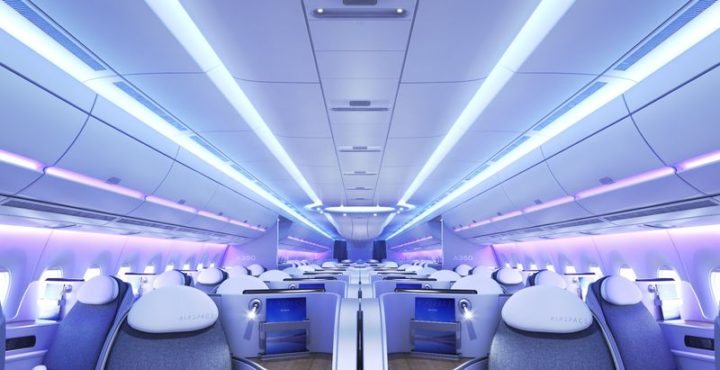
Modern long-haul aircraft are now equipped with advanced LED mood lighting systems, which not only enhance the onboard ambiance but also support passenger well-being. By simulating sunrise, sunset, and moonlight, these lighting programs help synchronize your body clock with your destination’s time zone, effectively reducing jet lag and fatigue.
Airspace by Airbus: next-generation cabin lighting
With up to 16.7 million color variations, the lighting can be tailored to match flight schedules and direction. Airbus’ Airspace cabin design, now standard on the A350 XWB and A330neo, features cutting-edge circadian lighting, ensuring a more natural rest environment for travelers in every class.
4. Bedding and nightwear
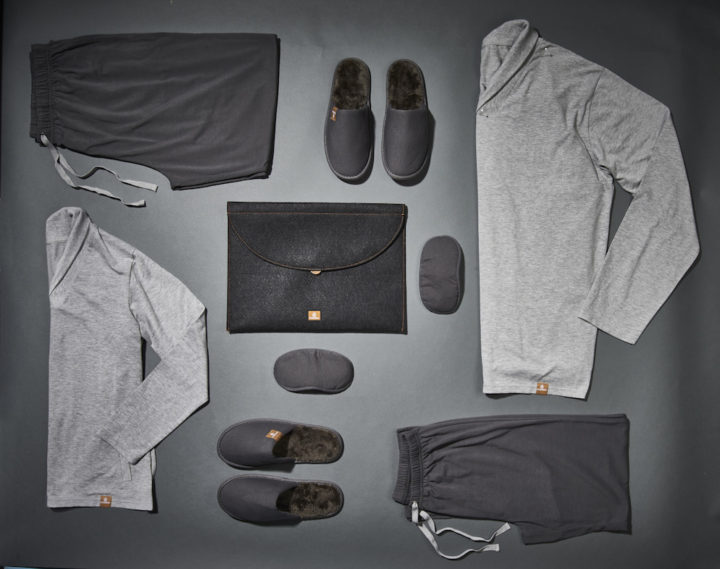
True rest in the air is elevated by high-quality linens and thoughtfully designed sleepwear. Emirates leads the industry with their self-moisturizing pajamas and plush blankets, included in first and business class amenity kits—many featuring exclusive collaborations such as the Bulgari collection.
Emirates' self-moisturizing pajamas: a new standard in sleepwear
Other airlines continue to innovate: Japan Airlines offers a reversible mattress with firm and soft sides, Virgin Australia includes memory foam toppers, and United’s Polaris business class features Saks Fifth Avenue bedding with duvets, day blankets, multiple pillow options, and spa-inspired accessories from Soho House & Co.’s Cowshed Spa. These upgrades foster restorative rest, even on ultra-long-haul sectors.
5. Temperature and humidity
Cabin humidity and temperature are critical to in-flight comfort and sleep. Lufthansa, for example, has installed advanced humidification systems in its first class A380 cabins, increasing relative humidity to approximately 25%. Swedish firm CTT Systems provides this technology, which helps passengers avoid dehydration, maintain healthy skin and mucous membranes, and achieve deeper sleep cycles. In 2025, more airlines are embracing these systems, especially on next-generation aircraft.
6. Noise-Cancelling Headphones
Aircraft noise and cabin chatter are notorious sleep disruptors. To address this, premium airlines now provide high-fidelity noise-cancelling headphones in business and first class, and increasingly in premium economy. Virgin Australia, Etihad Airways (across all cabins), and Singapore Airlines (in premium cabins) equip travelers with industry-leading headphones, ensuring a tranquil environment for both sleep and entertainment.
Singapore Airlines: premium noise-cancelling headphones for an undisturbed journey
7. In-flight Meditation
With the rising focus on wellness, airlines have integrated meditation and relaxation content into their entertainment systems. Carriers like Virgin Atlantic, Delta, and British Airways offer guided mindfulness sessions, breathing exercises, and sleep stories to help passengers relax, manage stress, and prepare their minds and bodies for sleep at altitude.
8. Dining on Demand
Flexible meal timing is now a hallmark of premium cabins, empowering travelers to align dining with their preferred sleep schedule. Airlines such as Emirates, Etihad, and Qatar Airways offer an on-demand dining concept, so you can enjoy gourmet cuisine exactly when you wish—no more disruptions or missed meals. British Airways has also expanded this feature in Club World to enhance the rest experience for business travelers.
If these sophisticated airline initiatives don’t quite put you to sleep, consider these tried-and-true travel sleep tips:
- 1. Keep a consistent bedtime and wake-up routine
- 2. Get exposure to natural daylight at your destination
- 3. Incorporate regular exercise into your travel schedule
- 4. Support your head and neck with a quality pillow when upright
- 5. Remove your shoes (wearing fresh socks is essential)
- 6. Choose seats away from high-traffic areas like galleys or lavatories
- 7. Stay calm, hydrate frequently, and limit alcohol, caffeine, nicotine, and heavy meals