Deciding on the ideal cabin bag goes far beyond fitting within airline regulations—especially for discerning travelers who value both style and substance. To illuminate the distinctions between premium materials, we consulted with Magnus Nilsson, Sales Manager for TUMI in the Nordic region, for his expert perspective on aluminium, polycarbonate, and fabric cabin bags.
Aluminium luggage exudes sophistication and is highly coveted for its modern aesthetic. Polycarbonate is celebrated for its lightweight yet resilient build, though it doesn’t quite match the prestige or durability of aluminium. Fabric suitcases, often crafted from advanced textiles, are extremely lightweight, but how do they fare in terms of longevity and protection? We posed these questions to TUMI—a global leader in luxury travel gear renowned for its innovative approach to cabin bags in all three materials.
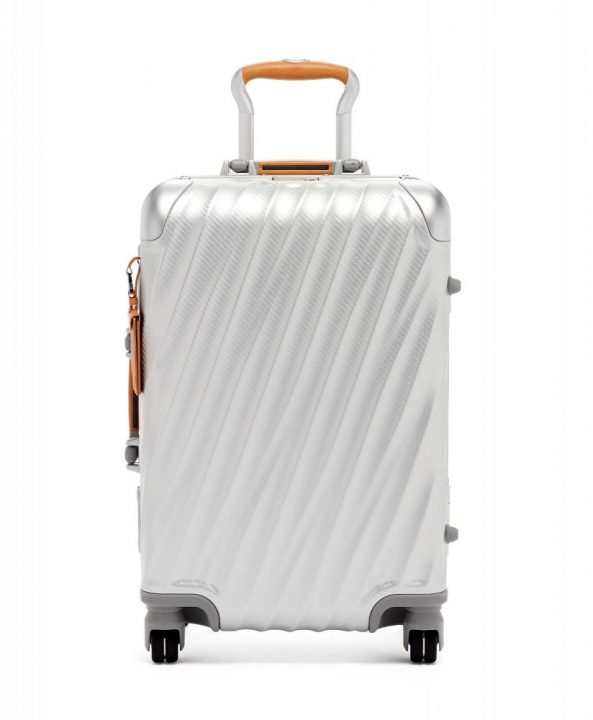
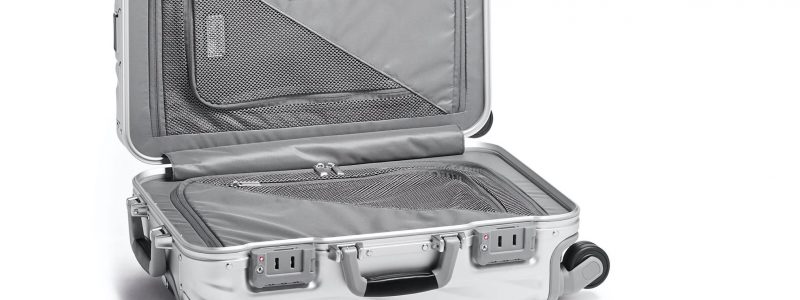
"Each material offers distinct advantages and limitations, and your optimal choice will depend on both your travel habits and personal preferences," Nilsson shares. "Aluminium is exceptionally sturdy, retains a timeless elegance, and stands out for its exclusive appeal. However, it is susceptible to dents if mishandled and tends to be heavier, typically weighing over 4 kg when empty. This added weight can be a drawback if the bag must be checked at the gate, increasing exposure to rough baggage handling. Additionally, aluminium cases represent a higher investment compared to other options. Still, for those flying intercontinental First or Business Class, carrying a 9 kg cabin bag is rarely an issue."
What are the benefits of polycarbonate?
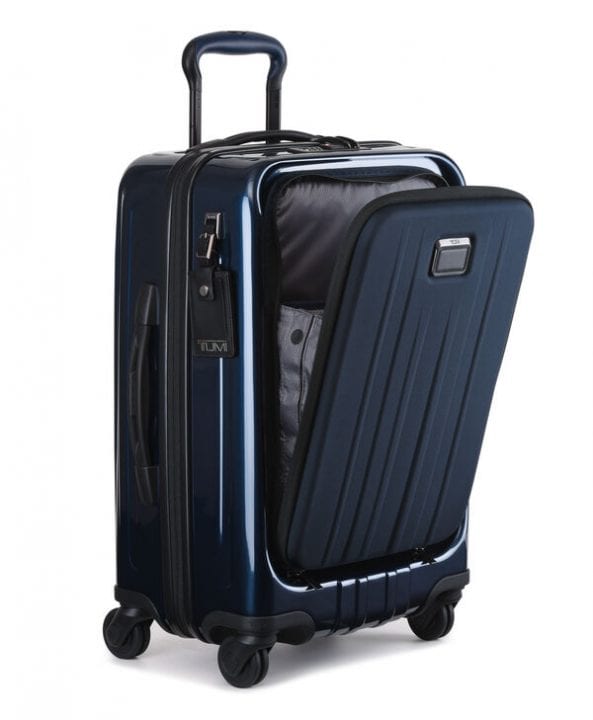
"Polycarbonate is an outstanding choice for those seeking robust yet ultralight luggage. TUMI’s latest collections in this material offer expandable compartments, providing flexibility while maintaining structural integrity against daily knocks. However, polycarbonate can become brittle in extremely cold conditions—well below zero degrees Celsius. For travelers seeking sustainability and innovation, we also recommend SRPP (Self Reinforced Polypropylene), which incorporates recycled content and is remarkably strong and lightweight. The advanced recycling process, however, does lead to a higher price point."
And how does ballistic nylon compare?
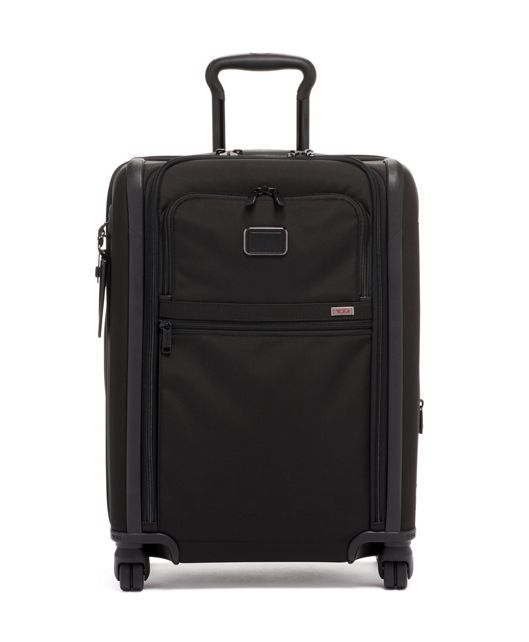
"Ballistic nylon is favored for its incredible lightness and surprising strength. It’s ideal for travelers who wish to maximize packing without surpassing the typical 8 kg cabin weight allowance. The trade-off is that, while durable, it may not offer the same level of protection as hard-shell cases. Nonetheless, its flexibility and practicality make it a top pick among frequent flyers," Nilsson concludes.