Boeing, the renowned leader in American aerospace, has committed to ensuring that all its commercial aircraft are fully compatible and certified to operate exclusively on sustainable aviation fuels (SAF) by 2030.
This forward-thinking pledge places Boeing at the forefront of eco-innovation, as it competes with Airbus, which is targeting hydrogen-powered, zero-emission jets to enter service by 2035.
With a well-established legacy in advancing sustainable aviation, Boeing continues to collaborate with airlines, global industry partners, regulatory bodies, and academic institutions to increase SAF production and drive down costs—critical steps for mainstream adoption.
Boeing initiated its SAF journey in 2008, conducting pioneering biofuel-powered flights in partnership with airlines and engine manufacturers, and achieved industry-wide approval for SAF usage in 2011.
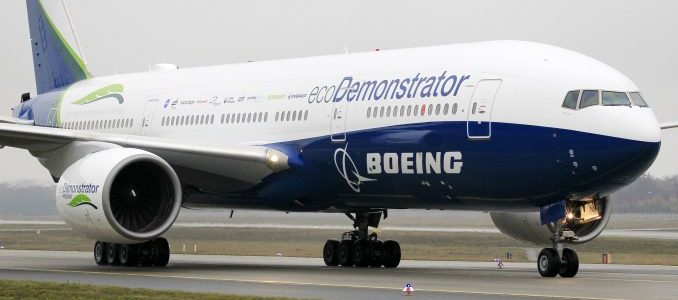
In a landmark achievement, Boeing’s ecoDemonstrator program—partnering with FedEx Express—completed the world’s first 100% SAF-powered commercial flight on a 777 Freighter in 2018, paving the way for future innovation.
Today’s sustainable aviation fuels are derived from diverse sources, including agricultural residues, forestry byproducts, non-edible plants, industrial off-gases, and even non-recyclable municipal waste, offering significant emissions reductions compared to traditional jet fuel.
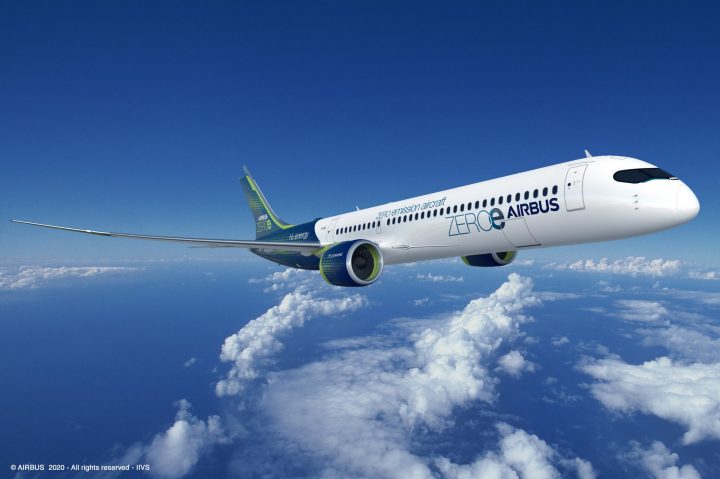
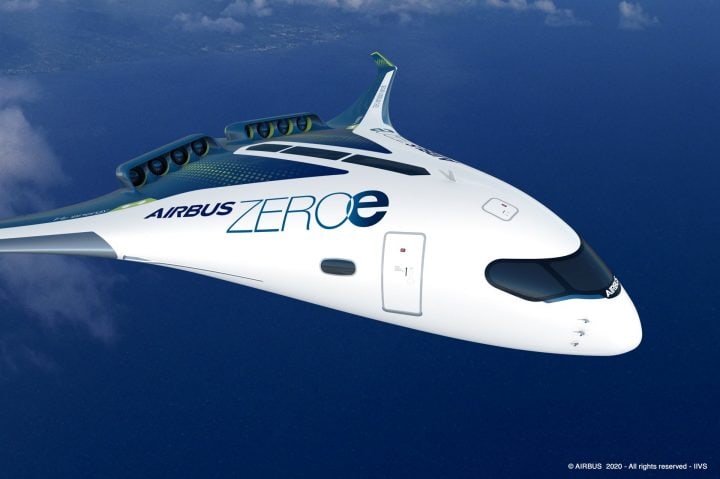
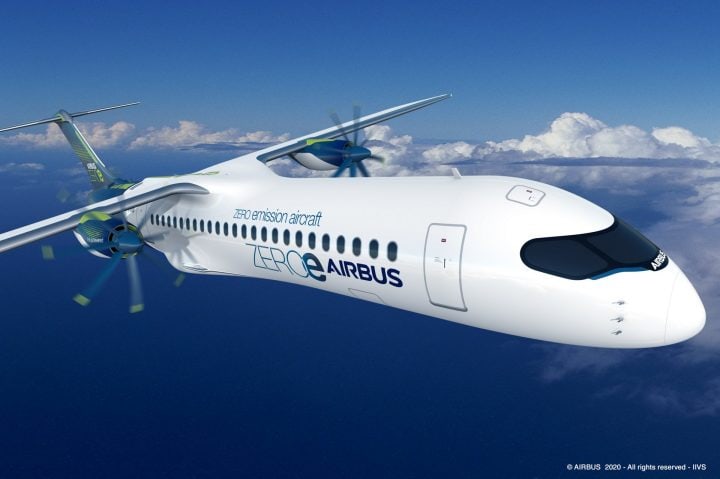
Airbus, meanwhile, is investing heavily in hydrogen propulsion, positioning it as a transformative solution for zero-carbon flight across both aviation and broader industrial sectors. Its ZEROe initiative, which remains in development, encompasses three concept aircraft: a 200-seat turbofan with a 3,200-kilometre range, a 100-seat turboprop for 1,600 kilometres, and a futuristic blended-wing design.
The global pursuit of carbon-neutral air travel is accelerating, with leading manufacturers like Boeing and Airbus setting new benchmarks for sustainability and inspiring the entire aviation industry to embrace a cleaner, greener future.