
One of the most significant hurdles for global aviation has been safely resuming travel in the wake of COVID-19. BusinessClass conducted a thorough review of the latest protocols and measures adopted by airlines and airports to safeguard health and rebuild traveler trust.
Enhanced Flexibility: Cancellation and Rebooking Policies in 2025
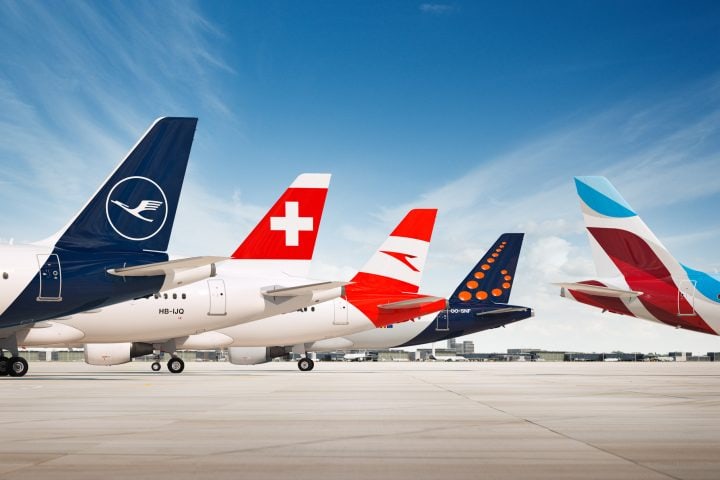
In response to changing travel dynamics, airlines have made flexible booking a permanent feature. The Lufthansa Group, for instance, continues to offer no-fee changes and generous cancellation policies, allowing travelers to reschedule or cancel flights with ease—now standard for tickets booked directly through 2025.
Photo: Lufthansa
Airport Protocols: Streamlined Access and Health-Focused Procedures
The International Air Transport Association (IATA) continues to recommend limiting terminal access to ticketed passengers and staff only, a practice now widespread across major airports. Enhanced cleaning regimens and frequent sanitization are the norm. To minimize crowds, digital self-service options—such as mobile check-in and automated bag drop—are now ubiquitous, accelerating the entire airport journey.
Health Screening and Rapid Testing: The New Normal
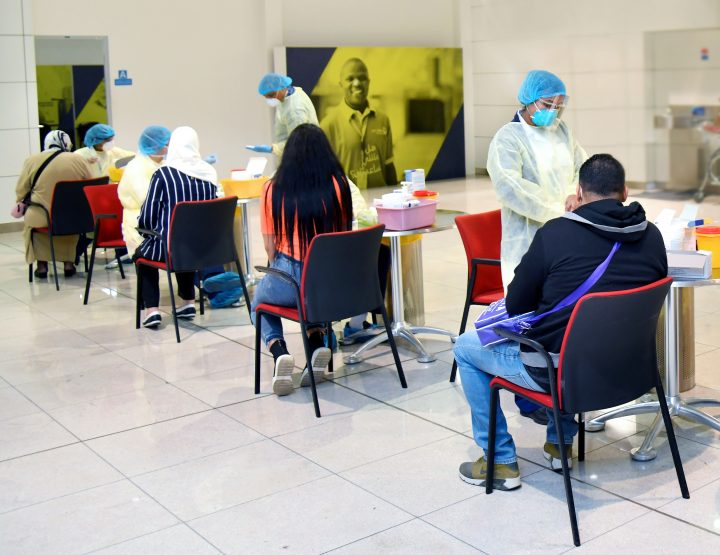
Most international airports now employ advanced thermal imaging and biometric screening at entry points. In alignment with evolving government mandates, select carriers offer rapid antigen or PCR testing prior to departure. Emirates pioneered on-site rapid testing, and today, pre-flight health checks are a seamless part of the premium travel experience at hubs worldwide.
Photo: Emirates
Boarding Innovations: Safer, More Efficient Processes
Airlines now employ staggered boarding, zone assignments, and digital notifications to ensure physical distancing. Scandinavian Airlines (SAS), among others, has refined its zone-based boarding, reducing congestion and enhancing the boarding experience for all classes of service.
Personal Protective Measures for Travelers and Crew
Wearing face masks remains a standard requirement onboard and throughout the airport journey, in accordance with European Union Aviation Safety Agency (EASA) guidelines. Airlines such as SAS, Emirates, and Qatar Airways have invested in advanced personal protective equipment for their crew, including medical-grade masks and, on select routes, full-body protective garments.
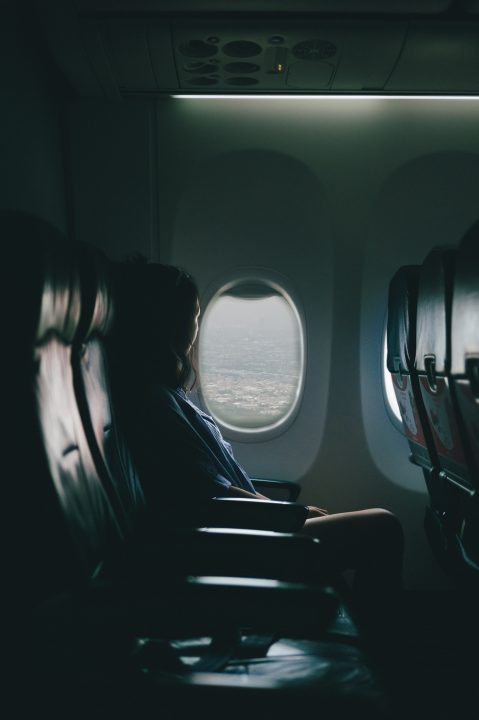
Photo: Qatar
Social Distancing Onboard: The Evolution of Seat Blocking
Although HEPA filtration and vertical airflow minimize in-flight transmission risks, some airlines continue to offer the option of blocked middle seats for added peace of mind. Carriers such as Frontier Airlines and China Express have integrated this as a premium ancillary service, enabling travelers to guarantee extra personal space for a fee.
Inflight Service: Adapting the Passenger Experience
Many airlines, including British Airways, have reimagined inflight service on short-haul routes, offering pre-packaged gourmet meals and contactless delivery. Select carriers now provide premium hygiene kits—United Airlines, for example, includes curated snacks, bottled water, sanitizing wipes, and high-quality masks in their amenity pouches.
These industry-wide enhancements reflect a commitment to traveler safety and comfort. How do these changes shape your perception of air travel’s future?