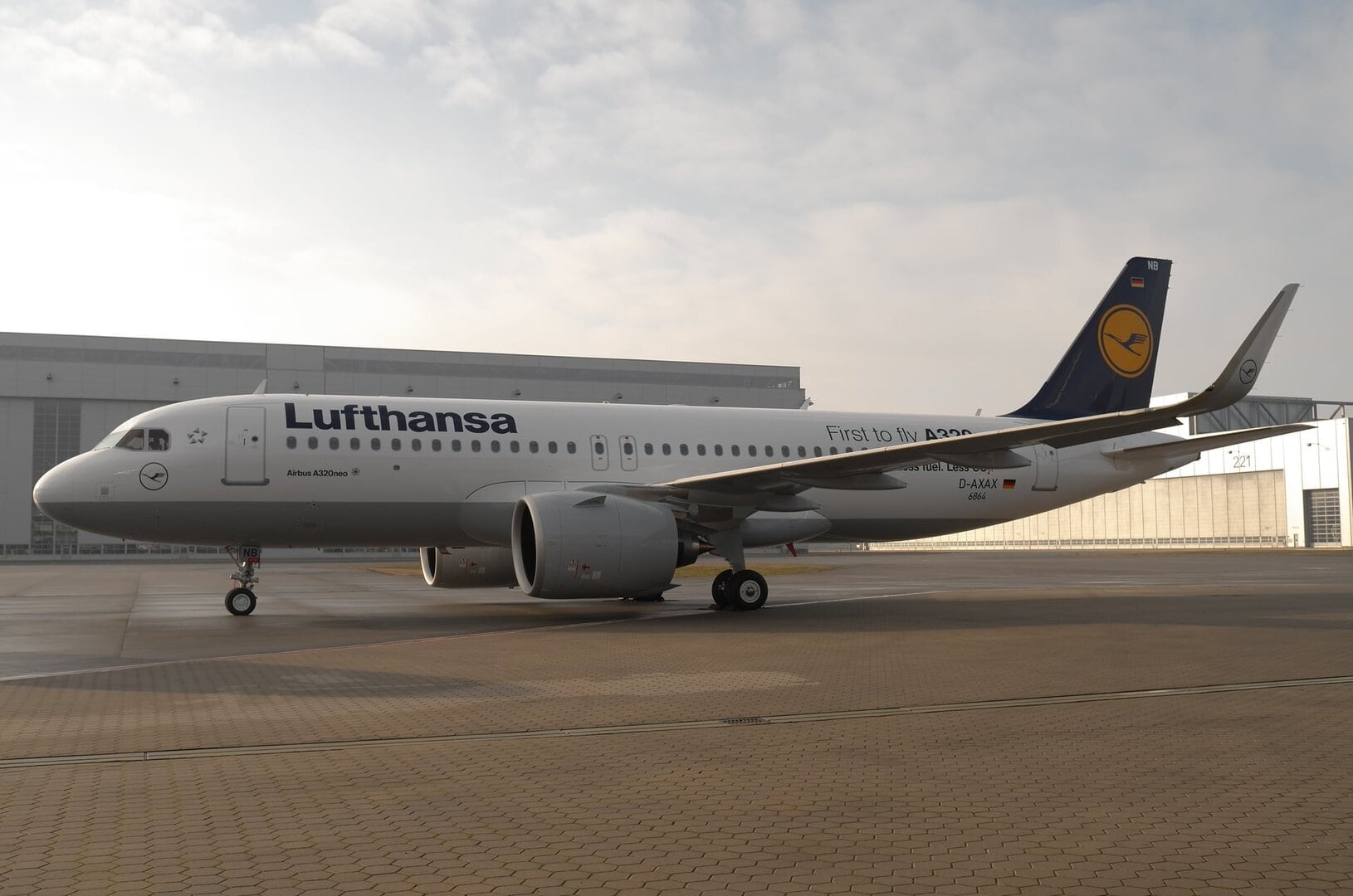
As the world’s most popular single-aisle jet, the Airbus A320 family has been a cornerstone of global aviation, with over 13,500 units ordered and more than 12 billion passengers flown. A member of this iconic family takes off or lands every 1.5 seconds somewhere on the planet, underscoring its ubiquity and reliability.
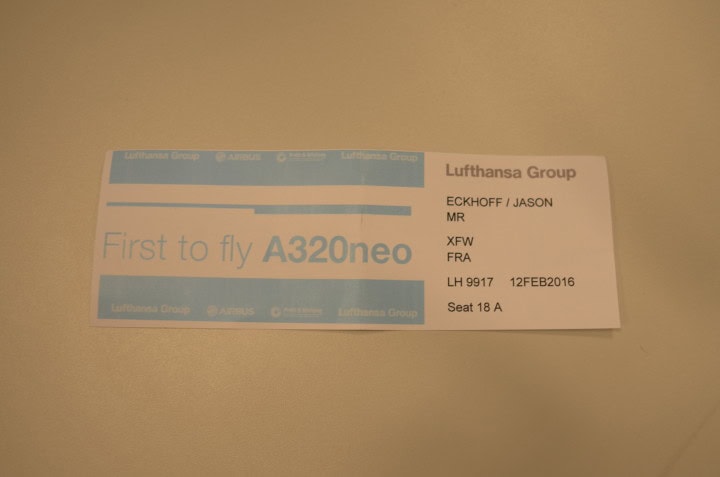
So, when Lufthansa invited us to preview the all-new A320neo, we jumped at the chance. Just days after its commercial debut, BusinessClass joined a select group of approximately 70 industry experts and journalists for the ceremonial inaugural flight. Lufthansa, as the launch customer, operated this special service from Hamburg to Frankfurt, utilizing the very first production A320neo delivered to any airline.
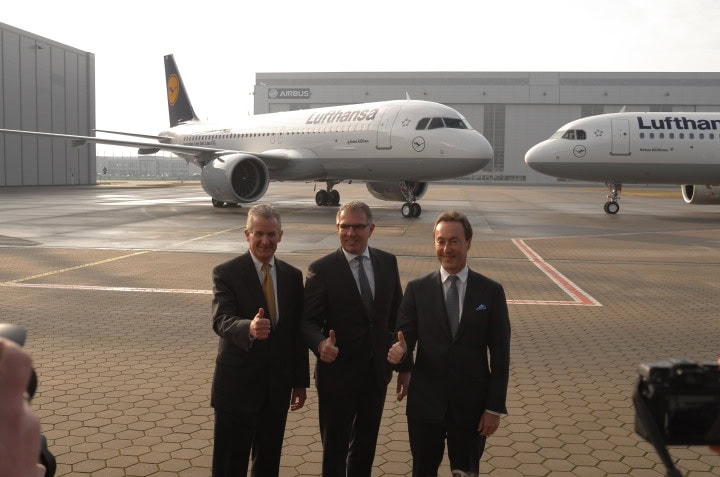
The CEOs of Pratt & Whitney, Lufthansa Group, and Airbus gathered to mark this milestone – Photo: Jason Eckhoff
We were eager to assess the innovations firsthand. But before sharing our in-flight impressions, let’s explore what differentiates the A320neo from its predecessor, and why it’s making headlines in the aviation industry.
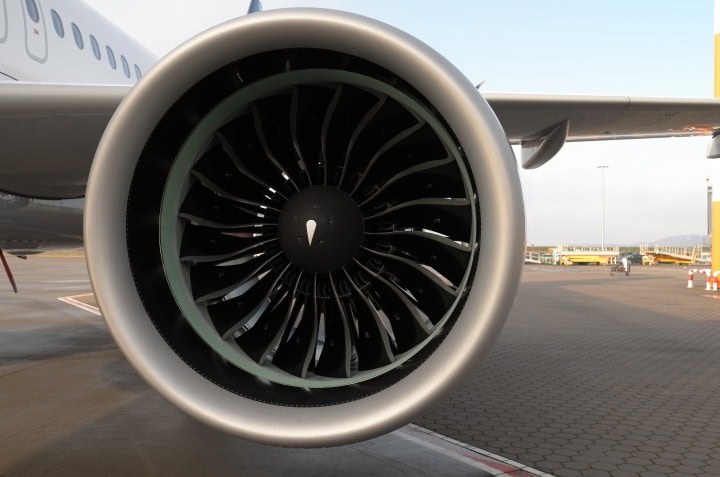
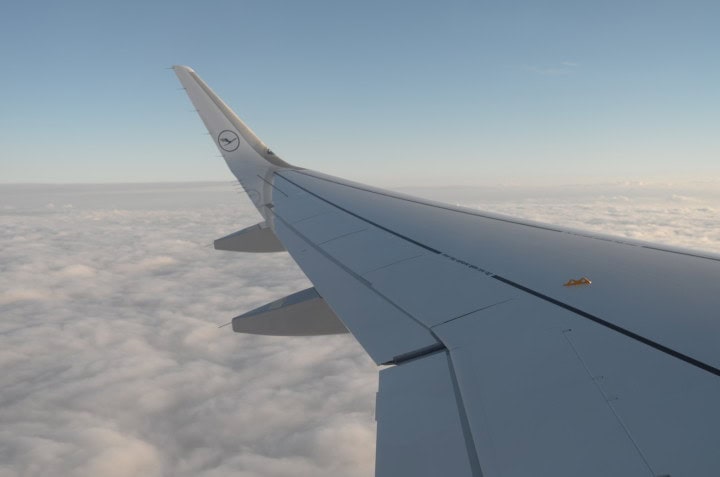
The A320neo – “neo” signifying “new engine option” – features state-of-the-art Pratt & Whitney geared turbofan engines. This advancement, paired with aerodynamic Sharklet wingtips, delivers up to a 17% reduction in fuel consumption, a 20% decrease in CO2 emissions, and a remarkable halving of the aircraft’s noise profile. These enhancements not only benefit the environment but also contribute to quieter airports and more pleasant neighborhoods near flight paths. The aircraft’s next-generation engines also bring lower maintenance costs, supporting Lufthansa’s strategy to offer both sustainability and value to premium travelers.
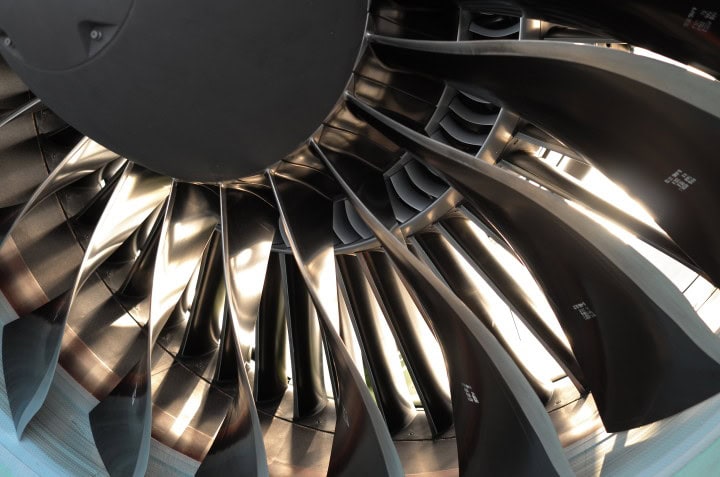
Pratt & Whitney’s cutting-edge engine boasts a 202 cm fan diameter, a significant leap from the prior 144 cm – Photo: Jason Eckhoff
Getting up close with the engine: a marvel of modern engineering.
With over 5,300 A320neo aircraft currently on order and a commanding 63% market share against the Boeing 737 MAX, the A320neo is set to remain the backbone of short-haul and medium-haul fleets worldwide. Our anticipation was high, particularly with the promise of a nearly 50% reduction in cabin noise – a feature that could redefine the onboard experience for frequent flyers.
Lufthansa has optimized the cabin layout, increasing total capacity by 12 seats to 180, while also introducing an advanced air purification system. This includes HEPA filters and an innovative catalytic converter that neutralizes odors and airborne contaminants, ensuring cleaner air throughout the journey.
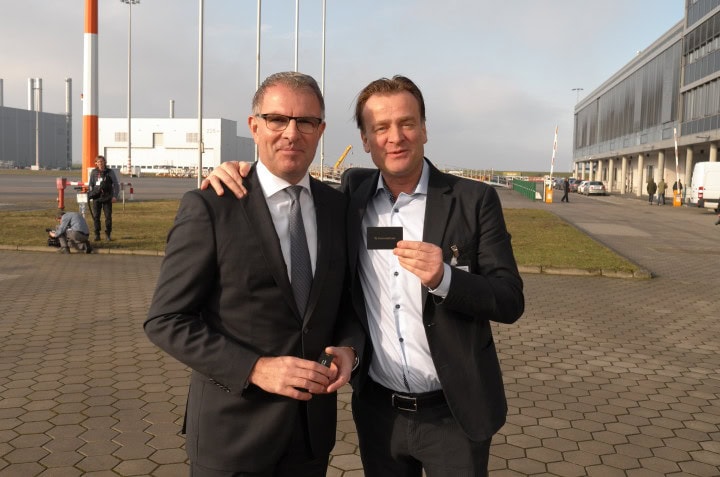
Before boarding, we enjoyed a brief but insightful conversation with Mr. Carsten Spohr, CEO of Lufthansa Group. We discussed BusinessClass’s mission to serve discerning, experienced travelers. Mr. Spohr recognized the crucial role of premium passengers and reaffirmed the Group’s commitment to elevating the business travel experience.
CEO Lufthansa Group, Mr. Carsten Spohr, with BusinessClass CEO Jason Eckhoff
With anticipation building, it was time to experience the A320neo firsthand.
Cabin Ambience & Seating: First Impressions
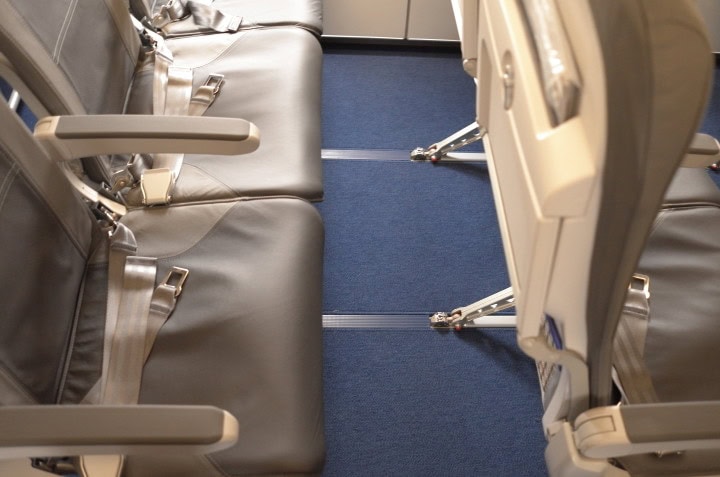
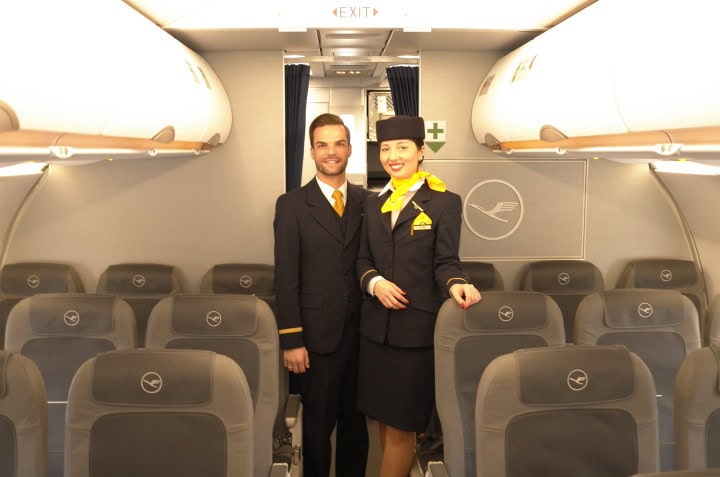
Lufthansa has prioritized passenger comfort in the A320neo’s interior, most notably by restoring generous legroom for business class travelers. The first nine rows now offer enhanced space, with business class seats featuring a substantial 36 cm of legroom—compared to 30 cm in economy—making a tangible difference for those seeking extra comfort on short-haul routes. The airline has not confirmed whether unsold business seats may be offered to economy passengers on full flights, but such operational flexibility could further improve the customer experience.
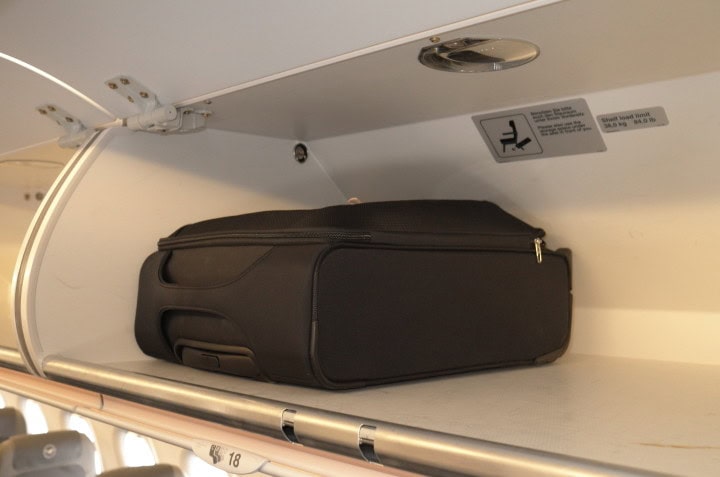
In economy, the overall look and feel remains familiar to those accustomed to the A320 lineage. However, the A320neo introduces significantly larger overhead bins, providing ample room for carry-on bags and streamlining the boarding process for all passengers.
Spacious overhead compartments for effortless storage
Departure & Engine Performance
During our test flight, some minor software-related technical checks extended our time on the ground, a teething issue typical for newly introduced aircraft types. Lufthansa’s engineering team expects these will be fully resolved imminently. Once the engines powered up and we began our ascent, the A320neo demonstrated impressive acceleration and climb performance—whether due to the ceremonial nature of the flight or genuine advances in engine technology, the difference was unmistakable.
Inflight Experience: Cabin Quiet & Air Quality
Admiring the sleek sharklets from our window seat—Photo: Jason Eckhoff
A key promise of the A320neo is a quieter cabin, an attribute we were keen to evaluate. As someone who rarely flies without noise-cancelling headphones, I intentionally left them behind for this journey. The verdict: the reduction in ambient noise is palpable. While there is still some engine hum, the overall environment is noticeably more serene, leading to a more restful and less fatiguing flight—even on this brief sector.
Final Assessment: Comfort, Sustainability & Innovation
With expanded legroom for business travelers, a quieter and cleaner cabin environment, and a marked reduction in emissions, Lufthansa’s A320neo represents a significant leap in both passenger comfort and environmental responsibility. We commend airlines that invest in next-generation aircraft, as these investments elevate the travel experience while advancing the industry’s sustainability goals.