Premium economy has firmly established itself as a distinct cabin class, bridging the gap between standard economy and business class. Designed for travelers who value enhanced comfort without the steep price of business, it promises a superior journey at a more accessible rate. But does it truly offer enough value for the extra investment?
Pricing remains the primary challenge for premium economy. Fares are frequently much higher than standard economy, and in some cases, the jump to business class isn’t as significant as one might expect.
Competition for discerning travelers is intense, with airlines vying for passengers who prioritize comfort but remain price-sensitive.
Collaborating with leading seat designers like Recaro, airlines have innovated with sleeker, more ergonomic seats boasting adjustable headrests and lumbar support. While these features enhance comfort, the underlying motive has often been to maximize capacity. In comparison to previous decades, today’s economy class legroom has shrunk by as much as 5–7 cm, making the extra space in premium economy even more appealing.
For many frequent flyers, opting for a premium class is no longer a luxury but a necessity—especially on long-haul routes where rest and personal space are at a premium.
Corporate travel policies have also driven the popularity of premium economy. Many businesses now require employees to book below business class, even if the price difference is modest.
Singapore Airlines, a pioneer in the premium economy sector, continues to report strong demand. As shared by Henrik Hanevold, Sales Manager for the Nordic and Baltic regions, premium economy seats consistently achieve high occupancy on routes from Copenhagen and Stockholm.
“
Speaking specifically for Singapore Airlines in the Nordic markets, we’re very satisfied with our premium economy uptake on flights from Copenhagen and Stockholm. Our passengers are a blend of leisure travelers seeking a more comfortable journey and corporate clients whose company policies favor premium economy over business. This balance has contributed to consistently high load factors.
“
- Does the price sometimes approach business class levels?
“
Pricing is highly dynamic and depends on booking timing and fare class availability. When booked in advance, premium economy typically sits squarely between economy and the lowest business fares. As departure nears, price fluctuations occur based on load factors—sometimes, with economy nearly full and premium economy wide open, the price gap narrows considerably. Conversely, if premium economy is almost sold out, fares can approach those of business class. There’s no fixed rule. When discounted fares are available in both cabins, the difference is usually substantial.
”, explains Hanevold.
- And regarding the onboard experience—does premium economy justify the extra spend compared to economy?
“
From our perspective, premium economy is a clear step up from standard economy, and that’s evident in our product. Some airlines offer little more than extra legroom and market it as premium economy, but in those cases, the value proposition is harder to justify.
, ” concludes Hanevold.
Expert Opinion:
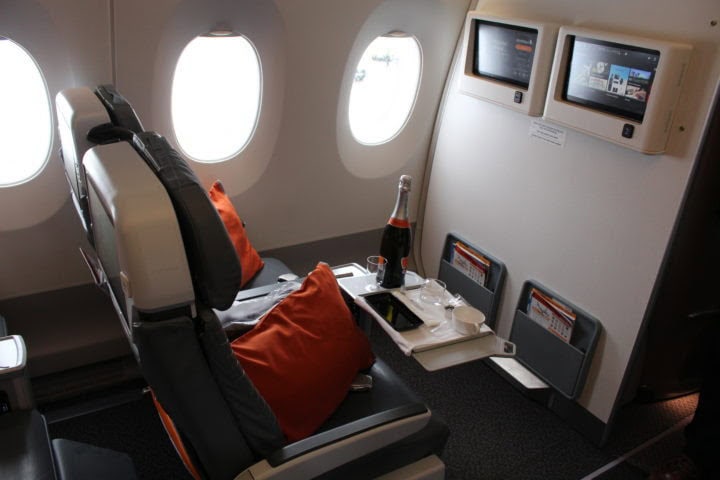
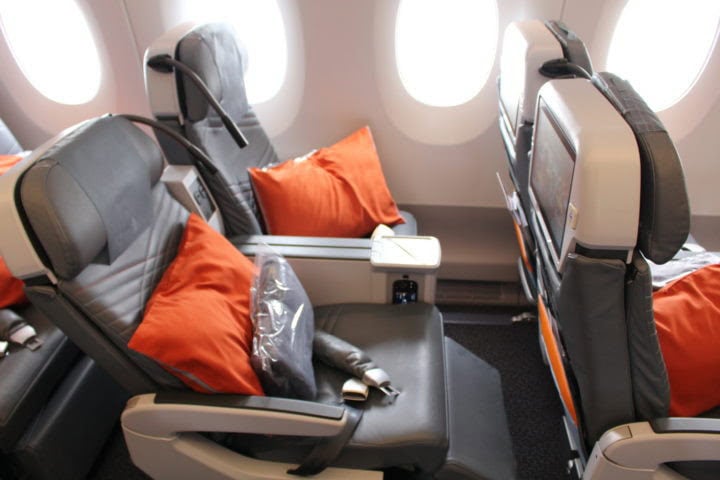
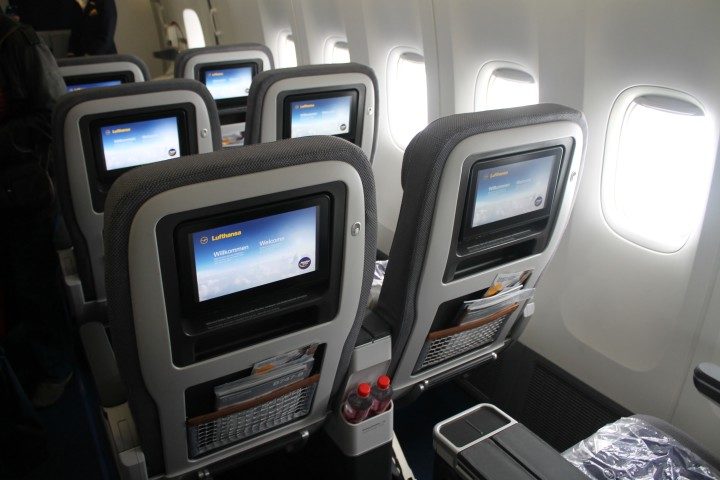
Premium economy offerings can vary greatly by airline. On intercontinental routes, true premium economy typically provides wider seats, increased pitch, deeper recline, upgraded dining (often including Champagne), fewer seats per row, and a dedicated cabin environment.
However, the premium in price can sometimes be difficult to defend. In our experience, premium economy is worthwhile if you secure a fare not much higher than standard economy—especially when comfort is essential but business class is out of reach. Otherwise, if cost is less of a concern, business class remains the superior choice.
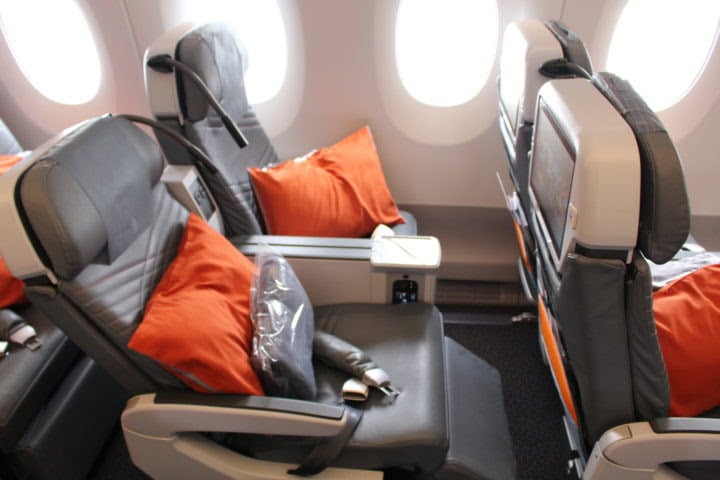
Singapore Airlines Premium Economy:
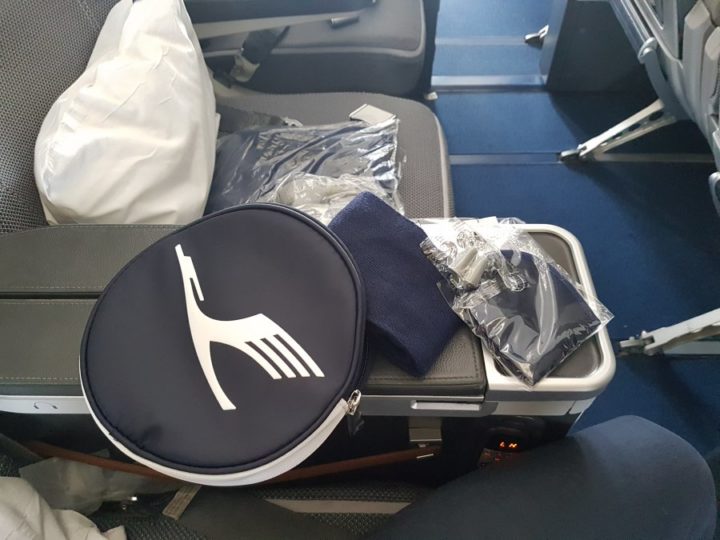
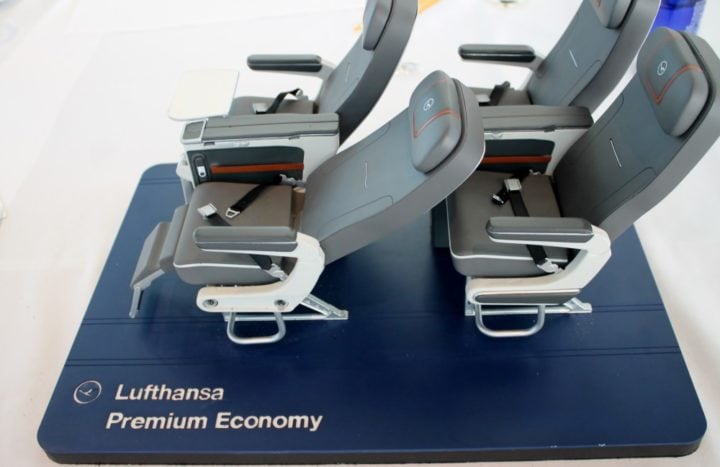
Lufthansa Premium Economy: