After years of transformation and renewal, Tunisia is once again emerging as the Mediterranean’s premier destination for discerning travelers in 2025.
More than a decade after the Arab Spring began in Tunis, Tunisia stands as a beacon of stability and vibrant culture in North Africa. While the early 2010s were marked by significant upheaval and tragic incidents, including the 2015 Sousse beach attack, the country has since made remarkable progress in rebuilding its tourism sector and restoring traveler confidence.
Tourism accounts for approximately 15% of Tunisia’s GDP, making it a cornerstone of the national economy. Today, the country’s democratically-elected leadership has redoubled efforts to welcome back visitors from Europe and beyond. With its sun-soaked coastline, exceptional value, and a renewed emphasis on safety and hospitality, Tunisia is once again drawing travelers in search of authentic Mediterranean experiences.
Recent years have seen a robust revival in Tunisia’s tourism sector. As of 2025, most European countries have lifted travel advisories, and new visitor records are being set. According to the Tunisian National Tourist Office (ONTT), international arrivals have surpassed pre-2015 figures, with French, German, and British tourists returning in significant numbers. Russian and Eastern European travelers also continue to flock to Tunisia’s beaches and heritage sites.
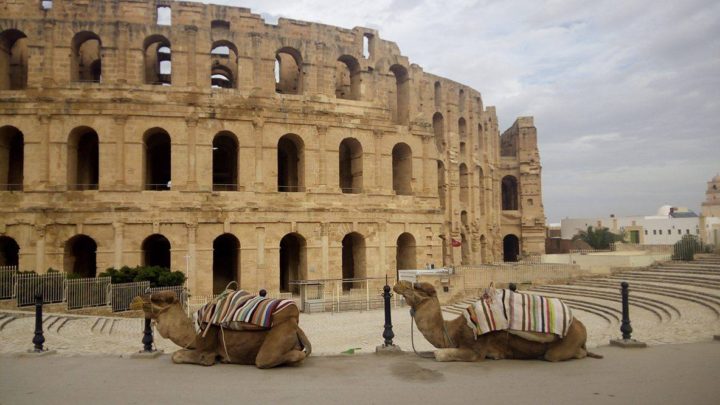
The Amphitheatre of El Jem—one of Tunisia’s seven UNESCO World Heritage Sites—remains a spectacular draw for culture enthusiasts.
Enhanced security remains a top priority: hotels and tourist sites are equipped with state-of-the-art screening technology, and a visible police presence ensures peace of mind. These proactive measures have contributed to Tunisia being recognized in 2024 by the World Travel & Tourism Council for its commitment to safe and sustainable tourism.
For travelers, this means quieter beaches, exclusive access to world-class attractions, and exceptional value on luxury accommodations—making now the perfect time to rediscover Tunisia’s unique blend of history and hospitality.
Resurgence
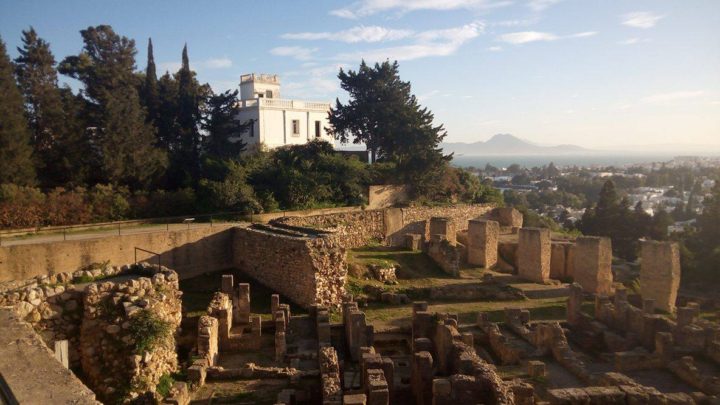
Nestled between Libya and Algeria, Tunisia is a treasure trove of history and culture. Just outside the capital of Tunis lies Carthage, once the seat of a mighty empire and now a UNESCO-protected archaeological wonder. Over the centuries, Tunisia has been shaped by a tapestry of civilizations—Phoenician, Roman, Vandal, Byzantine, Ottoman, and French—each leaving behind architectural masterpieces and artistic legacies. The Bardo National Museum houses an extraordinary collection of mosaics and artifacts from these eras.
The legendary ruins of Carthage, a must-see near vibrant Tunis
Beyond its ancient cities and pristine Mediterranean shores, Tunisia offers a wealth of experiences for curious travelers. Whether you’re drawn by its historical depth, family-friendly resorts, or hidden gems known only to connoisseurs, Tunisia rewards exploration with authenticity and sophistication.
Originating from the Greek words for “sea” and “therapy,” thalassotherapy harnesses the healing powers of marine elements. Tunisia’s connection to this holistic tradition dates back to Roman times, and today the country is a global leader in marine-based wellness.
Since the 1990s, Tunisia has established itself as a top destination for thalassotherapy, with over 60 certified centers—many integrated into 5-star resorts in Sousse, Hammamet, Djerba, and Gammarth. Treatments include mineral-rich seawater pools, hydrotherapy circuits, traditional hammams, and therapeutic massages—all offered at a fraction of the cost of comparable European spas.
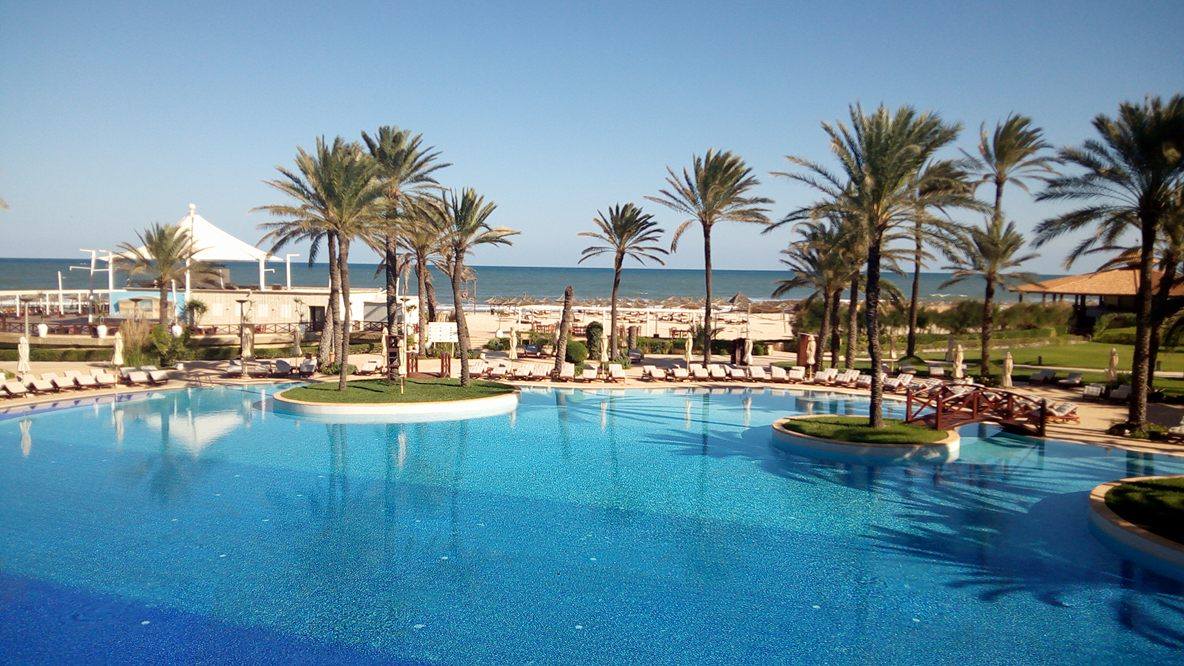
Mövenpick Resort & Marine Spa Sousse
Among the standouts is the Marine Spa at Mövenpick Resort & Marine Spa Sousse, consistently recognized by industry experts and spa awards. During our recent visit, the serene atmosphere, expert therapists, and innovative treatments left a lasting impression. The resort itself offers direct beach access, four gourmet restaurants, and a contemporary design that appeals to luxury travelers.
Discover more images and secure the best available rates for your stay at Mövenpick Resort & Marine Spa Sousse here.
Colourful Past
Tunisia’s olive oil tradition is as old as its Roman ruins. The country ranks among the world’s top three producers, with recent seasons seeing record harvests and international accolades. Tunisian olive oil is celebrated for its delicate flavor, golden hue, and healthful properties.
For decades, much of Tunisia’s finest oil was exported in bulk to Europe, often blended into premium Italian and Spanish brands. Now, thanks to stricter labeling regulations and global demand for traceable, organic products, Tunisian extra virgin olive oils are winning gold medals at competitions such as the NYIOOC World Olive Oil Awards and appearing on shelves under their own distinguished labels.
What sets Tunisian olive oil apart is its commitment to organic and sustainable farming. Many groves are hand-harvested, with minimal intervention and little to no pesticide use—an approach made possible by Tunisia’s abundant sunshine and ideal Mediterranean climate. The result is a pure, velvety oil that enhances both traditional and modern cuisine.
Thalassotherapy
No exploration of Tunisia is complete without sampling its resurgent wine scene. The country’s northern Cap Bon peninsula, with its sun-drenched slopes and cooling Mediterranean breezes, is home to some of North Africa’s most promising vineyards.
Viticulture in Tunisia dates to the Phoenician era, and historic figures like Mago of Carthage shaped techniques still in use today. Despite periods of decline, recent decades have seen a renaissance in Tunisian winemaking. The dismantling of the state monopoly has allowed boutique wineries to flourish, producing characterful reds, elegant rosés, and distinctive “Gris” wines that reflect the terroir.
While Tunisia is predominantly Muslim, wine is appreciated as part of its Mediterranean heritage. Rosé and Gris de Tunisie are especially popular, offering crisp, refreshing flavors ideal for the climate. Alcohol is available at select supermarkets, hotel bars, and specialty outlets, with sales paused on Fridays and during Ramadan in accordance with local customs.
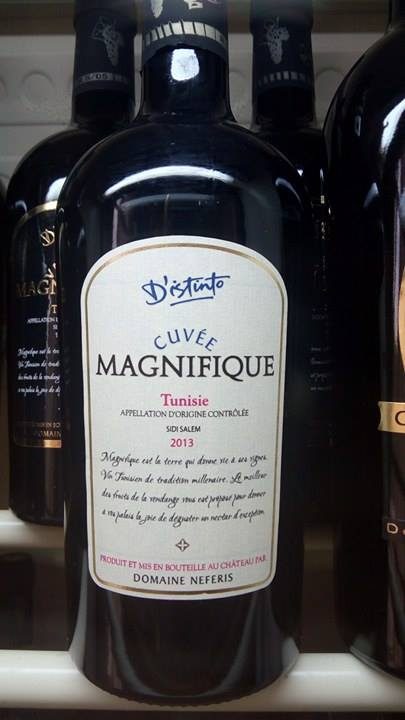
Neferis Cuvée Magnifique D'Istinto Tunisie 2008 - crafted by Domaine Neferis
Among our top recommendations: Neferis Cuvée Magnifique D'Istinto Tunisie 2008 from Domaine Neferis, a complex, structured red perfect for evening relaxation. Also sample the iconic Gris de Tunisie, a pale, aromatic wine pairing beautifully with seafood. For a crisp, mineral-driven rosé, Chateau Mornag from the Mornag region is a perennial favorite.
With a warm welcome, an enviable climate, and a tapestry of flavors and traditions, Tunisia offers unparalleled experiences for luxury travelers—whether you crave spa indulgence, organic gastronomy, or a glass of world-class wine overlooking ancient ruins. In 2025, Tunisia’s timeless appeal is waiting to be rediscovered.