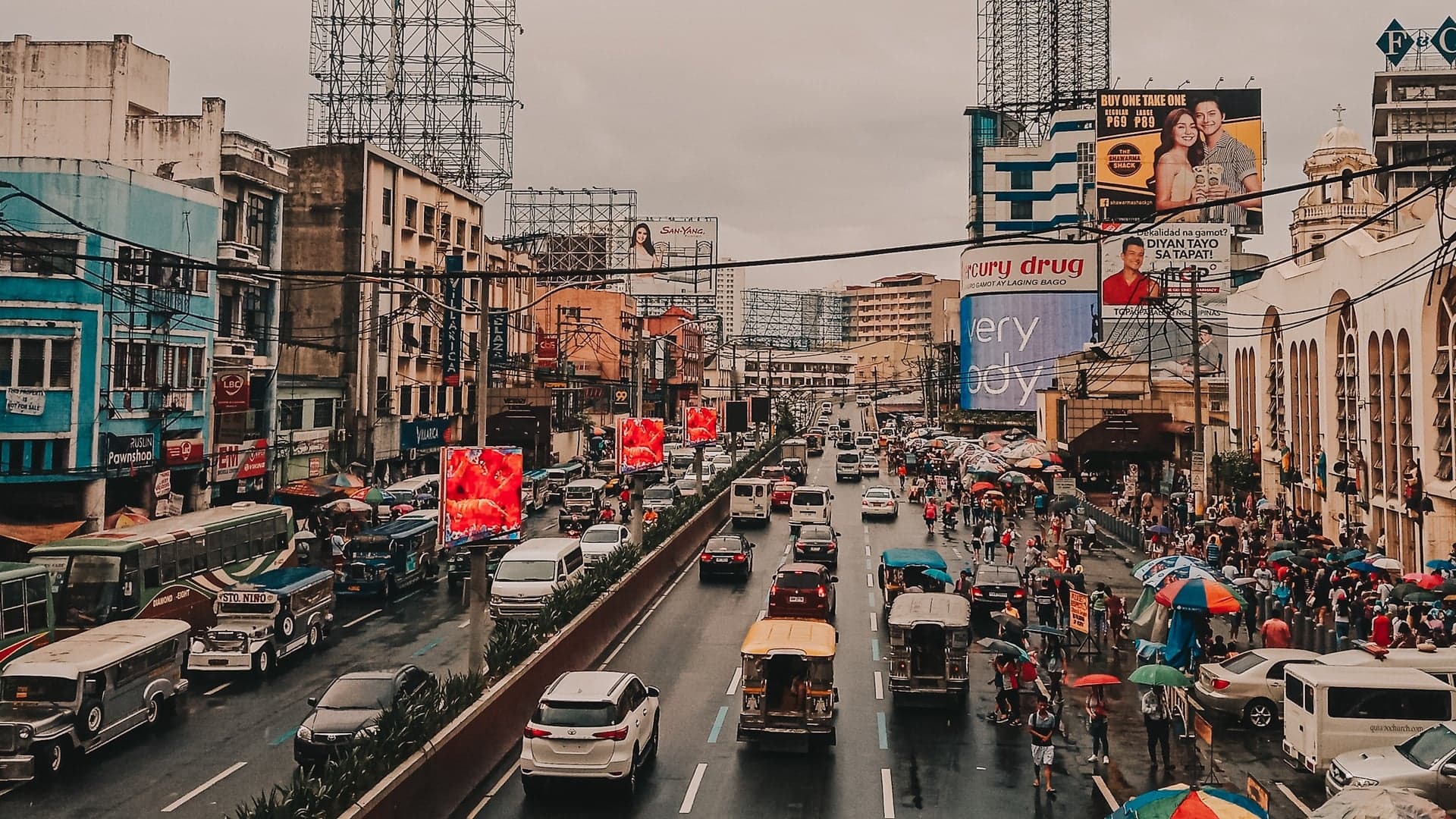


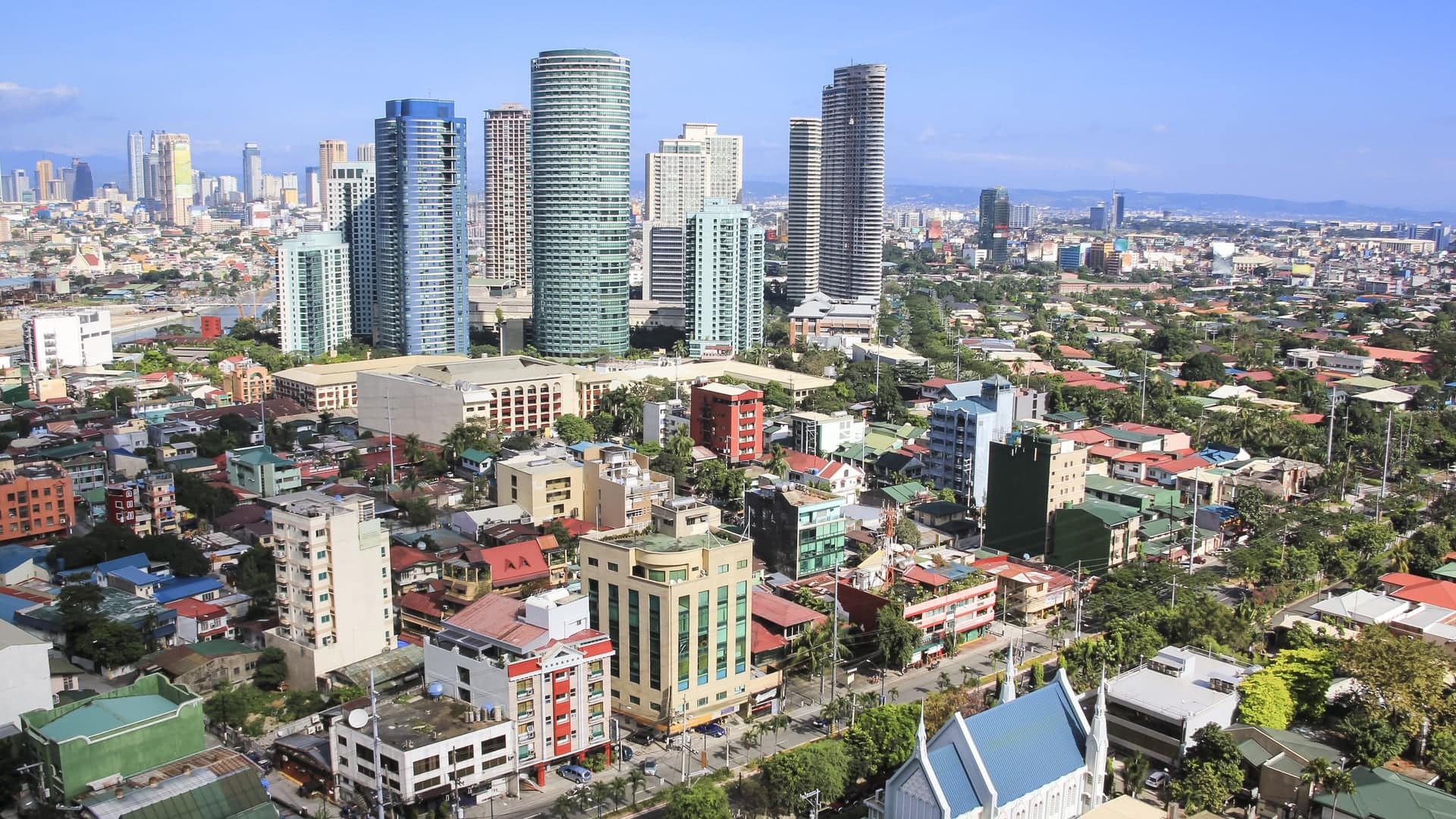
Manila captivates with its dynamic blend of economic vitality, a flourishing creative scene, and a renewed appreciation for heritage. The Philippine capital is now a top-tier destination for discerning travelers, celebrated for its rich history, innovative architecture, and cutting-edge gastronomy.
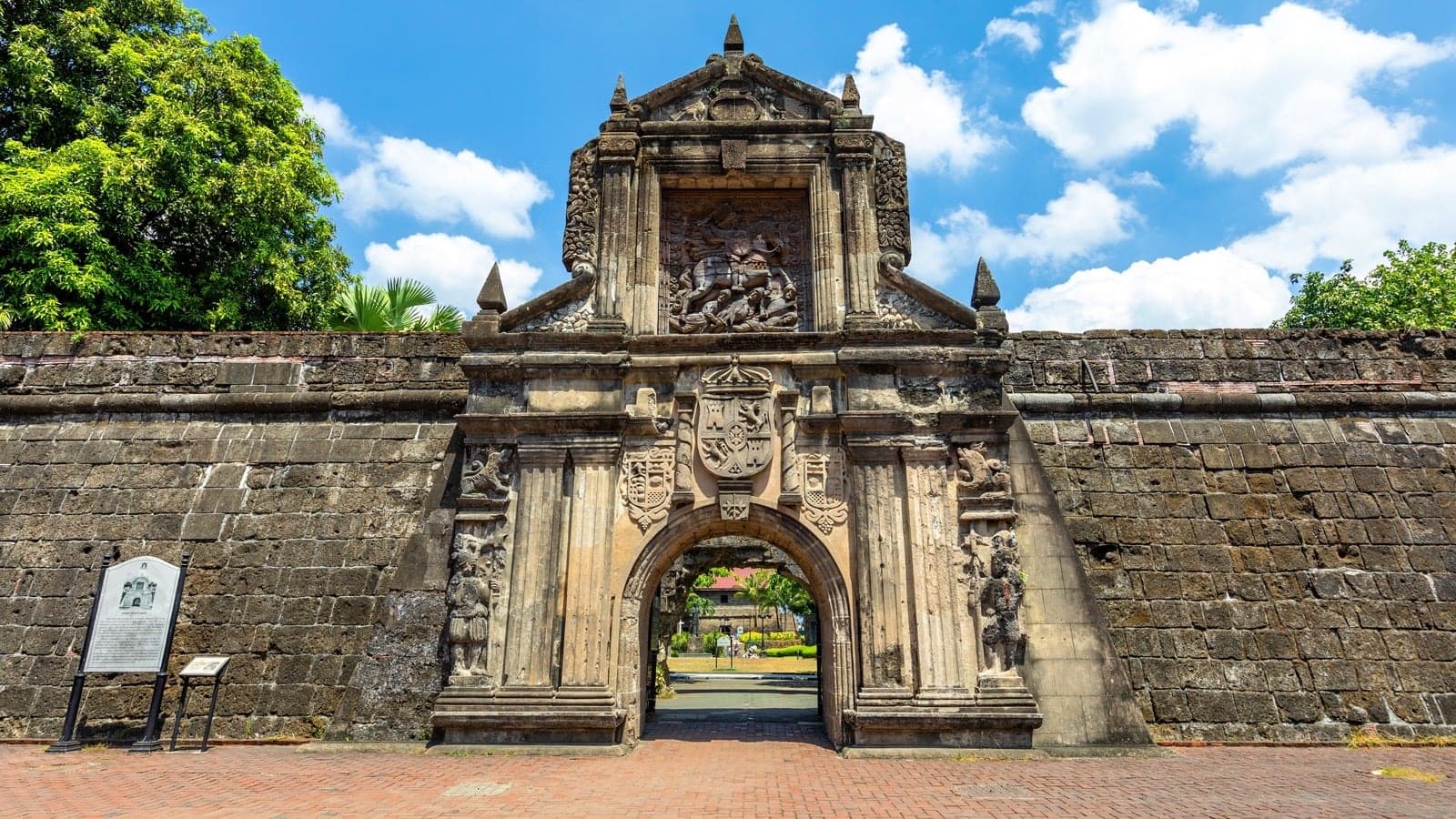
Step into Intramuros, Manila’s storied walled city, where cobblestone lanes and horse-drawn calesas transport you to the Spanish colonial era. The formidable Fort Santiago, dating back to the 16th century, stands as a testament to centuries of foreign occupation and resilience—from Spanish conquistadors to British, American, and Japanese forces.
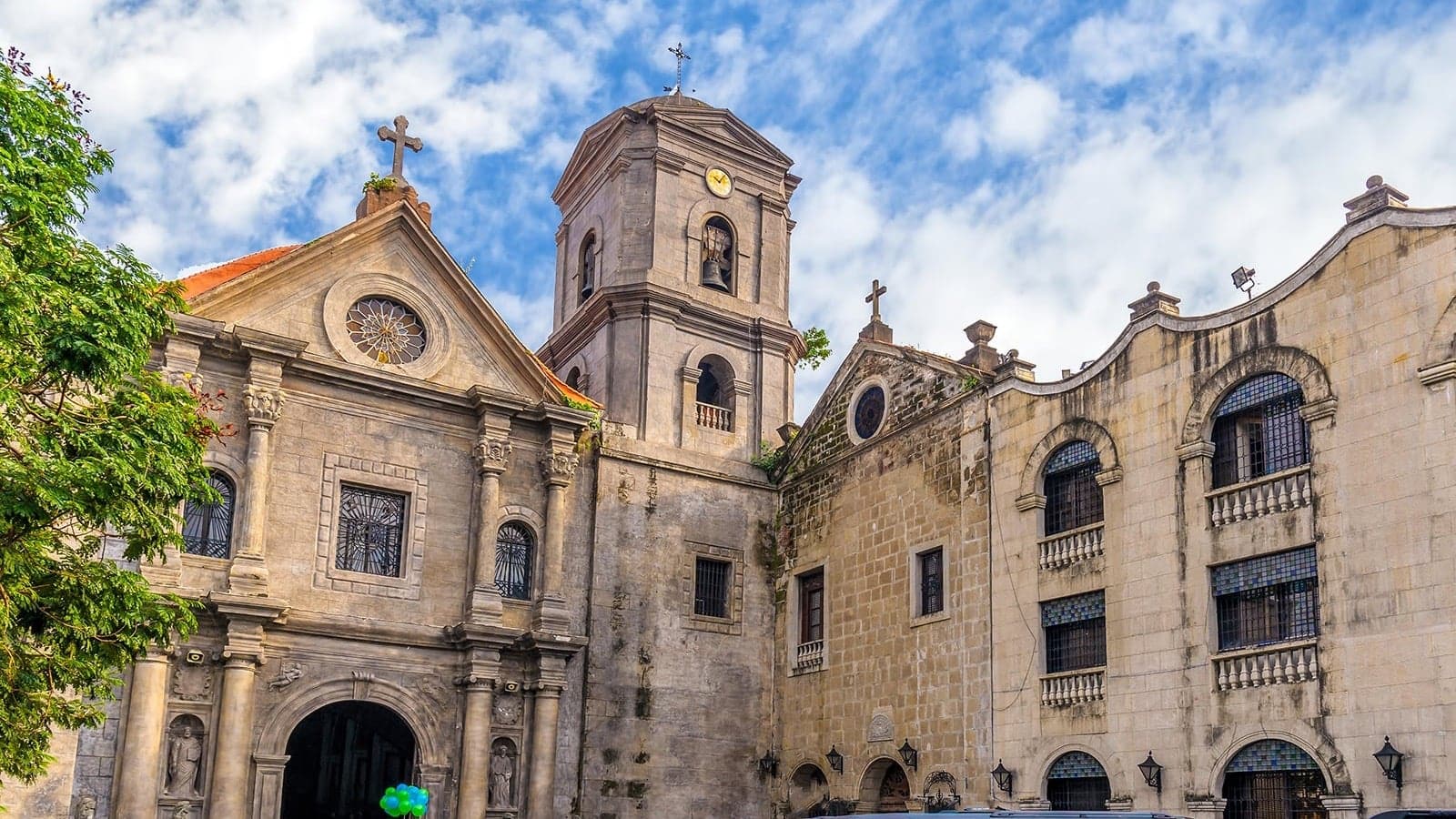
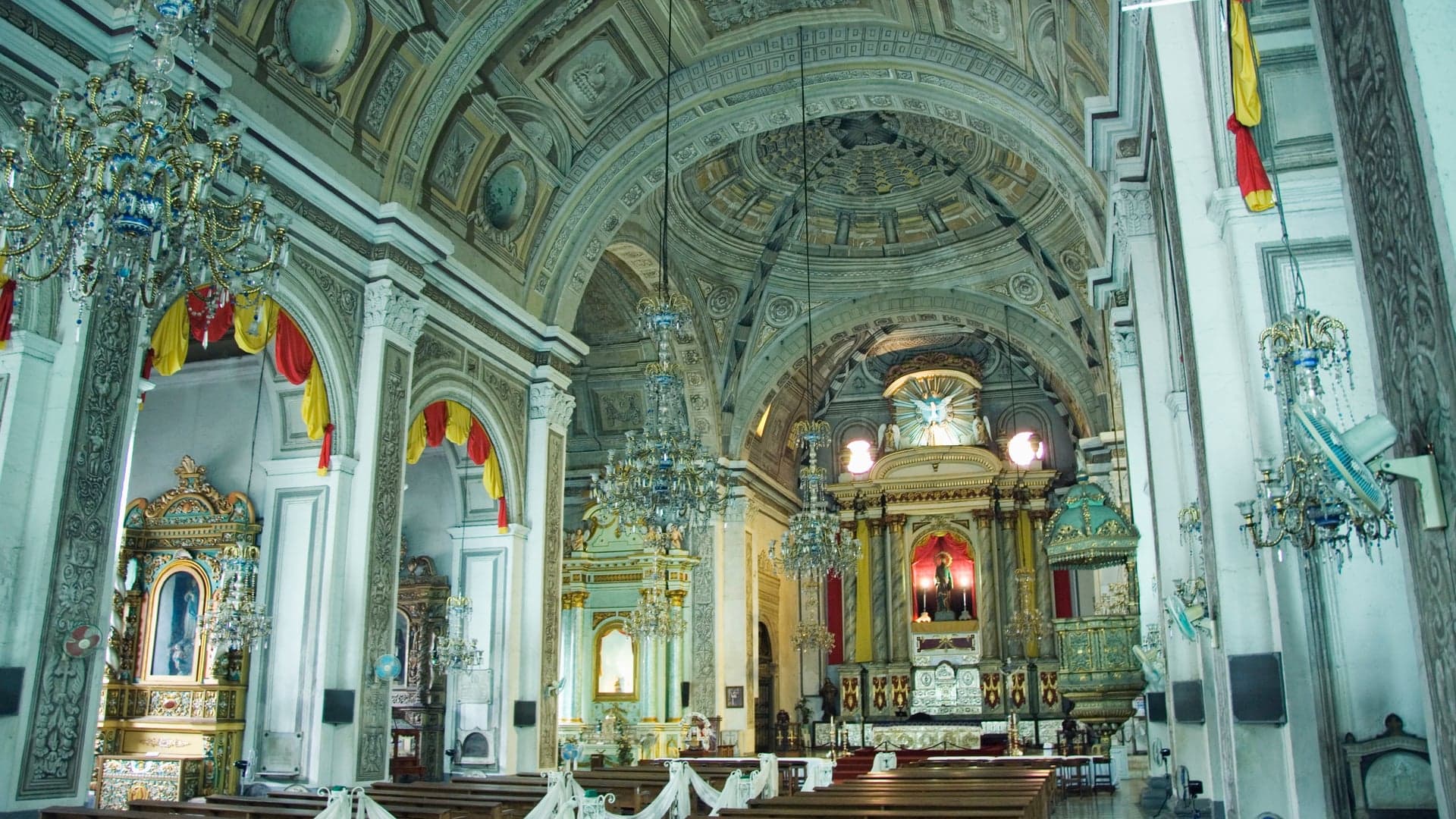
San Agustin Church, a UNESCO World Heritage marvel, showcases over four centuries of religious artistry and is renowned for its remarkable collection of sacred relics. A short stroll away, the Manila Cathedral—dedicated to the Immaculate Conception and recently revitalized with advanced seismic retrofitting—remains a beacon of faith and history, having hosted significant events including a papal mass.
Across from San Agustin lies Casa Manila, a meticulously recreated Spanish colonial residence that immerses visitors in the opulent lifestyle of Manila’s past aristocracy.
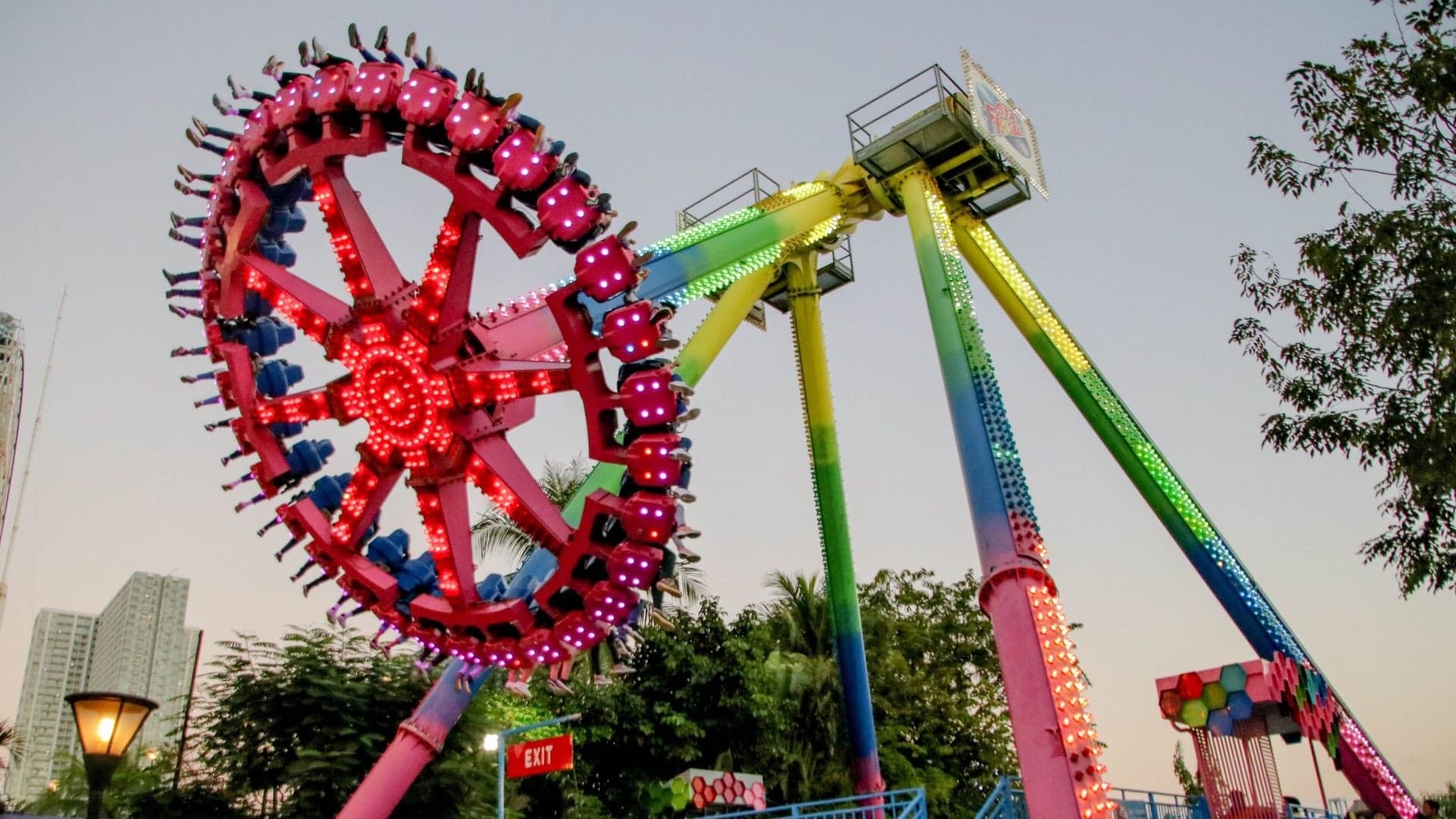
For family-friendly excitement, Star City continues to be a premier indoor amusement park. Spanning 35,000 square meters, it offers everything from whimsical children’s rides to adrenaline-charged attractions like the Surf Dance and Seahorse Viking, catering to thrill-seekers and families alike.
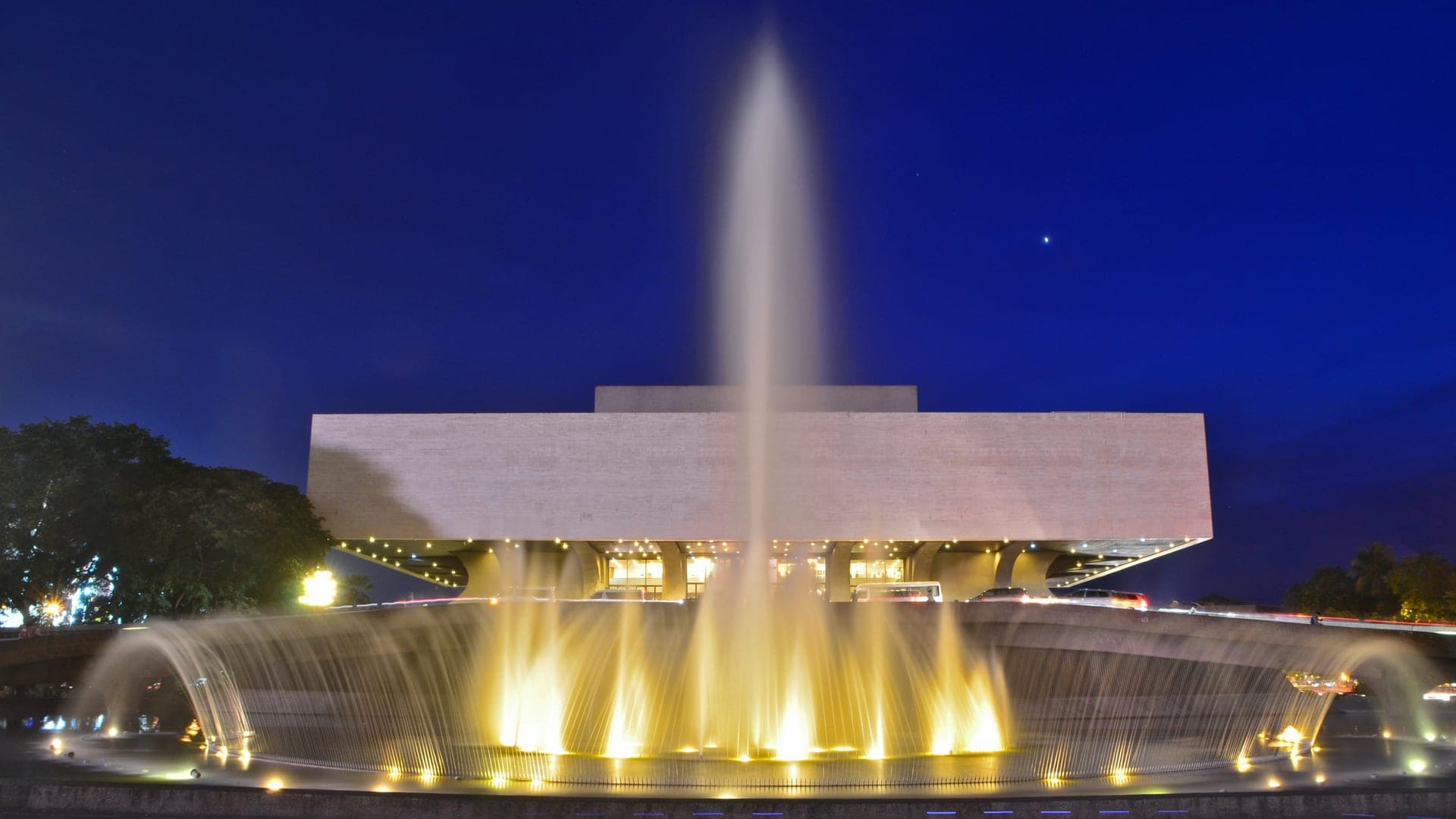
The Cultural Center of the Philippines (CCP) Complex is an essential stop for art aficionados. Sprawled across 88 hectares beside Manila Bay, the CCP encompasses the Art Zone and Commercial & Entertainment Zone, featuring iconic brutalist architecture, world-class theaters, and a vibrant schedule of international and local performances. For a true taste of Manila, indulge in the legendary seaside dampa experience—select fresh seafood at the market, then have it expertly prepared to your preference at one of the on-site kitchens.
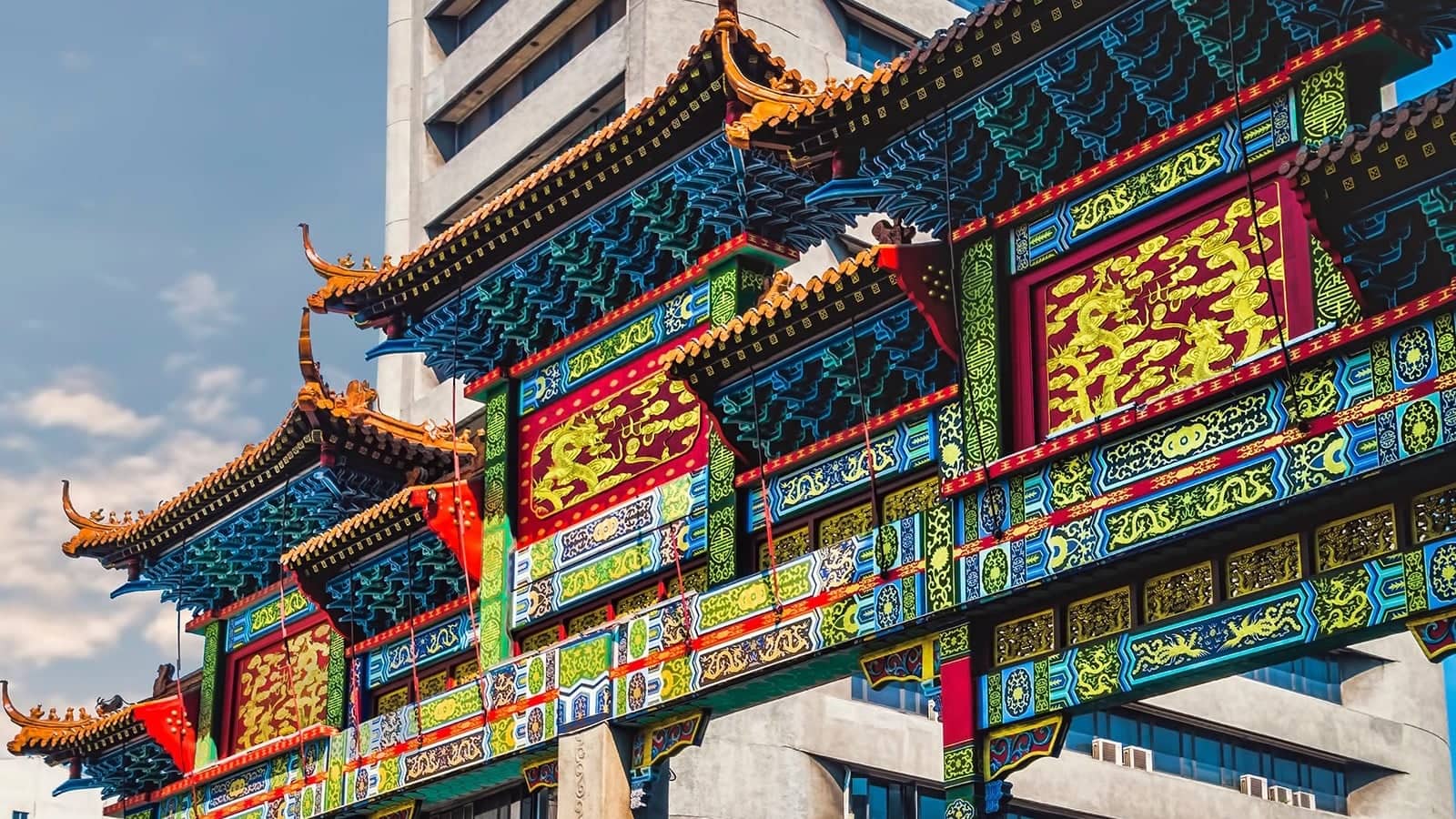
Discover Binondo, the world’s oldest Chinatown since 1594, where culinary explorations meet cultural immersion. Wander past the Chinatown Museum, the storied Binondo Church, and the spectacular Filipino-Chinese Friendship Arch, which dazzles at night with a kaleidoscope of lights.
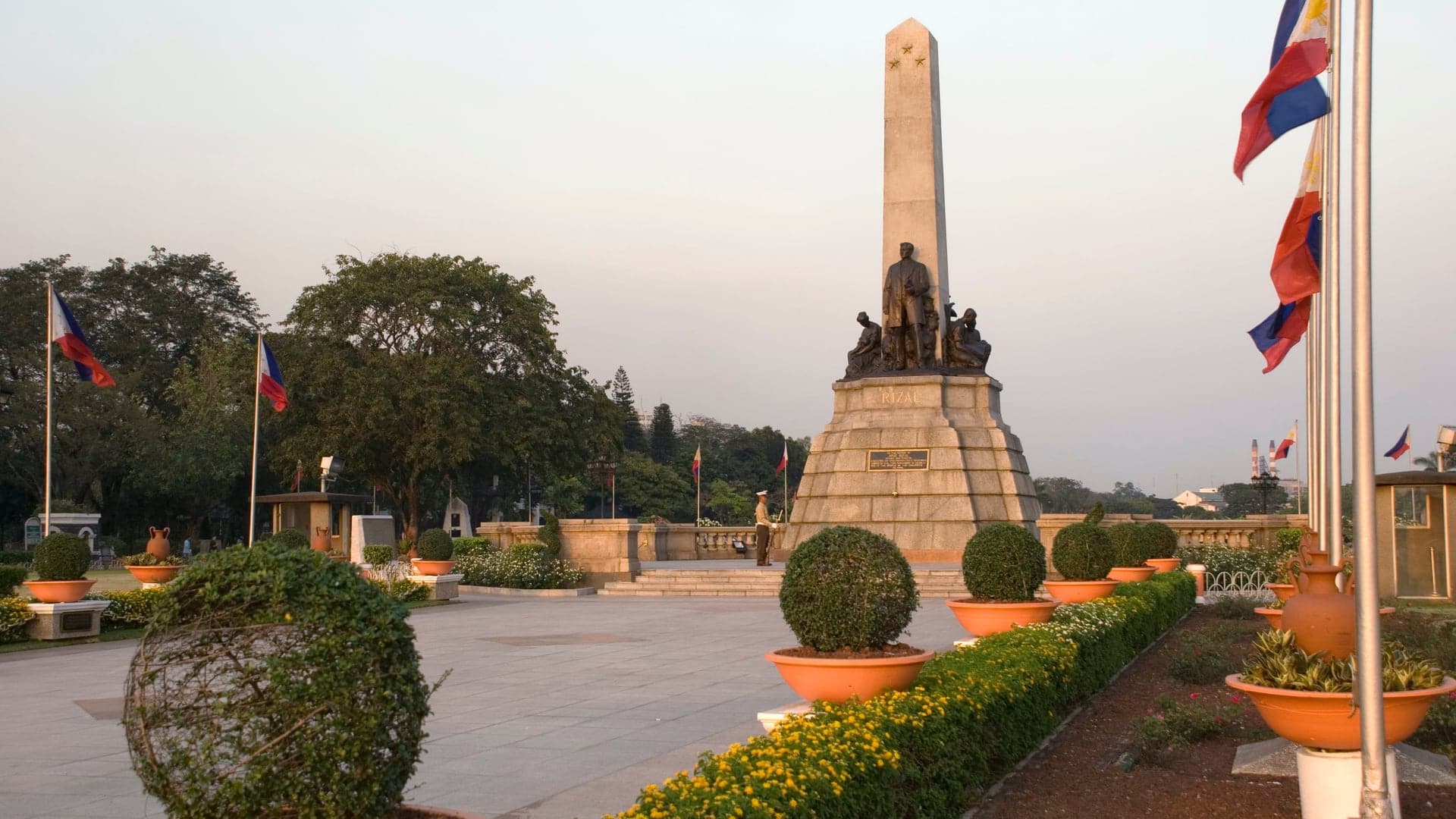
At the heart of the city lies Rizal Park—a lush, 140-acre urban sanctuary dedicated to Dr. Jose Rizal, the nation’s revered hero. Once the site of his execution, the park now offers tranquil gardens, meditative spaces, and a captivating musical fountain, providing visitors with both a moment of reflection and a vibrant tribute to Philippine independence and culture.
Shopping
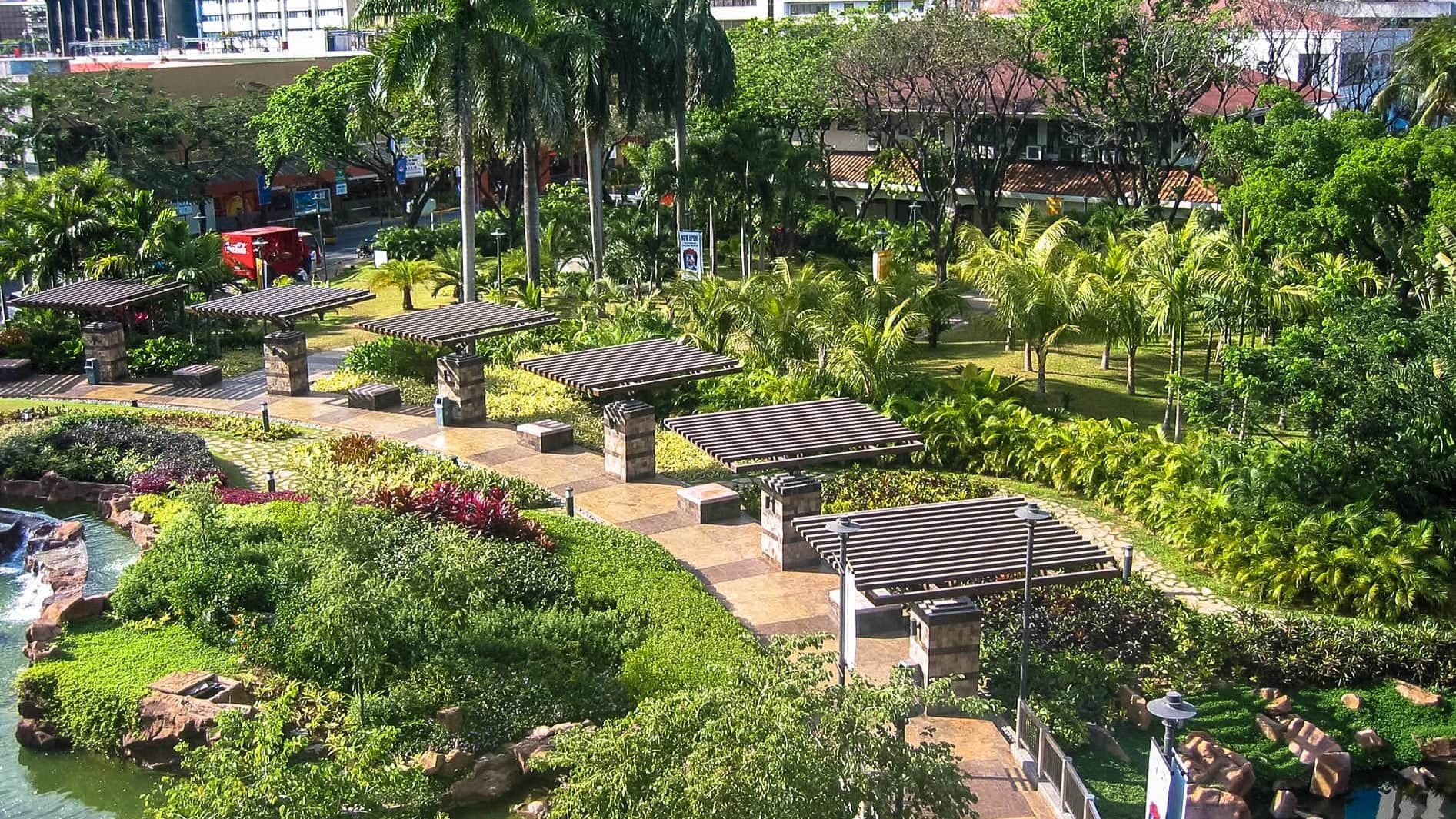
Manila’s luxury shopping landscape is world-class and ever-evolving, offering a curated mix of global and local designer labels. Greenbelt, a sophisticated destination since the 1980s, remains the city’s premier shopping precinct. Spanning 12 hectares, it seamlessly integrates lush gardens—spanning 2.8 hectares—with five distinct retail zones. Greenbelt 4 and 5 are particularly renowned, housing flagship stores of iconic international brands.
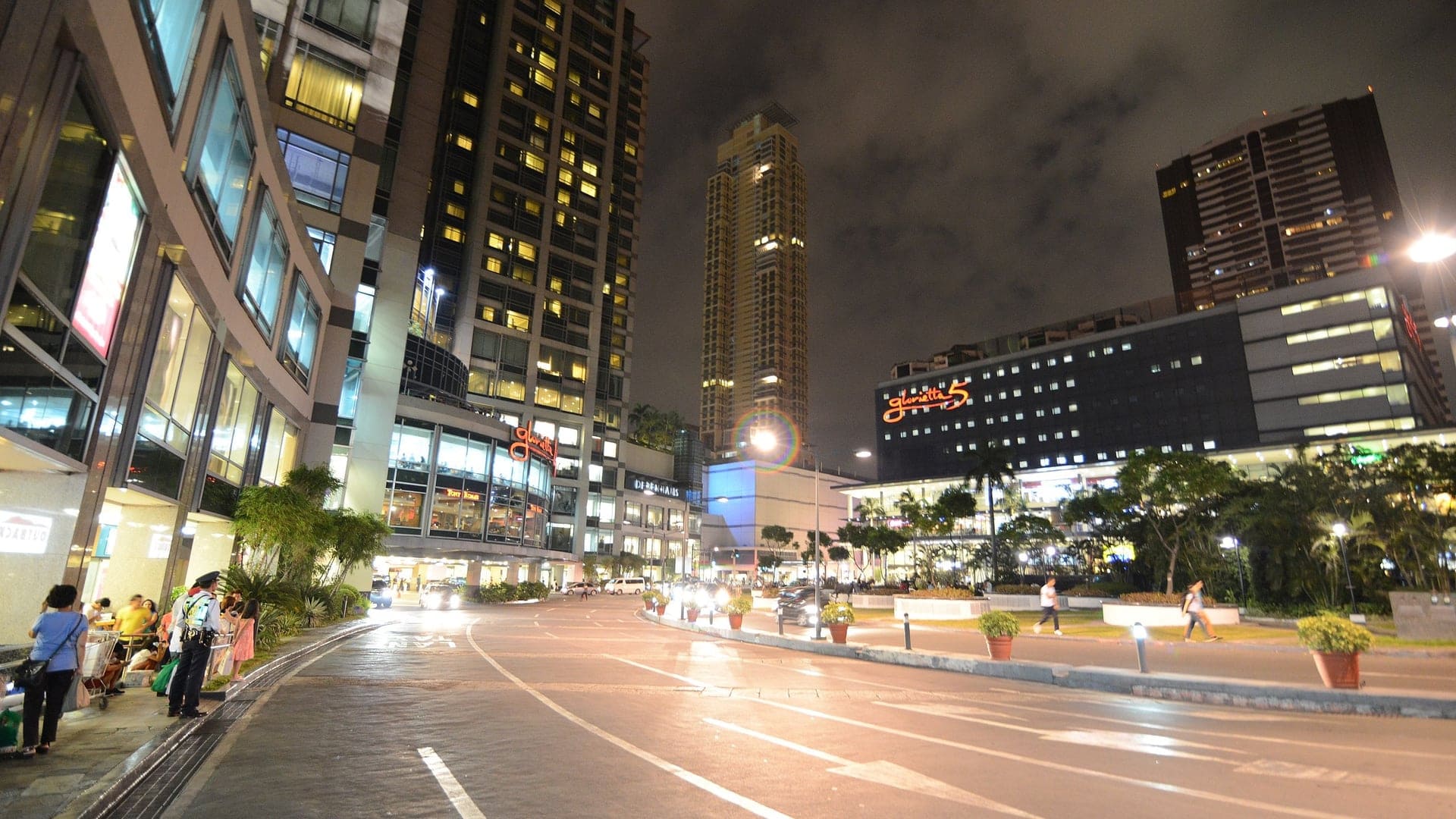
Nearby, Glorietta entices with its vibrant energy. Comprising a central atrium and four interconnected malls, it stands as Makati’s social epicenter—a convergence of high-fashion boutiques, gourmet dining, luxury cinemas, and an expansive activity center that regularly hosts major events.
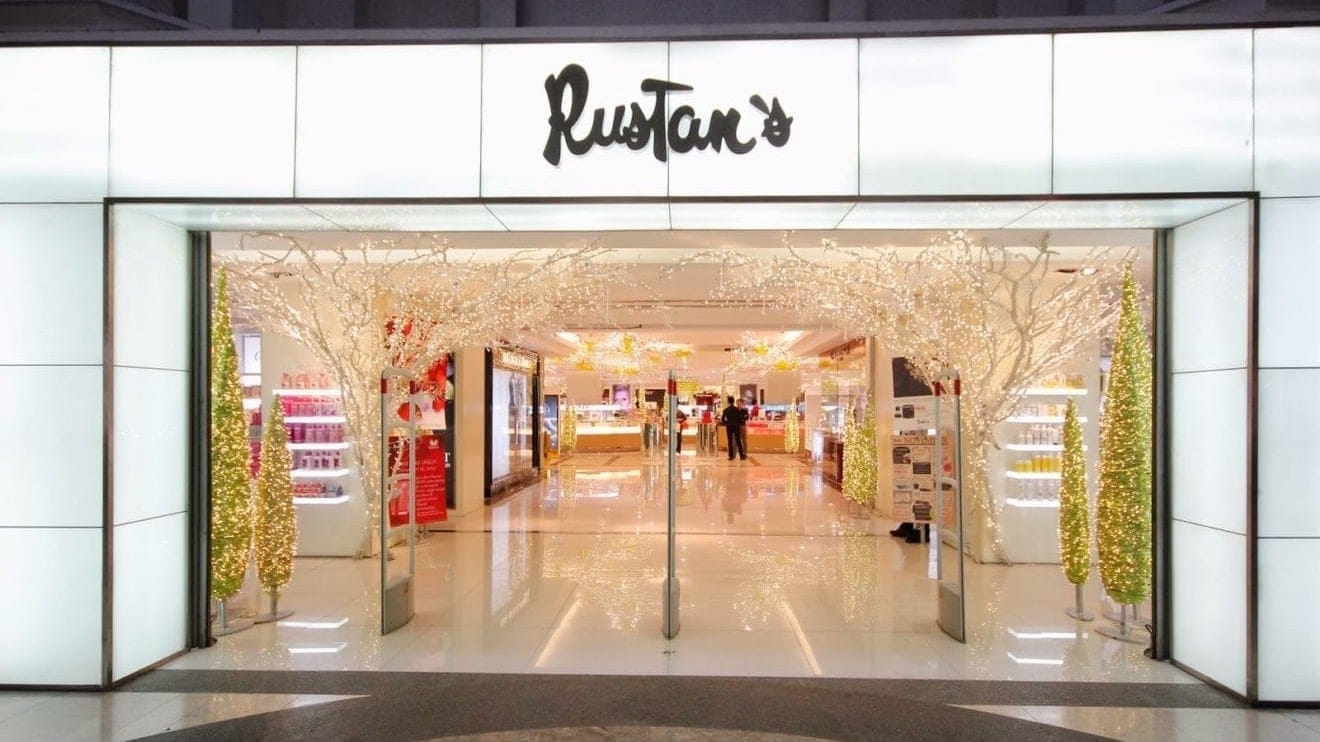
For connoisseurs seeking the pinnacle of luxury, Rustan’s Department Store is an institution. This 70-year-old retail pioneer continues to set the standard for exclusive shopping in the Philippines. Its Makati flagship dazzles with an expertly curated selection of couture, accessories, rare fragrances, beauty products, and fine jewelry, maintaining its legacy as Manila’s foremost destination for upscale retail therapy.
Restaurants & Bars
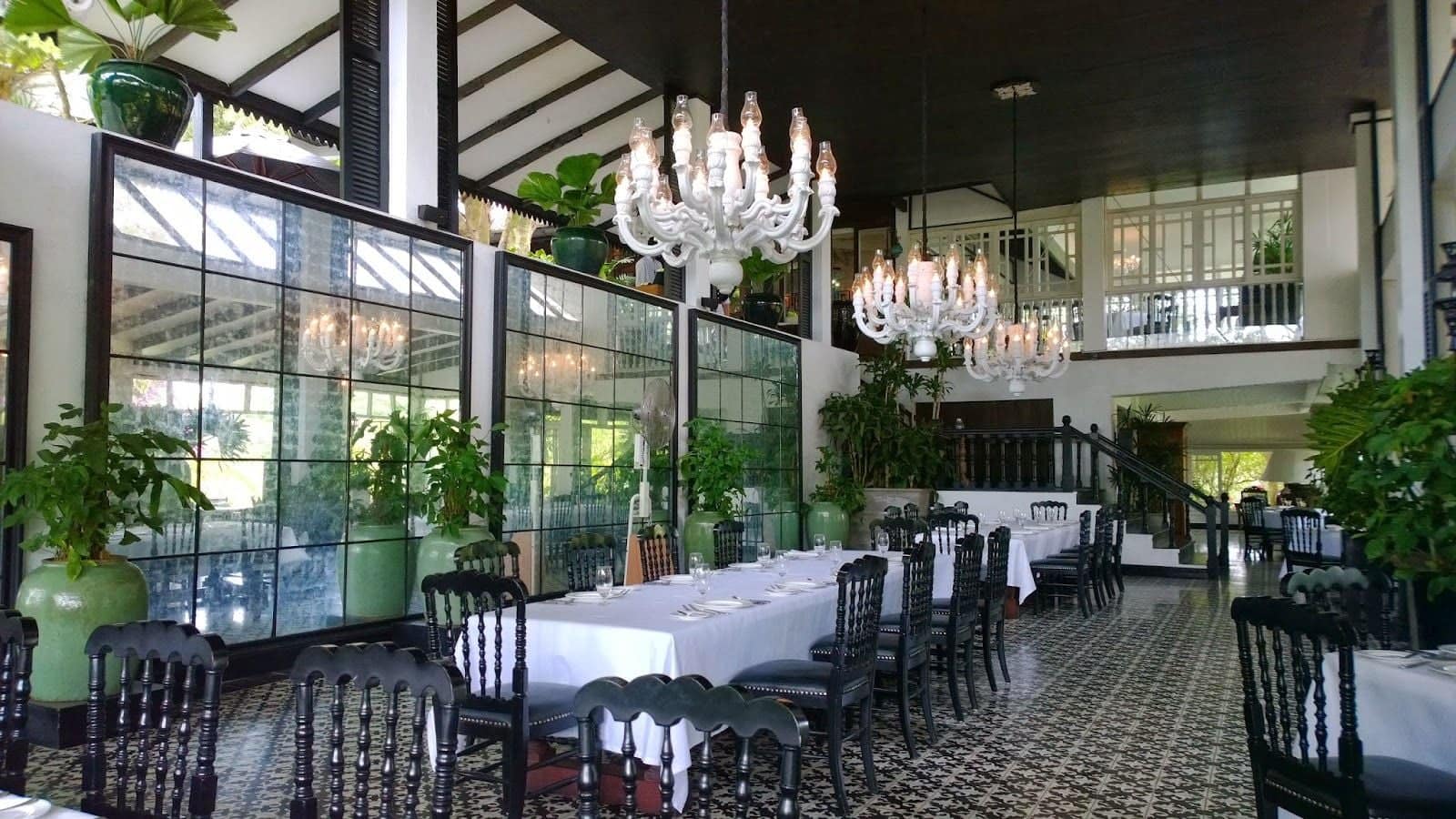
Antonio’s, helmed by acclaimed Chef Antonio, delivers an exceptional fine dining experience set against an elegant backdrop. The menu is a celebration of both Filipino culinary heritage and global influences, with standout vegan and gluten-free options, while the Lanai Lounge next door offers a handpicked wine selection to perfectly complement your meal.
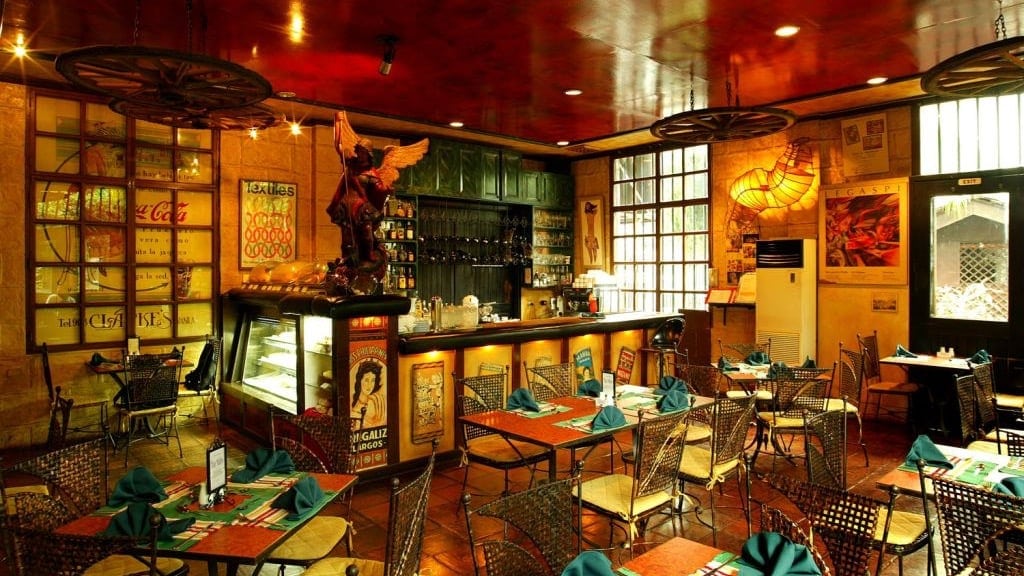
In the heart of historic Intramuros, Ilustrado is a culinary landmark for elevated Filipino-Spanish cuisine. Signature dishes include the richly layered paella Ilustrado and crisp pork belly with shrimp paste, all finished with the fragrant Sampaguita ice cream. The restaurant’s refined interiors and prime views of San Agustin Church make it a must for gourmands.
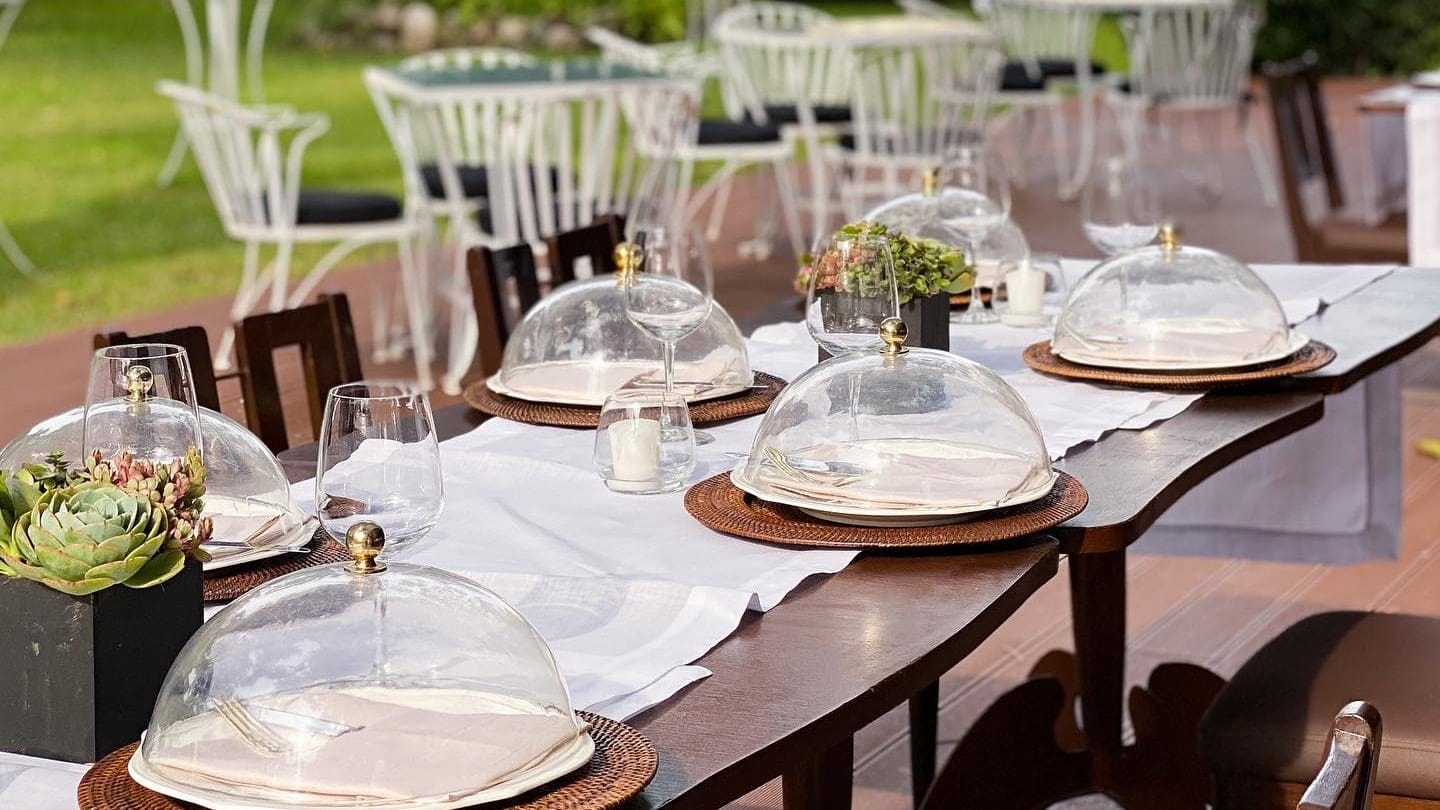
Launched by Asia’s Best Female Chef 2016, Margarita Forés, The Loggia at Palacio de Memoria on Roxas Boulevard fuses Filipino flavors with Italian finesse. The setting—an exquisitely restored pre-war mansion—sets the mood for romantic dinners or sunlit weekend brunches, with every plate showcasing Forés’ distinctive culinary artistry.
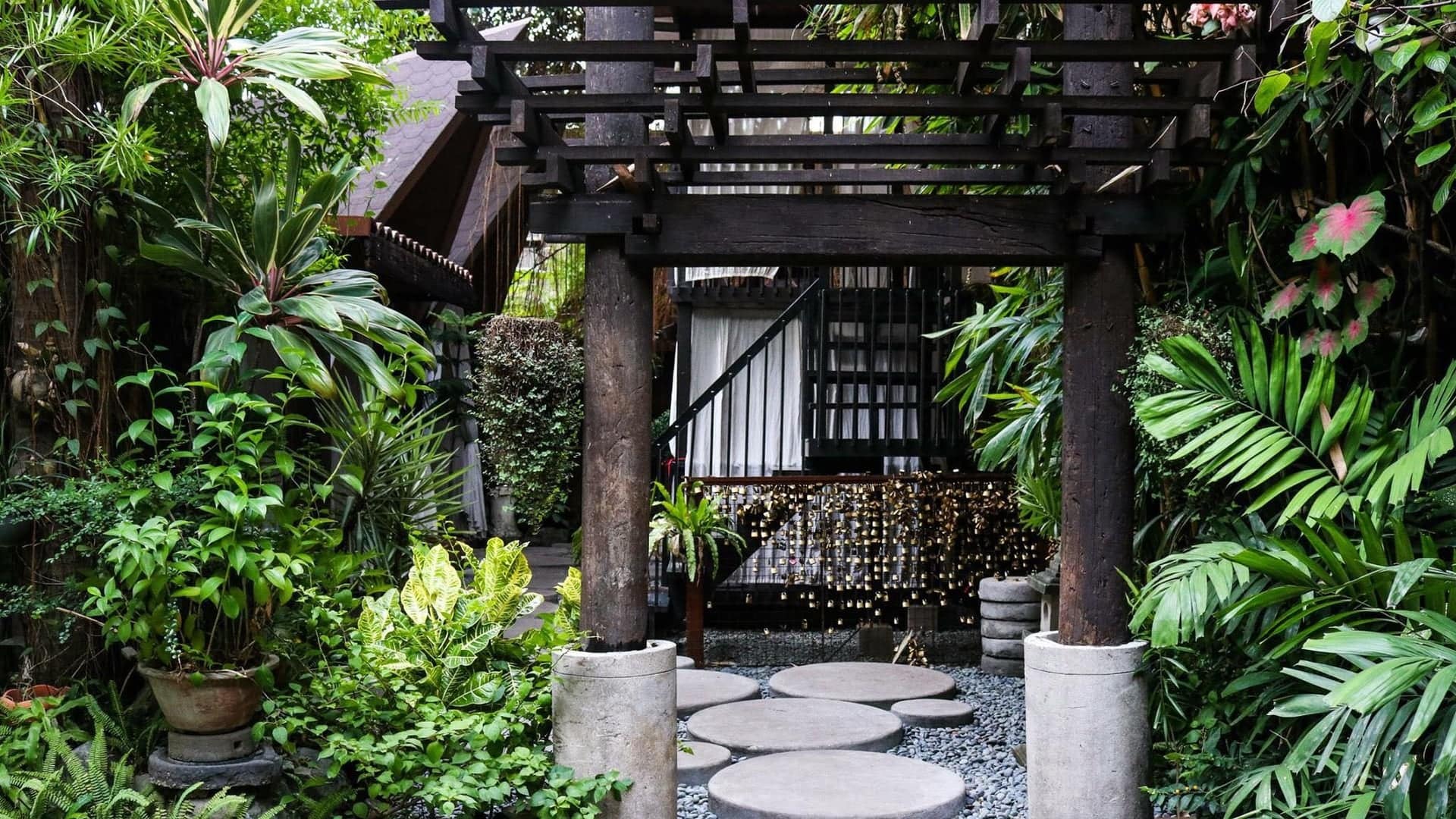
NINYO Fusion Cuisine & Wine Lounge, tucked away in Quezon City and led by Chef Niño Laus, is an oasis of calm and flavor. The lush gardens, koi ponds, and candlelit gazebos create an intimate atmosphere for savoring the chef’s seven-course degustation, featuring highlights like honey-glazed salmon and Yuzu sherbet, paired with rare wines sourced globally.
For nightlife, Black Market Club in Makati has set the standard for Manila’s urban chic. This industrial-style hotspot attracts a cosmopolitan crowd with its eclectic DJ sets and underground music scene. While the dress code is laid-back, the stylish ambiance encourages guests to dress to impress for an unforgettable evening of dancing and socializing.

Museums & the Arts
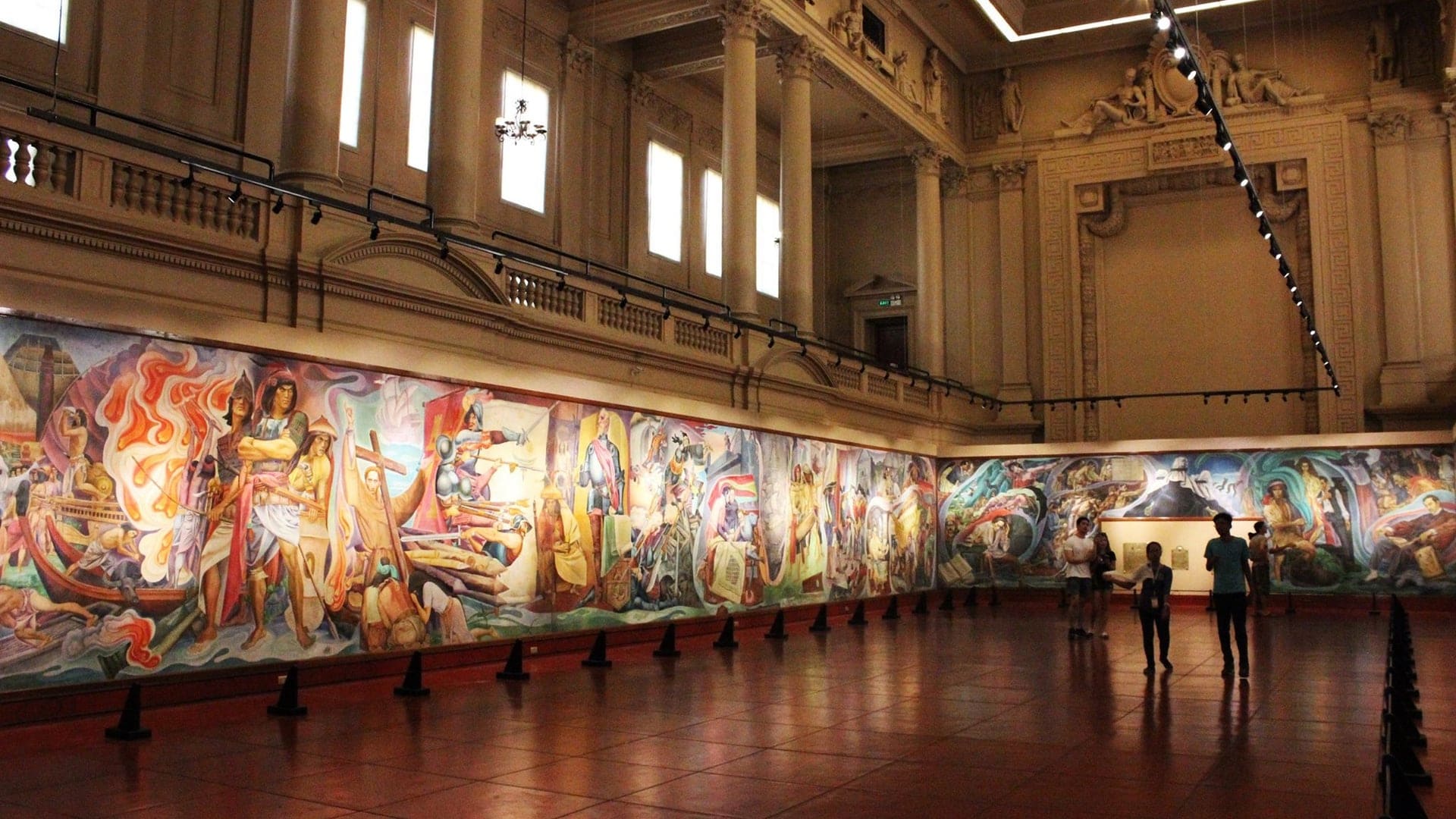
On Padre Burgos Avenue, adjacent to Rizal Park, the National Museum of Fine Arts is a sanctuary for art lovers. The museum features 29 galleries filled with masterpieces from 19th-century Filipino painters, contemporary visionaries, and celebrated printmakers, offering a comprehensive journey through Philippine artistry.
The Mind Museum in Taguig brings science to life with interactive exhibits, immersive theater and planetarium shows, and experimental demonstrations. Its avant-garde design—modeled on cellular structures—incorporates sustainable features like solar-reflective panels, natural ventilation, and rainwater harvesting, making it a model of eco-friendly innovation.
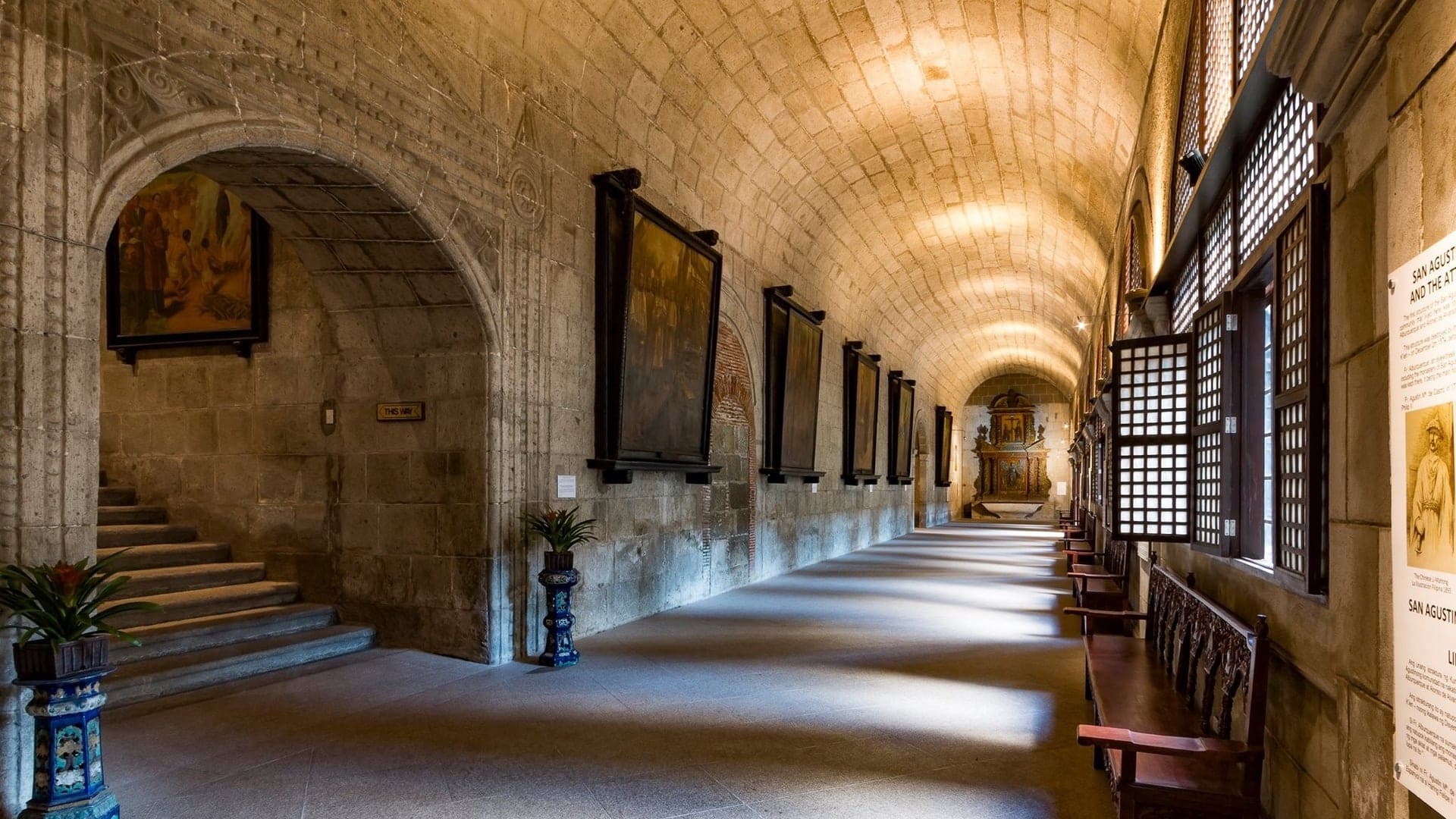
The San Agustin Museum, a UNESCO World Heritage site, is nestled within a stunning Baroque complex. Once a monastery, the museum now displays a remarkable collection of religious artifacts, sculptures, and antiquities in the former friars’ quarters. The awe-inspiring architecture and strict no-photography policy ensure a contemplative, almost reverential atmosphere for visitors.
Side Trip
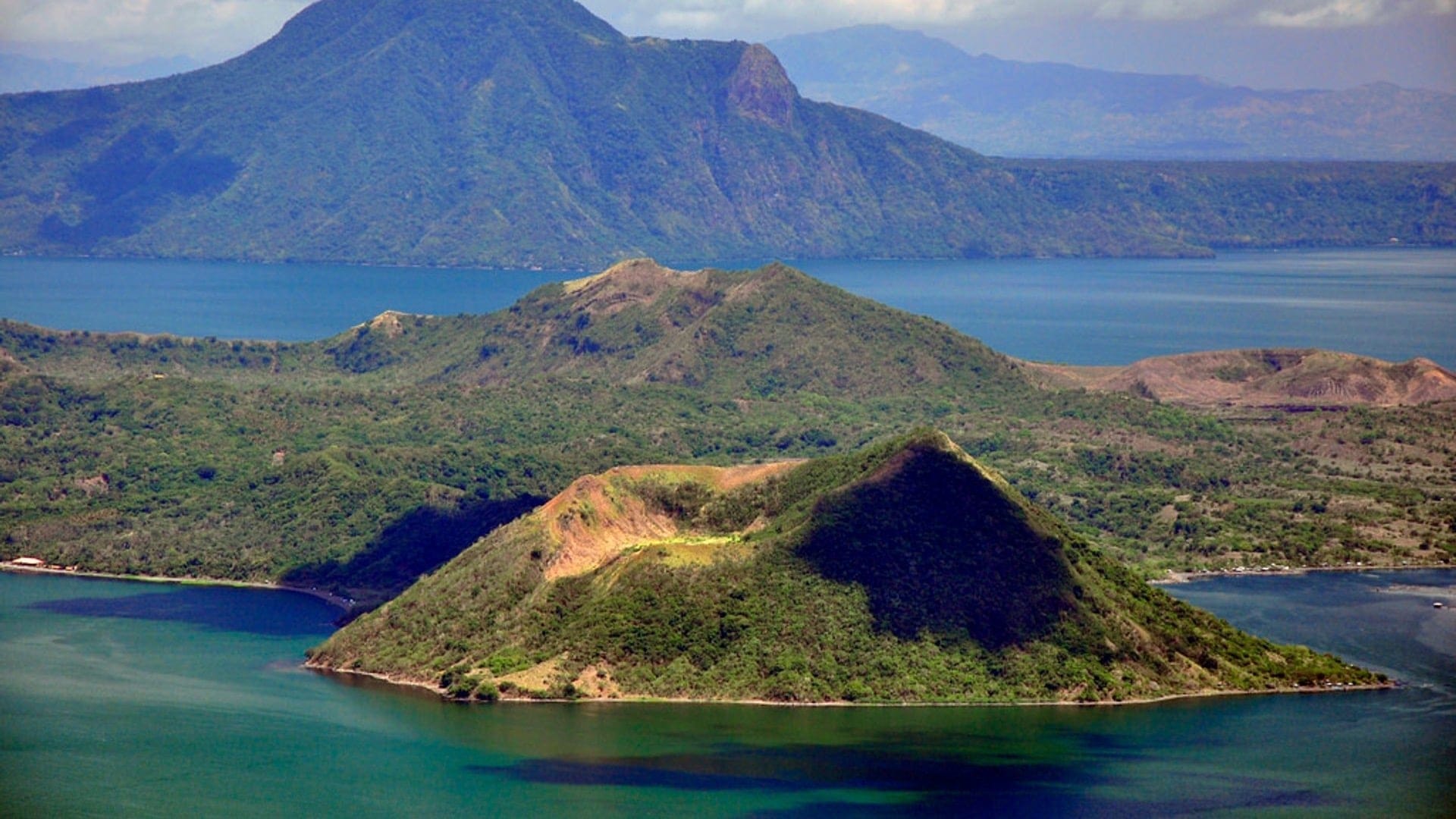
Roughly 70 kilometers south of Manila, Taal Volcano offers a dramatic escape in the province of Batangas. This active stratovolcano, the second most active in the Philippines, is famed for its breathtaking crater lake and unique biodiversity—including rare aquatic species such as the venomous Taal sea snake. At its heart lies Volcano Island, the focal point of most historic eruptions, presenting an awe-inspiring landscape for nature lovers and adventurers alike.
Exclusive Experience
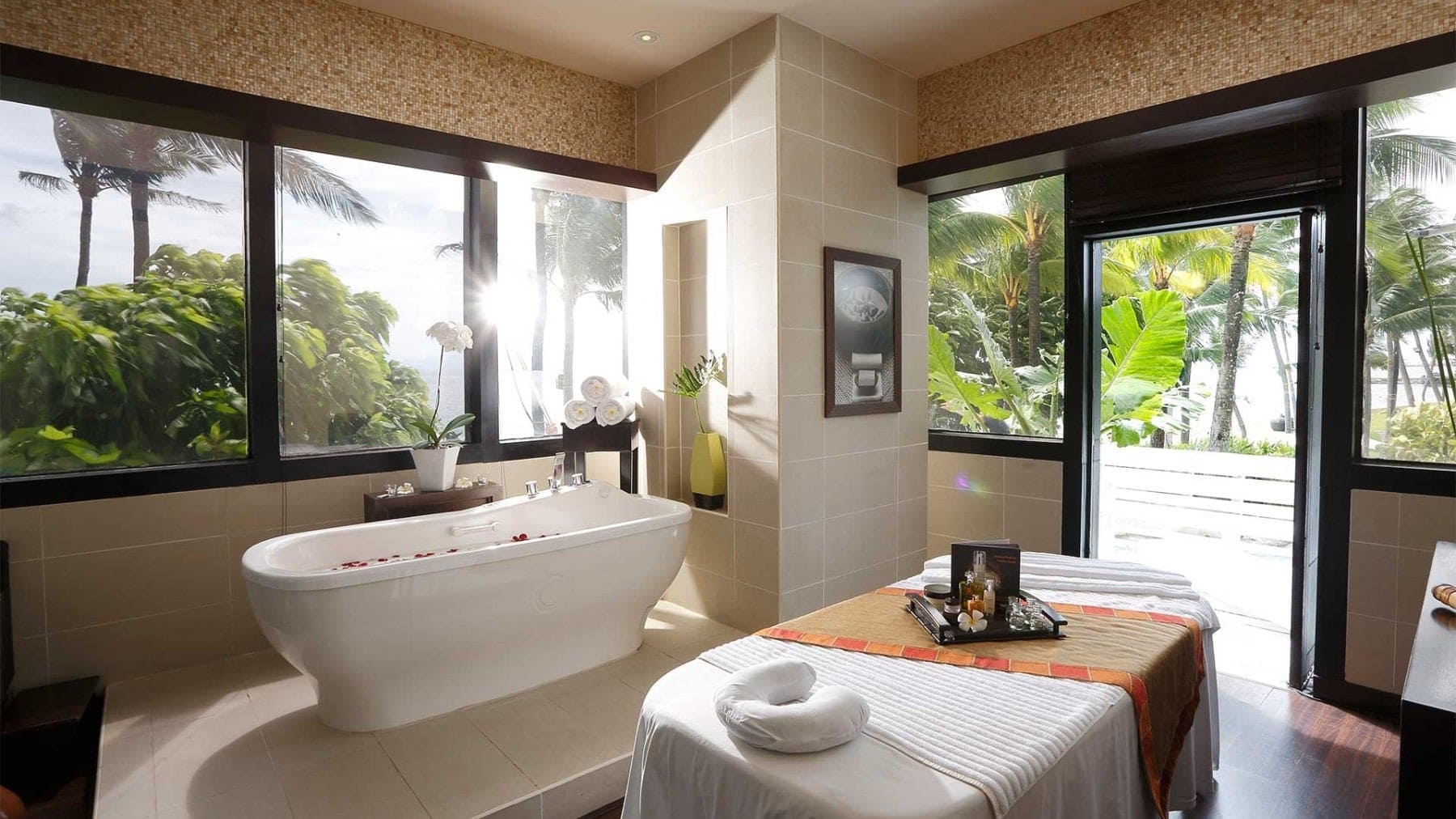
Situated within the Sofitel Philippine Plaza, Le Spa is Manila’s premier destination for holistic wellness. This tranquil retreat blends refined French sophistication with indigenous Filipino healing traditions. The signature treatment is the ancient hilot massage, which utilizes aromatic oils and medicinal leaves to melt away tension and restore balance to both muscles and mind—a truly rejuvenating ritual for luxury travelers seeking authentic Filipino spa culture.
Hidden Gem
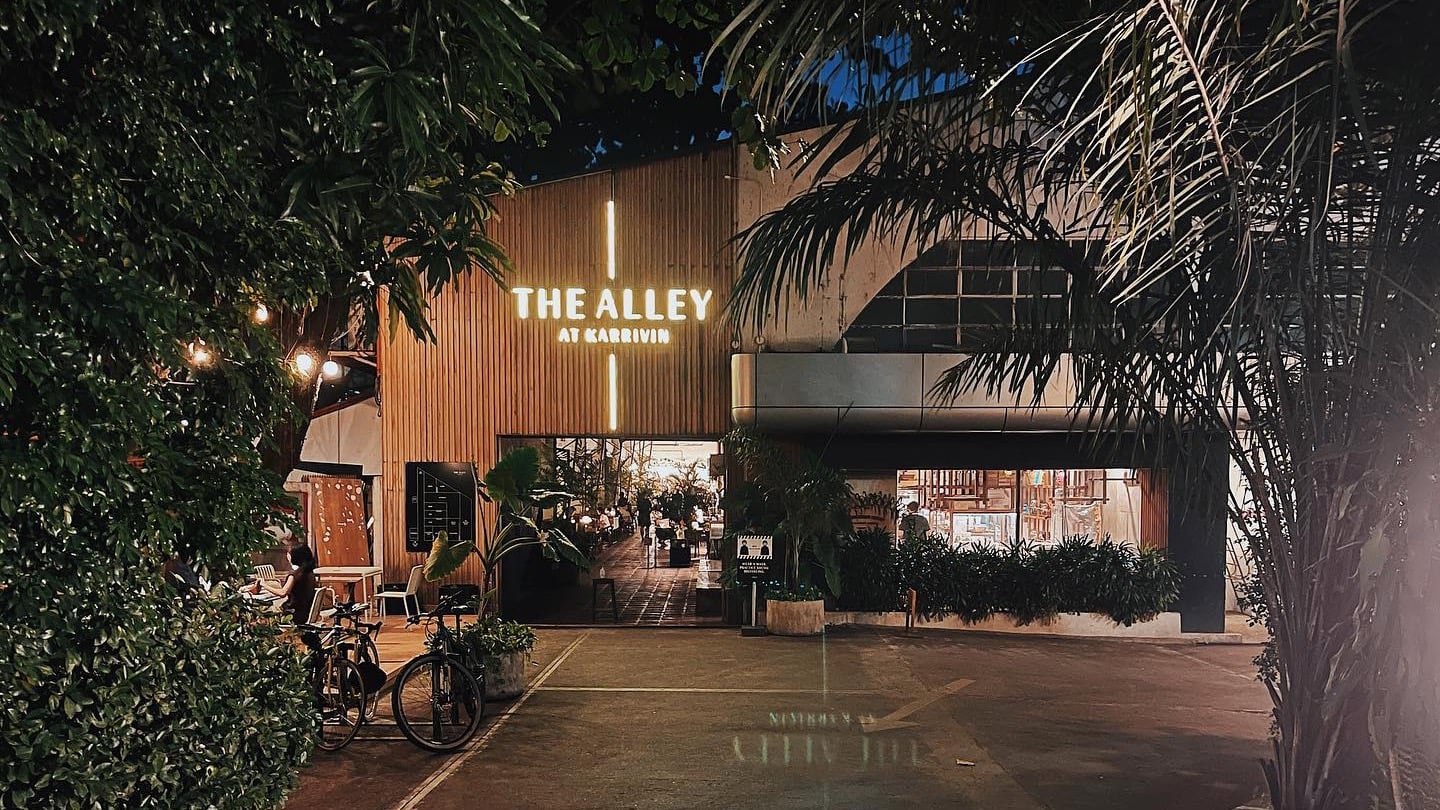
Tucked discreetly within Makati’s vibrant commercial district, The Alley at Karrivin offers a sanctuary for Manila’s creative elite. This intimate enclave is home to indie cafes, avant-garde art galleries, and destination dining spots specializing in refined Filipino cuisine. Whether you’re seeking a quiet coffee, a thought-provoking art exhibit, or an elegant meal, this hidden gem provides an atmosphere of understated luxury for a memorable, relaxed evening.
Sports
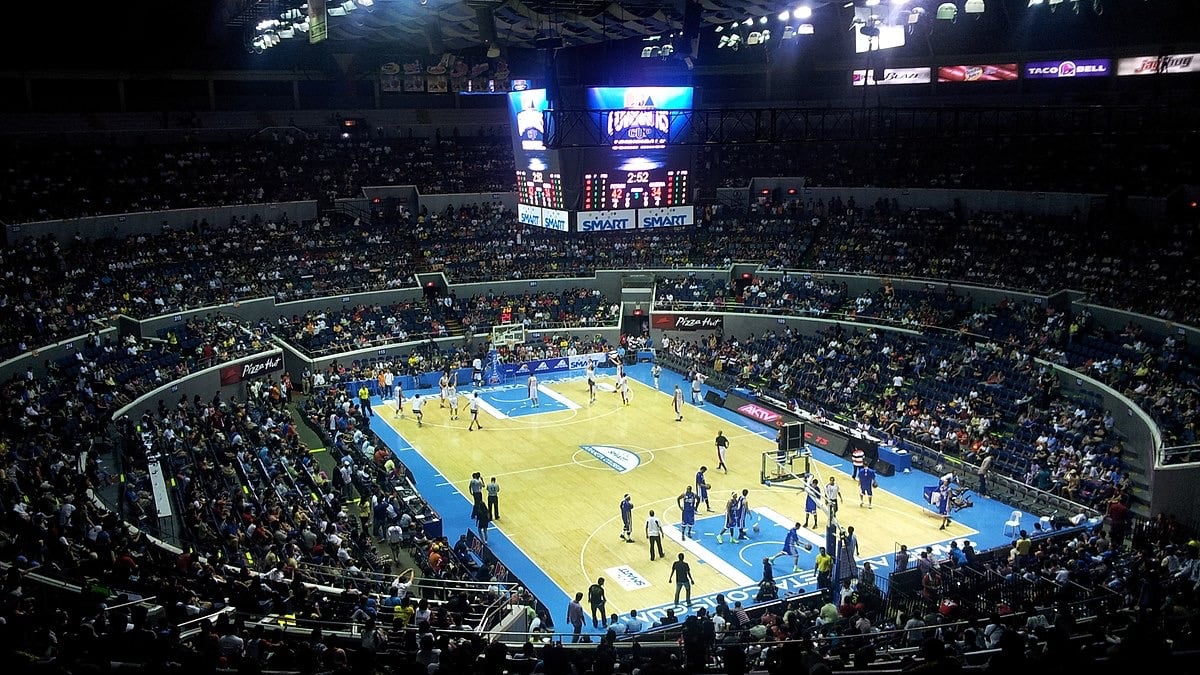
Basketball reigns supreme in the Philippines, and Manila is no exception. The Araneta Coliseum—iconically known as "The Big Dome"—remains an epicenter for year-round basketball action, including the prestigious PBA Basketball Championship. Its vast, column-free dome is among the world’s largest, offering an electric atmosphere for sports fans.
Tennis also enjoys a loyal following. The Makati Sports Club welcomes visiting players to its flexipave courts, with tourist access available by reservation—a perfect way to enjoy world-class facilities in the city center.
For an immersive cultural experience, witness the traditional martial art of Arnis. Officially recognized as the national sport of the Philippines, Arnis (also called Kali or Eskrima) features lightning-fast movements, stick fighting, and bladed weaponry. Watching a full-contact match is a thrilling window into Filipino heritage and athleticism.

Must Buy Souvenir
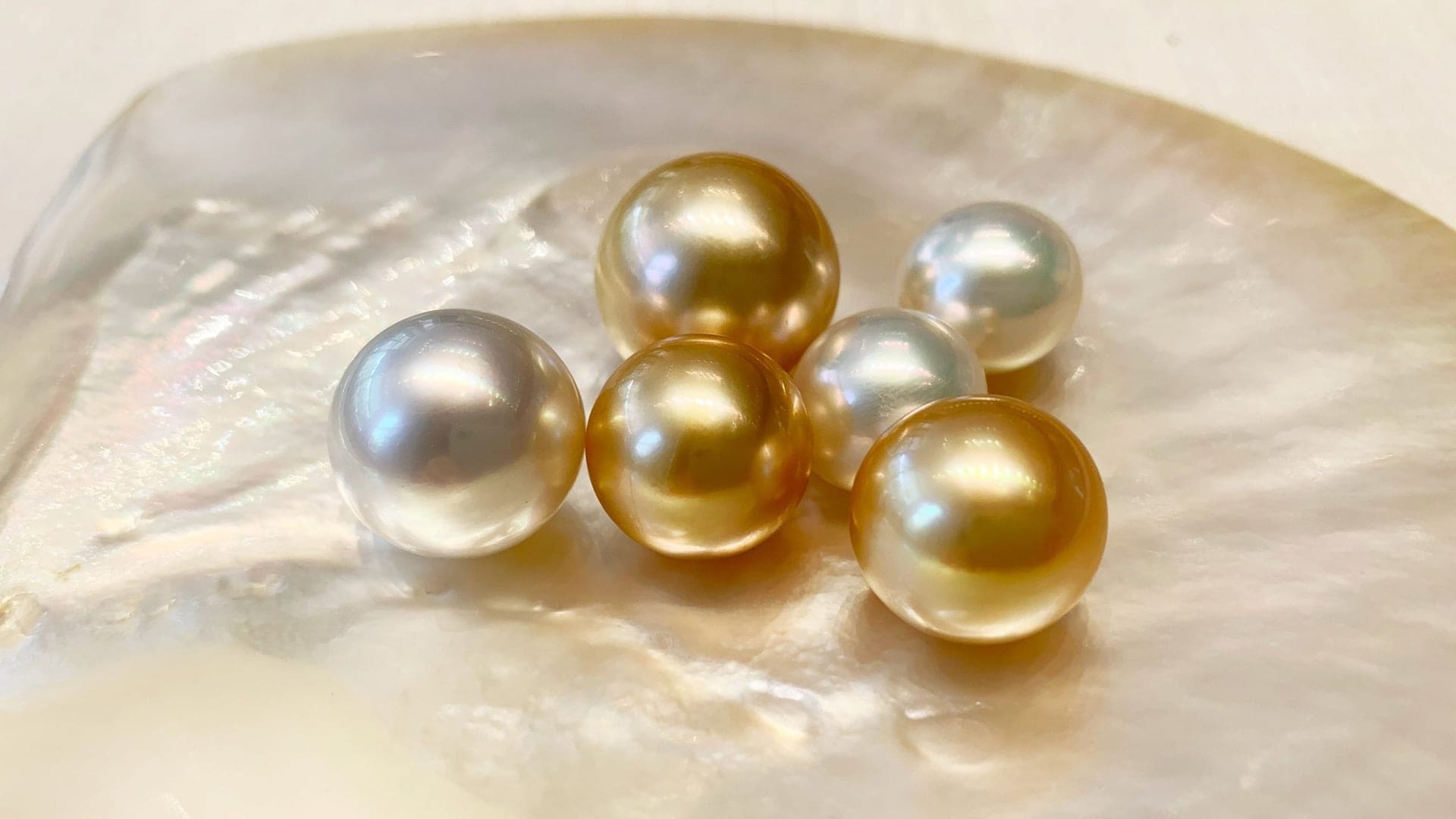
The Philippines is celebrated worldwide for its exceptional South Sea pearls—coveted for their radiant golden hue and remarkable luster. Cultivated from the Pinctada maxima oyster, these gems represent the pinnacle of Filipino craftsmanship and natural beauty. For the finest certified pearls, Jewelmer remains the authority, with multiple boutiques in Makati offering exquisite selections for discerning collectors and travelers.
Hotels
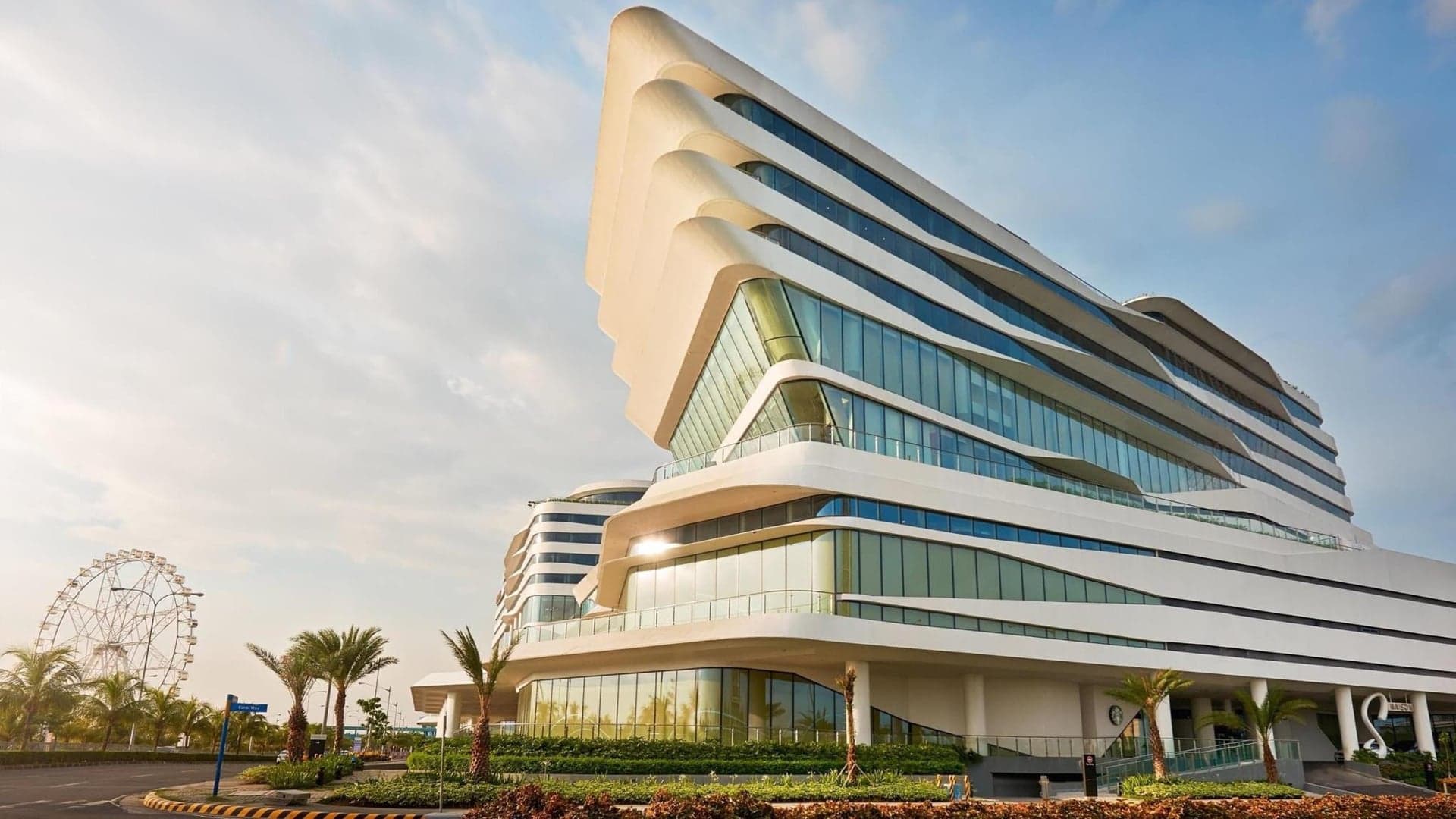
Manila’s luxury hotel scene is a showcase of world-class hospitality, from glittering towers along Manila Bay to contemporary sanctuaries in the city’s heart. These properties deliver refined amenities, personalized service, and tranquil retreats amid the urban hustle.
Getting Around
Reaching downtown Manila from Ninoy Aquino International Airport (NAIA) typically takes 20 minutes by taxi, though traffic can extend the drive to an hour during peak periods. For a seamless transfer, the Ultimate Bus Experience (UBE Express) offers scheduled stops at major hotels. Manila’s transportation ecosystem includes taxis, jeepneys, ride-hailing services, buses, the Light Rail Transit (LRT), and the Metro Rail Transit (MRT)—but always allow extra time for potential congestion when planning your daily excursions.