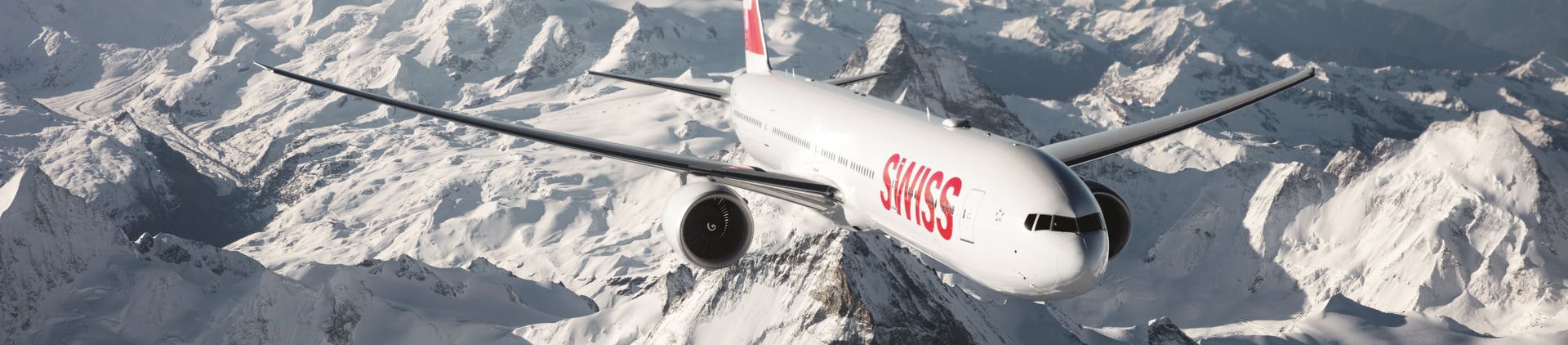
Swiss International Air Lines (SWISS), the flag carrier of Switzerland, remains one of the select European airlines to still have a first-class cabin on its long-haul flights.
SWISS launched in 2002, following the collapse of Swissair, and in 2005, it joined the Lufthansa Group. Today, it operates alongside Lufthansa, Austrian Airlines, Brussels Airlines, and Eurowings. Within the group, SWISS stands out for maintaining a consistent first-class product across aircraft types, which reduces variability compared to some other carriers.
In the following sections, we will analyze the airline’s first-class product, including the cabin layout, onboard dining, and ground services it provides. Our focus is not only on what SWISS’ first class includes, but on how its product affects privacy, rest, lounge access, and the overall flow of the journey.
Booking and Check-In Process
Booking Options and Award Limits
Booking a SWISS first-class ticket requires planning, as the first-class cabin includes only eight seats and, thus, availability is limited. This is especially important on long-haul flights, including routes such as Zurich to Buenos Aires, which takes over 16 hours. Booking early gives travelers a better chance of securing the route, date, and first-class seat they prefer on SWISS flights.
Travelers can book directly with the airline, through travel advisors, or through specialized premium-flight agencies like BusinessClass.com. In any case, travelers can add their frequent-flyer number to their booking and earn miles that they can later use to book SWISS award tickets. However, travelers can only use their miles to purchase tickets directly with the airline.
Purchasing a SWISS first-class flight with miles is more restrictive compared to other ticket classes. SWISS limits many award redemptions to Miles & More Senator or HON Circle members, which makes this product less accessible through points than business class, for example. Some travelers book SWISS business class and request an upgrade to SWISS first class, depending on fare conditions, status, route, and availability. This way, they get access to features such as fully enclosed suites, dedicated storage, and additional amenities.
Check-In and Seat Selection
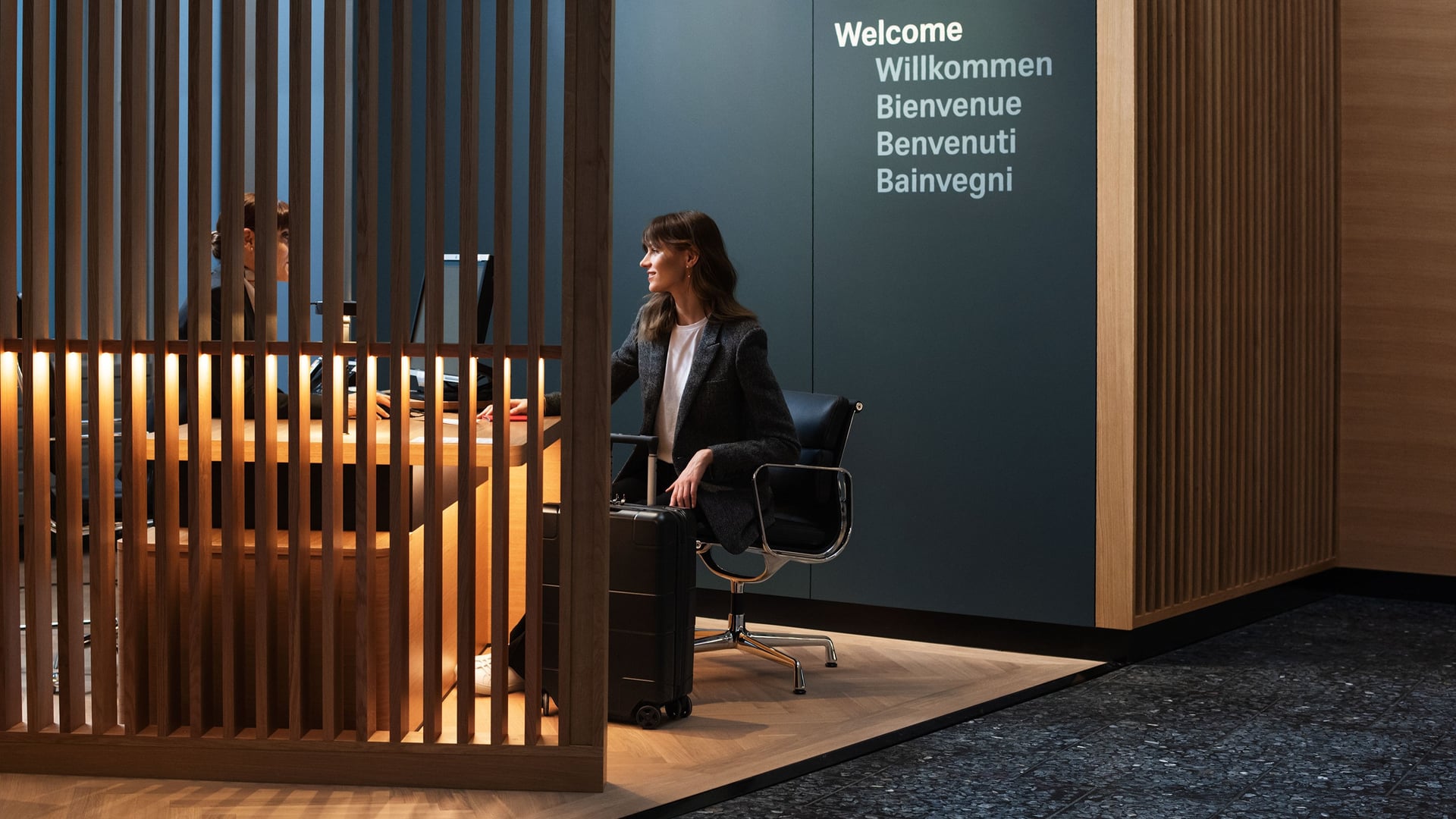
At Zurich Airport (ZRH), the ground process begins with priority check-in in a dedicated check-in area and access to a private check-in lounge within the main terminal. From there, first-class travelers move through passport control and security with fewer public-terminal touchpoints.
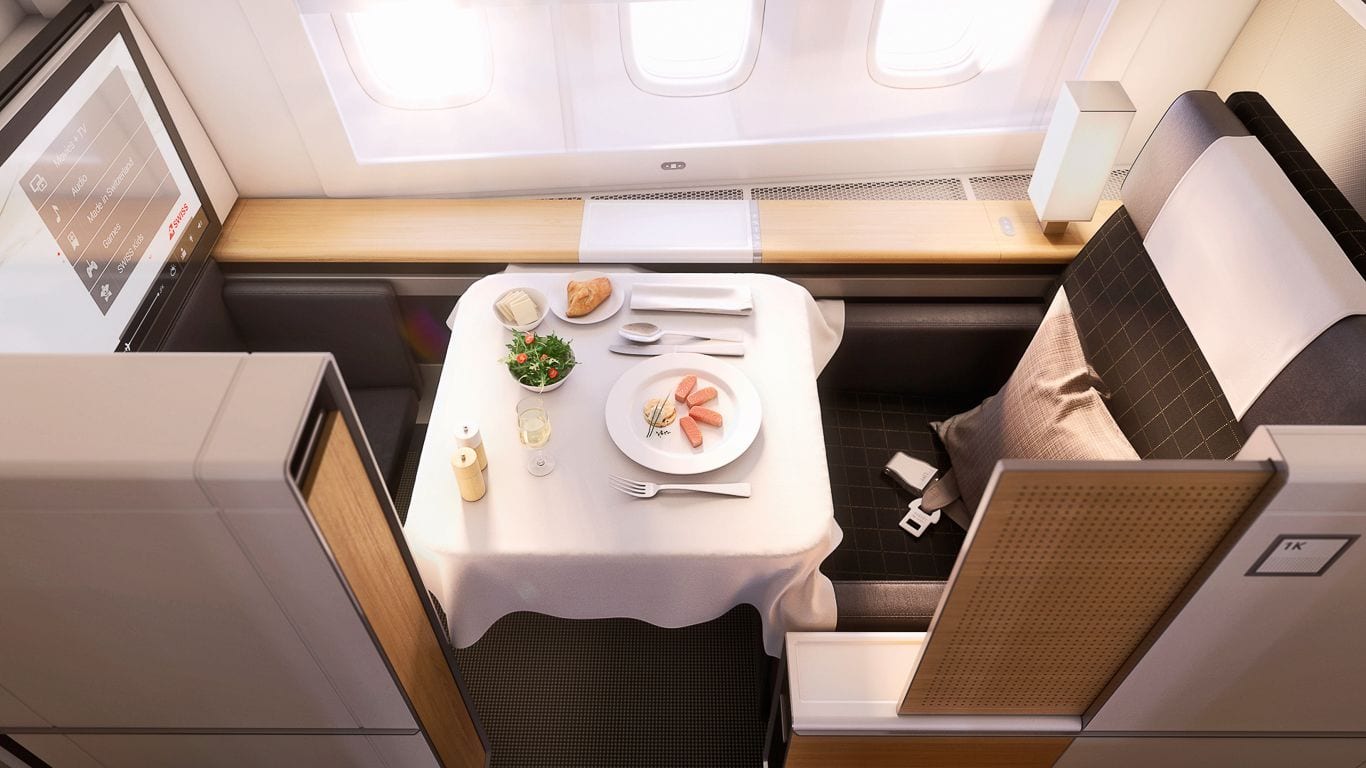
Although the first-class cabin is the most comfortable one on the plane, seat selection still matters during booking, since there are only eight first-class seats. Window seats in the very front provide greater separation from the rest of the cabin, while middle seats create a shared space for two travelers. Aside from this, the seats are similar. Each of them includes a large table, storage compartments, and a fully flat bed with a mattress pad. Thus, the main decision during seat selection is choosing between privacy and easier interaction with a companion.
Airport Experience
Airport Layout and First-Class Service
SWISS operates most flights from two main airports in Switzerland: Zurich Airport (ZRH) and Geneva Airport (GVA). The latter is smaller and mainly serves as a base for European and regional routes.
The airline’s main hub, Zurich Airport (ZRH), is 8 miles (13 km) north of central Zurich and is well served by road, rail, and tram. The airport follows a single-terminal concept and divides operations across areas A, B, D, and E. Non-Schengen international flights operate from area E gates.
At Zurich Airport, SWISS First service includes a dedicated check-in area, private security screening, priority boarding, prioritized baggage handling, and transfers between lounge areas when required. The baggage allowance includes three checked bags up to 70 pounds (32 kilograms) each and two carry-on items up to 17 pounds (8 kilograms).
While most travelers use the underground train between terminals, SWISS first-class travelers receive a private transfer. This service uses Mercedes V-Class and Sprinter vehicles, designed to reflect the materials and layout of the onboard cabin, extending the experience beyond the aircraft.
Lounge Access Rules
The airline operates two first-class lounges at Zurich Airport. One sits in the main terminal near the A gates, while the second SWISS First Lounge is in the E-gate satellite terminal.
Access to these lounges is reserved for:
- SWISS first-class passengers
- Lufthansa first-class passengers
- HON Circle members
First-class travelers flying with Star Alliance partners do not receive entry to these lounges and are directed to alternative lounges.
The First Lounge A operates from 5:30 am to 10:00 pm daily, while the First Lounge E operates daily from 6:00 am to 10:20 pm.
SWISS First Lounge E
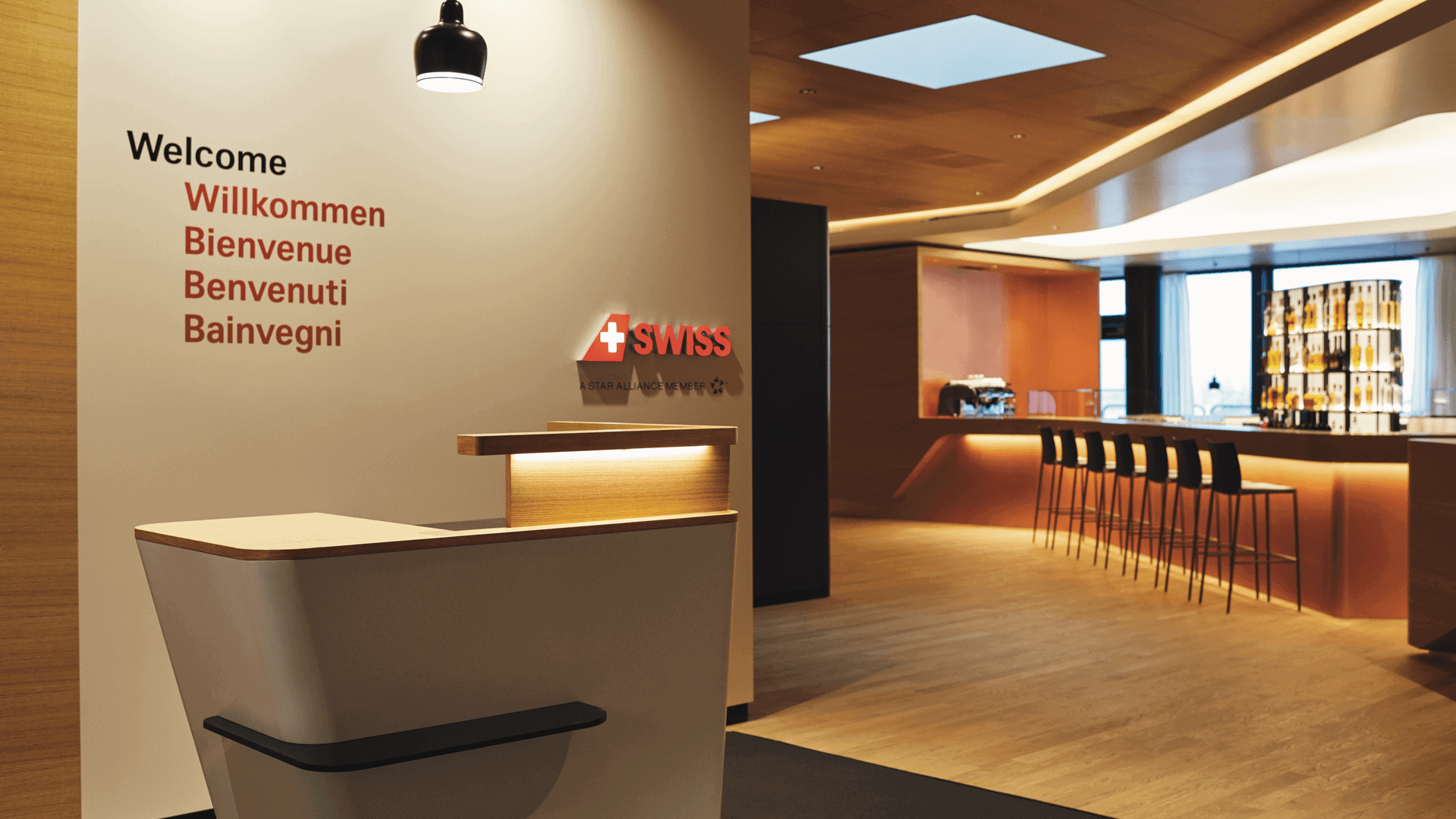
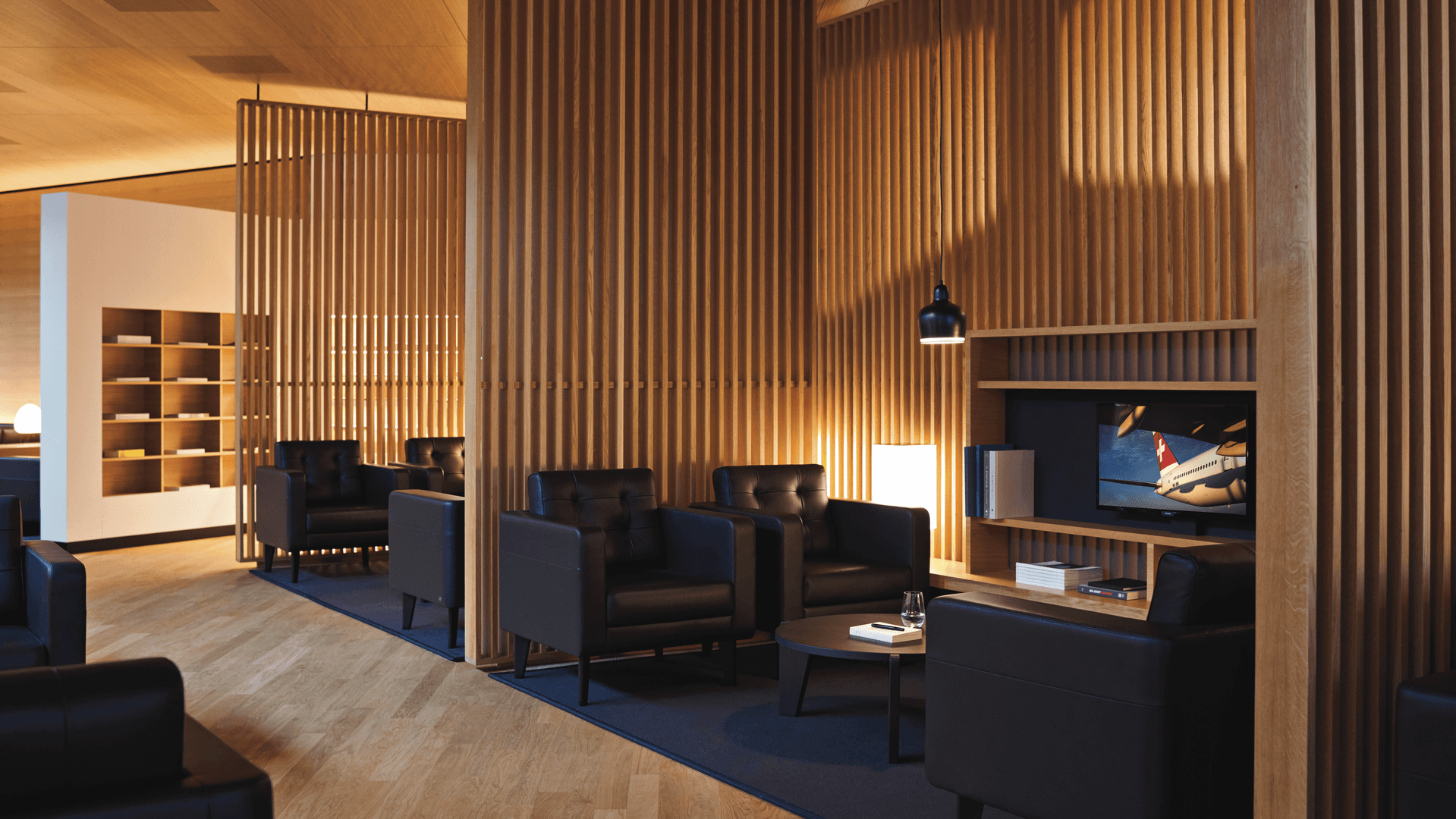
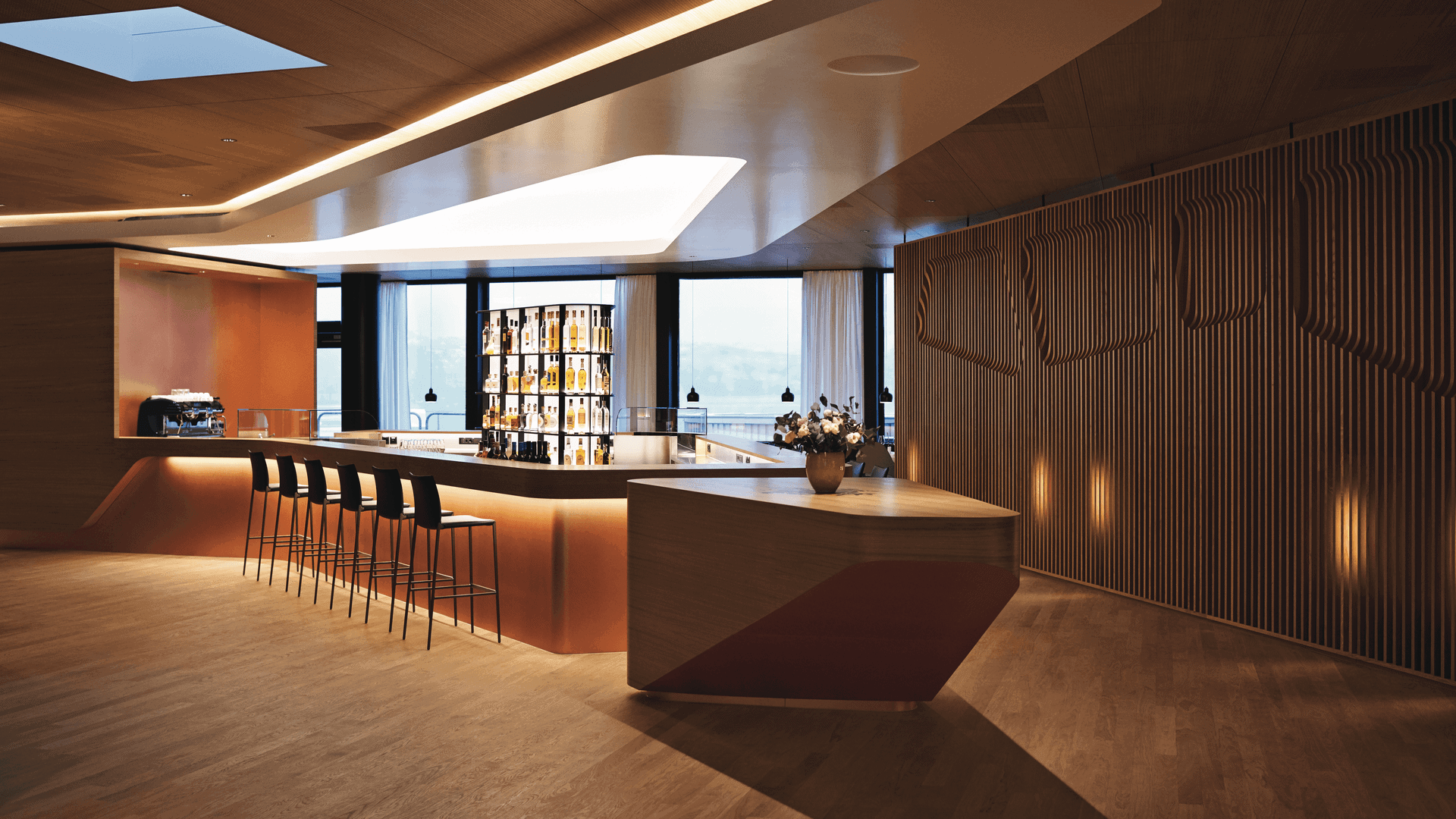
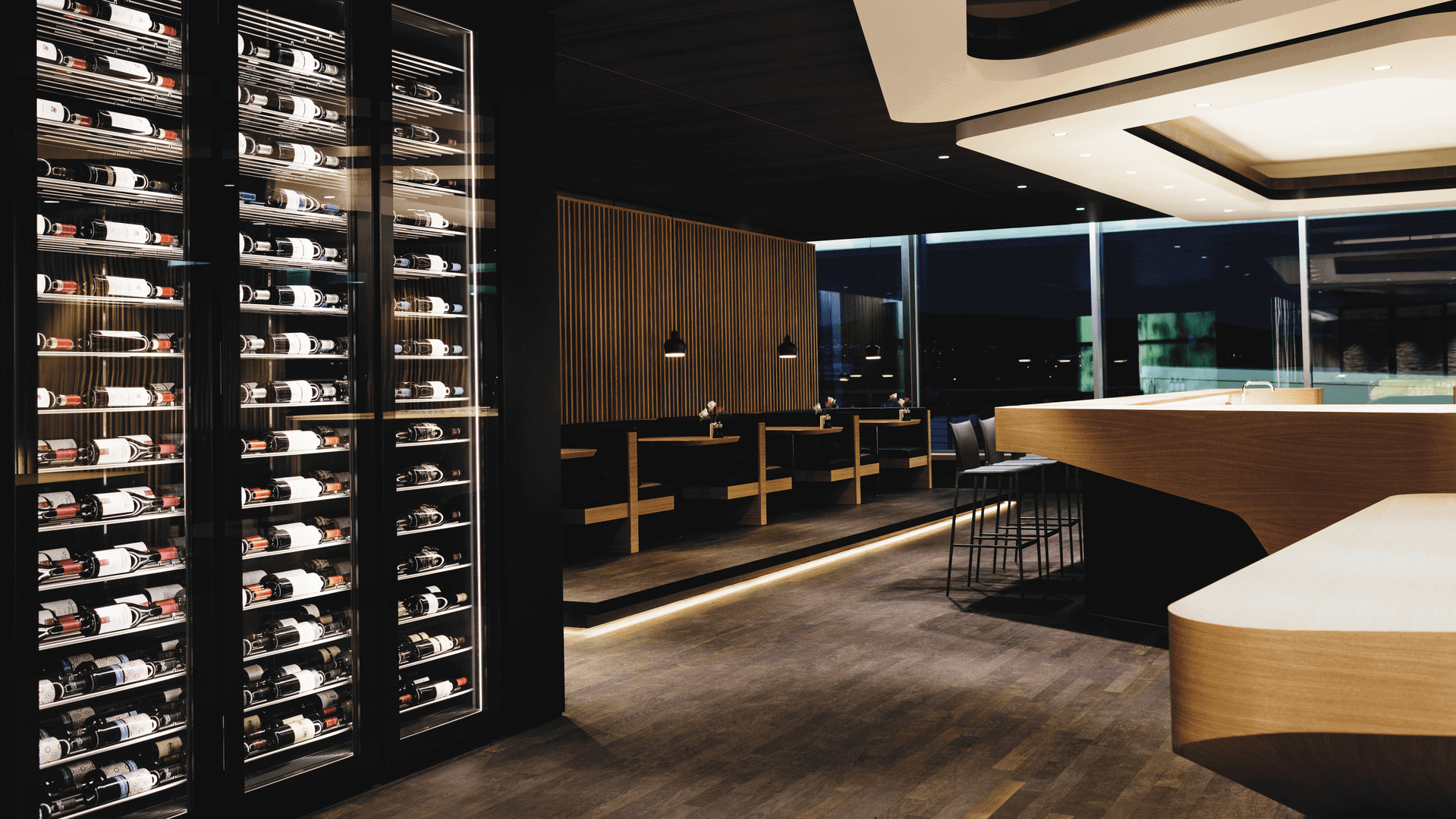
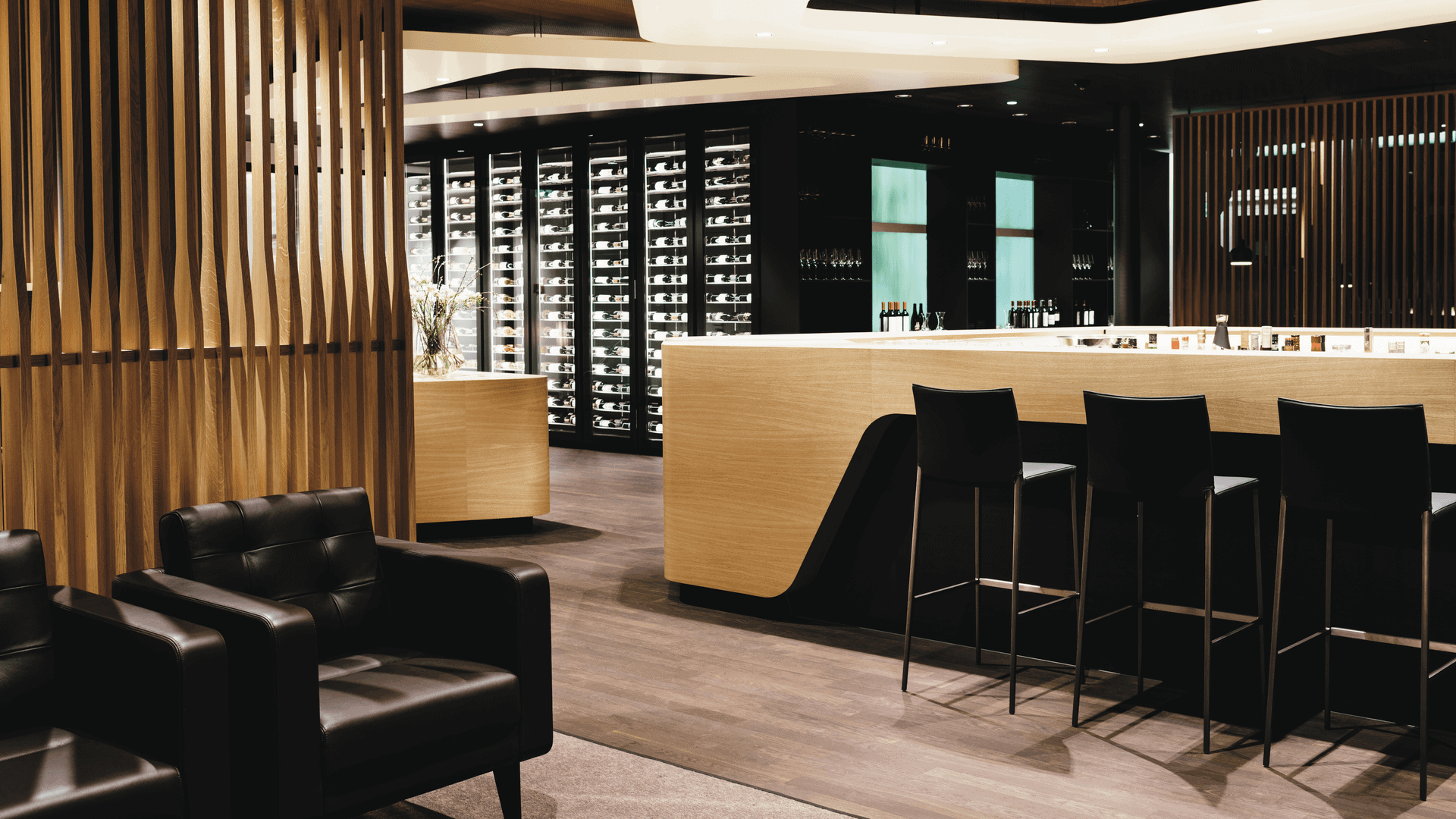
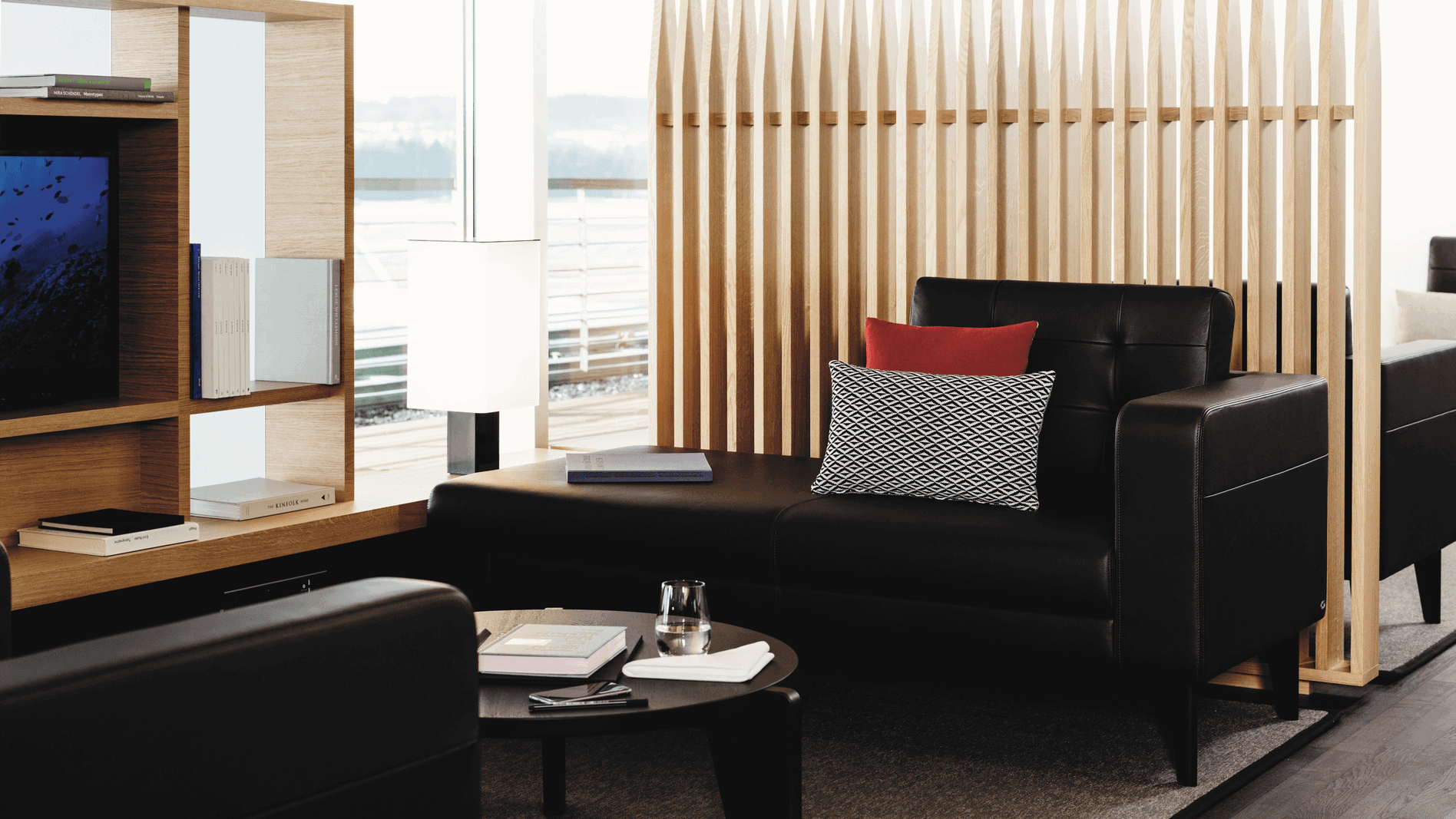
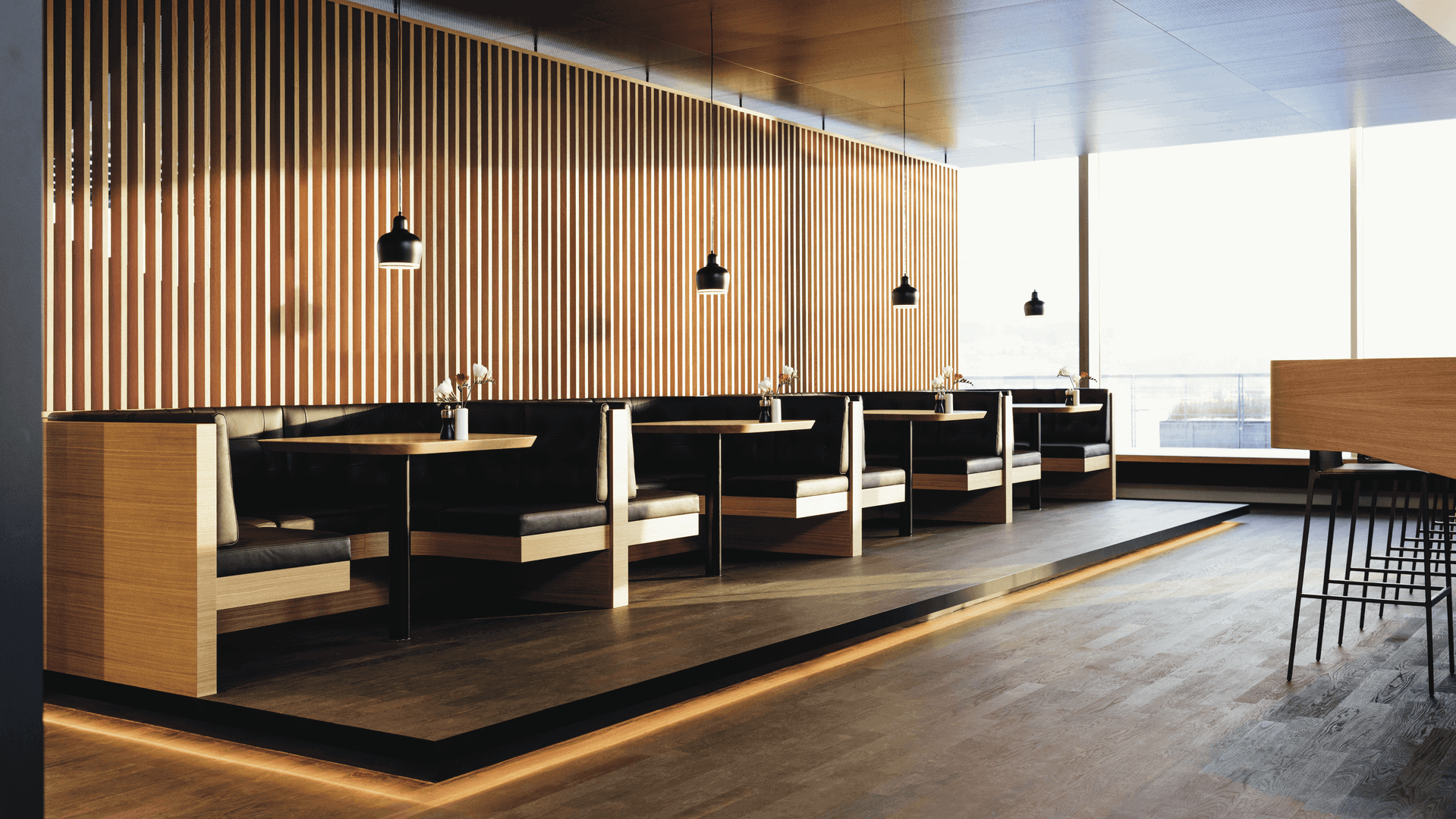
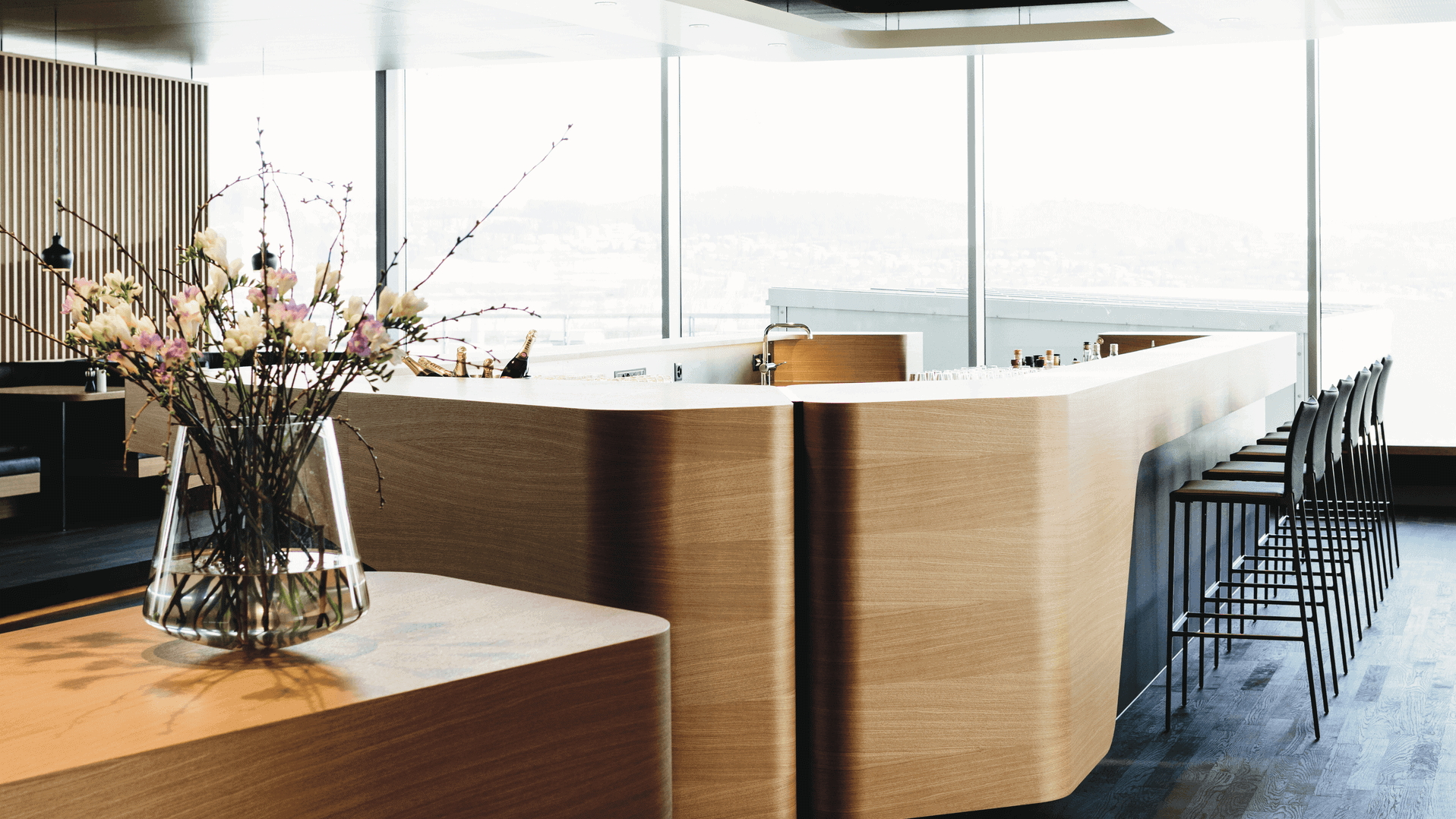
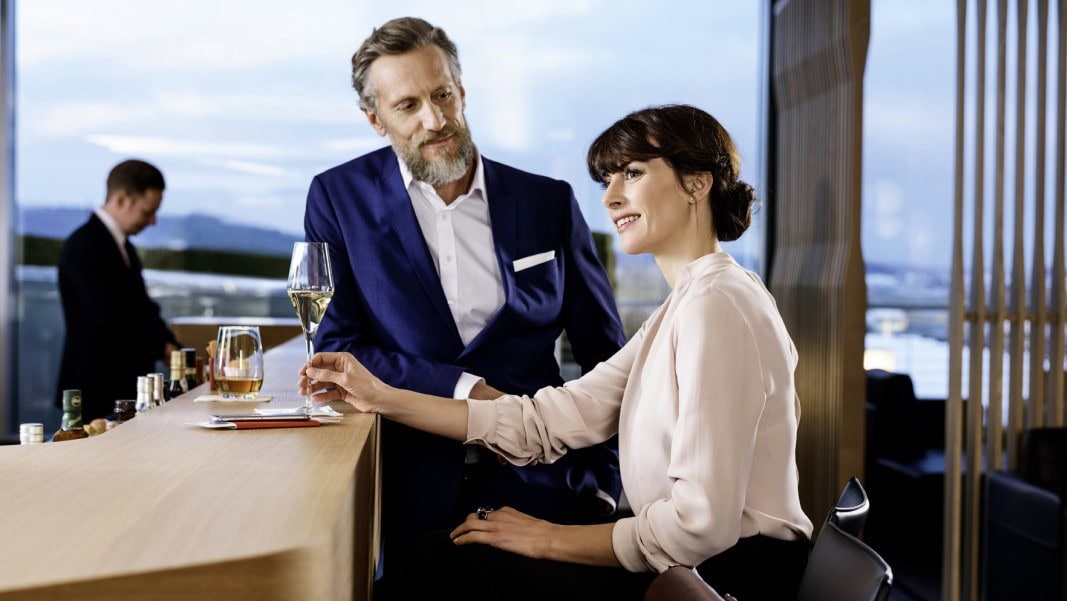
The flagship SWISS First Lounge in Terminal E covers approximately 8,070 square feet (750 square meters) and accommodates up to 80 travelers. It is divided into dining, bar, and seating areas, with large windows overlooking the airport and the surrounding landscape. This layout gives visitors choices between quieter corners, dining spaces, and more open seating areas, depending on the length and purpose of their stay.
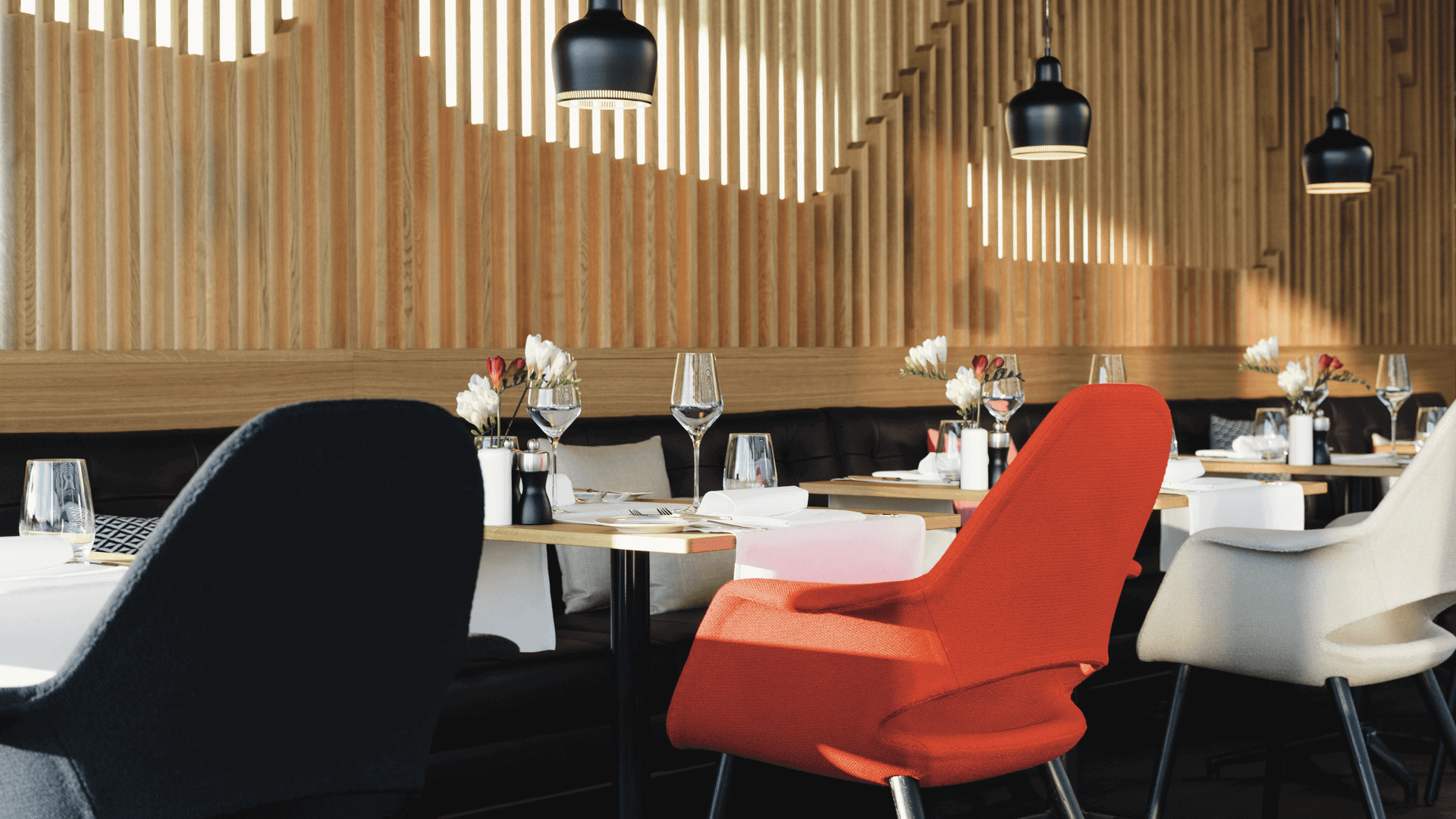
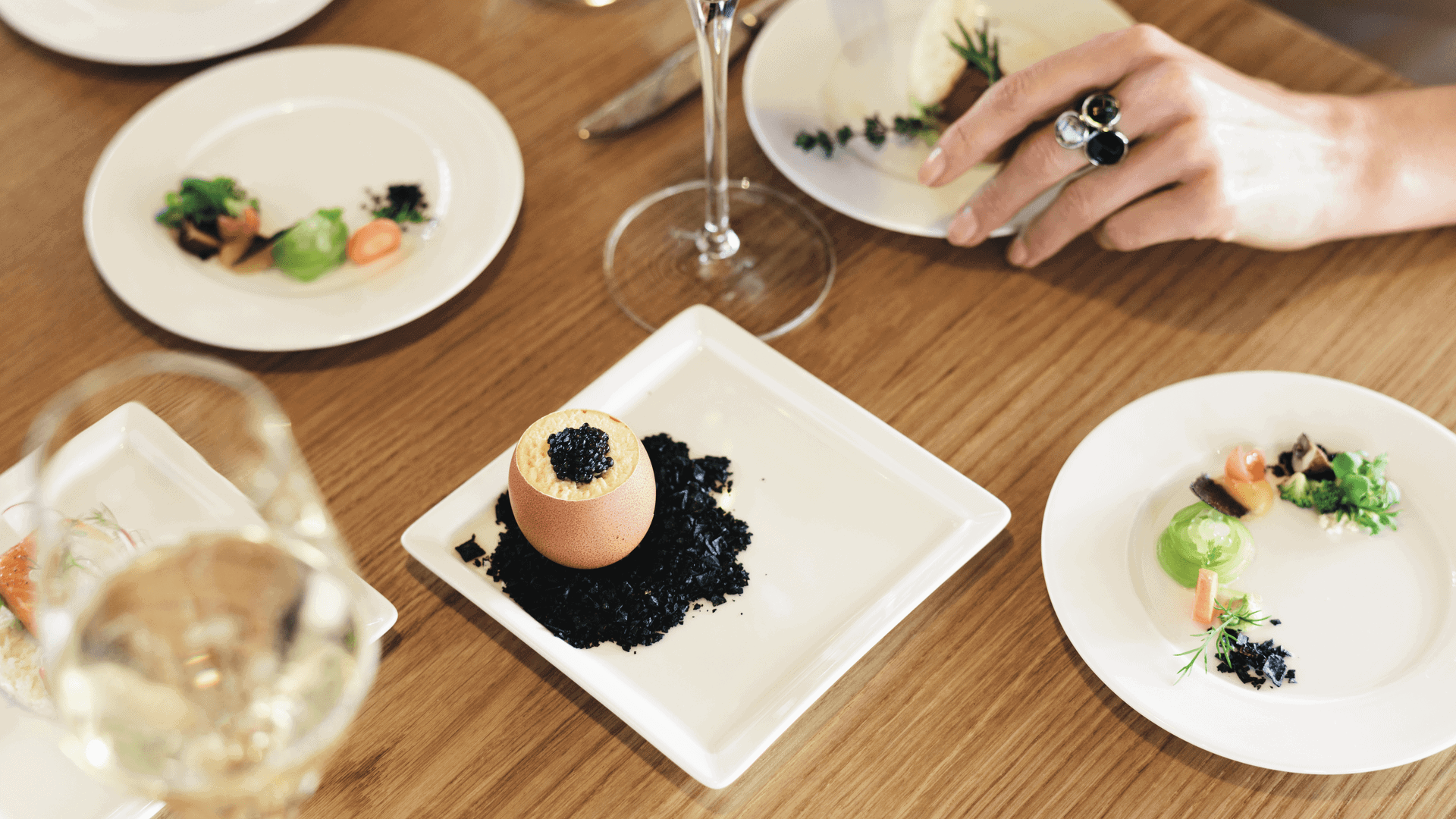
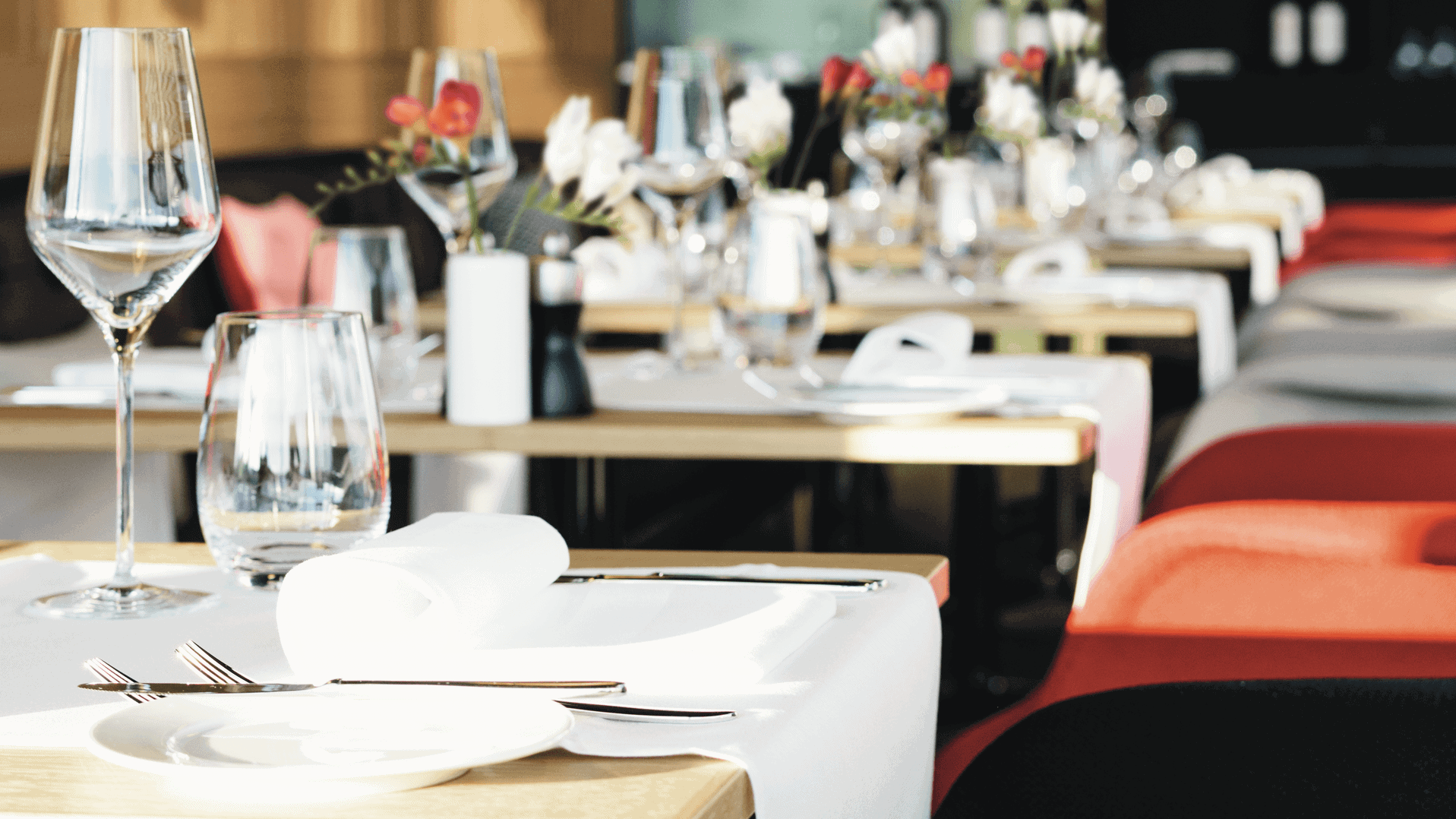
In the dining area, travelers can order and enjoy a meal from an à la carte menu, which features refined dishes such as cheese fondue, beef fillet with truffle sauce, and desserts like Swiss chocolate mousse with Lindt chocolate. Staff serve each course with an optional wine pairing from a selection of Swiss wines stored in a dedicated humidor near the entrance. Besides, for travelers passionate about wines, this lounge offers a signature five-course tasting menu with wine pairings.
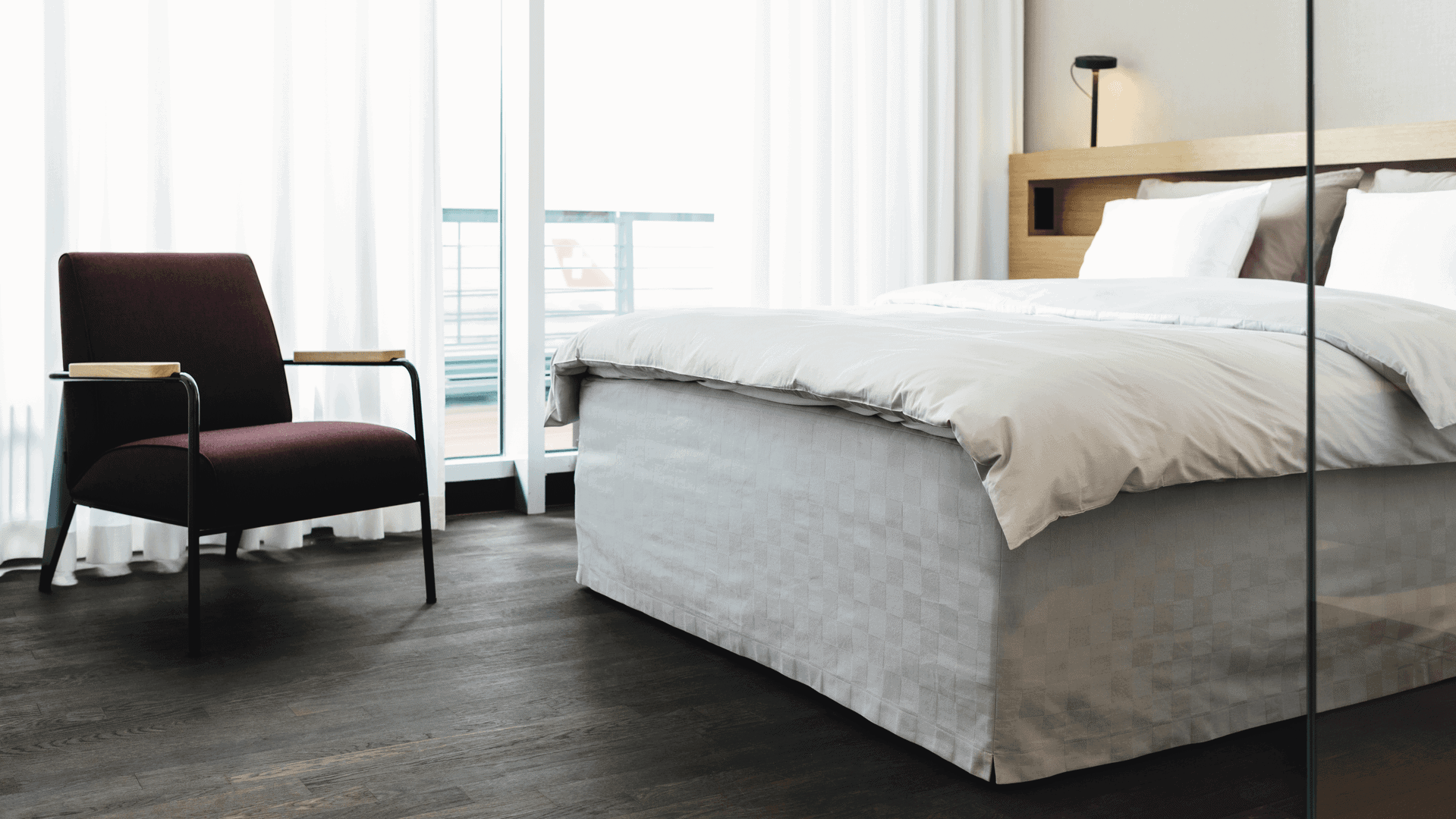
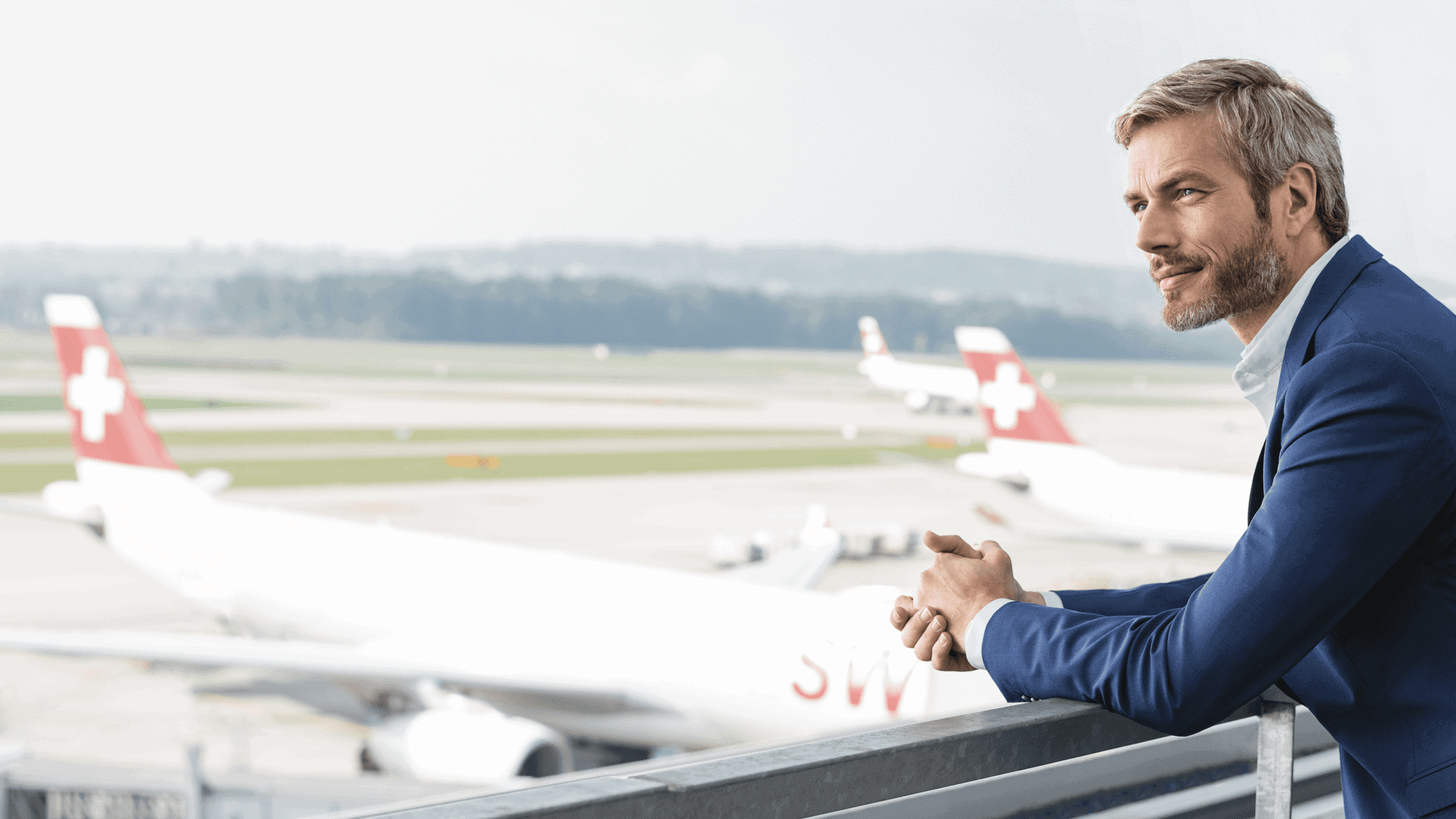
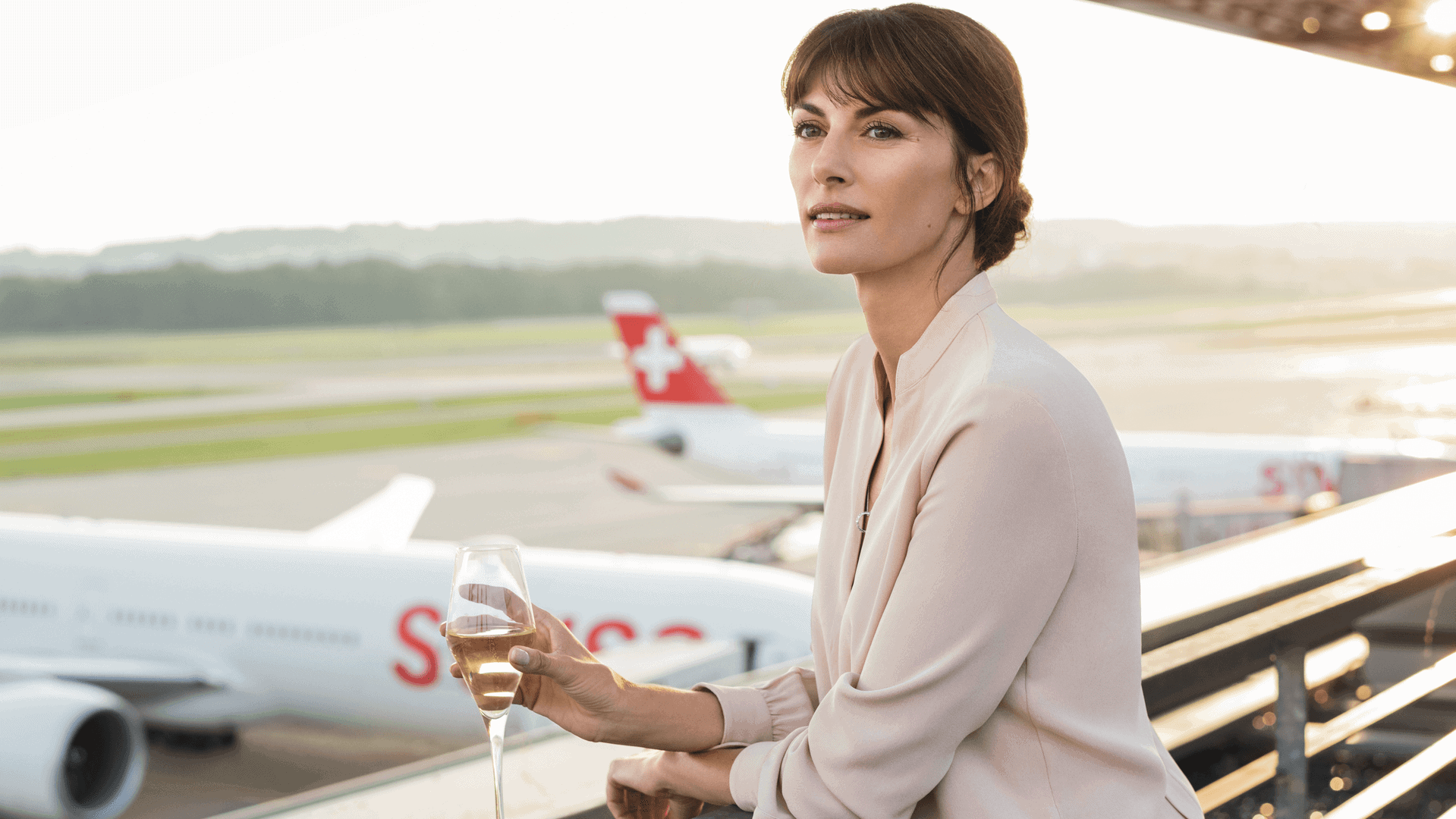
The SWISS First Lounge E also features shower suites, rest areas, and two private day rooms for longer layovers. Each room includes a double bed, an en-suite bathroom, and has direct views of the tarmac. Additional facilities include conference rooms, workspaces, family zones, and an outdoor terrace with direct views of aircraft movements.
SWISS First Lounge A
The SWISS First Lounge in Terminal A covers about 7,000 square feet (650 square meters). Its location within the terminal works especially well for travelers departing from the A gates. Besides, it includes dedicated security controls.
Inside, the lounge offers dining areas, seating zones, workspaces, and a cloakroom. The layout creates a quieter setting away from the public terminal flow, with enough separation for travelers who want to dine, work, or wait in a quiet environment before boarding.
The Terminal A lounge does not include day rooms like the ones in the Terminal E lounge, and its dining area is smaller. However, it still provides a complete first-class lounge experience for short layovers, European departures, or travelers using it before they take a private transfer to the E gates.
At Zurich Airport (ZRH)
For travelers who land at Zurich Airport (ZRH), SWISS provides a dedicated arrival process. A chauffeur meets them at the aircraft and transfers them to a private passport control area beneath the terminal. From there, travelers can continue to baggage claim, the arrivals hall, or a lounge, depending on their plans.
Travelers ending their journey in Zurich may also use the arrival lounge in the public arrivals area. The lounge gives travelers access to showers, breakfast, and a quieter place to prepare before leaving the airport, which matters most after long-haul flights that arrive early in the morning.
Cabin and Seats
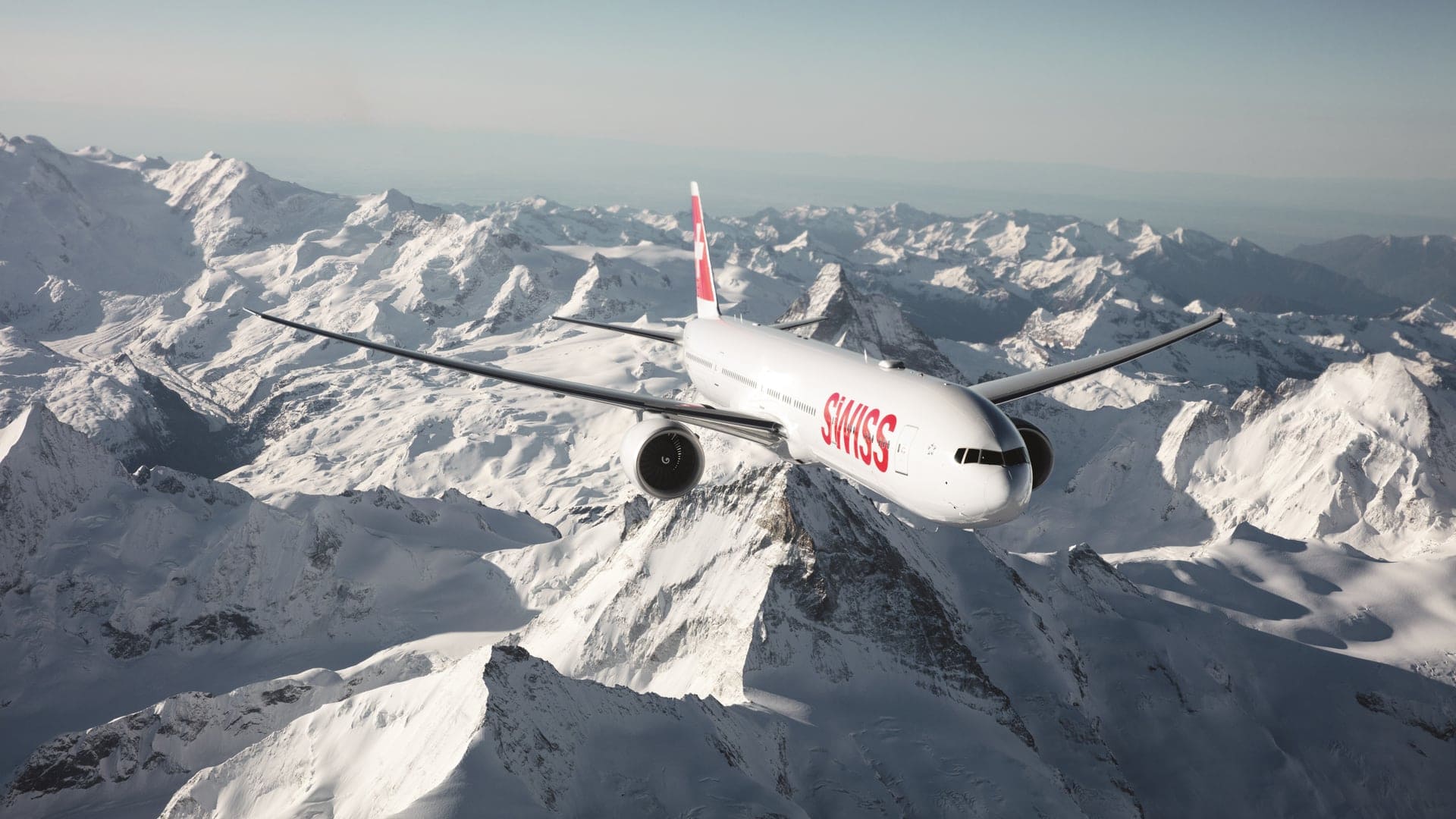
SWISS operates Boeing 777-300ER, Airbus A330-300, Airbus A340-300, and the newly introduced Airbus A350-900 aircraft on its long-haul flights.
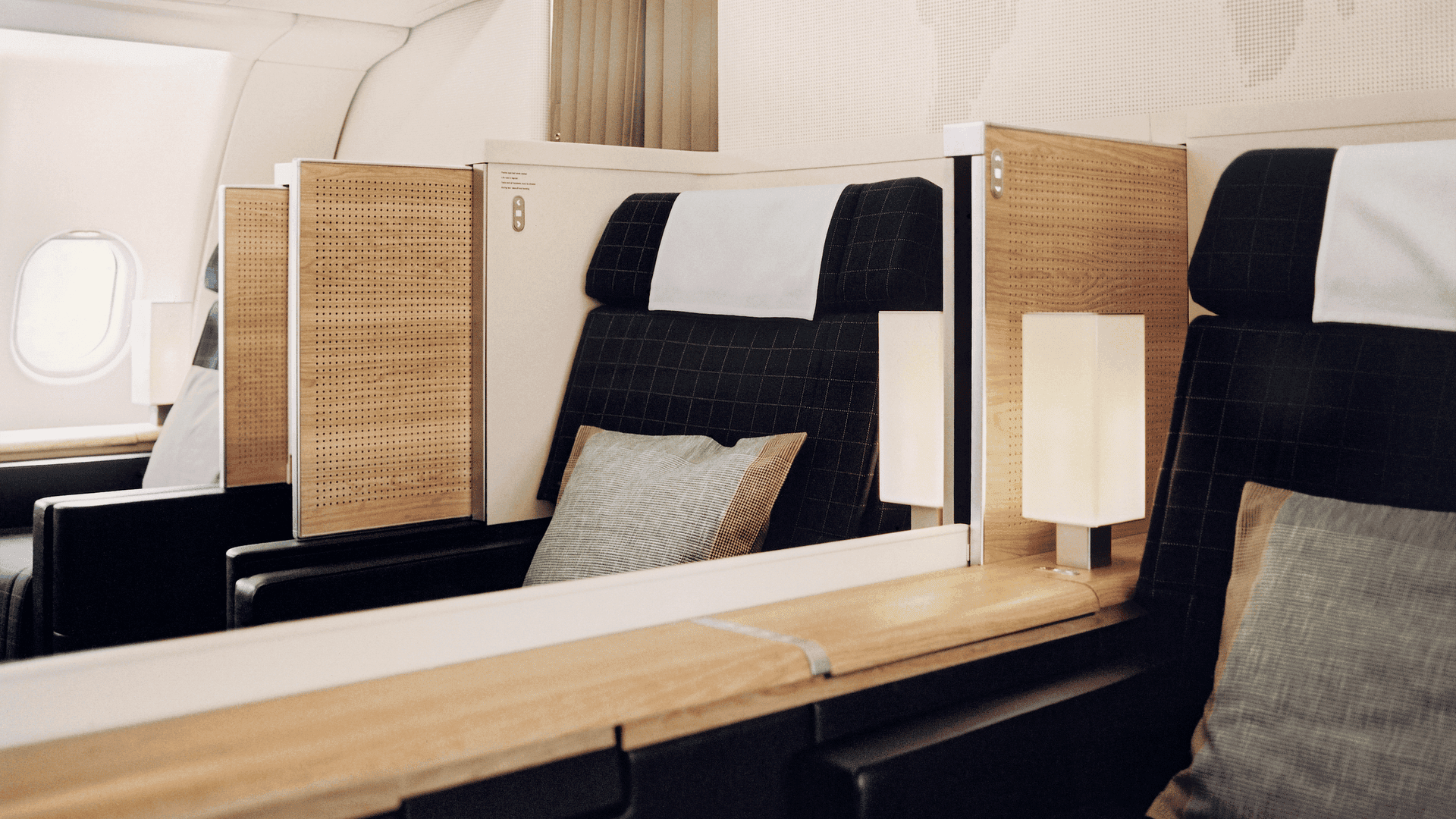
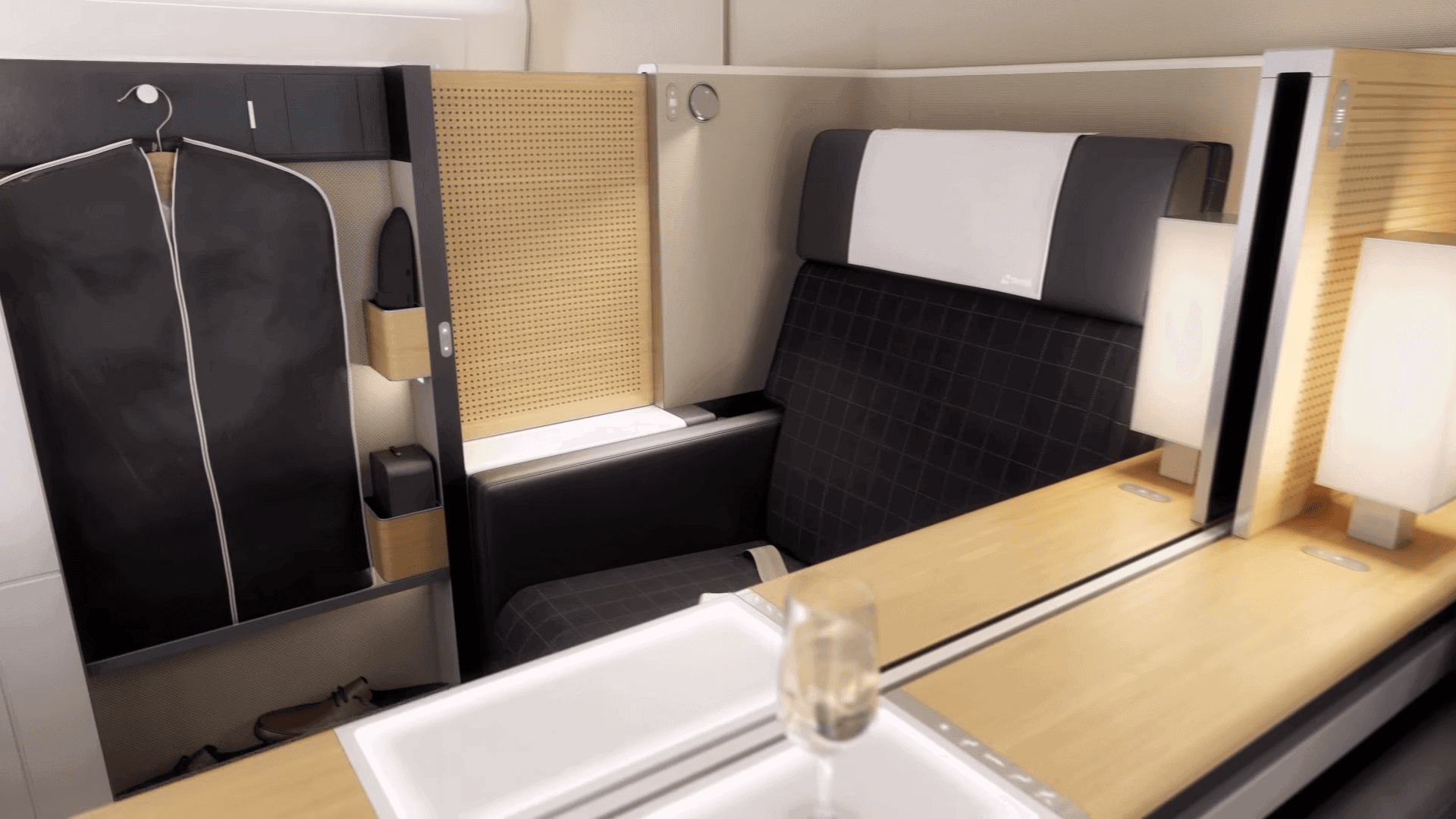
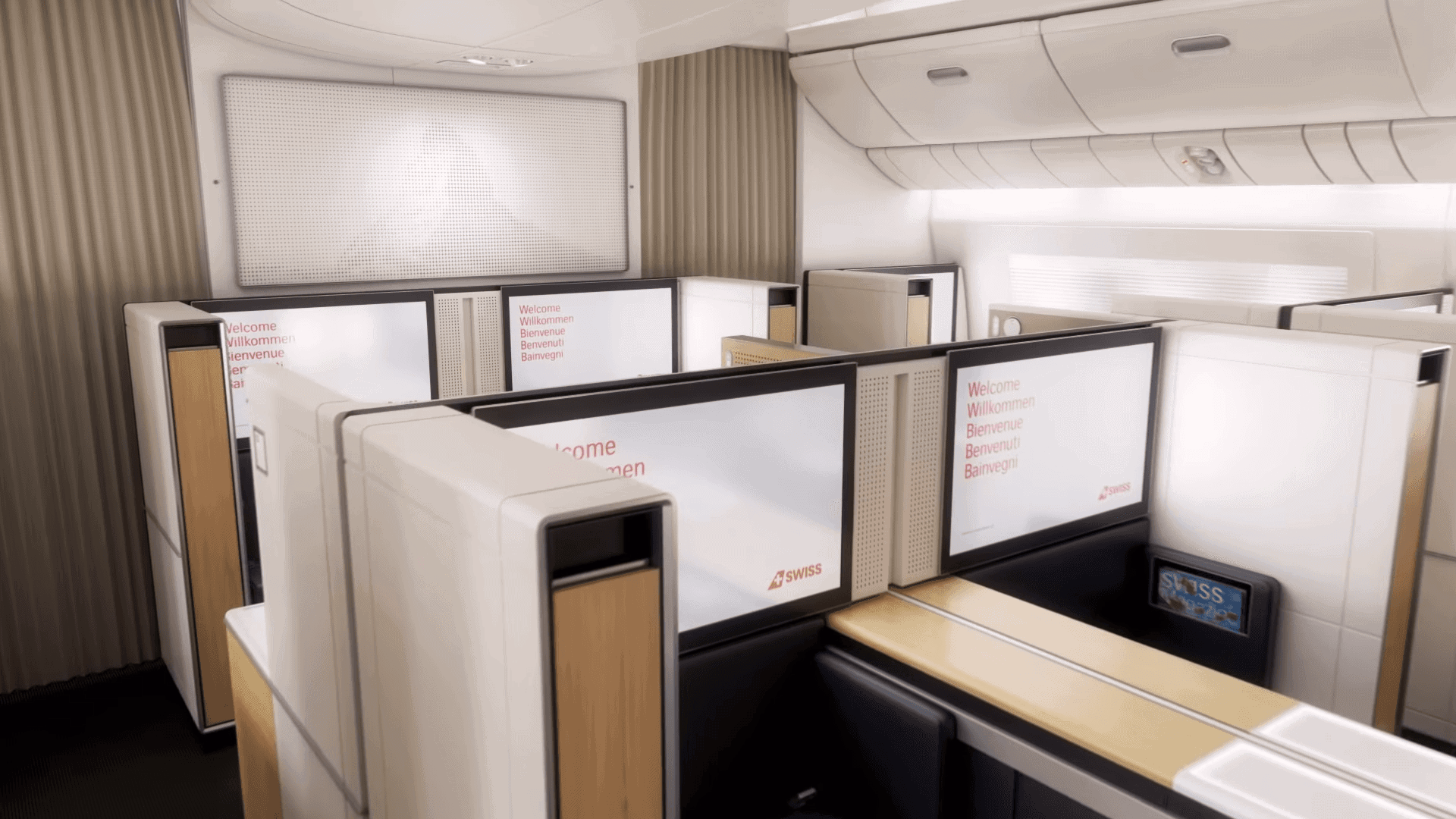
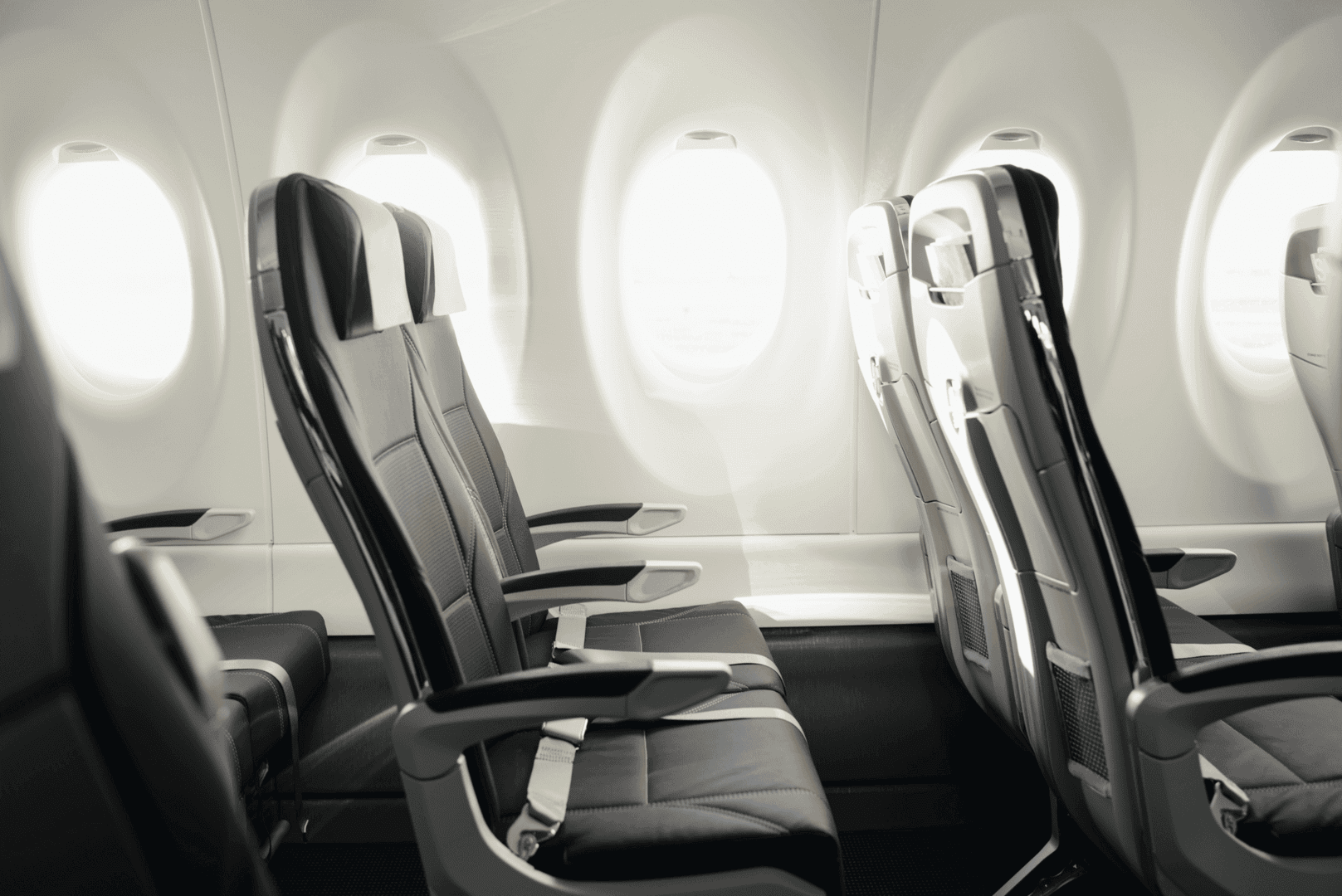
On Boeing 777-300ER, Airbus A330-300, and Airbus A340-300 planes, the SWISS first-class cabin follows a consistent layout and material design, which reduces variation between routes. Each of these legacy aircraft features eight first-class seats arranged in a 1-2-1 configuration, providing direct aisle access to all travelers.
The Airbus A350-900 planes in the airline’s fleet feature the newer SWISS Senses first-class layout with three class seats: two Single Suites by the windows and one central Suite Plus designed for travelers flying together. This makes aircraft type more important than before, especially for travelers comparing privacy, space, and paired seating.
Seat Type by Aircraft
First-class seats vary based on the aircraft type:
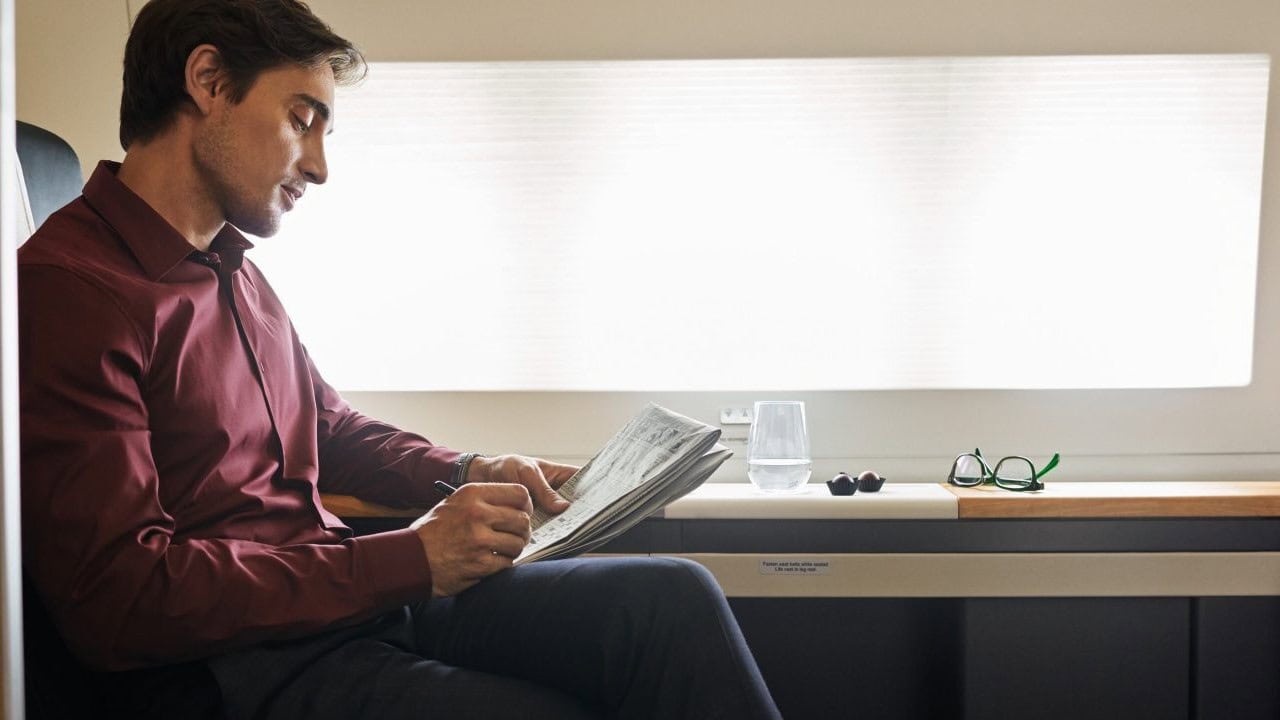
- Boeing 777-300ER and Airbus A340-300: The first-class seat measures 23.6 inches (60 cm) in width and converts into a 79.9-inch (203 cm) fully flat bed. These aircraft include fully enclosed suites with sliding doors, a private wardrobe by the seat, electromechanical window blinds, and a 32-inch entertainment screen.
- Airbus A330-300: The seat measures 23.6 inches (60 cm) wide and transforms into a 79-inch (200.6 cm) lie-flat bed. The suite does not include doors, but it can be used as a lounge chair or a sleeping surface with a mattress. Center seats also feature privacy screens and a table for two. The entertainment screen measures 23 inches.
- Airbus A350-900: The newly introduced SWISS Senses first-class layout includes three class seats: two Single Suites by the windows and one central Suite Plus. Each suite measures 33.9 inches (86 cm) wide, converts into a 78.7-inch (200 cm) sleeping surface, and includes a 32-inch 4K OLED screen.
These differences matter most when privacy, personal space, and sleep quality shape the value of the flight. The Boeing 777-300ER offers one of the most comfortable legacy versions of the class product, while the Airbus A340-300 provides a similar enclosed suite in a narrower class cabin. The Airbus A330-300 has no sliding doors and uses privacy screens instead, so it creates less separation from the aisle and surrounding cabin. The Airbus A350-900 changes the comparison with only three first-class seats, fully enclosed suites, and a central Suite Plus designed specifically for two travelers.
For solo travelers, window seats offer more separation within the cabin. For companions, middle seats offer a shared space and easier interaction.
Storage and Seat Controls
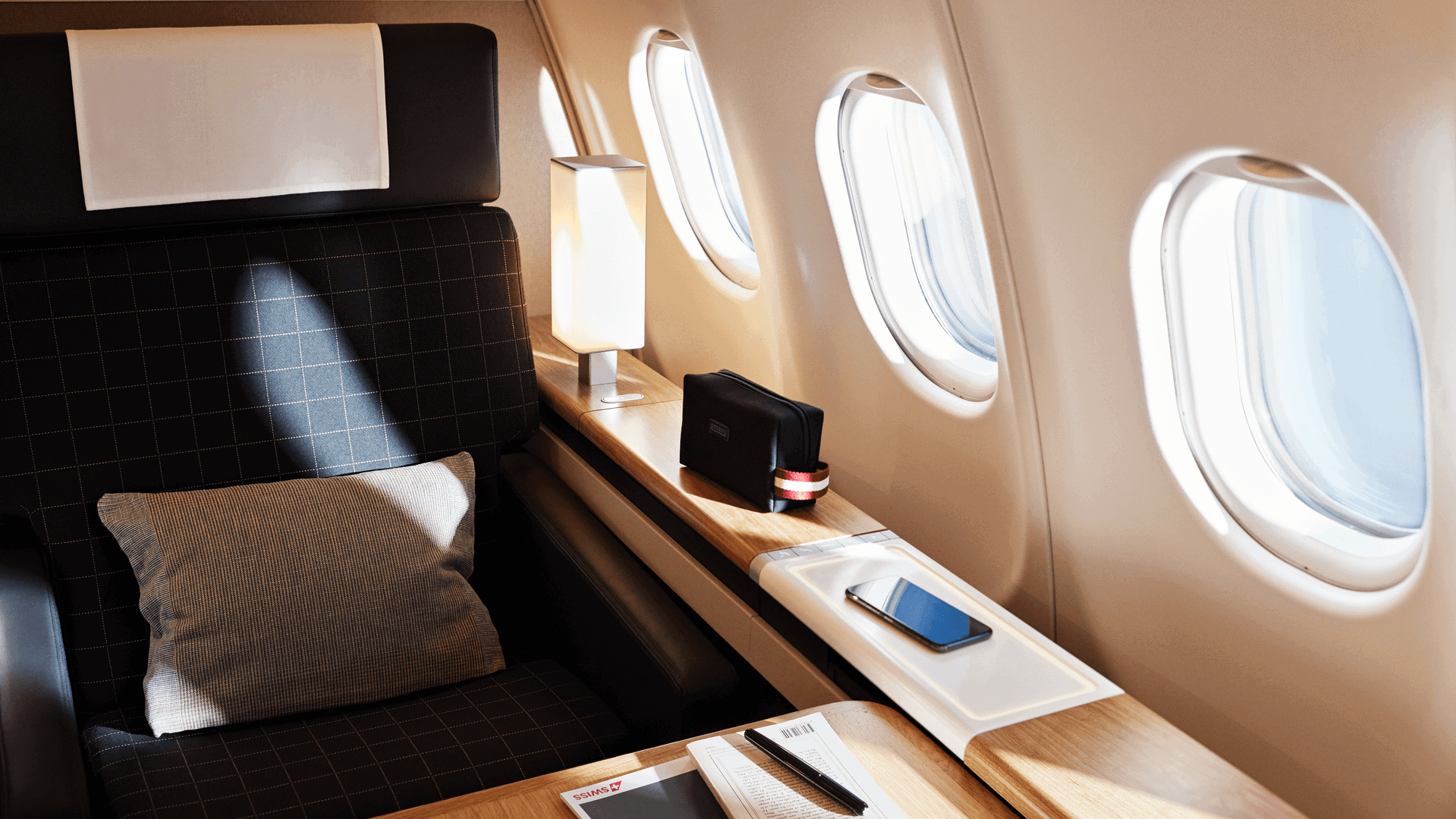
Each first-class seat includes a large storage area beneath the ottoman, which travelers can use when the bed is extended or as a second seat for a companion. A sliding wardrobe adds storage and can also act as a privacy screen when opened, while a retractable drawer offers additional space for smaller personal items.
The side-trim compartment keeps the main controls within reach, including a power socket, a USB port, an in-flight entertainment controller, and seat adjustments for lumbar support, footrest position, and neck support. The suite also includes a dimmable lamp, a push-activated reading lamp, a vanity mirror inside the wardrobe, and window screens that lower at the touch of a button.
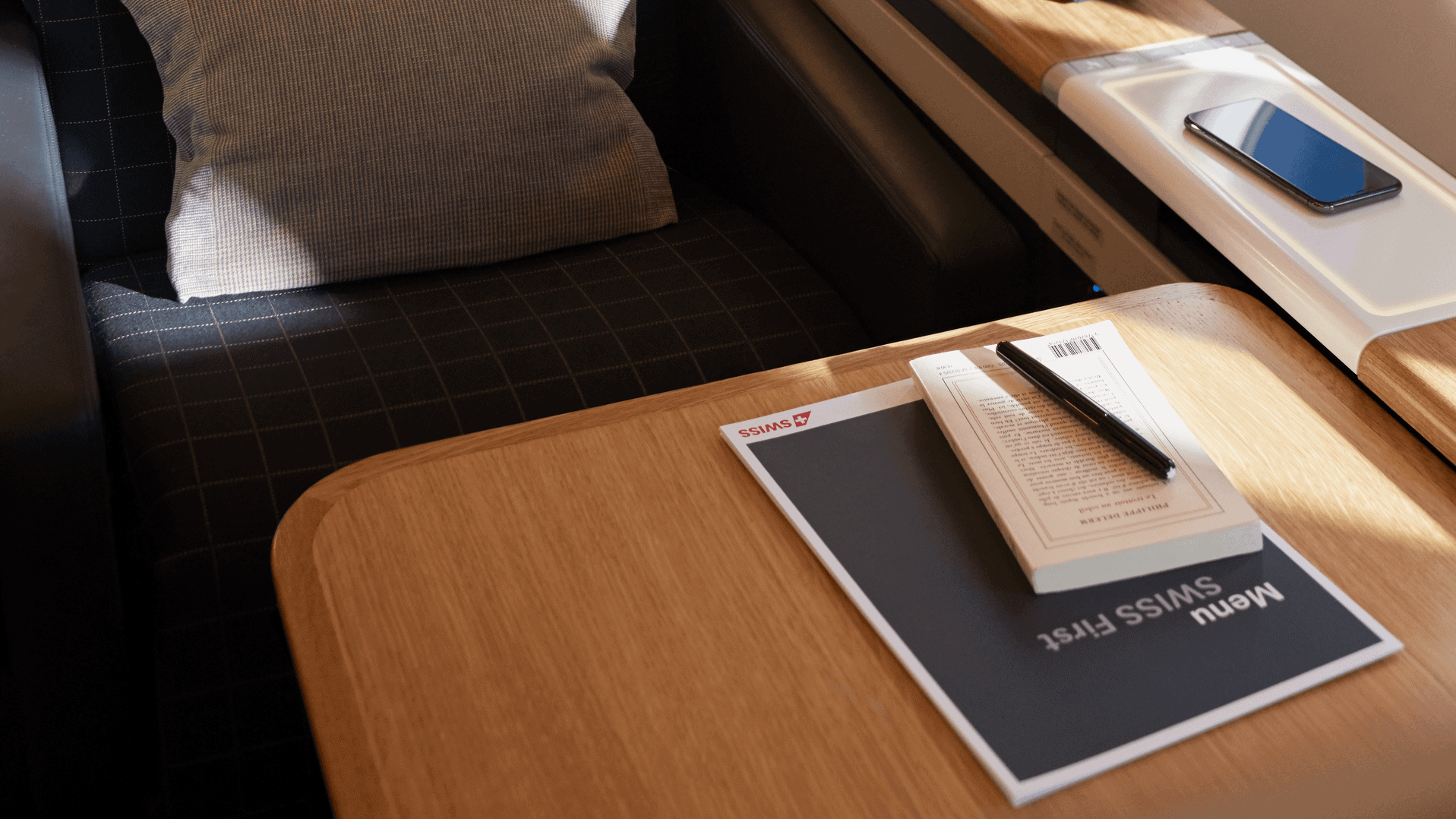
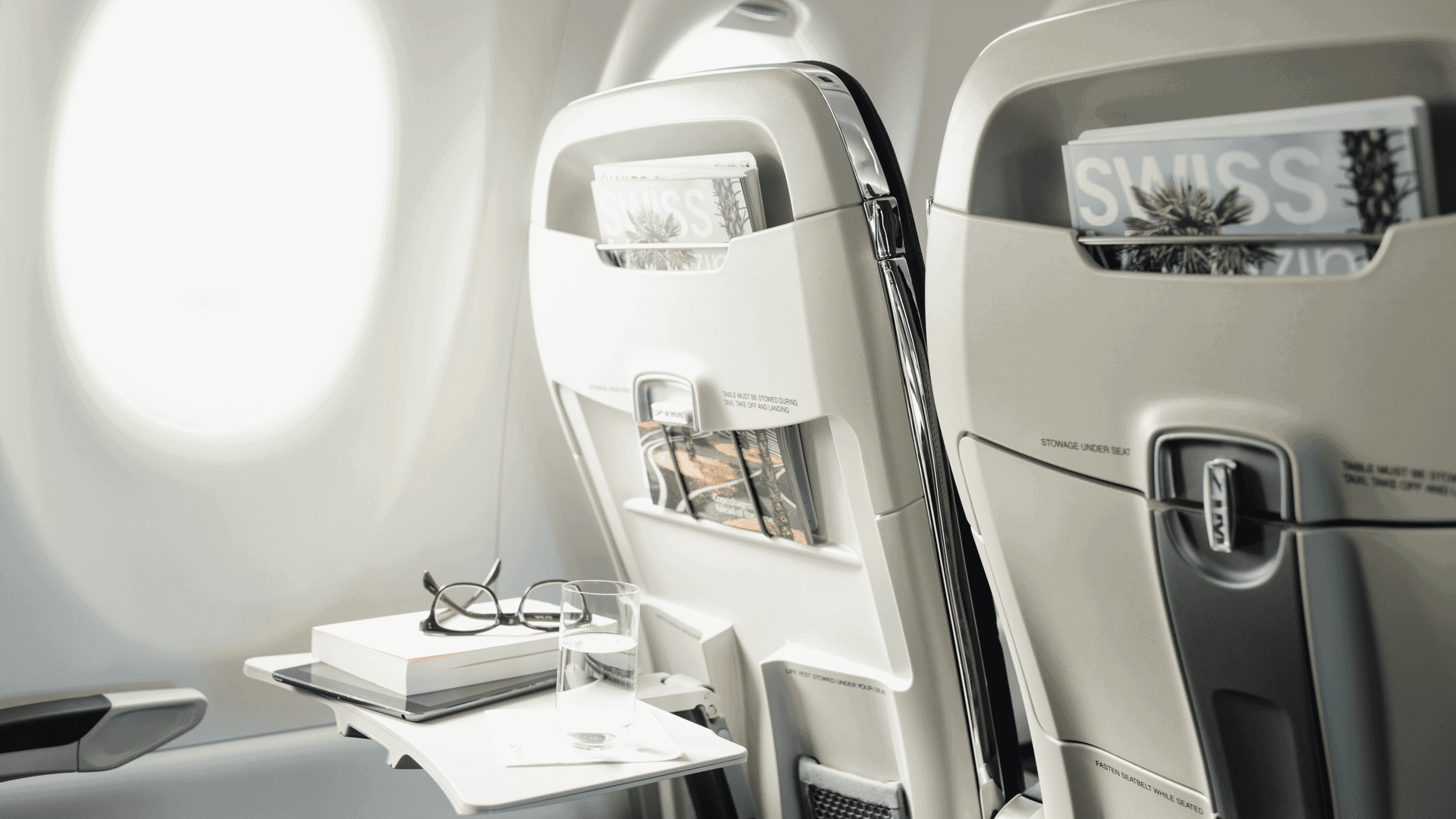
The veneered oak tray table extends from the side console and provides a large table surface suitable for work and dining, either alone or with a companion.
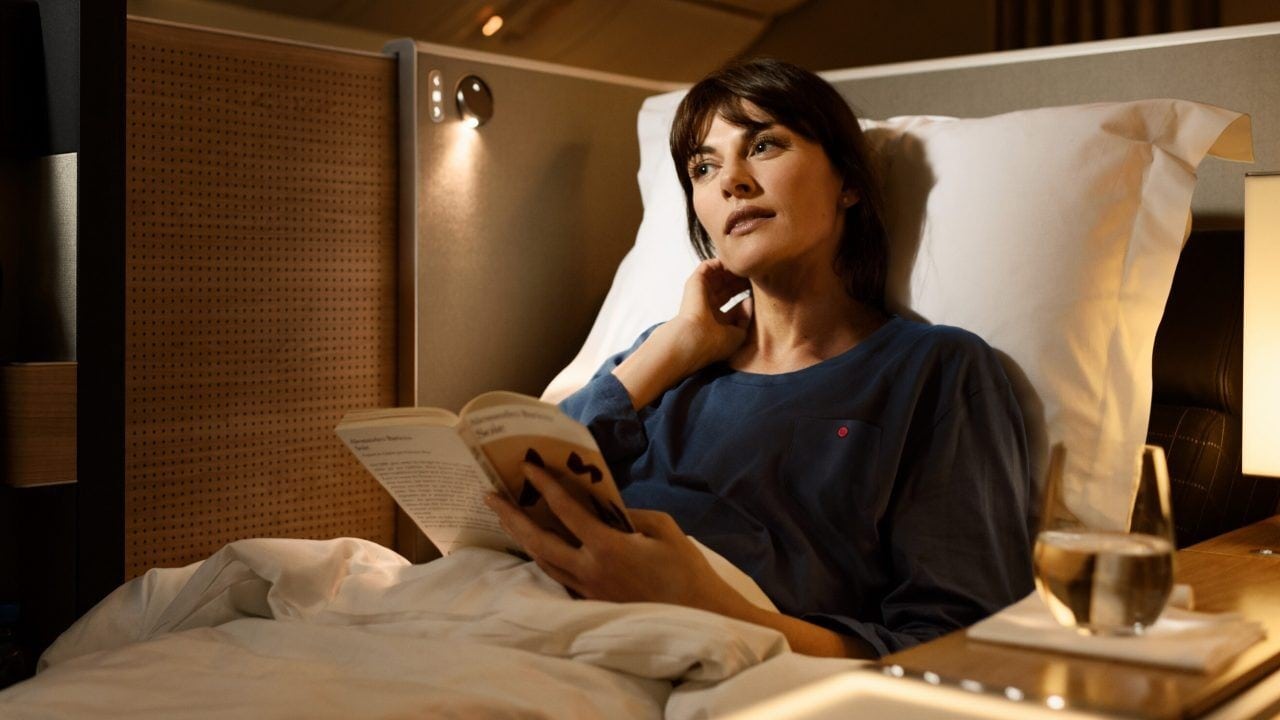
On overnight routes, the cabin crew makes up the seat into a fully flat bed fitted with bedding and a mattress pad.
Cuisine
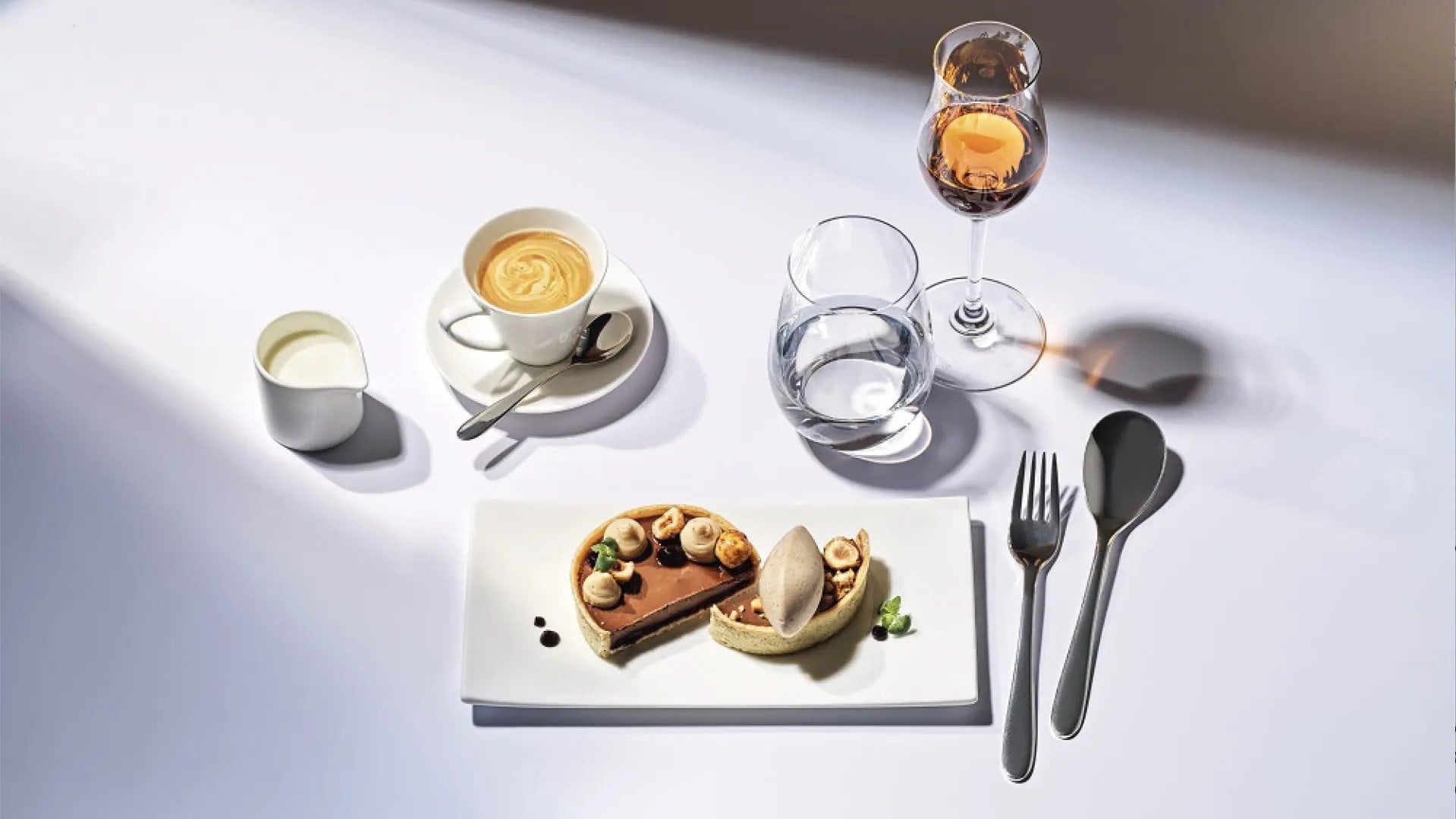
Meal Presentation
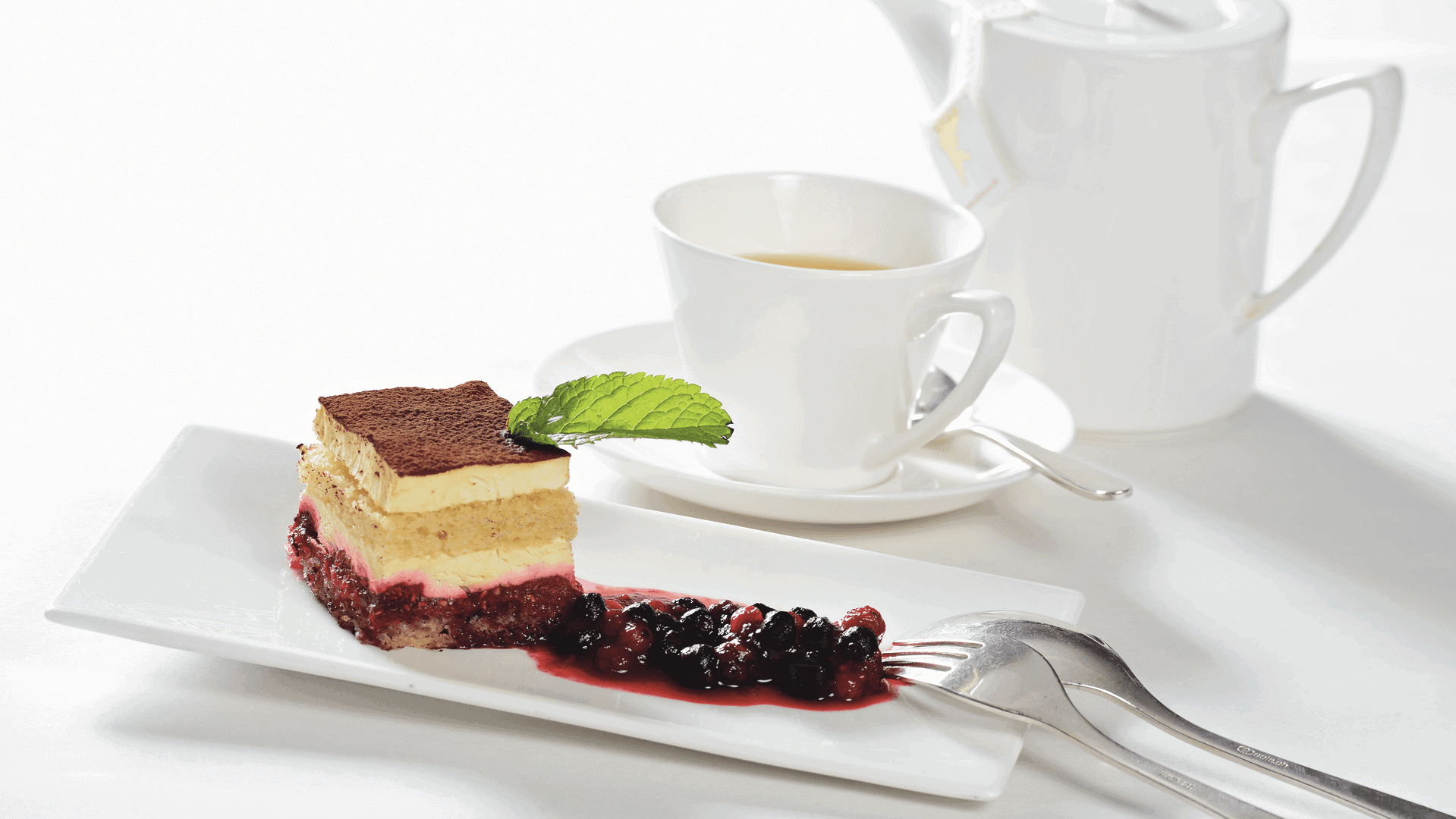
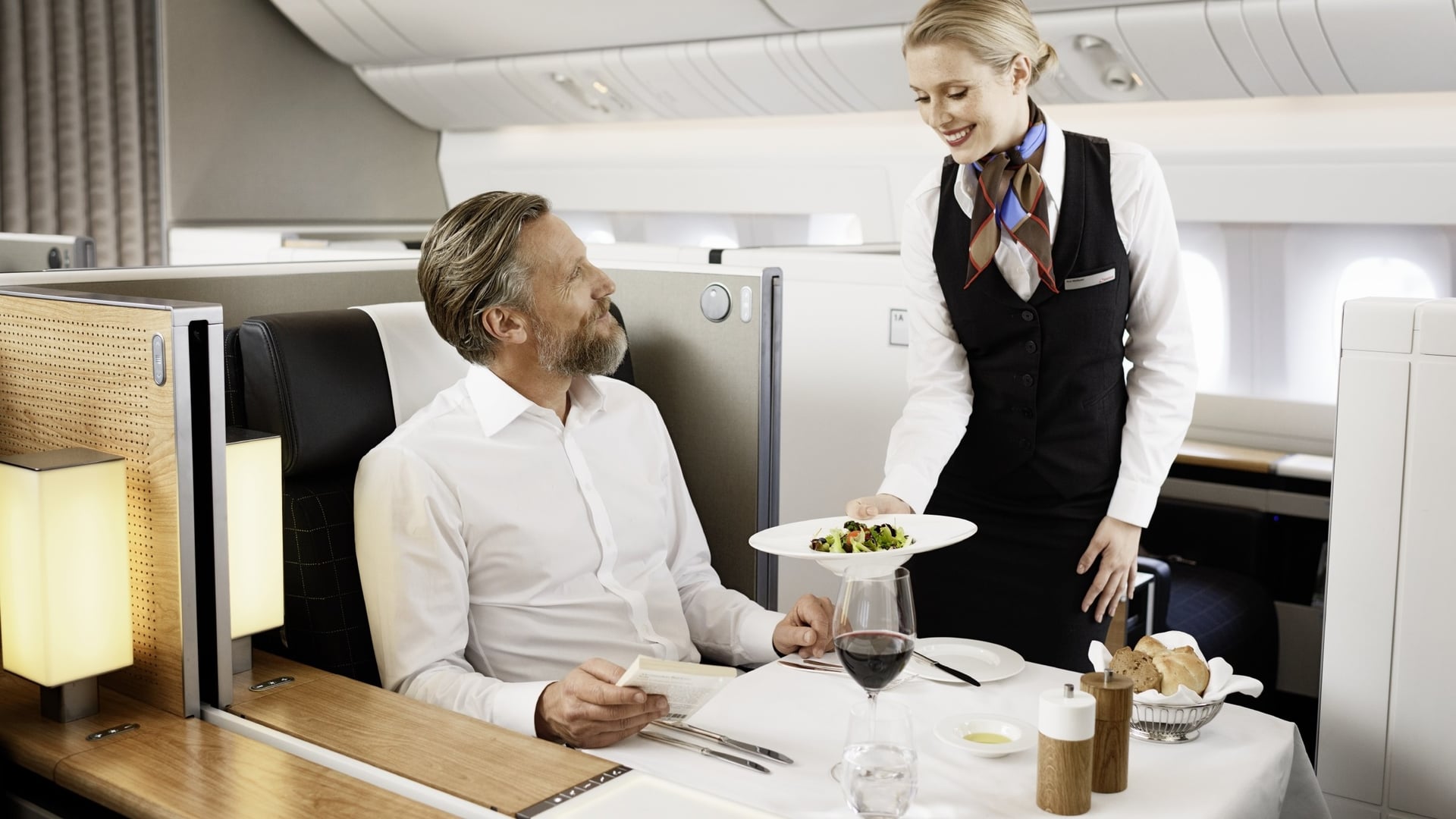
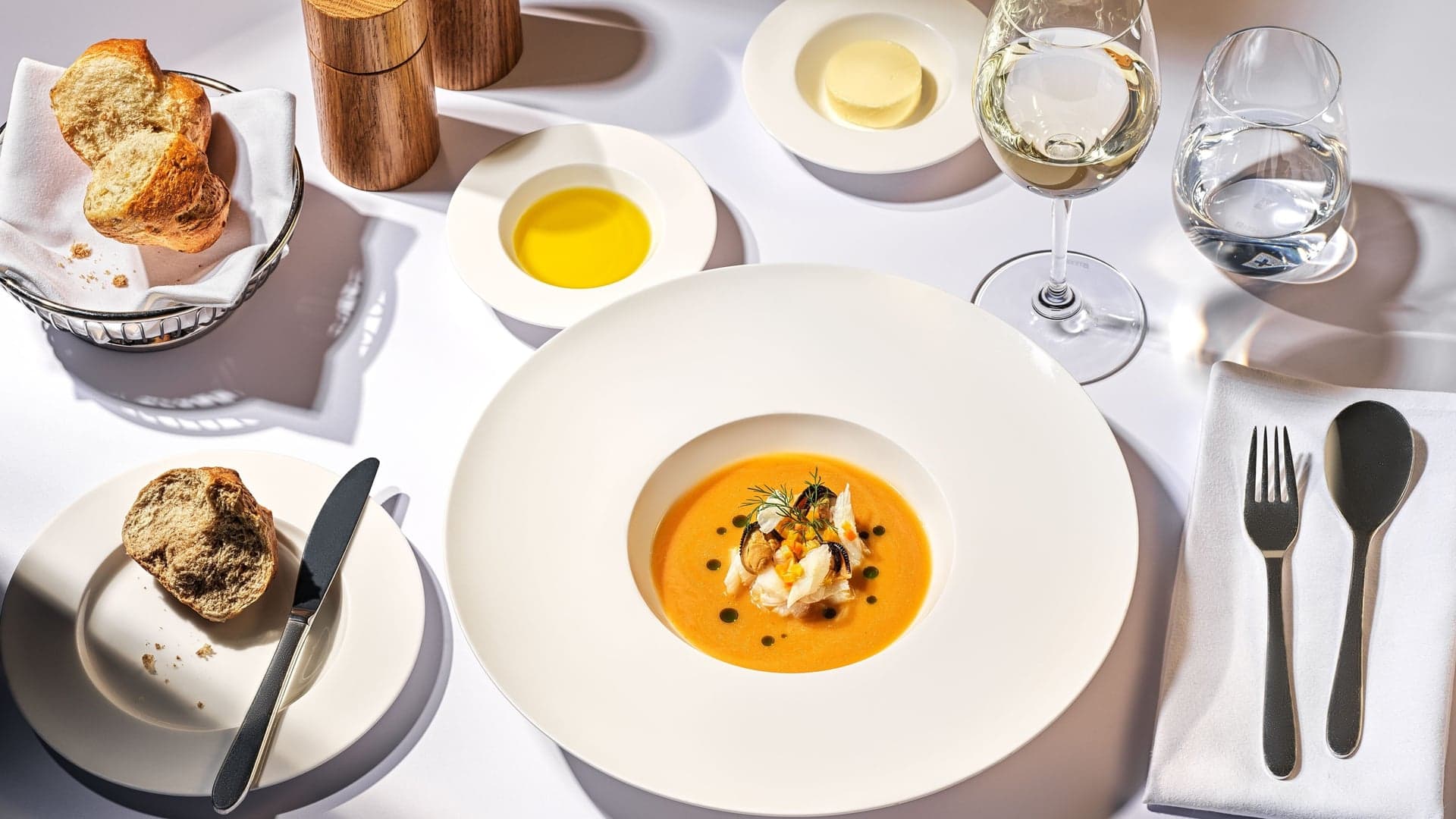
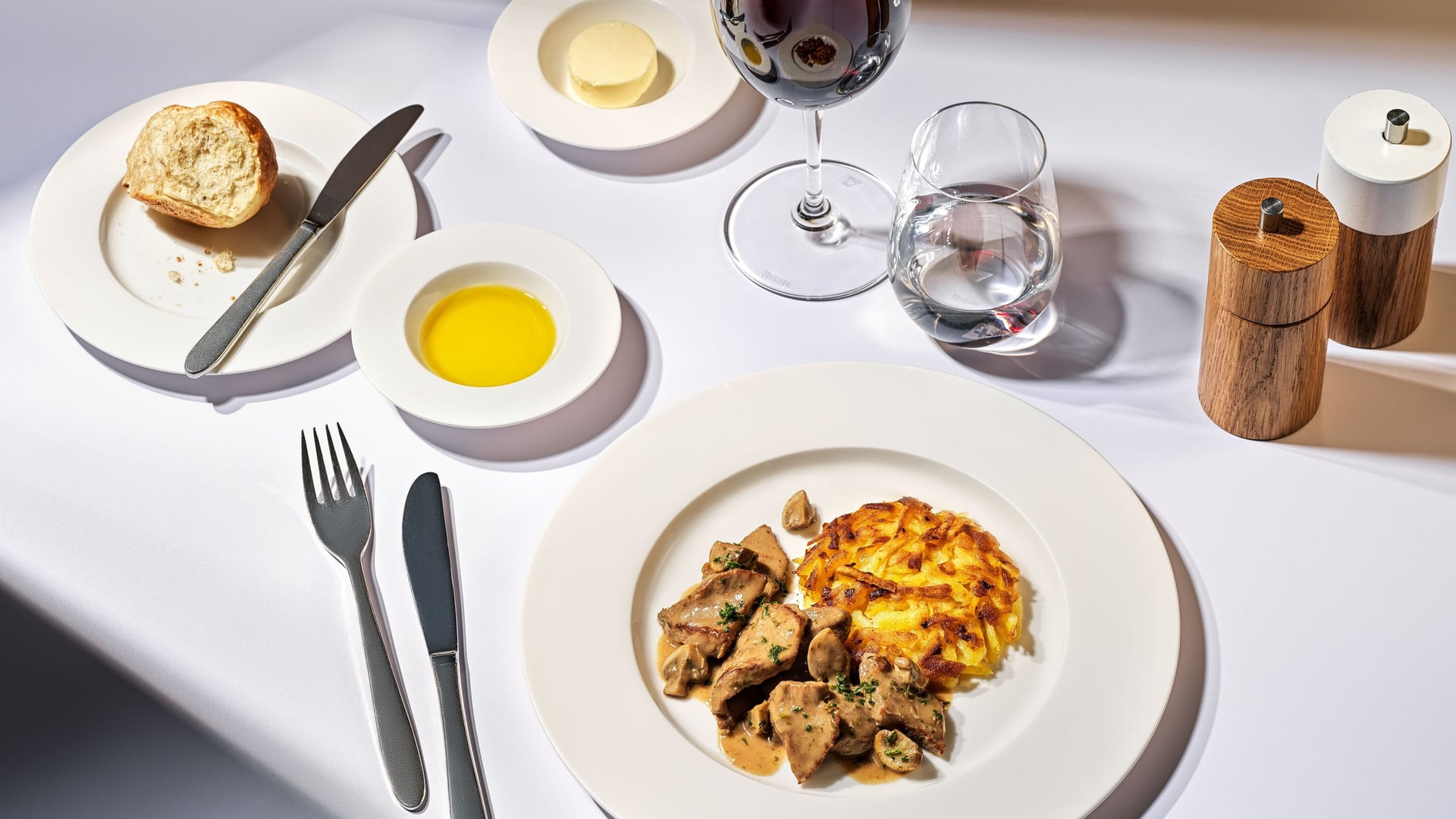
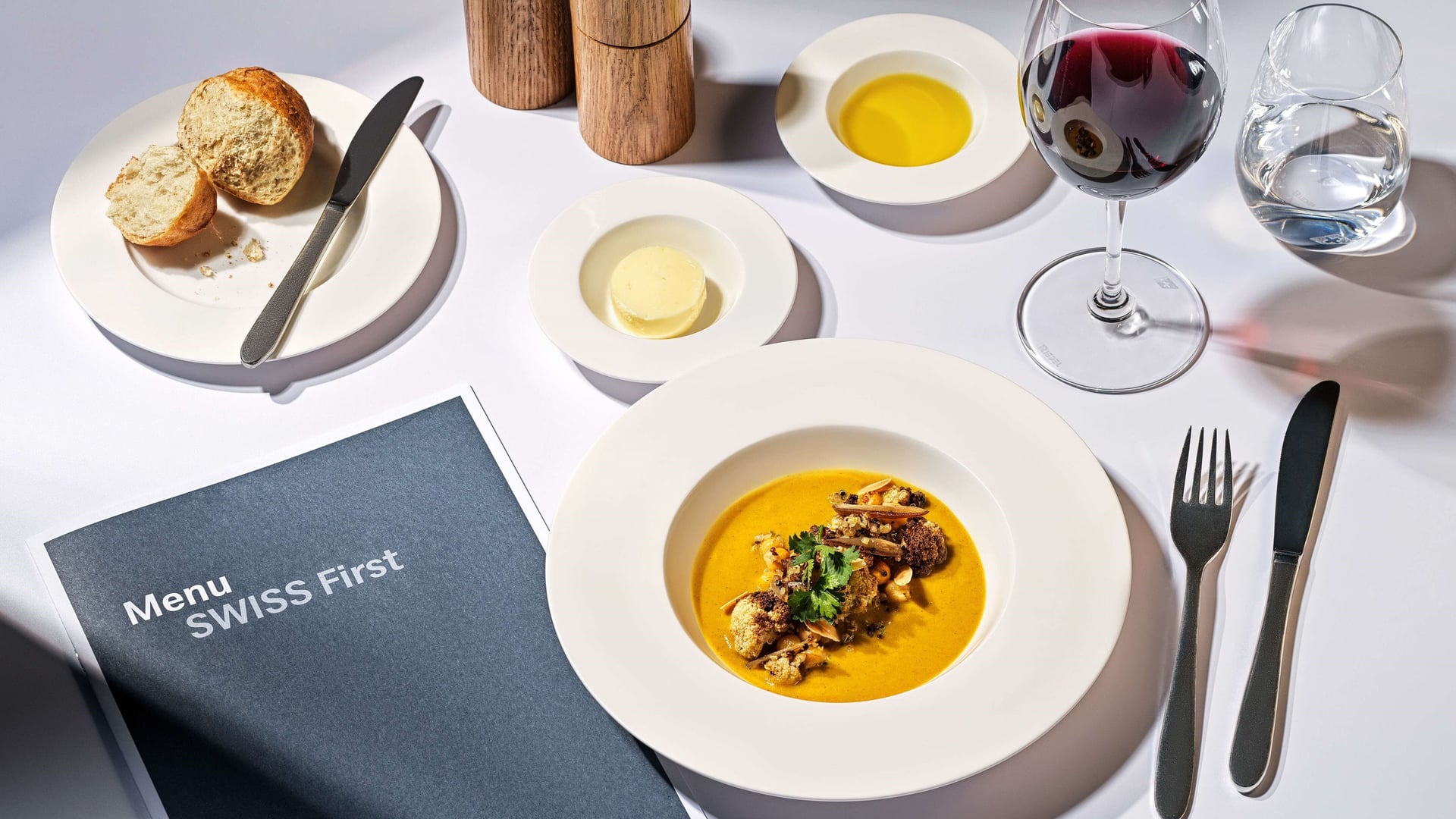
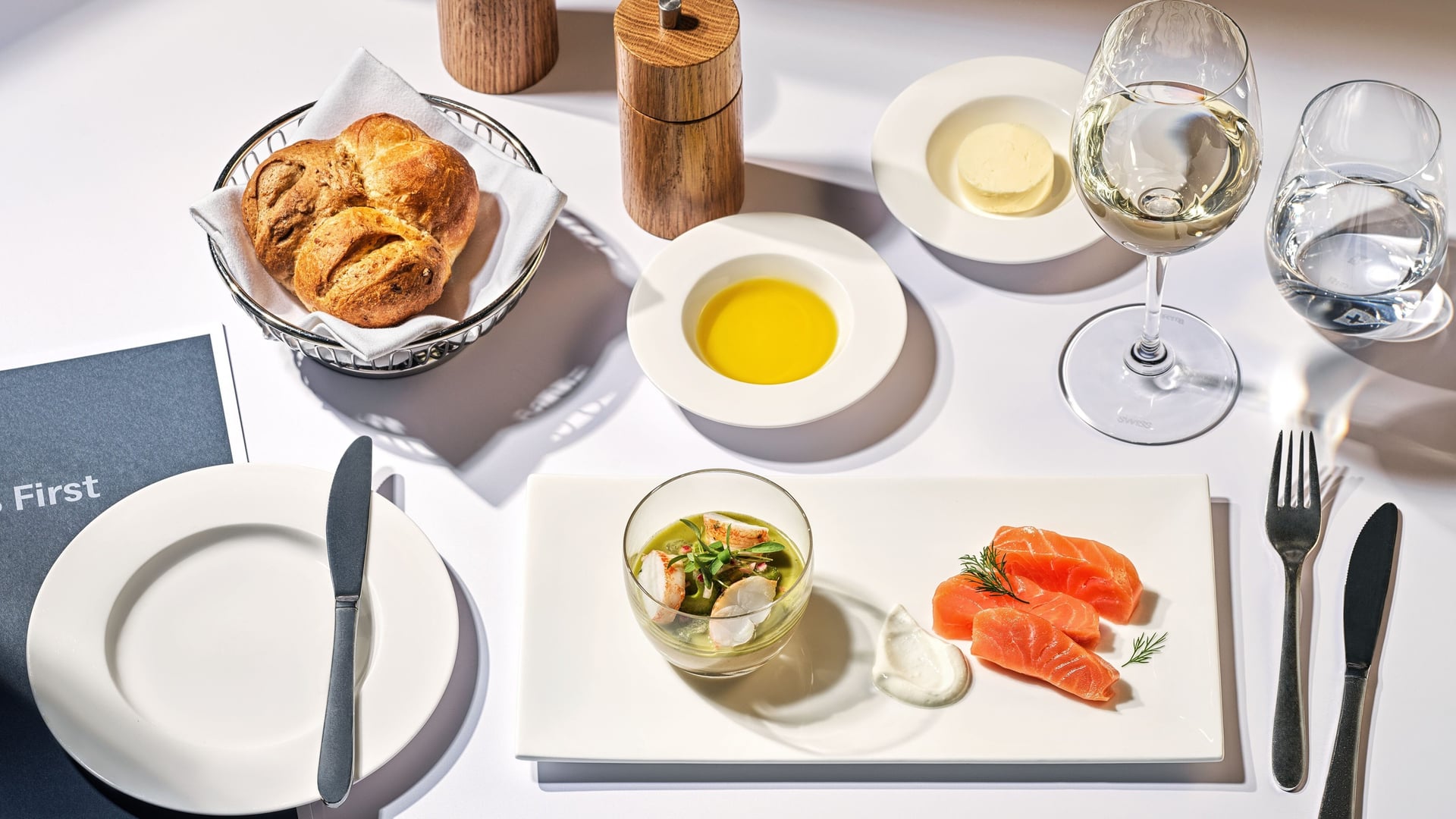
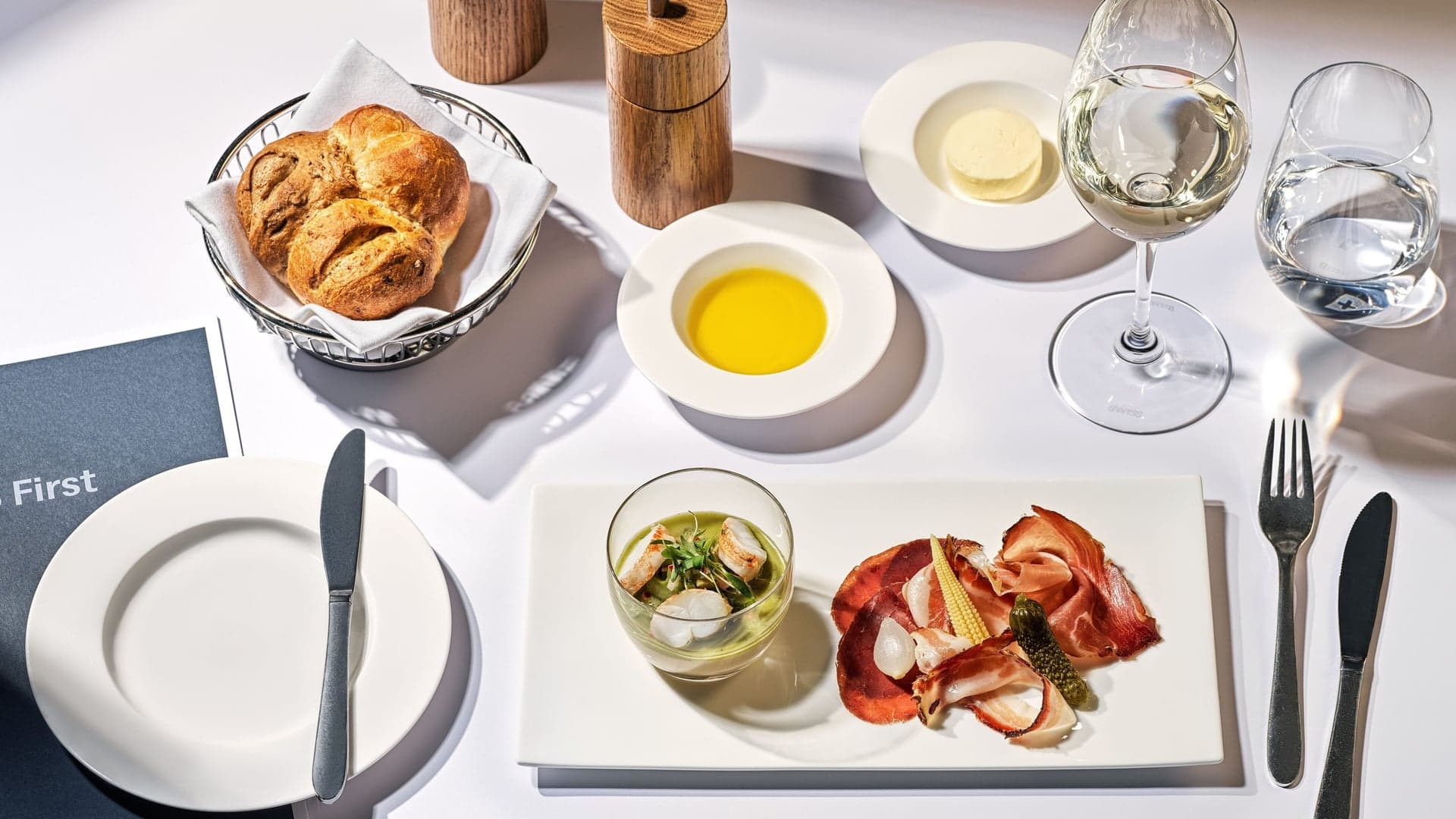
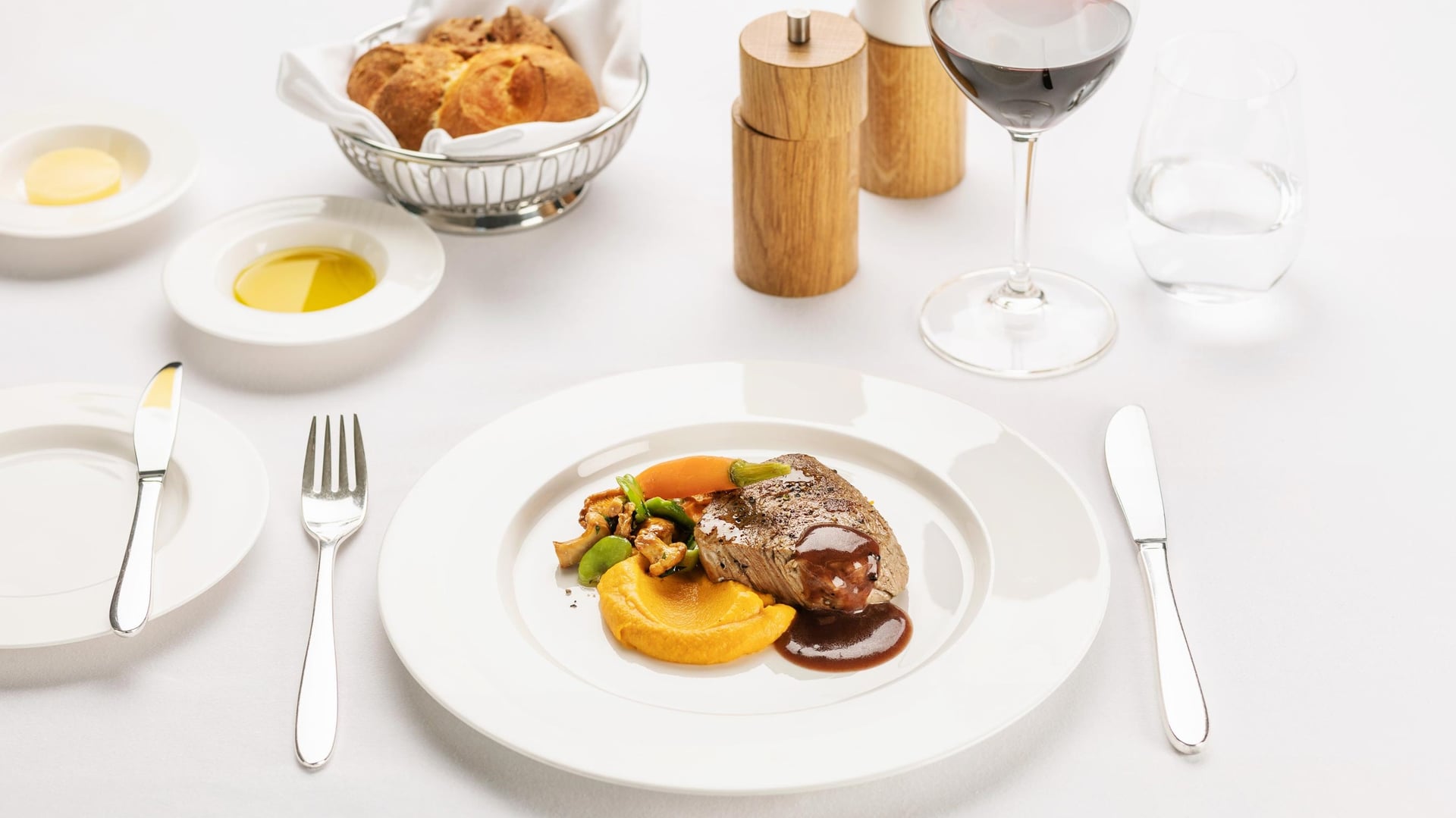
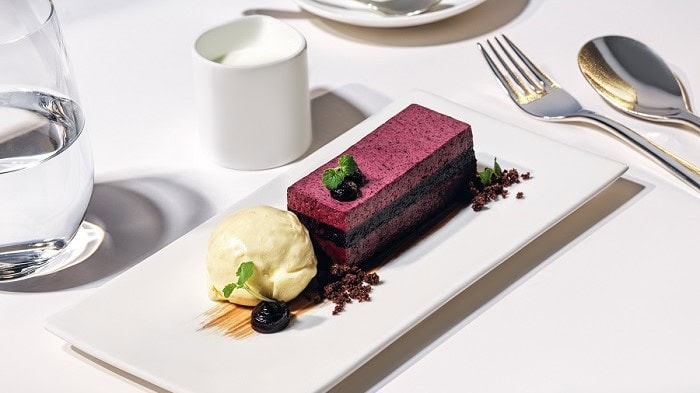
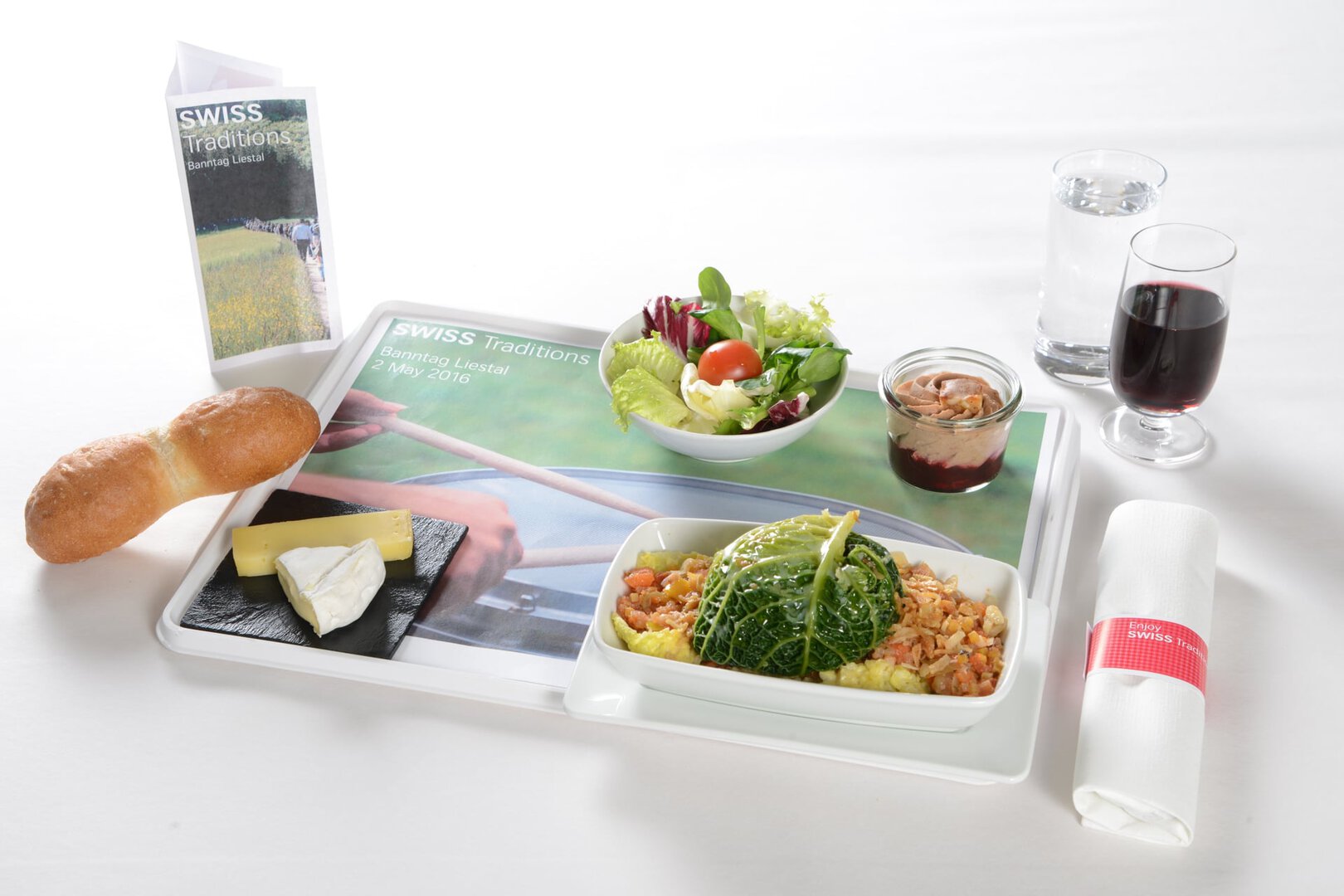
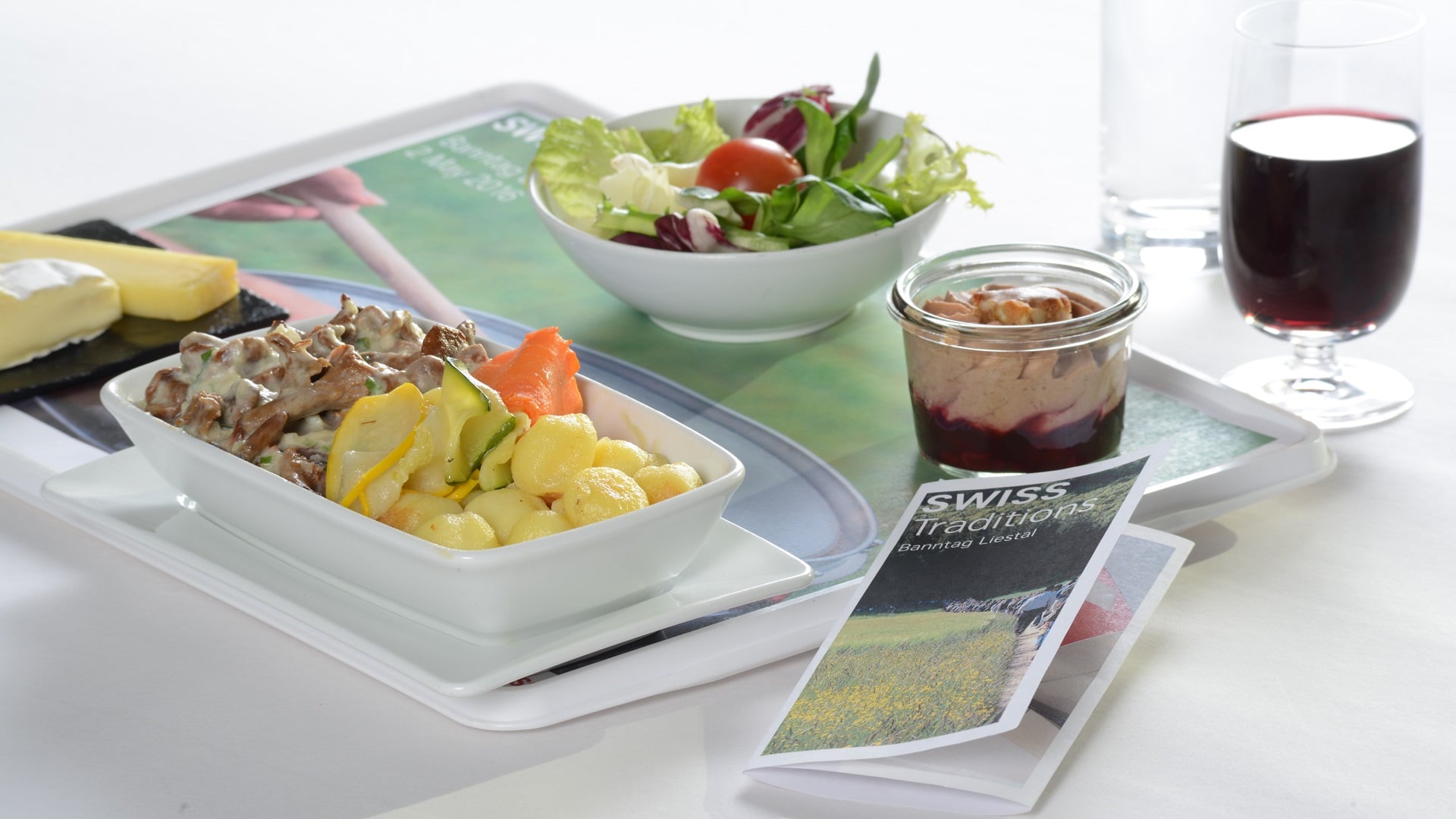
After boarding, first-class passengers receive a pre-departure selection that typically includes warm nuts, Champagne, and a warm towel. The cabin crew then presents the onboard menu, which outlines the full meal structure, including first course, main course, cheese, and dessert options. Meals are served on white pressed linens with white chinaware, a small breadbasket of white, multigrain, and whole wheat rolls, and full-sized salt and pepper shakers.
SWISS allows first-class travelers to choose their meal in advance up to 24 hours before departure or directly onboard.
Taste of Switzerland
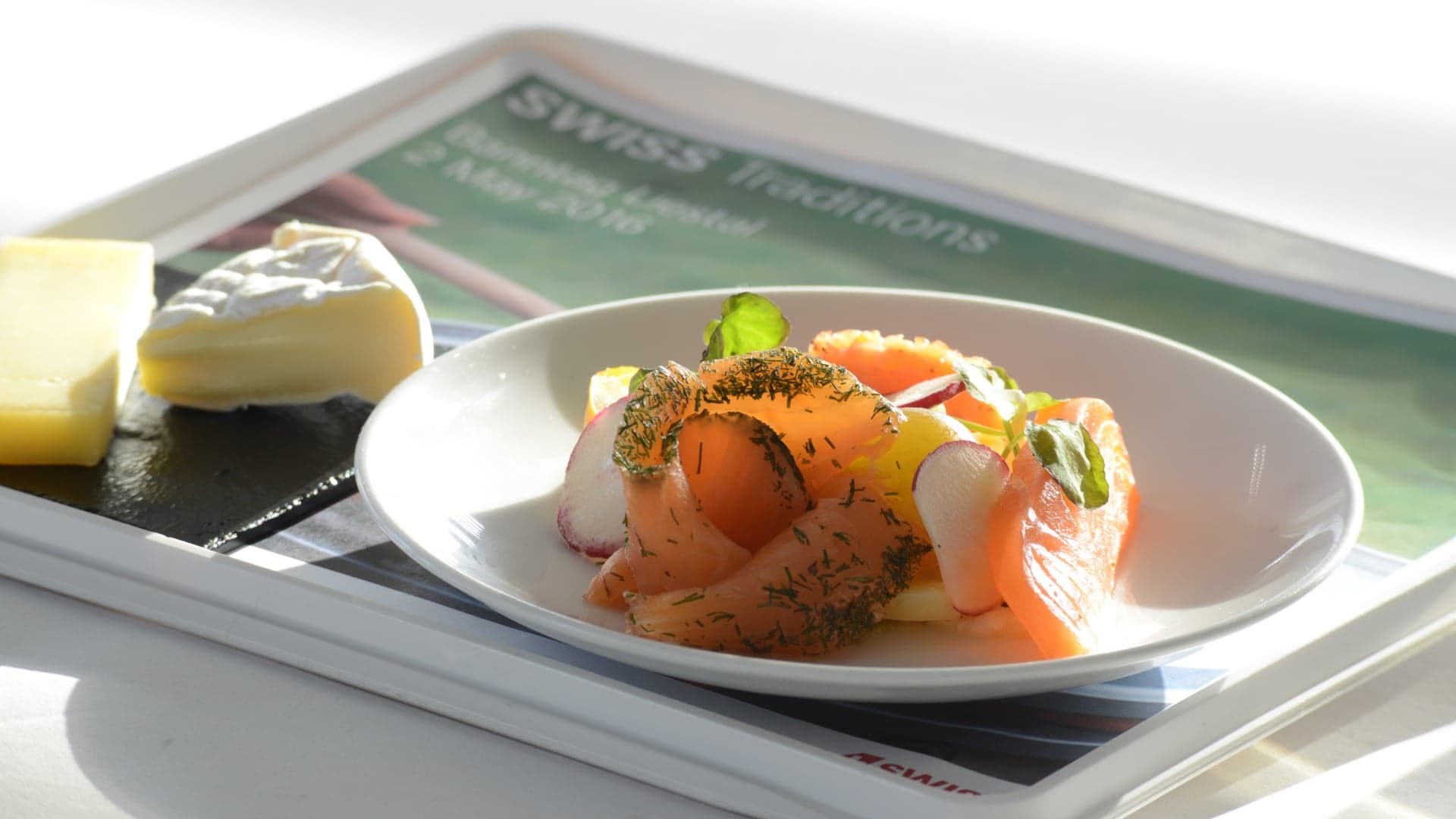
During the cheese course, SWISS often includes cheeses from one of Switzerland’s cantons, with accompaniments such as pear bread, fruit, or chutney. This detail fits the broader “Taste of Switzerland” concept, which involves using regional ingredients and seasonal menus to create a first-class dining experience.
The “Taste of Switzerland” program defines the rotating menu concept on many flights departing from Switzerland. Menus change every three months and feature dishes created with Swiss guest chefs whose restaurants have Michelin stars or GaultMillau points. Recent menus have included dishes such as Balik salmon with blinis and crème fraiche, spring salad with rhubarb and strawberries, and regional cheese selections.
Wine Pairing and Later Service
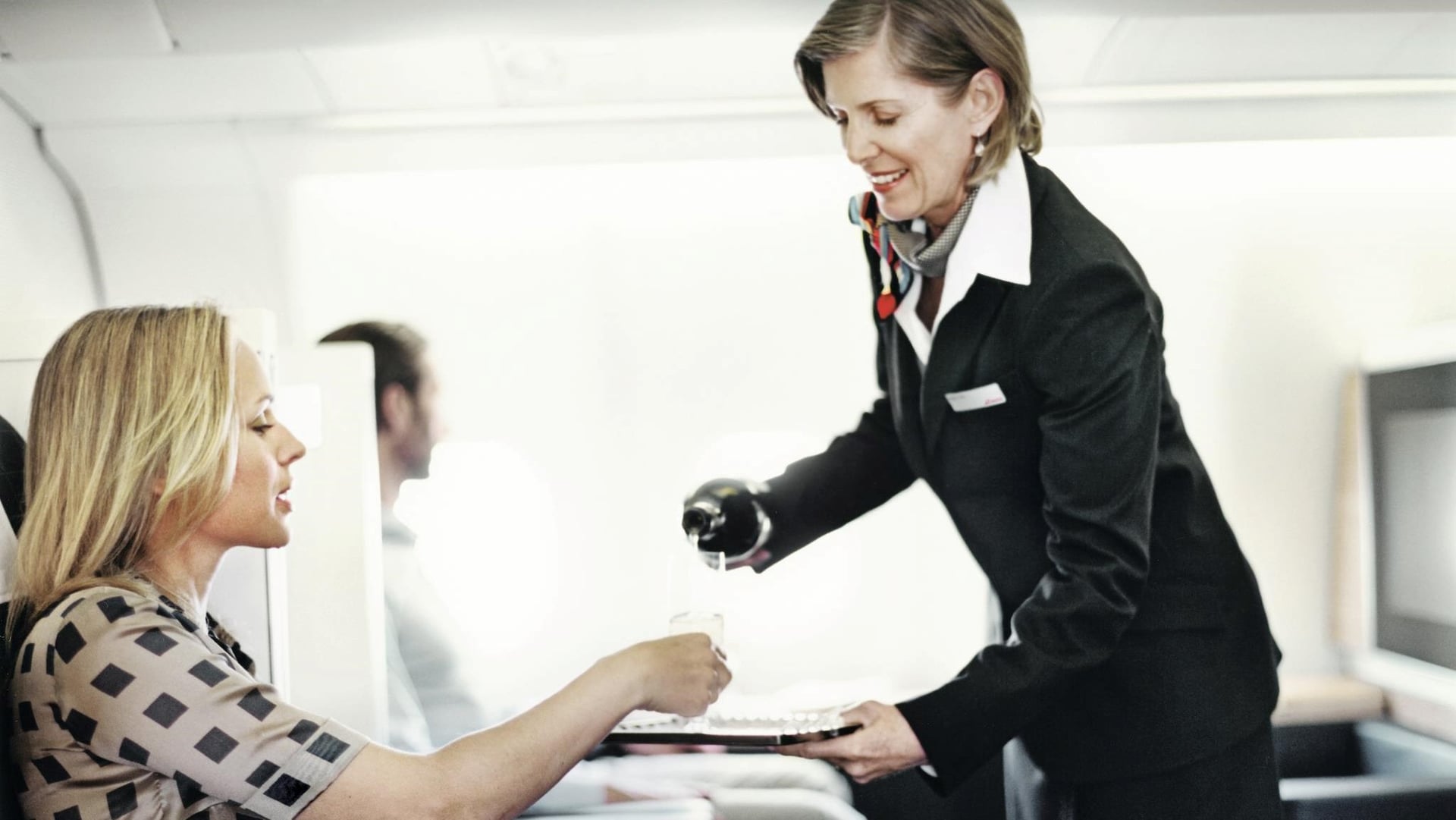
Menu options typically include meat, fish, and vegetarian selections within the main course category. Dishes can be paired with wines from a curated list, including regional wines selected to match the structure of each course. The staff serves wine pairings with each course, so the drinks follow the structure of the meal instead of arriving all at once.
On overnight routes, travelers enjoy a second meal before arrival, typically about two hours before landing. This service usually includes both hot and cold options.
Special meal requests, including vegetarian, Kosher, and other dietary-specific options, must be booked at least 24 hours before departure.
Beverages
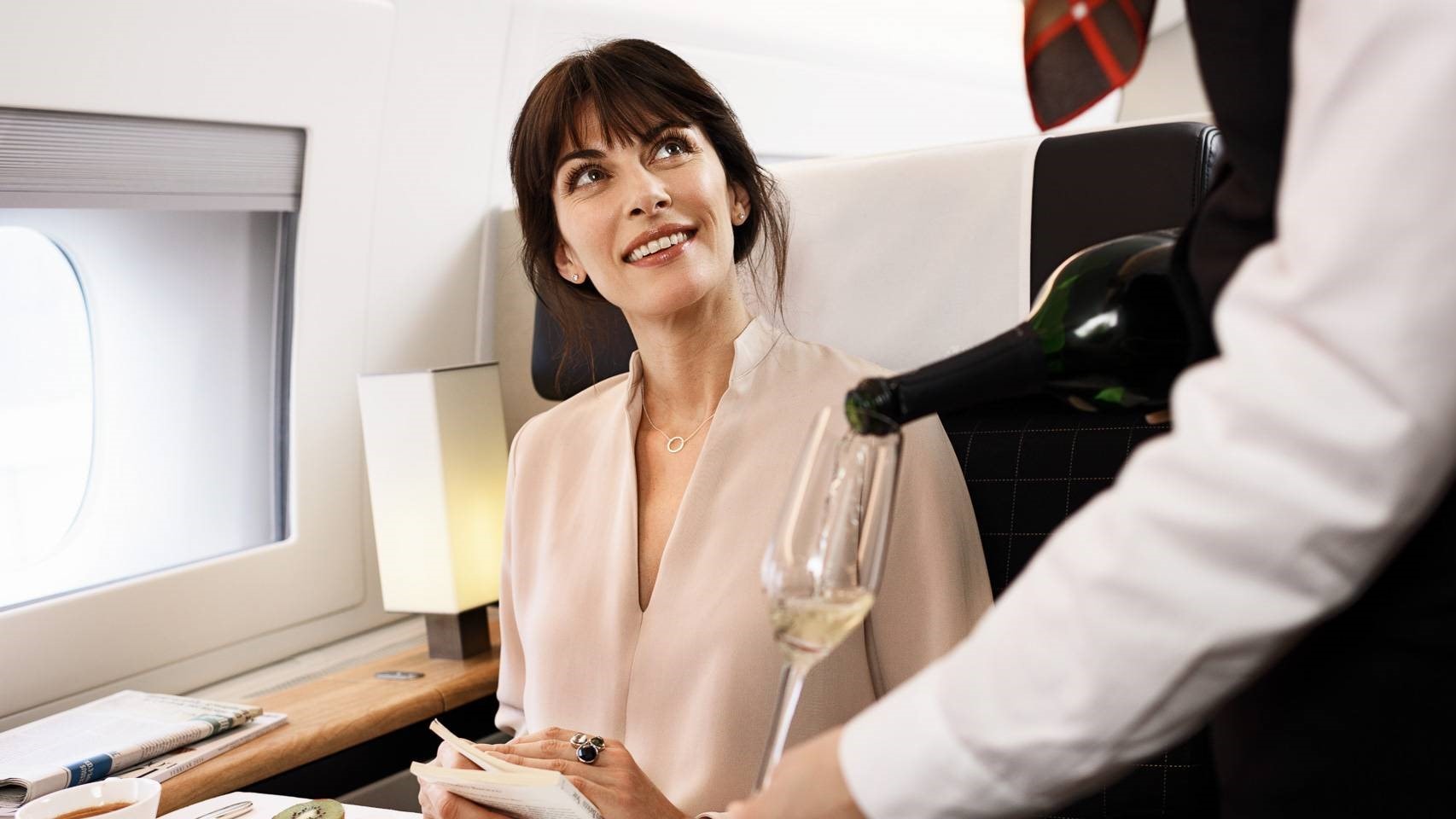
SWISS First offers a beverage list that includes Champagne, Swiss wines, aperitifs, spirits, beer, soft drinks, tea, and freshly brewed coffee. The Champagne selection can vary by menu period, while the wine list focuses on European labels and selected regional bottles, such as the Cuvée Louise from Maison Pommery.
Swiss wines often include discovery wines from producers in the canton featured on the main menu or its neighboring regions. These may include limited bottlings or new releases, which connect the beverage program to the broader “Taste of Switzerland” dining concept.
The spirits list includes Swiss Etter Kirsch Vintage, one of Switzerland’s best-known cherry spirits, and Swiss Etter William, a colorless fruit brandy made from Williams pears. Travelers may also find Swiss whisky and other spirits, depending on the route and current onboard selection.
SWISS has also added SWISS Alpine Essence, its own signature cocktail, to long-haul services. This gives the beverage list a more distinct airline-specific option.
Tea, coffee, and soft drinks complete the selection. Soft drinks typically include Coca-Cola, Sprite, tonic water, juices, and Henniez spring water.
Entertainment
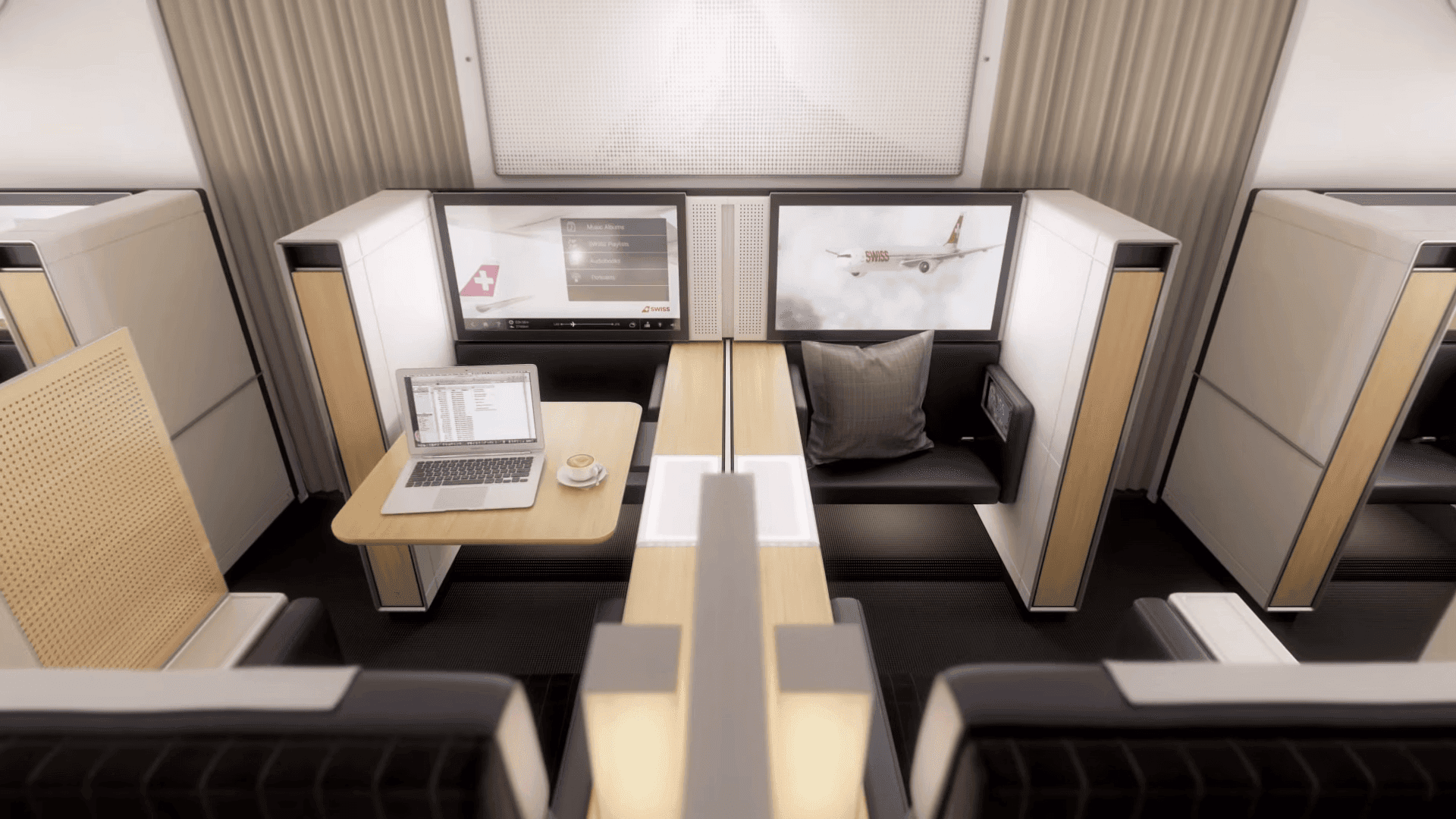
The in-flight entertainment (IFE) system is fixed at the front of the suite, above the ottoman. Boeing 777-300ER and Airbus A340-300 aircraft use a 32-inch screen, while Airbus A330-300 planes use a smaller 23-inch screen because of their narrower cabin layout. The screen is out of easy reach when the seat is in bed mode or in the seated position, but a Panasonic hand controller in the side seat compartment allows menu navigation from either position.
Movie and television options match the ones in other travel classes and change monthly. The selection includes recent films, documentaries, TV series, games, music, podcasts, audiobooks, and digital publications. Children can choose from films, cartoons, games, and a SWISS Kids music playlist. This gives most travelers enough options for a long-haul flight, even if the catalog is not the widest among airlines.
A customizable Airshow 3D flight map allows travelers to view route progress, although SWISS does not provide external flight cameras on these aircraft models. The hand controller can also display flight progress information while a movie plays on the main screen. Travel guides and other information pages are available free of charge on swiss.com, and travelers can use Airshow on personal devices.
Each first-class seat is also equipped with noise-canceling headphones that reduce cabin noise, although they are less effective than some leading-branded headphones offered by other airlines.
SWISS First travelers receive complimentary Wi-Fi on SWISS-operated flights, while all travelers on long-haul flights can use free messaging through SWISS Connect.
Amenities
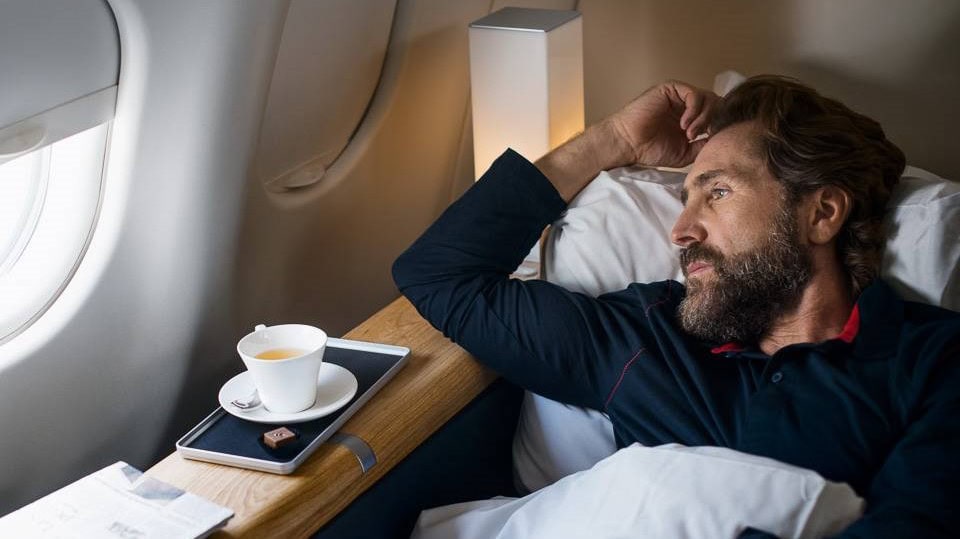
Travelers in SWISS First receive pajamas and slippers from Zimmerli of Switzerland. The pajamas use certified cotton and come in short- and long-sleeve versions.
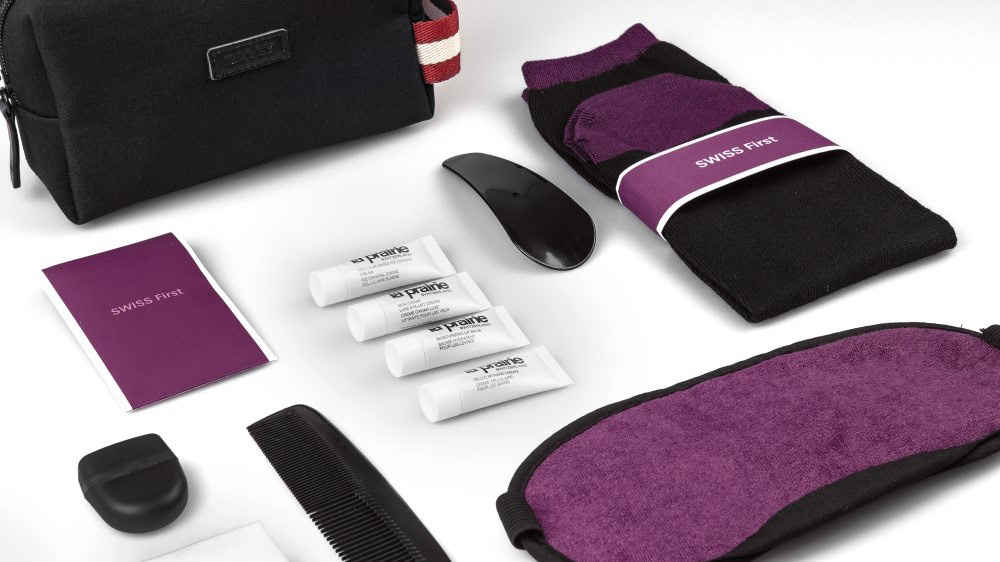
Zimmerli also collaborates with SWISS on creating first-class amenity kits, which come in four designs and colors that rotate throughout the year. The rotating designs add some variation between flights, while the contents focus on Swiss-brand items, including products from Rohner and VIU.
The current amenity kit replaces the older Bally version and supports the broader SWISS focus on Swiss materials, design, and brand partnerships. The cabin crew can also provide extra comfort items when needed, such as eye masks, earplugs, socks, dental kits, or other basic items, depending on the onboard stock.
The onboard comfort setup also includes Soeder’s Alpine Valley signature scent, which SWISS uses in hot towels, pillow sprays, care products, and lavatory items. This gives the amenities a more consistent Swiss-brand identity without relying only on the amenity kit.
The forward section of the cabin includes two lavatories with single-use towels, care products, and Soeder face spray. These details are especially convenient on longer sectors, where travelers may want to refresh before rest or before arrival.
Short and Medium-Haul Flights
The SWISS short- and medium-haul fleet, including Airbus A321, Airbus A320, and Airbus A220 aircraft, does not offer first class. Any connecting flights within Europe, therefore, operate in business class, even when the itinerary connects to or from SWISS first-class on a long-haul sector.
On shorter European routes, SWISS business class uses a standard 2-3 or 3-3 business-class layout, with the adjacent seat kept empty to create more personal space. This does not provide a separate premium seat type, but it gives travelers more room to work, dine, or rest during a shorter flight.
Food and beverages depend on flight length. SWISS provides cold or hot meals in business class on European flights, along with a drinks selection that includes Champagne. On many short- and medium-haul flights, travelers can also pre-select additional main course options before departure, with dishes changing every three months.
Sustainability
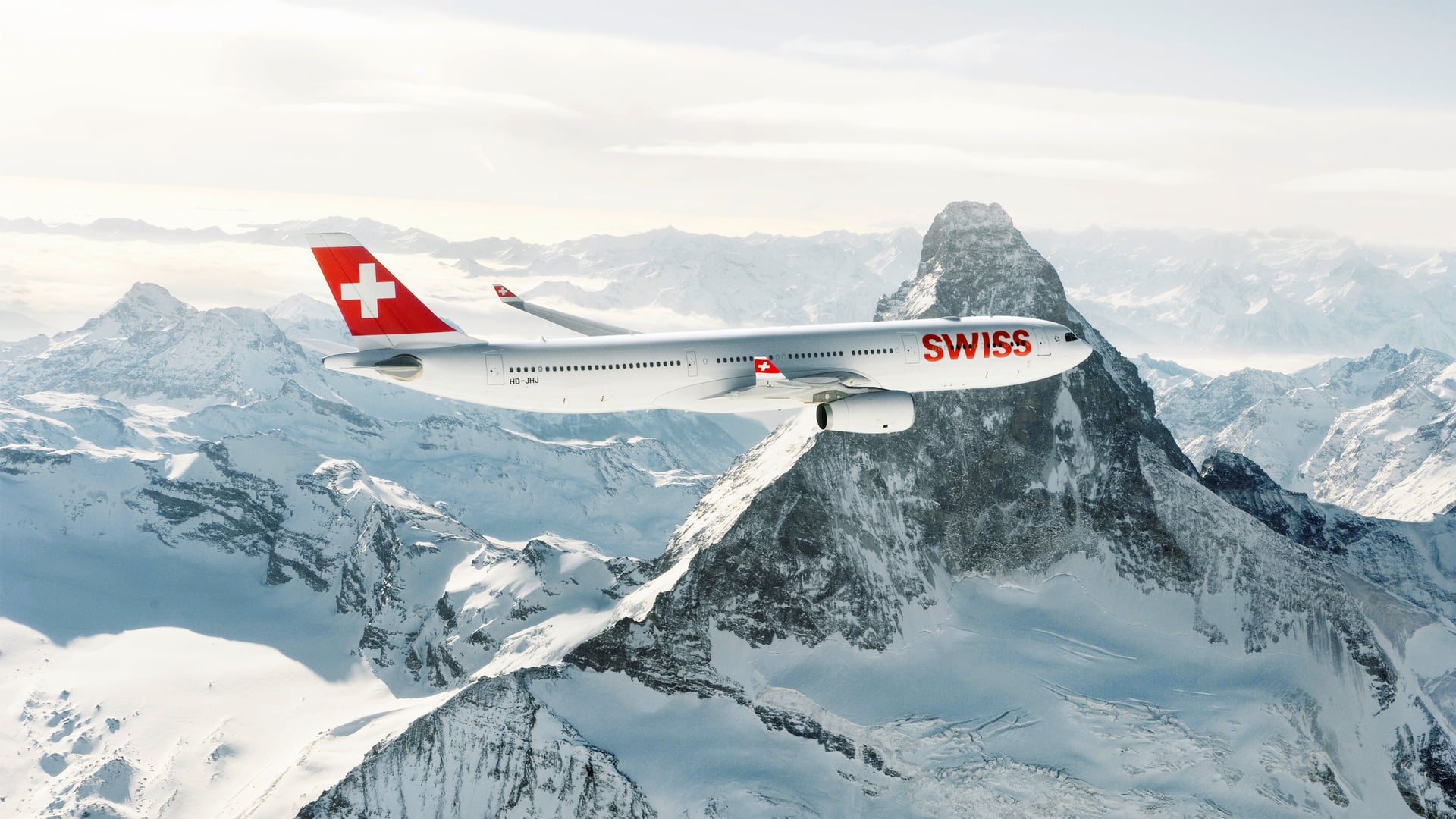
SWISS has renewed parts of its aircraft fleet in recent years, which has helped improve efficiency on both European and long-haul routes. Its fleet includes eight Airbus A320neo and four Airbus A321neo aircraft, both designed with newer engine and airframe technology.
SWISS reports that its transport performance has increased by about 82% since 2002, while fuel consumption has increased by 19% over the same period. In practical terms, the airline now carries more traffic with a smaller increase in fuel use than earlier aircraft and operations would have required.
Newer Airbus A320neo-family aircraft also produce less noise compared with older aircraft types. This matters most around airports, where takeoff and landing noise have the greatest local impact.
Together with the Lufthansa Group, SWISS aims to cut net CO₂ emissions from flight operations by 50% by 2030 compared with 2019. The longer-term target is net-zero CO₂ emissions by 2050.
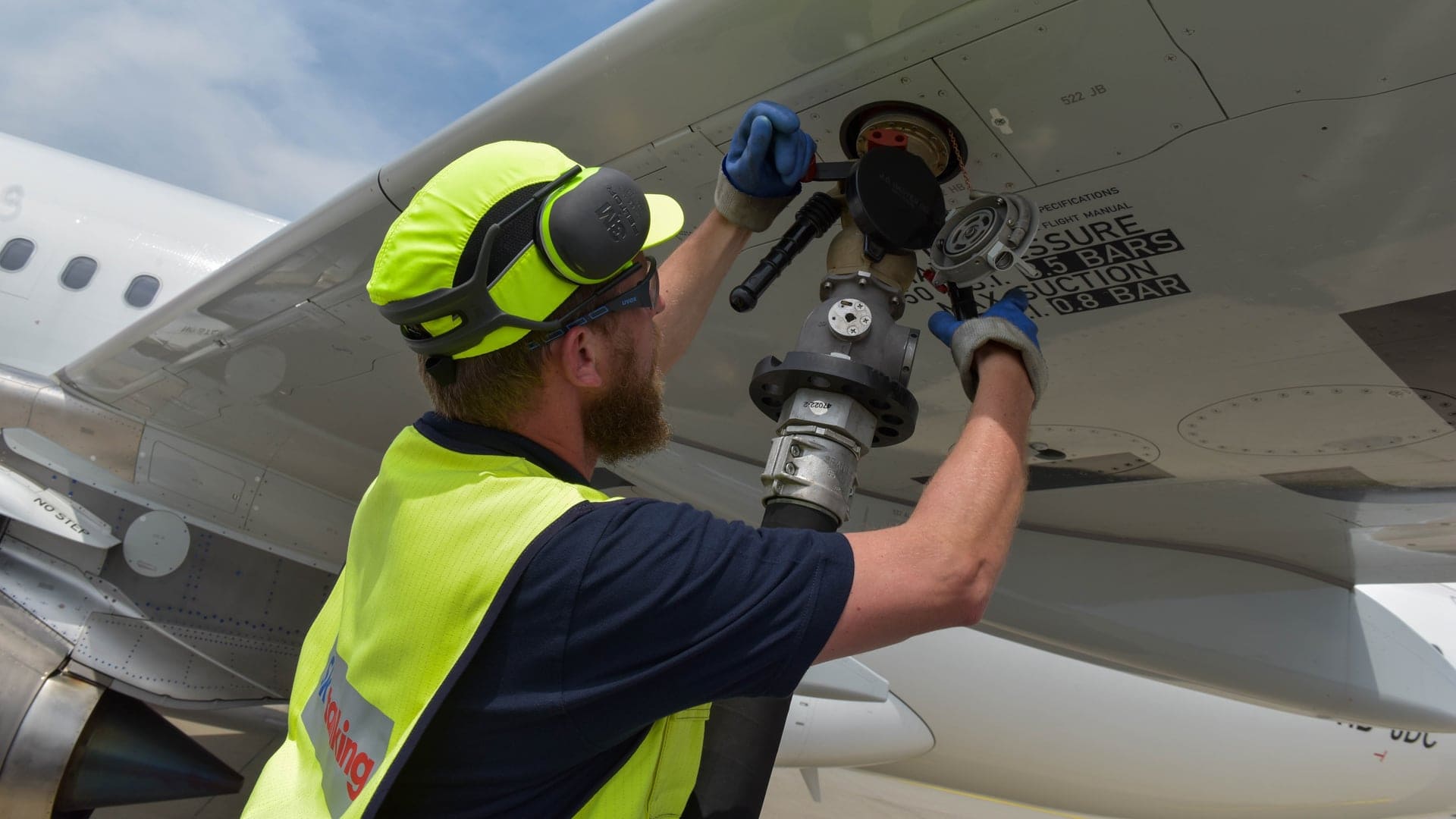
The airline plans to reach these targets through newer aircraft, more efficient flight operations, sustainable aviation fuels (SAF), climate protection projects, and carbon removal technologies. SAF matters especially on long-haul flights, where aircraft will still depend on liquid fuel for many years.
Travelers can also support lower-emission options when booking by choosing combinations of SAF and climate protection projects. SWISS also allows travelers to offset CO₂ emissions after travel through a dedicated platform.
Core Considerations
The Zurich ground experience gives SWISS First Class a clear structure before departure, with dedicated first-class lounge facilities and pre-arranged transfers between lounges and gates.
The “Taste of Switzerland” dining concept gives the meal program a regional focus, with rotating menus, regional wines, and seasonal dishes that change throughout the year.
The onboard service matters most during dining and sleep setup, where timing, cabin crew attention, and meal pacing affect how rested travelers feel on arrival.
Quick Facts
SWISS First Class is a privacy-focused long-haul product with a small cabin, direct aisle access, and a ground experience at Zurich built around First Class lounges, private transfers, and dedicated arrival handling. The best legacy version is on the Boeing 777-300ER, where sliding doors, a 79.9-inch fully flat bed, strong storage, and companion dining create the most complete older-cabin setup. The newer Airbus A350-900 adds three SWISS Senses suites with fully closable doors, while the Airbus A330-300 remains less private because it uses screens rather than sliding doors. SWISS First Class is worth flying when the itinerary starts, connects, or arrives in Zurich and when the assigned aircraft is the Boeing 777-300ER, Airbus A340-300, or Airbus A350-900.
Legacy Cabin Layout: Eight-seat 1-2-1
Best Legacy Aircraft: Boeing 777-300ER
Newest Suite Product: Airbus A350-900 SWISS Senses
Award Booking Limit: Senator or HON members only
Reviewed: May 2026
Gallery
More photos from this review: