

A sophisticated look at Dylan Hotel Dublin, from Premium King rooms and breakfast flow to value logic and guest sentiment.
Dublin has no shortage of luxury hotels. Many lean on the same promises: old-world prestige, polished formality, and the reassuring confidence of large luxury operations. Dylan Hotel moves in a different direction. It is smaller, moodier, more residential, and far more dependent on emotional connection than scale.
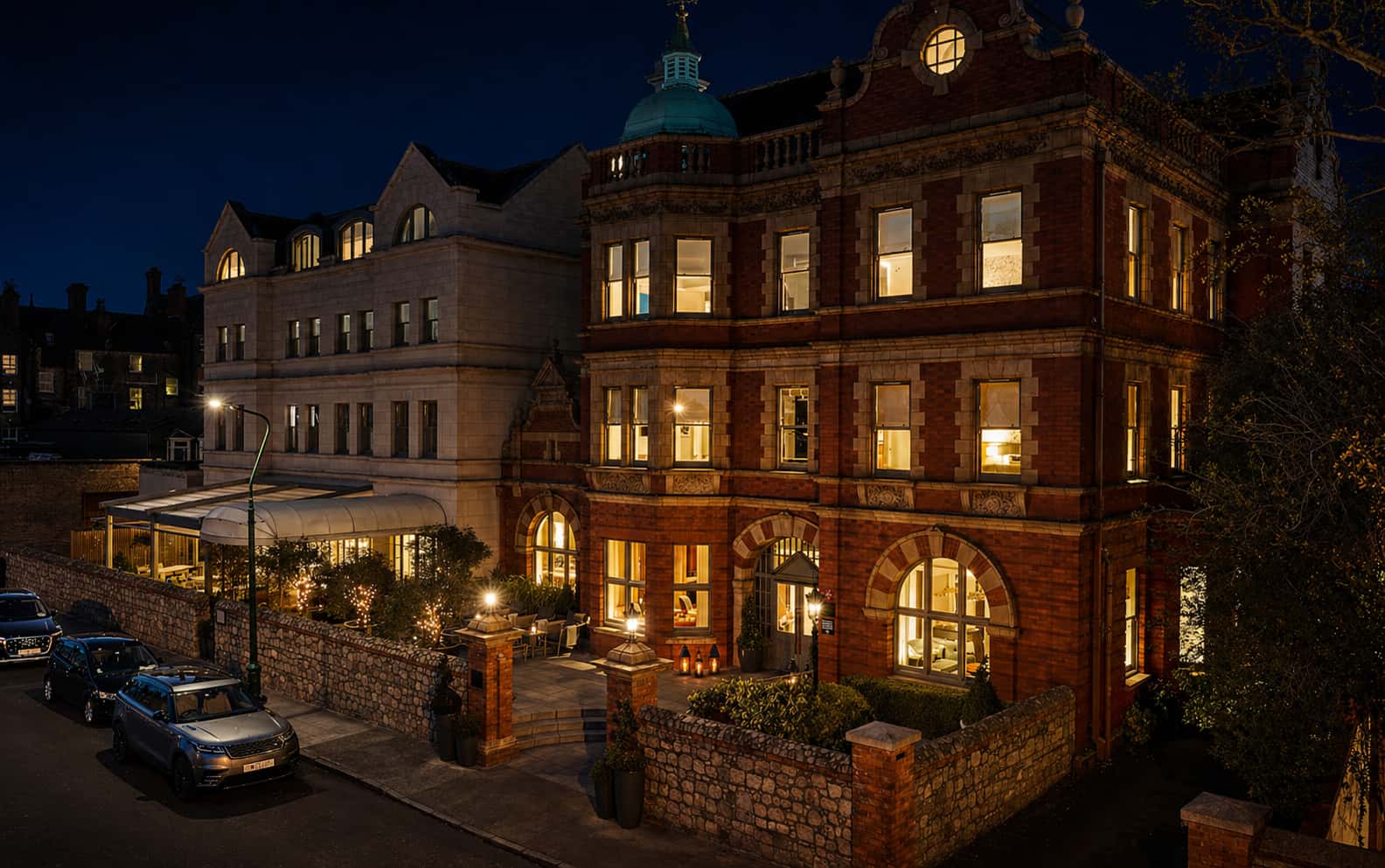
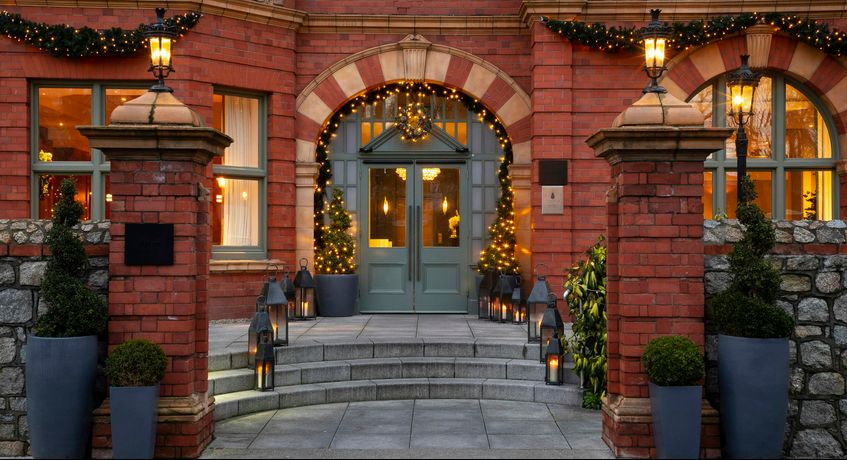
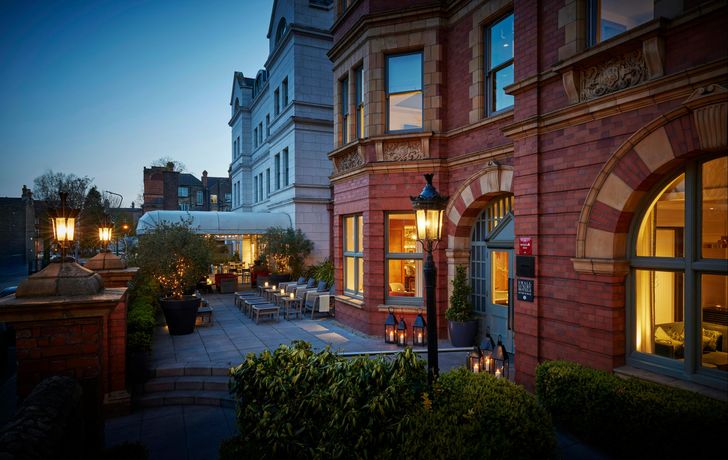
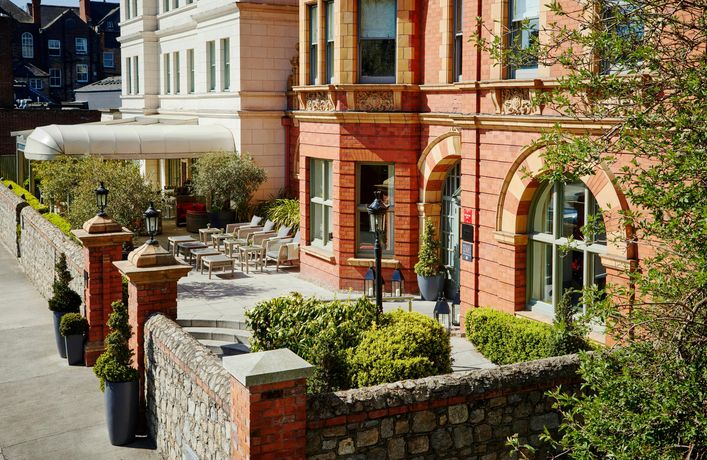
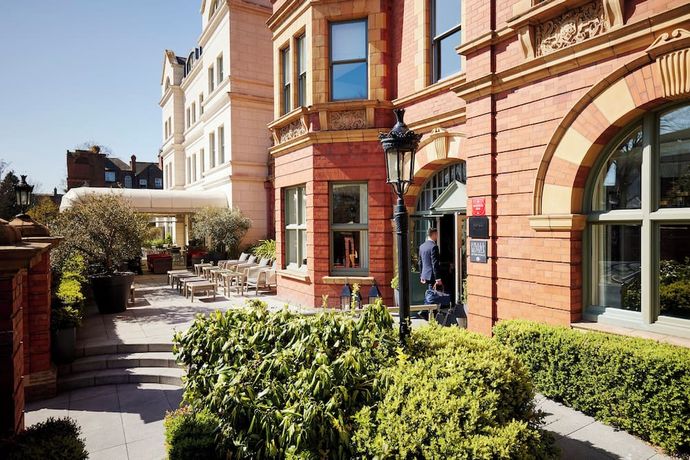
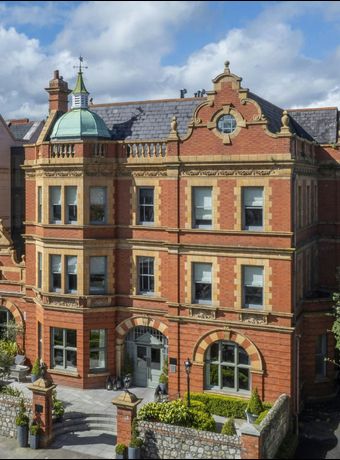
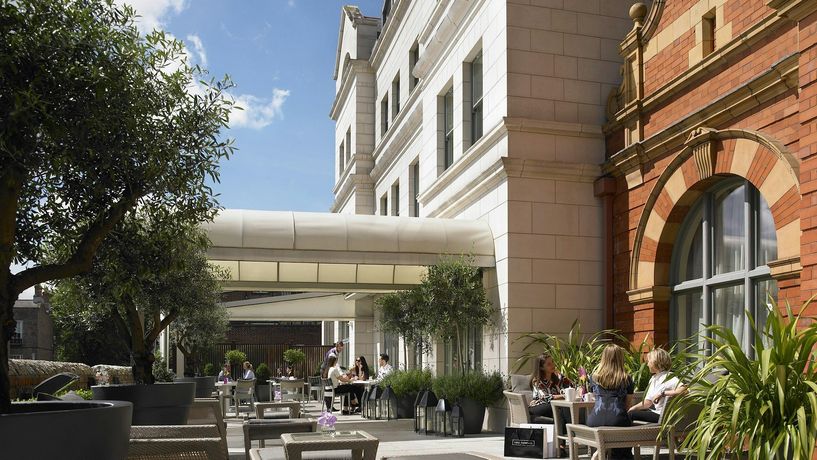
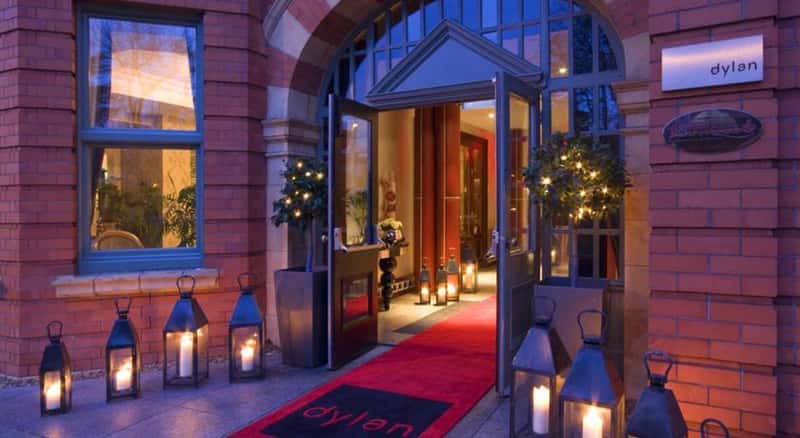
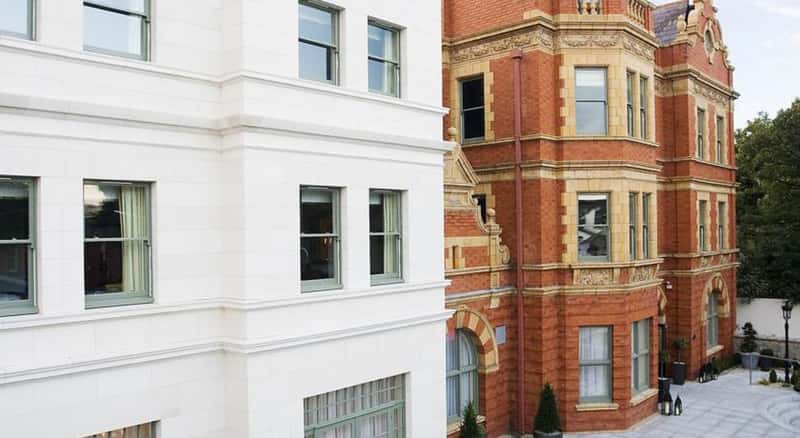
The hotel occupies a restored Victorian-era building in a quiet pocket near Baggot Street, away from the noise of Temple Bar and the heavier corporate feel of some larger five-star properties. Inside, the experience leans heavily on intimacy, stylish public spaces, cocktails, warm front-of-house interaction, and the feeling of staying somewhere with personality.
That personality also creates the central tension of the stay. Dylan’s rates occasionally move into territory where guests naturally begin comparing it with Dublin’s larger luxury hotels, even though the experience here is intentionally more intimate and boutique-led.
Travelers drawn to smaller boutique hotels often connect with Dylan very quickly. Guests expecting the scale and smoothness of a large international luxury brand can leave feeling less convinced.
Quick Decision Snapshot
| Category | Verdict |
|---|---|
| Best for | Couples, boutique-hotel travelers, repeat Dublin visitors |
| Main strength | Character and emotional warmth |
| Main weakness | Luxury pricing can outpace physical infrastructure |
| Smartest booking strategy | Shoulder-season weekday stays in Premium King rooms |
| Best room category overall | Premium King |
| Most overrated expectation | Full-service five-star luxury infrastructure |
| Best season for value | October weekdays and February low season |
| Least efficient booking period | September peak weekends |
| Quietness | Depends heavily on room allocation |
| Best fit traveler | Travelers who value atmosphere and individuality over scale |
What Kind of Luxury Hotel This Actually Is
Dylan is best understood as a luxury boutique lifestyle hotel, not a traditional luxury flagship. The hotel’s strongest qualities are interpersonal and sensory.
Guests repeatedly mention the warmth of the welcome, the intimate public spaces, and the sense that the hotel feels lived-in instead of corporate.
The hotel’s trade-offs are also tied to scale:
- relatively small rooms
- inconsistent breakfast execution
- occasional service-recovery issues
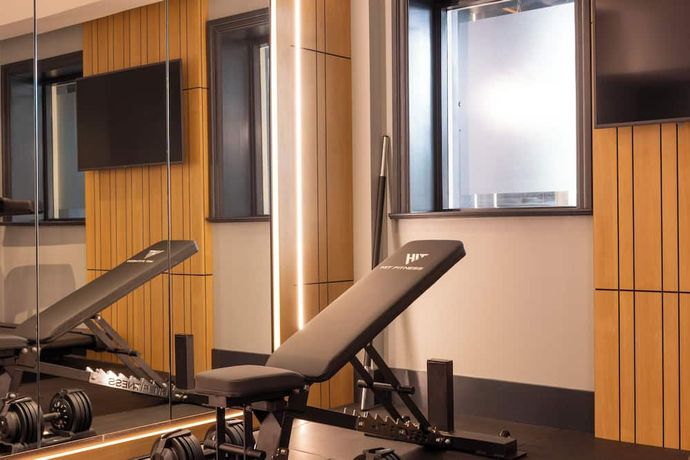
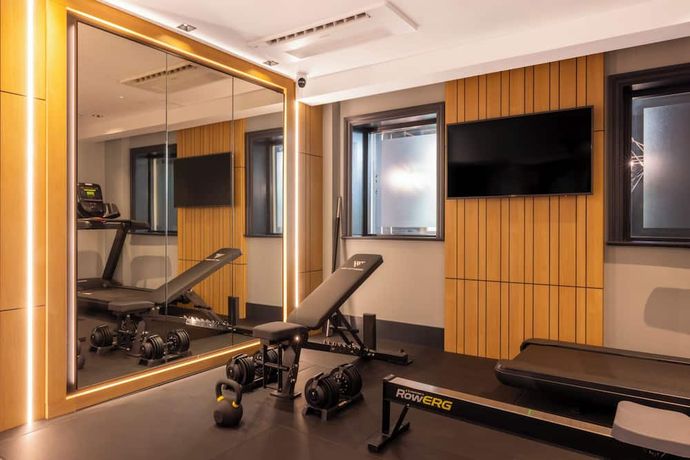
- limited wellness facilities.
The MICHELIN Key recognition fits this identity well. The award validates hotels with strong design character and memorable hospitality rather than pure infrastructural scale. Dylan earns credibility from that recognition.
Compared with The Merrion or The Westbury, Dylan feels more intimate and personal, but also less seamless. Travelers choosing between them are essentially choosing between atmosphere and individuality or scale and systemized luxury confidence. That divide appears repeatedly in guest feedback.
What the Stay Actually Feels Like
Arrival feels noticeably calmer than many Dublin luxury hotels. The surrounding streets are quieter, traffic softens, and the hotel avoids the busier tourist energy found closer to Temple Bar or Grafton Street.
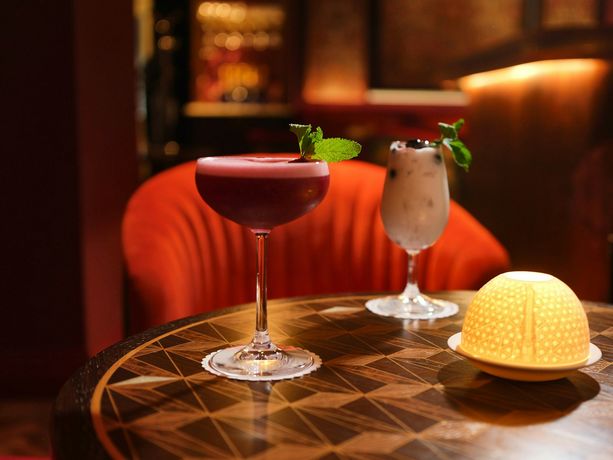
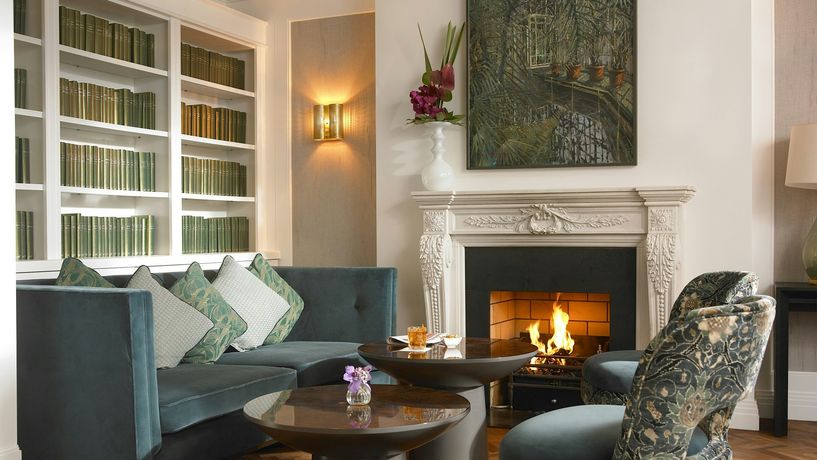
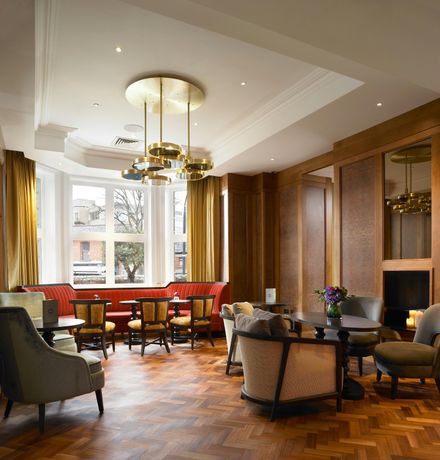
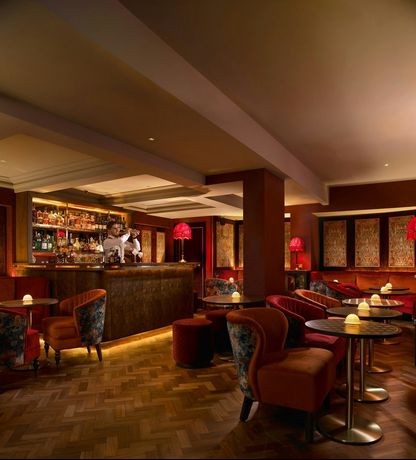
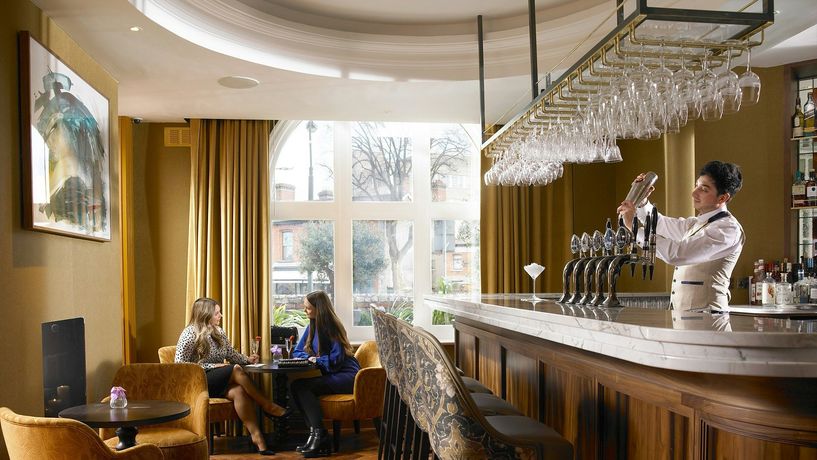
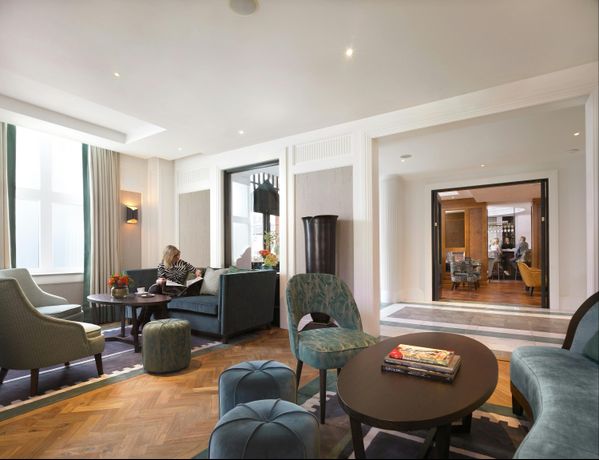
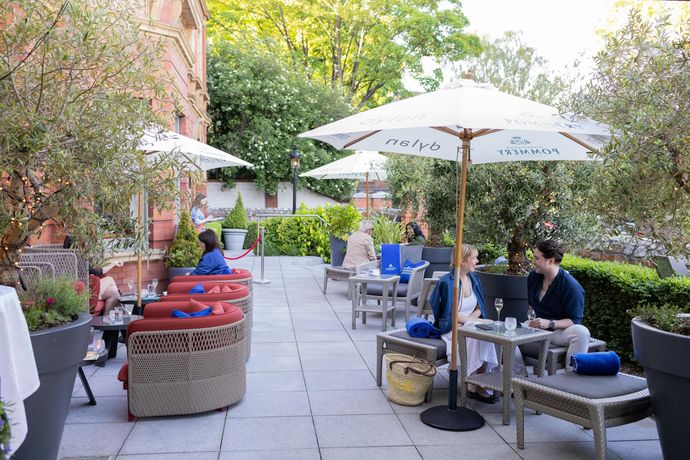
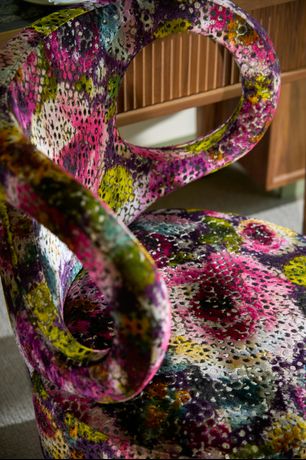
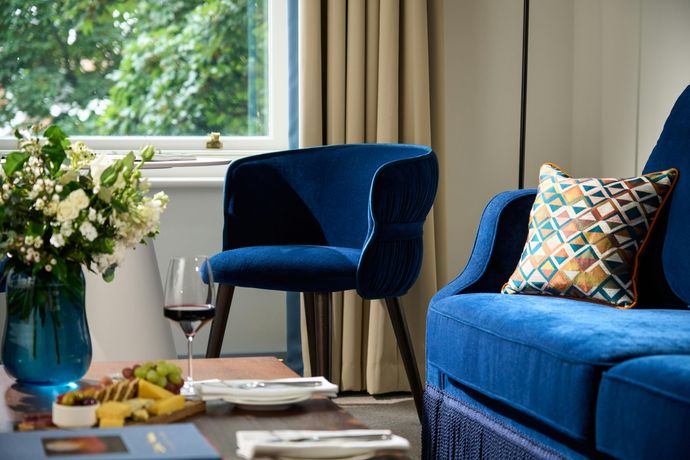
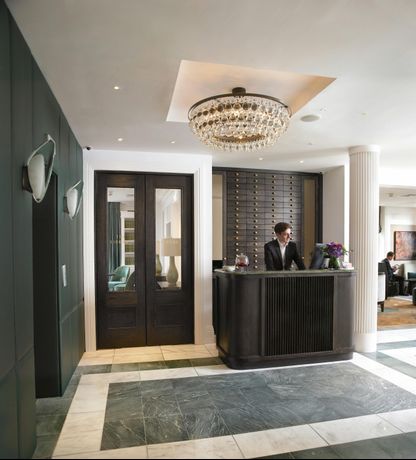
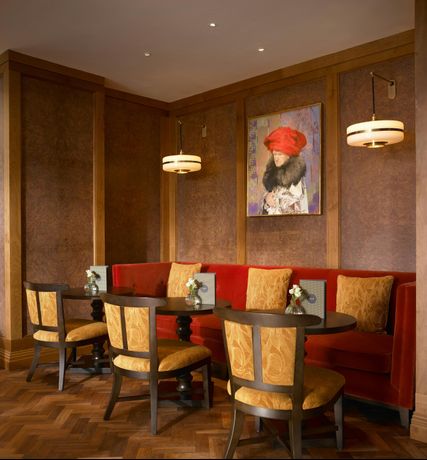
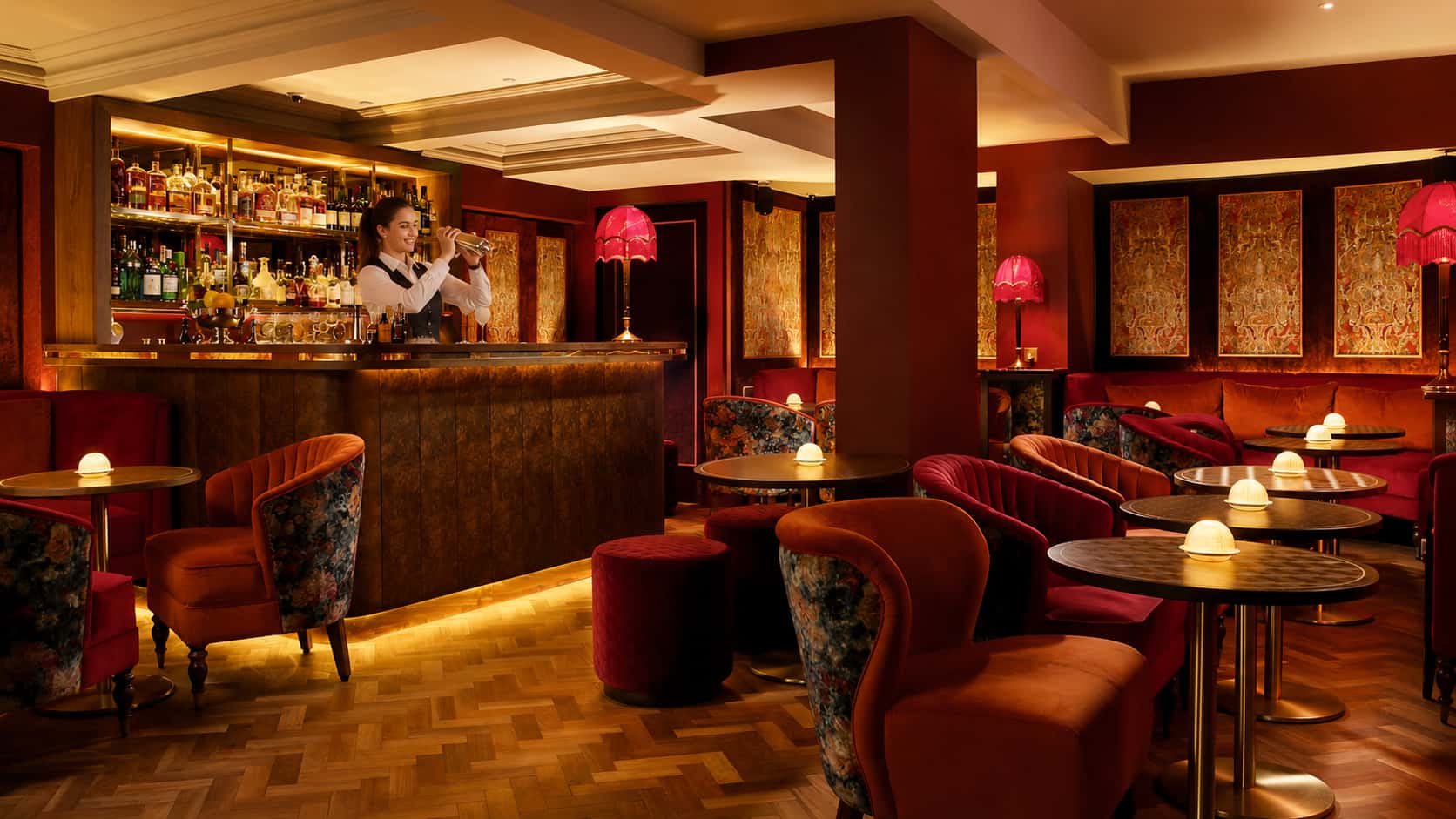
Inside, the property leans into low-lit boutique styling, layered textures, cocktails, terrace dining, and compact social spaces. There is no grand lobby spectacle here. Parts of the hotel feel more like a stylish private townhouse where cocktails happen to be served downstairs than a formal five-star property.
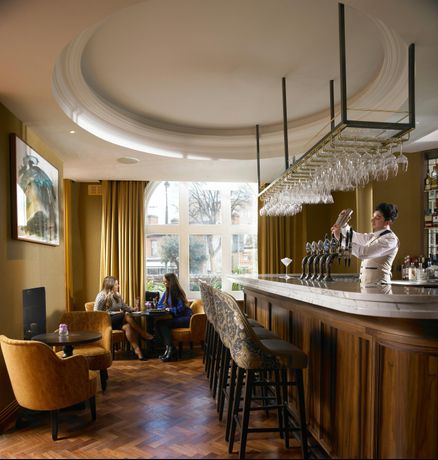
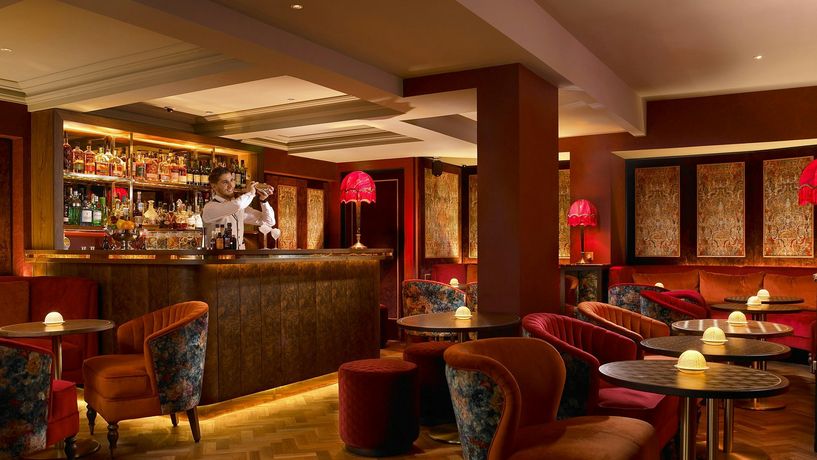
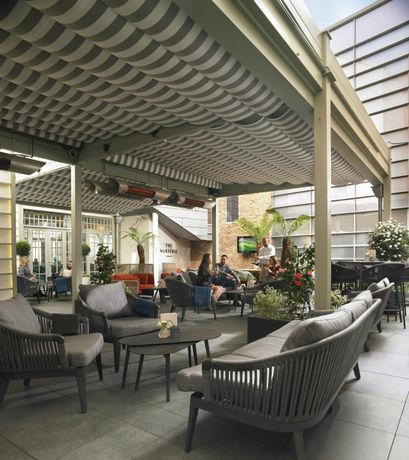
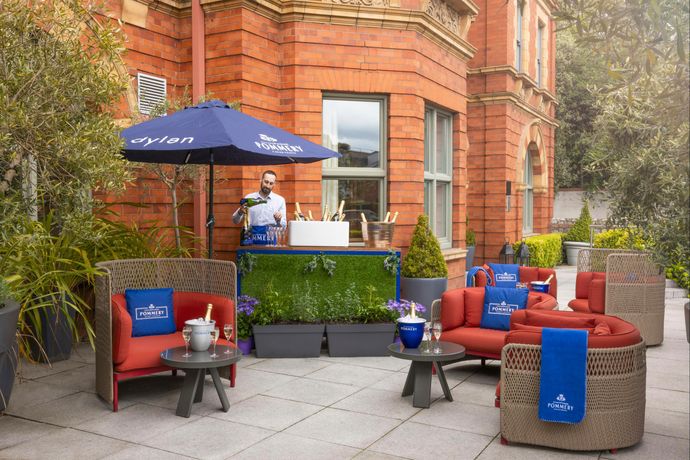
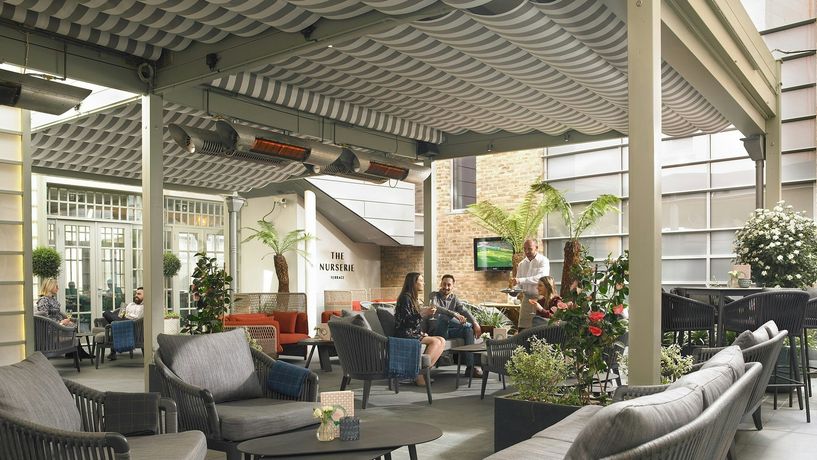
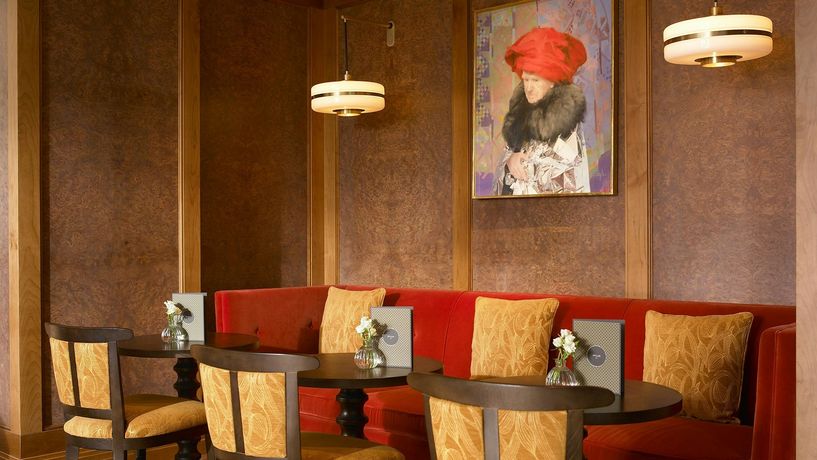
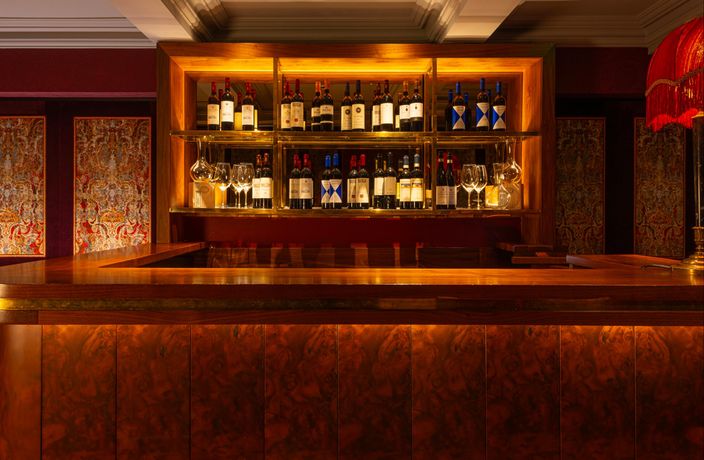
That intimacy works particularly well in the evenings. The Dylan Bar, The Ruby Room, and the Nurserie Terrace give the property a social rhythm that feels local instead of purely transactional.
Some guests become emotionally attached to the hotel because of this. Others never fully buy into it, especially if their stay is dominated by practical frustrations like room size or breakfast delays.
Rooms, Layouts, and the Reality of Staying Here
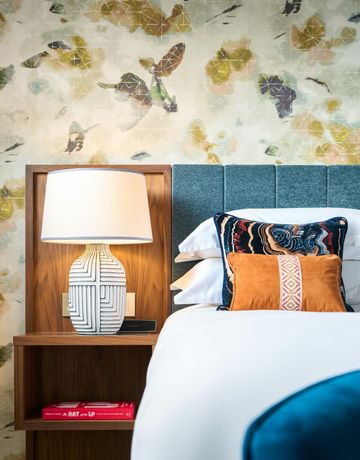
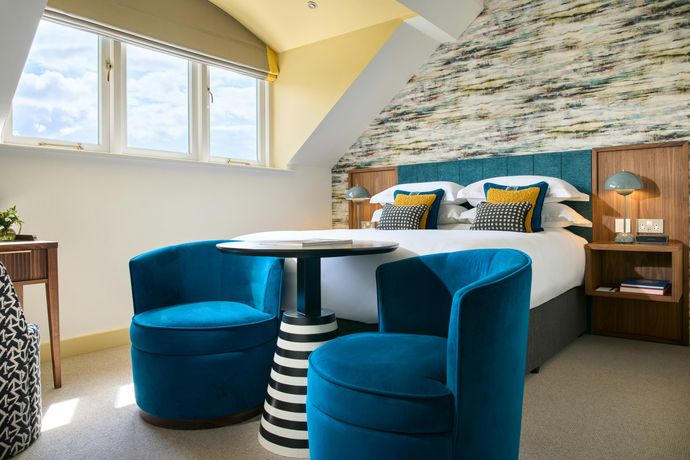
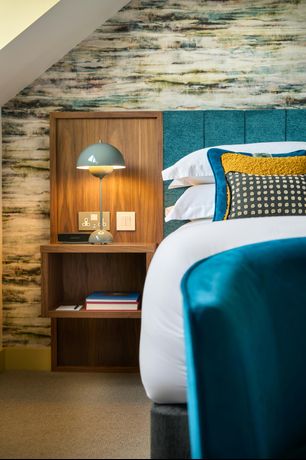
Entry Rooms: Stylish but Compact
Entry-level rooms require the most careful booking timing, especially during expensive weekends.
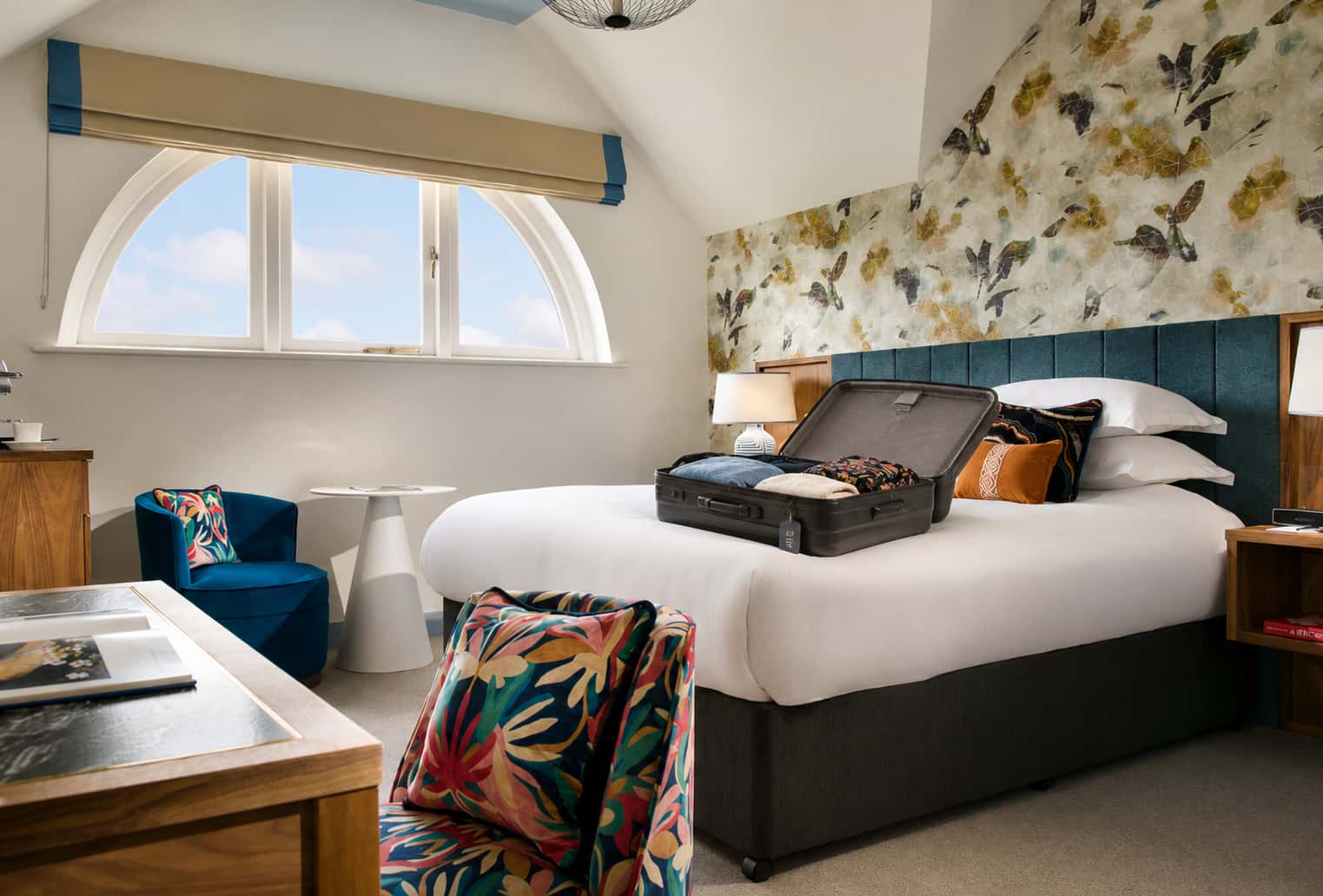
They are attractive and well-designed, but several guests mention tight movement space,
smaller bathrooms, limited storage, and awkward layouts for longer stays.
At lower rates, those compromises feel manageable. During compressed September weekends, entry rooms can approach the pricing of Dublin’s larger luxury hotels, making the smaller room sizes harder to justify for some travelers.
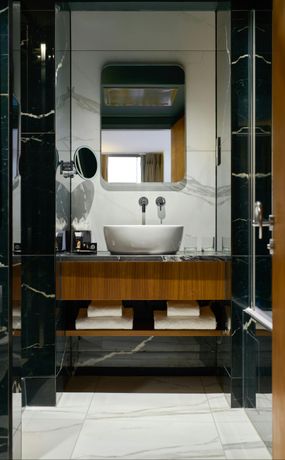
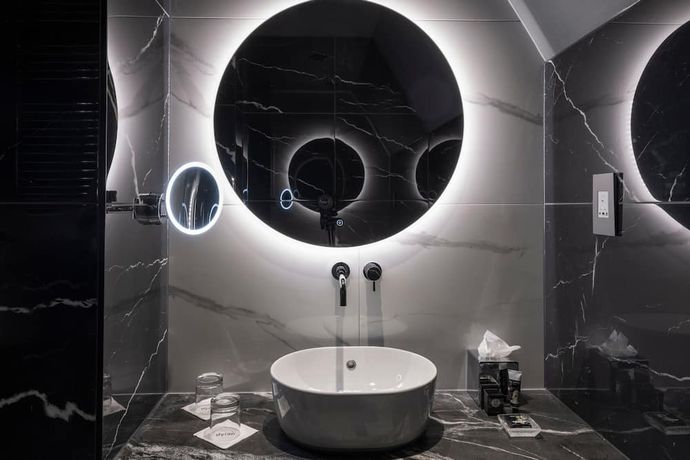
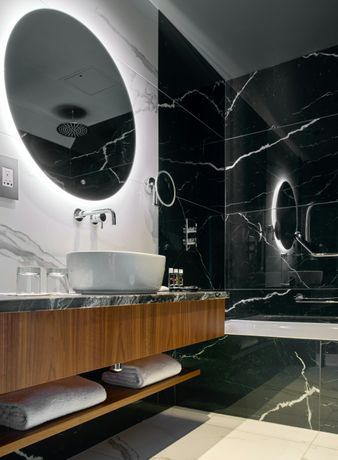
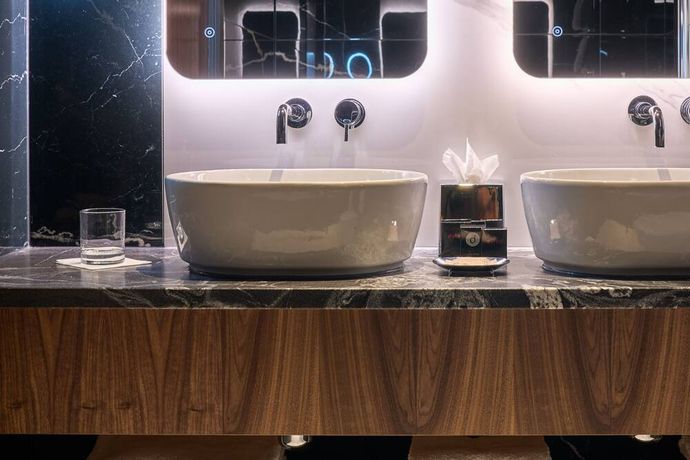
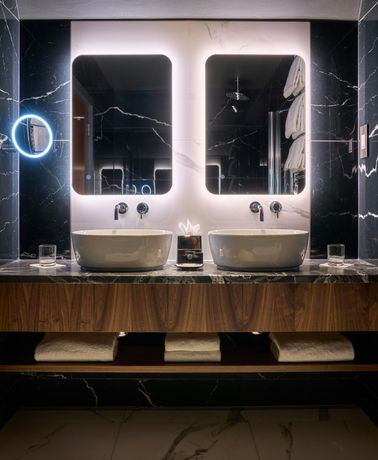
Bathrooms attract particularly mixed reactions. Cleanliness scores remain strong overall, but recurring comments mention weak lighting, limited shelf space, and less practicality than expected at this price level.
The Real Sweet Spot: Deluxe and Premium Rooms
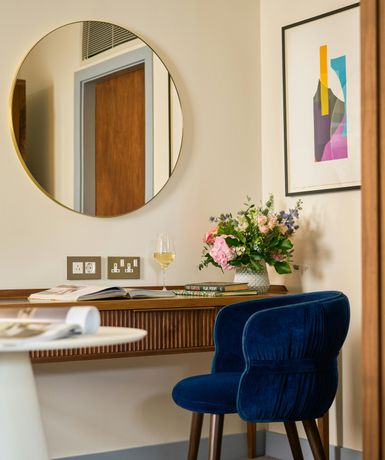
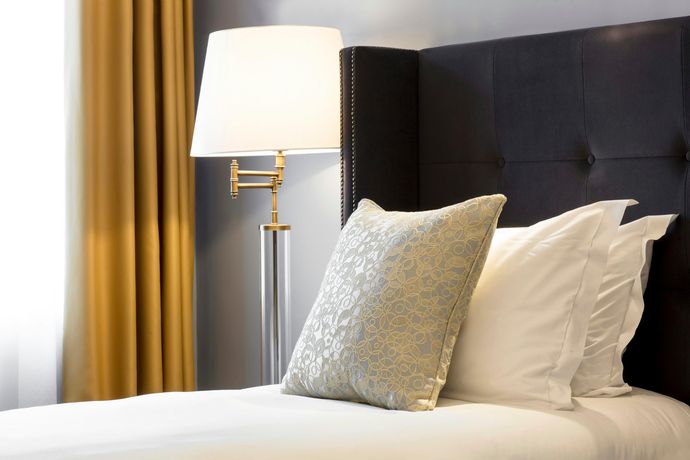
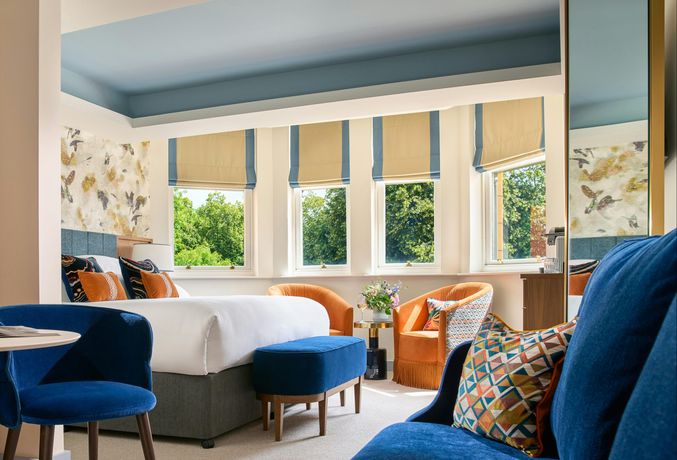
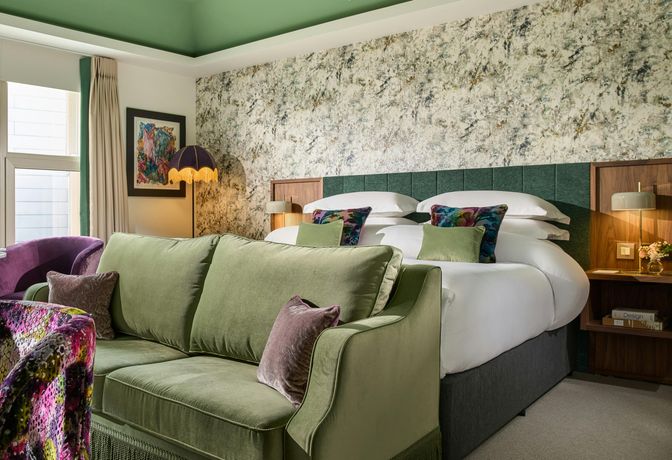
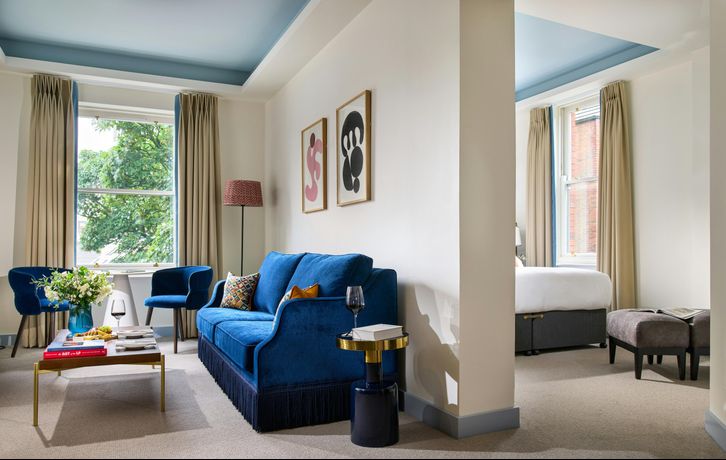
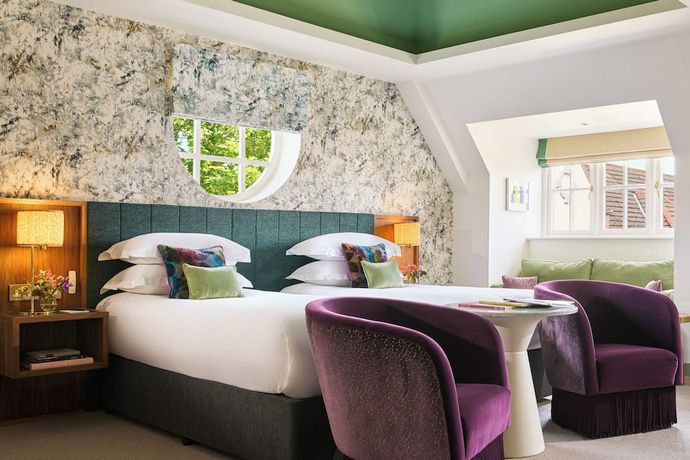
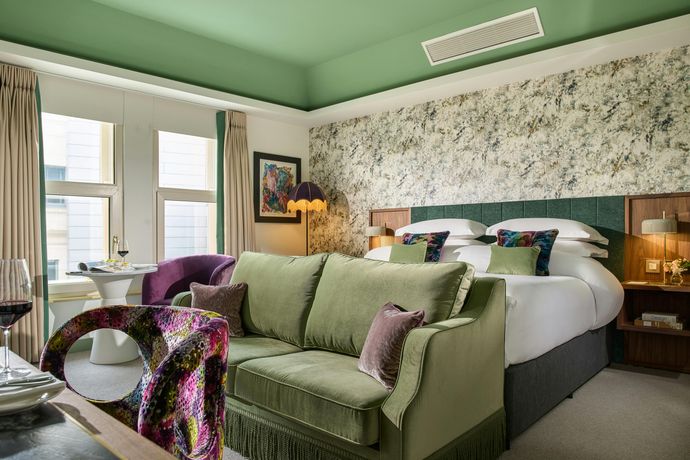
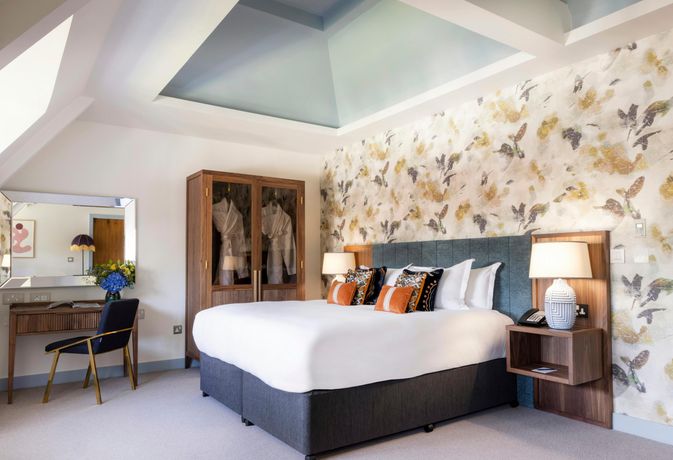
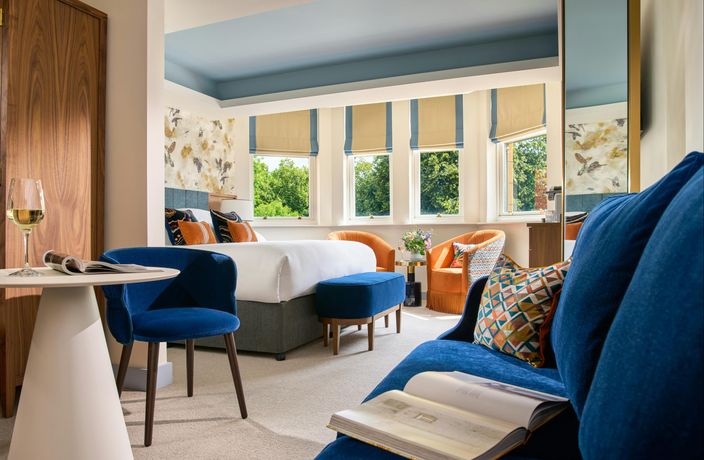
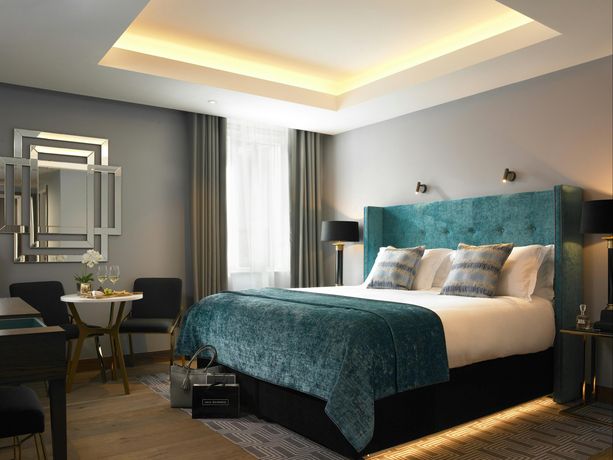
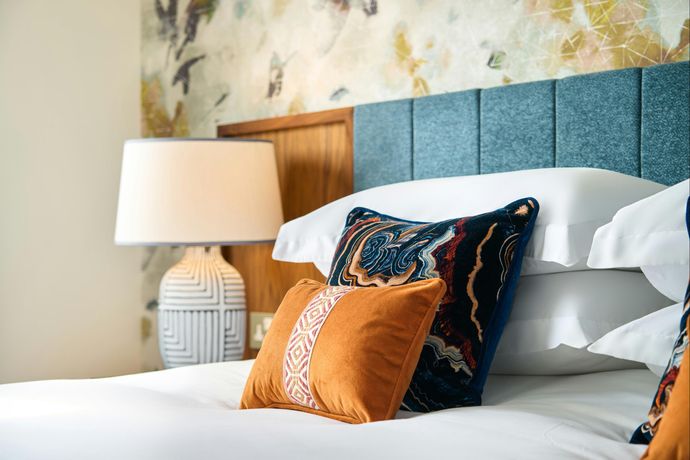
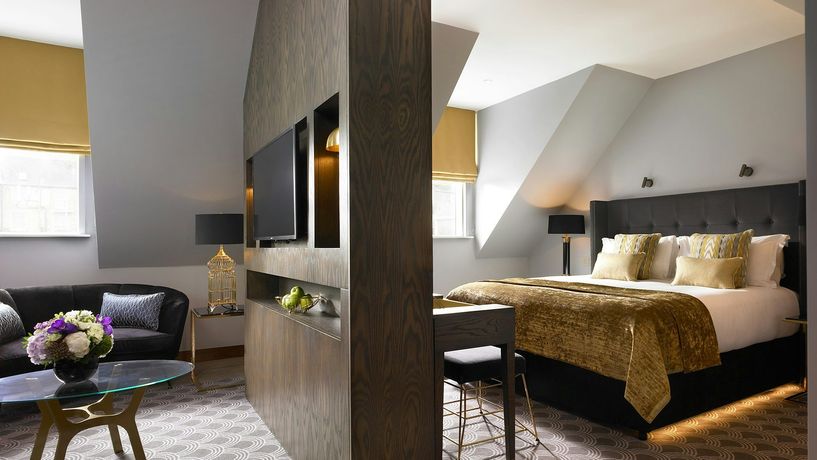
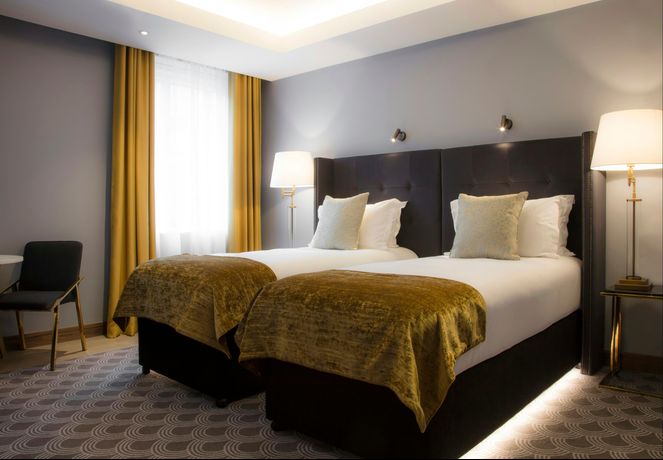
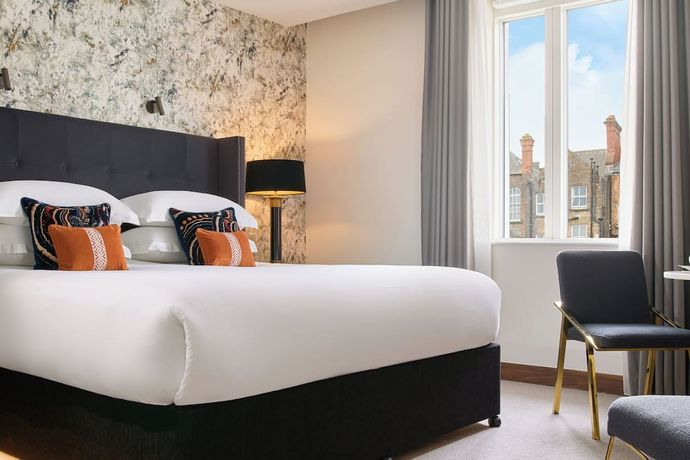
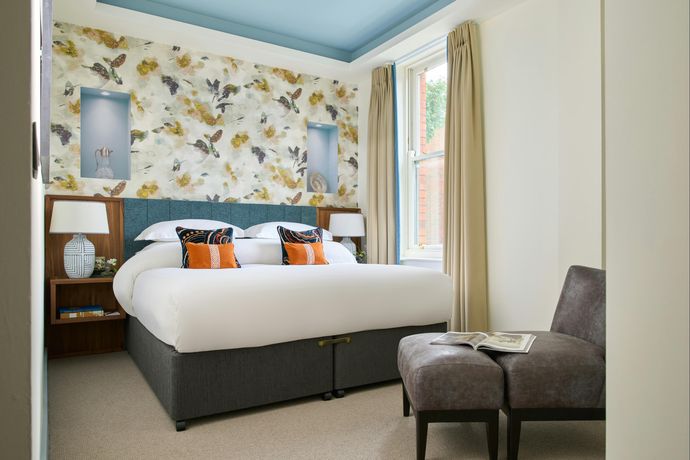
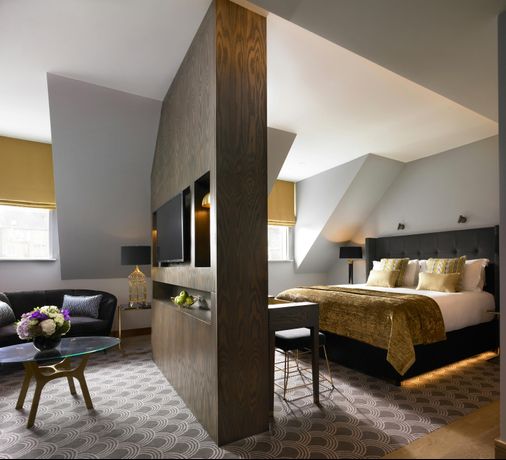
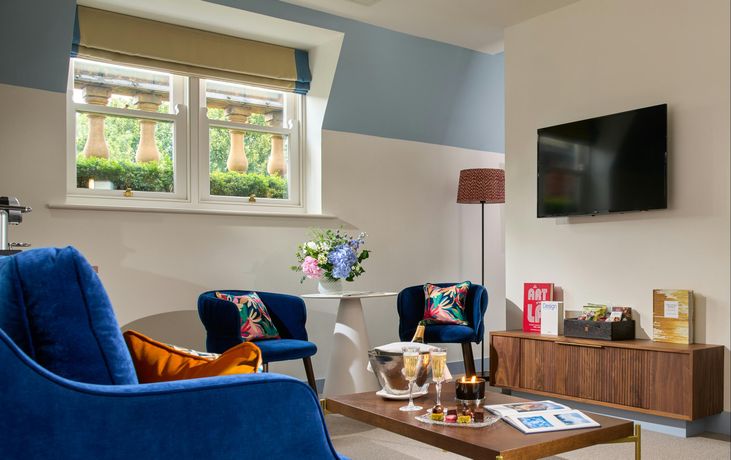
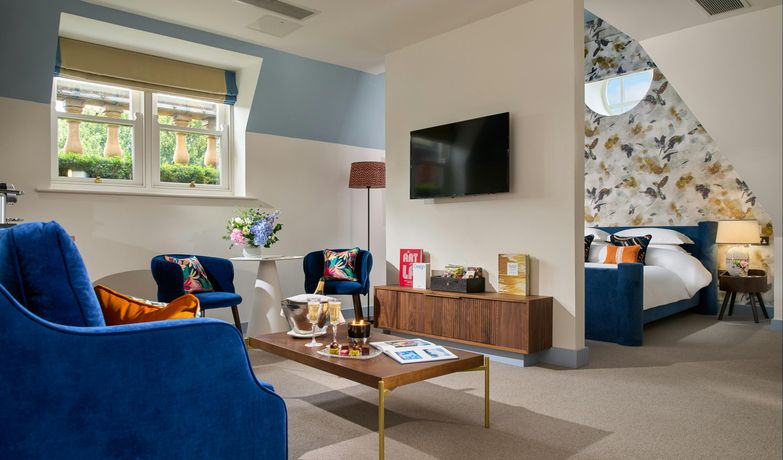
The Premium King emerges as the smartest category in the hotel. The room type consistently sits in the middle of Dylan’s pricing ladder. But the improvement in comfort and livability appears more substantial than the rate jump initially suggests.
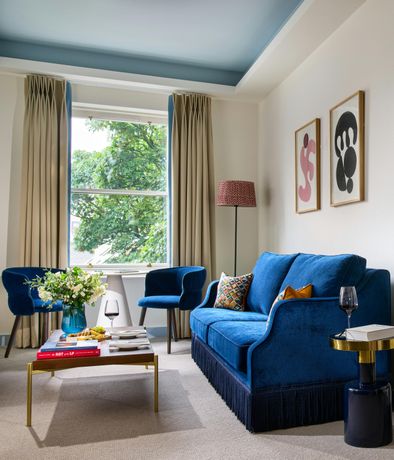
This is where the hotel starts feeling more relaxed and complete. Seating areas seem more usable, layouts breathe more naturally, and the stay feels less dependent on perfect weather or constant time outside the property.
Suites and Whether They Justify the Upgrade
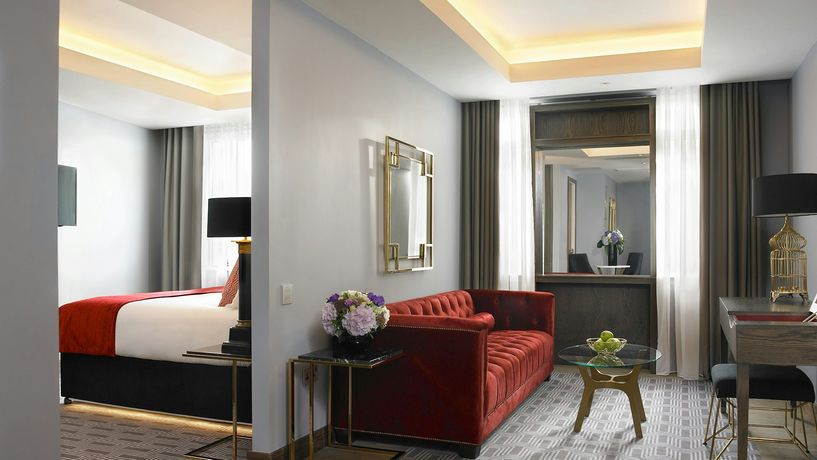
Interestingly, Dylan surprisingly keeps its suite pricing more restrained than many comparable luxury hotels during peak periods. During compressed September weekends, the gap between entry rooms, Premium Kings, and Experience Suites remains relatively controlled.
That makes the suites proportionally stronger value during expensive weekends than standard rooms.
Guests booking special occasions, anniversaries, or longer Dublin stays may find the suite categories easier to justify than inflated entry-level pricing.
Location, Neighborhood Feel, and Airport Practicality
Dylan’s location is one of its biggest emotional strengths.
The hotel sits in a quieter Victorian residential area near Baggot Street and the Aviva Stadium, giving guests a calmer version of Dublin than many centrally positioned hotels offer. The area feels affluent, walkable, and noticeably less chaotic than the city’s busiest tourist districts.
For travelers wanting nightlife directly outside the front door, this may feel subdued. For travelers wanting better sleep and a more residential atmosphere, it works very well.
Most guests will rely on taxis or ride services for airport transfers, especially with luggage. During some promotional periods, airport-transfer inclusions meaningfully improve value because they reduce friction.
Valet parking costs approximately €25 per 24-hour period, which is reasonable by Dublin luxury standards but still contributes to overall stay cost.
Who Will Love This Location
- Couples
- Repeat Dublin visitors
- Travelers wanting quieter evenings
- Guests prioritizing atmosphere over tourist centrality
Who May Find It Inconvenient
- Travelers wanting immediate city-center intensity
- Guests relying heavily on public transport
- Ultra-short business stays
- Travelers wanting airport convenience
Food, Breakfast, and the Social Identity of the Hotel
Food and beverage are central to the Dylan experience.
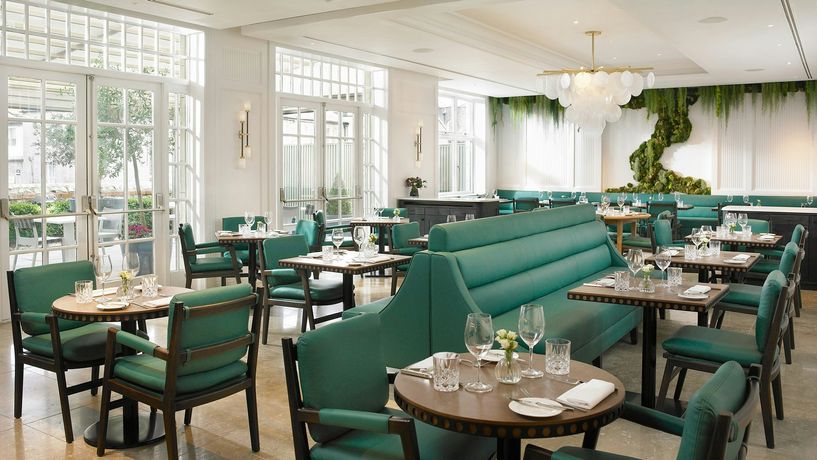
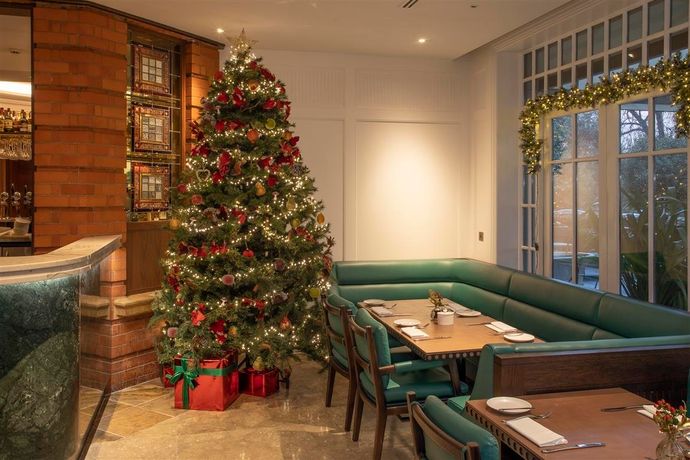
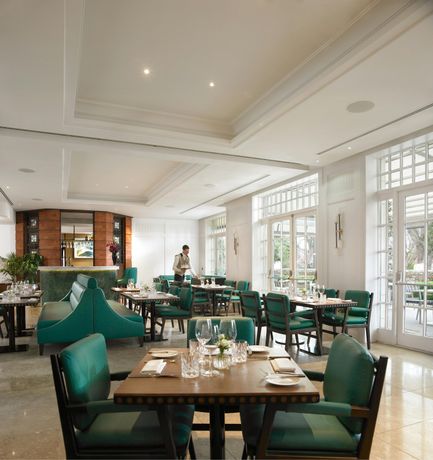
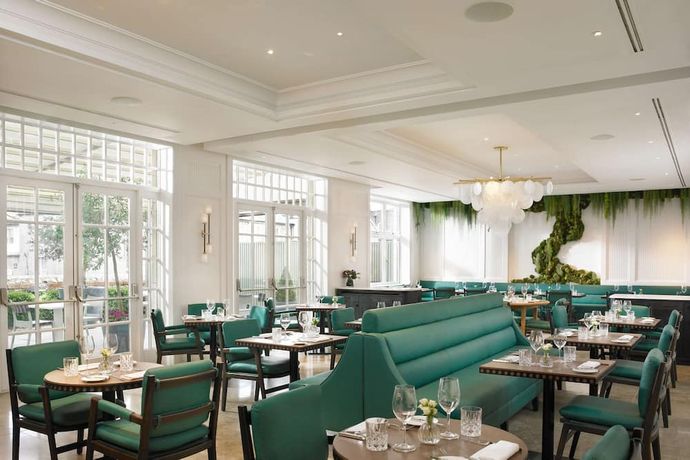
The Eddison, Dylan Bar, Ruby Room, and Nurserie Terrace are not simply supporting amenities. They shape how the hotel feels emotionally. Guests who engage with these spaces often report much stronger satisfaction with the stay overall.
The hotel becomes noticeably more appealing in the evening, when the bar fills out and the terrace spaces soften the hotel’s smaller physical footprint. The property feels livelier and more convincing socially at night than during early-morning breakfast hours.
Afternoon tea also plays a surprisingly important role in the hotel’s positioning. Dylan actively markets it as part of the property identity, and the experience aligns naturally with the hotel’s quieter, residential luxury style.
Breakfast Can Feel Uneven at Busy Times
Breakfast generates the most recurring criticism across otherwise positive stays. The issue is rarely the food itself. Guests often praise the ingredients, presentation, and overall quality once dishes arrive.
The frustration appears during busier periods, when pacing slows, coordination weakens, and service becomes less responsive. Some guests describe excellent breakfasts, others mention delays and uneven execution, suggesting the experience depends heavily on timing and staffing flow.
Why the Bar and Terrace Matter More Than Expected
The Dylan Bar and terrace spaces contribute heavily to the property’s appeal.
This is not a hotel where guests simply sleep and leave. The social spaces soften some of the limitations elsewhere in the experience. The hotel feels more complete once guests settle into the bar, cocktails, terrace seating, or evening dining rhythm.
Travelers who never engage with these spaces may struggle more to understand the hotel’s premium positioning.
Service Quality, Staffing Pressure, and Operational Consistency
The strongest service moments at Dylan feel genuinely warm.
Guests repeatedly describe friendly welcomes, attentive staff, helpful concierge interaction,
and a more personal tone than many larger luxury hotels provide.
The hotel’s smaller scale clearly helps here. Staff recognition feels easier, and positive interactions often feel human instead of procedural.
However, several mixed and negative reviews describe delayed responses, weak follow-up,
inconsistent recovery after complaints, or coordination issues between departments.
The experience appears especially vulnerable during high occupancy, busy breakfast periods, and compressed leisure weekends.
Pricing, Fees, and Whether the Value Holds Up
Dylan’s pricing strategy is one of the most interesting parts of the hotel.
The property strongly protects its rates, even during softer periods. Dylan protects its pricing surprisingly firmly for a 72-room boutique hotel and more like a carefully positioned emotional-luxury product.
That works best in October and February and least convincingly during heavily compressed September weekends.
Seasonal Pricing Intelligence
| Demand Period | Luxury Double | Deluxe King | Premium King | Experience Suite | Interpretation |
|---|---|---|---|---|---|
| February Weekday (Low Season) | ~$387 | ~$450 | ~$595 | ~$815 | Best overall value window |
| July Weekday (Peak Summer) | ~$501 | ~$531 | ~$779 | ~$877 | Moderate summer escalation |
| October Weekday (Shoulder) | ~$572 | ~$638 | ~$772 | ~$882 | Most balanced pricing structure |
| September Weekend (Compression) | ~$947 | ~$1,013 | ~$1,123 | ~$1,233 | Standard rooms inflate strongly |
All pricing above was collected in mid-May 2026 for specific researched stay dates and room categories. Rates should be treated as indicative only. Dublin hotel pricing can change rapidly depending on occupancy, major events, seasonality, booking window, and inventory availability.
What the Pricing Actually Reveals
October may be the smartest overall booking period for Dylan. Rates remain elevated, but not irrationally so, and the city atmosphere still suits the hotel’s quieter luxury identity very well.
February also offers excellent value for travelers comfortable with winter weather. The boutique atmosphere remains largely intact, but the pricing softens materially. September weekends are the most difficult value proposition.
Curiously, Dylan’s suites become proportionally more rational during these expensive weekends because the hotel does not inflate suite pricing as actively as entry categories.
The Smartest Booking Strategy
- Book shoulder-season weekdays if possible.
- Skip entry rooms during compressed weekends.
- Premium King offers the best balance overall.
- Direct packages with breakfast or transfers can improve value materially.
- Suites become smarter relative value during peak weekends.
Fees, Parking, and Extra-Cost Friction
Additional costs can accumulate quickly:
- valet parking
- breakfast premiums
- pet fees
- late checkout charges
- upgraded cancellation flexibility
Breakfast-inclusive pricing often improves the emotional value equation more than room-only rates suggest initially.
What Guest Feedback Consistently Reveals
The guest-feedback pattern around Dylan is unusually polarized for a hotel with strong overall scores.
Booking.com’s 8.8 rating and Tripadvisor’s 4.5 score confirm that most guests leave satisfied. But the emotional spread between strong positive and strong negative reviews is wider than average.
That usually happens when the atmosphere succeeds strongly for some travelers and expectation mismatch hits others hard.
What Guests Repeatedly Love
Guests consistently praise:
- warm staff
- cleanliness
- stylish design
- boutique intimacy
- comfortable beds
- quieter location
- personality
What Guests Repeatedly Criticize
The recurring complaints are more specific:
- breakfast inconsistency
- small rooms
- bathroom practicality
- noise in some room locations
- luxury pricing can feel uneven
Most criticism intensifies during expensive periods.
Final Verdict
Dylan Hotel Dublin succeeds because it feels personal. In modern luxury hospitality it is surprisingly difficult to achieve convincingly. The hotel has warmth, personality, and a quieter emotional rhythm than many larger Dublin luxury properties.
Dylan works best once you stop expecting it to behave like Dublin’s larger luxury institutions. What it offers instead is quieter, more personal, and occasionally more memorable.Travelers who arrive with that mindset are the ones most likely to understand why the hotel has earned such loyal supporters despite its specifics.
Frequently Asked Questions
Is Dylan Hotel Dublin really a five-star hotel?
Yes, though the experience is much closer to boutique lifestyle luxury than large-scale institutional luxury.
Which rooms are worth booking?
Premium King rooms offer the strongest balance of comfort, atmosphere, and value.
Is the hotel quiet at night?
Usually, yes, but room allocation matters. Some lower-floor rooms appear more vulnerable to noise.
Does the hotel have a spa or pool?
No on-site spa or pool. Nearby facilities and in-room treatments can be arranged.
Is breakfast worth paying for?
Usually yes, though execution consistency varies more than expected at this level.
Is Dylan Hotel good for business travelers?
Good for short upscale business stays, less ideal for infrastructure-heavy corporate travel.
Is the location convenient for first-time Dublin visitors?
Yes, particularly for travelers who prefer quieter surroundings over immediate tourist intensity.
Is the hotel pet-friendly?
Yes. Limited pet-friendly rooms are available with restrictions and additional fees.
When is the best time to stay for value?
October weekdays and February low season currently offer the strongest overall value balance.