


Fontainebleau Miami Beach blends landmark architecture with one of Florida's largest resort campuses, but room choice and expectations shape the stay.
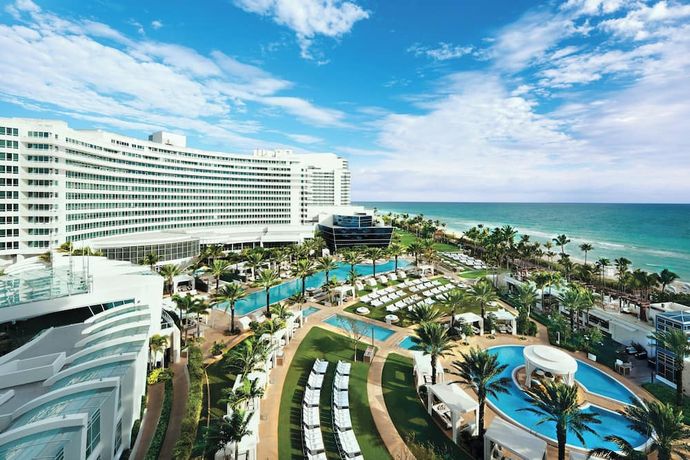
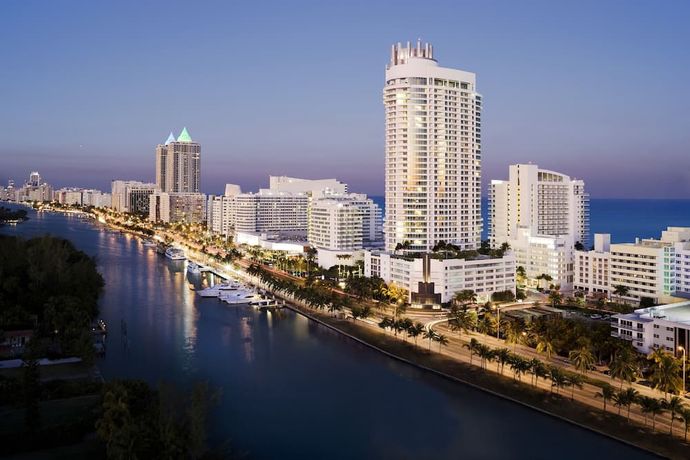
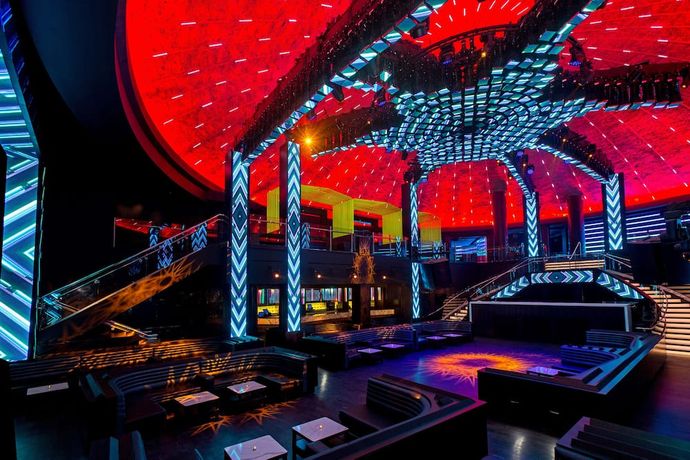
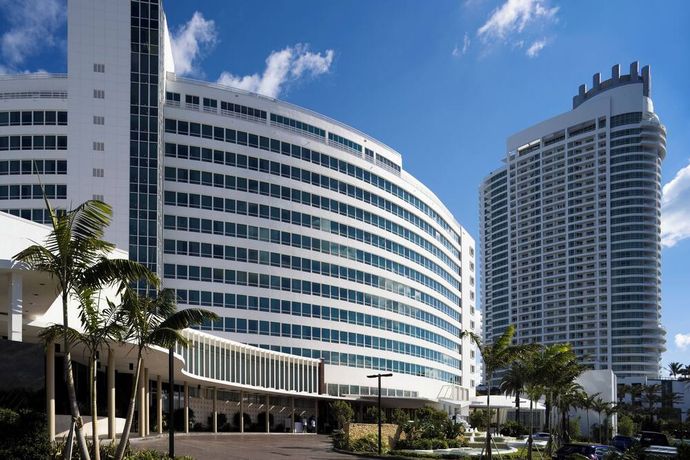
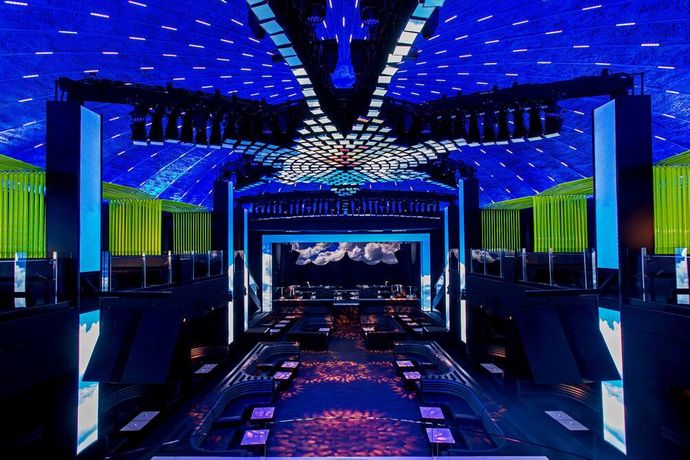
Fontainebleau Miami Beach has occupied a defining place in American resort history since opening in 1954. Its sweeping curved façade became one of the best-known examples of Miami Modern architecture, helping shape the city's post-war identity. More than seventy years later, the property remains one of Miami Beach's largest and most recognizable resorts. It combines more than 1,500 guestrooms and suites with an expansive pool complex, award-recognized dining, a renowned spa, nightlife, conference facilities, and direct beach access.
Few resorts in Florida offer a broader collection of amenities within a single property. Guests can spend several days moving between pools, restaurants, the beach, wellness facilities, and evening entertainment without ever leaving the grounds. That breadth is Fontainebleau's defining advantage and the primary reason many travelers continue to choose it over newer luxury competitors.
Large size also shapes the guest experience in less obvious ways. Personalized service becomes harder to deliver consistently, public spaces remain busy throughout much of the year, and operational bottlenecks emerge during peak periods. Guest feedback collected across multiple platforms points to recurring concerns over elevators, room variation, and value for money, even as many visitors praise the location, facilities, and overall property atmosphere.
The question, then, is not whether Fontainebleau deserves its iconic reputation. It does. More useful is to know whether the strengths of a destination-scale resort outweigh the compromises that inevitably accompany a property of this size. For travelers seeking a complete Miami Beach resort with abundant dining, leisure, and entertainment, the answer is often yes. Those looking for quiet, highly personalized luxury may find a better match elsewhere.
At A Glance
| Attribute | Details |
|---|---|
| Hotel | Fontainebleau Miami Beach |
| Location | Mid-Beach, Collins Avenue, Miami Beach |
| Official Category | Five-star resort |
| Best Understood As | Historic luxury mega-property rather than an intimate premium hotel |
| Building | Morris Lapidus-designed MiMo landmark opened in 1954 |
| Rooms | More than 1,500 guestrooms and suites across multiple towers |
| Strongest Feature | One of Miami Beach's broadest collections of pools, restaurants, wellness, and entertainment |
| Main Limitation | Large-scale operations create uneven service and occasional operational friction |
| Best For | Families, groups, longer leisure stays, celebrations, architecture enthusiasts |
| Less Suitable For | Boutique luxury seekers, travelers prioritizing personalized service or quiet surroundings |
| Dining | Multiple restaurants, bars, private dining, and award-recognized wine programs |
| Wellness | Lapis Spa, fitness center, Pilates studio, salon |
| Pools | Eleven pools with adult and family areas plus direct beach access |
| Pet Policy | Pets up to 50 lbs permitted; non-refundable cleaning fee applies |
| Airport Access | Approximately 20–30 minutes from Miami International Airport by car, depending on traffic |
| Verdict | One of America's landmark destination resorts whose greatest strengths lie in its size rather than flawless luxury execution. |
Location
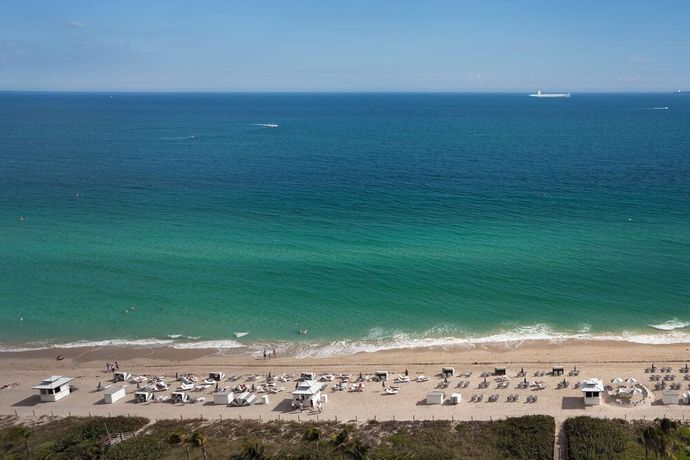
Fontainebleau occupies a long stretch of Collins Avenue in Miami Beach's Mid-Beach district, placing it between the crowds of South Beach and the quieter residential areas farther north. The location offers immediate beachfront access while avoiding much of the constant pedestrian traffic found around Ocean Drive.
Miami International Airport is located about 11-12 miles (18-19 km) and can be reached by taxi or rideshare, making the hotel practical for both domestic and international arrivals. Most visitors will find a private vehicle more convenient than public transport, particularly when traveling with luggage or families.
South Beach remains close enough for dinner, shopping, or nightlife, generally around ten minutes away by car, yet the complex feels intentionally self-contained. Guests choosing Fontainebleau are rarely booking it as a base for exploring Miami on foot. They are booking a property where the beach, restaurants, pools, bars, spa, and evening entertainment become part of the destination itself.
Travelers who expect to spend most of the day exploring neighborhoods may derive less value from the property's extensive facilities. Families planning pool days, couples celebrating a special occasion, or guests attending conferences are far more likely to benefit from its Mid-Beach setting.
A Historic Landmark That Continues To Define Miami Beach
Architecture remains one of Fontainebleau's strongest competitive advantages.
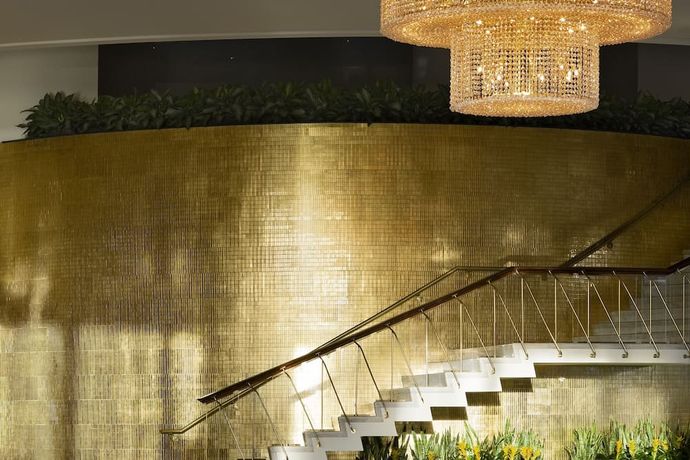
Dramatic arrival sequence, monumental staircase, and flowing public spaces became defining characteristics of Miami Modern architecture and helped establish Fontainebleau as one of the city's enduring landmarks. Today, the property is listed on the National Register of Historic Places, giving it architectural significance that extends well beyond hospitality.
Subsequent renovations transformed the hotel into a far larger operation without erasing its historic identity. The result is a venue that balances heritage with modern commercial scale rather than attempting to recreate a nostalgic luxury hotel.
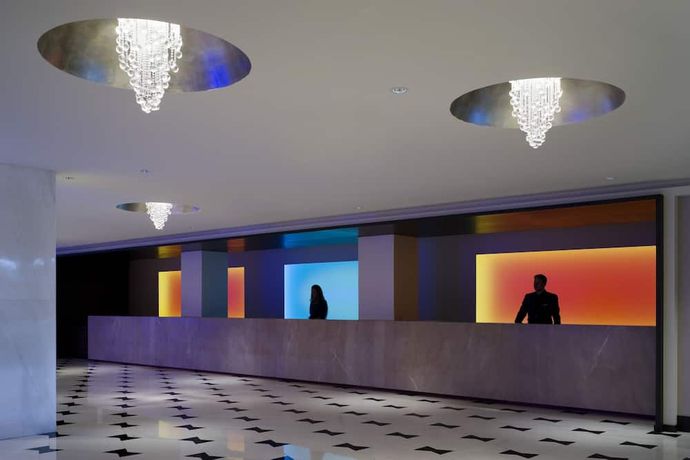
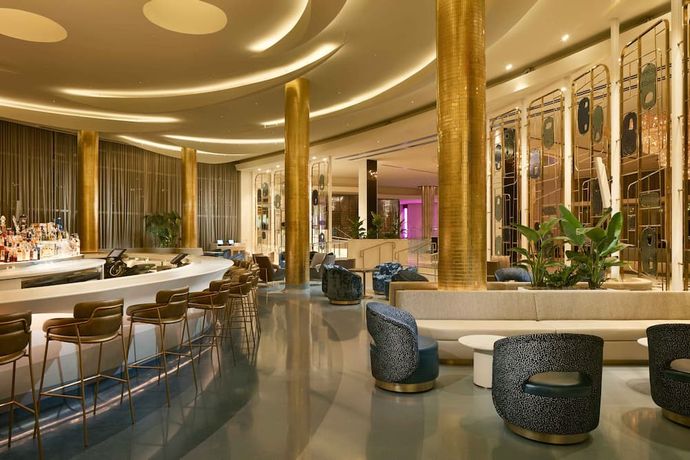
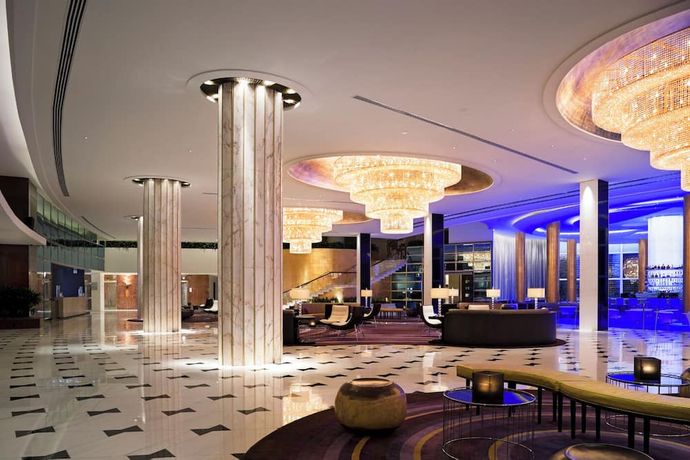
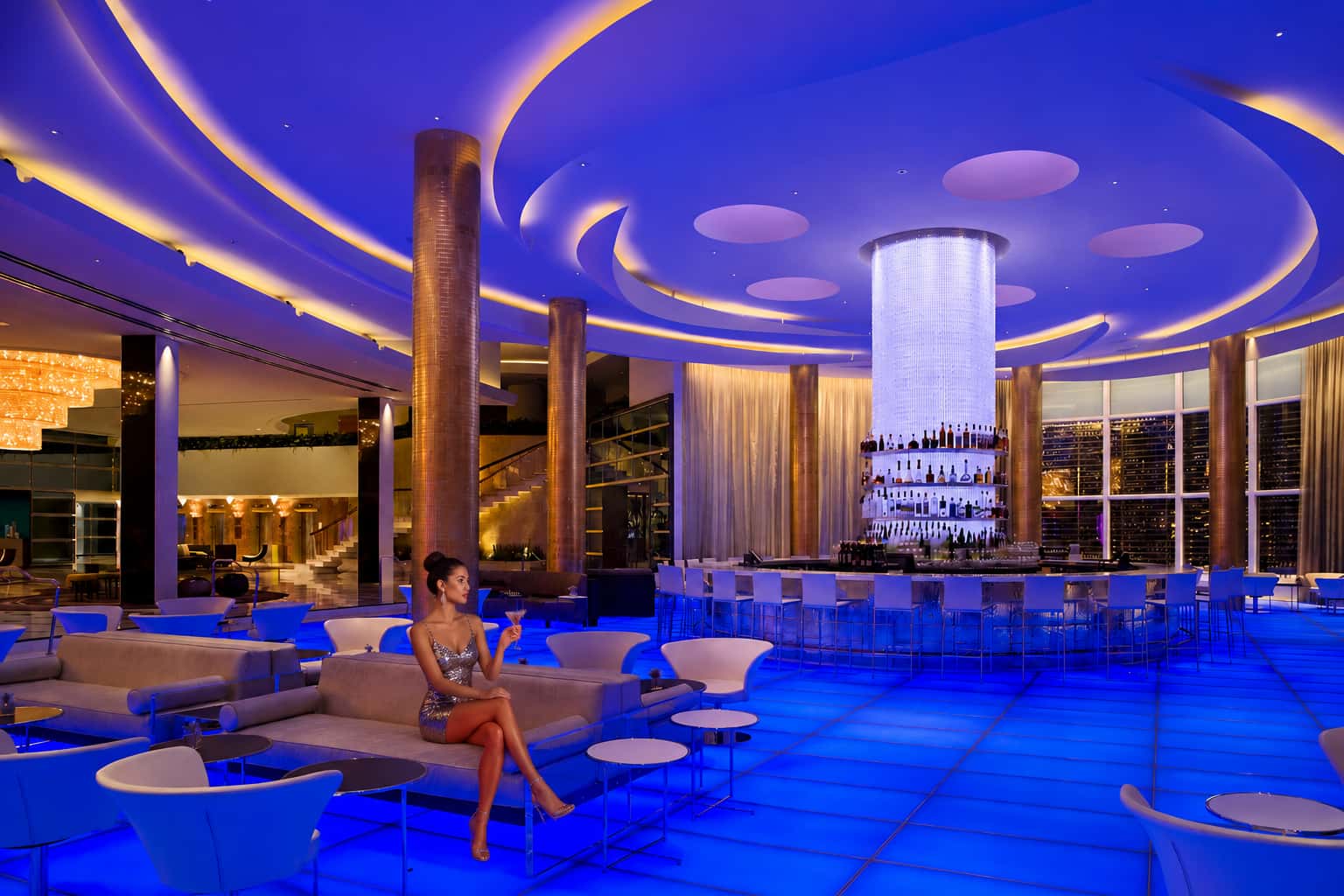
The lobby immediately communicates those ambitions. Expect white marble flooring, gold detailing, sculptural lighting, and contemporary artwork. Guests arrive in a space designed to impress hundreds of people simultaneously, reflecting the property's convention, leisure, and entertainment roles as much as its hospitality function.
Independent recognition broadly supports Fontainebleau's continuing relevance without overstating its standing.
- Forbes Travel Guide continues to recommend the property.
- Several restaurants have received Wine Spectator's Best of Award of Excellence for their wine programs.
- The hotel has maintained visibility through World Travel Awards and reader-voted travel rankings.
Those recognitions reinforce its importance as a destination resort, though they should not be interpreted as evidence of consistently superior room quality or service.
Perhaps the biggest misconception surrounding Fontainebleau comes from its reputation. Many travelers expect one of Miami's most famous hotels to deliver boutique-level refinement simply because of its history and price point. Fontainebleau was never designed to compete on intimacy. Its appeal has always rested on scale, spectacle, and the ability to offer nearly every component of a luxury holiday within one address.
Room Choice
Selecting the right room category has a greater impact on satisfaction here than at many competing luxury resorts.
Entry-Level Rooms
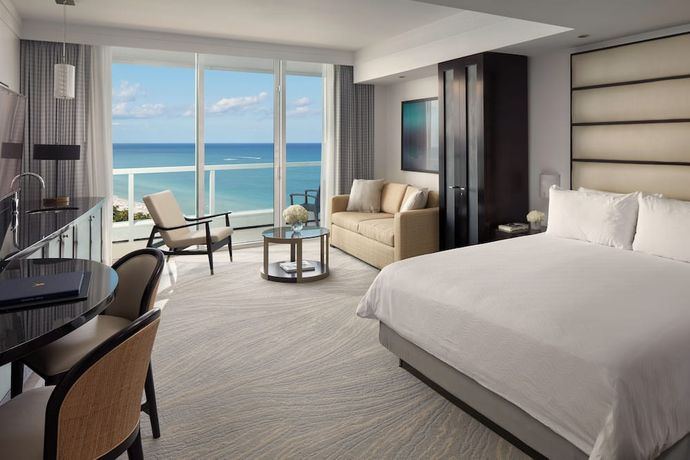
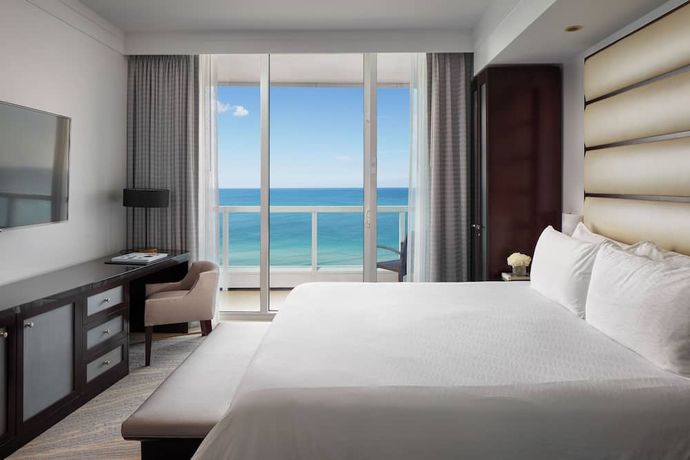
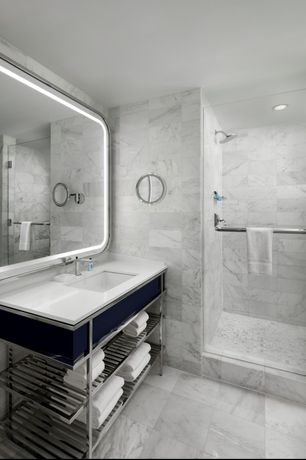
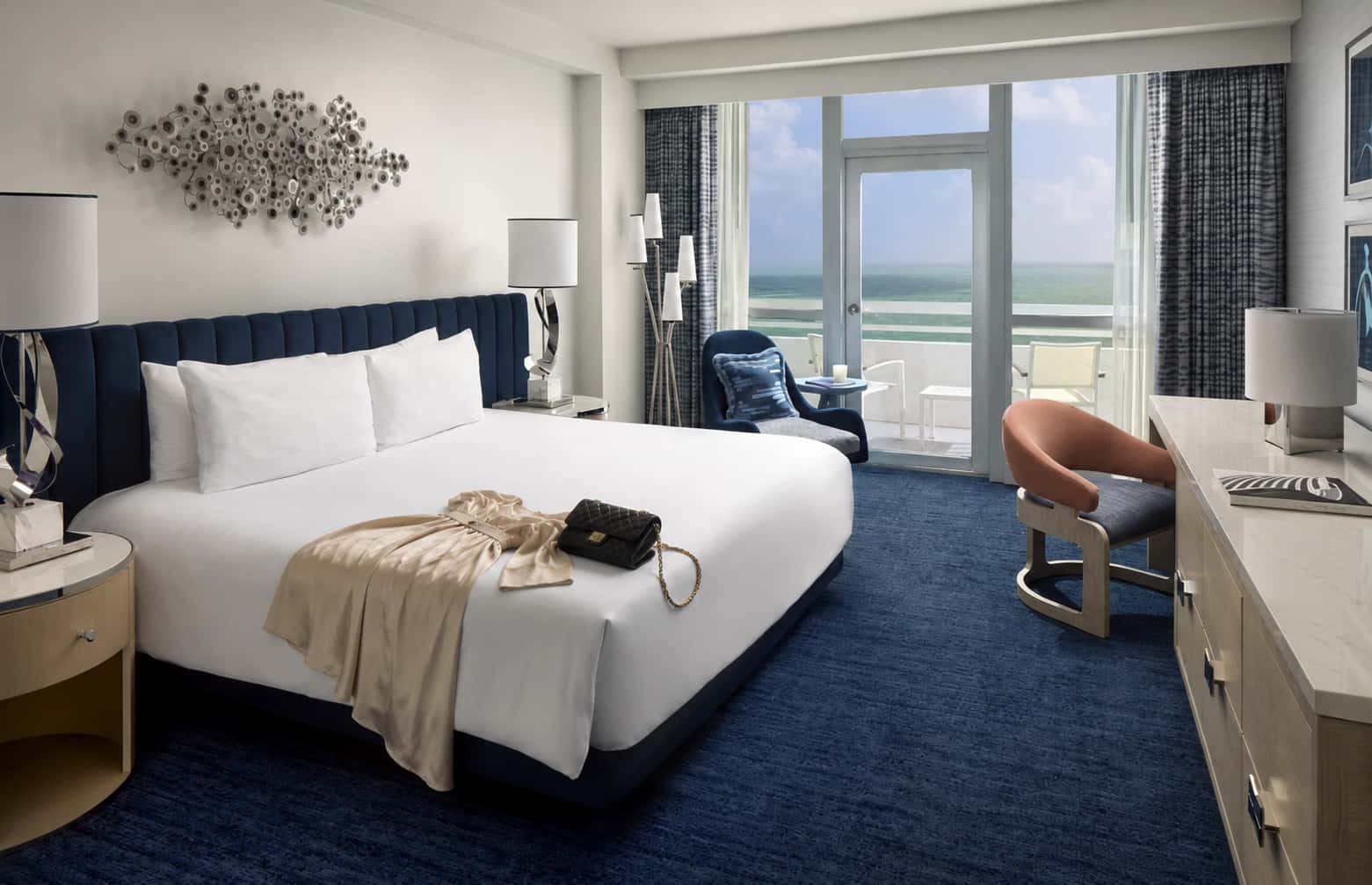
Entry-level accommodation provides access to the address, amenities, and beach rather than delivering an especially distinctive room product. Standard guestrooms, including the Deluxe Bay View Room (approximately 300 sq ft / 28 m²) and the Ocean View Room (around 320 sq ft / 30 m²), prioritize functionality, with the property's strongest design expression remaining in its public spaces.
Travelers considering these categories should view the room primarily as a comfortable base between pool sessions, dining reservations, and time on the beach. Travelers expecting guestrooms to become a central part of the stay may find stronger room design at competitors such as Faena or Four Seasons Hotel at The Surf Club.
Upgraded Accommodation Examples
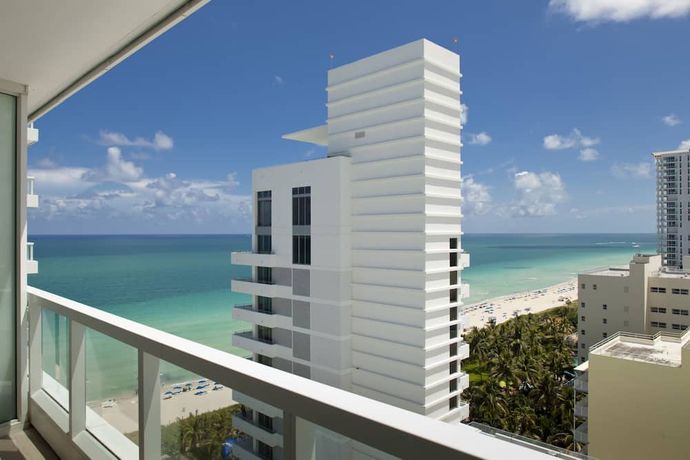
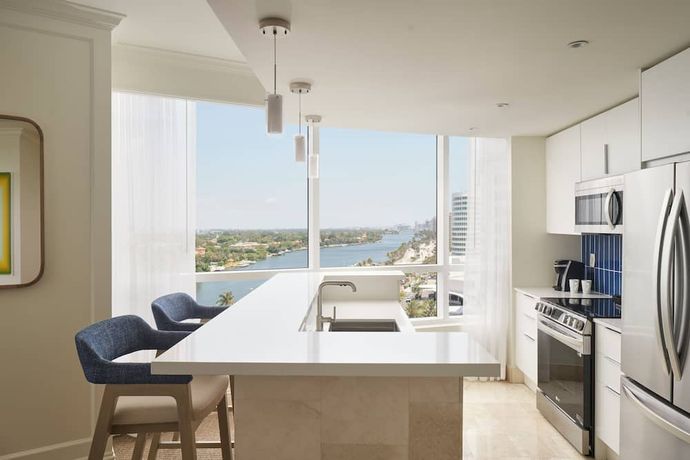
- Ocean View rooms represent one of the clearest upgrades within the hierarchy. Higher floors introduce substantially better Atlantic views and stronger natural light without fundamentally altering the layout. During our pricing research, this upgrade often carried only a modest premium over entry-level rooms, making it one of the strongest value propositions in the hotel.
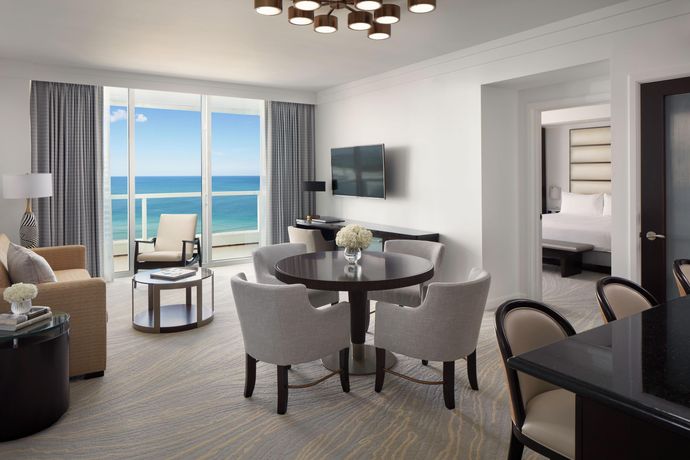
- Junior Suites expand to approximately 552–636 sq ft (51–59 m²), marking the first meaningful increase in living space. Separate seating areas make them considerably more comfortable for longer stays, families, or guests spending more time in the room between activities.
- The Trésor One-Bedroom Bay View Suite, at roughly 950–1,000 sq ft (88–93 m²), introduces a separate living room and bedroom, making it a far stronger choice for extended stays, entertaining, or travelers balancing leisure with occasional work.
Above these sit larger specialty and presidential suites, designed primarily for celebrations, premium leisure travel, and high-end group bookings. Their appeal depends more on the purpose of the trip than on straightforward value for money.
Multiple guest reports over an extended period identify recurring elevator delays in the Trésor tower, particularly during busy occupancy periods. Although experiences naturally vary, requesting a room in another tower when making the reservation appears a sensible precaution, especially for families with young children or guests with mobility concerns.
Viewed as a whole, Fontainebleau's accommodation hierarchy rewards thoughtful upgrading. Paying slightly more for an Ocean View room or moving into a Junior Suite often delivers a more noticeable improvement than paying peak-season rates for the lowest room category alone.
One Of Miami's Most Complete Resort Ecosystems
Pools And Beach
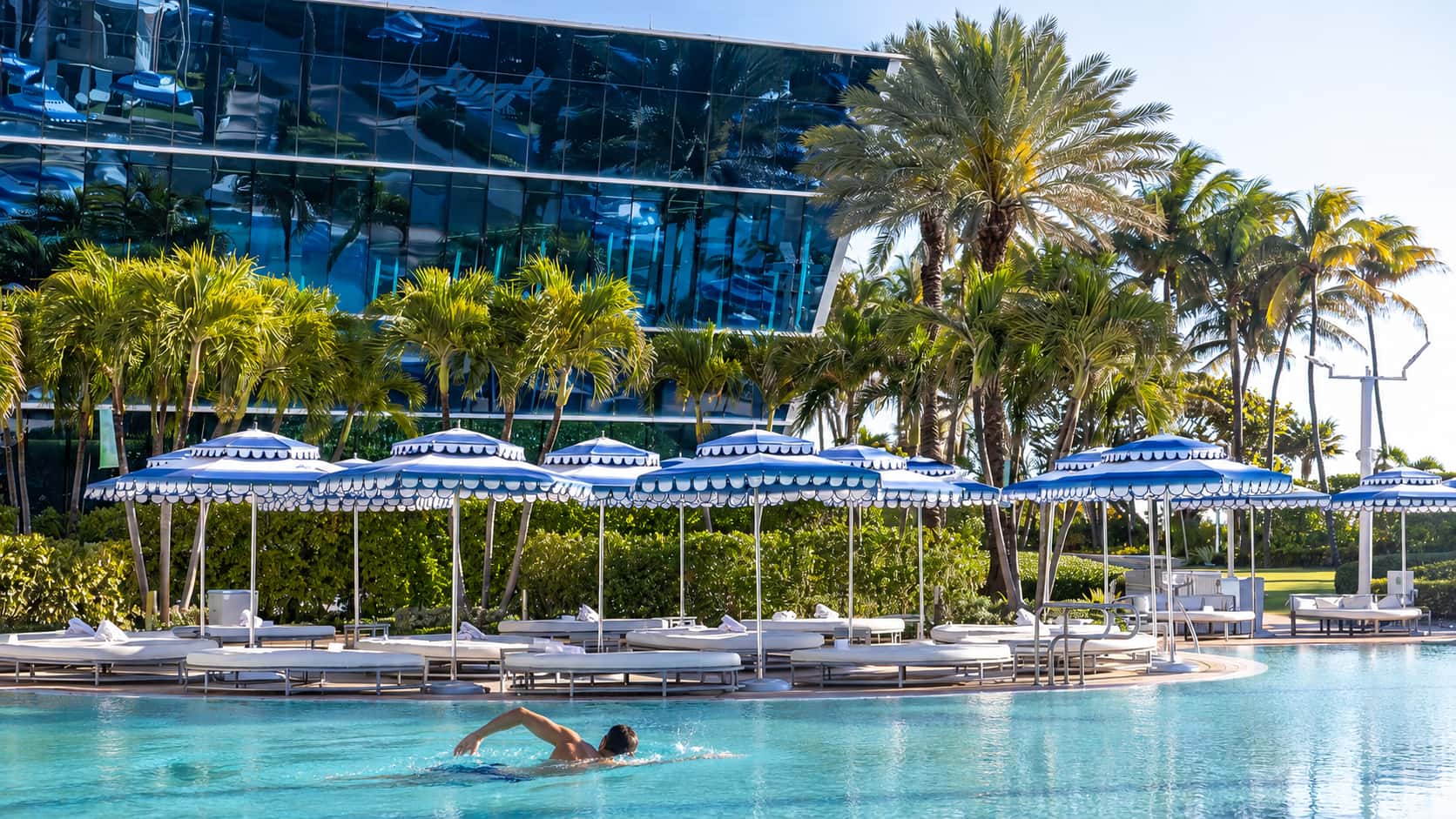
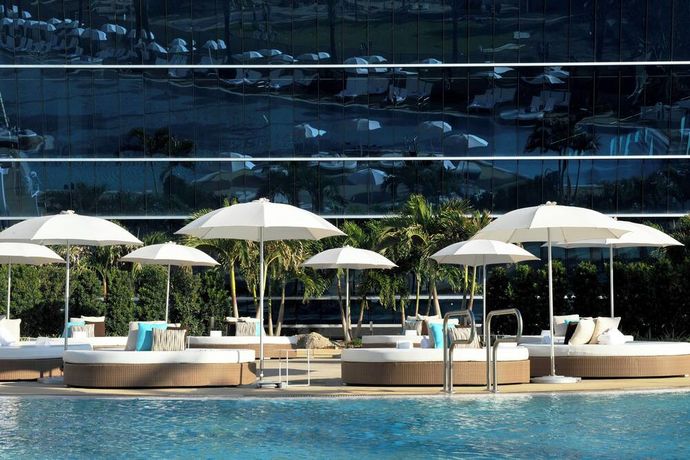
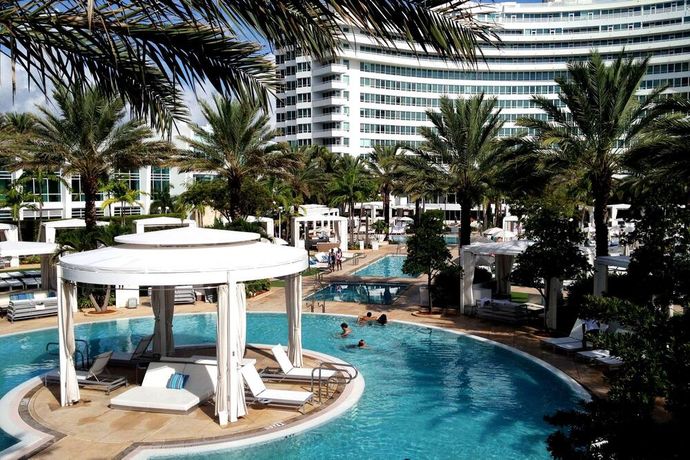
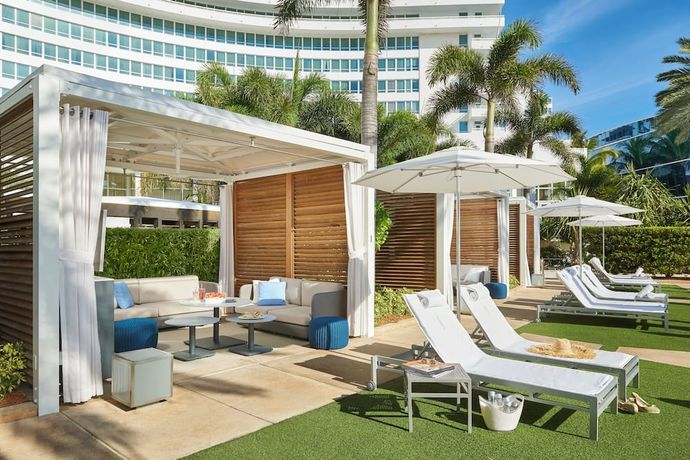
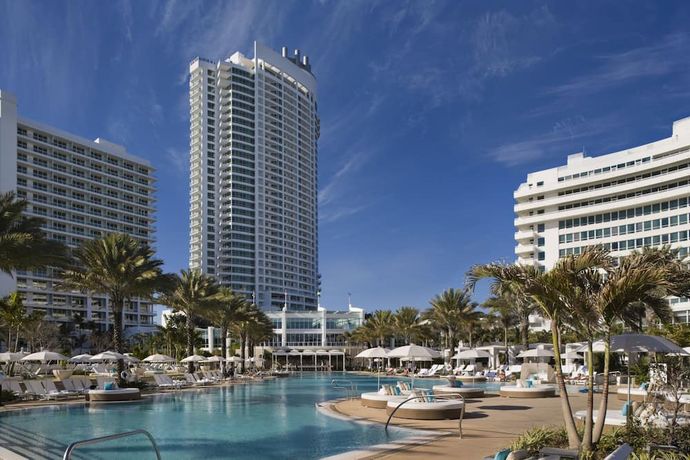
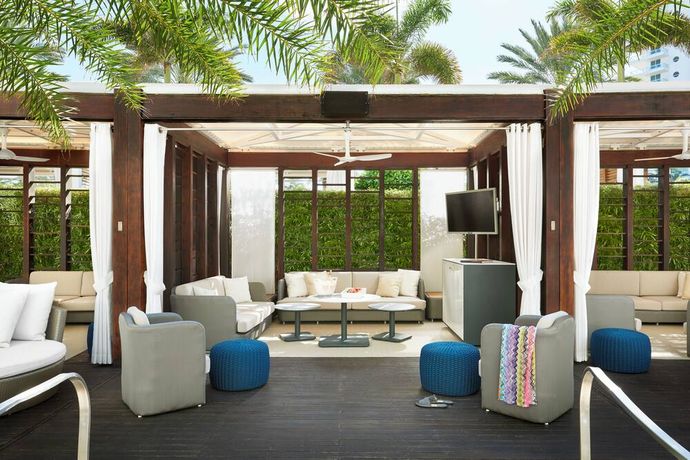
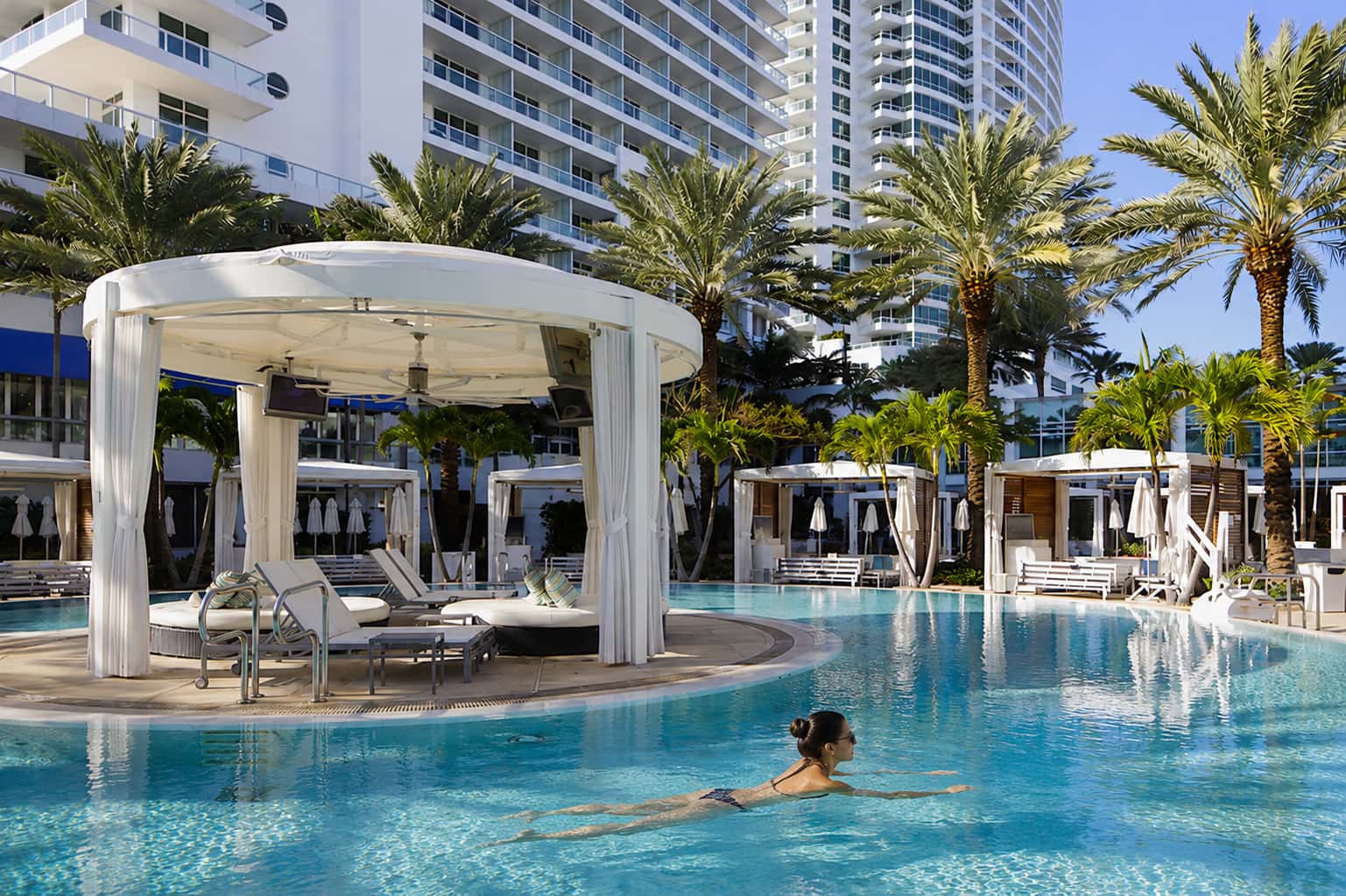
Fontainebleau's eleven pools create distinct environments instead of repeating the same design. The signature bowtie-shaped pool remains the visual centerpiece, while quieter pools serve guests seeking a slower pace. Arcadia Day Club introduces adults-only programming with DJs on selected weekends. Younger travelers benefit from a dedicated children's pool with a waterslide. Direct beach access completes a leisure offering that encourages guests to alternate between different parts of the complex throughout the day.
Families can easily divide several days between different pools without repeating the same routine, something few Miami Beach resorts can offer.
Dining
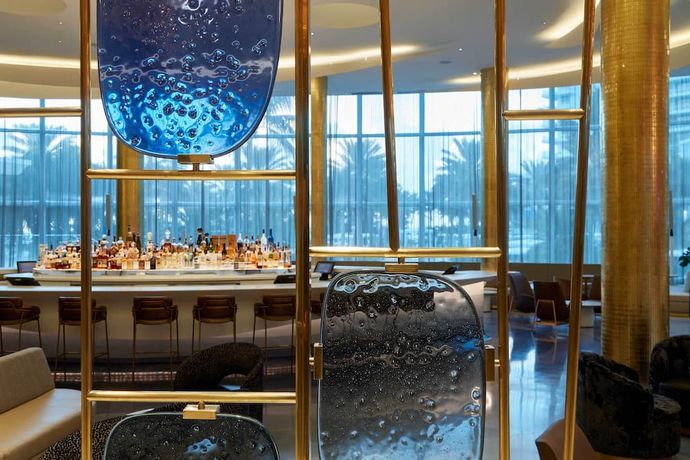
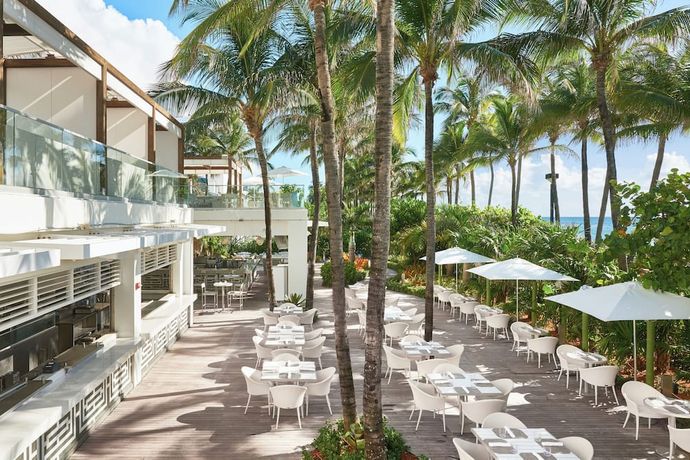
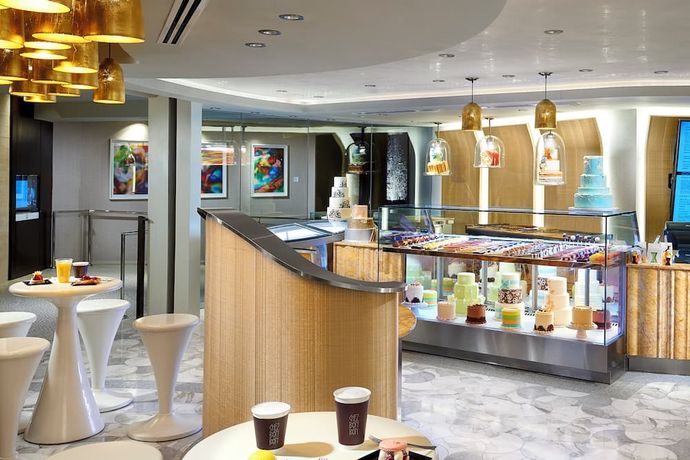
Instead of relying on one signature restaurant, Fontainebleau assembles a collection of concepts covering upscale steakhouse dining, Italian cuisine, Cantonese fine dining, casual poolside meals, bars, cafés, and private dining options.
Travelers staying several nights gain genuine convenience from this depth. Different restaurants suit different occasions, reducing the need to leave the property simply for variety.
Wellness
Lapis Spa remains one of the hotel's established attractions, complemented by a modern fitness center, Pilates studio, salon, and additional wellness facilities. Together they extend Fontainebleau beyond a traditional beach resort into a destination capable of supporting longer leisure stays focused on relaxation as much as nightlife.
Service And Operations
Fontainebleau's greatest strength and greatest weakness stem from the same characteristic: scale.
Managing more than 1,500 rooms, extensive meeting facilities, multiple restaurants, beach operations, pools, spa services, nightlife, and daily arrivals creates a level of operational complexity that few luxury hotels face. Travelers expecting the rhythm of a 100-room boutique property should calibrate their expectations before booking.
Staff
Staff receive consistent praise across concierge, pool service, housekeeping, and many front desk interactions, particularly when employees resolve problems proactively. Guests frequently describe individual team members as friendly, welcoming, and genuinely helpful.
Service becomes less predictable during periods of heavy occupancy. Reviews repeatedly describe slower response times, longer waits, and less personalized interactions when the complex is operating at high capacity. Those observations are characteristic of a destination resort serving thousands of guests simultaneously rather than evidence of uniformly poor hospitality.
Vertical Circulation
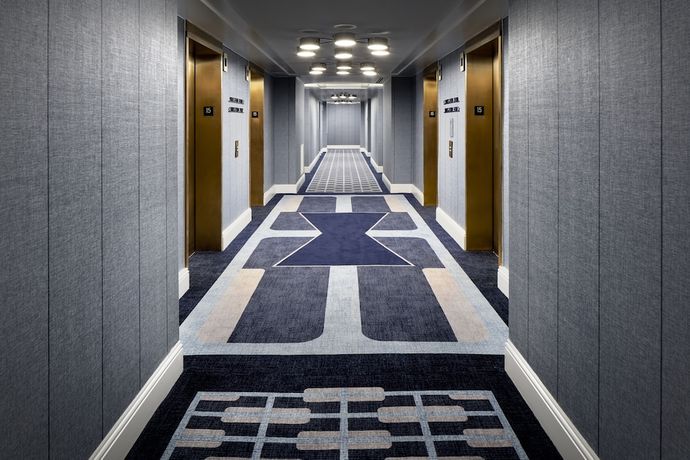
Elevator delays appear across multiple review platforms and different travel periods, particularly within the Trésor tower. Waiting several minutes during peak morning hours or before dinner may seem minor in isolation. But repeated delays gradually shape the pace of a stay. Travelers moving between guestrooms, pools, restaurants, and the beach several times a day are more likely to notice the issue than guests spending most of their time in one area.
Room Quality
Ocean-facing rooms and higher categories receive stronger feedback than standard accommodations, especially regarding views and perceived value. Lower categories attract more mixed opinions concerning dated interiors, maintenance, and cleanliness. Those differences reinforce the importance of selecting the right room without assuming every category delivers the same standard.
Operational friction becomes more noticeable when nightly rates climb. Guests paying premium winter prices naturally compare Fontainebleau with Miami's highest-performing luxury hotels. Minor inconveniences that might be overlooked at lower rates become harder to accept when accommodation costs approach four-figure nightly pricing.
None of those observations diminish the property's strengths. Instead, they illustrate how guest expectations change alongside room rates and brand reputation. Fontainebleau performs best when viewed as an exceptionally large destination resort instead of a highly personalized luxury hotel.
Pricing And Value
Fontainebleau becomes expensive long before it becomes poor value. Value depends far more on how you use the complex than on the nightly rate alone.
Travelers spending mornings on the beach, afternoons by the pools, evenings in the restaurants, and extra time at the spa or nightlife venues are likely to derive considerably more value than those using the property primarily as a place to sleep.
Seasonal Pricing
| Season | Deluxe Bay View | Ocean View | Junior Suite | Value Interpretation |
|---|---|---|---|---|
| Late Summer (August) | From $465 | From $510 | From $725 | Strongest observed standard-room value. |
| Autumn (October) | From $590 | From $697 | From $800 | Balanced pricing with comparatively attractive suite value. |
| Winter Peak (Early February) | From $1,150 | From $1,196 | From $1,298 | Highest observed compression. Entry rooms become difficult to justify. |
| Winter High Demand (Late February) | From $932 | From $966 | From $1,046 | Better value than early February, particularly for upgrades. |
Rates represent publicly available prices for two adults observed during research and will fluctuate with demand.
- Ocean View rooms frequently require only a modest premium over entry categories. During several pricing checks, the difference remained below $50 per night, making the upgrade an easy recommendation for leisure stays. Paying slightly more for an Atlantic-facing room generally has a greater impact on satisfaction than reserving the least expensive accommodation during a busy period.
- Junior Suites become increasingly attractive when demand pushes entry-room pricing upward. Once Deluxe rooms approach four-figure nightly rates, additional living space often costs proportionally less than many travelers expect. Families and guests staying several nights benefit most from that calculation.
Early February produced the highest rates in our research, exceeding prices observed later in the same month. Convention demand and major events appear to influence pricing as much as the calendar. Travelers with flexible schedules should compare several nearby dates before committing to a reservation.
Direct Booking vs Booking.com
Direct booking and Booking.com demonstrate strong rate parity for comparable flexible reservations.
Across multiple research dates, publicly available flexible rates were almost identical on both channels. Booking.com occasionally displayed cheaper partner offers, but those typically required advance payment or carried more restrictive cancellation conditions. Comparing only headline prices risks overlooking meaningful differences in flexibility, breakfast inclusion, or booking terms.
Breakfast packages consistently added approximately $90 to nightly rates, and the hotel authorizes a $200 per day incidental hold at check-in. Review current resort and parking charges before arrival, as ancillary costs can materially affect the total cost of a stay.
How Fontainebleau Compares With Miami's Luxury Resorts
Direct comparisons depend more on travel style than star rating.
- The Setai delivers a quieter, more intimate luxury environment with exceptionally polished service. Fontainebleau offers far greater dining choice, nightlife, and family appeal, but cannot match The Setai's sense of calm or personalized attention.
- Four Seasons Hotel at The Surf Club occupies another part of the luxury spectrum. Service, privacy, and residential elegance take priority over scale. Fontainebleau wins on variety and entertainment, while Surf Club appeals to travelers seeking discretion and refinement.
- Faena Miami Beach places stronger emphasis on design, art, and curated lifestyle programming. Fontainebleau feels broader and more self-contained, particularly for longer stays involving families or groups.
- Eden Roc Miami Beach shares the same Mid-Beach neighborhood and offers a more compact alternative. Fontainebleau's larger pool complex, wider dining selection, and entertainment program make it the stronger choice for guests intending to remain on property throughout their holiday.
No competitor replicates Fontainebleau's combination of architectural significance, resort infrastructure, and sheer scale. The trade-off lies in operational complexity. Travelers deciding between these hotels should begin by choosing the style of stay they want rather than searching for an absolute winner.
Verdict
Fontainebleau Miami Beach remains one of America's defining resort hotels because it offers something few competitors can: an entire holiday contained within a single address.
Book Fontainebleau for its architecture, beach, pools, restaurants, and unmistakable sense of scale. Book elsewhere if quiet surroundings and highly personalized service define luxury for you.
BusinessClass Verdict: Fontainebleau Miami Beach remains one of the most compelling destination resorts in the United States, best booked by travelers seeking exceptional breadth of amenities, historic character, and an energetic beachfront setting.
Frequently Asked Questions
Is Fontainebleau Miami Beach worth the price?
For travelers planning to spend significant time enjoying the pools, restaurants, beach, spa, and nightlife, yes. Guests using the hotel primarily as a place to sleep will find the nightly rates harder to justify.
Should I book directly or through Booking.com?
Research found near-identical flexible pricing across both channels. Booking.com occasionally offers lower prepaid partner rates, but direct reservations may include promotional packages or resort credits that improve total value.
Is Fontainebleau better for families or couples?
Both, although they use the property differently. Families benefit from the pools, beach, and suite inventory, while couples are more likely to appreciate the dining, spa, nightlife, and oceanfront setting.
What time are check-in and check-out?
Standard check-in begins at 4:00 p.m., and check-out is 11:00 a.m. Guests arriving early may leave luggage with the bell desk until their room is ready.
Is a security deposit required?
Yes. The hotel authorizes a $200 per day incidental hold at check-in using a valid payment card. Unused funds are released after departure, although the timing depends on the issuing bank.
Is Fontainebleau a good choice for business travellers?
The complex is well suited to conferences and meetings thanks to its extensive event facilities and airport access. Travelers making a short business trip with little time to use amenities may find a smaller luxury hotel offers better overall value.