


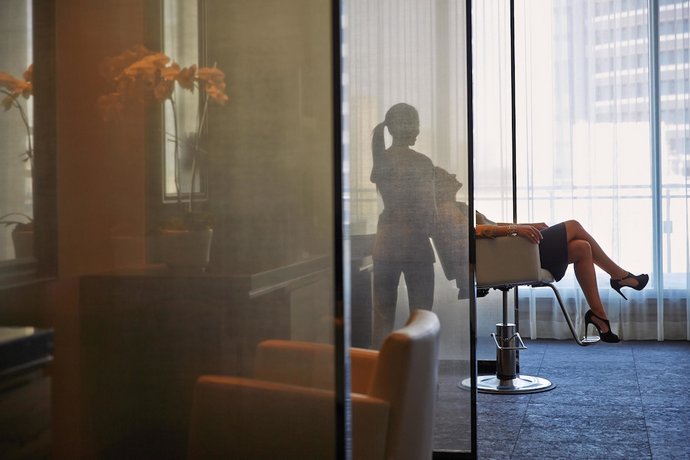
Is Four Seasons Toronto worth the price? Explore its rooms, service, rates, and guest feedback to decide whether it is right for your stay.
This is not just another Four Seasons. It stands in the very city where the brand was born, and that raises the expectation level immediately.
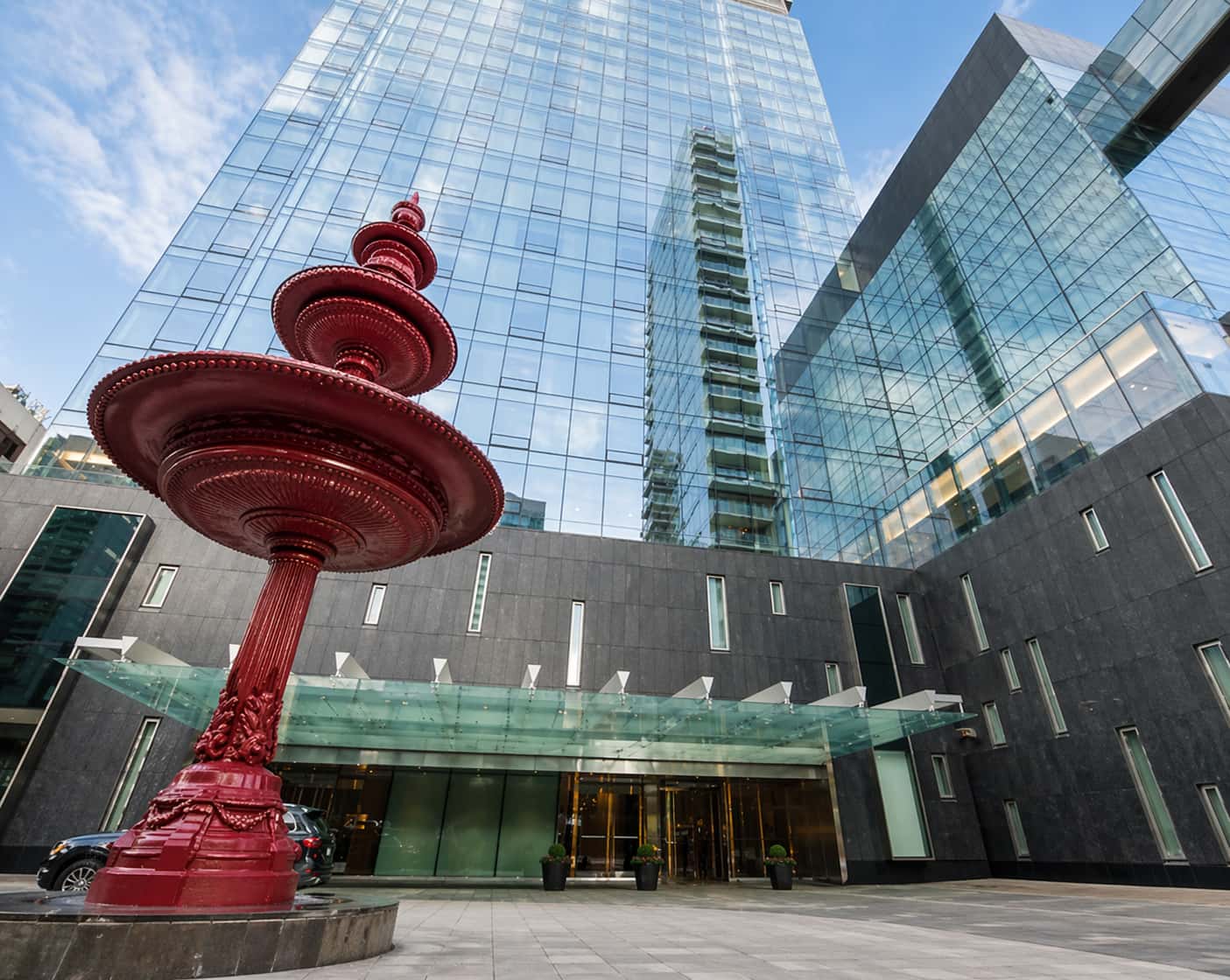
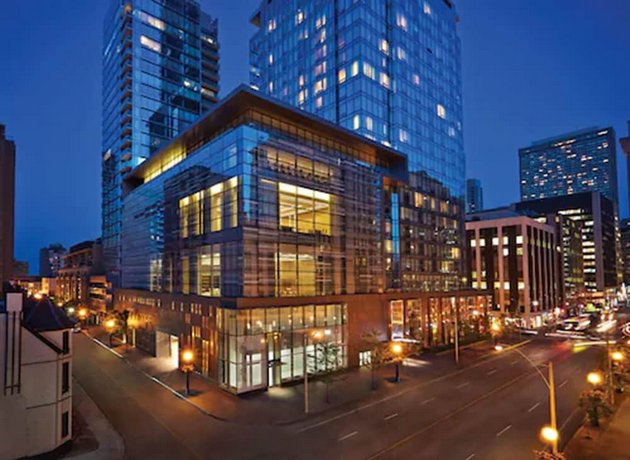
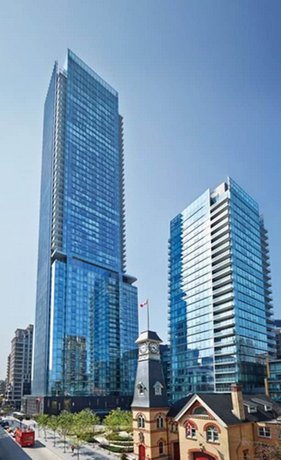
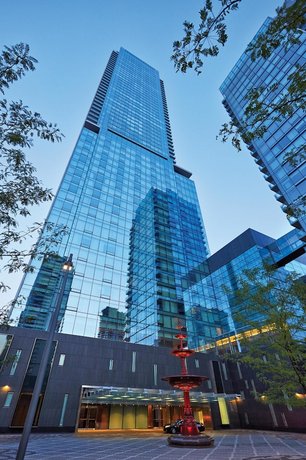
Founded in Toronto in 1961, Four Seasons built its identity here. But the original Four Seasons Toronto on Avenue Road is no longer part of the story. In its place stands the current Yorkville property, opened in 2012. Four Seasons Toronto is not a legacy hotel carried through decades. It is a purpose-built modern flagship, designed to reflect what the brand has become.
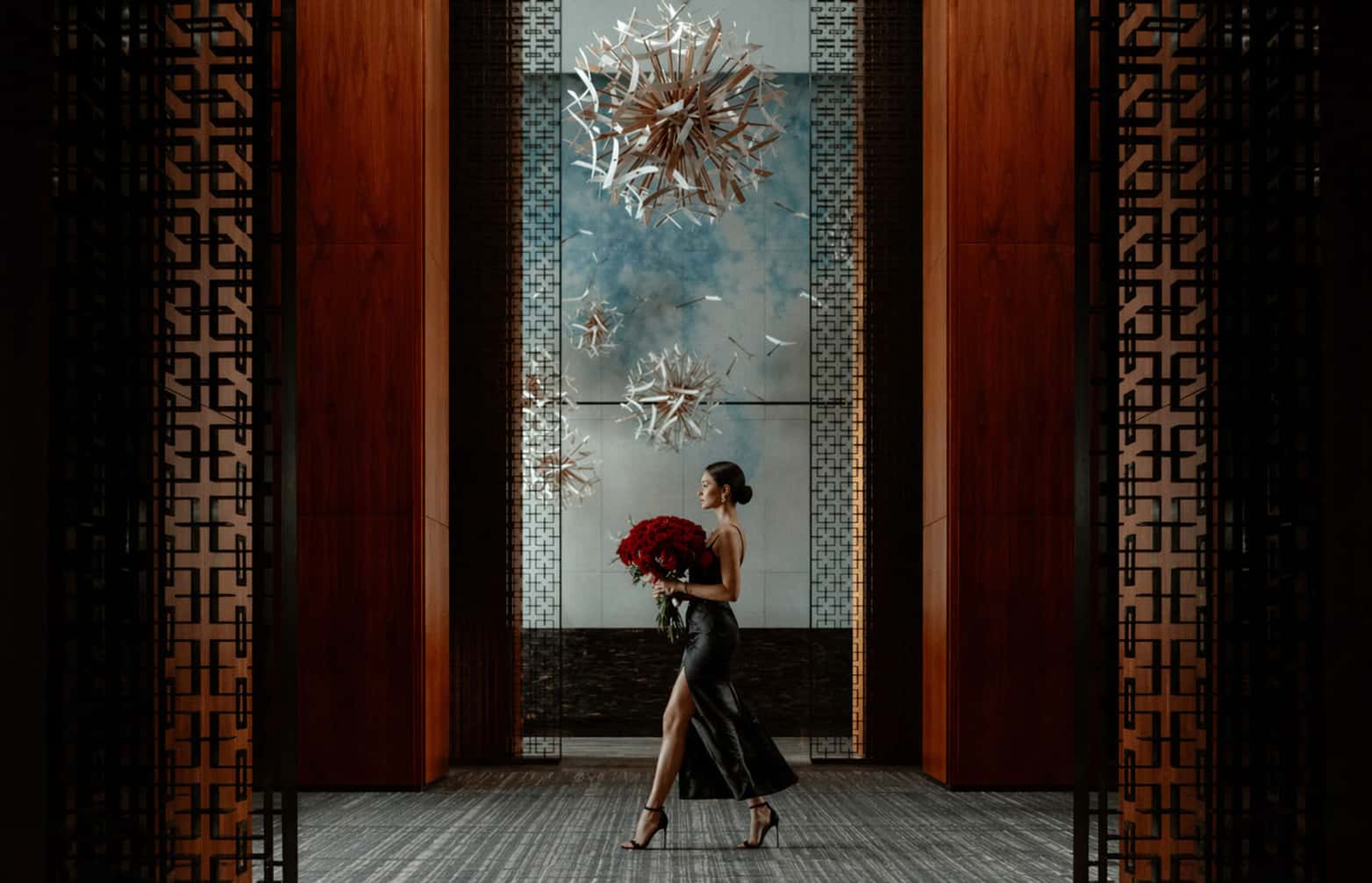
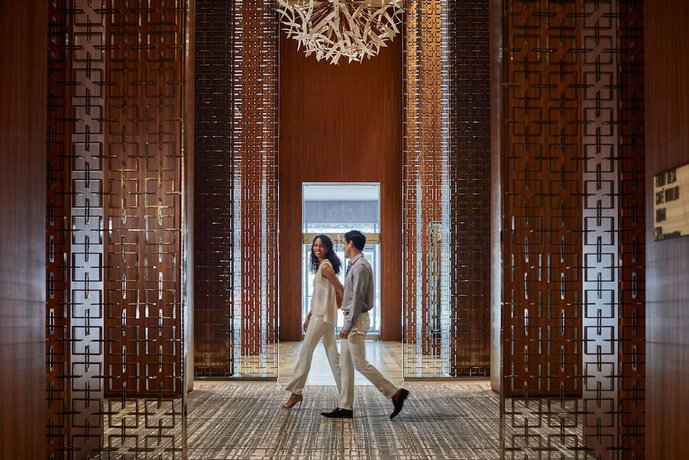
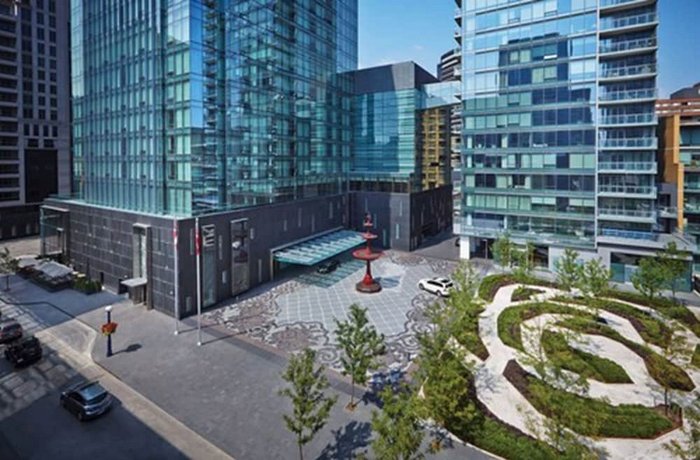
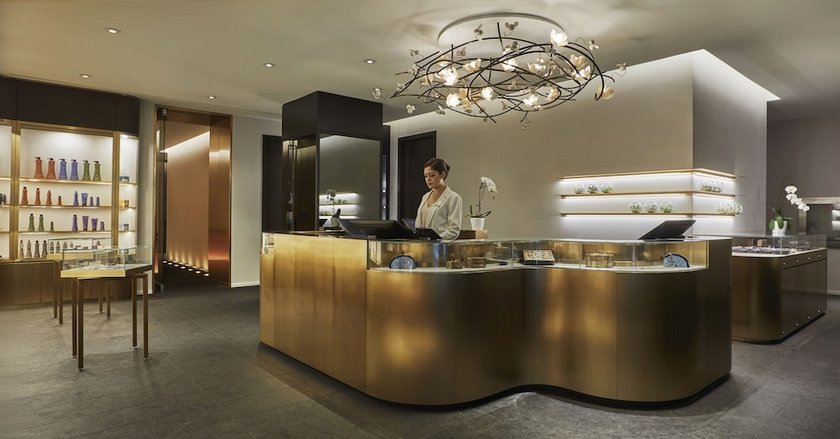
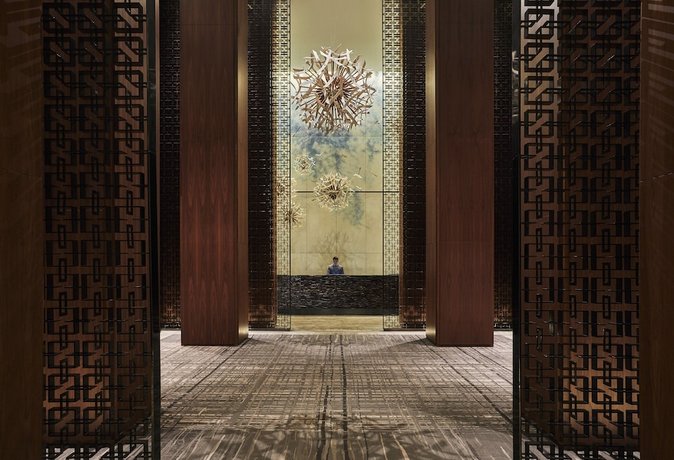
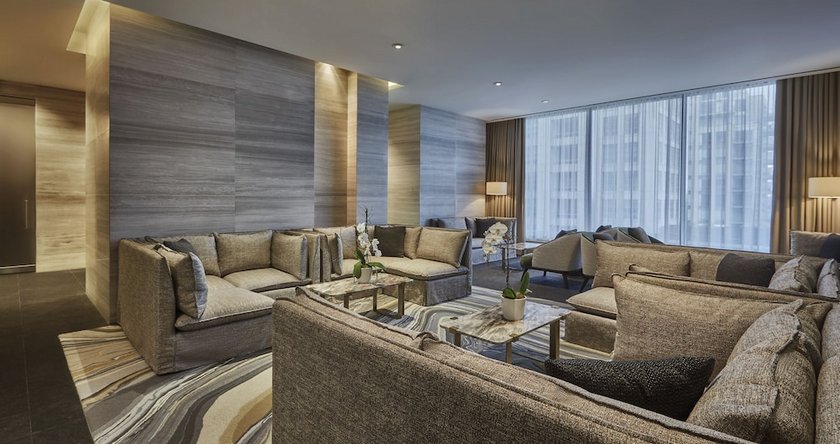
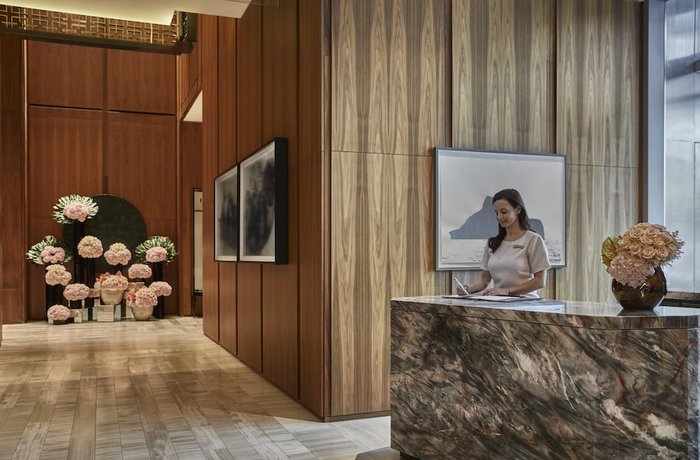
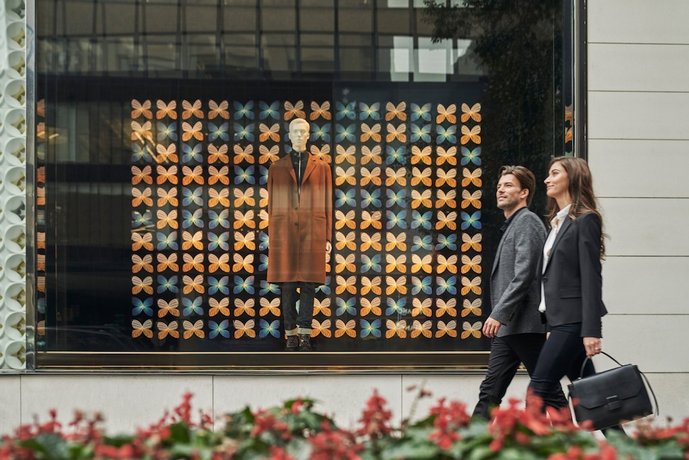
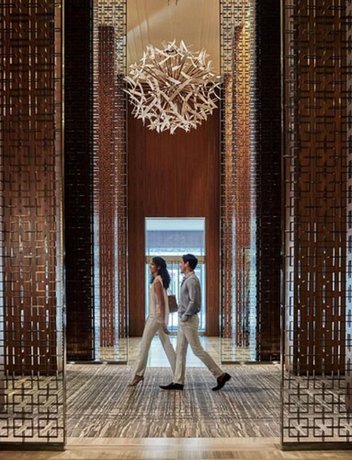
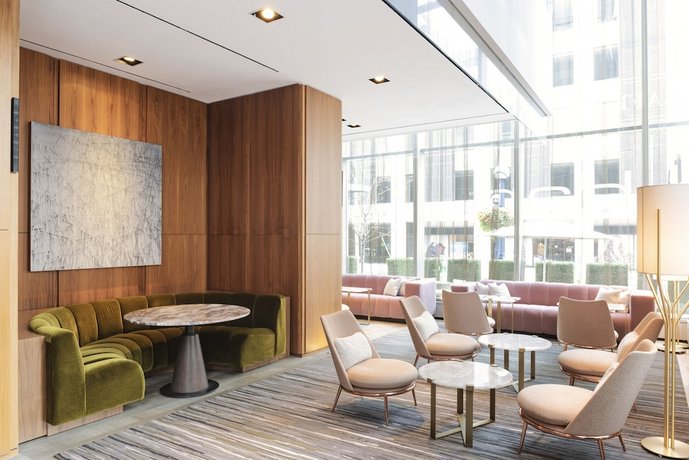
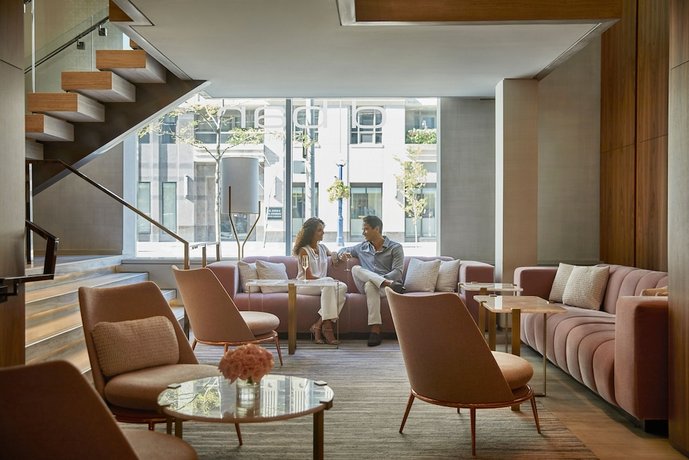
Set in Yorkville, Toronto’s most refined retail and residential district, the hotel leans toward privacy and calm over constant movement. It feels composed, slightly removed, and intentionally understated. The lobby avoids theatrics: more polished stone and quiet movement than visual drama. That makes the central question simple. Does it truly deliver on the expectations its name carries here?
This review is based on broad guest feedback analysis, pricing checks conducted in April 2026, and a close reading of the hotel’s position in Toronto’s luxury market. Pricing at this level is inherently volatile, so all figures are presented as indicative ranges to illustrate positioning and trends rather than exact rates. It is written as a practical hotel review, not a promotional profile.
Quick Decision Snapshot
| What to know | Takeaway |
|---|---|
| What defines the hotel | A modern, service-led luxury flagship in Yorkville, with strong rooms, a major urban spa, and a calm residential feel |
| Best for | Couples, premium leisure travelers, loyal Four Seasons guests, and business travelers who value consistency over scene |
| Main strength | Clean execution, strong service culture, large rooms, and a coherent wellness layer |
| Main trade-off | Pricing sits toward the upper end of the segment |
| Best value move | Check the official website first. In April 2026 pricing checks, direct flexible rates were consistently below Booking.com |
| Best room strategy | Think in tiers. Standard rooms and premium rooms are close. The first real jump begins at one-bedroom suite level |
| Best stay length | 2 to 4 nights works best for most leisure stays and premium city breaks |
What Kind of Hotel This Is
Four Seasons Hotel Toronto is a modern luxury hotel with home-market significance. That matters more than it first appears. This is where the brand began. The current property carries that weight quietly.
It also enters the Toronto market from a specific angle. It neither relies on historic grandeur nor theatrical public spaces to create prestige. The building is contemporary, mixed-use, and partly residential.
The numbers support its position at the top end of the city. The hotel has 259 rooms, including 42 suites, and one of the largest urban spa footprints in the Four Seasons portfolio at roughly 30,000 square feet. Guest rooms were refreshed in 2024, which helps explain why the accommodation still feels current rather than merely established.
Recognition is strong and unusually sustained:
- The hotel holds Forbes Travel Guide Five-Star status.
- Its spa also holds Forbes Five-Star recognition.
- It has maintained AAA Five Diamond status continuously since 2013.
- It was also the first hotel in Canada to hold both Forbes Five-Star and AAA Five Diamond recognition at the same time.
Those distinctions do not guarantee perfection, but they do signal that the property is judged by very high operational standards.
The best way to understand Four Seasons Toronto is this. It is a predictable in a positive sense urban luxury hotel built around consistency, privacy, and reliable execution. It does not depend on old-world grandeur. It depends on getting the fundamentals right.
What the Stay Actually Feels Like
The strongest part of the experience is not spectacle. It is control, quiet and deliberate. The hotel tends to create a sense of ease through many small things at once:
- Rooms feel clean, composed, and residential.
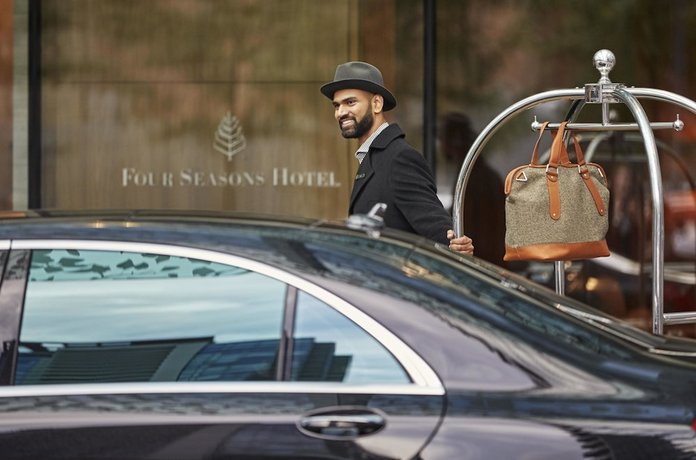
- The staff tone is coherent and generally attentive.
- The building itself encourages a quieter rhythm than many city luxury hotels.
The last is partly because Yorkville is more curated and less hectic than the busiest downtown core, and partly because the hotel shares its tower with private residences.
On Booking.com and Tripadvisor, guests often describe the hotel as safe, comfortable, and easy to settle into. Some go further and say it delivers exactly what they expect from Four Seasons, nothing more, nothing less.
The experience tends to earn admiration for quality, but less often creates a strong sense of occasion. When everything runs smoothly, the stay feels structured and reassuring. In more complex situations, the experience can feel less consistent.
Rooms and Design
The accommodation works best when understood in booking tiers, not just in room names. On paper, the ladder looks broad. In practice, it breaks into four clear levels: entry rooms, premium rooms, one-bedroom suites, and larger specialty suites.
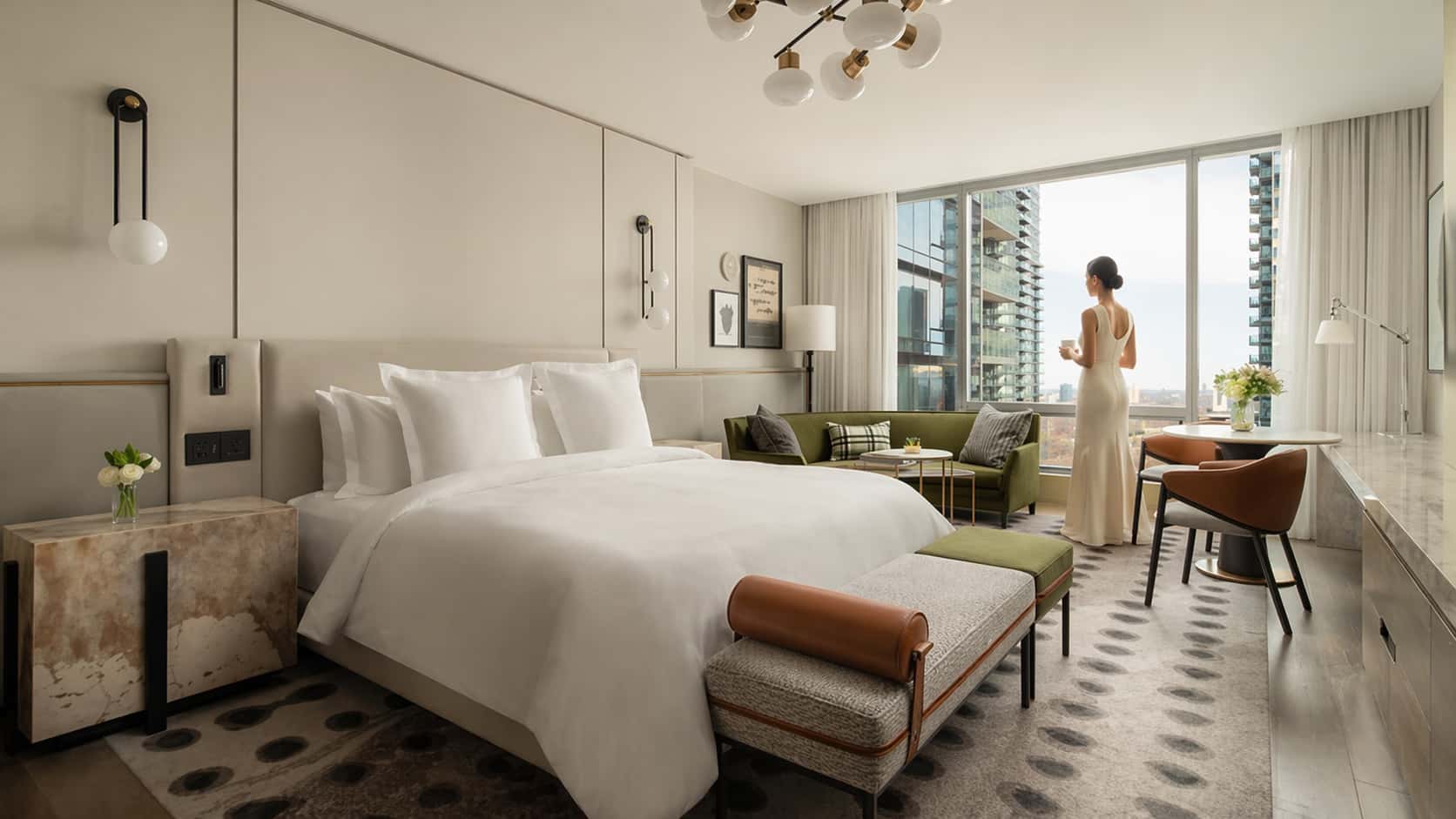
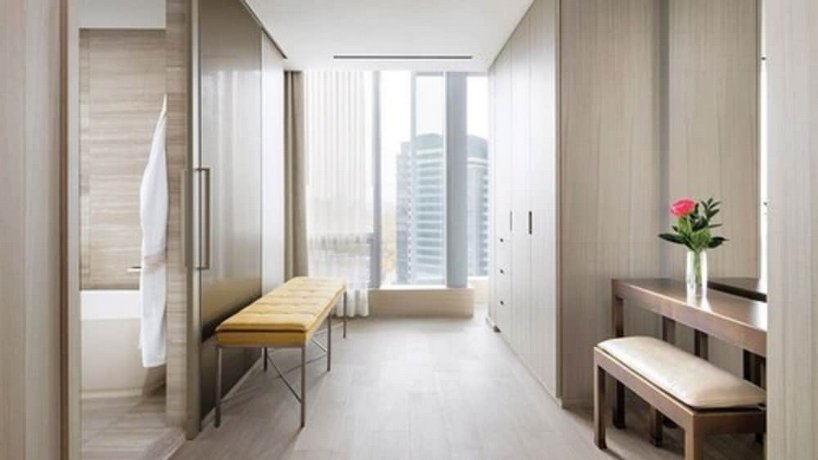
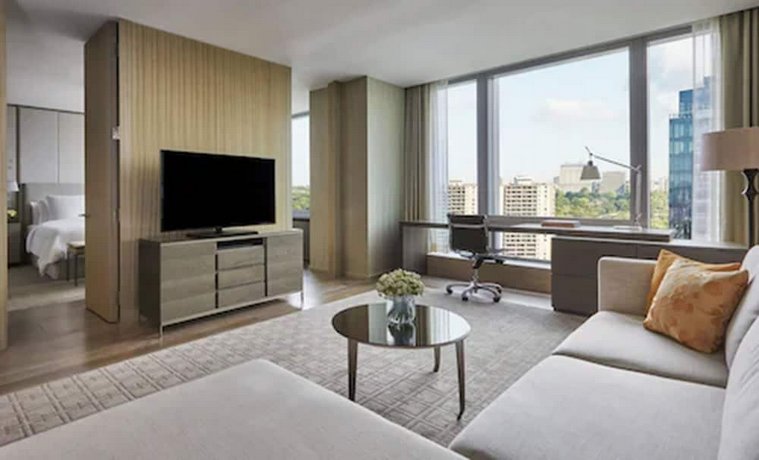
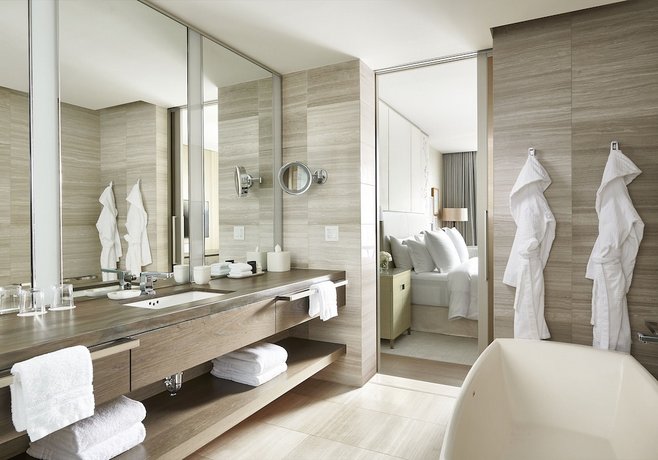
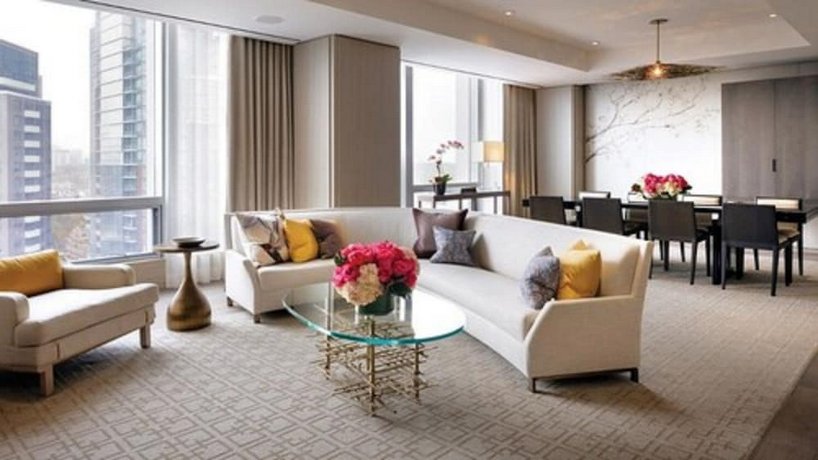
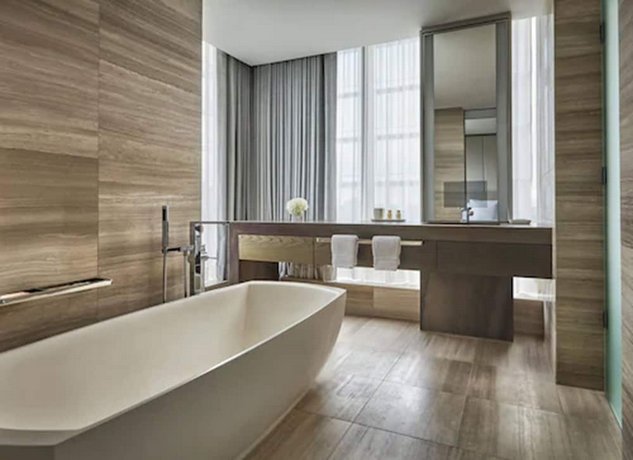
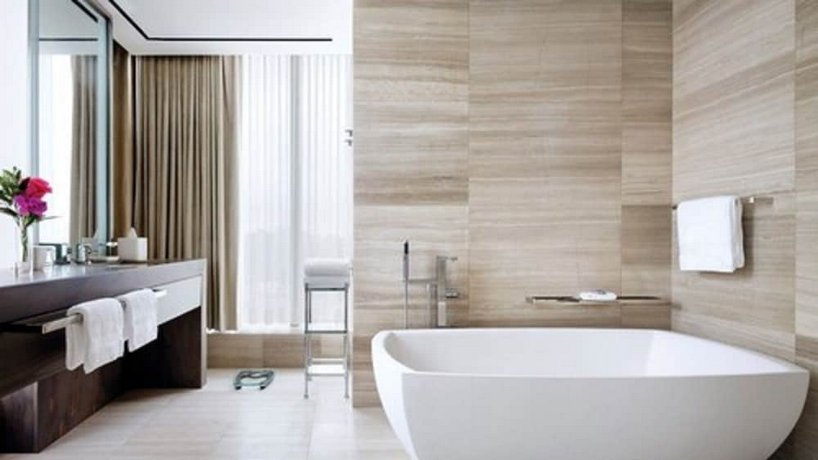
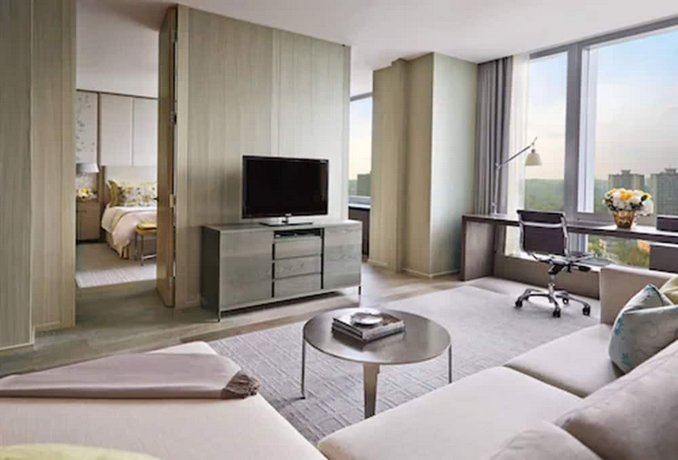
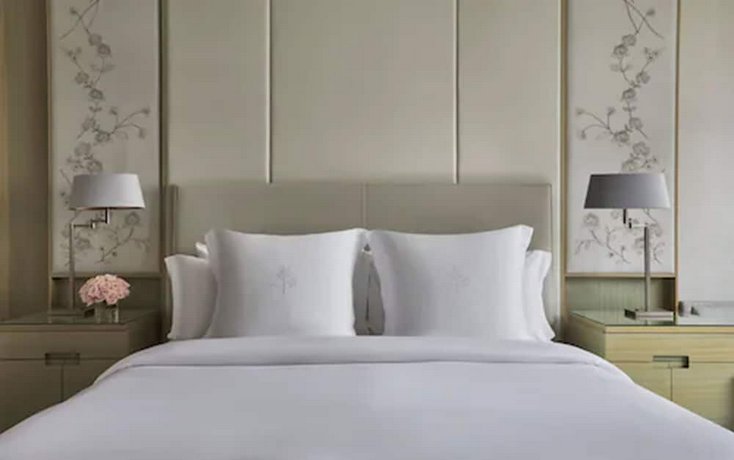
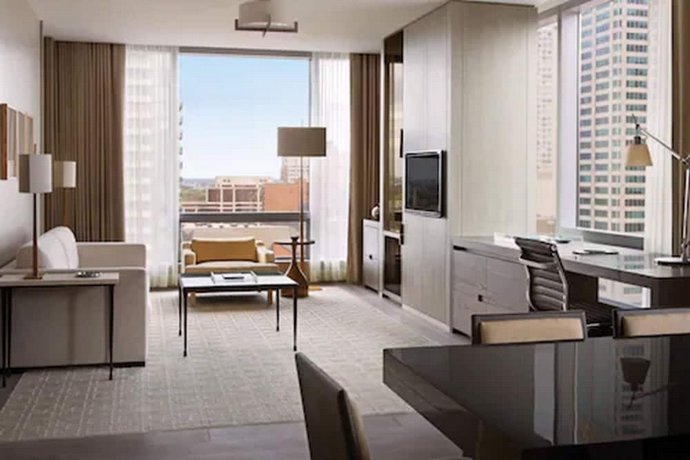
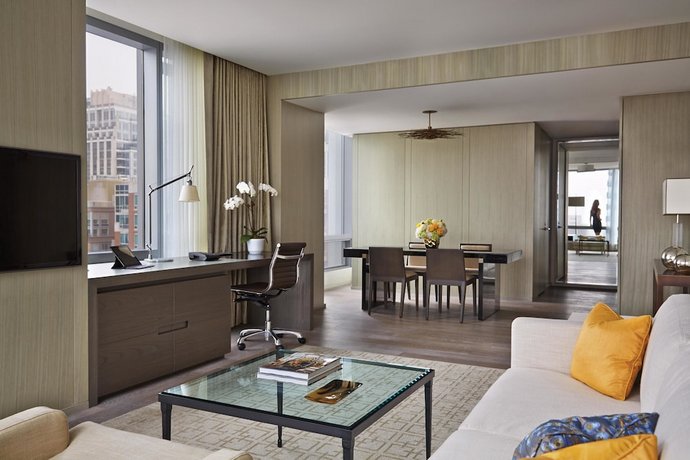
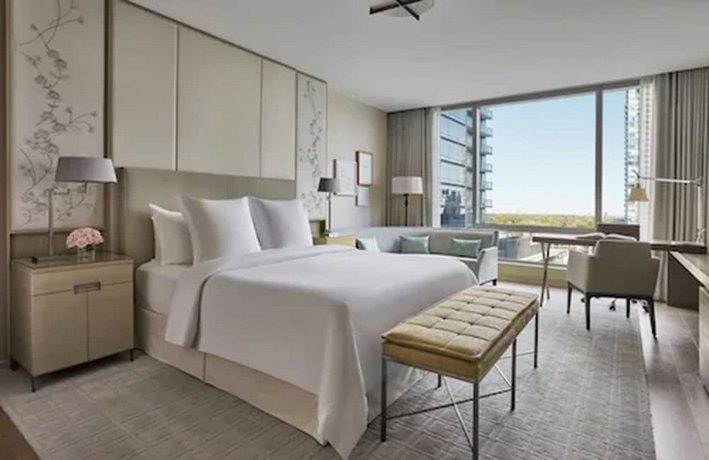
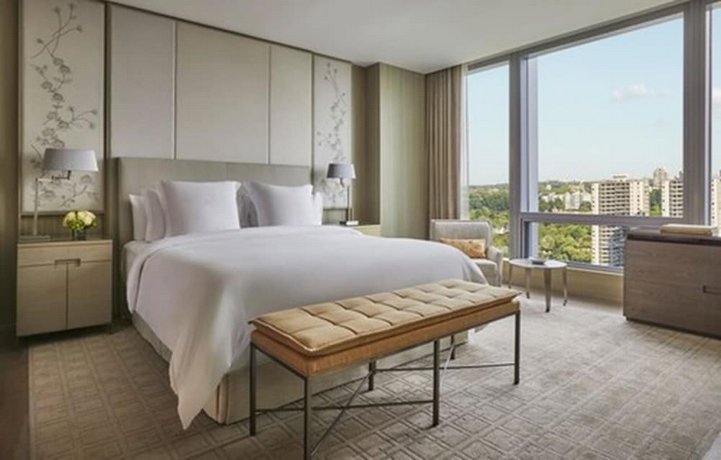
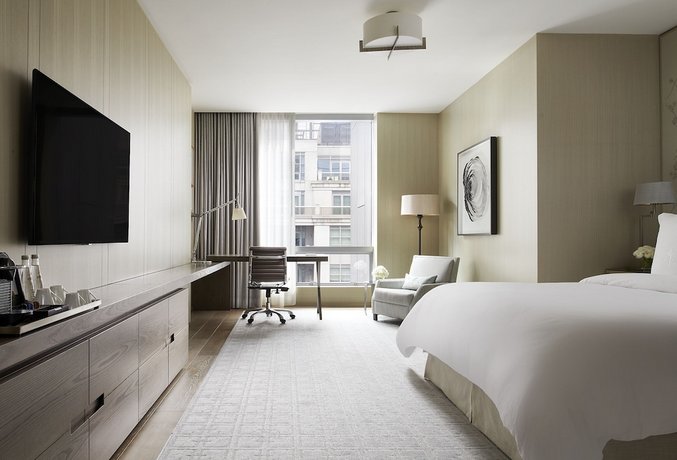
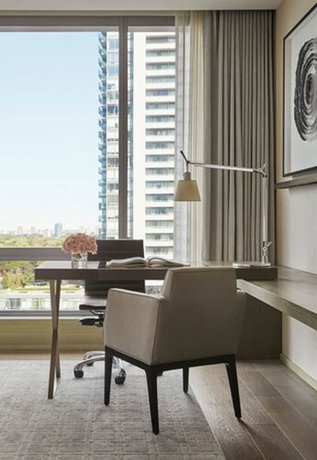
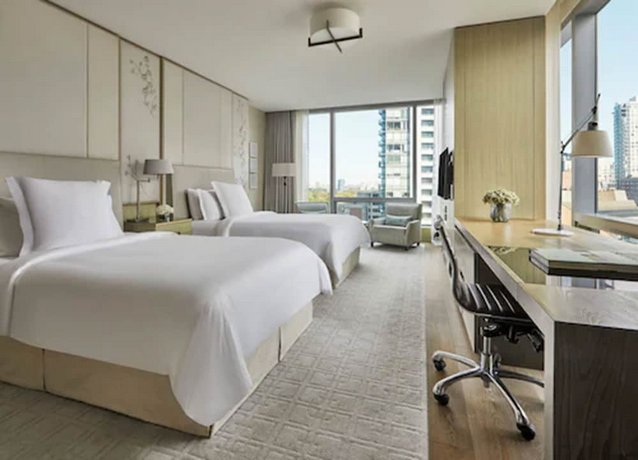
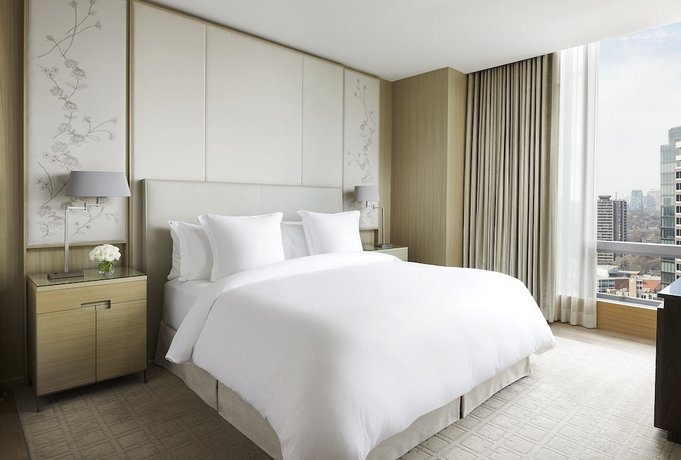
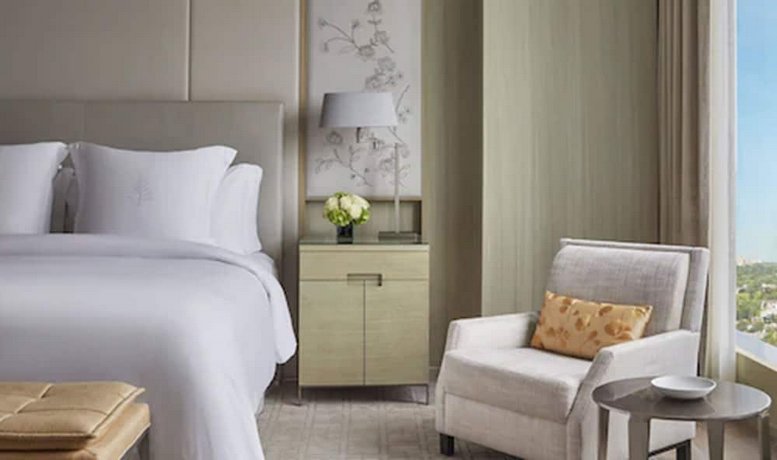
Rooms themselves are one of the hotel’s strongest assets. Standard rooms are already large for Toronto, generally around 46.5 to 48 square meters, or 500 to 515 square feet. Floor-to-ceiling windows, curved seating, granite bathrooms with separate tub and shower, and a residential layout make even the base categories feel properly upscale.
The 2024 refresh also matters here. The visual language feels cleaner and more current than many city luxury rooms that rely on older prestige. The materials lean toward stone, glass, and soft neutral fabrics, reinforcing the residential tone rather than overt luxury signaling.
There are also useful local details. Furniture was designed and made in Canada, local artists are represented in the rooms, and minibars include Canadian products. Those touches do not transform the hotel into a deeply place-driven stay, but they do keep the rooms from feeling anonymous.
Technology is generous without becoming fussy. Smart TVs, Bose speakers, charging points, iPads for hotel services, and automated drapes fit the tone of the property. The rooms are not trying to impress with novelty. They are trying to work well.
Which Room Tier Makes Sense
| Room tier | Typical categories | Best for | What matters most |
|---|---|---|---|
| Entry room | Superior Room, Deluxe Room | First stays, short luxury city breaks, value-conscious premium travelers | Large base room, strong bathroom, full hotel access |
| Premium room | Premier Room, Yorkville Premier Room | Guests who care about positioning within the building more than extra space | Similar size to entry rooms, but with a more clearly premium placement |
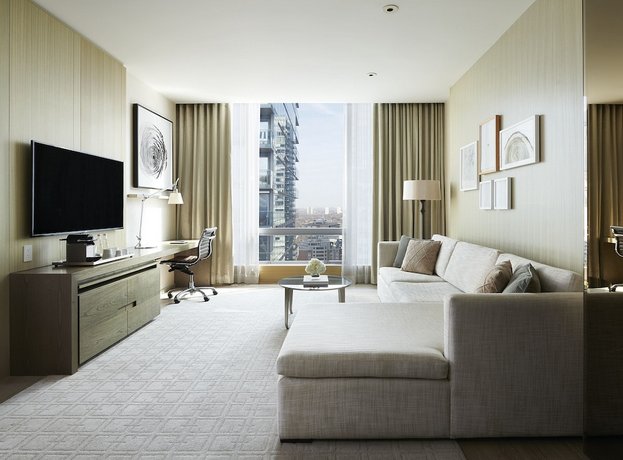
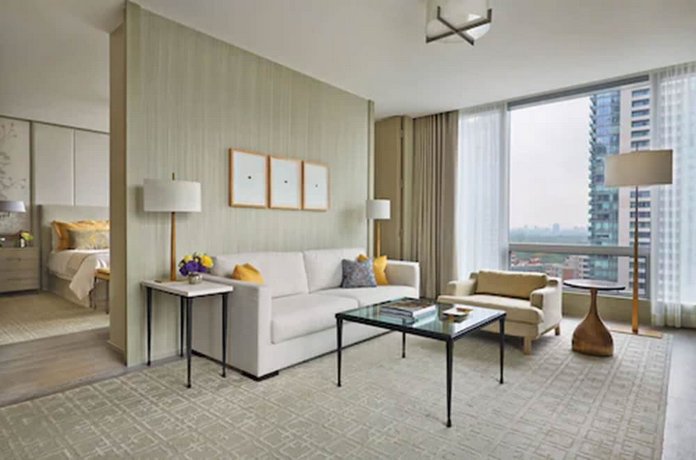
| One-bedroom suite | Deluxe One-Bedroom Suite, Corner One-Bedroom Suite, Premier One-Bedroom Suite | Longer stays, families, travelers who want separation and more privacy | First meaningful experiential and pricing jump |
| Larger specialty suite | Yorkville Suite, Bellair Suite, Royal Suite, Presidential Suite | Residential-style stays, celebratory trips, top-end privacy | Different product tier entirely, not just a better room |
The key consumer insight is simple. The most meaningful jump is not between Superior and Deluxe, or even between entry and Premier. The first true separation begins at one-bedroom suite level.
For most travelers, the standard room decision is about positioning, not space. Entry and premium rooms are close in size. The premium upgrade is a considered choice, not an automatic one. By contrast, suite pricing signals a different kind of stay altogether.
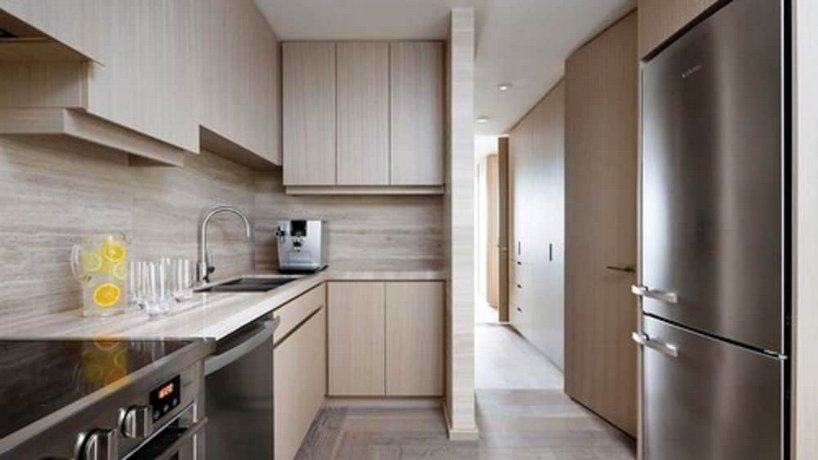
Specialty suites sit even further apart. The Yorkville Suite already shifts the experience into residential luxury territory, and above that level the hotel starts speaking to a narrower audience. The Royal Suite, for example, is a serious key product with dining space, entertaining space, a study, and a fully equipped kitchen.
Location and Surroundings
Yorkville is one of the hotel’s biggest advantages, but only if it matches the kind of Toronto stay you want.
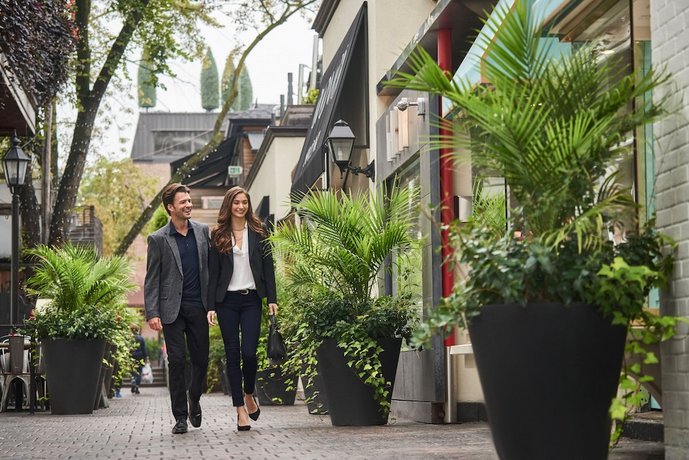
This neighborhood is not the loudest or busiest part of the city. It is Toronto’s luxury retail and residential district, with Bloor Street boutiques, polished side streets, galleries, and a slower overall rhythm. That creates a more composed arrival and a more private feel than many hotels closer to the financial core.
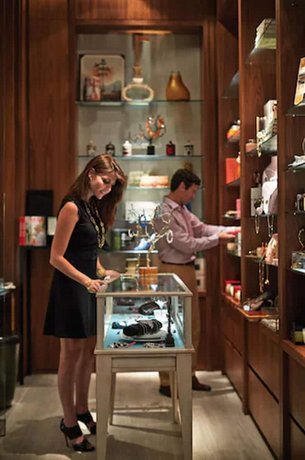
The immediate area works very well on foot. Holt Renfrew, Burberry, Prada, and many of the city’s premium shopping addresses are nearby. The Royal Ontario Museum and Bata Shoe Museum are both an easy walk, which gives the location a cultural angle as well as a retail one.
This setting also explains why some guests love the location and others qualify their praise.
- For leisure travelers who want Yorkville, museum access, and a polished neighborhood with strong dining, it works beautifully.
- For travelers with frequent meetings downtown, the experience depends on how you move around the city. By car, the trip can take 15 to 25 minutes depending on traffic, which can make the distance feel longer than it looks on the map. By contrast, the subway is fast and reliable. From nearby stations, the ride into the core typically takes around 5 to 8 minutes, making it the most practical option for regular downtown access.
The address works best for travelers who appreciate neighborhood quality, walkability within Yorkville, and a calmer luxury-city mood. It works less well for travelers who want to be in the middle of downtown activity at all times.
Airport Access and Transport
Toronto Pearson International Airport is usually around 35 to 45 minutes away by car, depending on traffic. In real terms, traffic matters more than distance here.
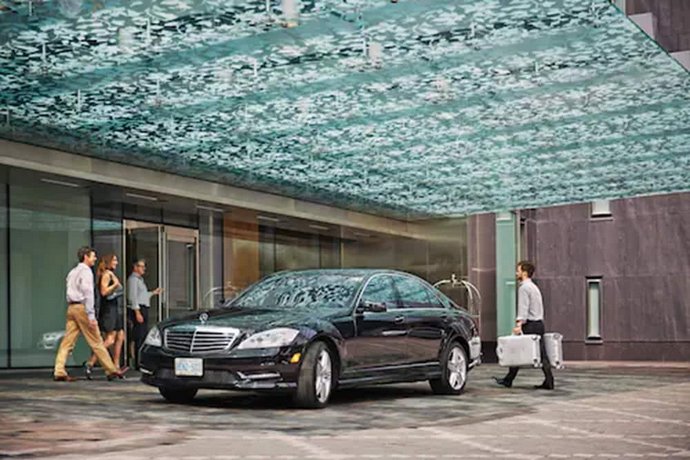
For most travelers, a car service, taxi, or rideshare is the easiest option. The hotel’s clientele and service style also make private transfer arrangements feel natural.
Public transit is possible, especially because Yorkville is close to the subway, but this is not a hotel that naturally invites a public-transport-first stay. The experience is more aligned with car arrival, concierge coordination, and direct movement between the hotel and the rest of the city.
Food and Dining
Food is one of the most interesting parts of the hotel because it combines real strengths with one of the clearest expectation gaps.
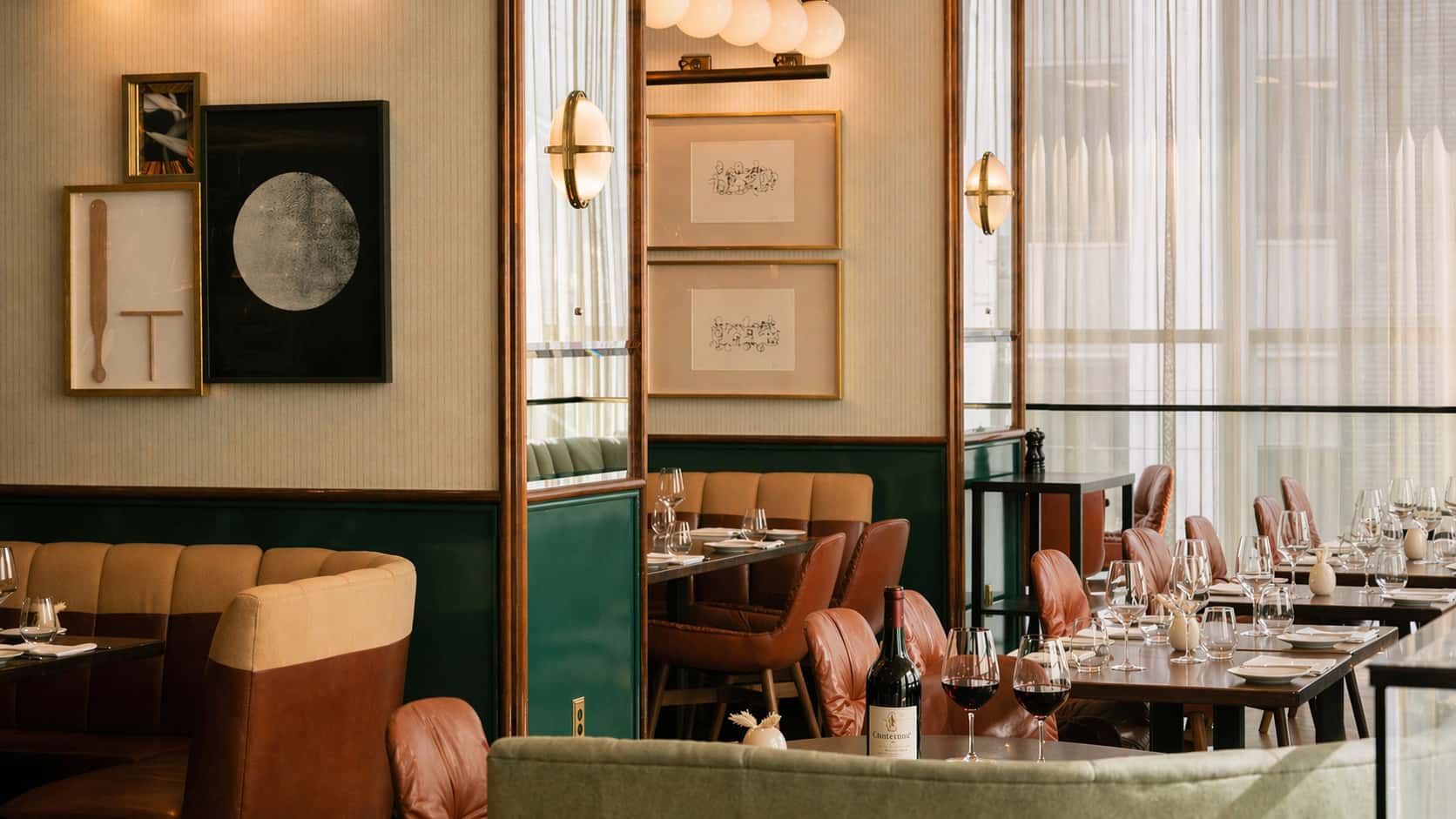
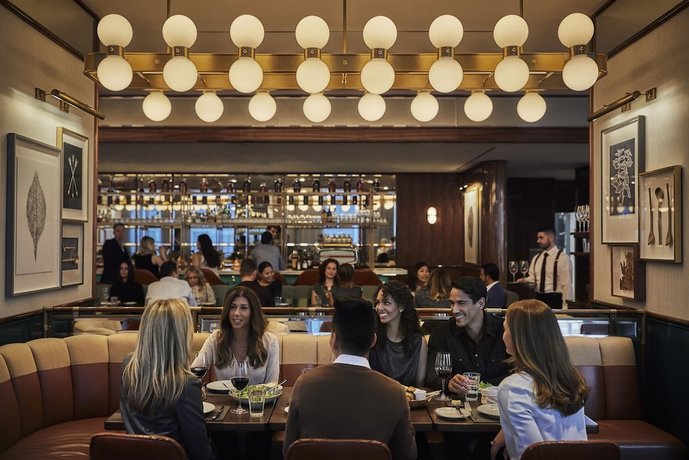
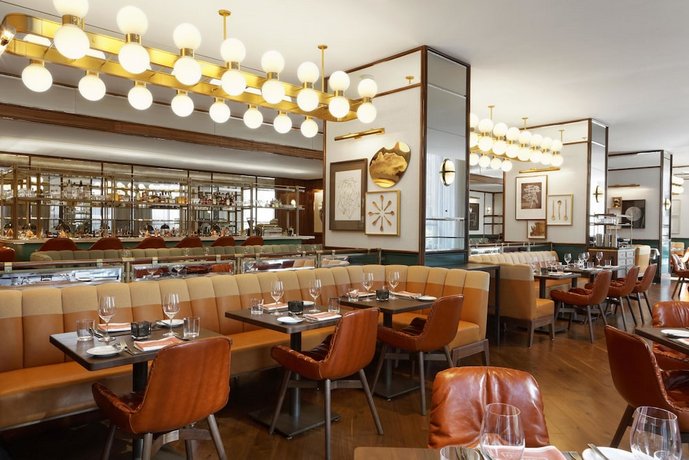
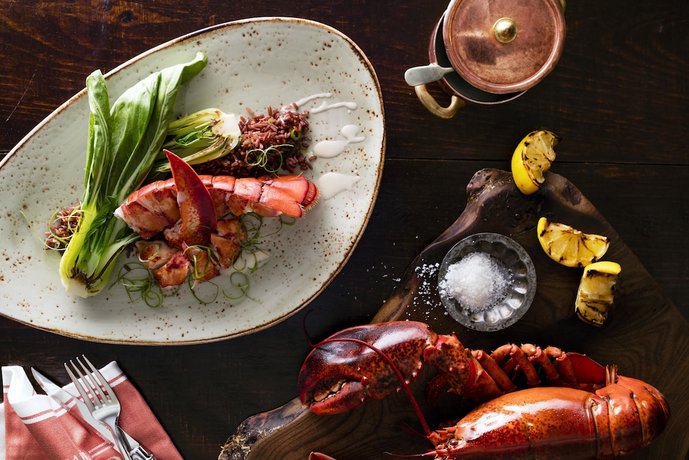
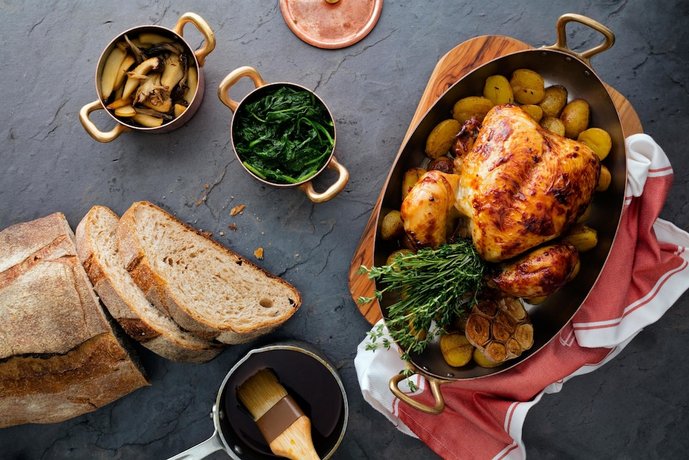
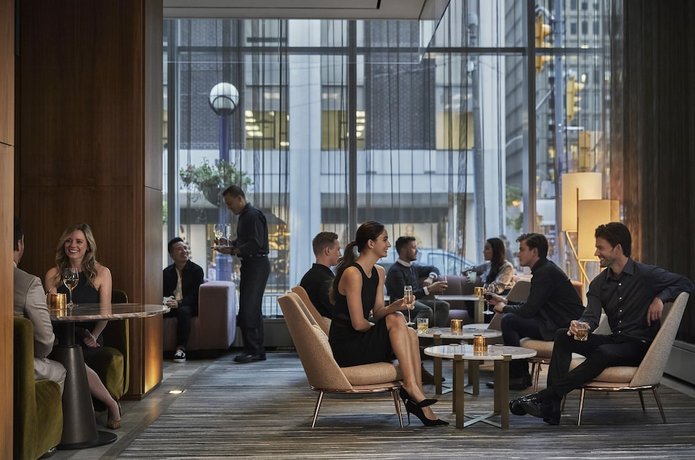
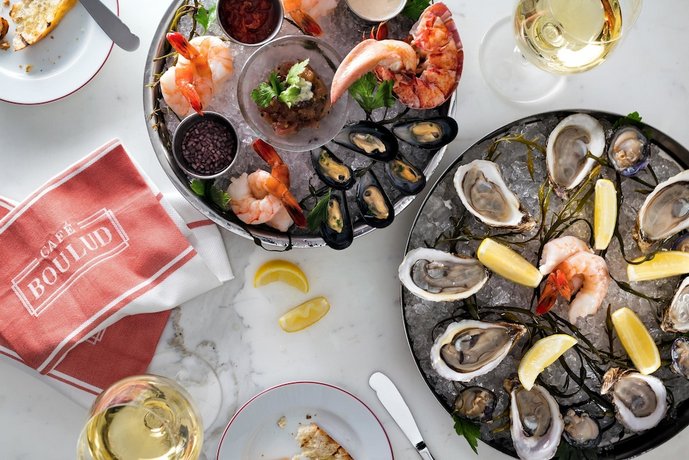
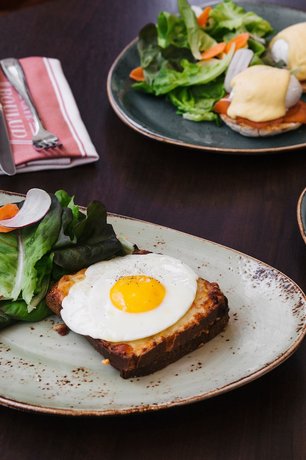
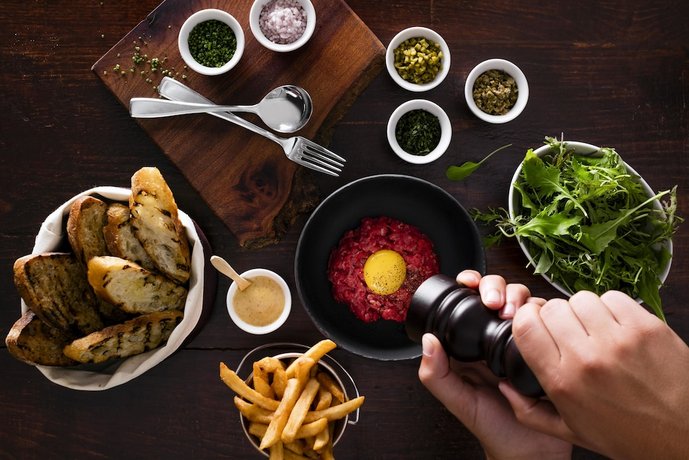
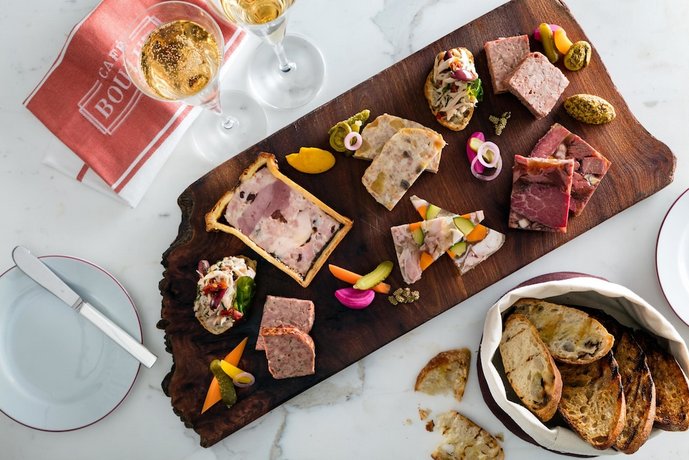
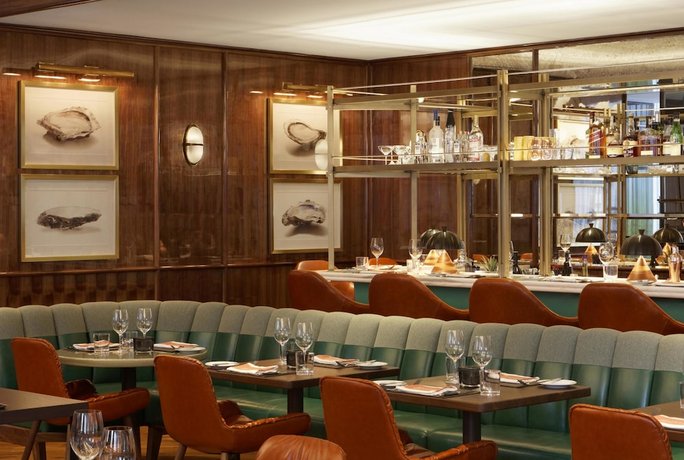
On paper, the setup is compelling. Café Boulud gives the hotel serious culinary credentials, and d|bar adds a more social layer. Breakfast packages are also actively promoted by the hotel, which signals that dining is meant to be part of the stay rather than an afterthought.
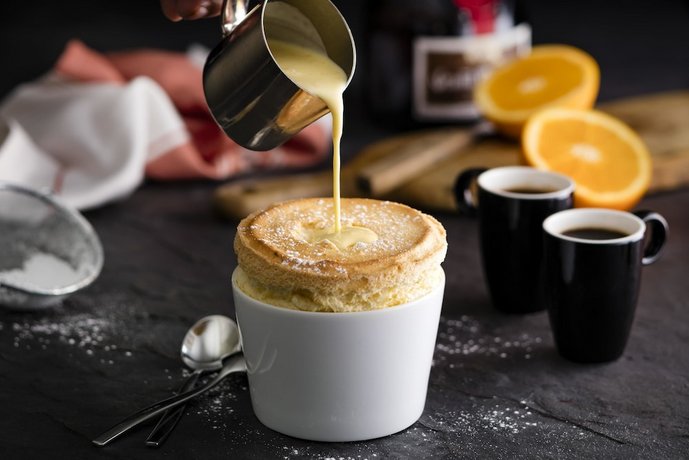
The reality is a little more mixed, though not weak. Café Boulud remains a meaningful asset, and d|bar gives the ground floor more life than the hotel’s otherwise controlled tone might suggest. It brings the only real lift in energy at ground level, especially in the evening when the space shifts from quiet to softly social. Some guests genuinely love the food, especially selected dishes, desserts, and the bar atmosphere in the evening.
The softer point is value and generosity. This appears consistently in mid-range reviews on Booking.com and Tripadvisor. Breakfast, in particular, attracts more qualified reactions than the hotel’s strongest areas. The issue is not that it is poor. It is that some guests do not find it fully aligned with the price level or with what they expect from a Four Seasons hotel in its home city. That distinction matters.
There is a similar theme in broader dining comments. The food can be good, even very good, but the experience does not always feel as memorable as the branding suggests it should. In a hotel where service, cleanliness, and room quality score so consistently well, dining stands out as one of the few areas where expectations run slightly ahead of reality.
Spa, Pool, and Facilities
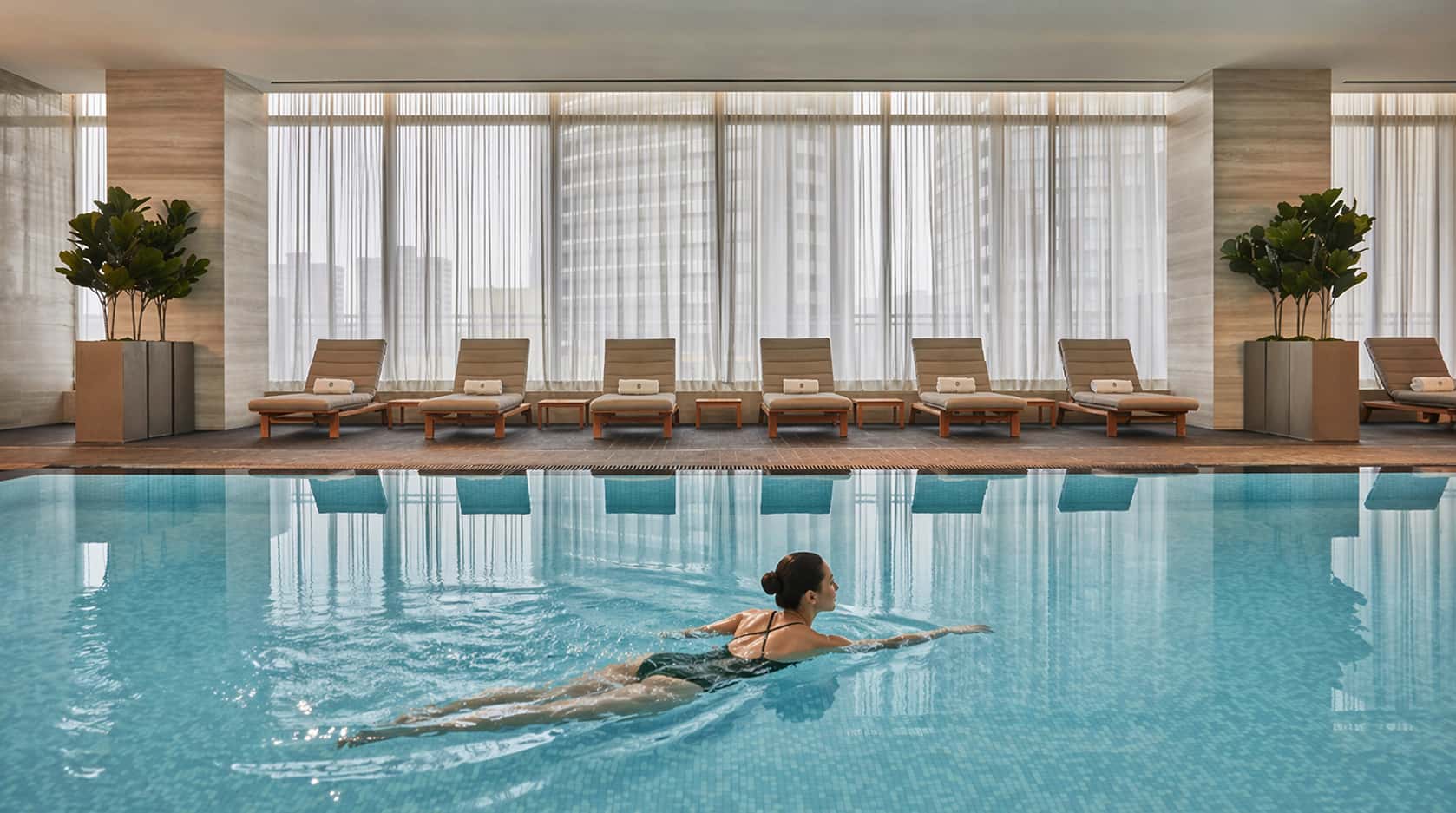
The spa is one of the hotel’s clearest reasons to book.
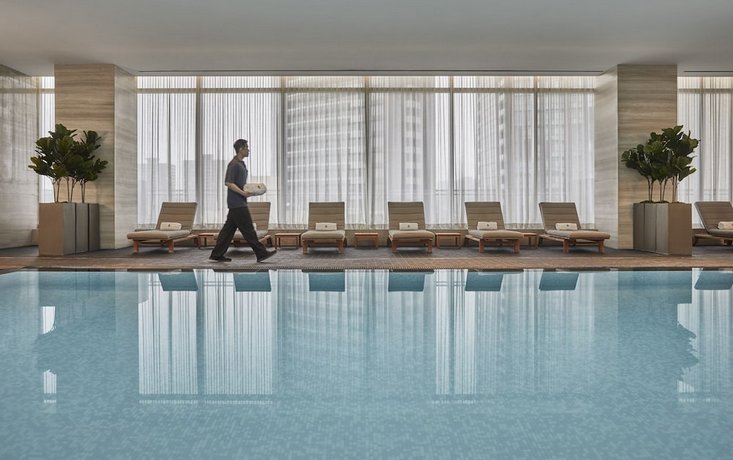
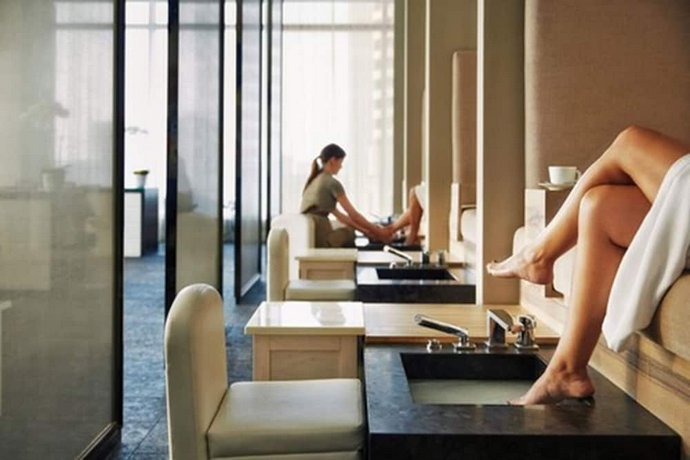
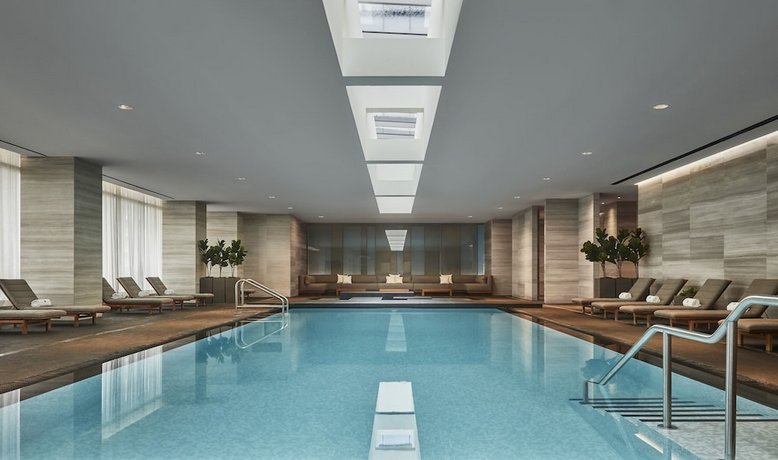
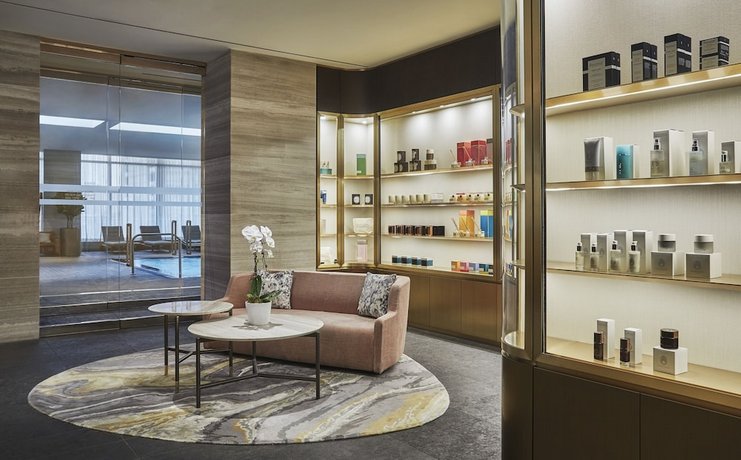
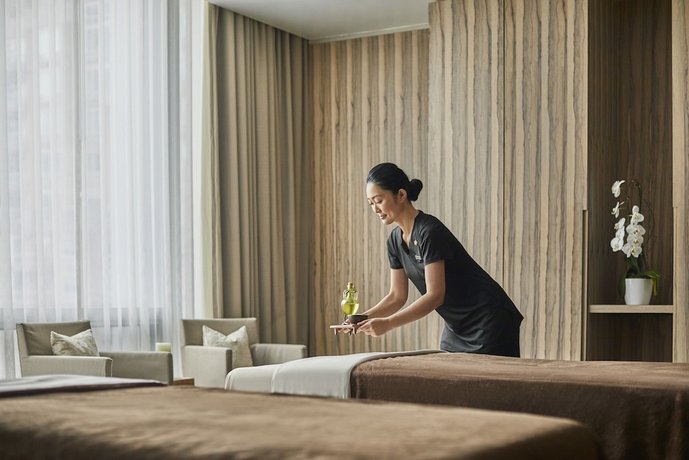
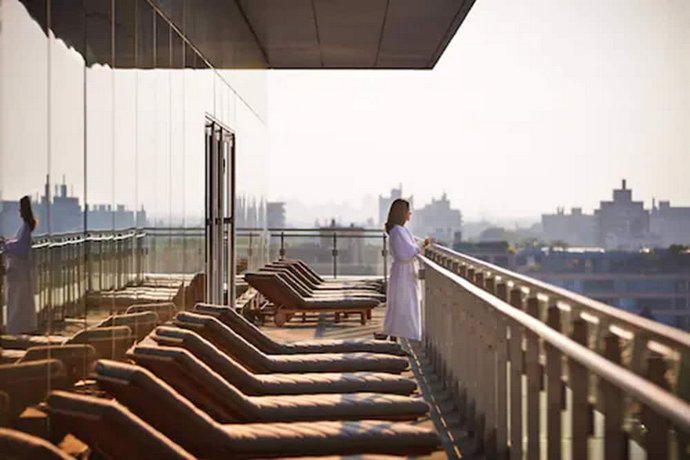
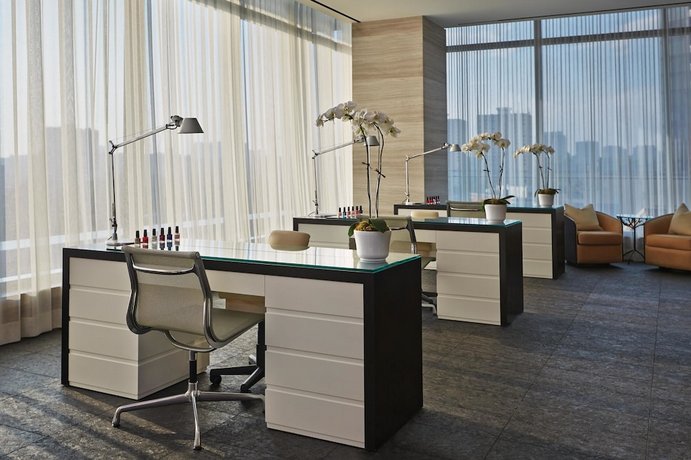
At roughly 30,000 square feet, it is the largest urban spa in the Four Seasons portfolio. That scale matters because it allows the wellness floor to feel like a real layer of the stay, not just an amenity. The space feels quiet and expansive, with enough separation between areas to avoid the crowded rhythm common in urban hotel spas. Treatment rooms, relaxation areas, steam, pool access, and a broader sense of space all help the hotel feel more complete than many urban luxury competitors.
The quality signal here is also strong. The spa has held Forbes Five-Star recognition, and public feedback on wellness is generally favorable. Treatments are well regarded, the pool is valued, and the overall atmosphere tends to support the hotel’s calmer identity.
That said, it is worth staying precise. Spa at Four Seasons Toronto is a strong urban product, not a destination wellness concept. The best interpretation is that the spa meaningfully strengthens the hotel’s luxury case, especially for couples, premium leisure stays, and travelers who want downtime built into the trip.
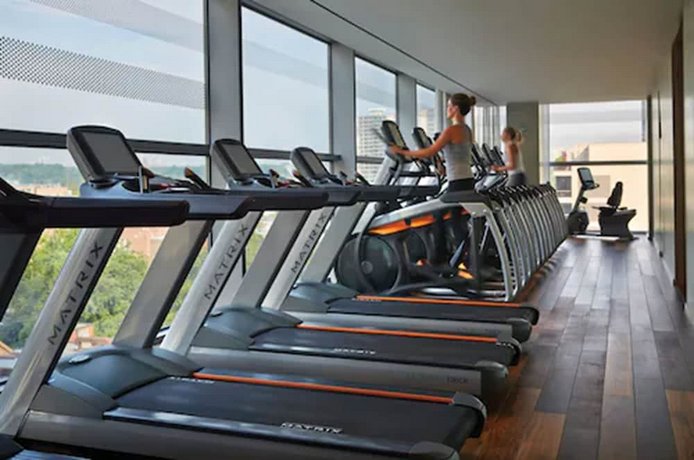
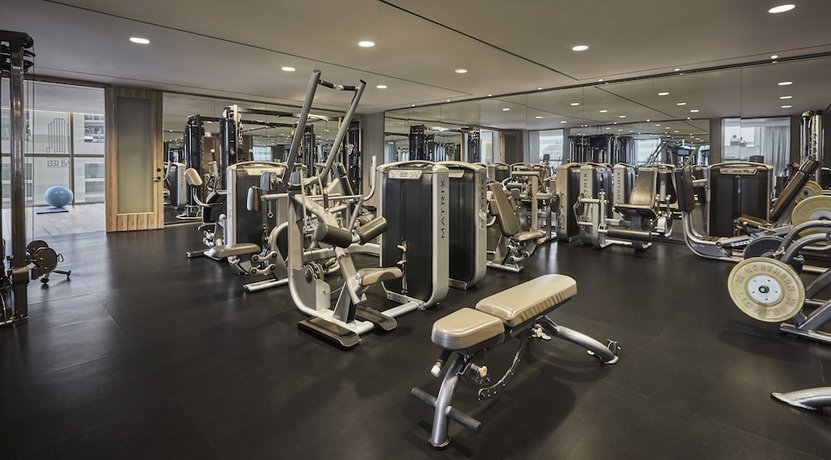
The gym is another positive, though guest feedback adds a useful nuance. Many reviews describe it as large and well equipped. But a minority of recent reviews note that some equipment feels less updated than the rest of the property. That does not erase the strength of the wellness offering. It simply keeps the picture honest.
For families, the hotel also makes a serious effort. Weekend family swim times, kid-focused welcome touches, games, gifts, and babysitting services all show that this is not a city hotel that merely tolerates children. It actively accommodates them.
Service Quality
Service is where the hotel earns much of its reputation, and also where the most revealing nuance appears.
At its best, the service style is efficient and deeply attentive. This is the part of the Four Seasons promise the hotel delivers most consistently. Guests frequently praise staff professionalism, fast handling of requests, and the feeling of being looked after in a composed, unobtrusive way. Concierge strength also adds weight here. The hotel has the kind of service infrastructure that makes a high-end city stay feel easy.
Public ratings support that impression. Staff scores strongly on Booking.com, and service scores strongly on Tripadvisor as well. Those numbers align with the broader pattern in reviews.
The more useful insight is where service becomes less uniform. In routine situations, the hotel performs exactly as it should. Under pressure, complex reservation issues, billing disputes, room changes, or recovery after a mistake, lower-rated reviews on both Booking.com and Tripadvisor become noticeably more divided. Some reviews suggest that the hotel can feel slow, defensive, or less guest-first than the brand standard implies when things move off the ideal path.
That is not a dominant story, but it is a real one. The fairest summary is this. Four Seasons Toronto delivers well-executed service more often than not. It is less dependable in service recovery than in service presentation.
Pricing and Value
Pricing is one of the most important parts of understanding this hotel because it explains both its appeal and its pressure points.
The hotel does not compete as a bargain luxury stay. It competes as a premium urban property in one of Toronto’s strongest neighborhoods. The room ladder also makes that clear. Standard rooms begin at a serious level. But the largest price movement comes later, once suites enter the picture.
To keep the picture durable, the ranges below reflect flexible public rates checked in April 2026 for one-night stays across low season, shoulder season, peak summer weekday, and peak summer weekend patterns.
Typical Official Website Pricing by Room Tier
| Room group | Low season | Shoulder season | Peak summer weekday | Peak summer weekend |
|---|---|---|---|---|
| Entry room | €572 / $669 | €762 / $892 | €762 / $892 | €793 / $928 |
| Premium room | €662 / $775 | €855 / $1,000 | €855 / $1,000 | €886 / $1,037 |
| One-bedroom suite | €1,157 / $1,354 | €1,614 / $1,888 | €1,542 / $1,804 | €1,617 / $1,892 |
Prices were checked in April 2026 on the official website for one room and two adults. Dollar figures use €1 = $1.17.
Larger specialty suites, including the Yorkville Suite, operate at a different level and generally start around €2,481 to €2,799, or roughly $2,903 to $3,275, depending on period and configuration.
A Few Patterns Matter Immediately
- The jump from entry to premium room is controlled. It usually adds about €90 to €100, or $106 to $117, per night. That is noticeable but not dramatic. Because room sizes are so close, the premium upgrade is mainly about placement and feel, not about gaining a substantially bigger room.
- The first real pricing break appears at one-bedroom suite level. That jump is substantial. Depending on the period, rates rise by roughly 70 to 90 percent versus premium rooms. This is where the stay shifts from a strong room plus good bathroom to a genuinely different experience with more separation and privacy.
- The highest suite tier behaves differently again. Yorkville Suite pricing moves less with seasonality than lower categories do. That suggests scarcity and positioning matter more than simple occupancy dynamics at the top end.
Advance-purchase discounts were also highly consistent. On the official site, non-refundable rates generally sat about 20 percent below flexible rates across all tested room tiers.
Official Website vs Booking.com
Booking.com was consistently higher than the official website on flexible rates across the same periods and room tiers. In practical terms, the gap was usually around 20 to 24 percent.
For the entry room, for example, Booking.com flexible pricing ranged from about $807 to $1,145, compared with roughly €572 to €793, or $669 to $928, on the official website. The pattern repeated in premium rooms, one-bedroom suites, and the Yorkville Suite.
That makes the direct-booking case quite clear. If you are comparing public rates only, the official website was the smarter starting point in April 2026 pricing checks.
Where the Hotel Sits in the Luxury Pricing Spectrum
Across major booking platforms, comparable five-star hotels in Toronto, including the Ritz-Carlton, Shangri-La, and St. Regis, typically fell in the $700 to $850 range for flexible entry-level rooms under similar shoulder-season conditions.
Four Seasons Toronto sat above that peer range on Booking.com at about $1,075 for an entry room, but much closer on its own site at about €762, or $892. That is an important distinction. The hotel is not a value-led luxury option, but channel choice materially affects where it sits inside the market.
This also clarifies its broader position. Four Seasons Toronto belongs firmly to premium urban luxury, but it still sits below the very top global flagship pricing tier. Hotels such as Aman Tokyo or The Peninsula Paris often begin closer to $1,500 to $2,000 per night for entry rooms and climb far higher for suites.
The gap is not just about price. It reflects a different type of competition. Those properties lean more heavily on architectural singularity, historic grandeur, or ultra-personalized spectacle. Four Seasons Toronto competes on consistency, reliability, and execution.
That, in turn, explains why value becomes such a sensitive topic. At this level, guests are not only paying for quality. They are paying for the absence of friction.
What Guest Feedback Says Overall
Public sentiment remains strongly positive overall. Tripadvisor shows a 4.7 out of 5 average across more than 3,100 reviews. Booking.com shows a 9.2 score in the sample reviewed. That matters, because it confirms that the hotel is broadly well regarded, not narrowly admired by a small group.
The category breakdown is even more revealing. On both platforms, cleanliness, location, comfort, and service score very highly. Value is the weakest category. Not weak in an absolute sense, but clearly weaker than the rest.
That aligns closely with how reviews cluster across both platforms. Most guests agree on the fundamentals. The hotel is clean, polished, well located for Yorkville, and service-minded. Where reviews begin to soften is around value, dining generosity, and how the hotel responds in more complex situations.
A Few Repeated Patterns Stand Out
- Construction-facing rooms have created frustration in some periods, especially when early morning noise affected sleep.
- Dining is respected more often than it is loved. The strongest criticism is not quality alone. It is price-to-experience alignment.
- Service recovery is less dependable than day-to-day service. Routine hospitality scores well. Billing, deposit, reservation, or room-allocation problems draw the strongest negative reactions.
- The mood of the hotel is coherent and slightly restrained. Some guests find that deeply reassuring. Others feel it stops short of enchantment.
This is the most balanced way to put it. The hotel’s issues are not widespread enough to define it, but they are consistent enough to deserve mention.
Practical Details
- Check-in from 3:00 pm
- Check-out until 12:00 pm
- Complimentary premium Wi-Fi
- 24-hour in-room dining
- Twice-daily housekeeping
- Multi-lingual concierge support
- Laundry and dry-cleaning services
- Complimentary overnight shoeshine
- Pet-friendly, with thoughtful pet amenities
- Family-friendly touches, including child-focused welcome amenities and family swim hours
It is also worth noting that Preferred Partner booking can be the smartest way to book a Four Seasons stay if you have access to an eligible advisor. The hotel generally does not undercut its own site dramatically. But promotional offers such as third-night or fourth-night structures can sometimes be combined with advisor benefits in a way that improves the overall package.
Best Fit
Four Seasons Hotel Toronto is a strong fit for travelers who want:
- a polished city luxury stay in Yorkville
- large, modern rooms with a residential feel
- a serious urban spa
- privacy and reliable service
- a high-end base for shopping, museums, and premium dining
It is a less natural fit for travelers who want:
- a historic or grand-hotel atmosphere
- the most energetic downtown location
- an overtly theatrical luxury experience
- obvious value at the price point
- flawless service recovery in every edge case
Final Verdict
Four Seasons Hotel Toronto is a very strong urban luxury hotel, and in many respects an excellent one.
It delivers where it matters most, rooms, service structure, and overall execution. The spa adds real weight, and Yorkville suits its tone.
What holds it back is not a single flaw, but a pattern. Dining does not always match expectations at this level. Value feels tighter than the rest of the experience. And when things go wrong, service recovery is less consistent than the brand suggests.
Even so, the core impression remains clear. This is a controlled, well-run flagship that rewards the right expectations and the right booking strategy.
Frequently Asked Questions
Is Four Seasons Hotel Toronto better for leisure travelers or business visitors?
It works well for both, but the advantage shifts depending on what you want. Business travelers benefit from the service culture, room quality, and polished ease. Leisure travelers get more from the spa, Yorkville setting, museum access, and broader sense of calm. As a pure emotional city break, it is strongest for travelers who prefer privacy and composure over nonstop energy.
Which room type gives the best value?
For most travelers, the entry room is already strong enough to justify the stay. The step into a premium room is noticeable but controlled, and it is best for guests who care about room position more than extra space. The first true experiential jump begins at one-bedroom suite level.
Is it worth booking directly?
In April 2026 pricing checks, yes. The official website consistently priced below Booking.com on flexible public rates across the same periods and room tiers.
Is the spa a real reason to book?
Yes. The spa is one of the hotel’s clearest strengths and helps distinguish the property within Toronto’s luxury market. It is not a destination wellness resort, but for an urban hotel it is a serious asset.
Does the Yorkville location work for first-time visitors?
Usually yes, especially if you want a refined neighborhood feel with easy access to museums, shopping, and good restaurants. If your priority is constant access to the busiest downtown core, you may find it a little removed.
Is the hotel family-friendly?
Yes. The hotel makes a real effort with children through welcome amenities, kid-focused touches, family swim times, and support services such as babysitting. It handles families more naturally than many city luxury hotels do.