

Location
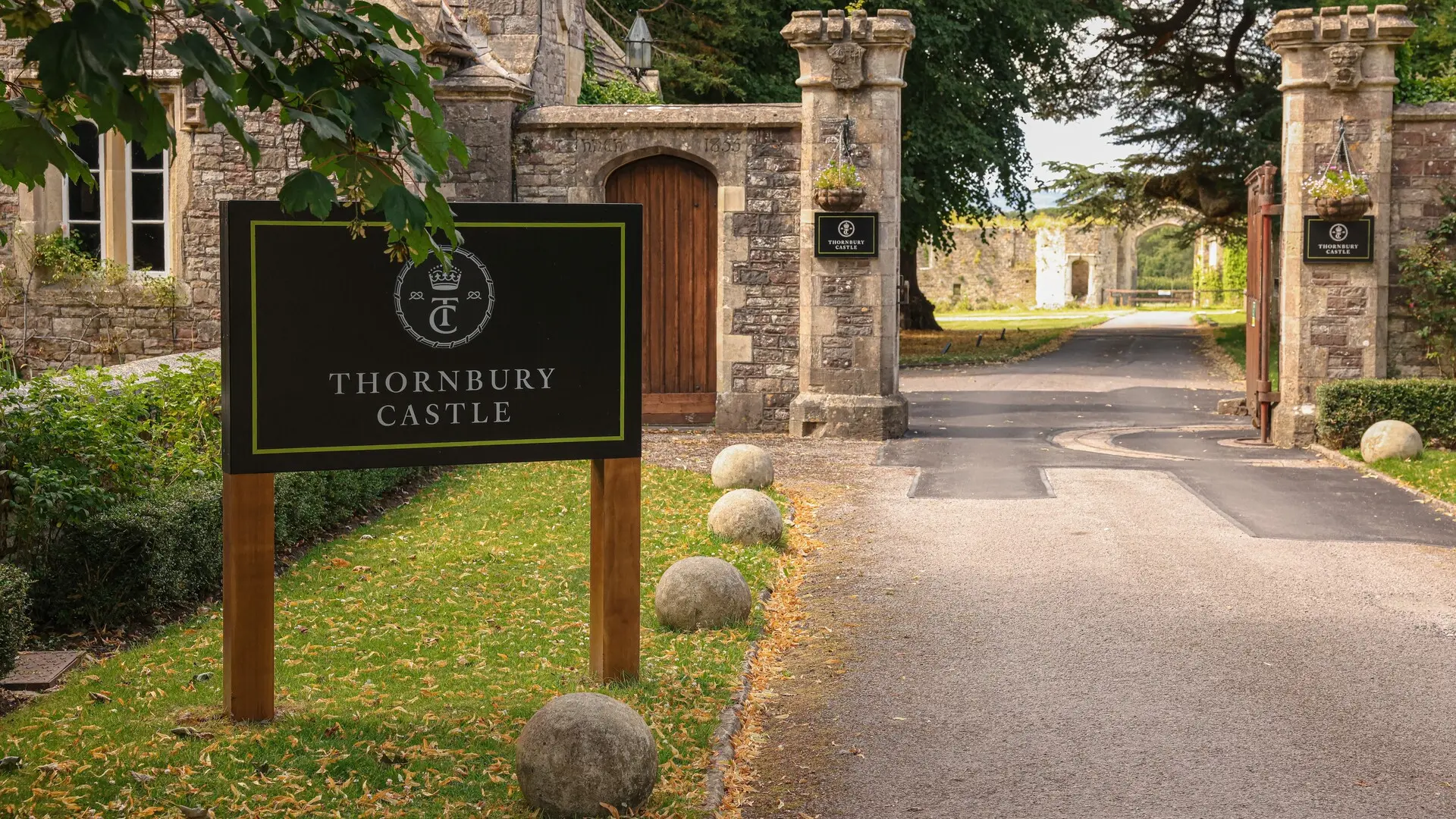
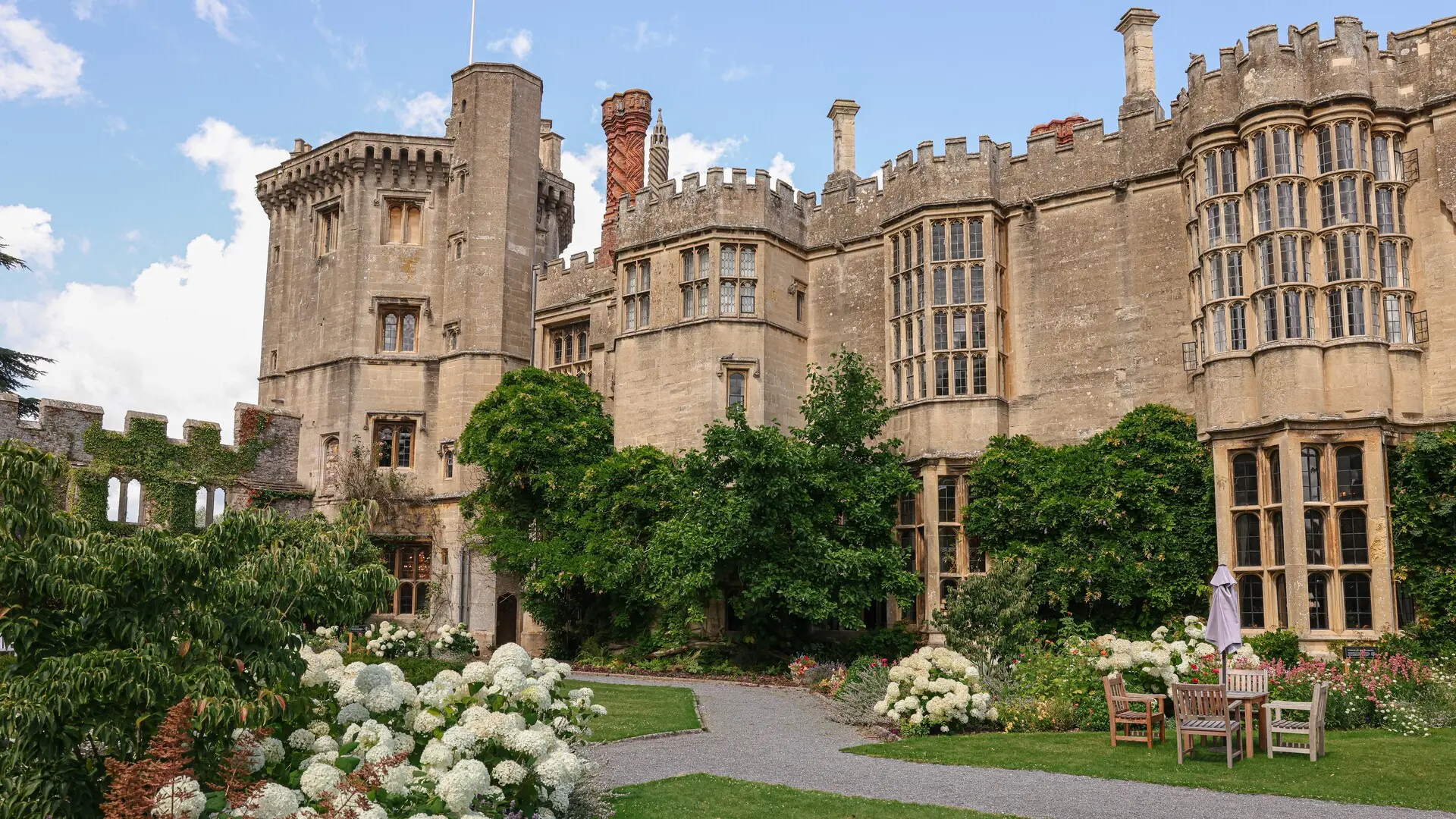
Thornbury Castle, nestled within 15 acres of lush English parkland, stands as the United Kingdom’s only authentic Tudor castle hotel. Originally constructed in 1511, this historic property seamlessly blends centuries-old heritage with contemporary luxury—offering a truly singular experience for discerning travellers seeking both gastronomy and grandeur.
With just 26 individually appointed chambers, Thornbury Castle is a coveted destination for those who cherish exceptional cuisine and a deep sense of place. Its illustrious guestbook includes royalty and legends: King Henry VIII, Anne Boleyn, Queen Mary I, Sophia Loren, and Laurence Olivier have all graced its storied halls.
In the 1970s, Thornbury’s restaurant achieved the distinction of being the first outside London to earn a Michelin star. While that accolade is not currently held, the culinary quality and artistry remain of an internationally acclaimed standard.
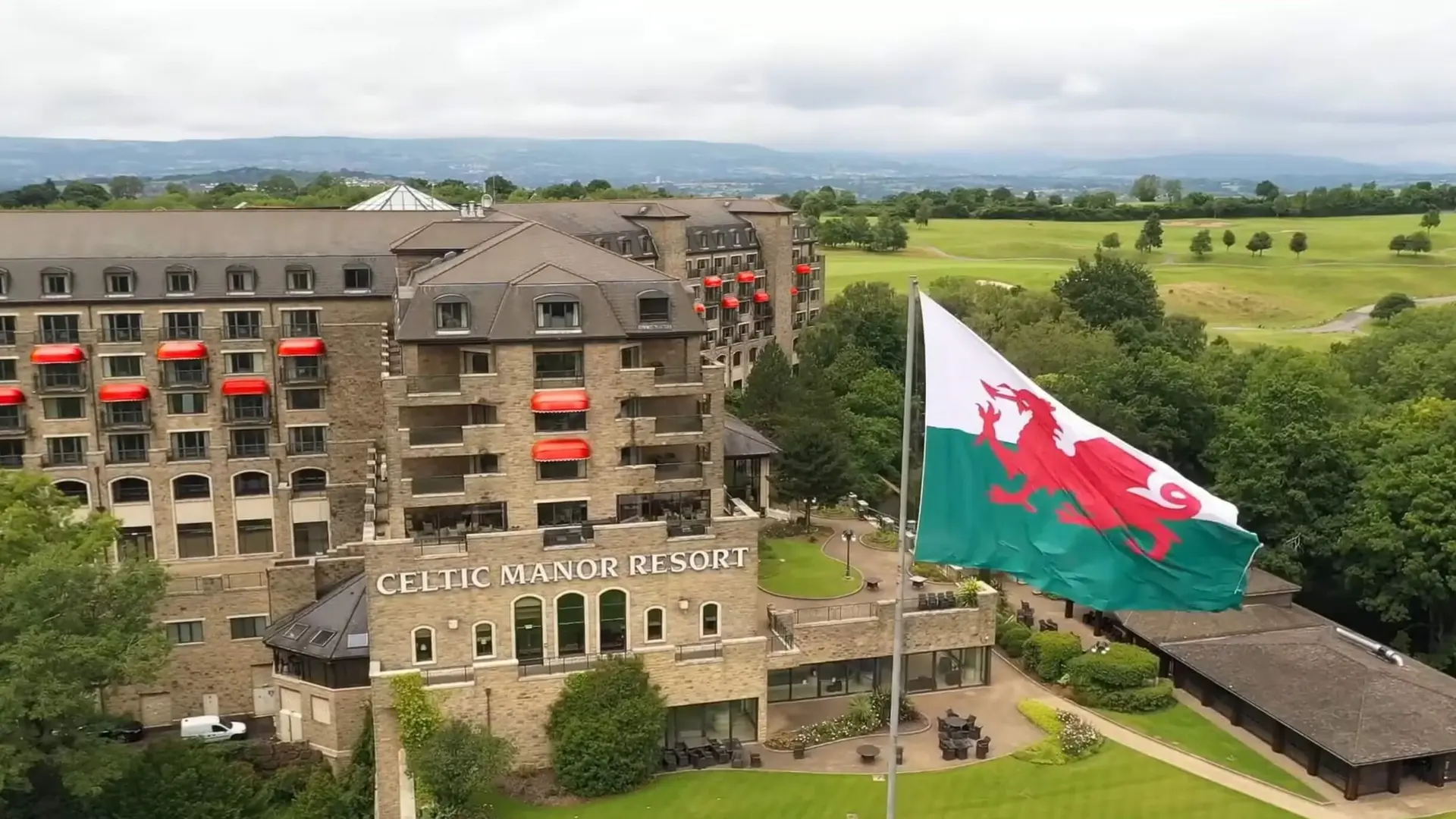
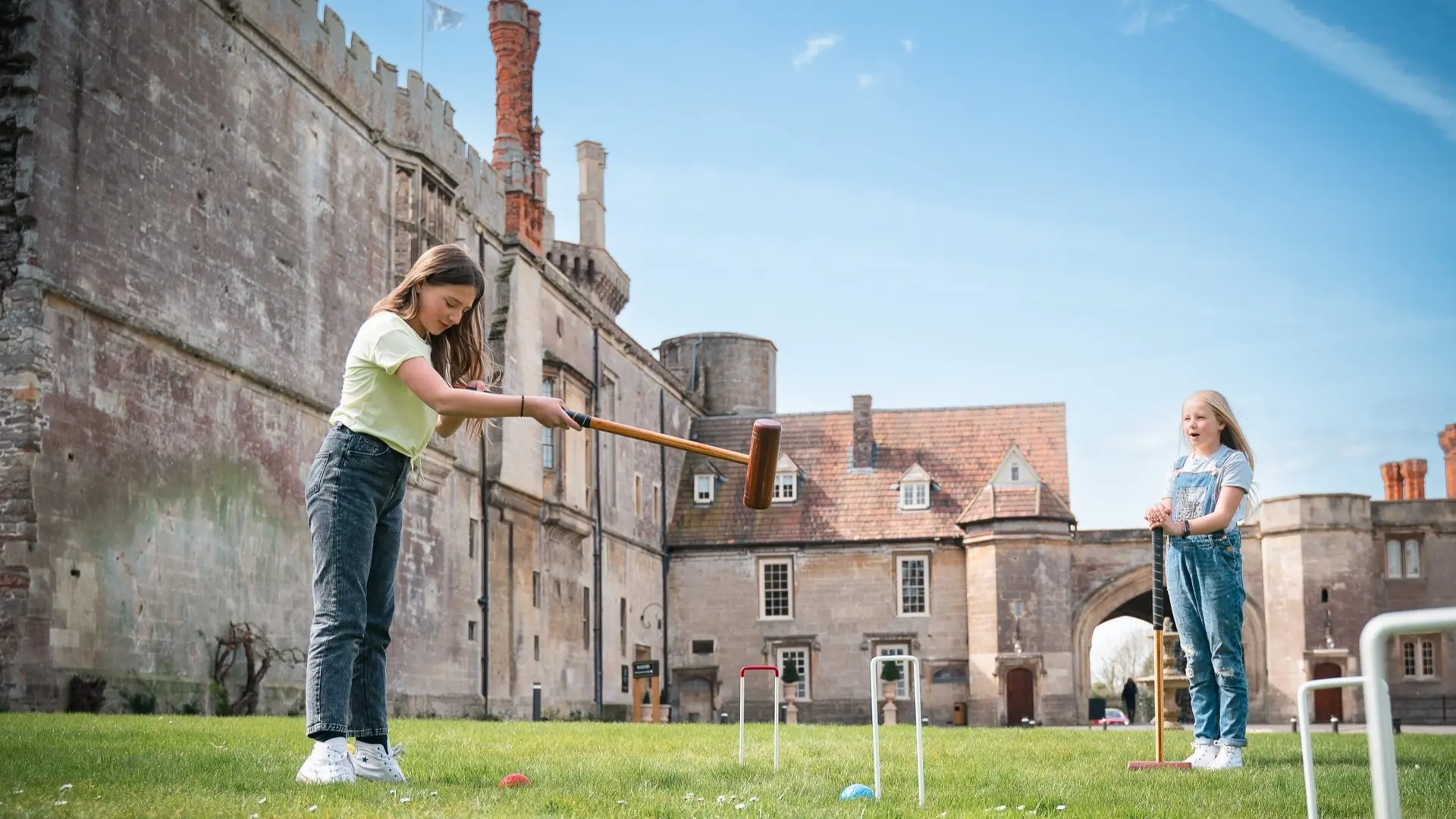
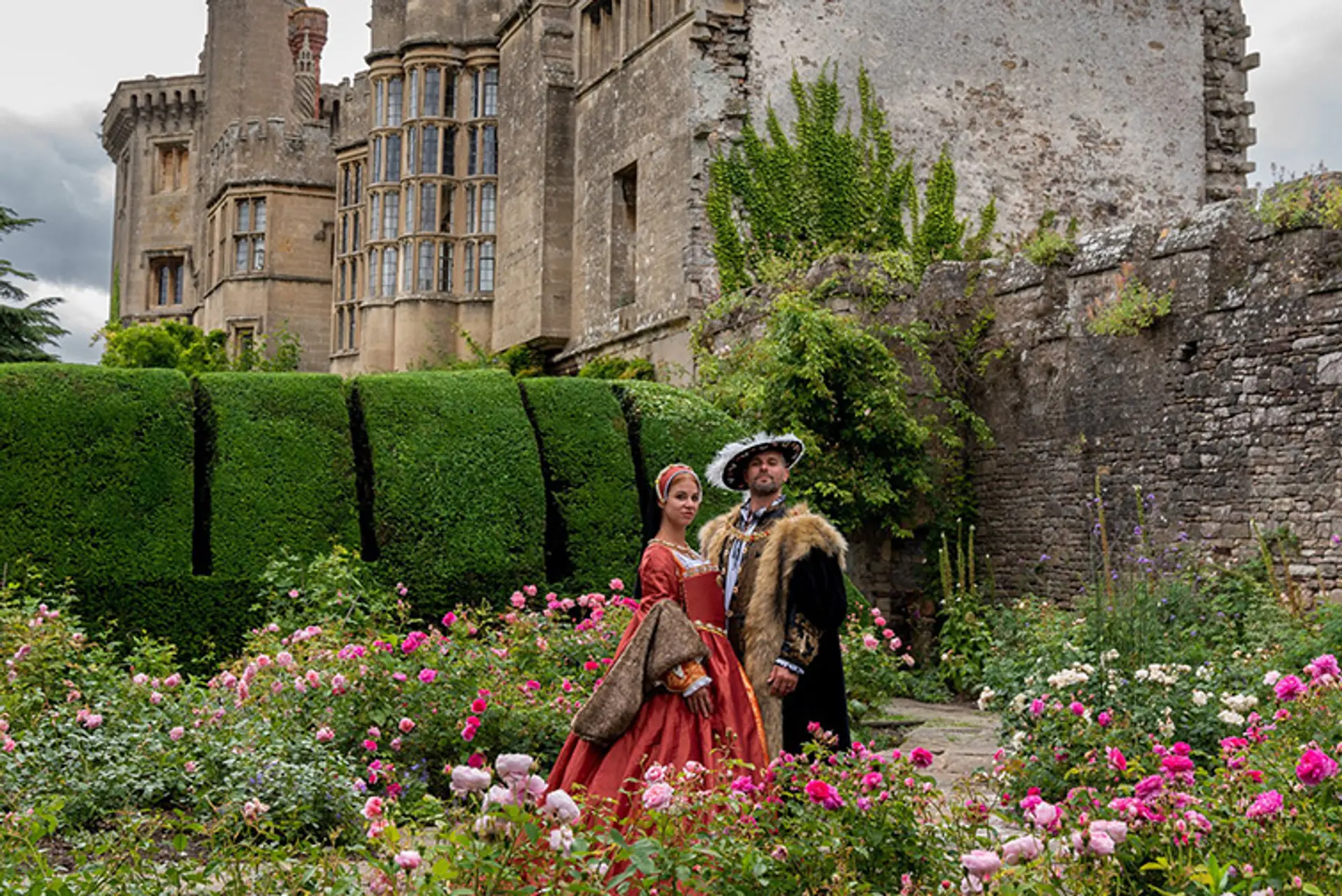
Guests can immerse themselves in a range of curated experiences, from longbow archery and falconry to croquet on the lawns and axe throwing. Clay pigeon shooting is available off-site (a 30-minute drive), while golf enthusiasts are just steps from Thornbury Golf Course or a short ride to the renowned Celtic Manor in Wales. Although the castle does not feature a traditional spa, a dedicated treatment room offers massages and facials for guests seeking pampering. Highlights include guided garden tours, in-depth historical walks, and the whimsical opportunity to be styled as a Tudor queen for a day.
Perfectly positioned for exploration, Thornbury Castle is within easy reach of Bath, Bristol, and the Welsh border—making it an ideal base for regional discovery.
For those concerned that a castle stay might mean outdated comforts, rest assured: following its acquisition by the Khamas Group in 2019, Thornbury Castle has undergone a meticulous restoration to five-star standards. The interiors and guest rooms retain their Tudor character while seamlessly integrating modern amenities, delivering an experience that is both authentically historic and uncompromisingly luxurious.
In our view, Thornbury Castle epitomizes the very best of England’s castle hotel tradition—an immersive blend of history, hospitality, and haute cuisine.
Accommodation
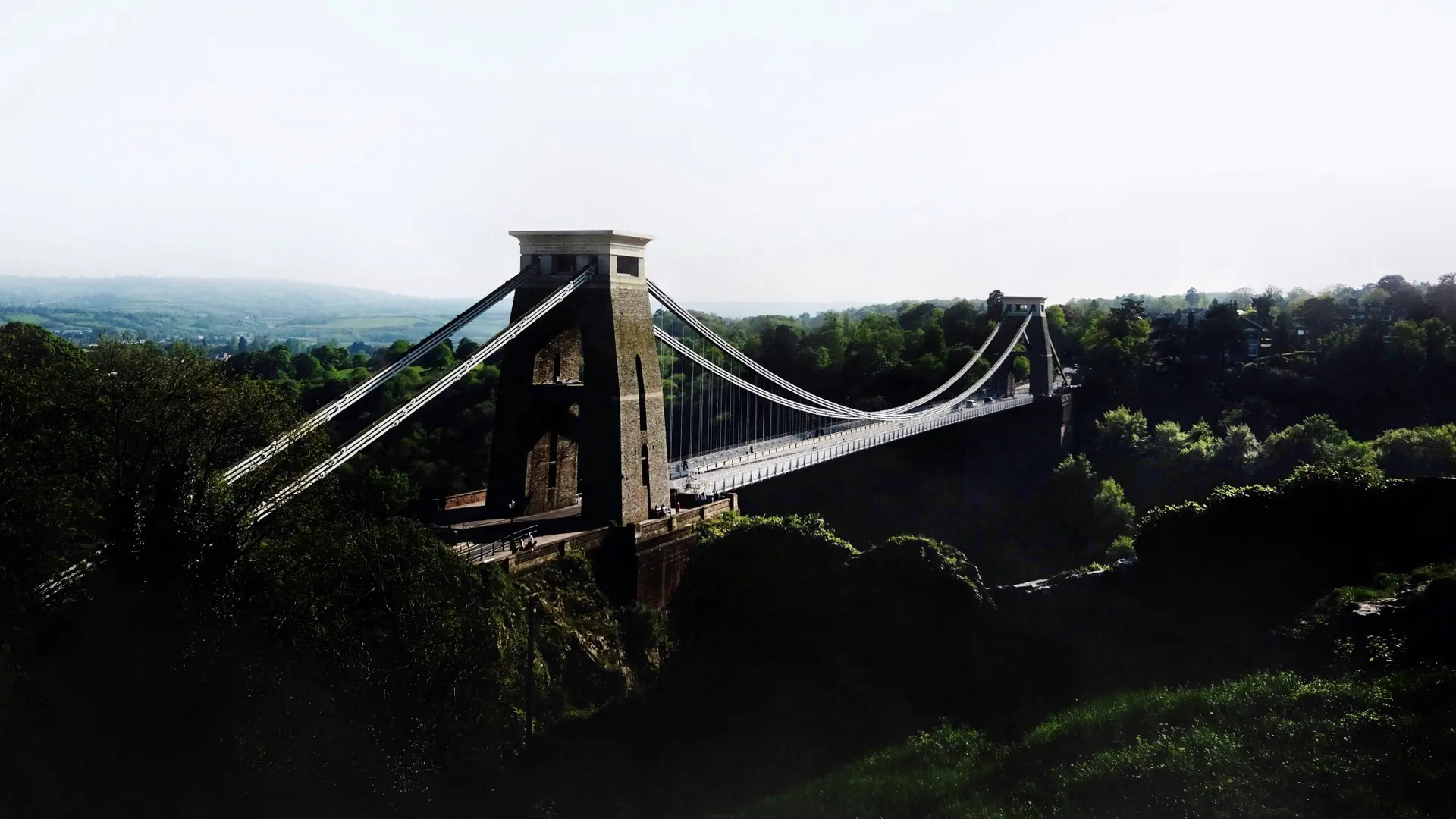
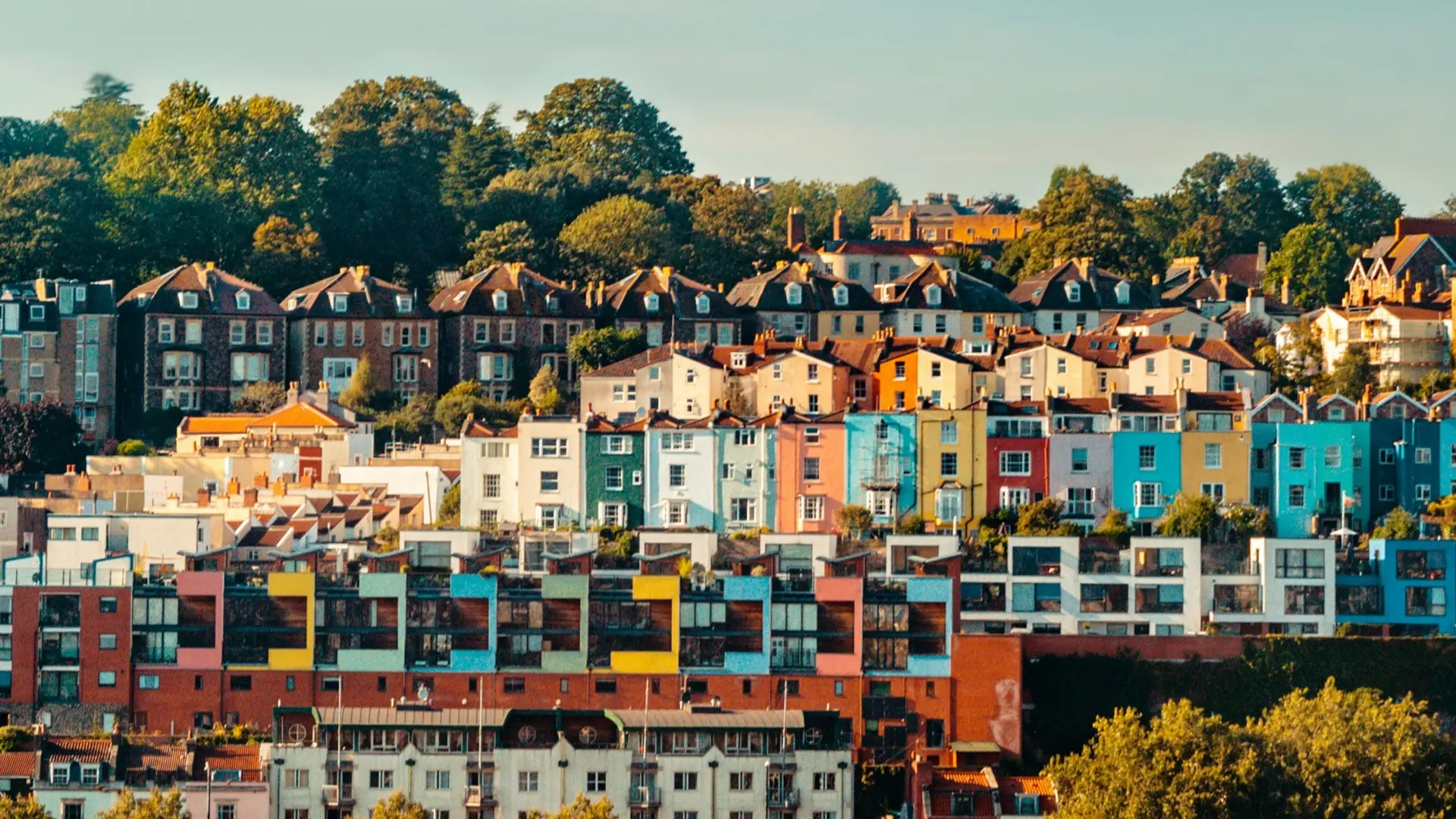
Set in Gloucestershire on the edge of the Cotswolds, Thornbury is a charming market town just 12 miles north of Bristol and 20 miles from the spa city of Bath. The hotel’s location offers seamless access to Wales—simply cross the River Severn via the Prince of Wales Bridge and you’re there in under half an hour.
Reaching Thornbury from London is straightforward: by car or train (via Bristol) in approximately 2.5 hours, or by air to Bristol Airport with a short onward drive.
The town’s roots run deep: Thornbury is referenced in the Domesday Book of 1086 as “Turneberie,” the estate of Matilda of Flanders, consort to William the Conqueror. Archaeological evidence suggests settlement here dates back to Roman Britain in the 3rd and 4th centuries AD, adding layers of intrigue to the locale’s rich heritage.
Service & Facilities
With only 26 individually crafted bedchambers, Thornbury Castle offers an intimate and exclusive residential experience. An additional suite in the estate’s historic Gatehouse is set to debut soon, further enhancing the hotel’s unique accommodation portfolio.
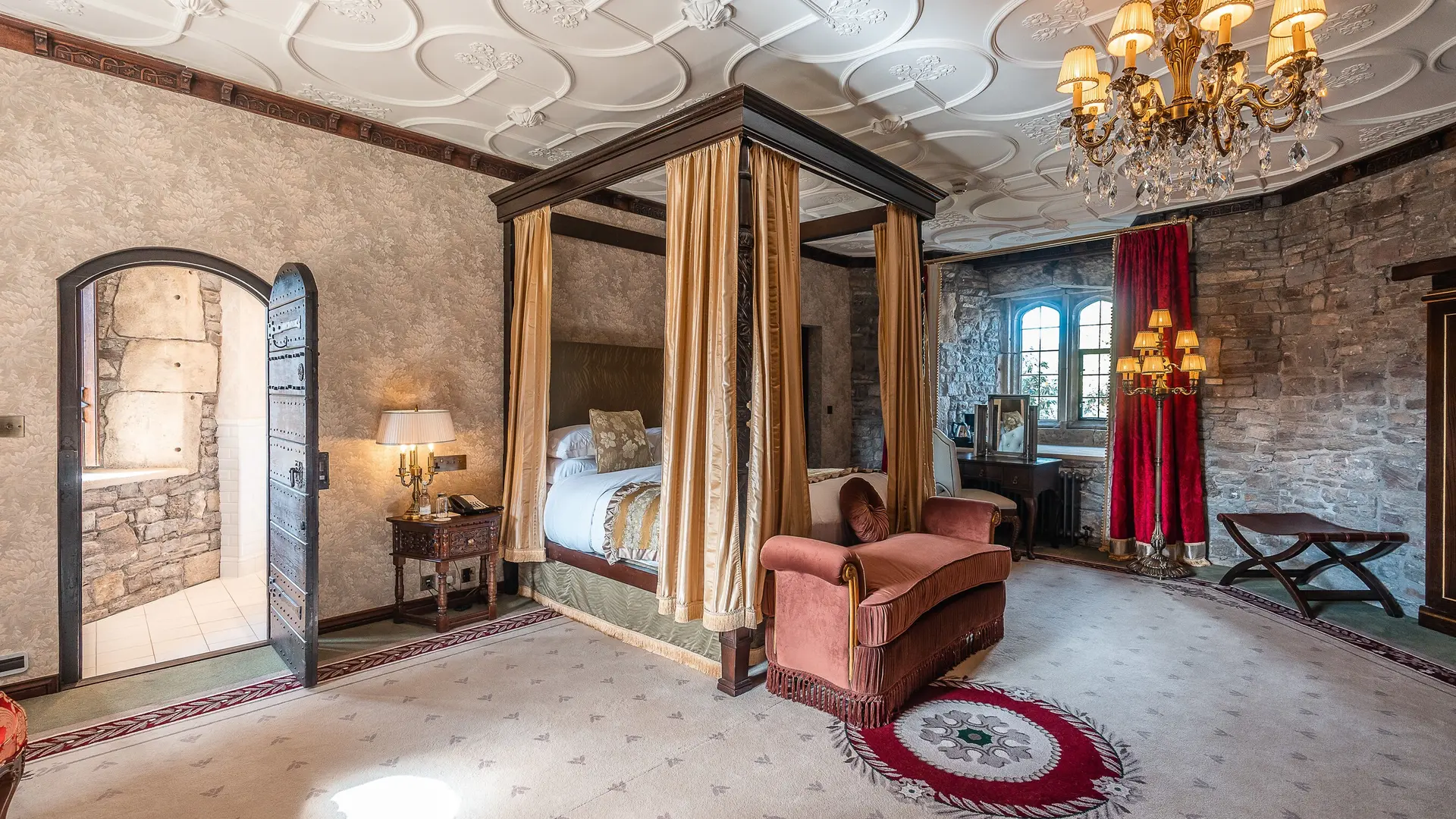
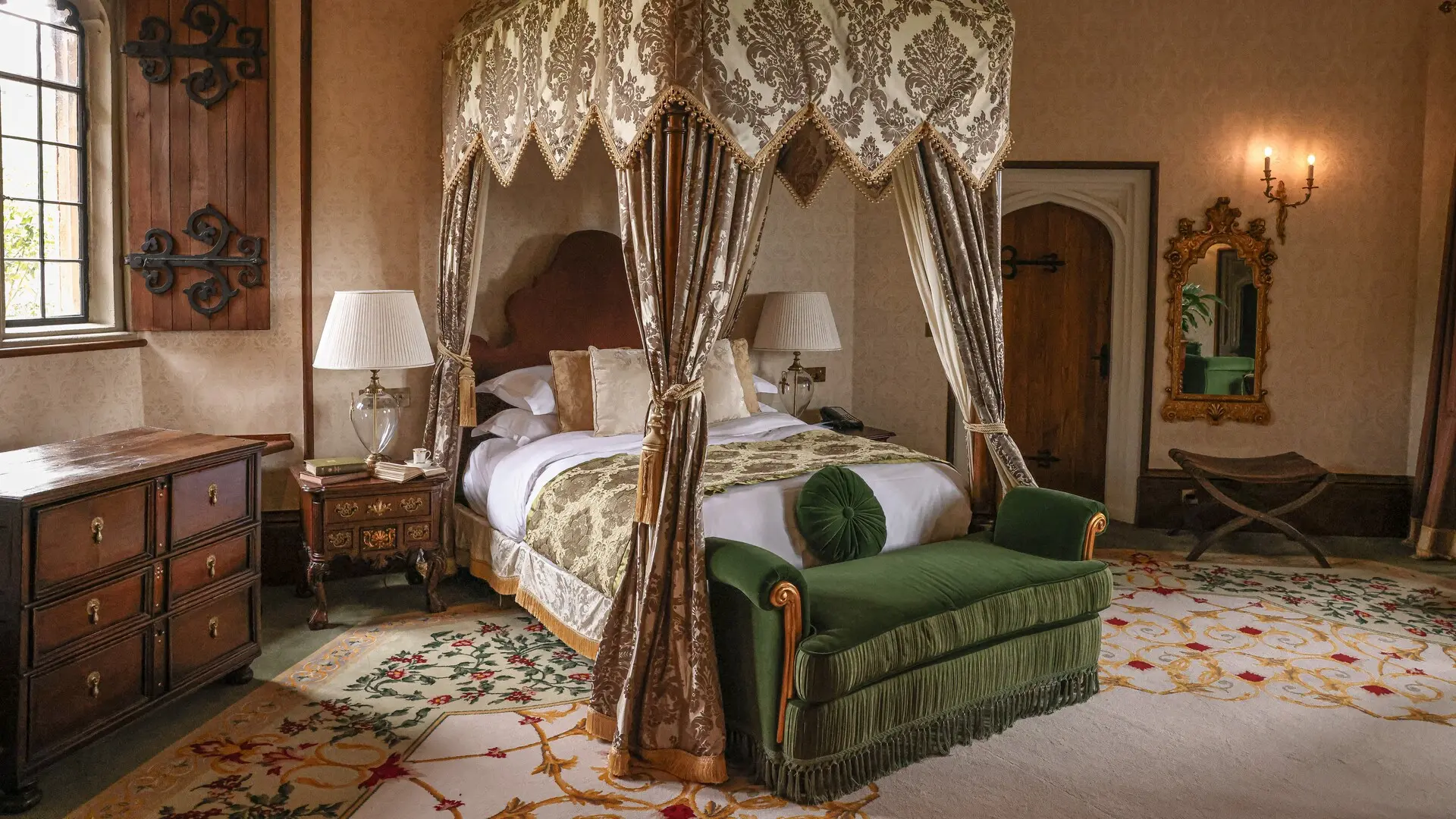
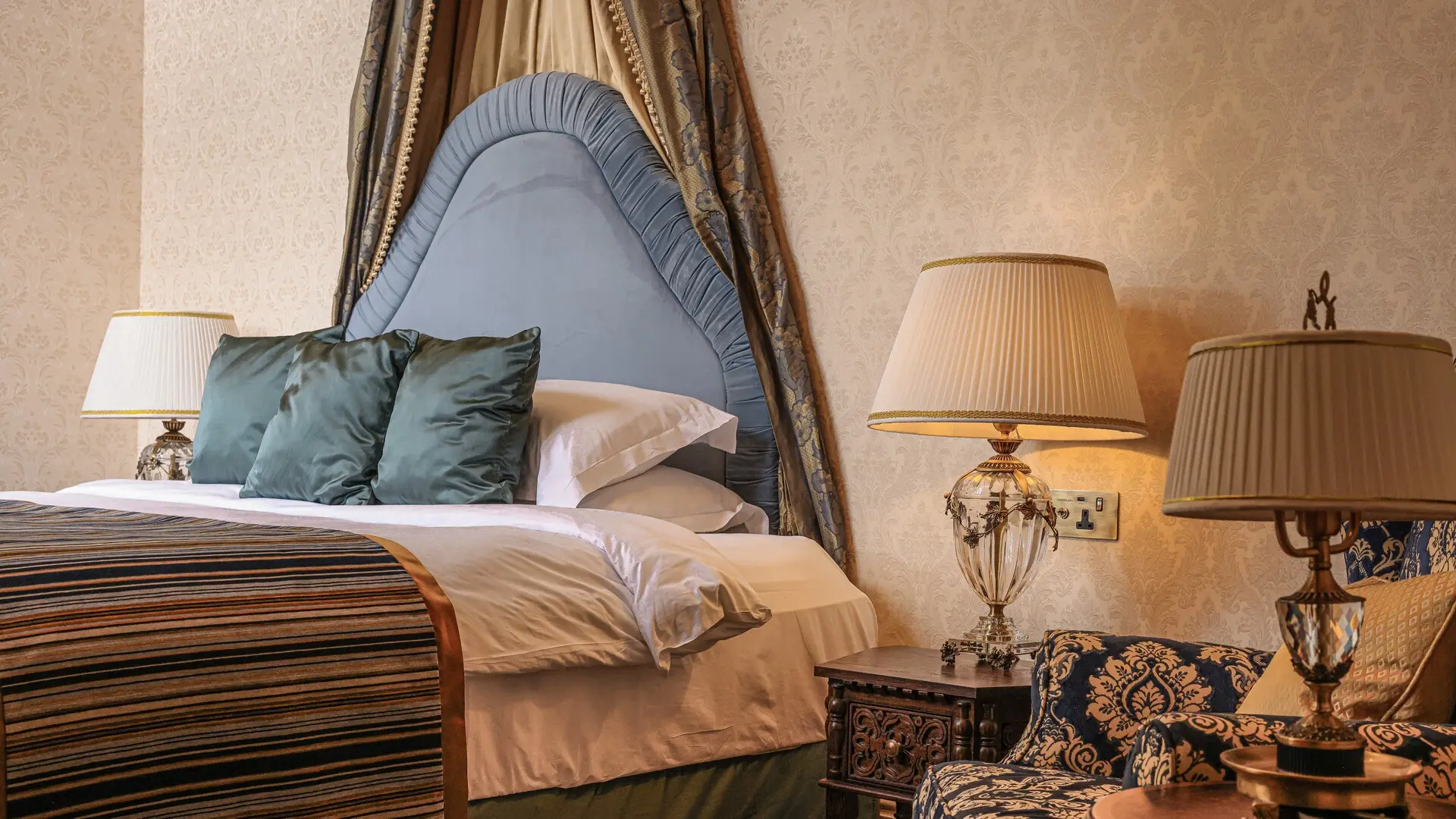
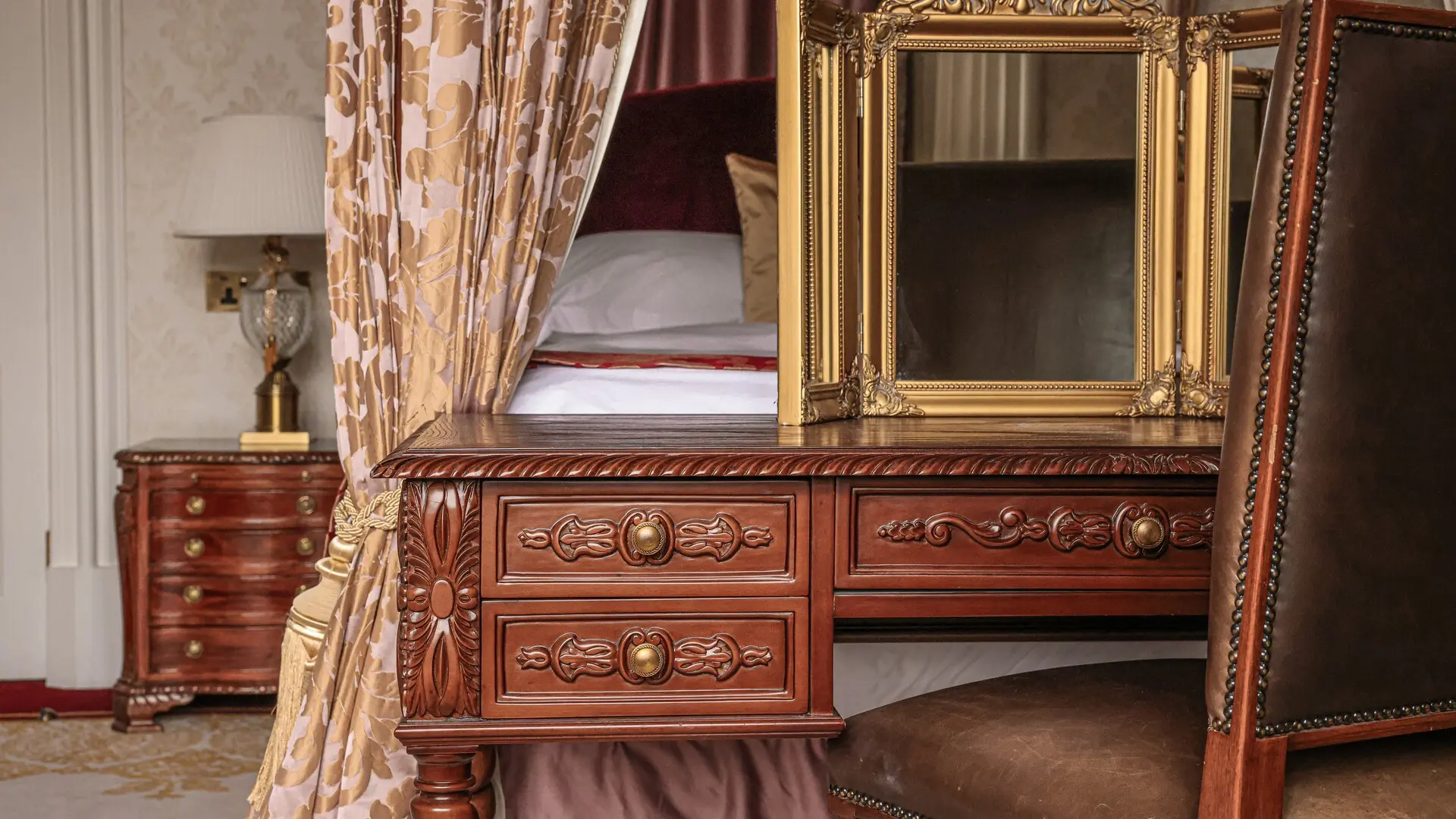
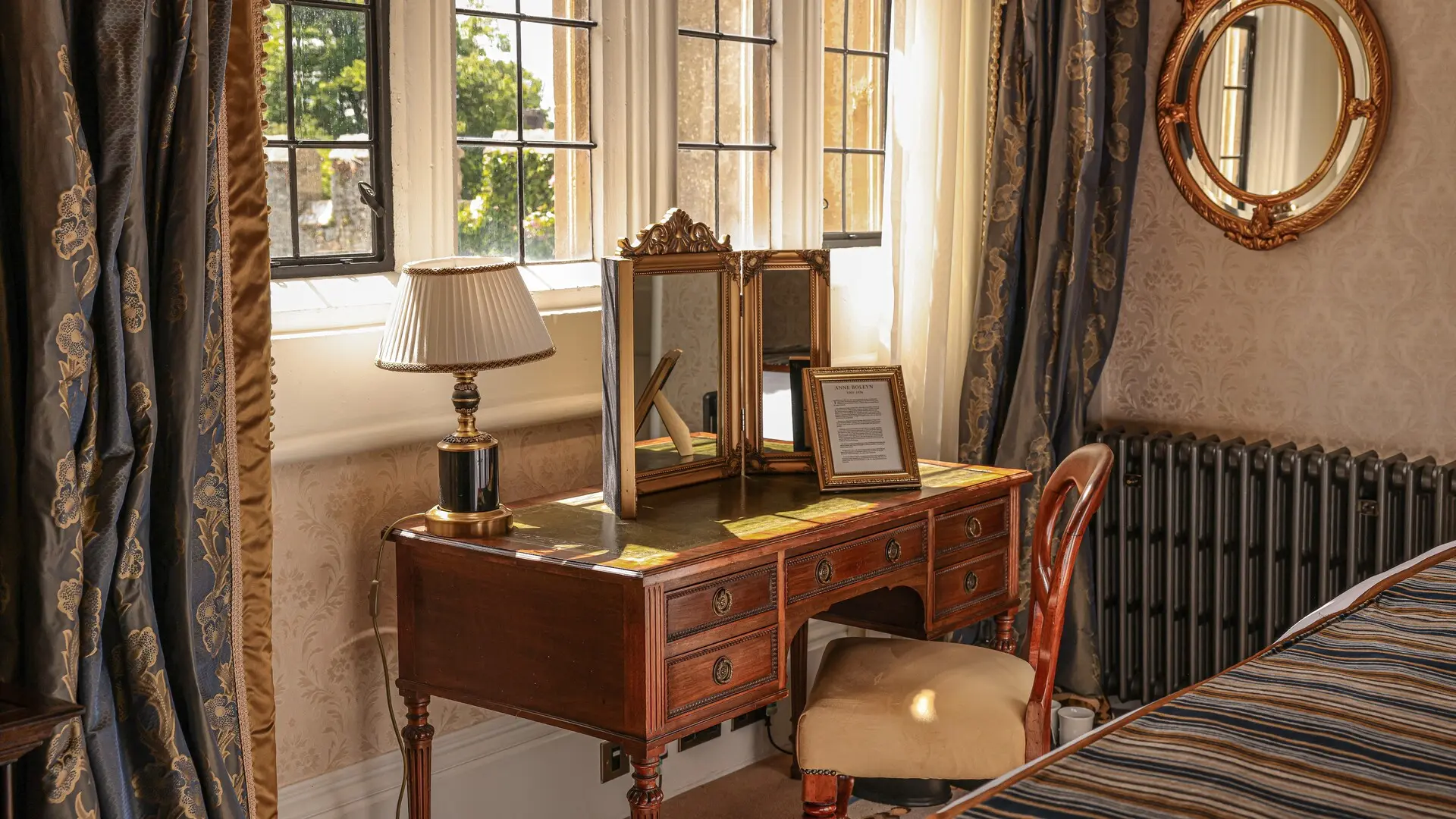
No two rooms are identical, a hallmark of the property’s authentic Tudor architecture and thoughtful restoration. The recent renovation, completed by the Khamas Group, ensures that each chamber retains its period character while providing the amenities expected by today’s luxury traveller.
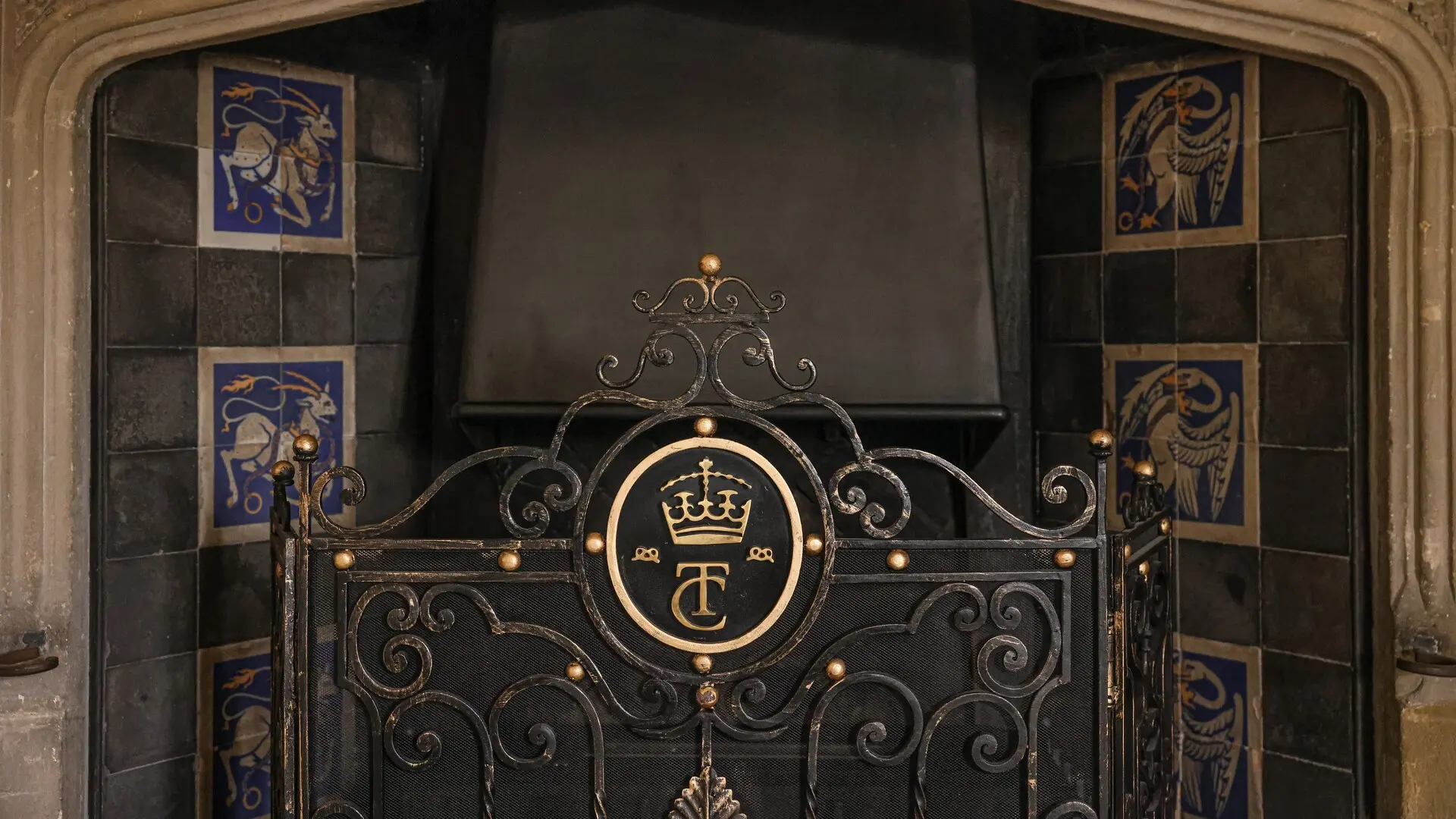
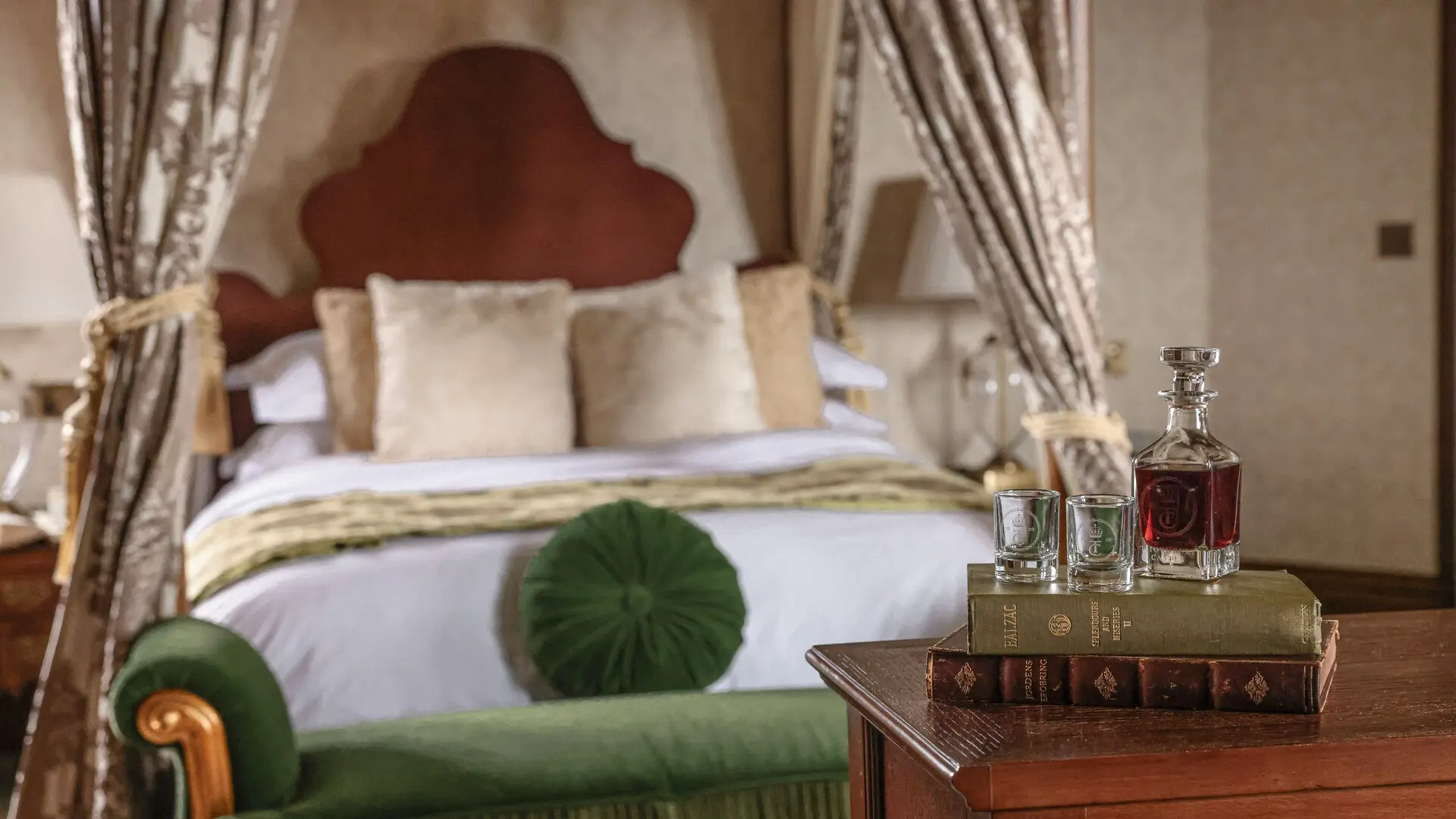
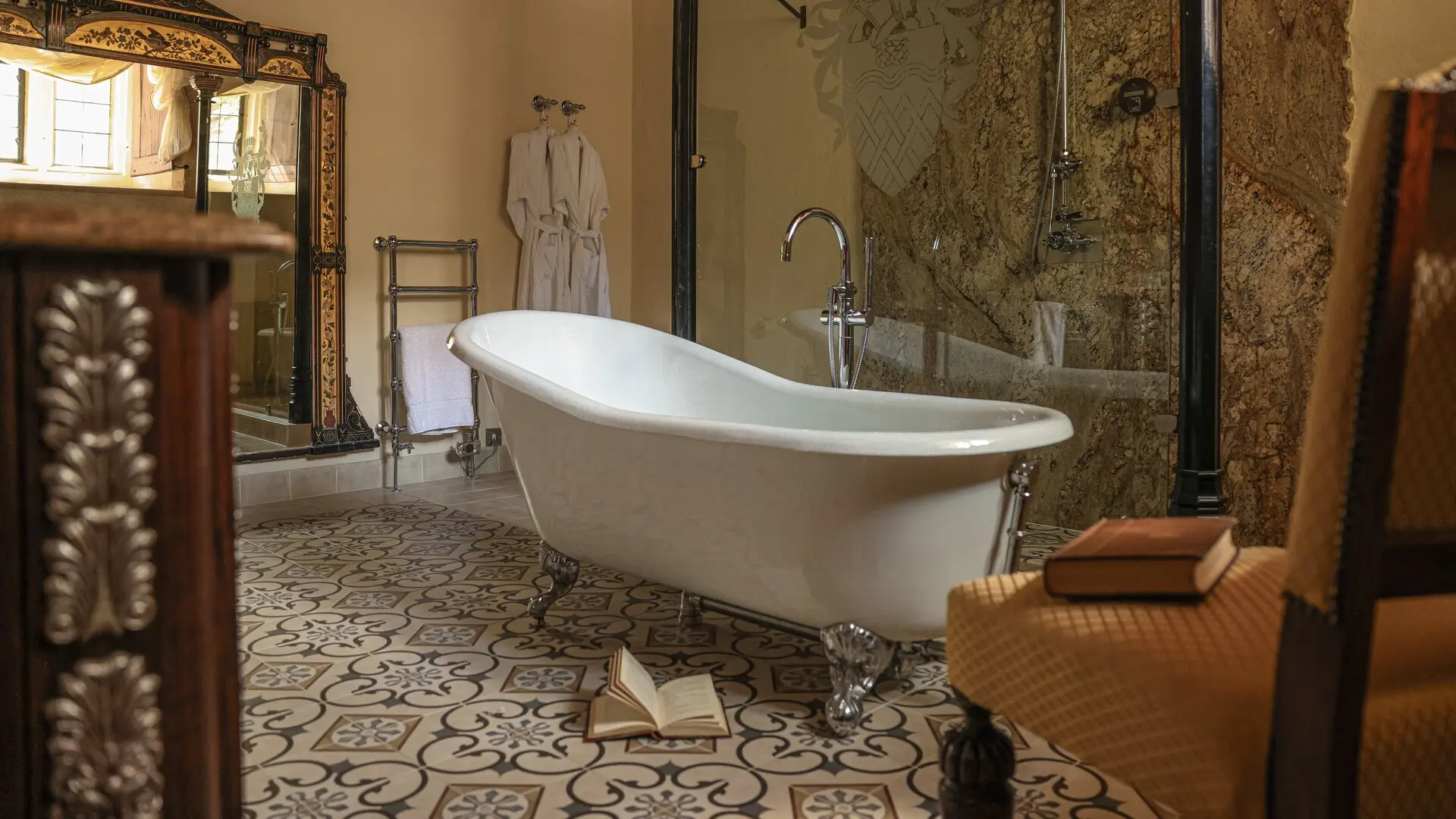
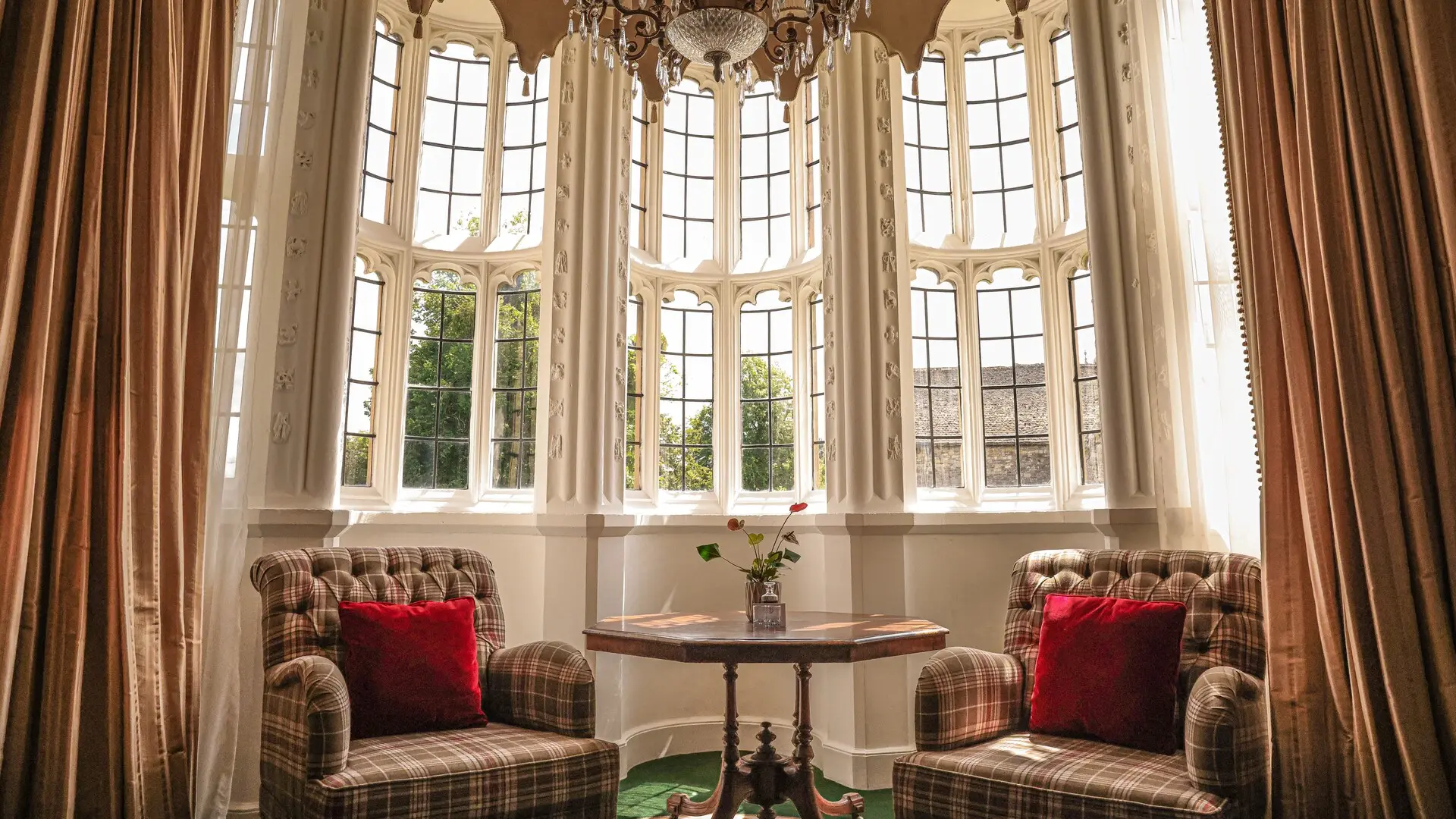
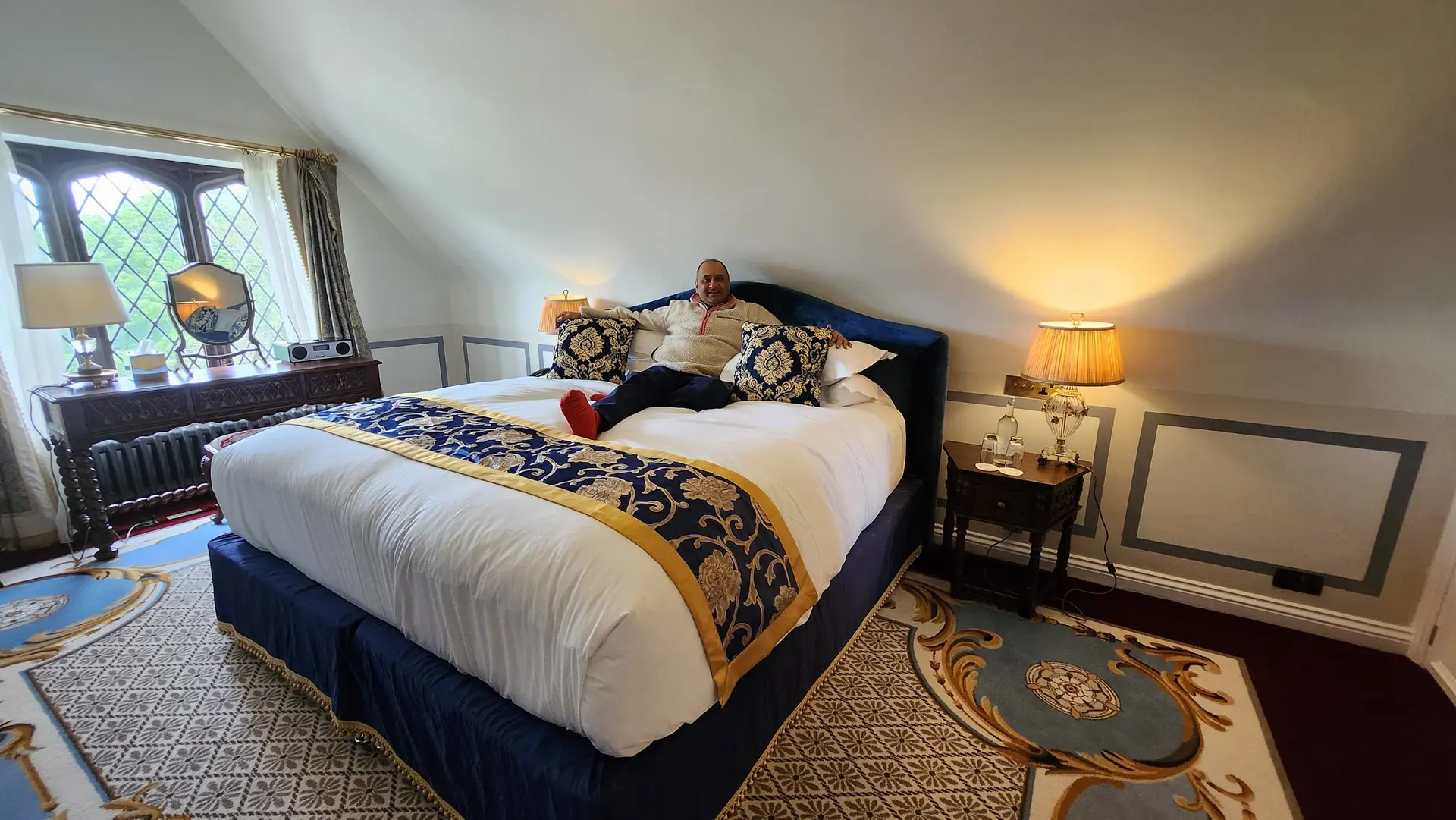
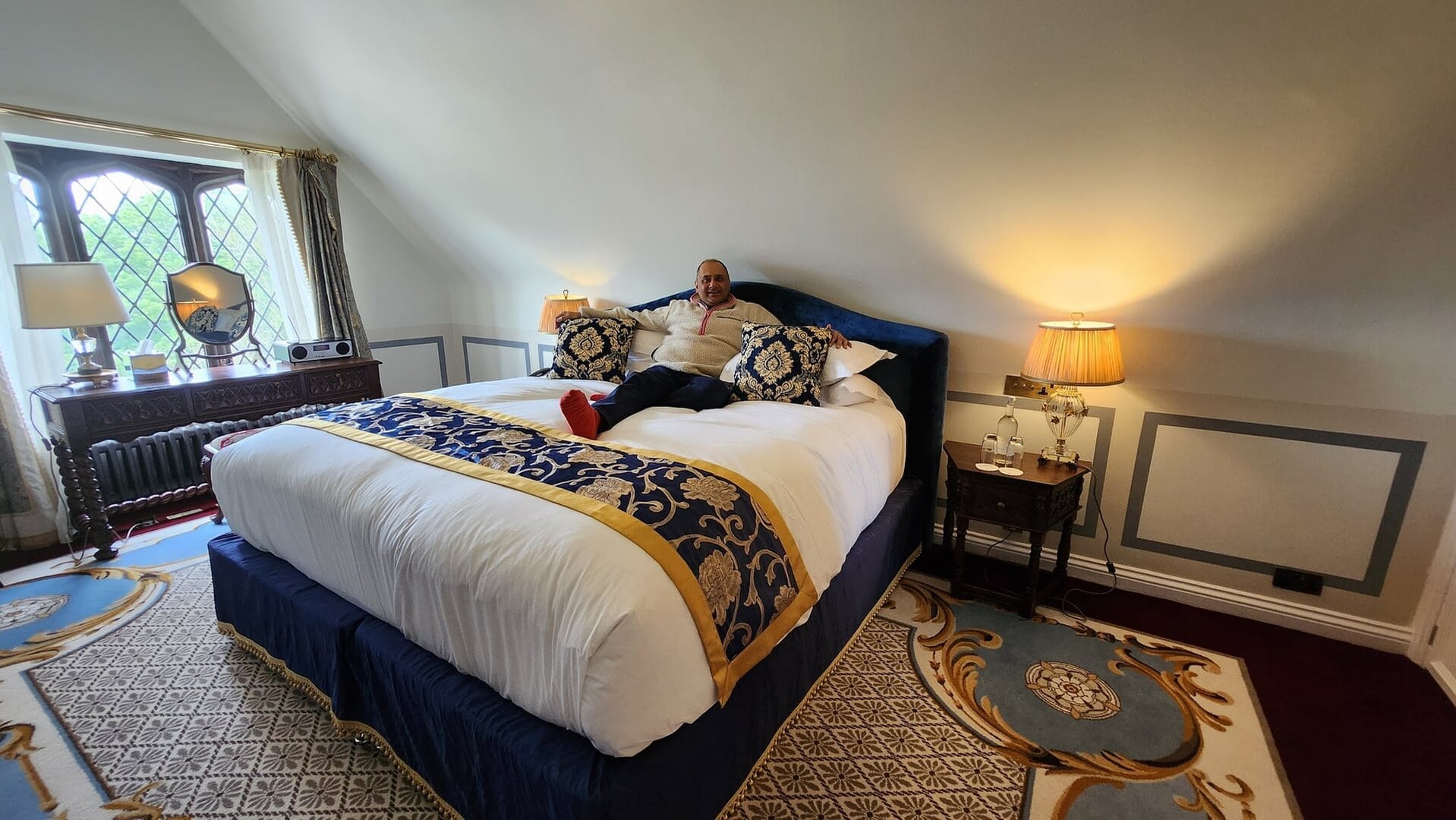
Common features include sumptuous four-poster beds in half the rooms, many with original fireplaces, high-speed Wi-Fi, flat-screen TVs with streaming capability, digital radios, Nespresso machines, USB charging points, plush carpeting, individually controlled heating and air conditioning, bespoke furnishings, historic artwork, and coffered or intricately detailed ceilings. Bathrooms are indulgently appointed with underfloor heating, slipper bathtubs, walk-in rain showers, Molton Brown toiletries, thick robes and towels, and a decanter of house-made sloe gin for a signature welcome. Each room is a blend of period ambiance and modern indulgence—without a hint of the supernatural!
The hotel’s four signature suites—Catherine of Aragon Tower, Henry VIII, Jane Seymour, and Henry VII—are the most expansive, but every category (Castle Suites, Superior Deluxe, Deluxe) is finished to an exceptional standard.
The Henry VII Suite features a grand four-poster, separate lounge/dressing area, and an oversized walk-in shower. It can comfortably accommodate up to four guests, making it ideal for families.
From the Jane Seymour Suite, perched in the castle’s tower, guests enjoy panoramic views stretching to the Welsh hills on clear days. At 65 square metres, it offers a regal four-poster and a luxurious walk-in shower room.
The Henry VIII Suite is historically significant: in 1535, Henry VIII and Anne Boleyn spent nine nights here—a rare opportunity for guests to sleep where history was made.
The Catherine of Aragon Tower Suite, reached via 77 stone steps, is an awe-inspiring 71 square metres. It features what is reputed to be the largest four-poster bed in any UK hotel, an original fireplace beside the WC, and breathtaking views. The bathroom is equally impressive, with designer fixtures and a spacious walk-in shower.
Each guestroom exudes a sense of grandeur, warmth, and comfort that rivals the finest castle hotels in England.
Children over nine and well-behaved pets are warmly welcomed at Thornbury Castle, ensuring a family-friendly yet sophisticated environment.

Style
Thornbury Castle occupies a unique niche in the luxury hospitality sector, standing out not for its abundance of modern amenities, but for the rare gift of tranquillity and immersive historical atmosphere. Unlike many five-star properties, there is no swimming pool, spa complex, or fitness centre—but guests are invited to embrace a slower pace and savour restorative downtime.
During our stay, the peaceful environment allowed us to finally finish a long-awaited novel—an indulgence in itself.
While the castle does not offer a full spa, a single treatment suite can be reserved for massages, facials, manicures, and more—particularly popular during exclusive-use events and weddings.
Thornbury excels at bringing Tudor history to life for guests. Activities include longbow archery, axe throwing, and hands-on falconry demonstrations, all bookable in advance. These experiences reflect the castle’s storied past—Henry VIII once mandated that every English household own a longbow, and guests can now try their hand at this ancient skill.
Axe throwing is available in a safe, supervised setting, while world-class falconer Michael Davie introduces guests to the art of hunting with birds of prey—a tradition dating back millennia.
For those seeking adventure further afield, Lady’s Wood Shooting School is a short drive away, offering clay pigeon shooting for all levels. Golf can be arranged locally, or guests can access the championship Celtic Manor course in Wales, just 30 minutes away.
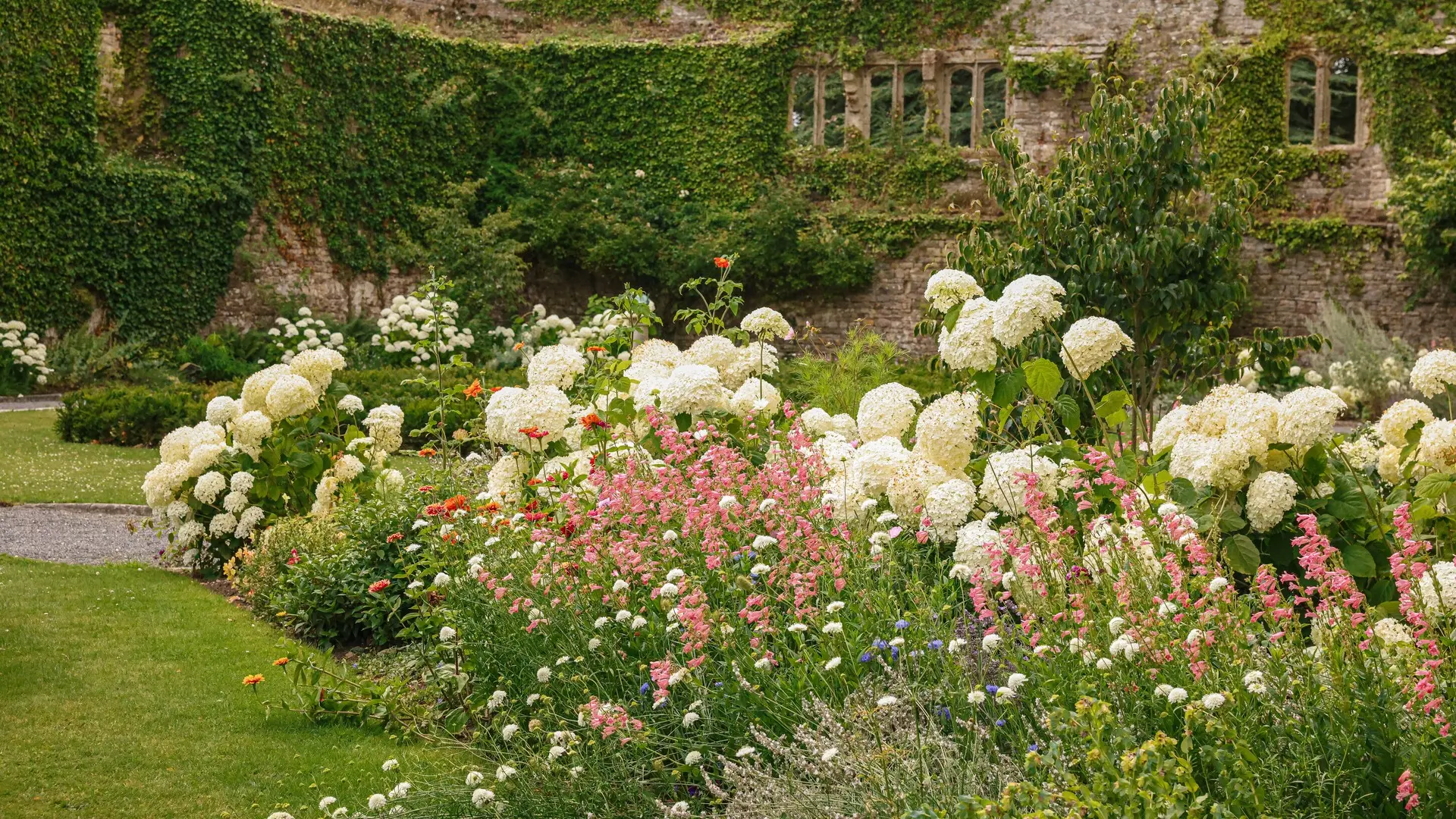
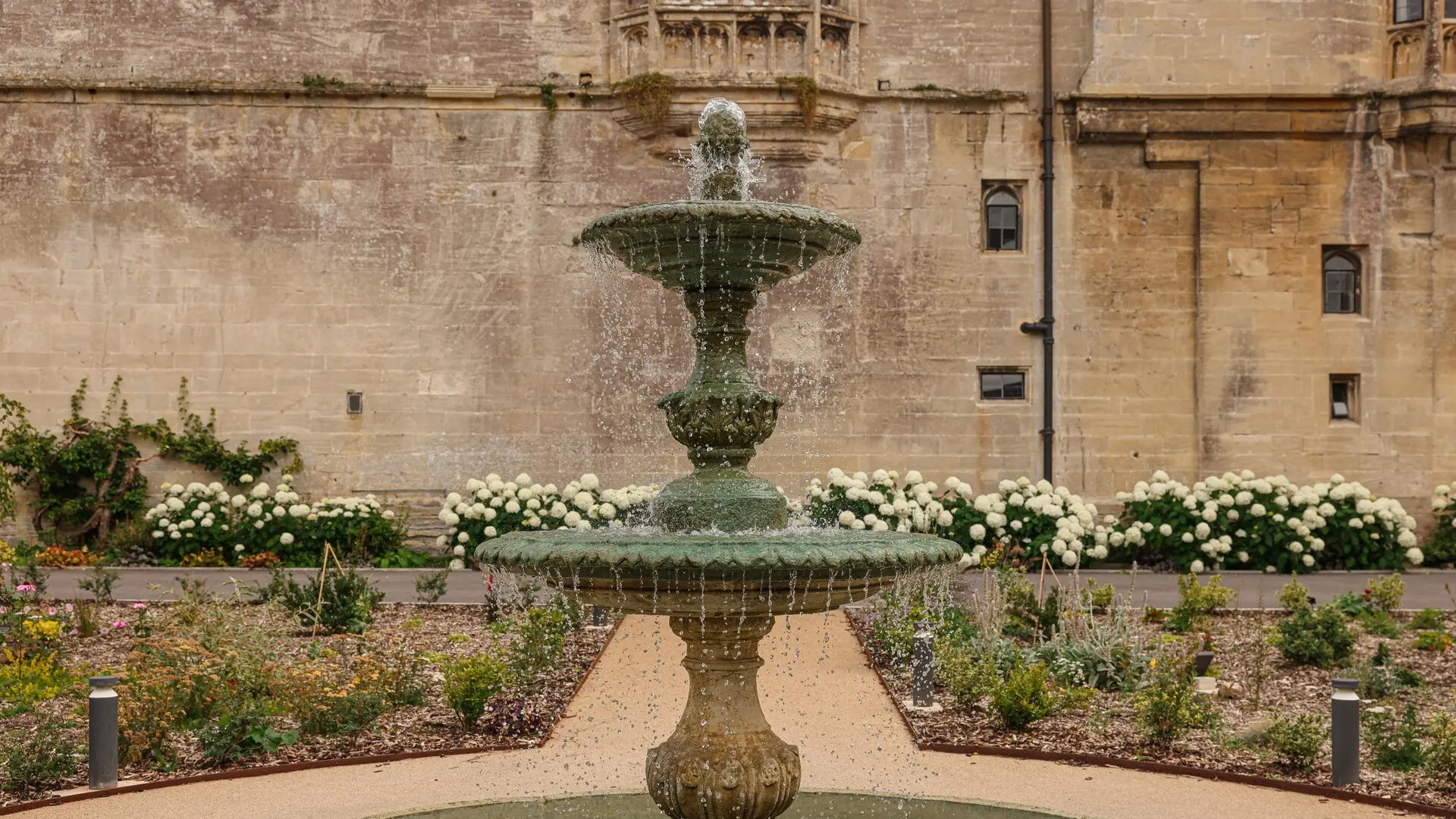
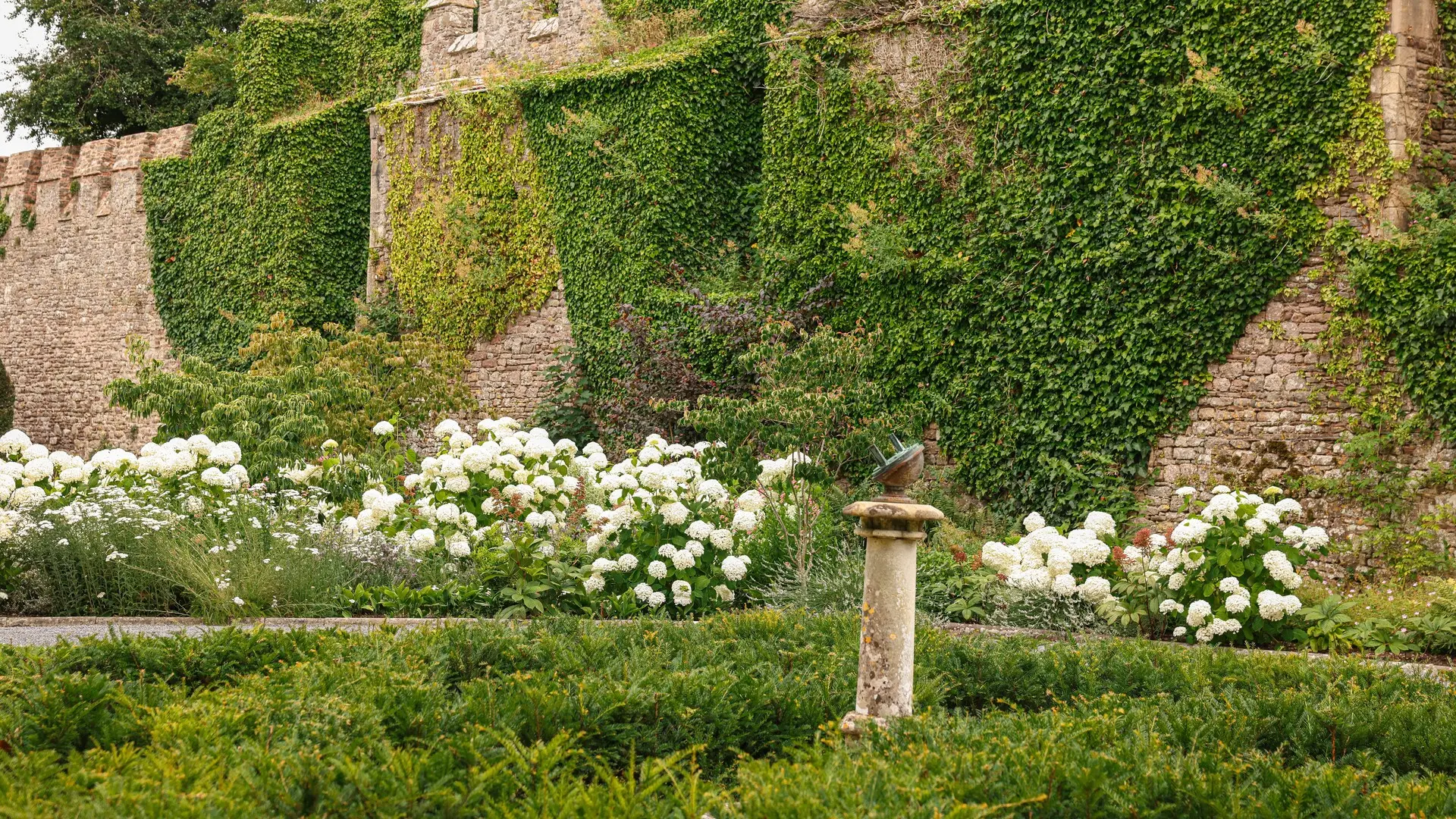
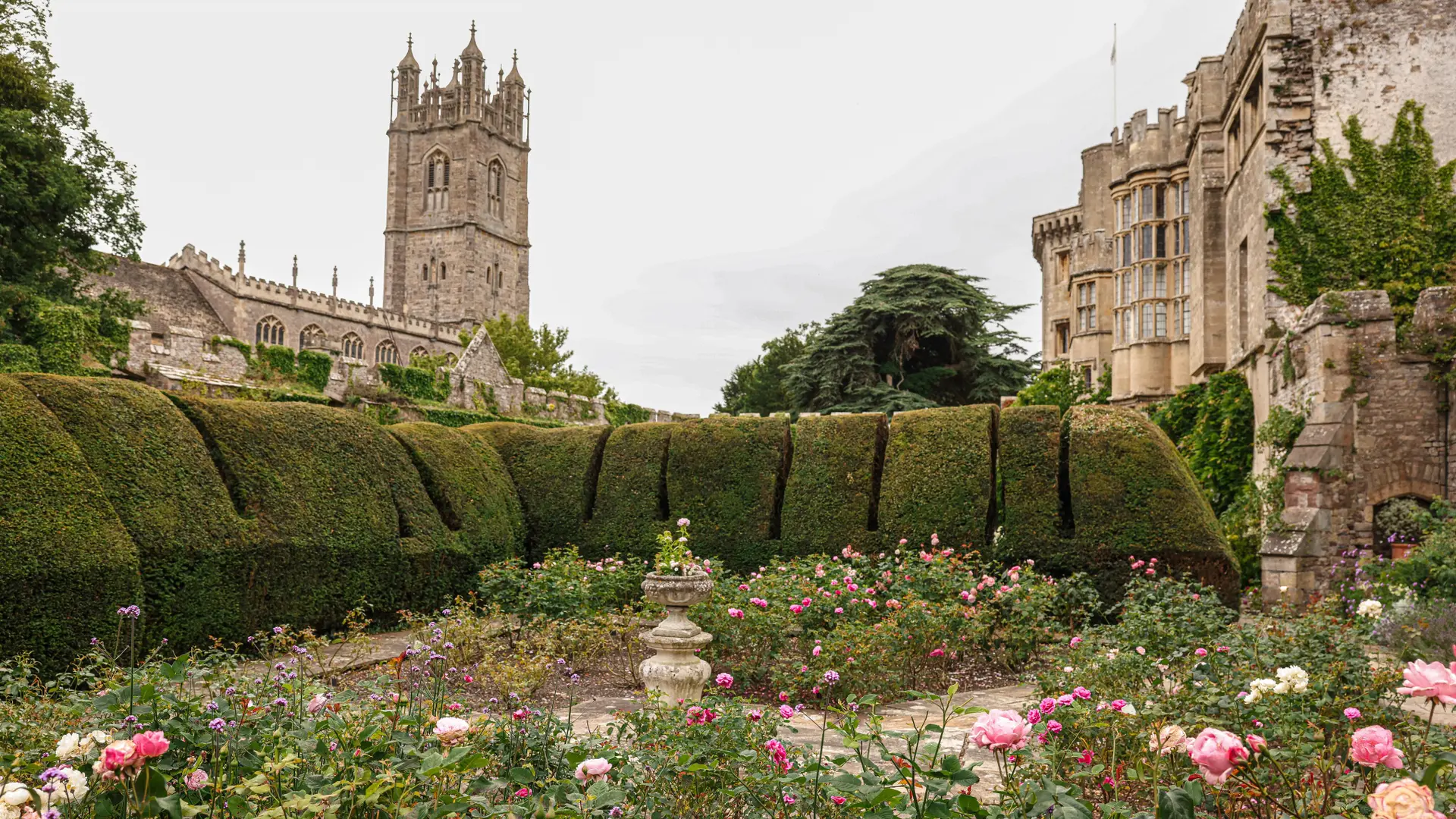
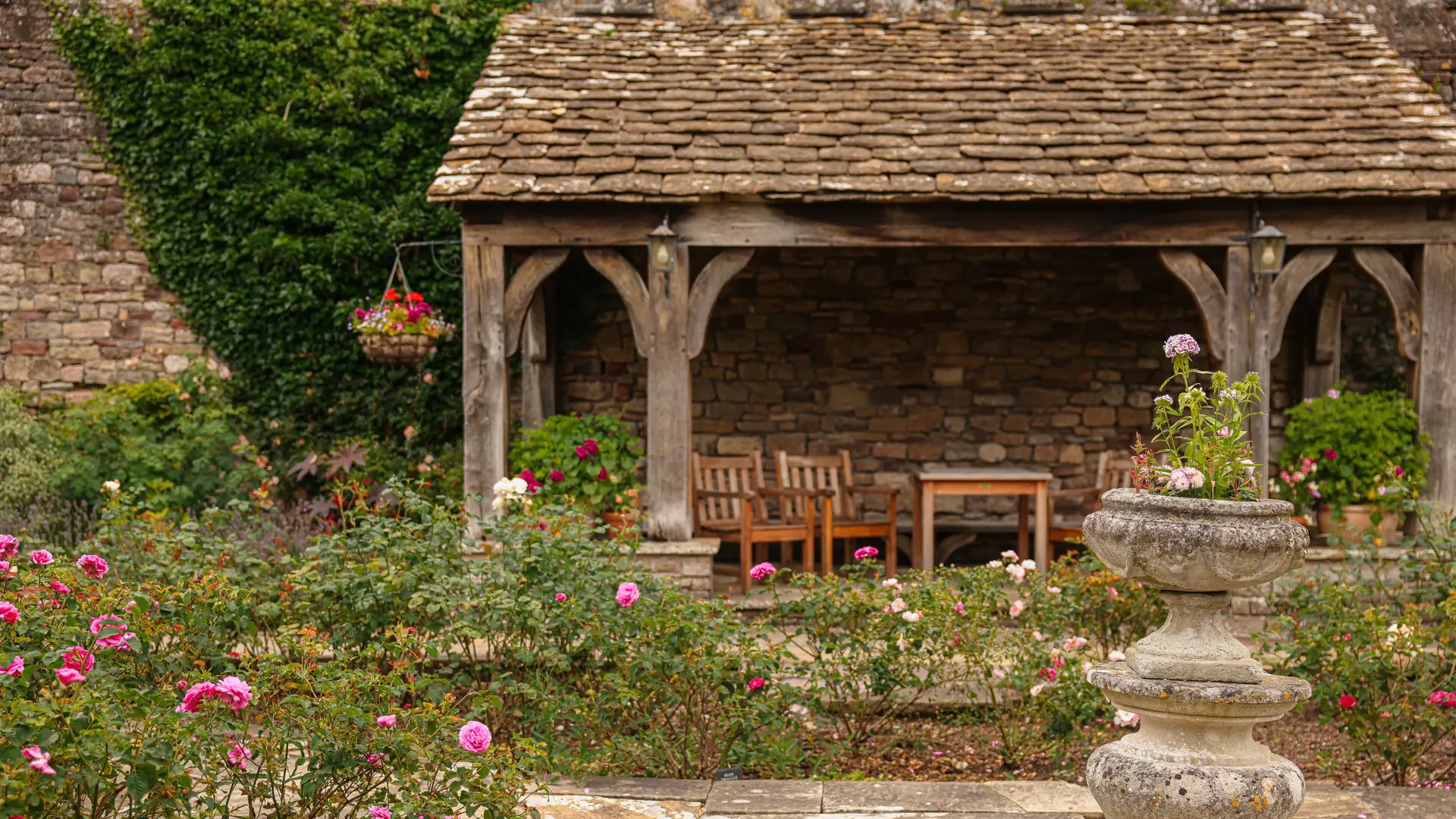
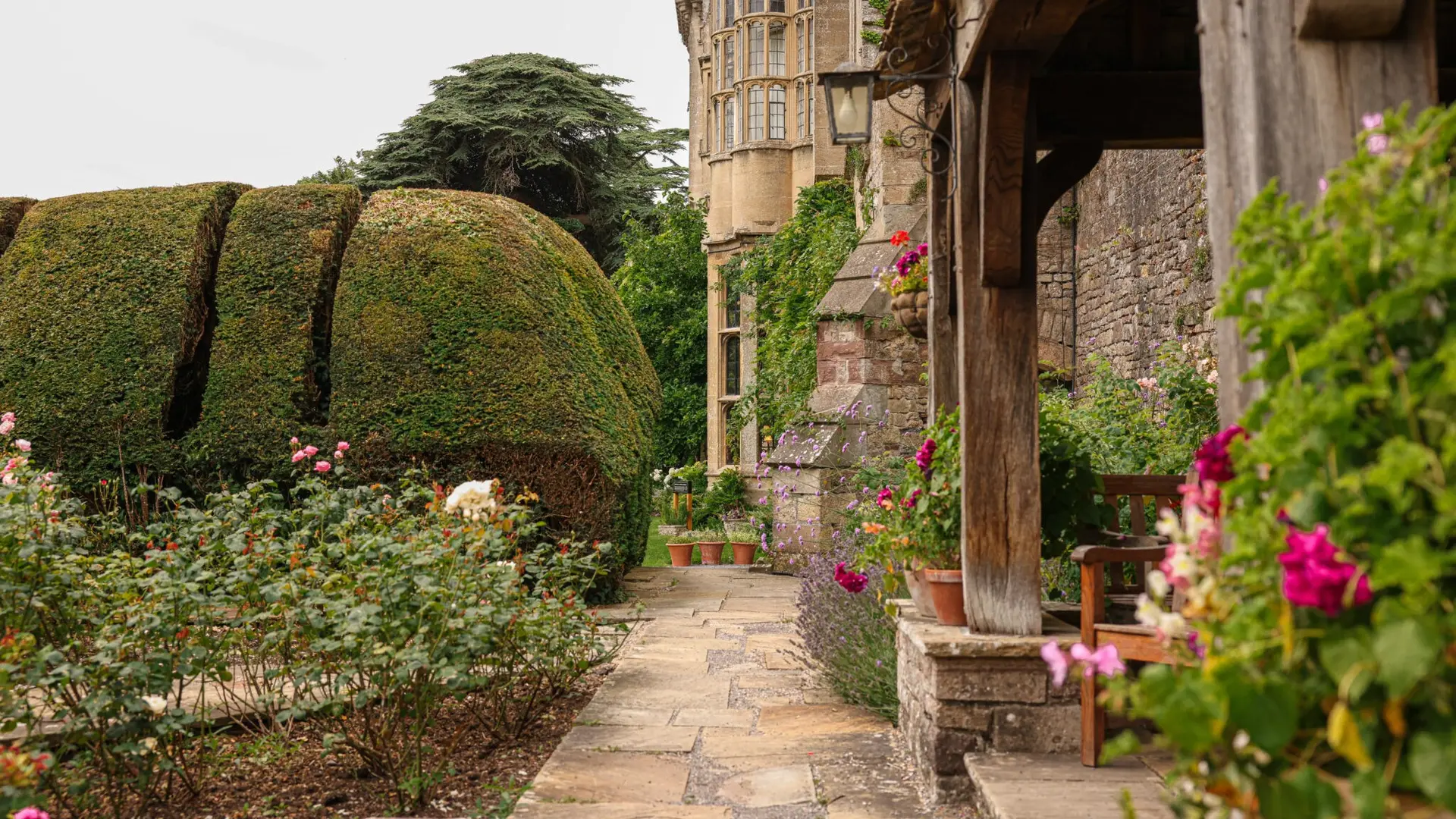
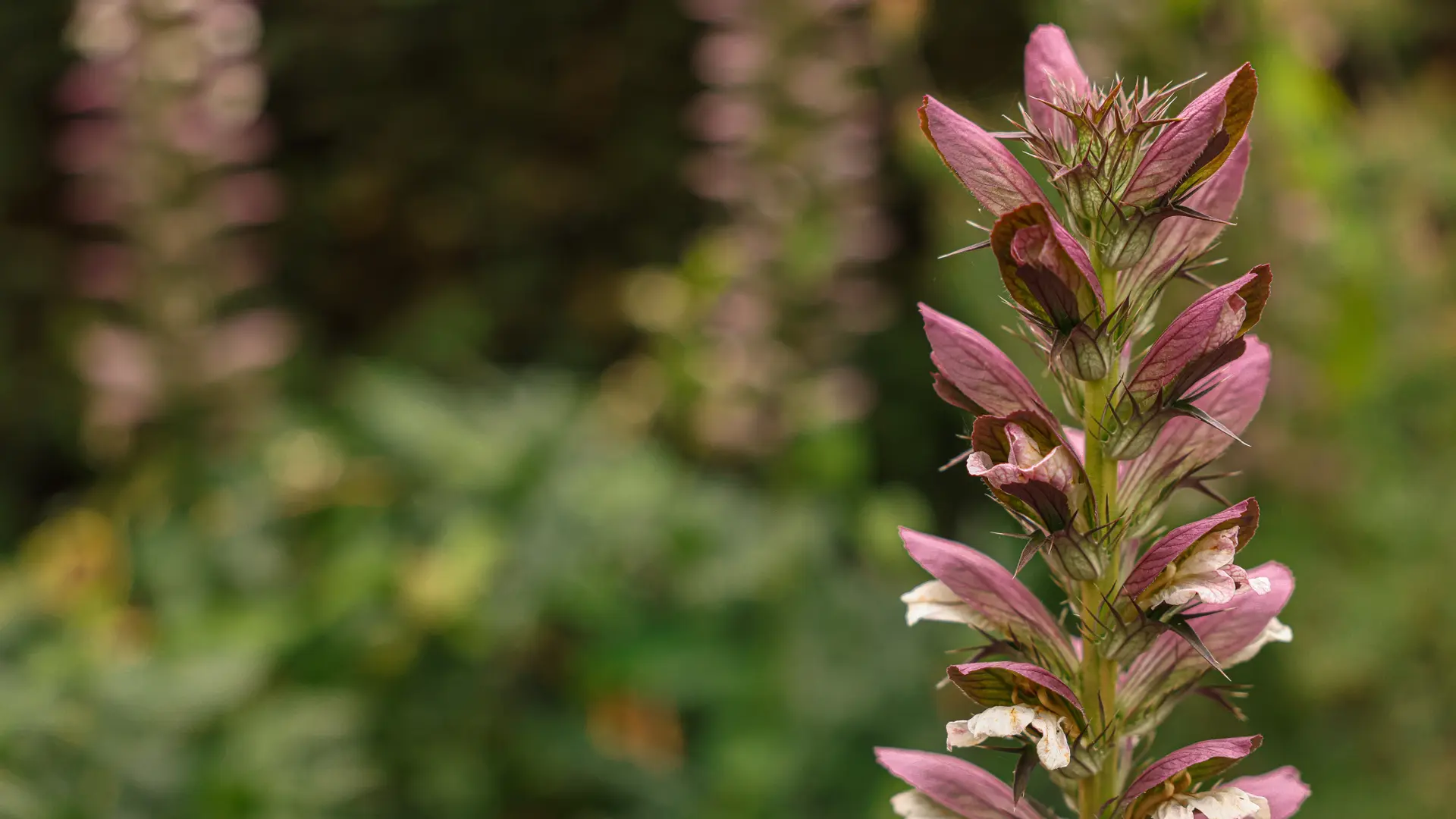
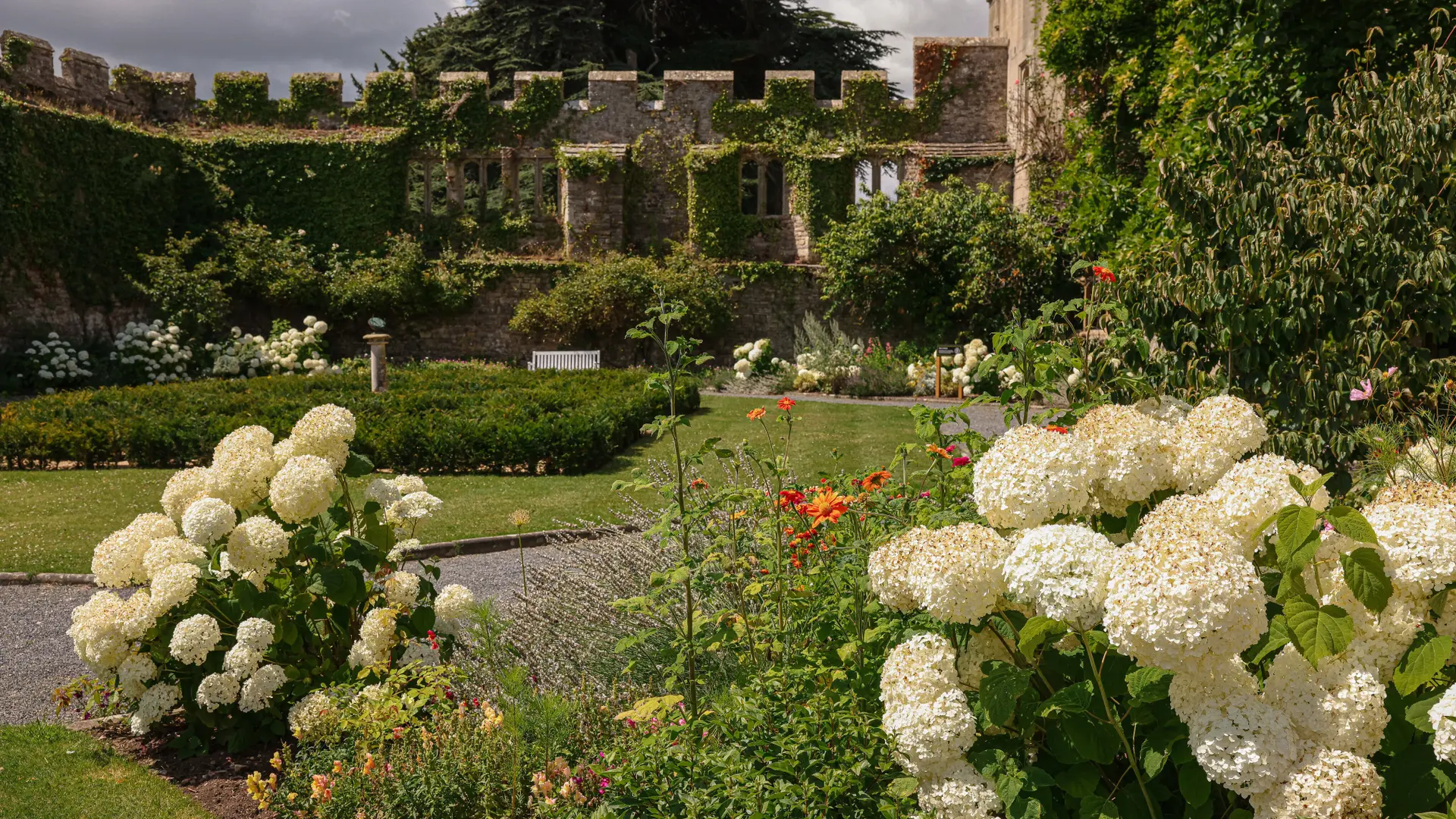
Spanning 15 acres, the castle’s grounds are meticulously maintained and offer guided garden tours led by Head Gardener Matthew Bufton (July–November). Guests are introduced to the Rose and Privy Gardens, the Labyrinth, and the Herb Garden, as well as Tudor-era features like bee boles and sundials. The property’s landscape design was significantly enhanced in the 19th century by Anthony Salvin, creating a seamless blend of historic authenticity and Victorian refinement.
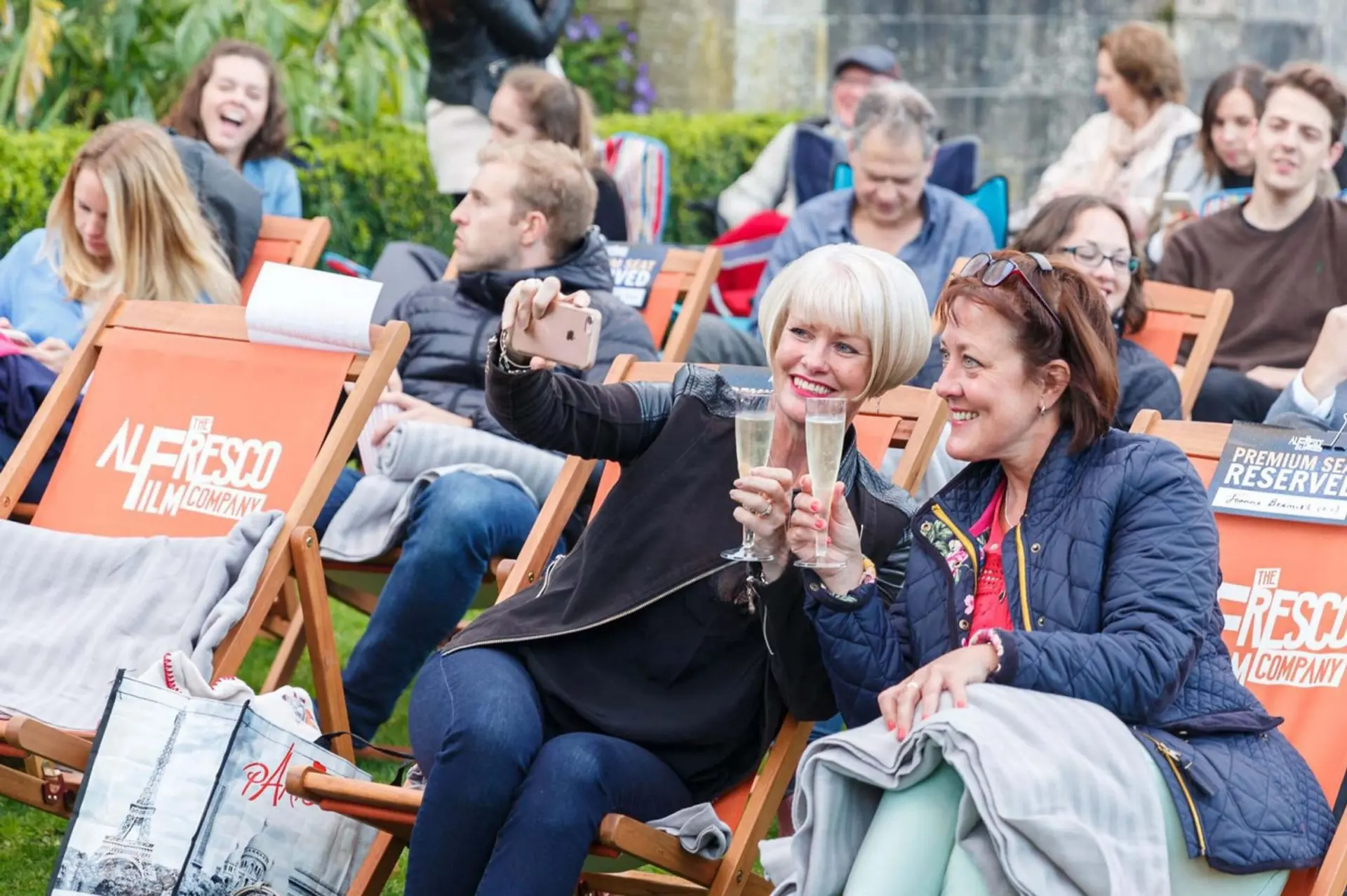
Signature experiences include the chance to be styled as a Tudor queen—complete with period costume, curated dining, and professional photography to capture the moment. In summer, guests enjoy open-air cinema screenings and traditional croquet on the lawns.
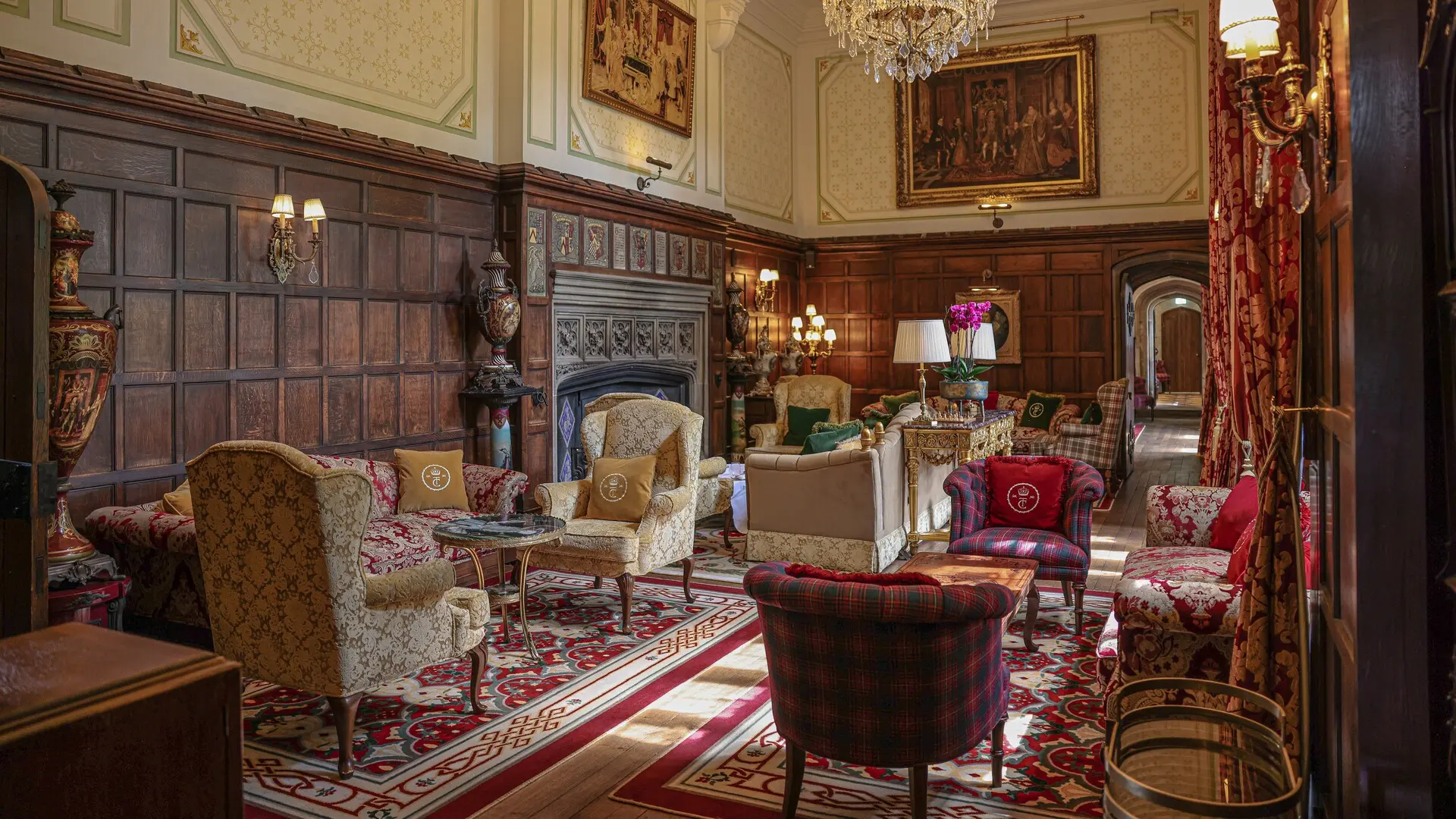
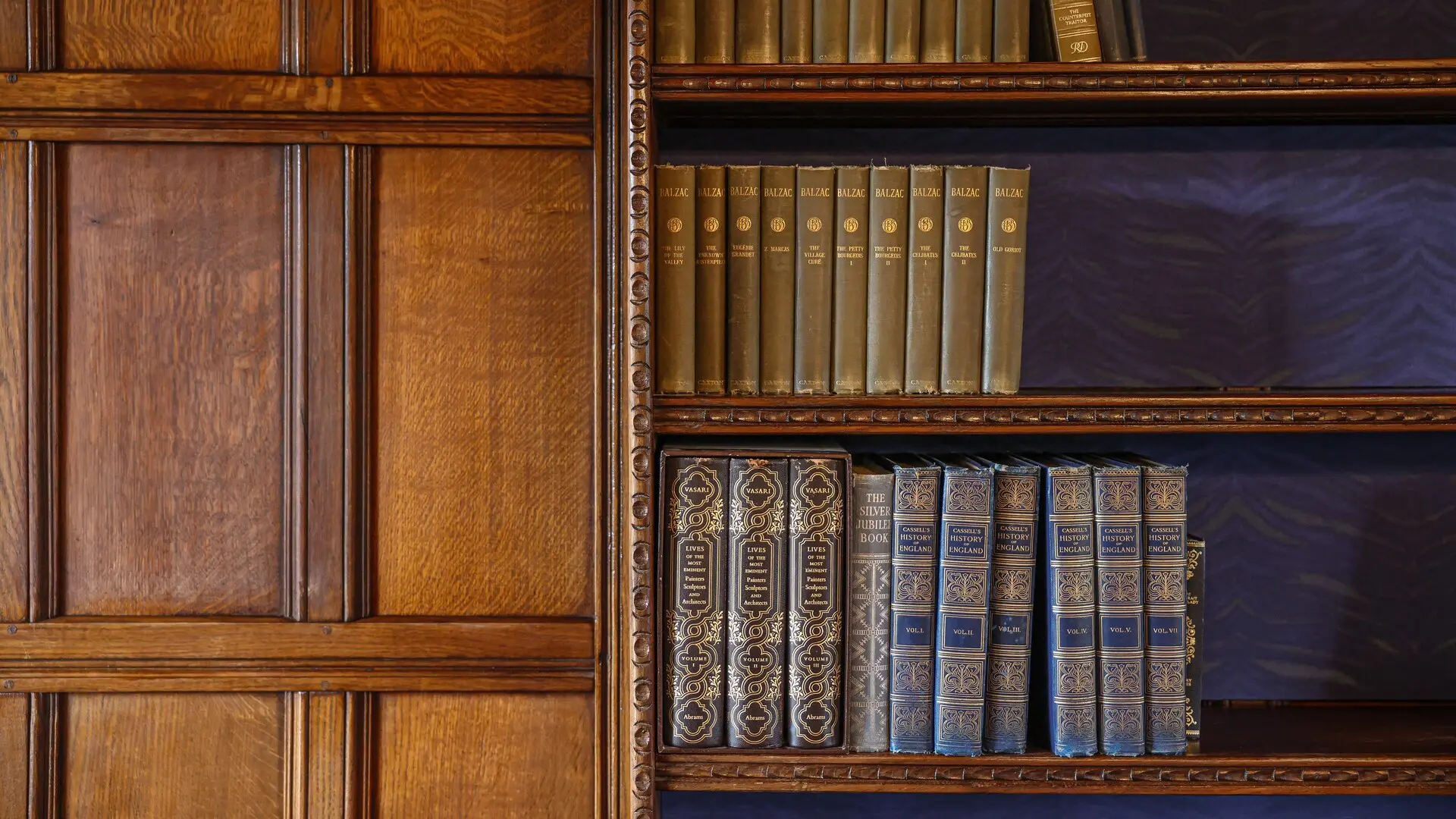
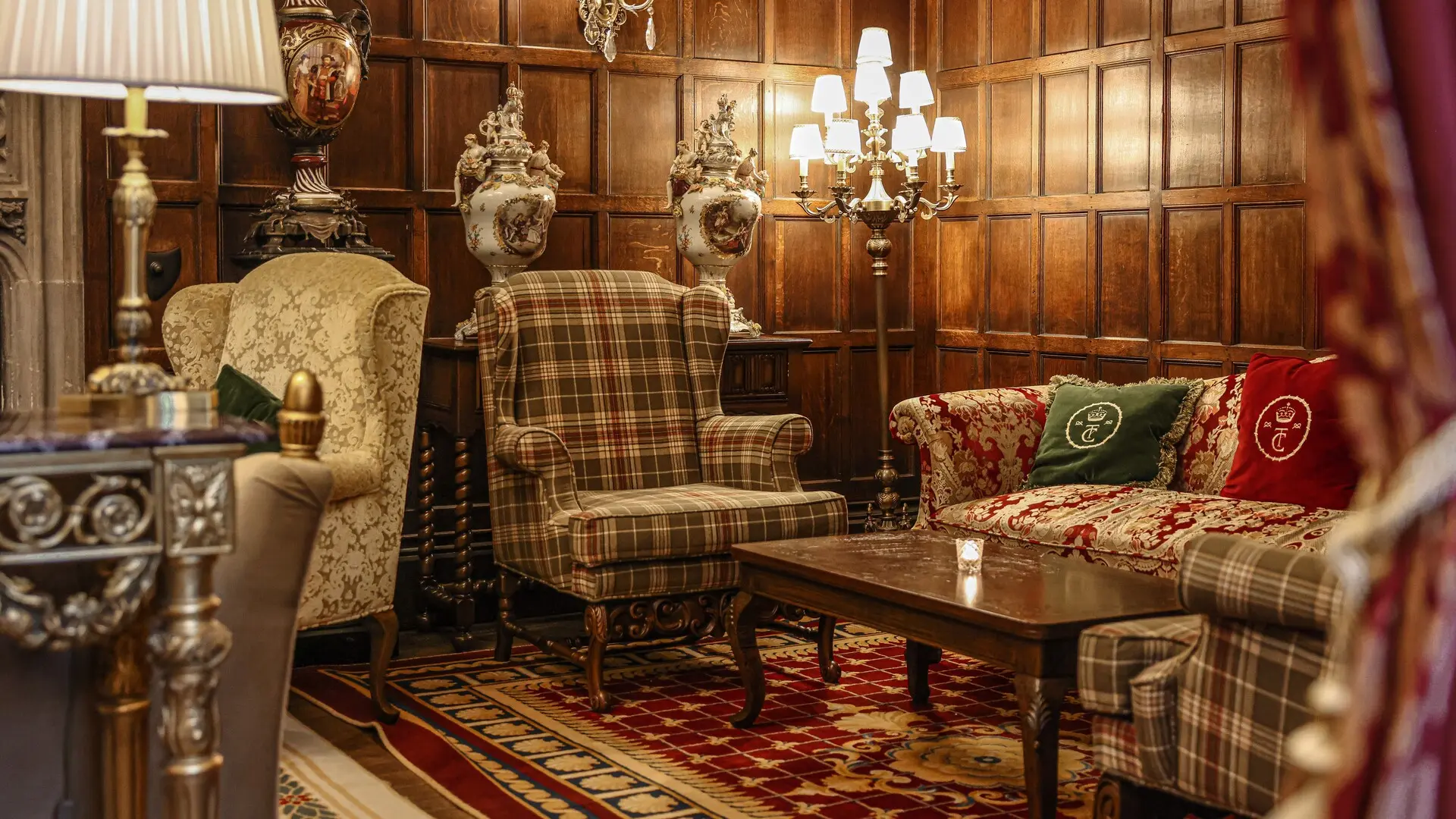
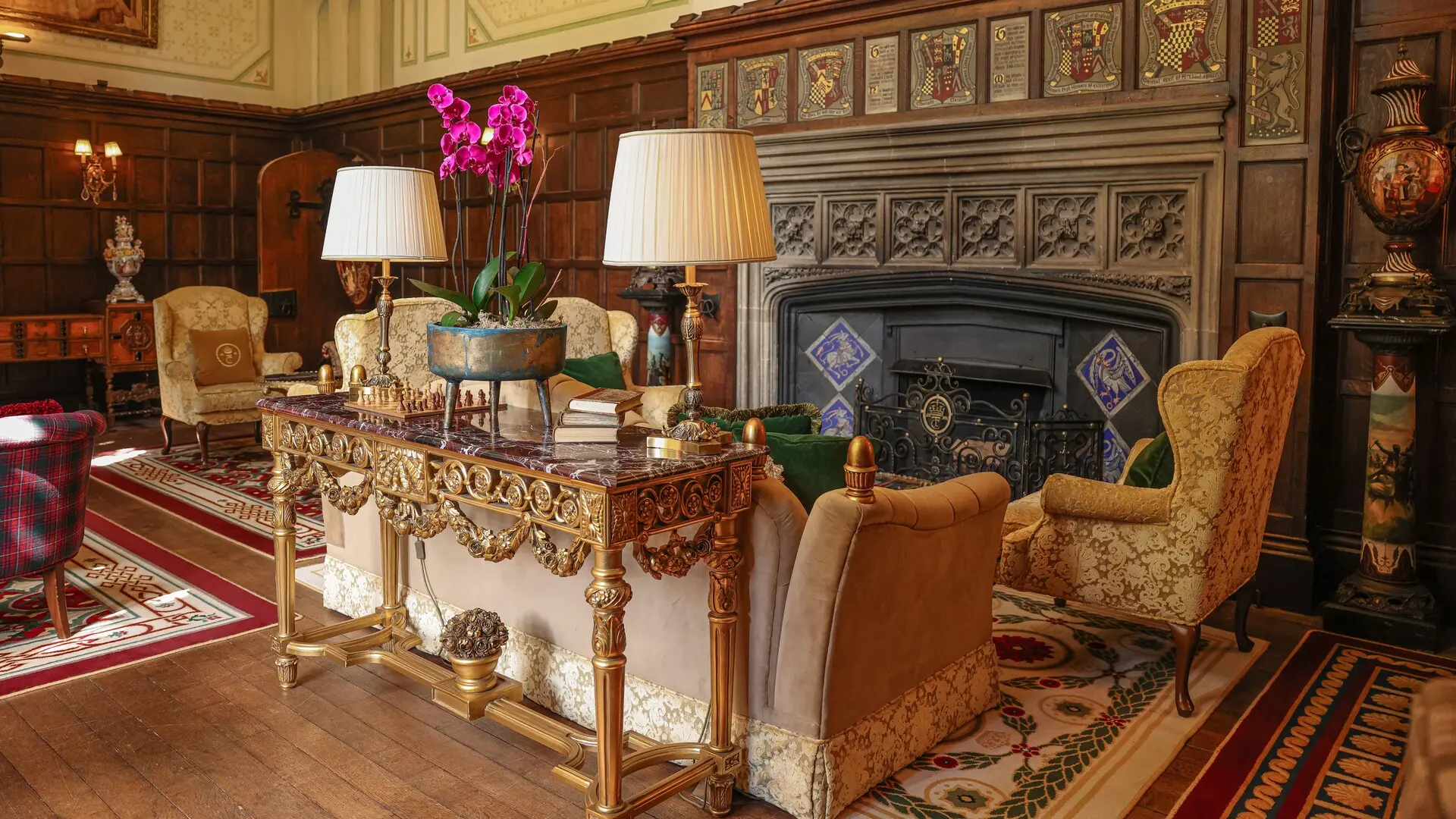
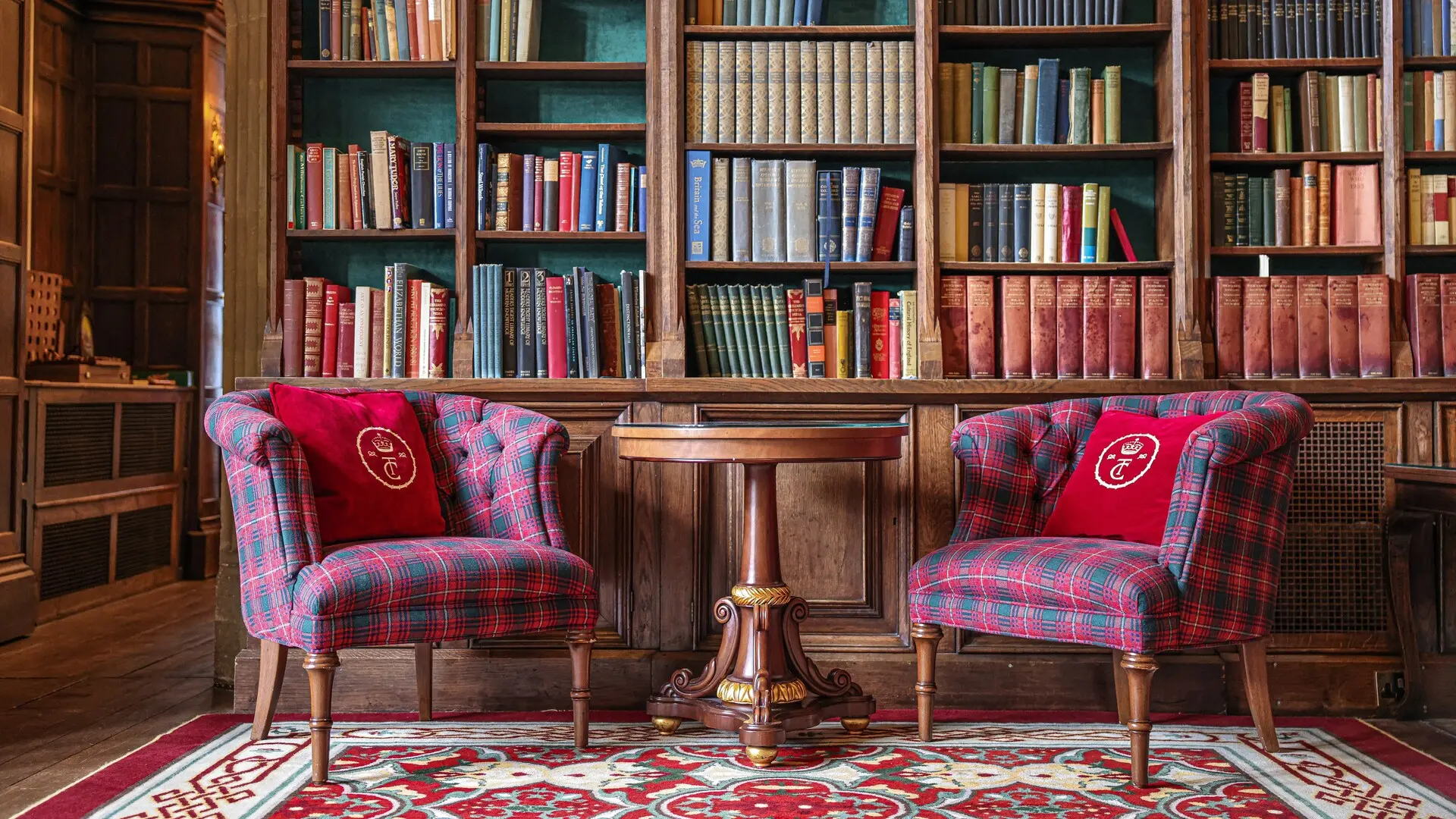
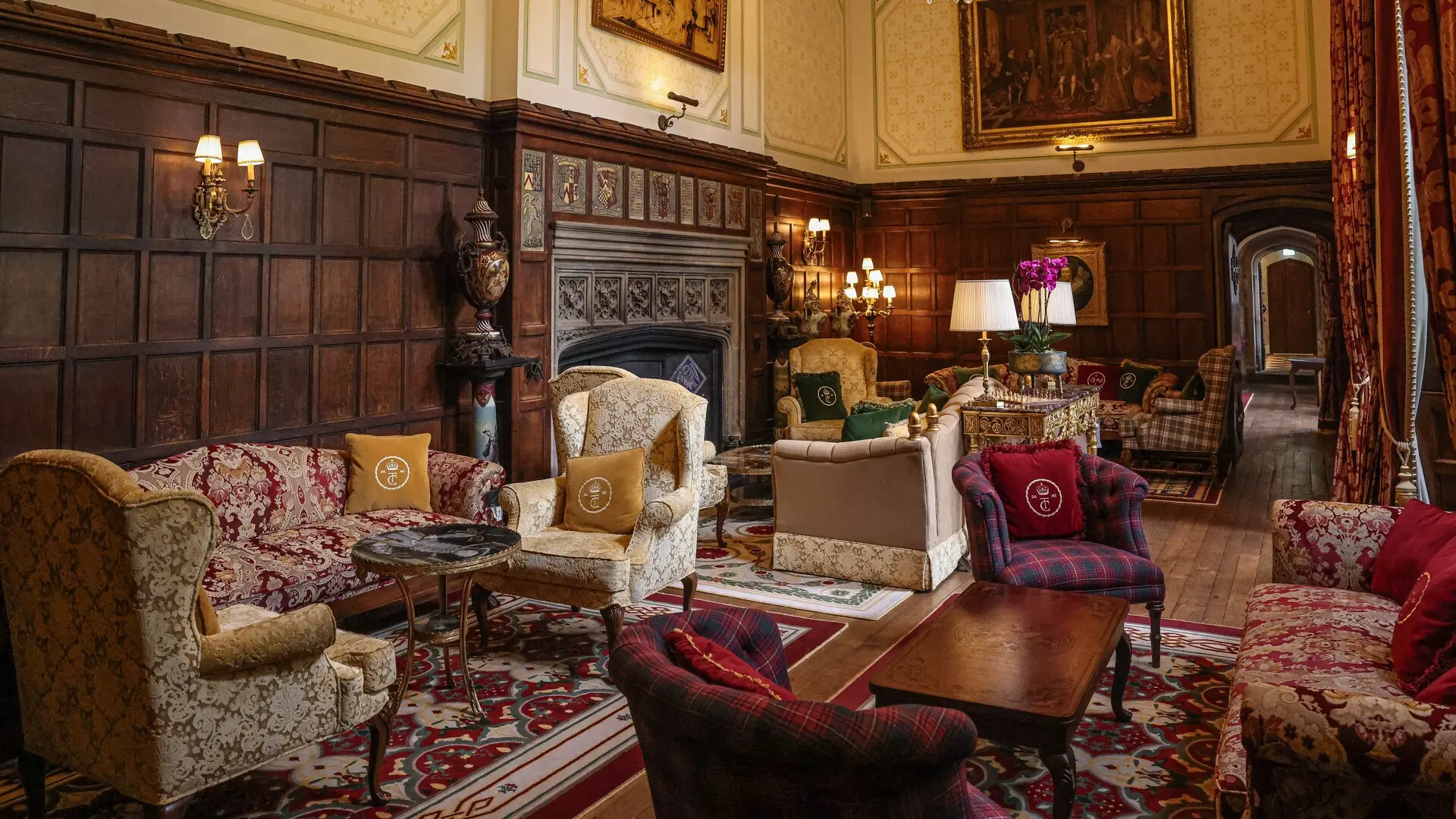
Inside, the castle’s lounge, library, and bar are atmospheric spaces for relaxation, conversation, and contemplation. Original art, antique tomes, and historic artefacts—including suits of armour—create a sense of timeless grandeur.
Perhaps most compelling is the castle’s history tour, led by knowledgeable local historians. These immersive journeys guide guests through five centuries of intrigue, royalty, and reinvention—from its 1511 origins, through royal ownership, to its present-day incarnation as a luxury hotel. No question is off limits—ghost stories, secret vaults, and scandals included!
Restaurants & Bars
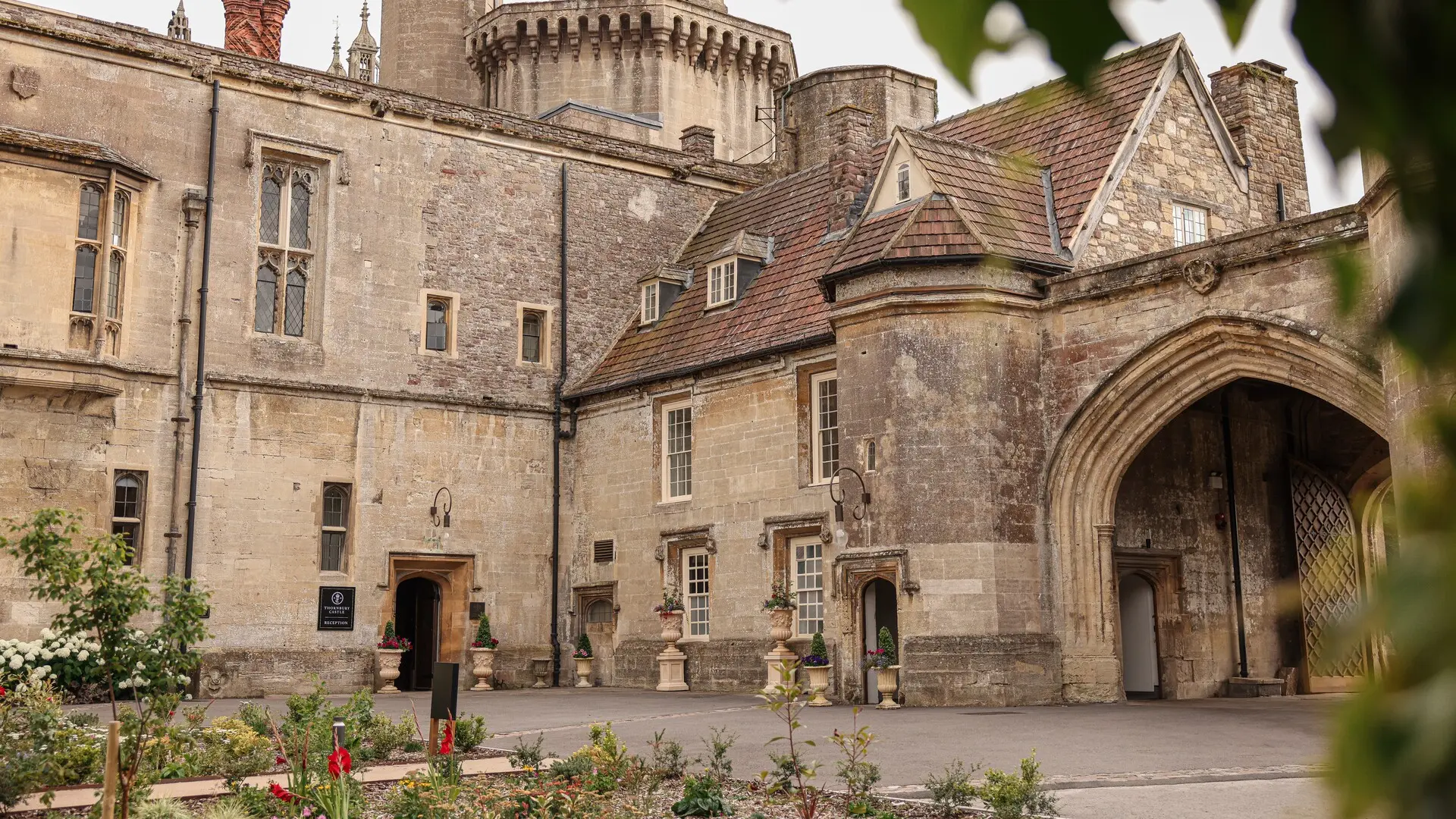
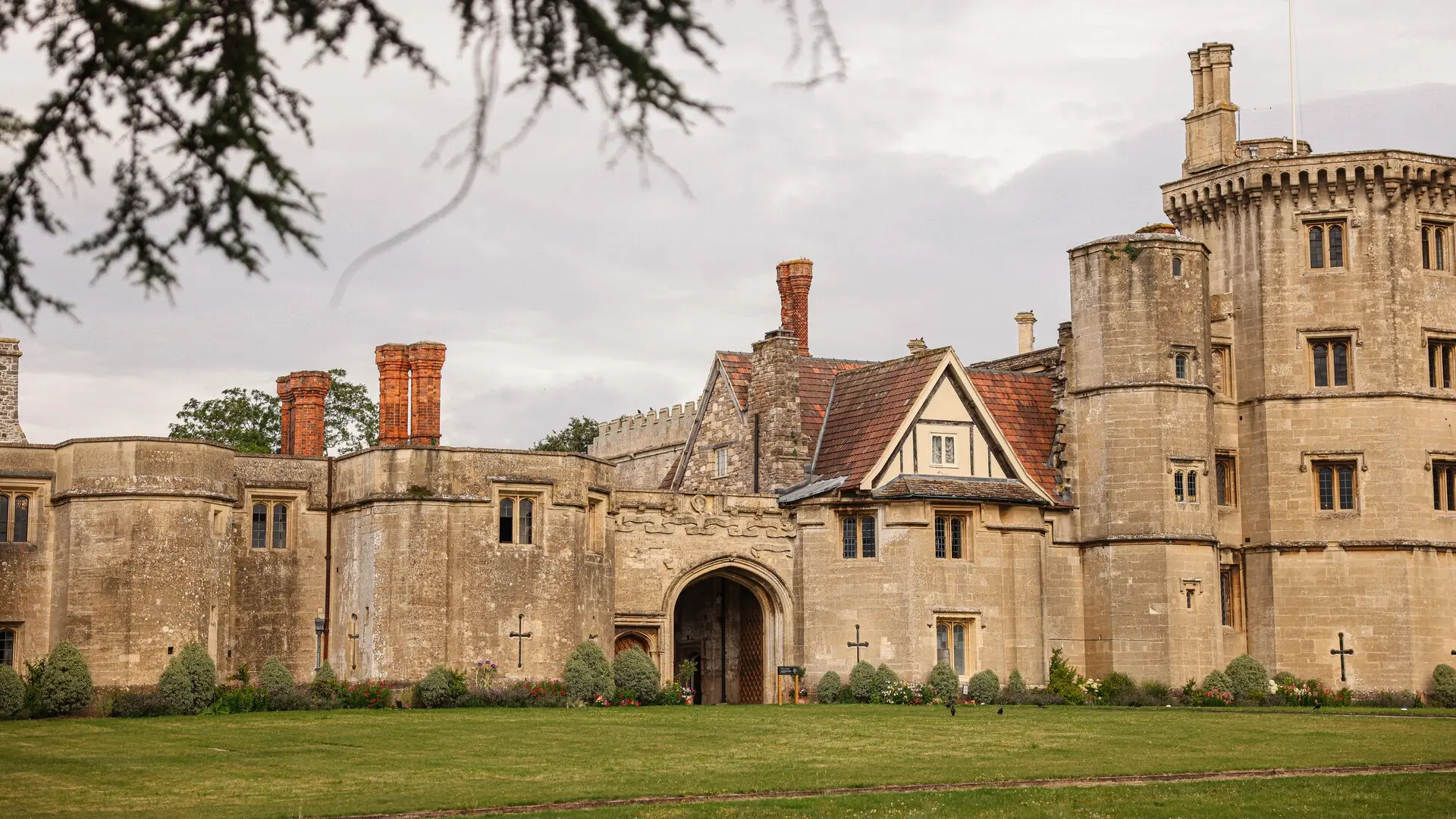
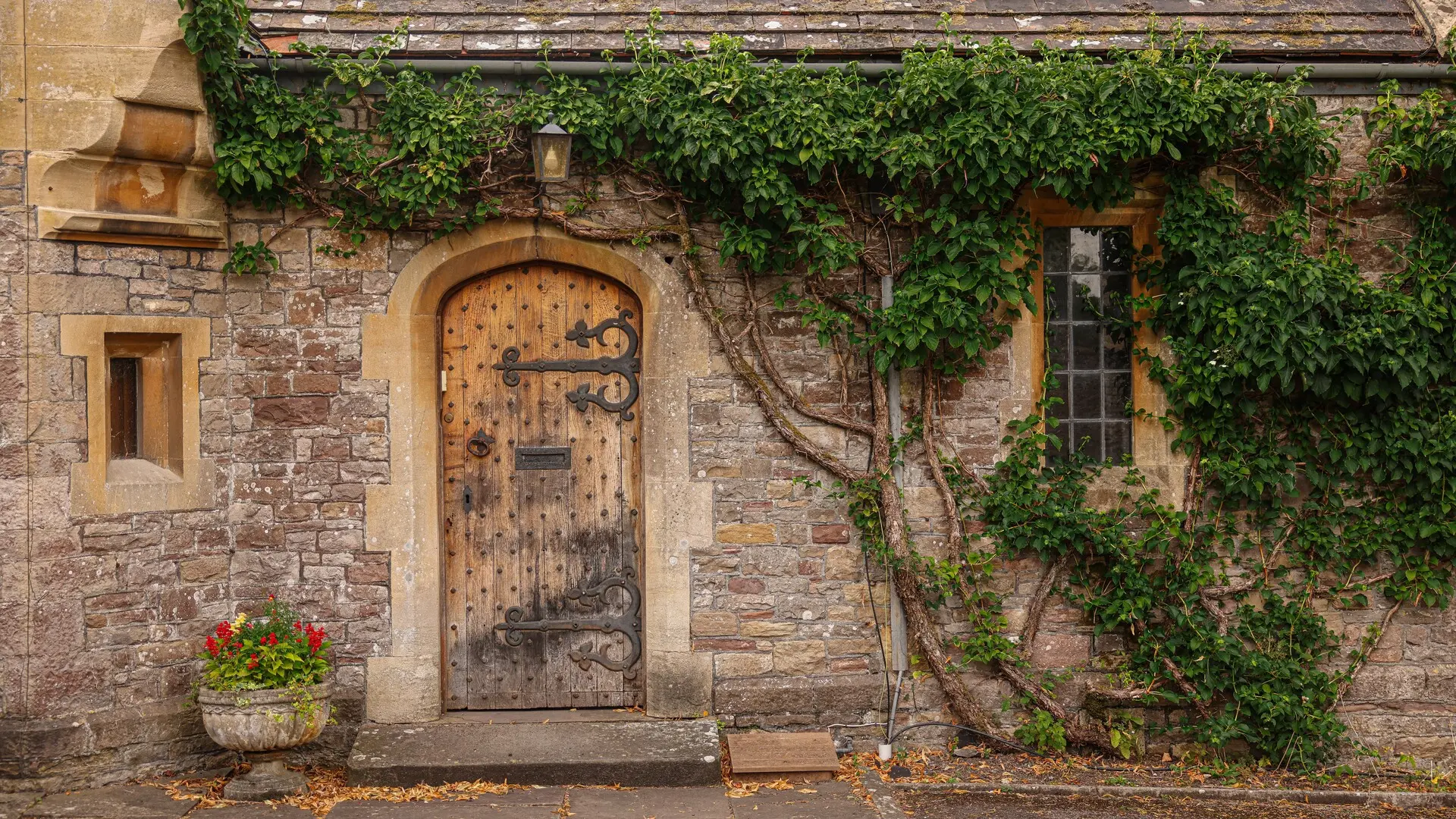
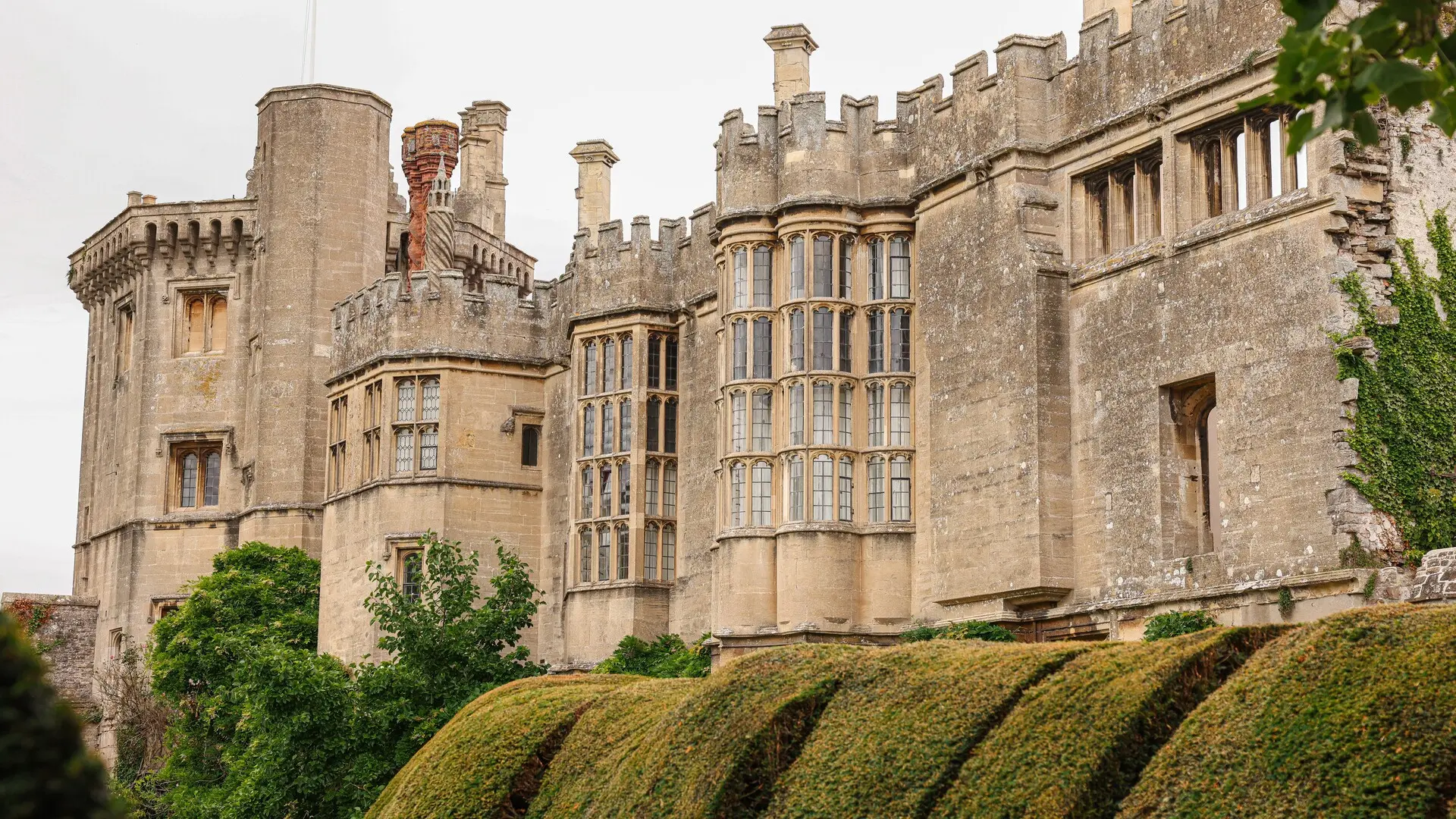
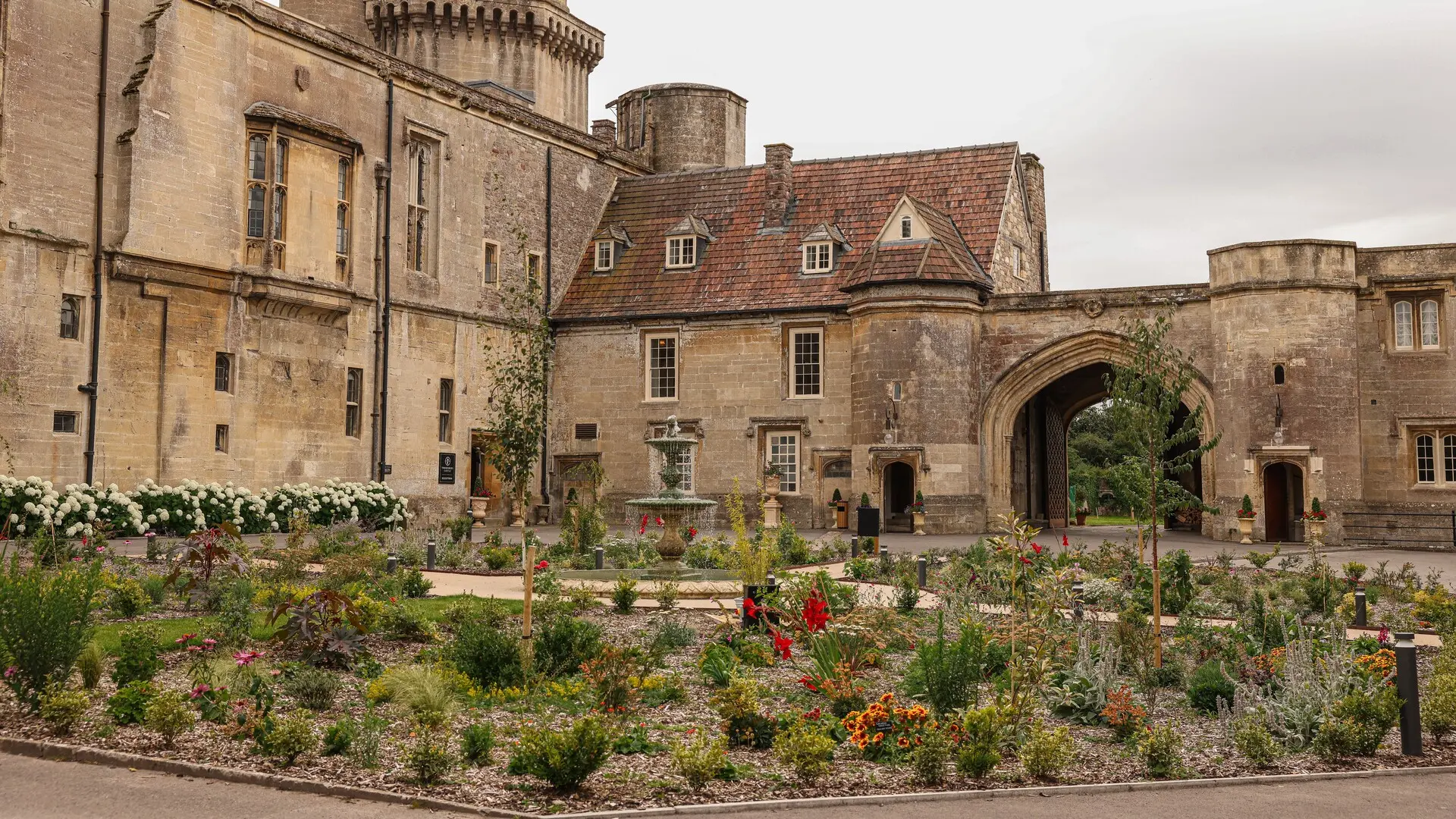
Constructed between 1511 and 1521 by Edward Stafford, 3rd Duke of Buckingham, Thornbury Castle is a masterwork of Tudor architecture. At the time of its building, Stafford was England’s second wealthiest nobleman. The castle’s silhouette is defined by four imposing polygonal towers and prominent machicolations—medieval defensive features—though it notably lacks crenellated battlements. The Stafford Knot, the family’s emblem, is carved throughout the property, its origins the subject of local legend.
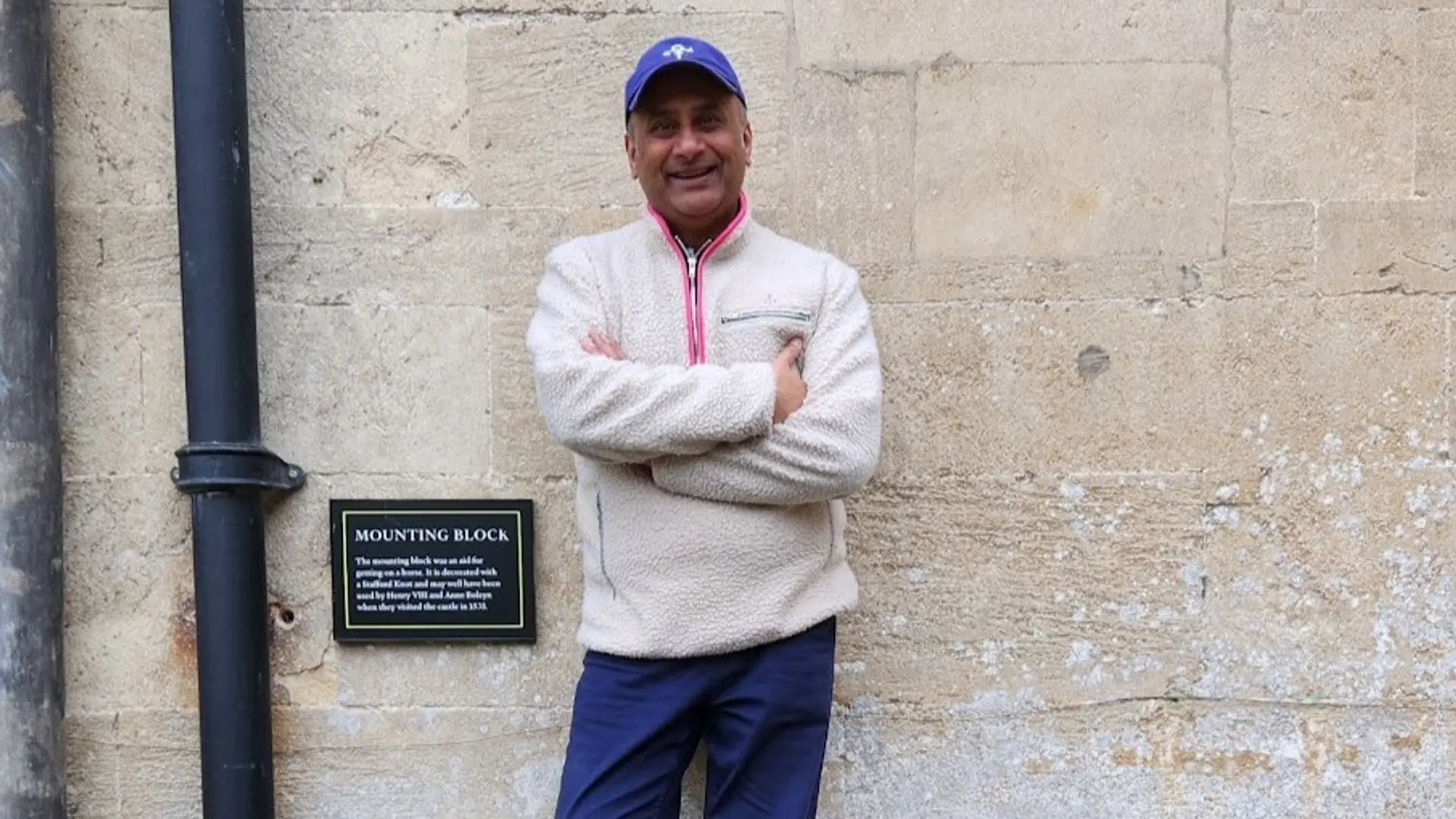
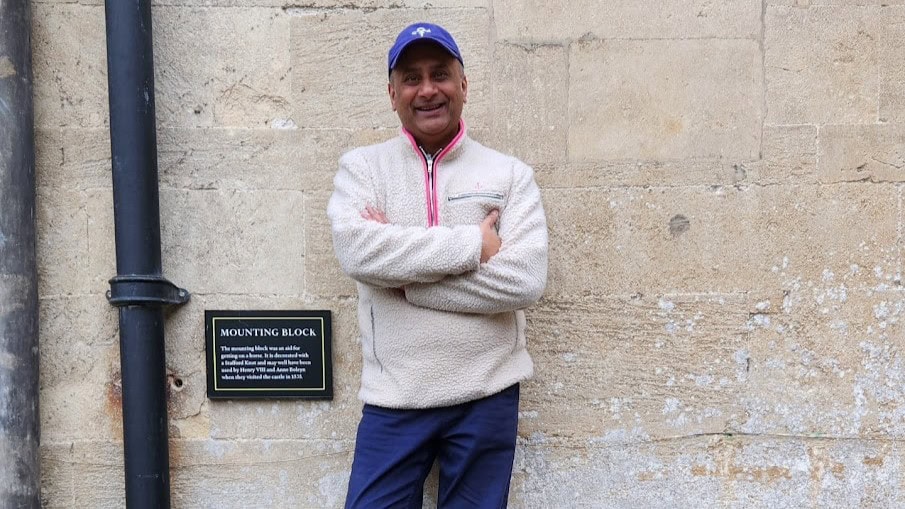
Key Tudor highlights include the vibrant Goodly Gardens, the Gallery (where Edward Stafford observed his guests), distinctive oriel windows by the Privy Garden, the 1514 main chimney—predating Hampton Court—and the historic Mounting Block beside the reception. It’s easy to imagine Henry VIII or Anne Boleyn using this very block to mount their horses.
Adjacent to the estate, St Mary’s Church has been a place of worship since 1170 and remains a striking architectural feature, having undergone centuries of restoration and expansion.
The castle’s history is rich with intrigue: Stafford was executed for treason in 1521, after which the property passed to Henry VIII. In 1535, Henry and Anne Boleyn spent nine nights at Thornbury, walking its gardens and dining in its halls. Within a year, Anne’s tragic fate would be sealed, and Henry would marry Jane Seymour—both of whom now have suites named in their honour.
Queen Mary I returned the castle to the Staffords in 1554, but after centuries of changing ownership, the property fell into neglect by 1800. The Howards, who inherited the estate, commissioned Victorian architect Anthony Salvin to restore it, transforming Thornbury into a grand residence once more. In the 20th century, renowned chef Kenneth Ball established it as a “restaurant with rooms,” earning a Michelin star in the 1970s. Following its acquisition by the Khamas Group in 2019, the castle underwent a comprehensive restoration, preserving its Grade I listed architecture while adding the comforts and amenities expected by luxury travellers in 2025.
Today, Thornbury Castle stands as one of England’s premier heritage hotels, where 16th-century design and 21st-century sophistication coexist in perfect harmony.
Sustainability
Thornbury Castle continues to attract culinary enthusiasts from across the UK and beyond, even though its Michelin star is now part of its storied past. Today, the restaurant is a destination in its own right, fusing Tudor-inspired ambiance with modern British cuisine of exceptional quality.
Executive Head Chef David Campbell sources the majority of ingredients locally, with many herbs and vegetables coming straight from the castle’s own gardens. This focus on provenance and seasonality is evident in every dish.
Guests can enjoy breakfast, lunch, afternoon tea, dinner, all-day dining, private events, and in-room service.
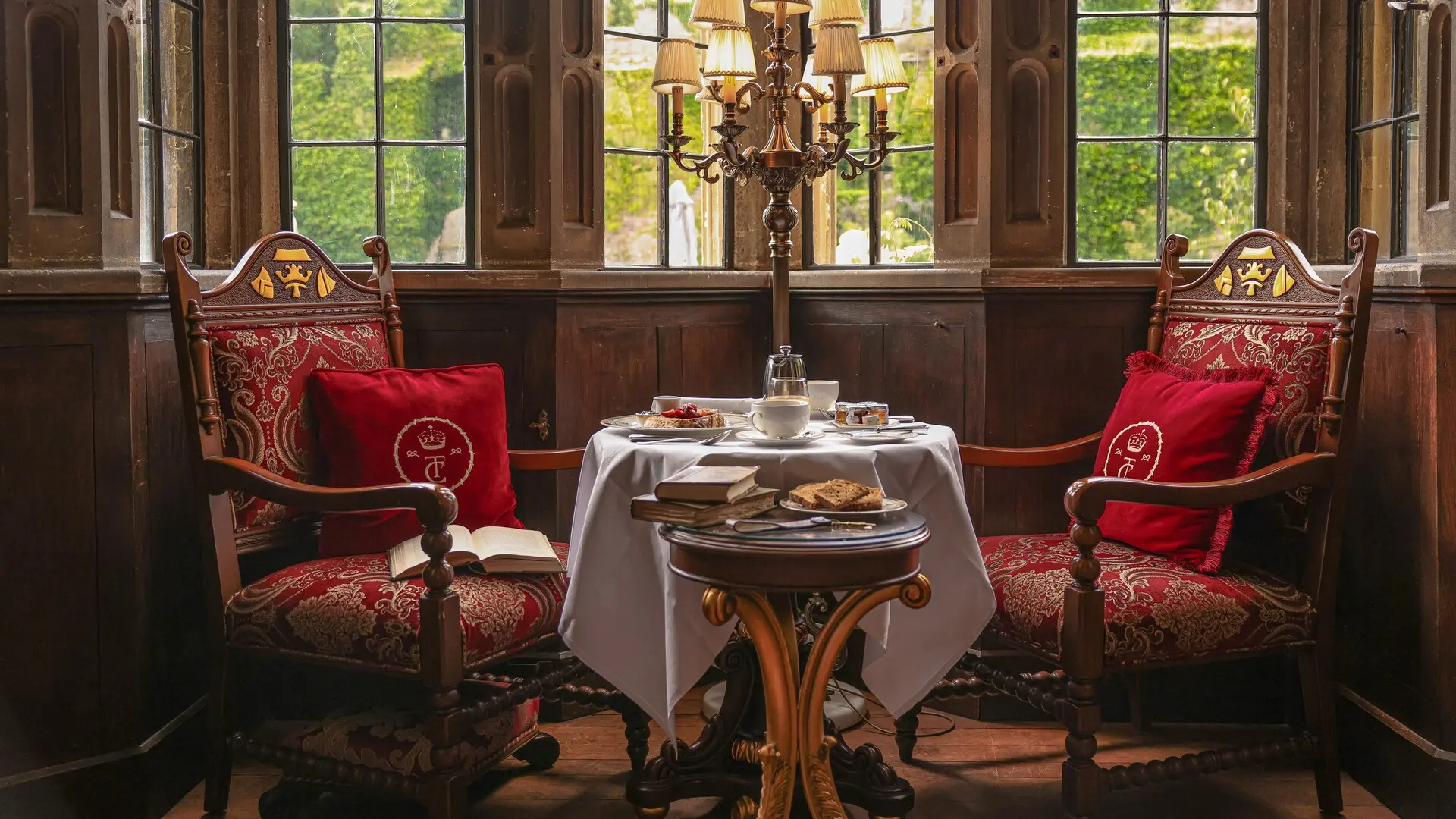
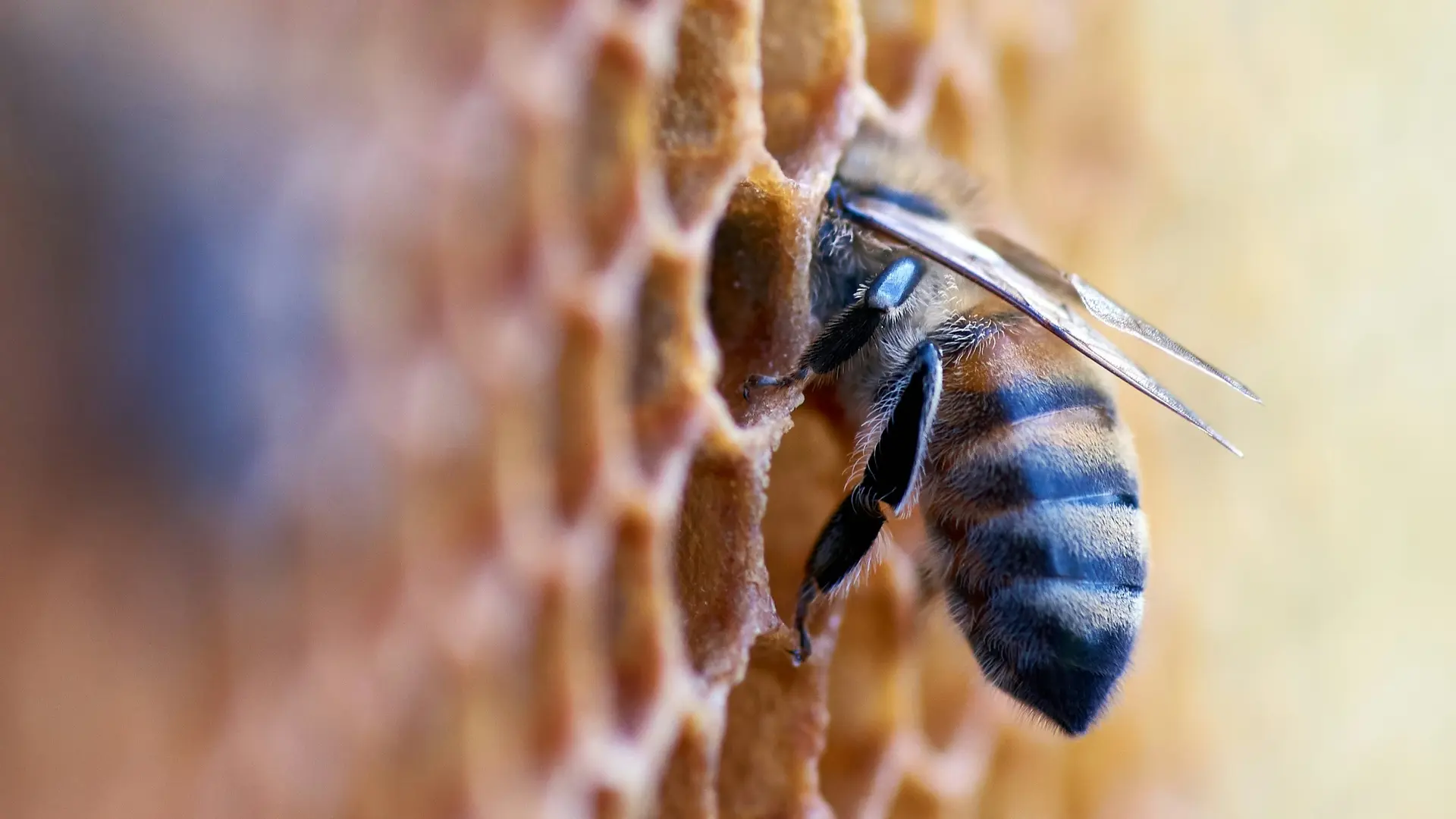
Breakfast is served à la carte in the castle’s grand dining rooms, featuring classics like smoked salmon and scrambled eggs, artisan yoghurts, and a diverse selection of teas and coffees. Vegan and vegetarian options are always available, and room service breakfast—delivered with a flourish—is a must for those who wish to indulge. The estate’s own honey, produced by resident bees, is a particular highlight.
Daytime menus offer a variety of options—burgers, salads, soups, and sandwiches, including a dedicated children’s menu. The Lounge, with its plush seating and period décor, is perfect for a relaxed lunch or snack.
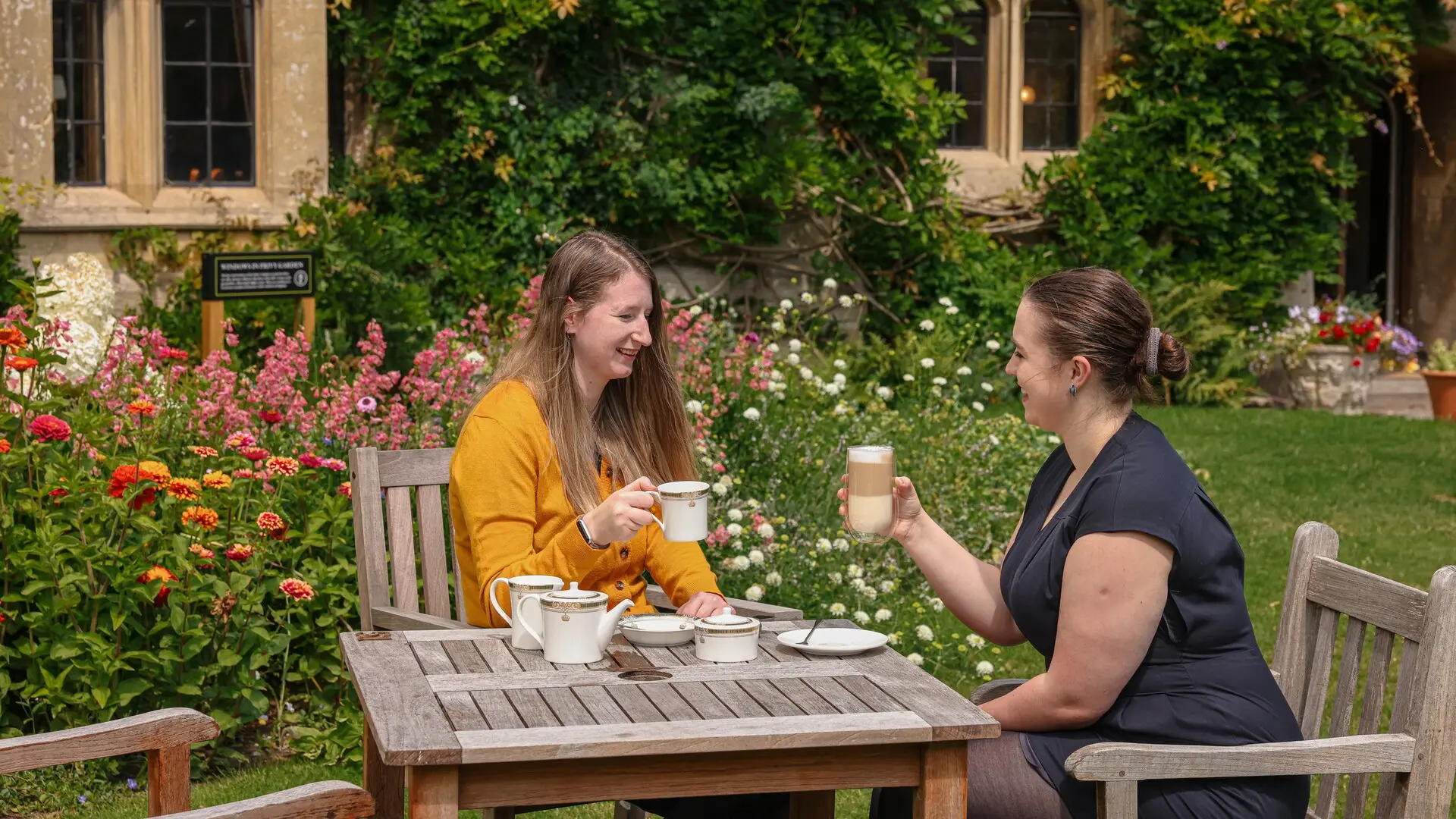
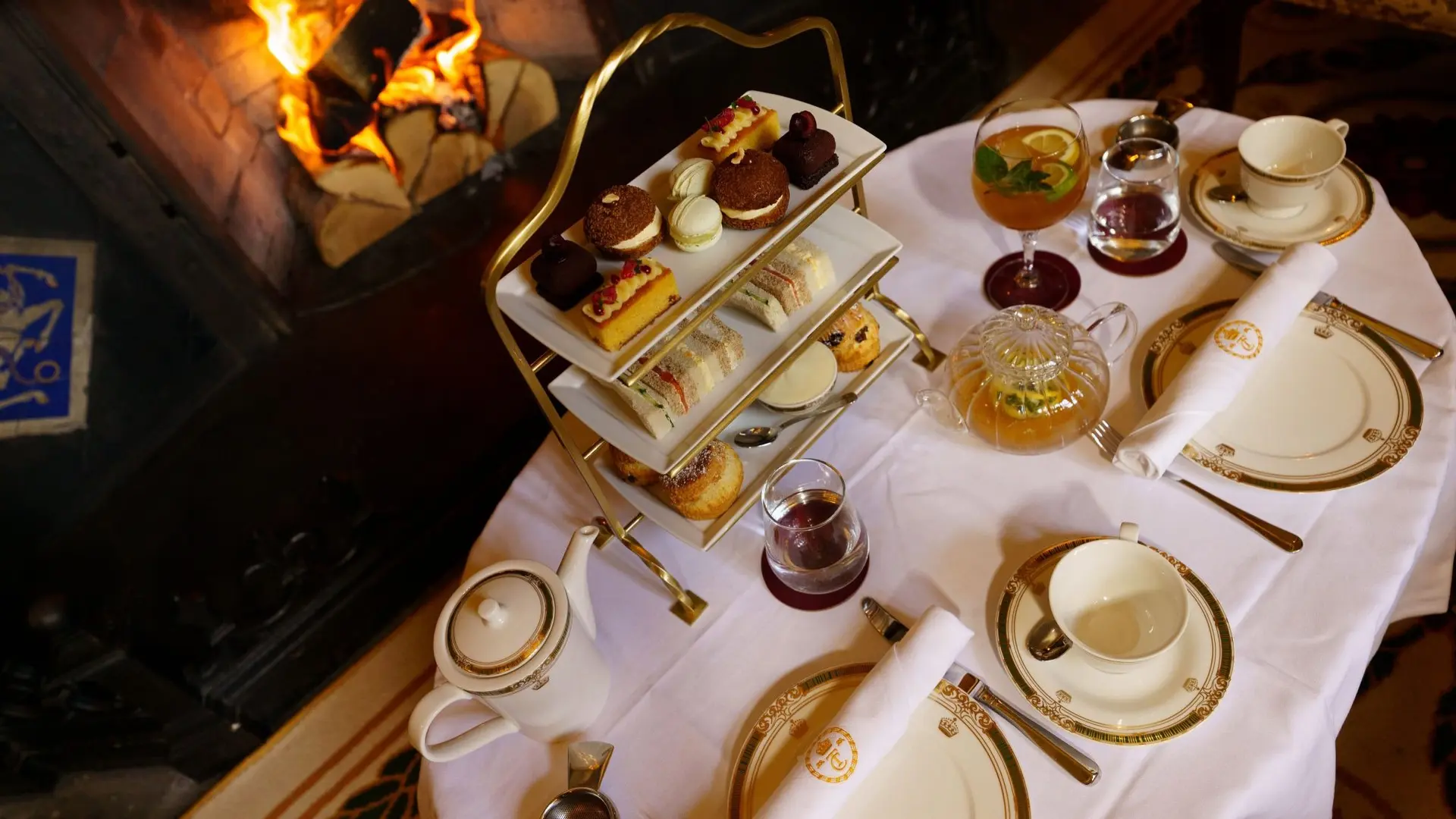
Afternoon tea is a signature experience at Thornbury Castle. Vegetarian and vegan menus are thoughtfully curated, and the classic offering features delicate finger sandwiches (ham, egg, smoked salmon), homemade scones with clotted cream and jam, and a tempting array of cakes. Champagne is a popular accompaniment for guests seeking a celebratory touch.
On warm days, al fresco dining is encouraged, allowing guests to enjoy meals in the castle’s picturesque gardens.
Private dining is available for special occasions, with bespoke menus crafted by the chef to suit any event.
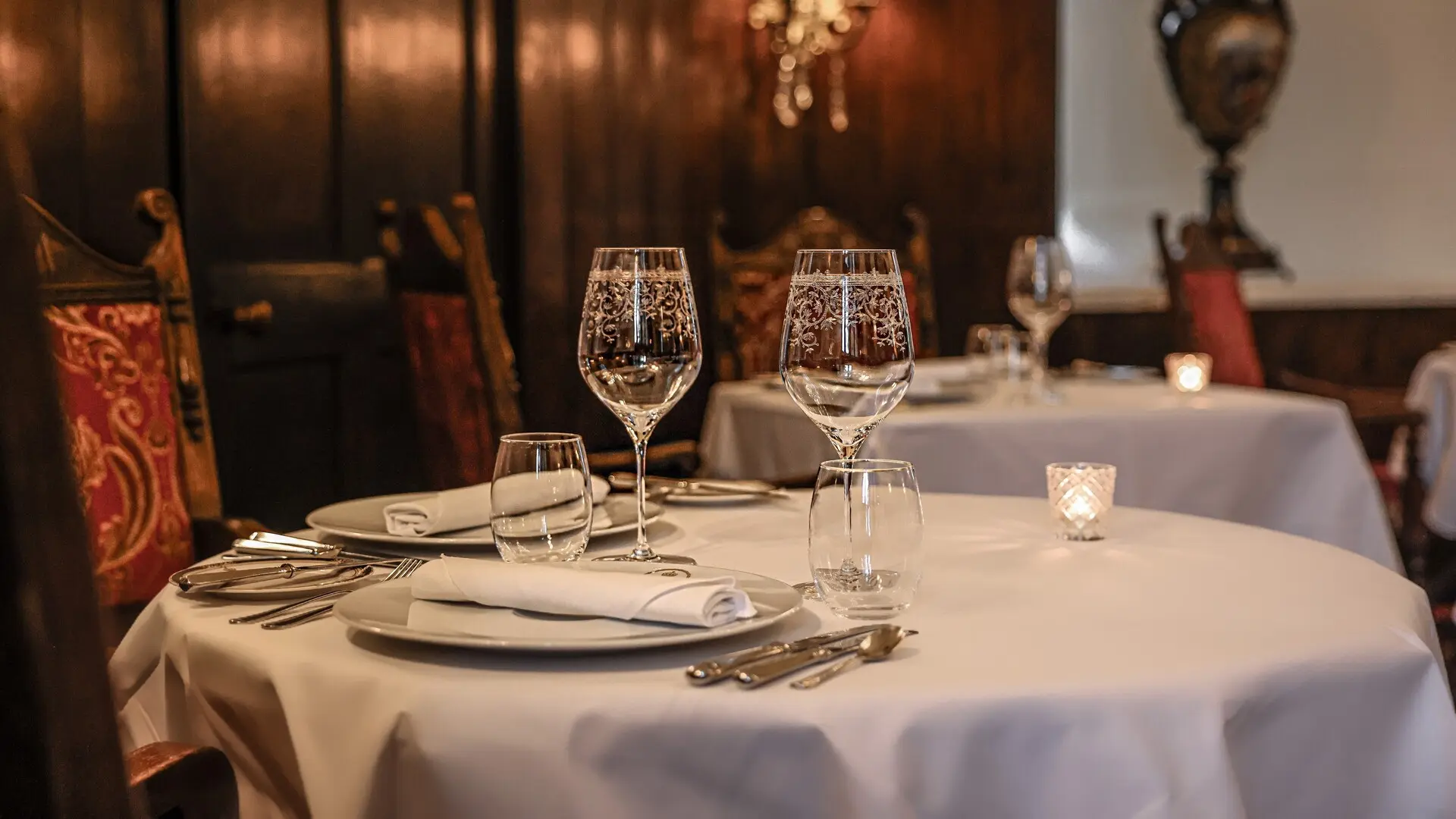
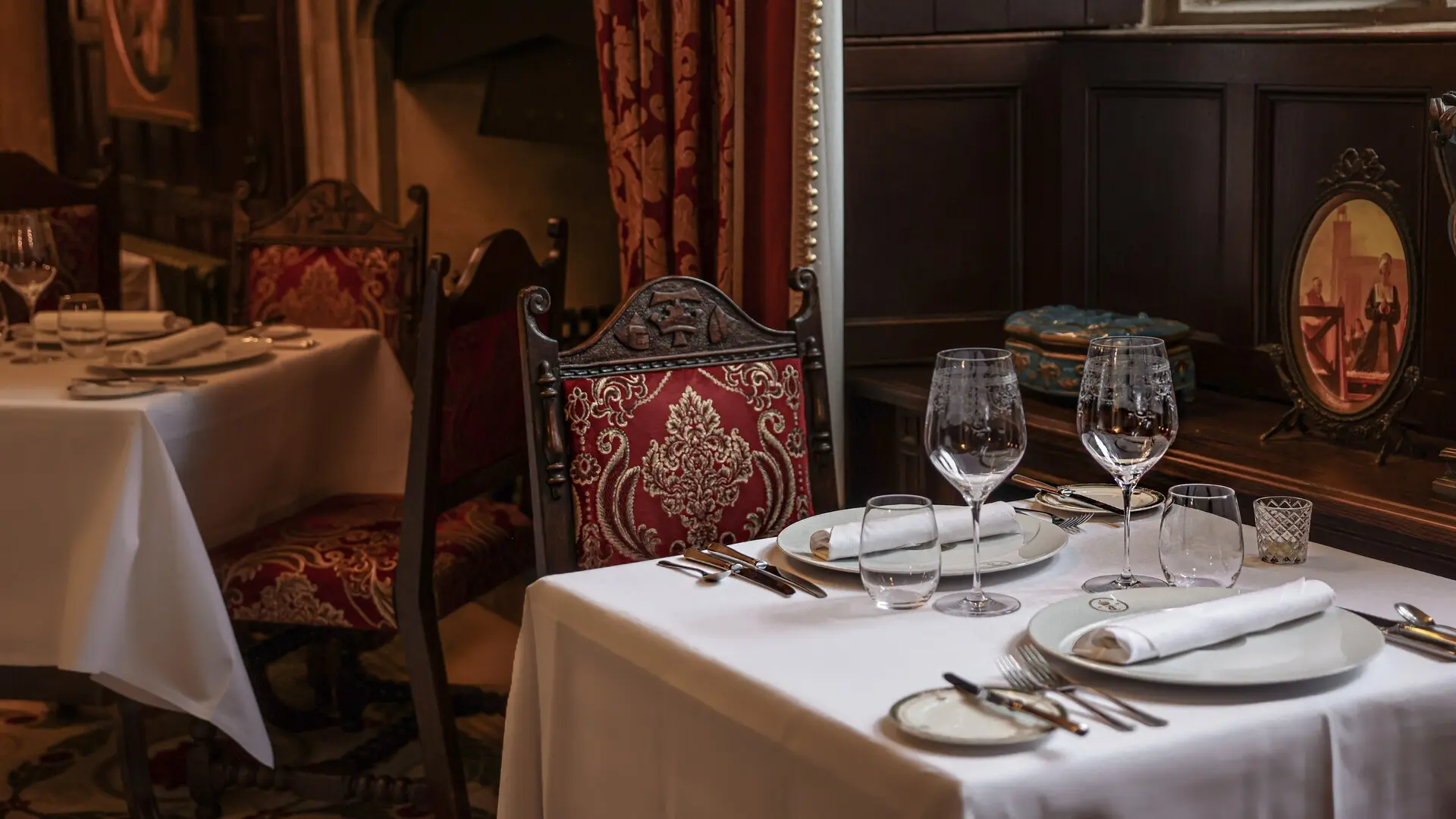
Dinner is a highlight: choose from a three-course menu, a six-course tasting experience, or a tasting menu with expertly paired wines. Vegan and vegetarian options are always available.
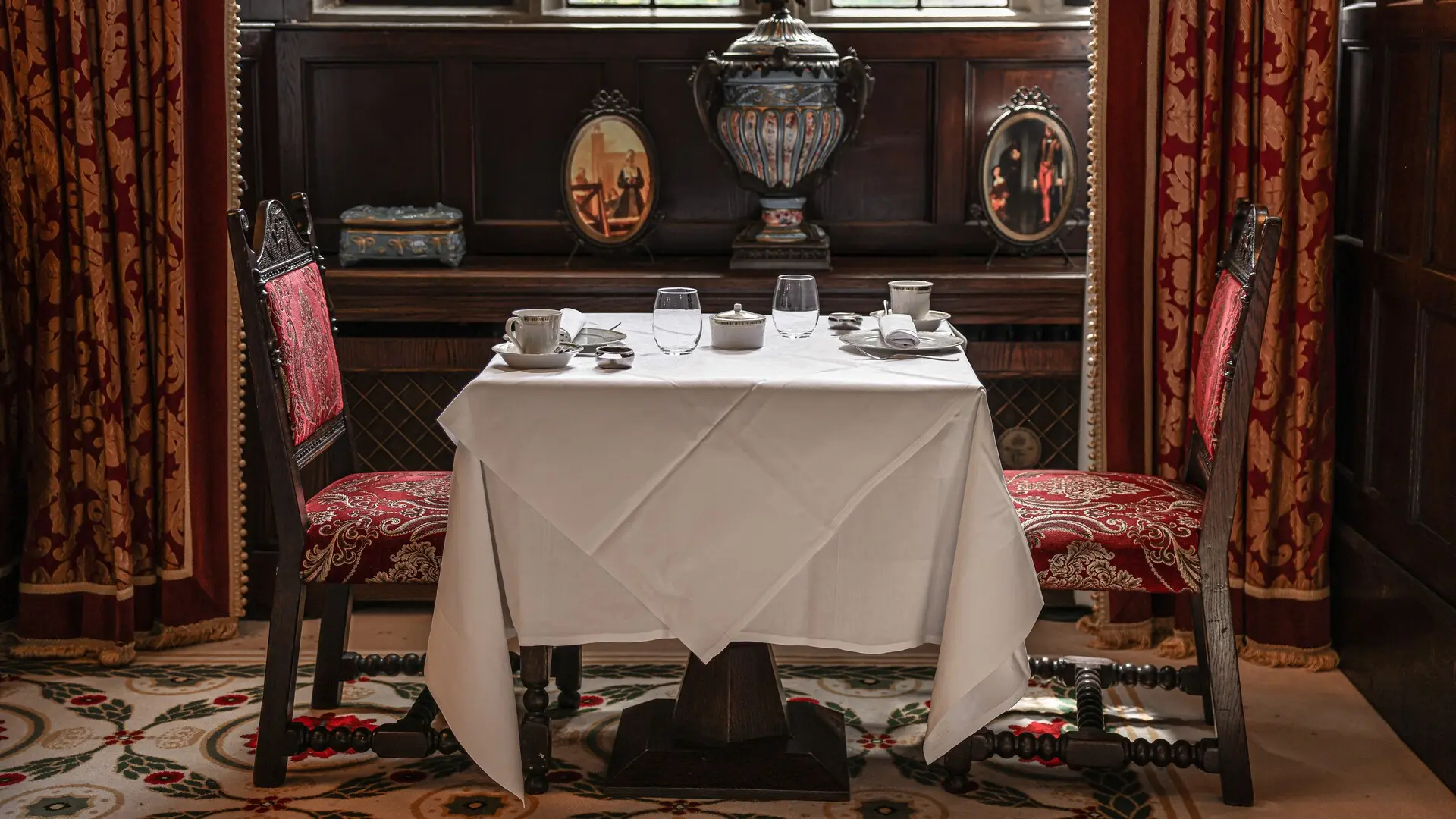
The meal begins in the Lounge, where guests select their courses over craft cocktails beside a roaring fire. The transition to the dining room reveals a setting of opulence—thick carpets, sparkling chandeliers, and centuries-old windows. Menus change with the seasons, featuring the finest fish, pork, and lamb, alongside standout desserts such as the rhubarb pavlova. Service is attentive and warm.
The wine and spirits list is extensive, from celebrated Champagnes like Laurent Perrier Rosé to unique finds such as Sicilian Regaleali Rosé. The cocktail selection includes inventive Tudor-inspired creations, such as the Crazy King—a playful blend of vodka, strawberries, Frangelico, grapefruit, and nuts.
Dining at Thornbury Castle is a feast for the senses, with consistently high standards and a sense of occasion in every detail. The Michelin inspectors may well return soon.
What We Love
Thornbury Castle has made significant strides in sustainability, integrating green practices across its estate.
The castle’s culinary team relies on homegrown herbs and vegetables, cultivated using no-dig gardening principles to support soil health. Kitchen food waste and coffee grounds are composted on-site for use in the gardens, minimizing chemical inputs and reducing the need for external resources. The horticultural team grows all plant stock from seed or cuttings, ensuring quality and reducing environmental impact. Over the last three years, 30 fruit trees have been added to the estate’s New Orchard, focusing on local varieties and collaborating with nearby nurseries to preserve rare species. The orchard is grazed by Boreray sheep, a rare and vulnerable British breed, in partnership with a local farmer to help conserve these animals.
The estate is managed according to regenerative agriculture principles, prioritizing soil health and carbon sequestration. Within the walled gardens, original Tudor bee boles now house 12 traditional skeps, encouraging wild bees to produce honey for use and sale in the restaurant.
Thornbury Castle sources British ingredients wherever possible, emphasizing seasonal and local produce, including eggs and vegetables from the estate’s own gardens.
Waste management is robust: paper and cardboard are compacted and recycled, glass is collected for recycling, used cooking oil is removed by specialist contractors, and stationery is reused. Separate recycling bins are provided throughout, and the bar is fully plastic-free—including the elimination of plastic straws.
Editor’s Highlights: What Makes Thornbury Castle Exceptional
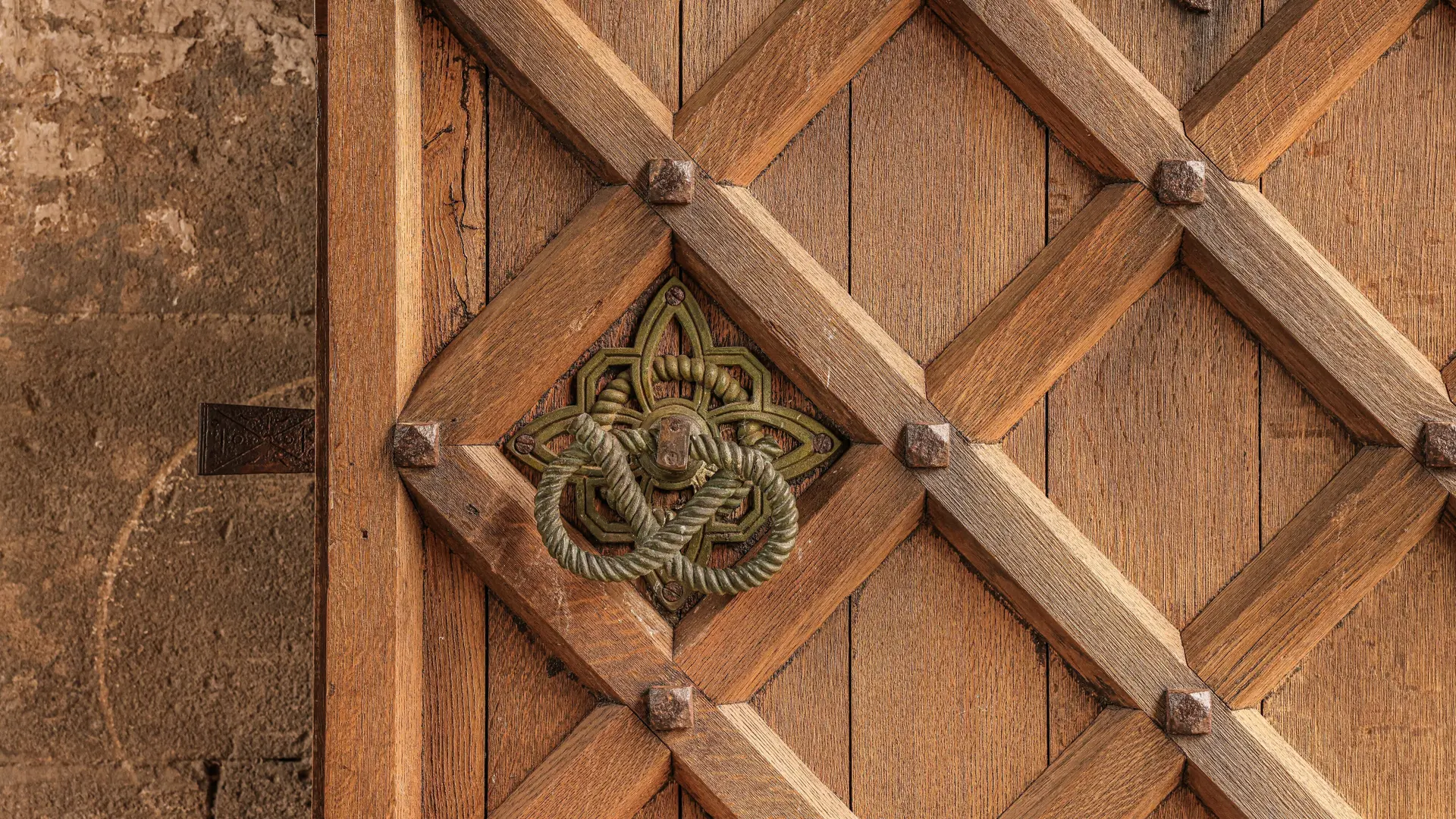
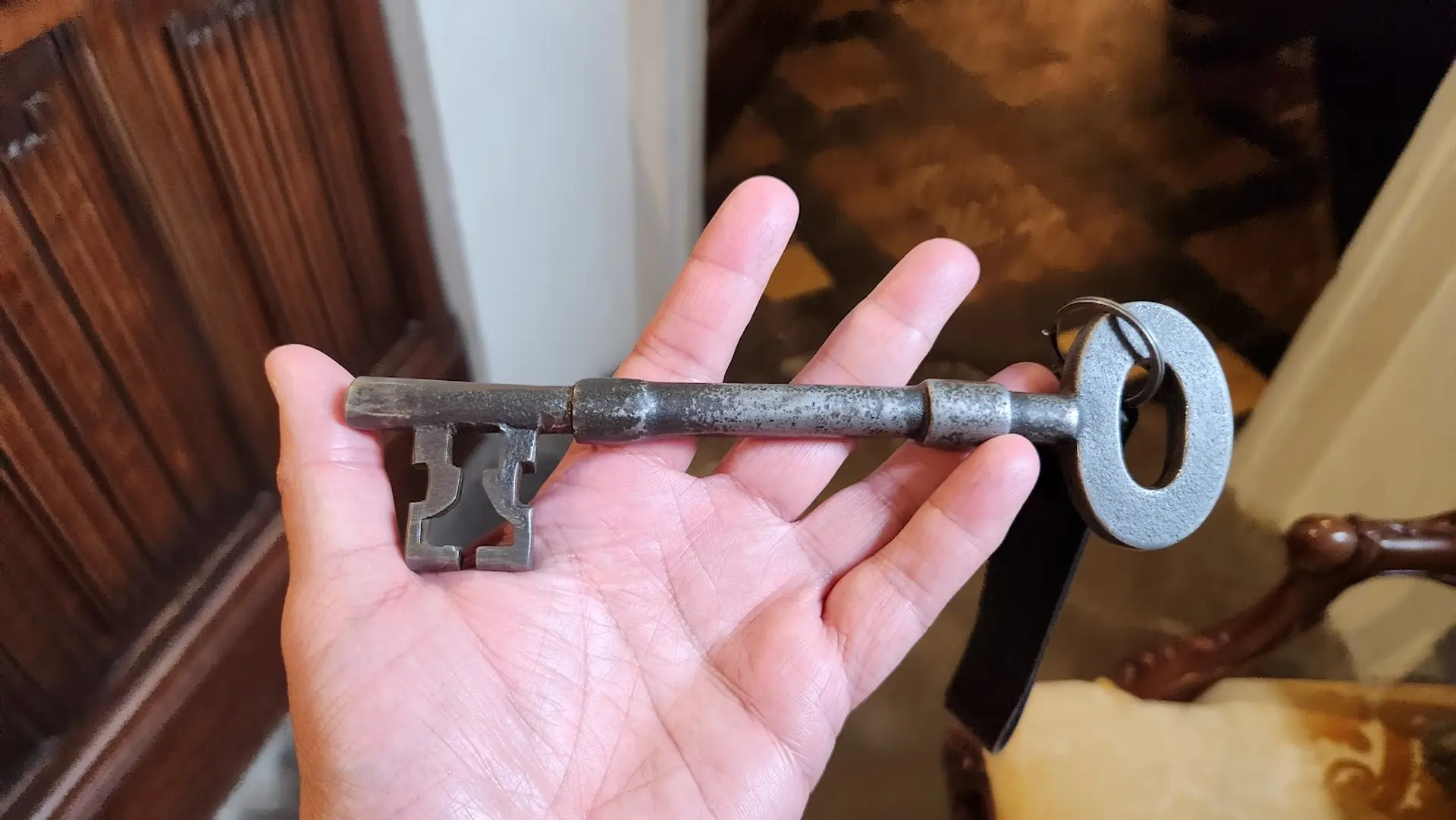
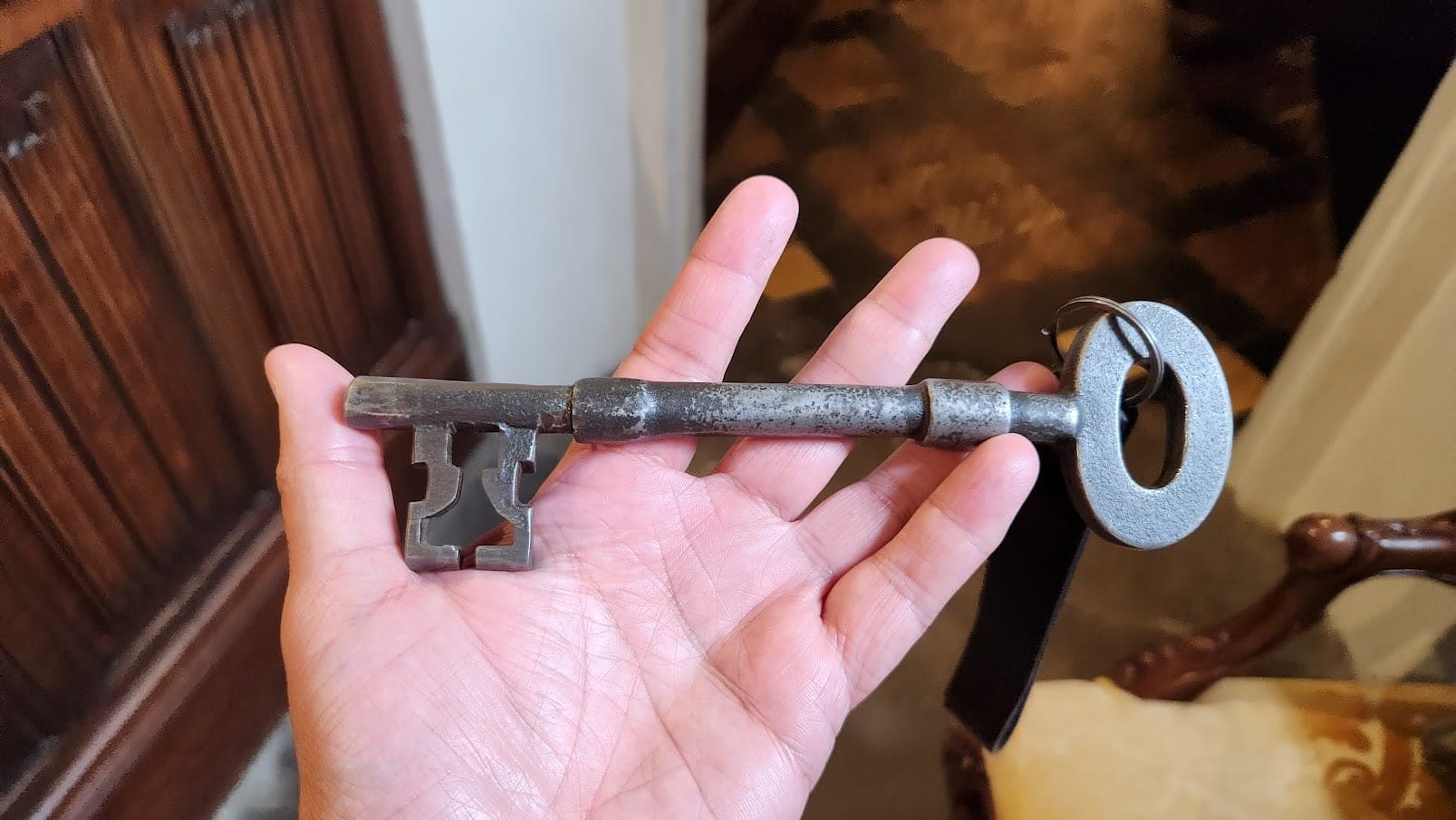
- Attention to Detail – The 2019 restoration by the Khamas Group is truly remarkable. Guests might unlock their suite with a heavy, centuries-old iron key, yet enjoy the latest streaming technology on in-room TVs. The historic Stafford Knot motif graces the estate, while electric vehicle charging stations reflect modern sensibilities. Rooms offer original fireplaces, lavish four-poster beds, underfloor heating, and walk-in rain showers—an inspired blend of Tudor authenticity and present-day luxury.
- Singular Character – Thornbury Castle is genuinely one-of-a-kind. It is England’s only true Tudor castle hotel, with turreted suites, period-inspired cocktails, and authentic details throughout. Guests can enjoy the serenity of the countryside, marvel at the castle’s original architecture, and indulge in a stress-free stay designed for pure relaxation.
- Unmatched Accommodation – As a hotel connoisseur, I appreciate rooms that are both practical and indulgent. Thornbury’s chambers deliver on every front: spacious beds, intuitive room layouts, high-speed Wi-Fi, USB charging, climate control, luxurious bathrooms with heated floors, abundant natural light, designer furnishings, and captivating views. The sense of history is palpable, yet comfort is never compromised. These are, quite simply, some of the most impressive castle hotel rooms in England.Varun SharmaEditor-In-ChiefBusinessclass
Hotel Insider: What the Team Values Most
- Unrivalled Historical Legacy: Thornbury Castle’s origins in the early 16th century and its direct connection to Tudor royalty—most notably the nine-night stay of Henry VIII and Anne Boleyn—imbue the property with an extraordinary sense of history. The castle’s narrative is not simply decorative; it is woven into every aspect of the guest journey, allowing visitors to genuinely step into the past.
- Architectural Grandeur & Refined Comfort: The castle’s majestic features—soaring towers, grand fireplaces, ornate ceilings—create a magical setting. Guestrooms and suites have been meticulously restored, marrying original period details with modern amenities to deliver a sophisticated yet welcoming retreat. Many rooms feature four-poster beds and offer sweeping views of the landscaped grounds.
- Enchanting Gardens & Outdoor Experiences: The castle’s expansive gardens are a sanctuary of tranquillity, meticulously cultivated and perfect for exploration. Guests can wander through Tudor-inspired plantings, relax over afternoon tea on the lawn, engage with the gardening team, or simply absorb the peace of the landscape. The outdoor spaces are more than just a backdrop—they are an integral part of the Thornbury Castle experience.Gordon RiddellGeneral ManagerThornbury Castle - Relais & Chateaux Hotel