

Orbital Assembly Corporation, headquartered in California, has officially confirmed the commencement of construction on Voyager Station—the planet’s first luxury hotel in space—after surpassing its initial US$1 million funding milestone. The project is scheduled to break ground in 2025, with guest operations targeted for 2027.
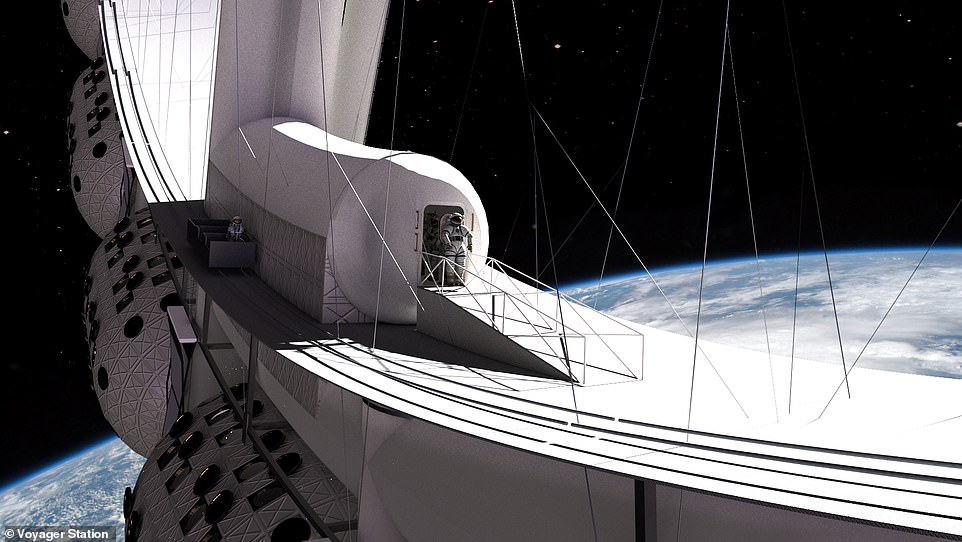
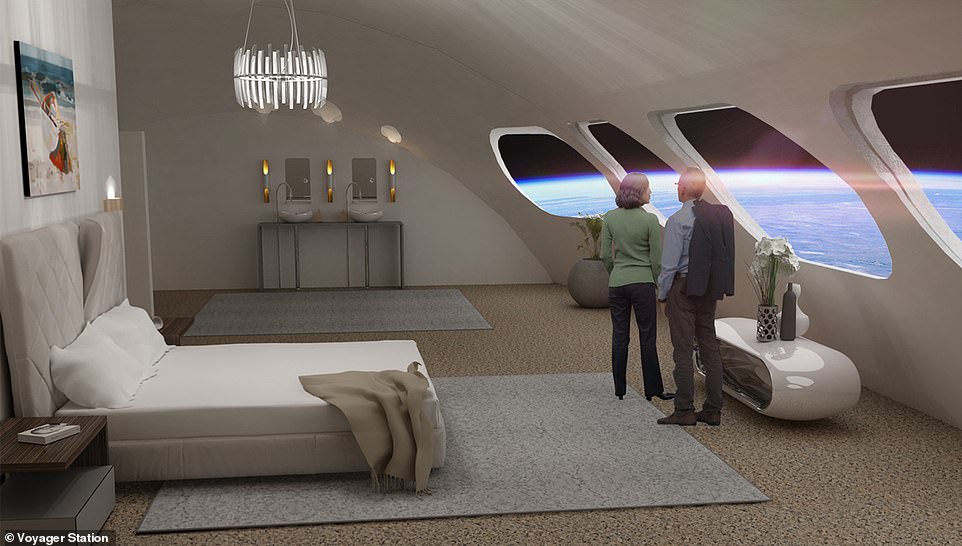
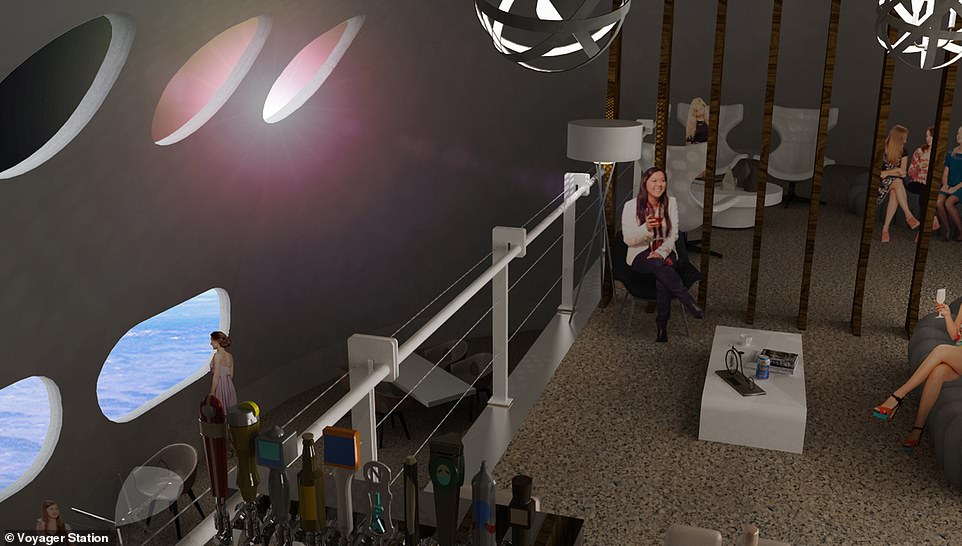
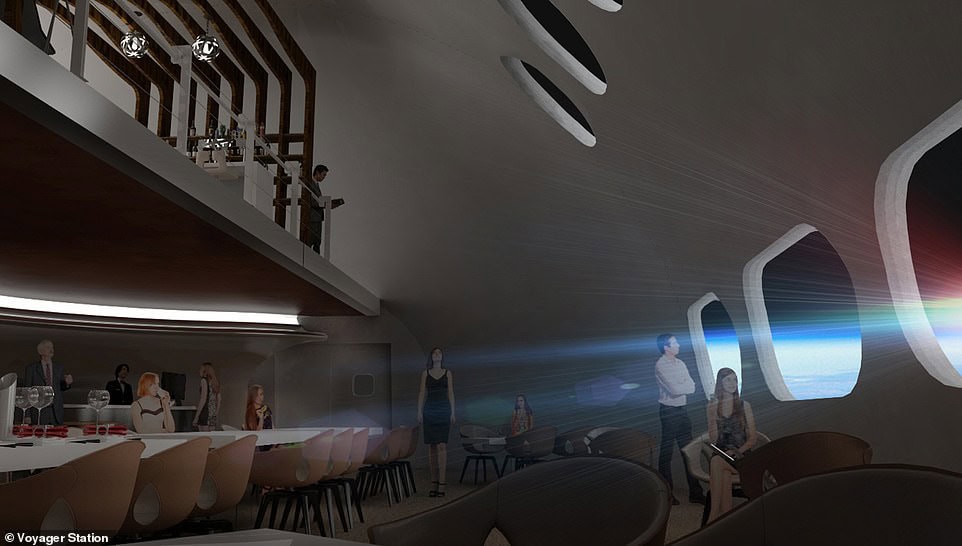
Voyager Station is envisioned as a 400-guest orbital retreat, offering a curated selection of amenities including gourmet restaurants, an indulgent wellness spa, a private cinema, and ultra-luxe accommodations. The station’s innovative ring-shaped design rotates to simulate Martian gravity, ensuring comfort and well-being for extended stays. The architectural concept features interconnected modules encircling the outer ring, each housing bespoke suites, panoramic lounges, and entertainment venues reminiscent of the world’s finest cruise liners—only this vessel orbits Earth every 90 minutes, delivering unmatched views and exclusivity.
While the total budget for Voyager Station remains confidential, Orbital Assembly Corporation attributes significant cost efficiencies to the latest advancements in reusable rocket technology, such as the SpaceX Falcon 9 and its successors, which have dramatically reduced the expense of launching materials into orbit.
The inaugural phase involves assembling a pioneering 61-meter gravity ring in low Earth orbit, engineered to provide artificial gravity at approximately 40% of Earth’s standard. This prototype paves the way for Voyager Station’s full-scale realization—a vision first conceived by the Gateway Foundation in 2012 and brought to life through the creation of Orbital Assembly Corporation in 2018. The project continues to progress towards its ambitious goal of opening doors to guests by 2027.
“We are witnessing the dawn of a new era in human habitation and travel,” says John Blincow, founder of the Gateway Foundation.
Blincow emphasizes that rotational gravity is essential for the long-term health of guests and crew. With plans for extended stays—both for leisure travelers and for the station’s operational staff—artificial gravity is not a luxury, but a necessity for human physiology in space.
“Sustained gravity is crucial to prevent muscle and bone degeneration in microgravity environments,” Blincow explains.
The countdown to 2025 marks the beginning of an unprecedented chapter in space tourism—one that redefines luxury hospitality beyond our planet.