

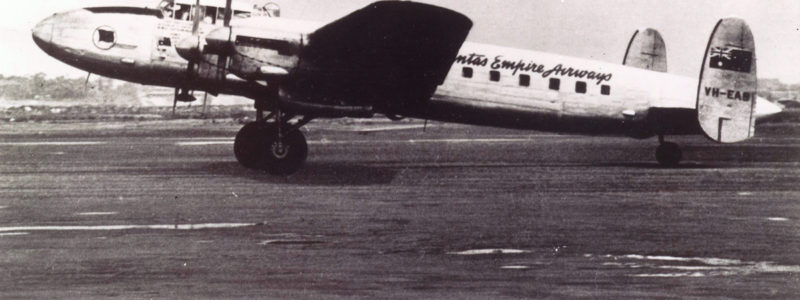
While a 17-hour journey on Qantas’ non-stop service from London to Perth might test your endurance, it’s a far cry from the days when traversing the globe required nearly two weeks and dozens of layovers.
Commercial aviation has undergone a radical metamorphosis over the past century. The arduous, multi-stop 12-day adventure from London to Australia is now the stuff of legend, replaced by seamless direct flights. Today’s ultra-long-haul connections—powered by advanced aircraft such as the Boeing 787 Dreamliner and Airbus A350—embody the relentless innovation of the aviation industry.
Reflecting on the route’s storied 90-year history showcases not only technological leaps but also the evolving expectations of luxury, comfort, and efficiency for global travelers.
The Pioneering Era: Two Weeks to Australia
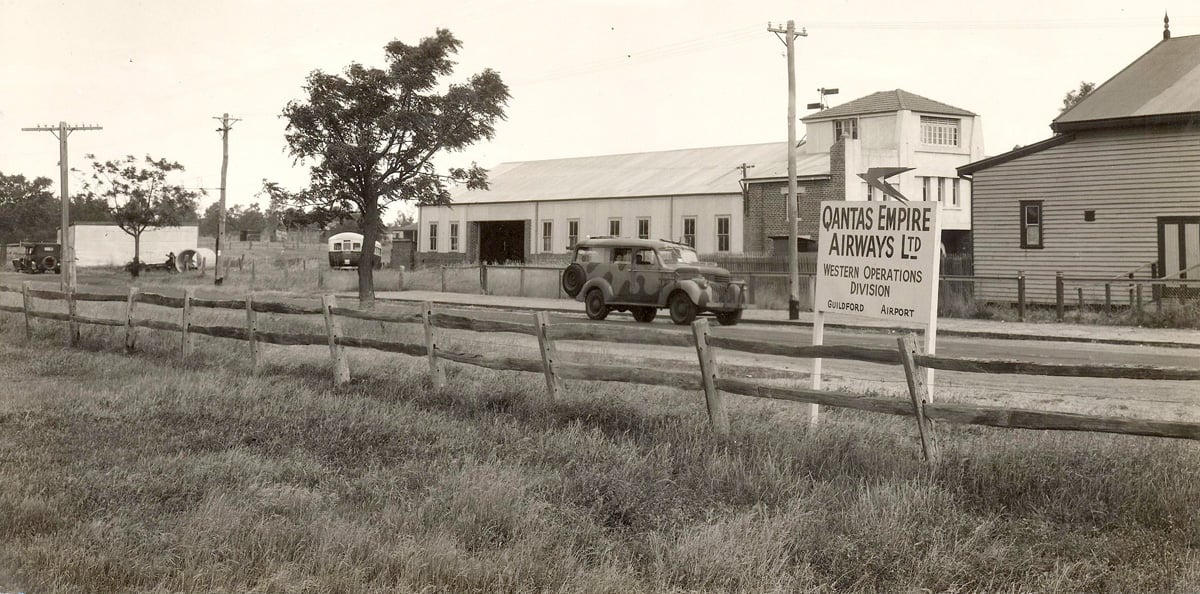
On April 13, 1935, a select group of adventurous—and affluent—travelers boarded an Imperial Airways Handley Page 42W Heracles, embarking on a monumental journey from London to Paris, the first leg of an odyssey that would span continents. Their route wound through Italy, Crete, Egypt, Iraq, the UAE, Pakistan, India, and Myanmar, finally reaching Singapore. At that point, Qantas assumed responsibility, guiding passengers on to Brisbane. The entire expedition required 12 days and up to 31 individual stops.
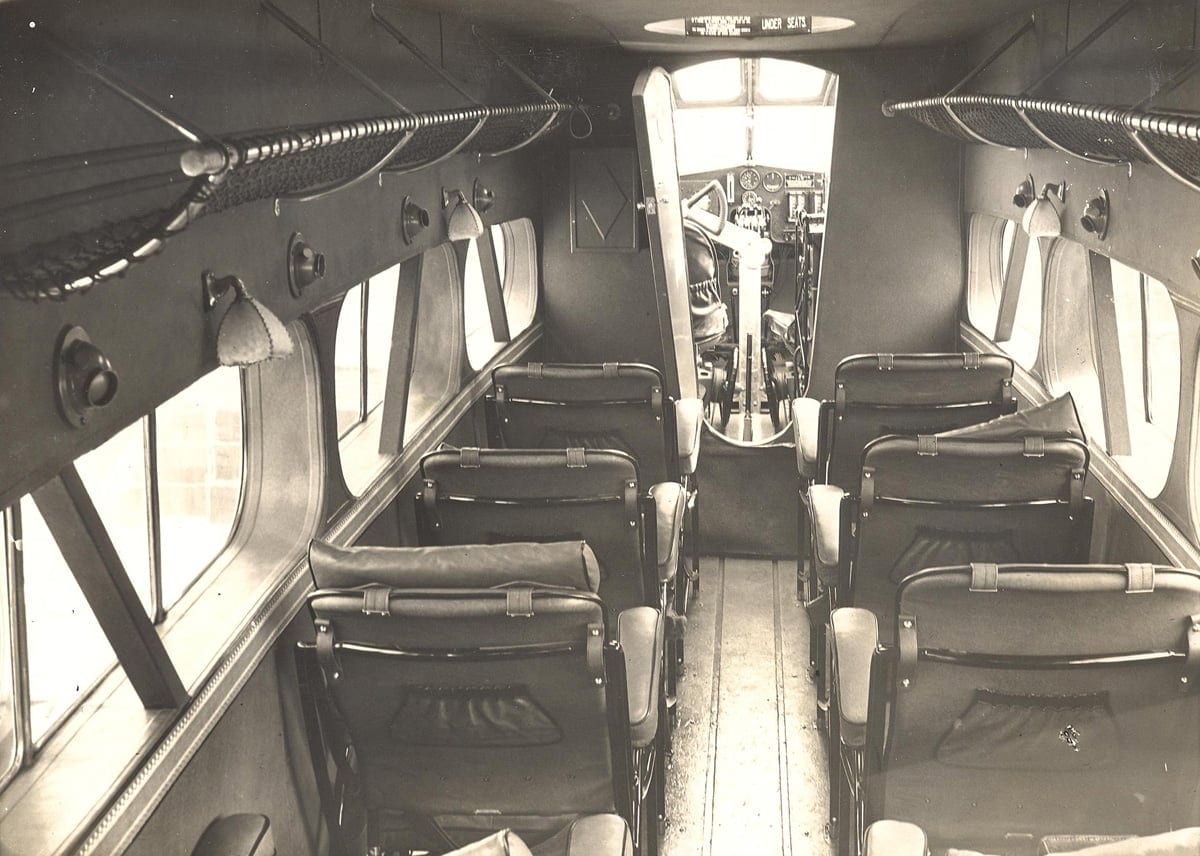
Qantas operated the Singapore-Brisbane segment with a De Havilland D.H.86, a four-engine biplane crafted from wood and fabric. The experience was decidedly intimate: the co-pilot doubled as a sandwich server for the 10-person cabin, and there were no dedicated cabin crew.
Due to intense demand on certain legs, through bookings for the full London–Brisbane service were initially unavailable. However, by the second scheduled flight, two intrepid passengers completed the entire journey.
The 12,754-mile (20,526 km) London–Brisbane route—offered by Imperial Airways and Qantas Empire Airways for a fare of £195 (roughly £10,500 in 2025 currency)—was celebrated by those eager to avoid the six-week sea voyage previously required to reach Australia.
The Flying Boat Era: Ten Days of Airborne Luxury
By 1938, technological progress trimmed the journey to approximately 10 days. Travelers boarded the cutting-edge Short C Class flying boats in Southampton, which carried up to 15 guests in unmatched comfort to Darwin, Australia.
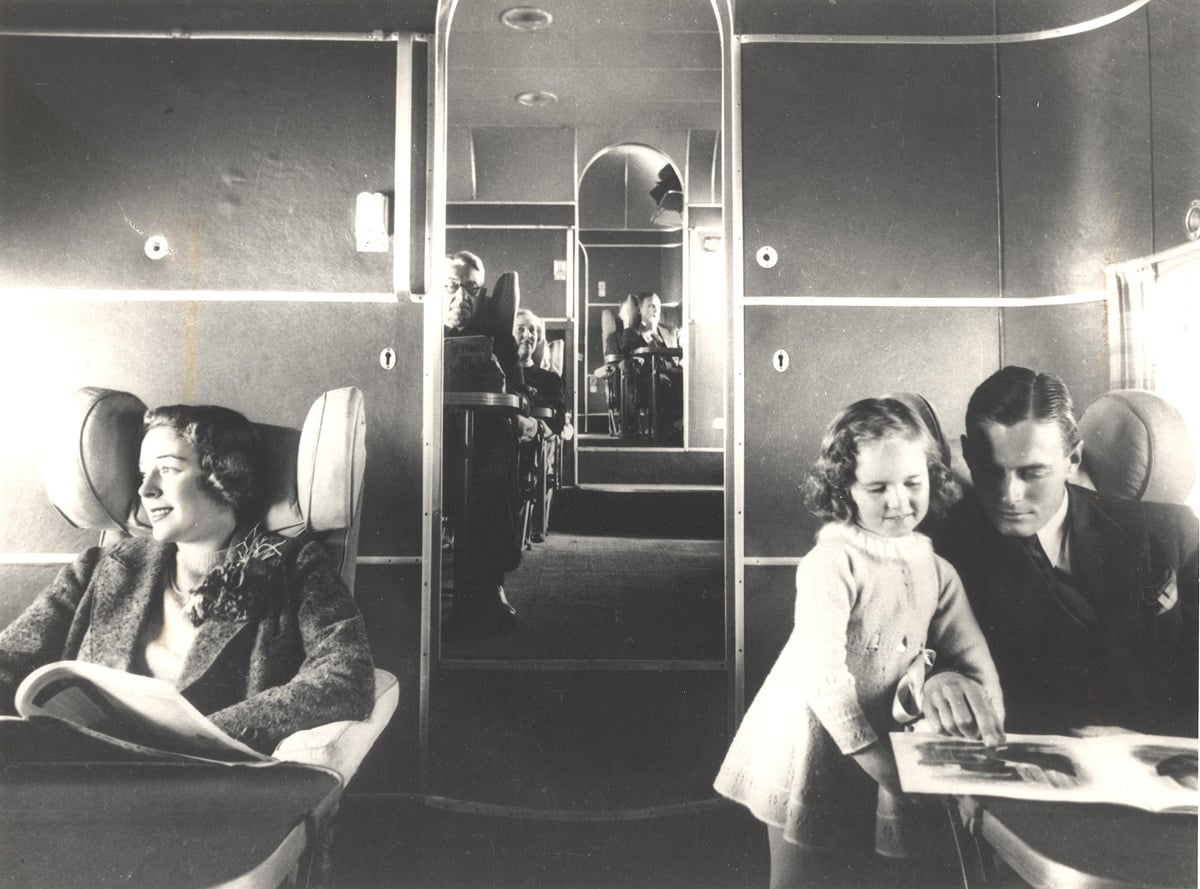
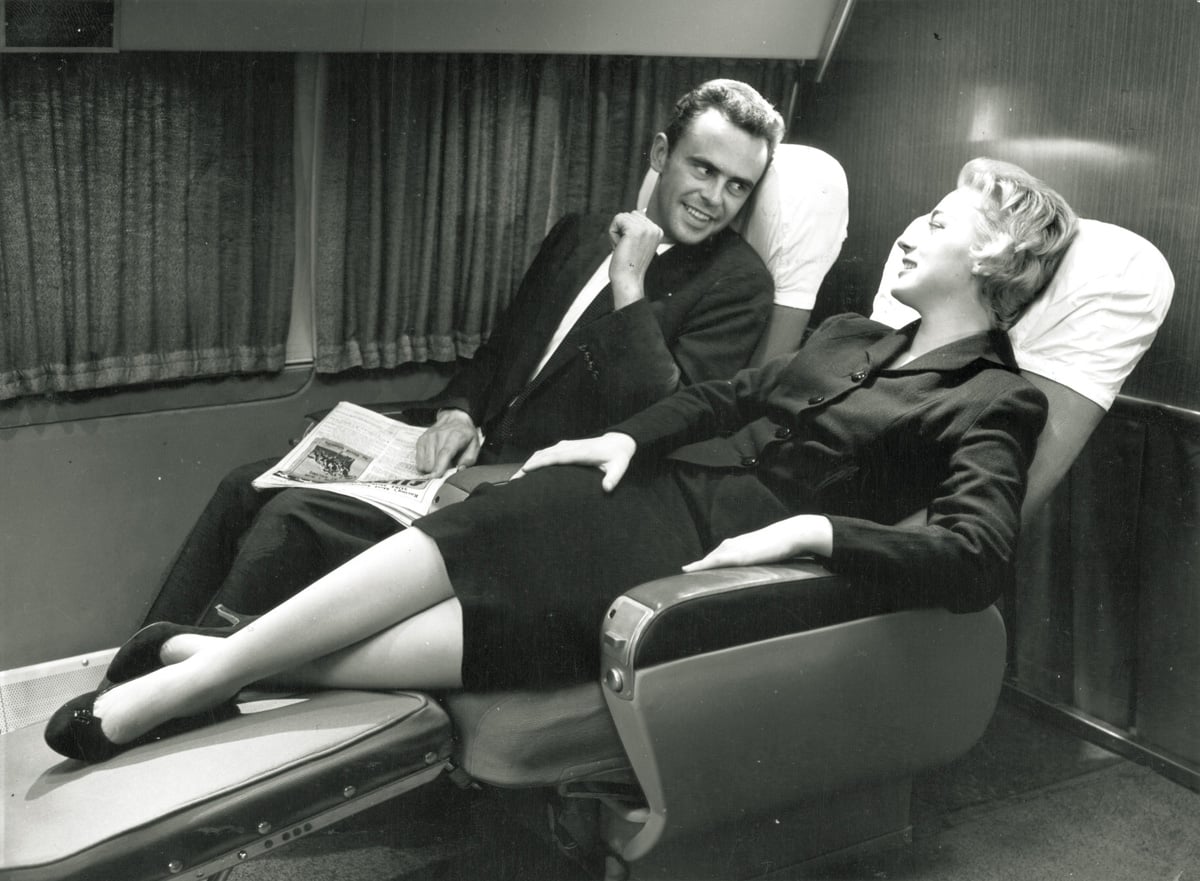
Images of these flying boats graced British and Australian newspapers, showcasing spacious cabins replete with armchairs, generous legroom, and the kind of convivial atmosphere that inspired legends—some even claimed a round of golf could be played mid-flight.
The inflight service set a new benchmark for hospitality: elaborate multi-course meals and a well-stocked bar were standard, with attentive flight assistants crafting a sense of refined adventure for every passenger.
Postwar Progress: Four Days to the Antipodes
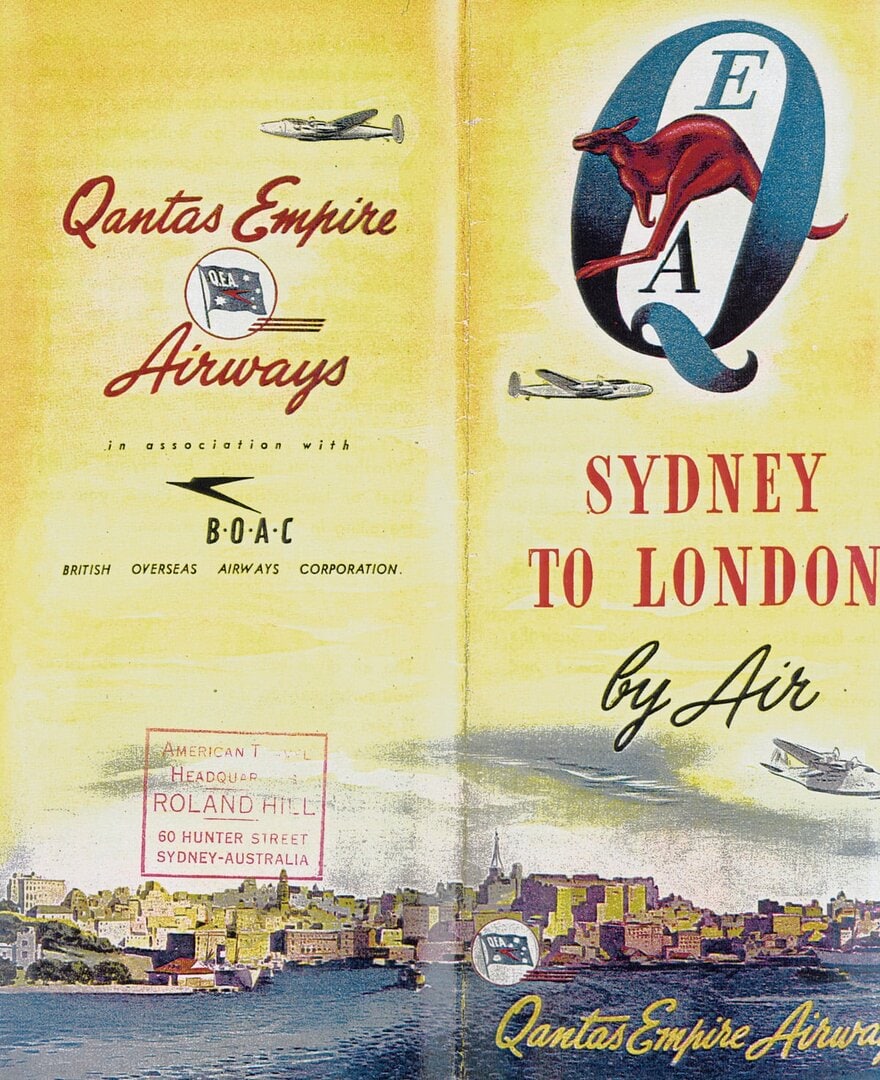
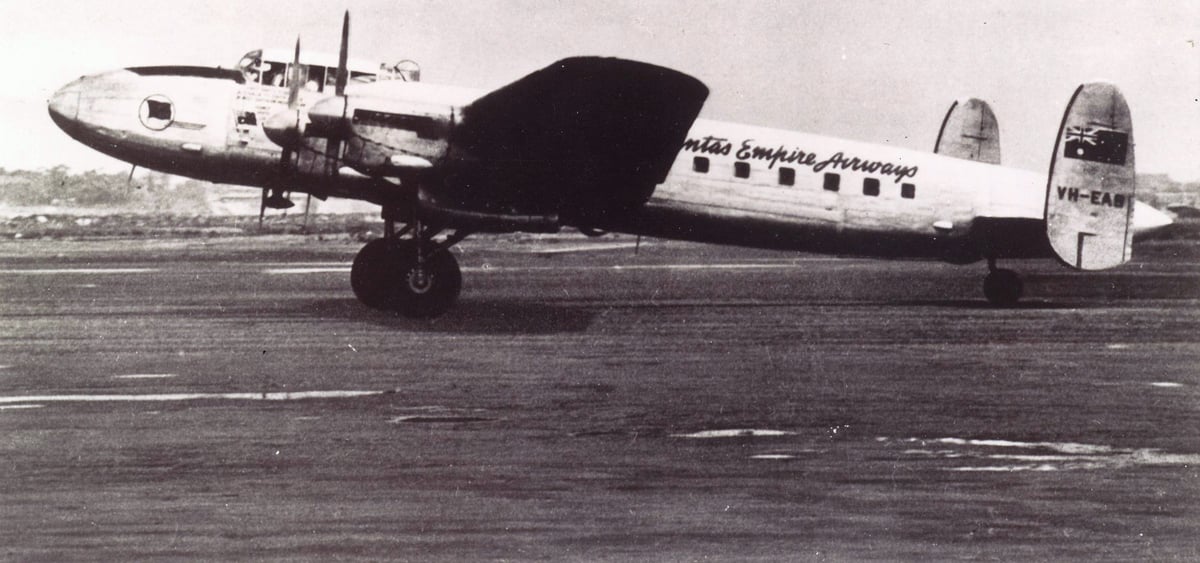
May 1945 marked a pivotal advancement in long-haul travel. BOAC (the forerunner of today’s British Airways, following its merger with Imperial Airways) introduced regular flights from Hurn Airport, England, to Sydney, utilizing the Avro 691 Lancastrian. This aircraft, an adaptation of the WWII Lancaster bomber, reduced the journey to four days—a quantum leap forward.
On December 1, 1947, Qantas inaugurated the legendary Kangaroo Route with a Lockheed Constellation. The aircraft accommodated 29 guests and 11 crew, pausing in Darwin, Singapore, Calcutta, Karachi, Cairo, and Tripoli, with overnight stays in Singapore and Cairo. A return ticket cost £585 (equivalent to around £17,500 today), a sum representing over two years’ average wages at the time.
Subsequent upgrades to the Super Constellation aircraft further enhanced speed and comfort, trimming the London–Sydney trip to just over 54 hours—an almost unimaginable improvement for the era.
Jet Travel Revolutionizes the Kangaroo Route
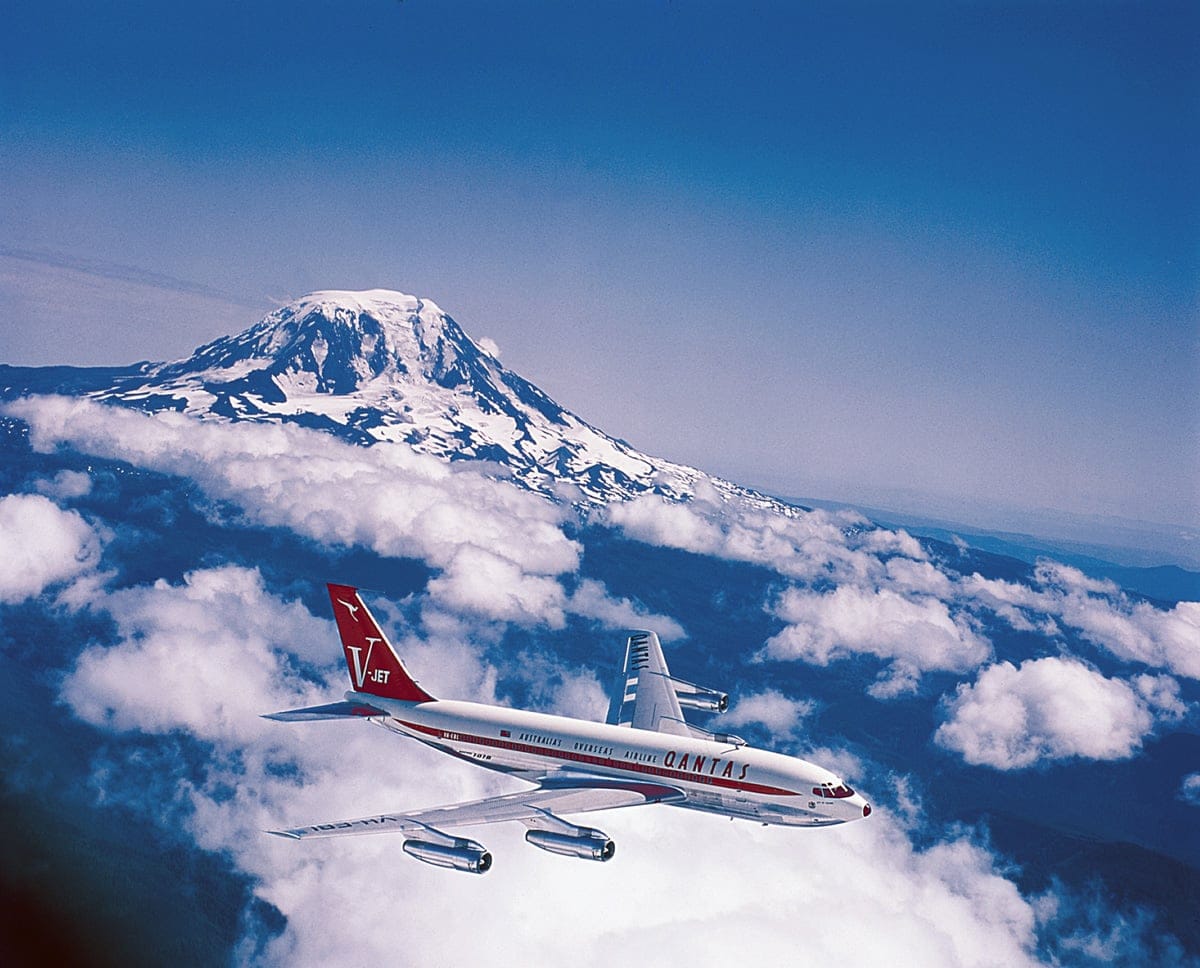
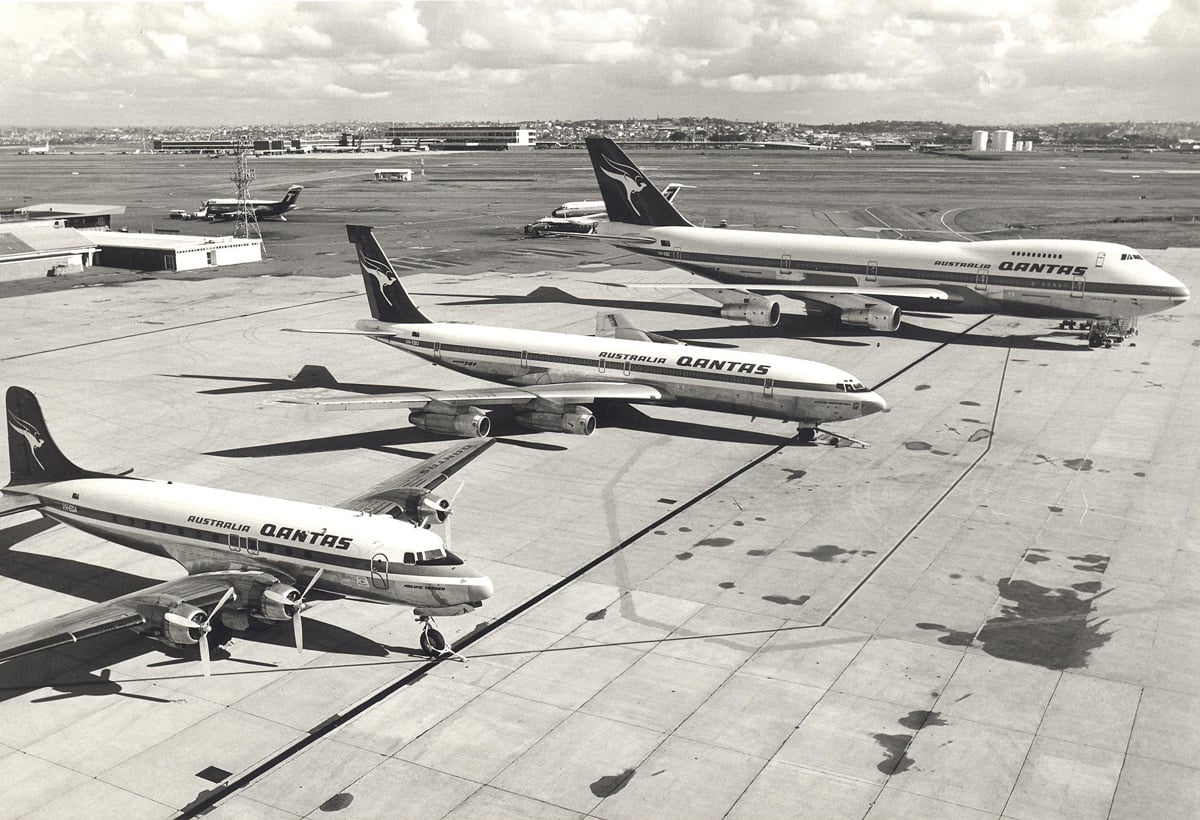
The dawn of the jet age in 1959 ushered in a new era for UK–Australia flights. BOAC invested in Comets, Boeing 707s, and VC-10s, while Qantas introduced its own Boeing 707 fleet. By April 1960, the fastest services between Sydney and London clocked in at 34 hours and 30 minutes, with eight stops along the way.
The advent of more efficient turbofan engines in the early 1960s allowed airlines to skip stops like Darwin, extending range and reducing travel time. By mid-1969, Qantas operated 11 weekly Kangaroo Route flights, each taking 29–32 hours and requiring only five to six stops. BOAC provided up to nine weekly services with a similar stop pattern.
Higher cruising altitudes brought smoother, quieter flights—an innovation airlines highlighted in their advertising, often featuring playful images to underline the newfound stability.
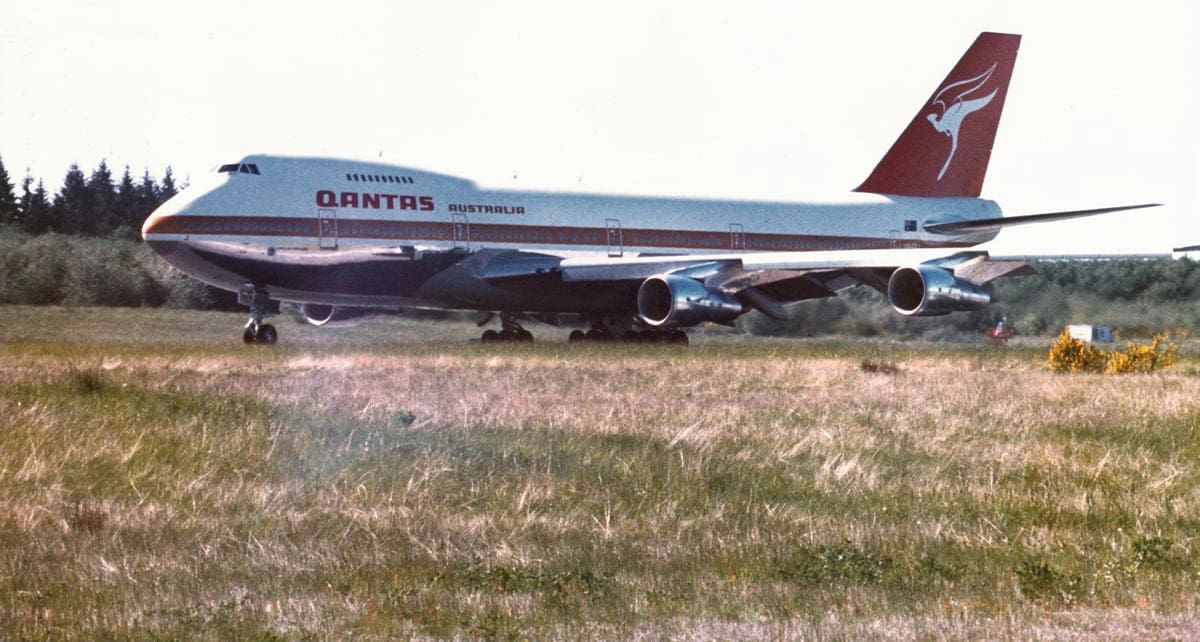
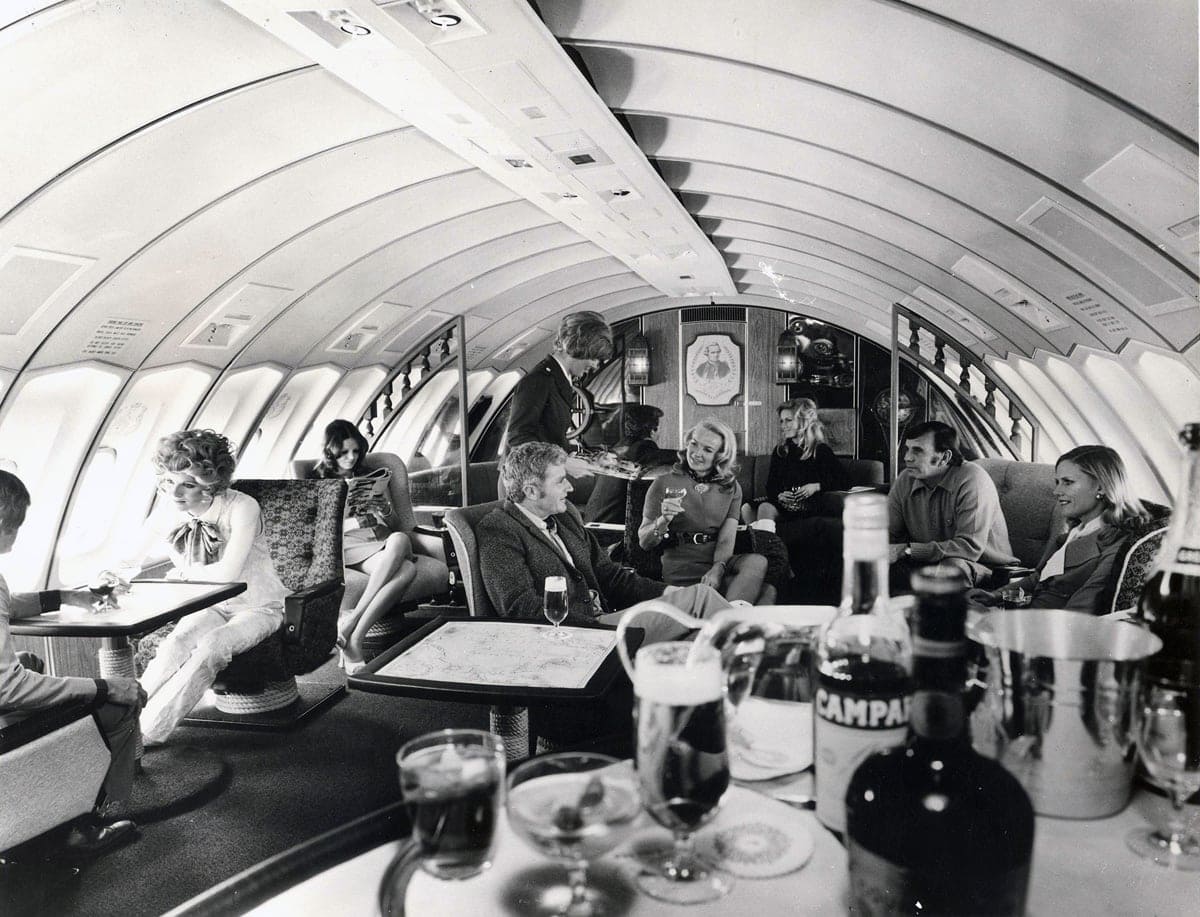
The introduction of the Boeing 747 in 1971 marked another leap: only two stops (typically Singapore and Bahrain) were necessary. In 1989, Qantas’ Boeing 747-400 set a world distance record by flying non-stop from London Heathrow to Sydney in just over 20 hours—a milestone in commercial aviation history.
The Non-Stop Era: Ultra-Long-Haul Becomes Reality
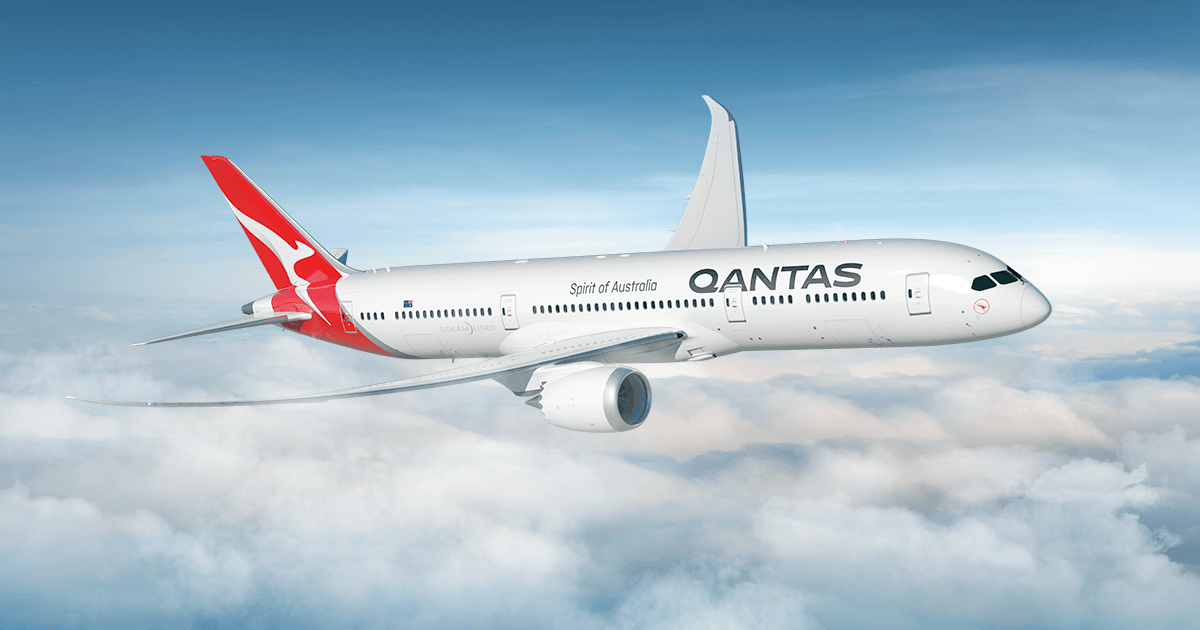
Despite record-setting flights, one-stop itineraries remained standard for decades. That changed in 2018, when Qantas launched the world’s first scheduled non-stop service between London and Perth using the Boeing 787 Dreamliner—an aircraft engineered for passenger well-being on ultra-long-haul sectors.
While earlier models such as the Boeing 777-200LR had the technical range, it was the Dreamliner’s fuel efficiency and lower operational costs that made regular non-stop flights commercially sustainable. Industry-wide, the latest generation of aircraft—like the Airbus A350-1000—has continued to push boundaries, with airlines now exploring even longer sectors, such as Sydney–London direct, expected to launch as soon as 2026.
Today’s non-stop UK–Australia flights, taking around 17 hours, are accessible to a much broader market than the exclusive journeys of the 1930s. The transformation of this route is a testament to aviation’s ongoing pursuit of speed, comfort, and global connectivity.