
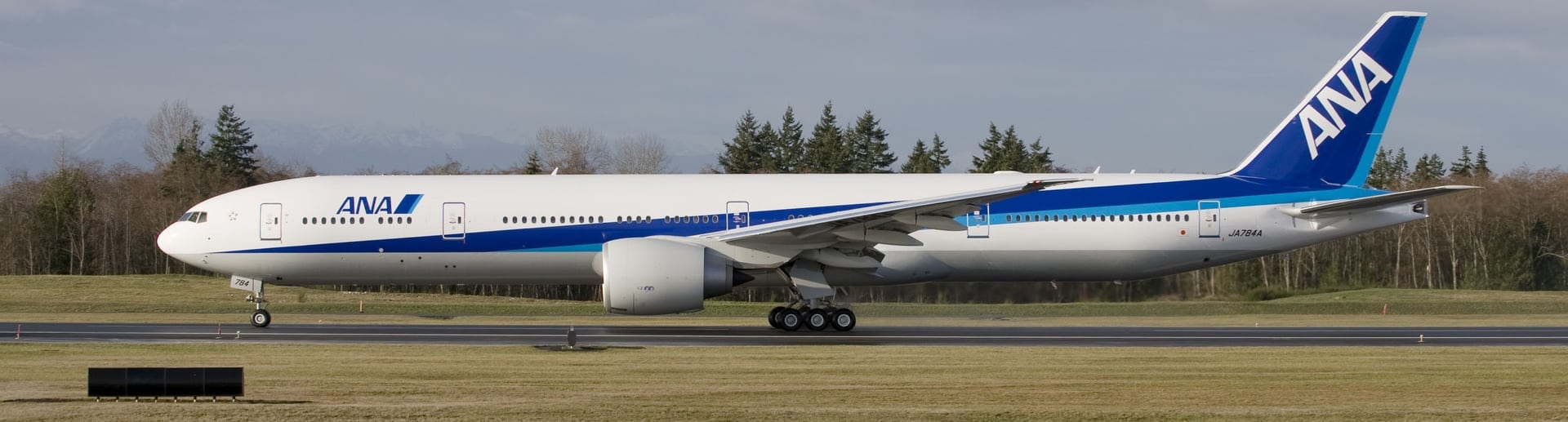
All Nippon Airways (ANA) has long maintained one of the strongest reputations in international premium travel, particularly for its pleasant cabin atmosphere, polished Japanese hospitality, and highly consistent onboard service. ANA First Class builds on that reputation with a smaller and more private long-haul cabin than the airline’s already well-regarded business-class product. The newest version, known as The Suite, operates on certain Boeing 777-300ER aircraft and introduces enclosed first-class suites with sliding doors, larger entertainment screens, and significantly more personal space than ANA’s older cabin layouts.
Beyond the seat itself, the broader ANA first-class experience focuses heavily on flexible dining, attentive but restrained service, and a calmer onboard atmosphere shaped by the limited number of first-class seats available on each aircraft. Lounge access, priority airport handling, and award redemption opportunities through programs such as Virgin Atlantic Flying Club also make ANA one of the more accessible international first-class products using points and miles.
Booking Process
Booking ANA first-class tickets often requires thorough planning, because first-class availability is limited across most routes. This is especially important for travelers who would like to experience the airline’s newest first-class product, ANA First Class “The Suite,” currently available only on some Boeing 777-300ER aircraft.
Because the number of first-class seats is small, with only eight seats on some of ANA’s planes, timing plays a major role when searching for award tickets. Booking early, 3 to 6 months before departure, usually offers a wide choice of first-class seats. Also, travelers searching across multiple dates and airports generally have more success finding a first-class seat than those who are fixed to a single itinerary.
Travelers can book tickets directly on ANA's website, paying either with cash or with miles earned through a loyalty program such as ANA Mileage Club or Virgin Atlantic Flying Club, although award ticket pricing and availability vary considerably by route and season. Booking with BusinessClass.com is an excellent option for travelers who use cash for payments and need professional travel agents to handle all the details of their booking.
ANA First Class Award Pricing
The prices of round-trip award tickets with ANA can vary significantly depending on route and seasonality. According to ANA’s award charts, first-class redemptions for shorter routes between Japan and nearby regions can start at roughly 150,000 ANA miles during the low season, while some long-haul routes to Oceania during the high-demand season can reach 360,000 miles round-trip.
Partner redemption options through the Virgin Atlantic Flying Club program can sometimes offer lower pricing. For instance, one-way awards between Tokyo and Hawaii may start at about 57,500 Virgin points, while routes from Tokyo to the West Coast of the US may start at 72,500 points. Award flights to the Central or Eastern US usually cost at least 85,000 points, depending on taxes, fees, and availability.
Airport Experience
ANA operates dual hubs at Tokyo Haneda (HND) and Tokyo Narita (NRT) airports, with Haneda closer to central Tokyo and usually offering faster access to the city than Narita. Beyond Tokyo, the airline has substantial domestic operations from airports across Japan, as well as access to a large international network connected through Star Alliance and partner carriers. ANA’s airport operations reflect the efficiency commonly associated with Japan, particularly during transfers between flights, where security processing, gate organization, and ground handling tend to move quickly even during busy periods.
Passengers departing in first class receive access to premium check-in areas and fast-track security channels at Tokyo Haneda, Tokyo Narita, and many major international departure airports across the ANA network. At some airports, staff members may escort first-class passengers toward the lounge after check-in formalities are completed. A separate check-in counter also helps reduce waiting times before departure.
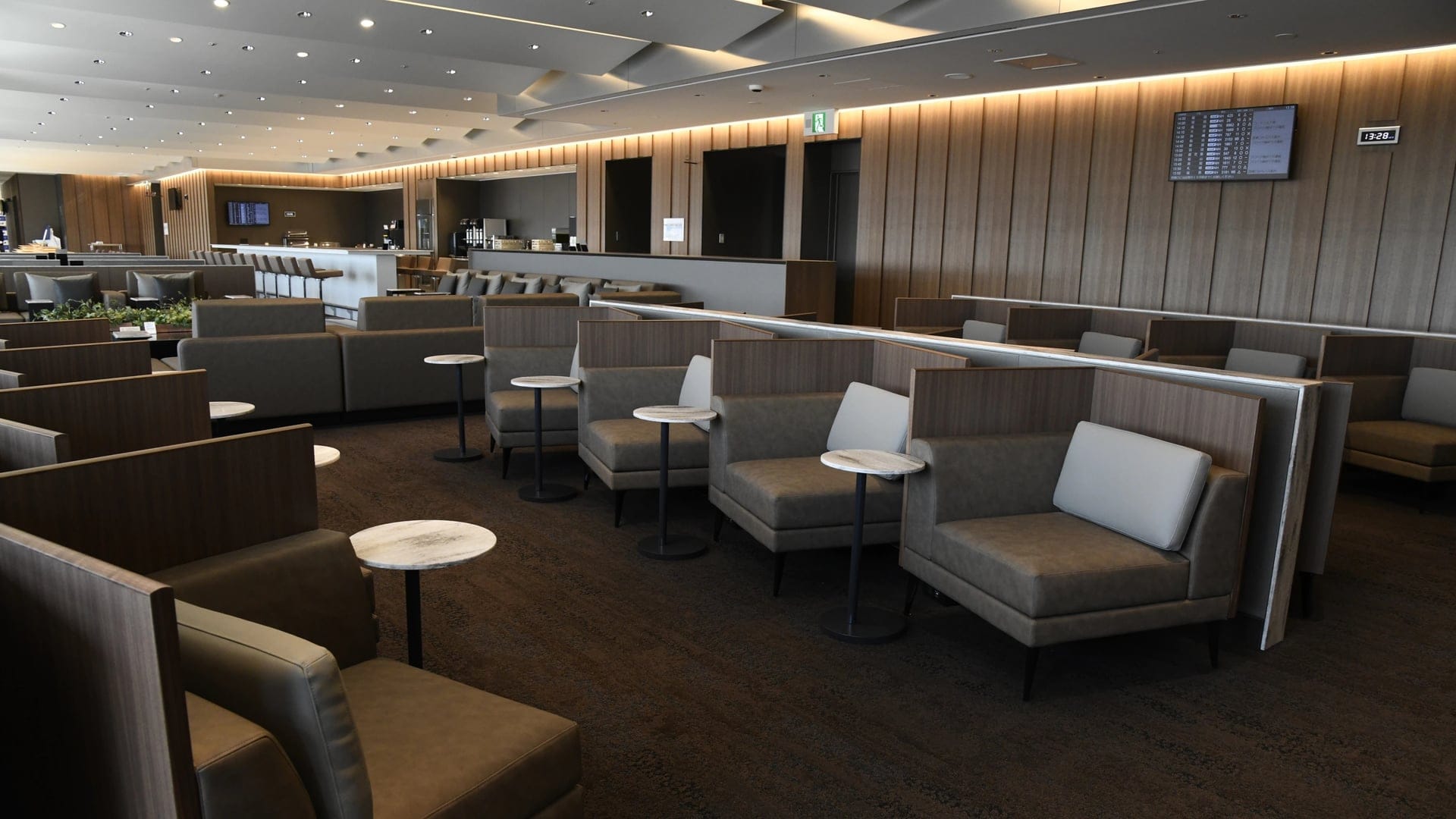
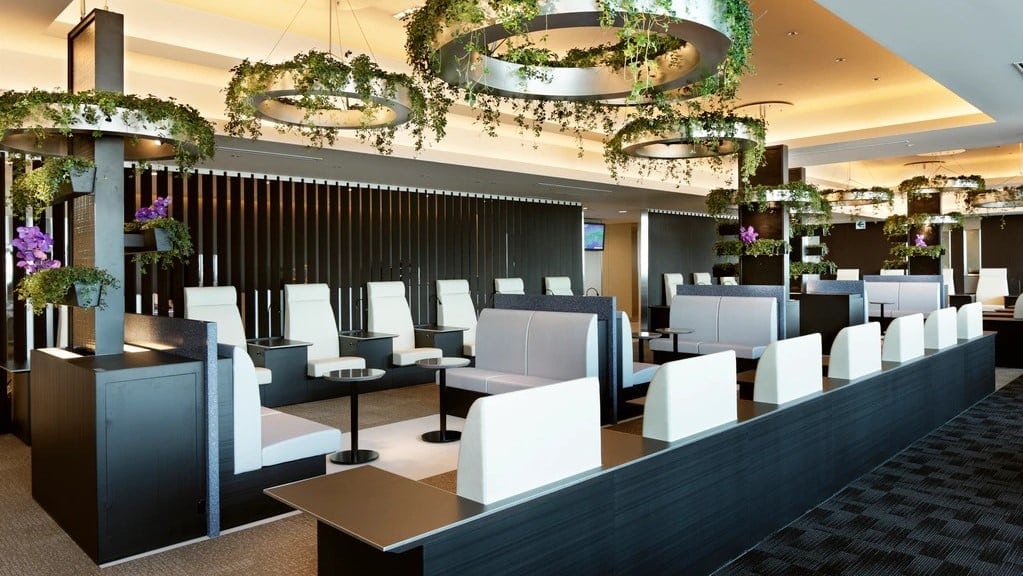
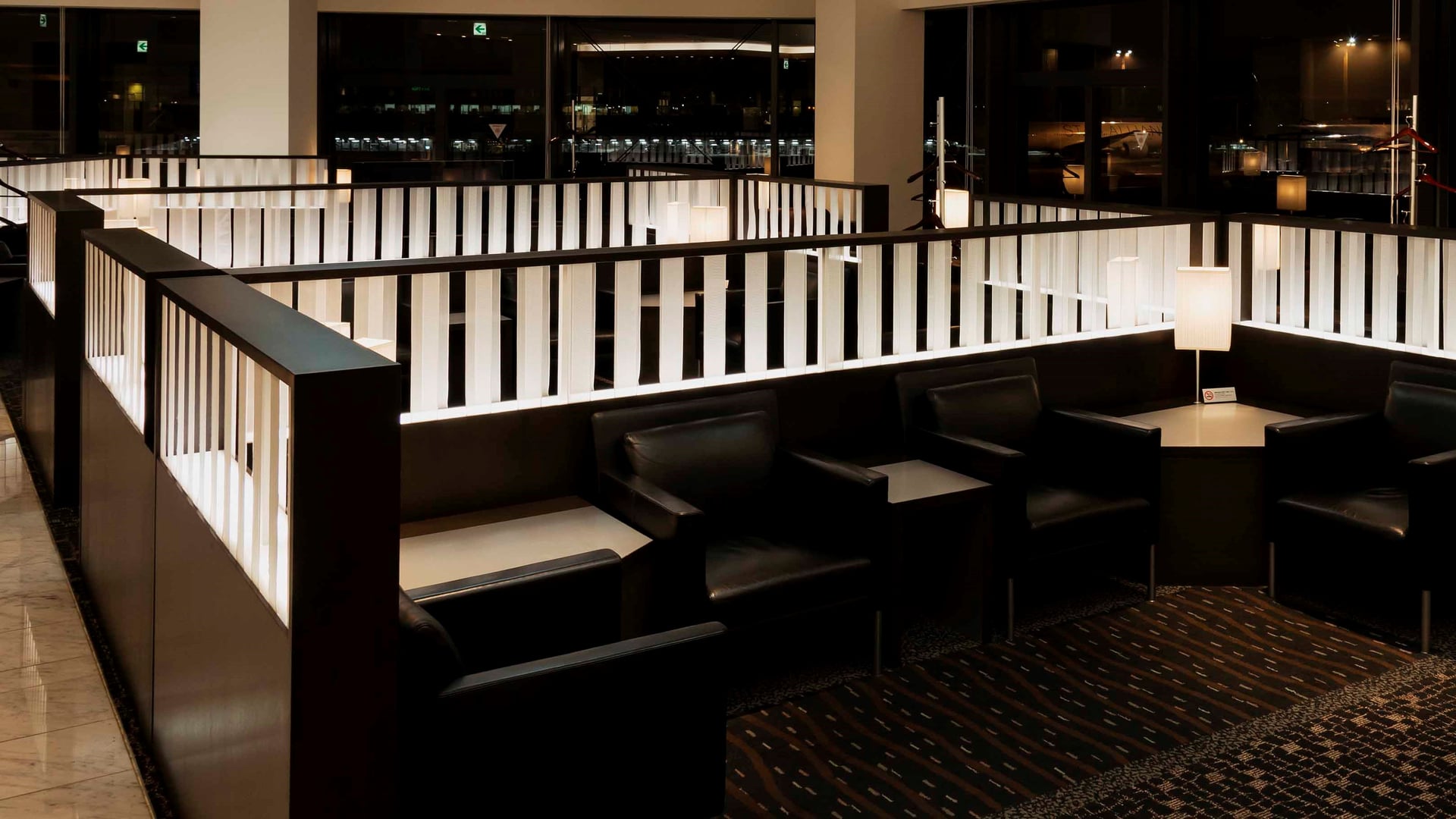
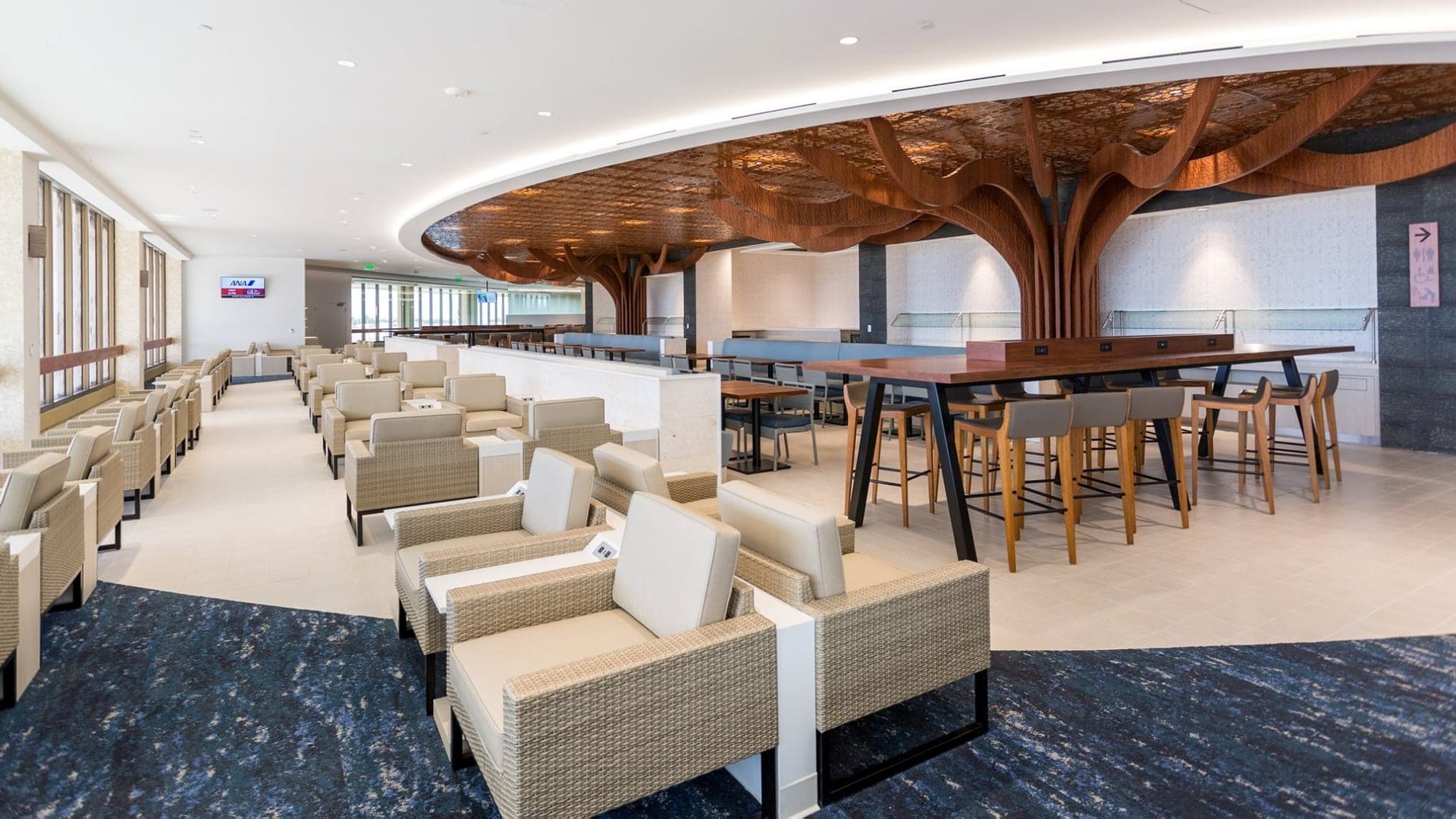
Inside ANA’s premium lounges, the focus leans more toward Japanese dining and quieter seating areas than oversized luxury spaces. The airline’s noodle bar is one of the most recognizable features of its lounges, with freshly prepared ramen and noodle dishes made to order throughout the day. ANA’s signature Japanese beef curry are also highly popular across its lounge network.
Lounge facilities typically include:
- Self-service buffets with sushi, salads, sandwiches, desserts, and other dishes
- Self-service beverage stations with wine, cocktails, Japanese beer, and soft drinks
- Automatic beer-pouring machines in some lounges
- Shower rooms
- Sleep areas
- Private work cubicles
- Free Wi-Fi access
At Tokyo airports, ANA separates its premium lounges into two categories: ANA Lounges and more exclusive ANA Suite Lounges. The ANA Suite Lounges serve first-class passengers and top-tier frequent flyers, while the larger ANA Lounges mainly serve business-class travelers and Star Alliance Gold members. ANA Suite Lounges generally feel quieter and more private.
ANA also operates Arrival Lounges at both Haneda and Narita for premium passengers arriving from international flights before continuing into the city or connecting onward within Japan.
ANA offers dedicated priority boarding access to first-class passengers, business-class travelers, and Star Alliance Gold members across its network. The boarding process is generally organized and efficient, with staff members coordinating boarding groups using handheld signs while bowing to passengers at the gate before departure.
Lounges Outside Tokyo
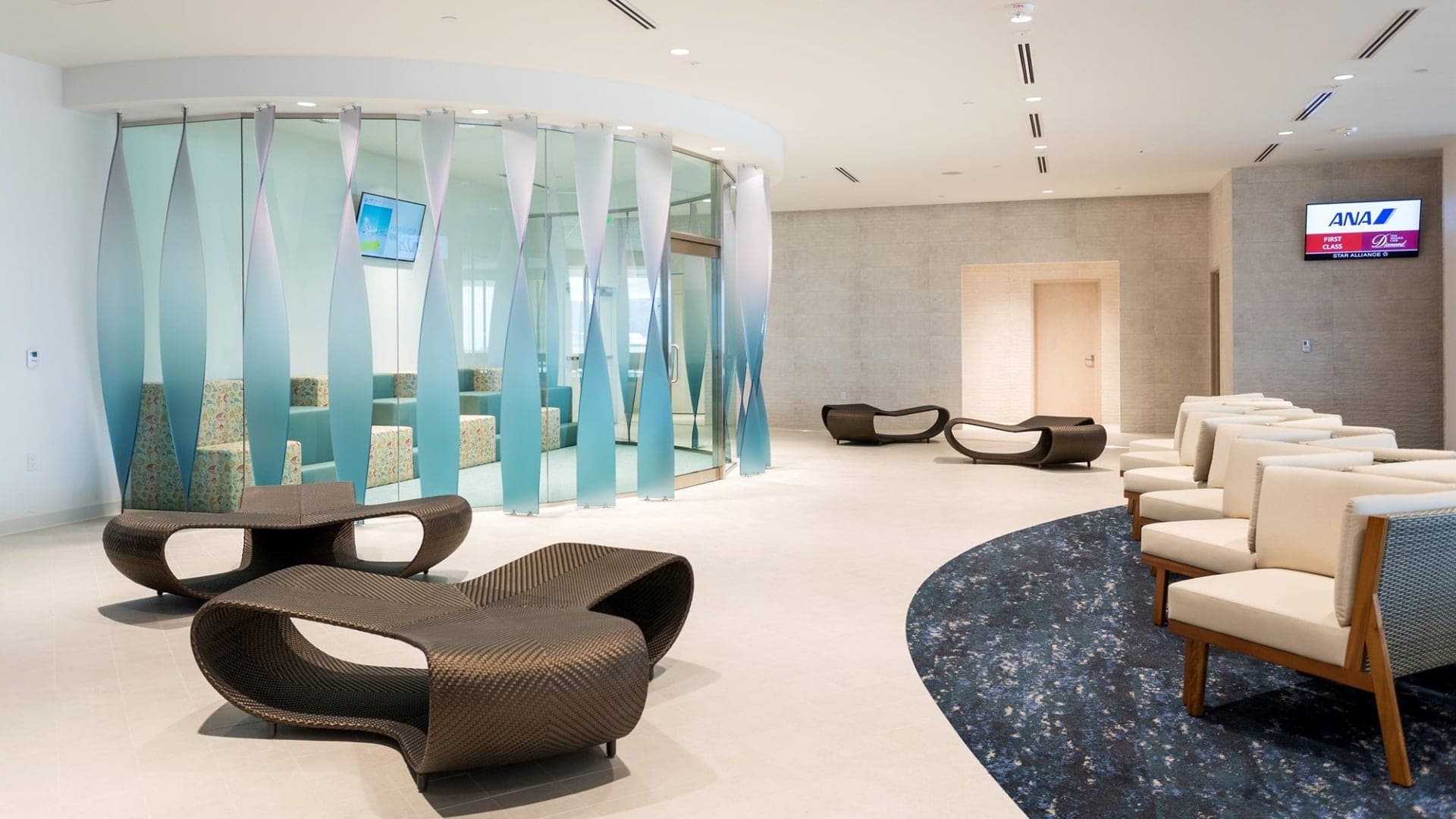
Beyond Tokyo, ANA operates lounges at Osaka Kansai (KIX) and Honolulu (HNL) airports. At other international departure airports, ANA’s first-class passengers can use Star Alliance or contract partner lounges before their flight.
At John F. Kennedy International Airport (JFK) in New York, for example, eligible passengers can access the Horizons T7 Lounge – First Lounge. There is also a separate Horizons T7 Lounge – Business Lounge for business-class travelers.
ANA's lounge access benefits are a highlight of the airline’s premium ground product. Eligible passengers can use a wide variety of ANA, Star Alliance, and partner lounges both across Japan and on international routes.
Cabin and Seats
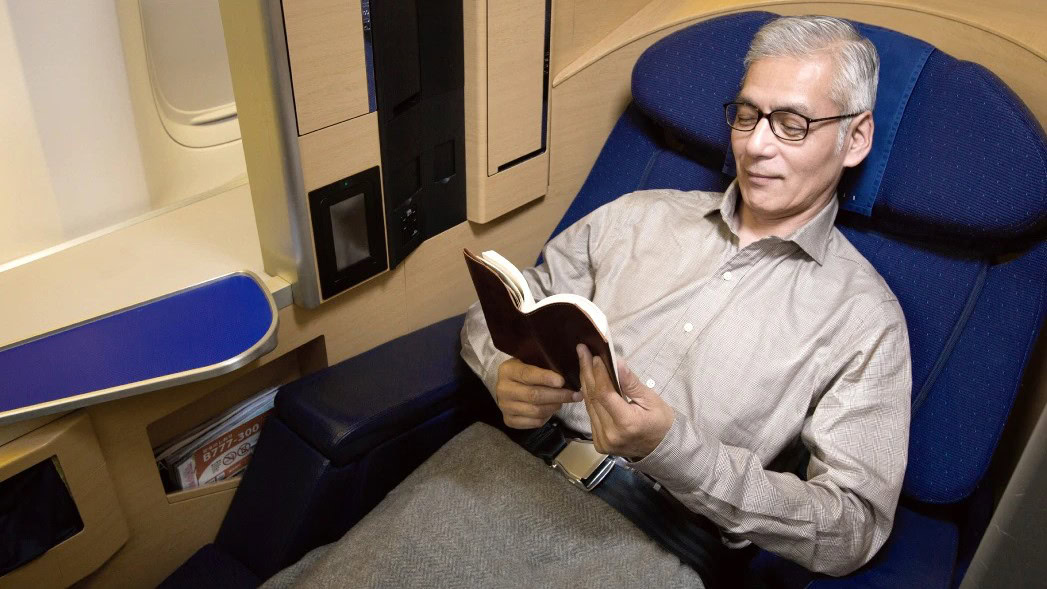
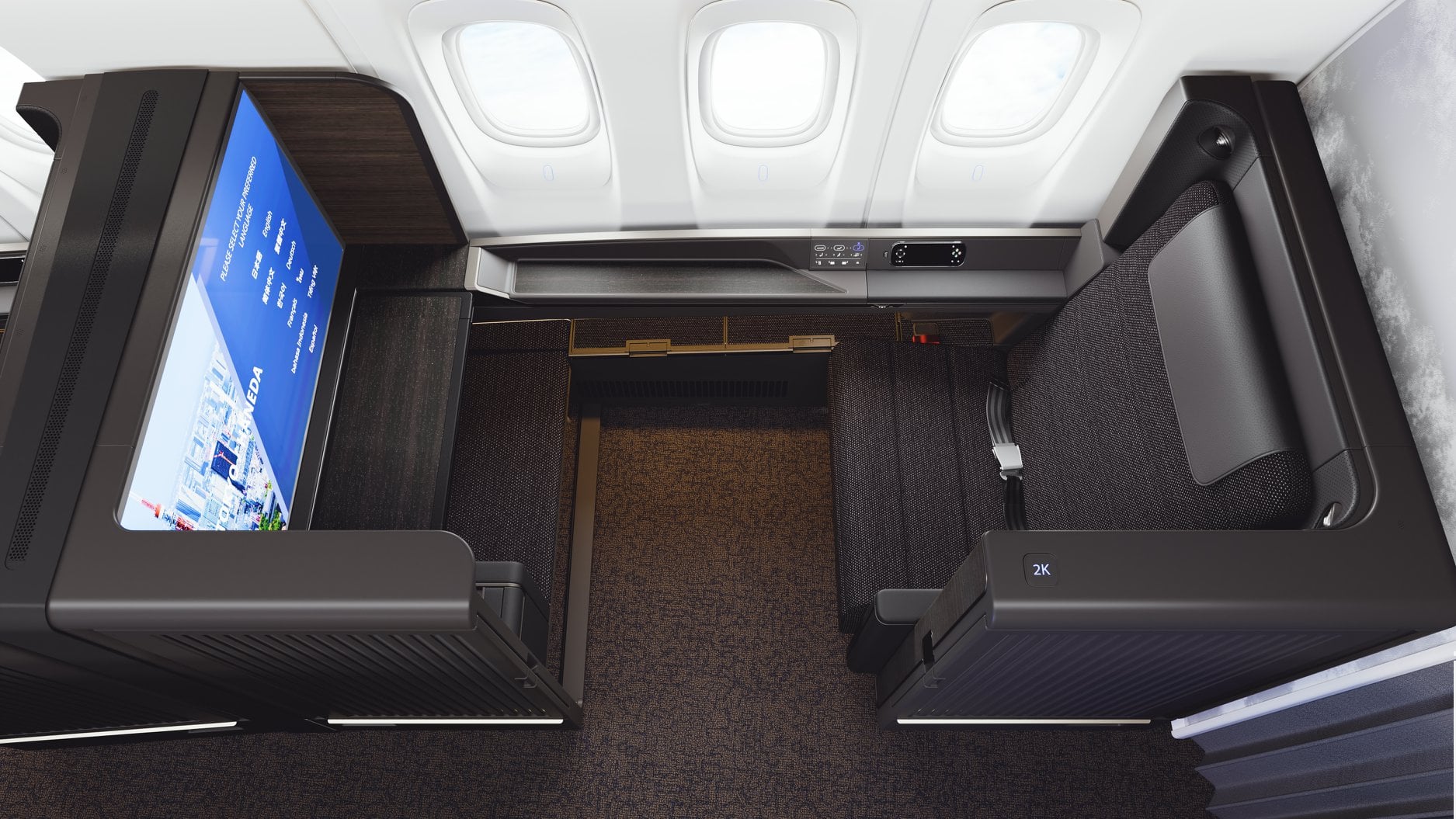
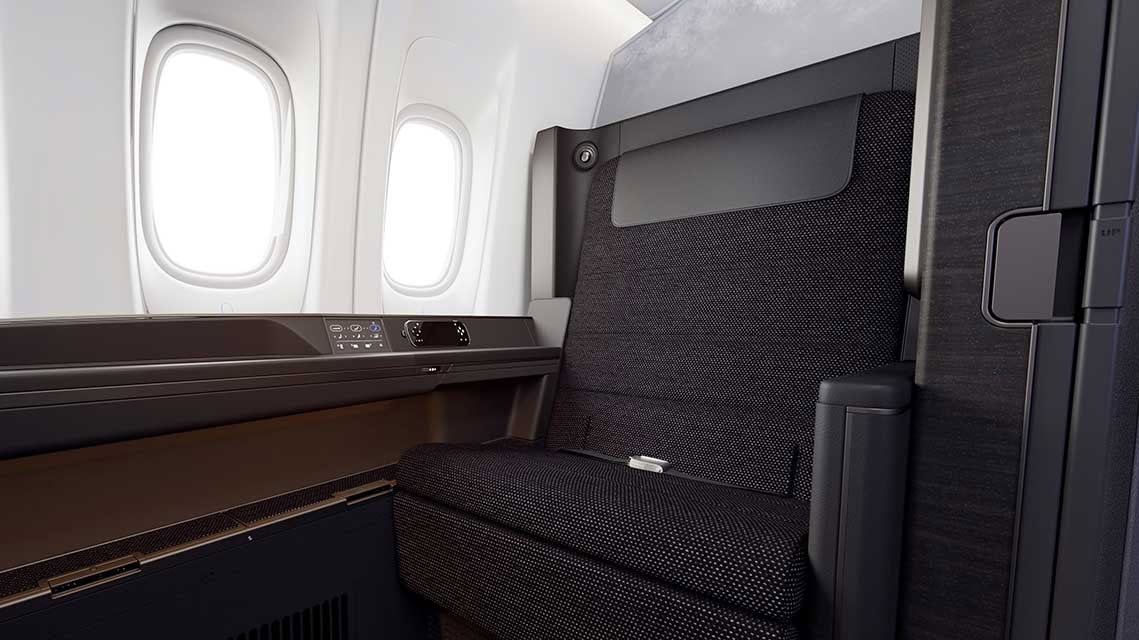
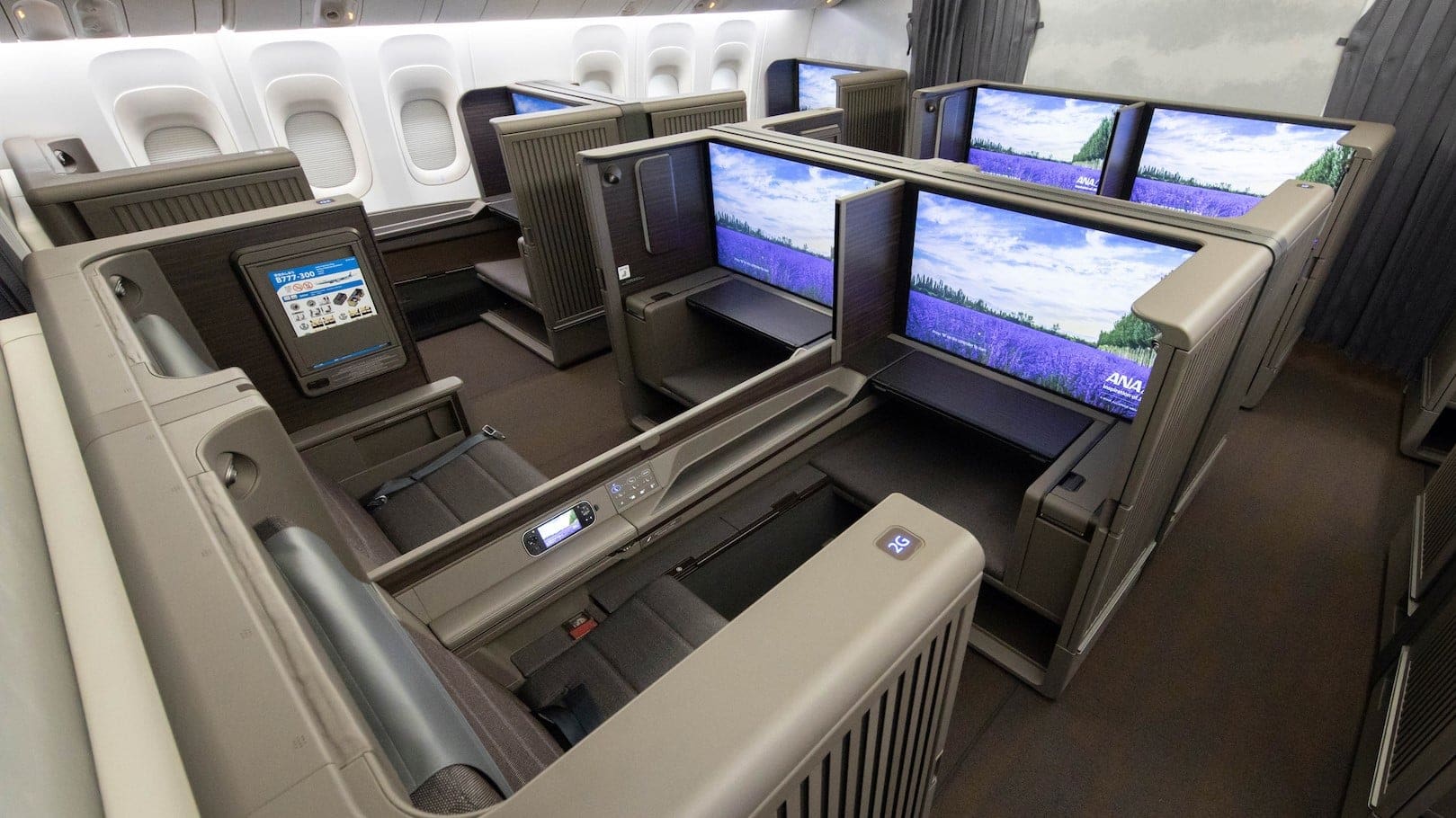
ANA uses a 1-2-1 layout across all long-haul first-class cabins, giving every passenger direct aisle access. The airline currently operates first class on Boeing 777-300ER and Airbus A380 aircraft. Only a part of the Boeing 777-300ER fleet currently features ANA First Class “The Suite.” The newer cabin contains just two rows, creating a noticeably quieter atmosphere than ANA’s much larger business-class cabins.
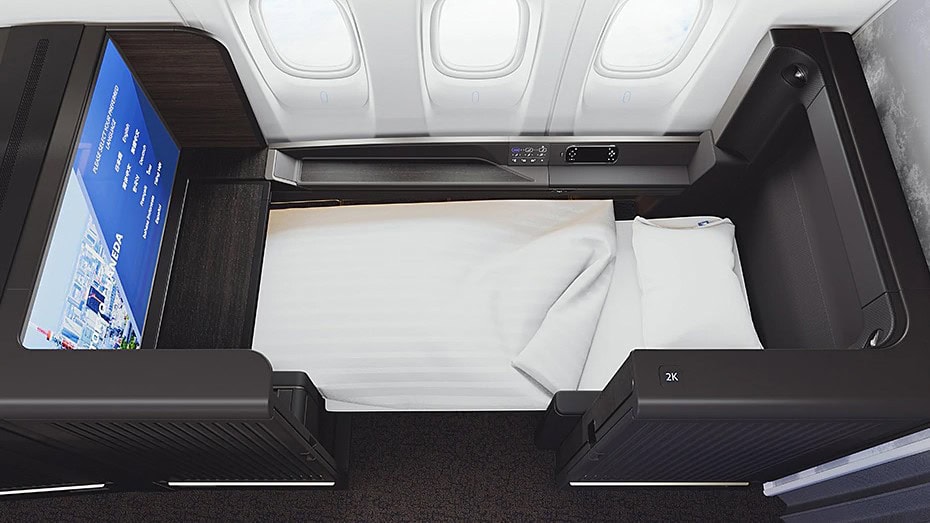
The layout also clearly separates window and center suites, with window seats better suited to solo travelers who prioritize privacy and center seats to couples. The lie-flat setup offers passengers a comfortable way to sleep on longer and overnight flights. ANA also uses Japanese Nishikawa fabric throughout the seat and bedding setup, giving the cabin a softer and more breathable feel.
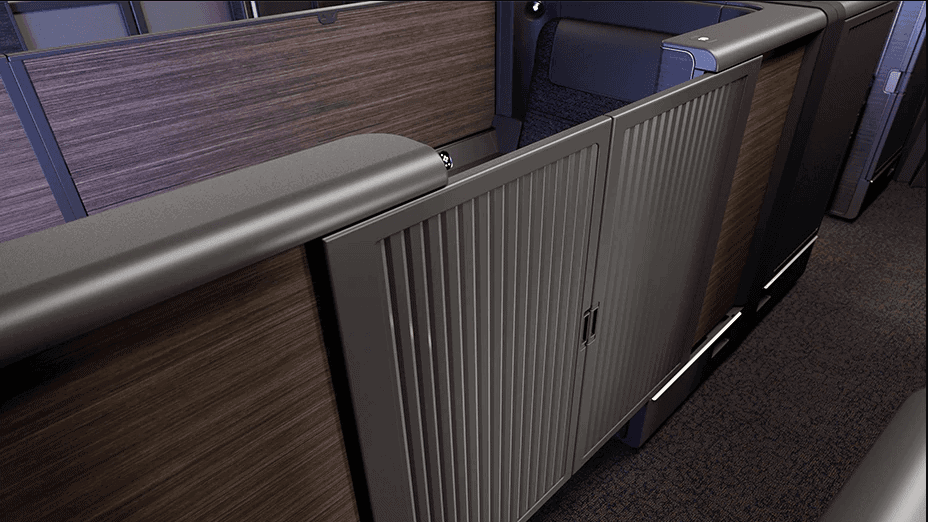
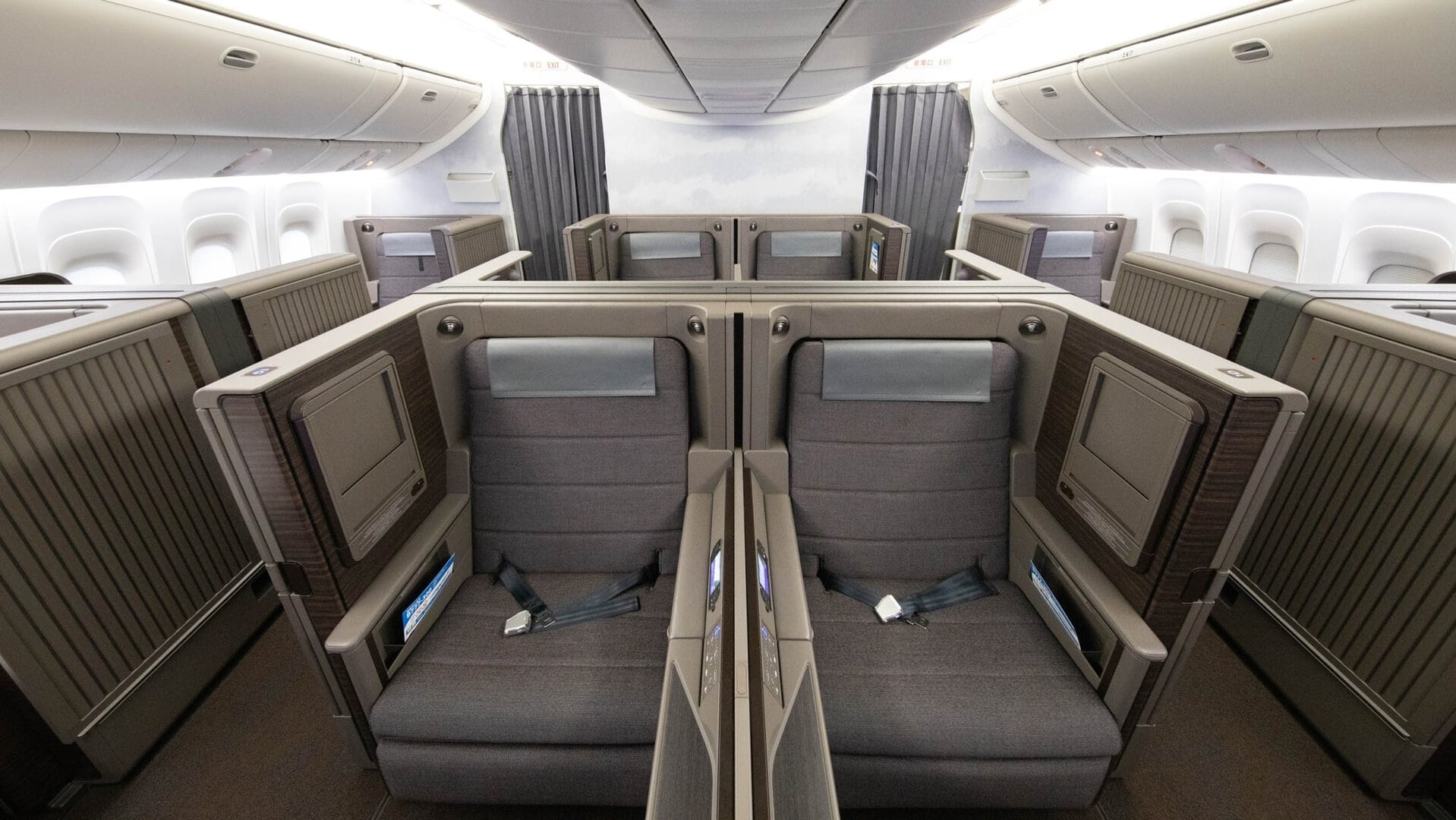
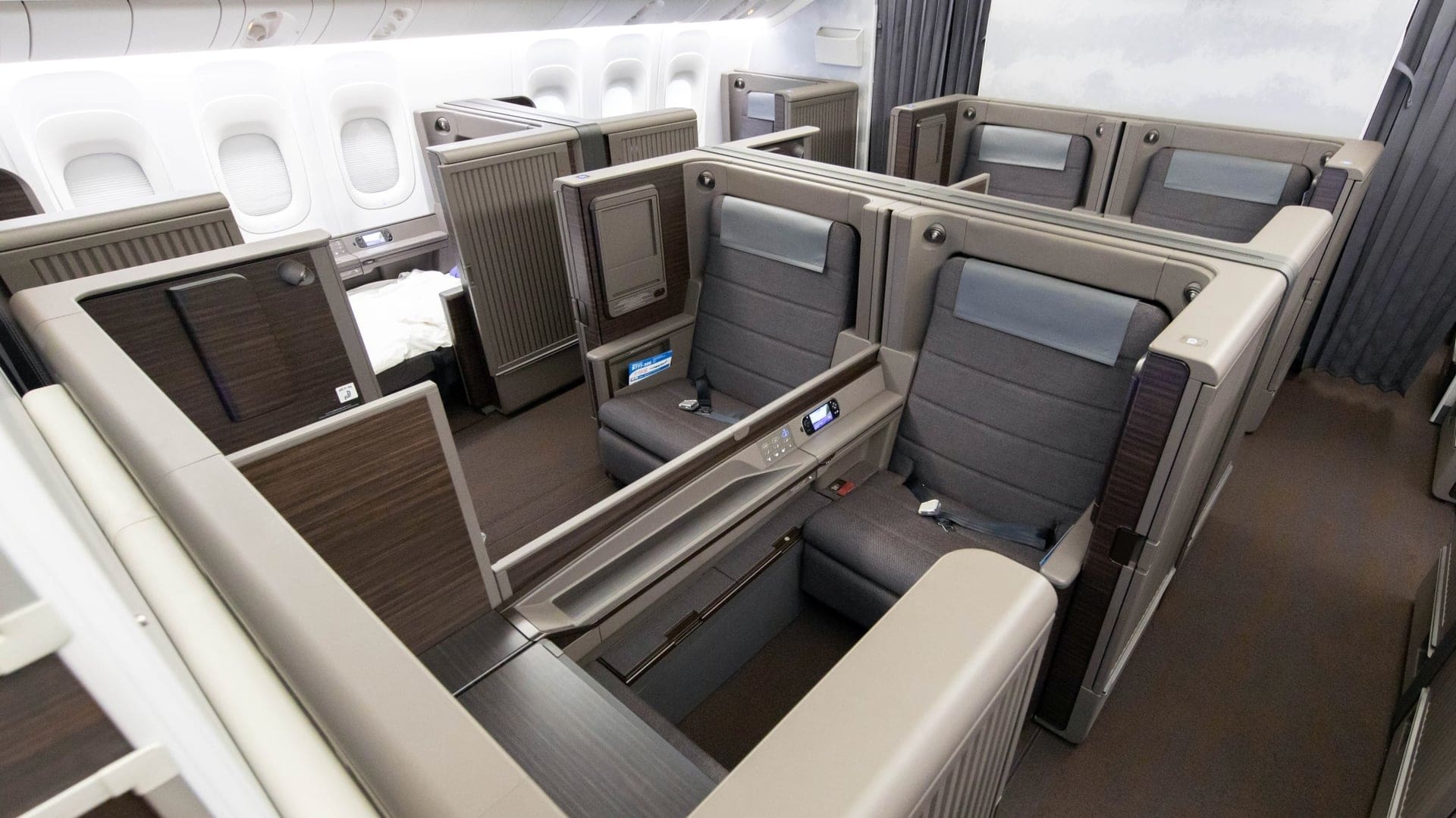
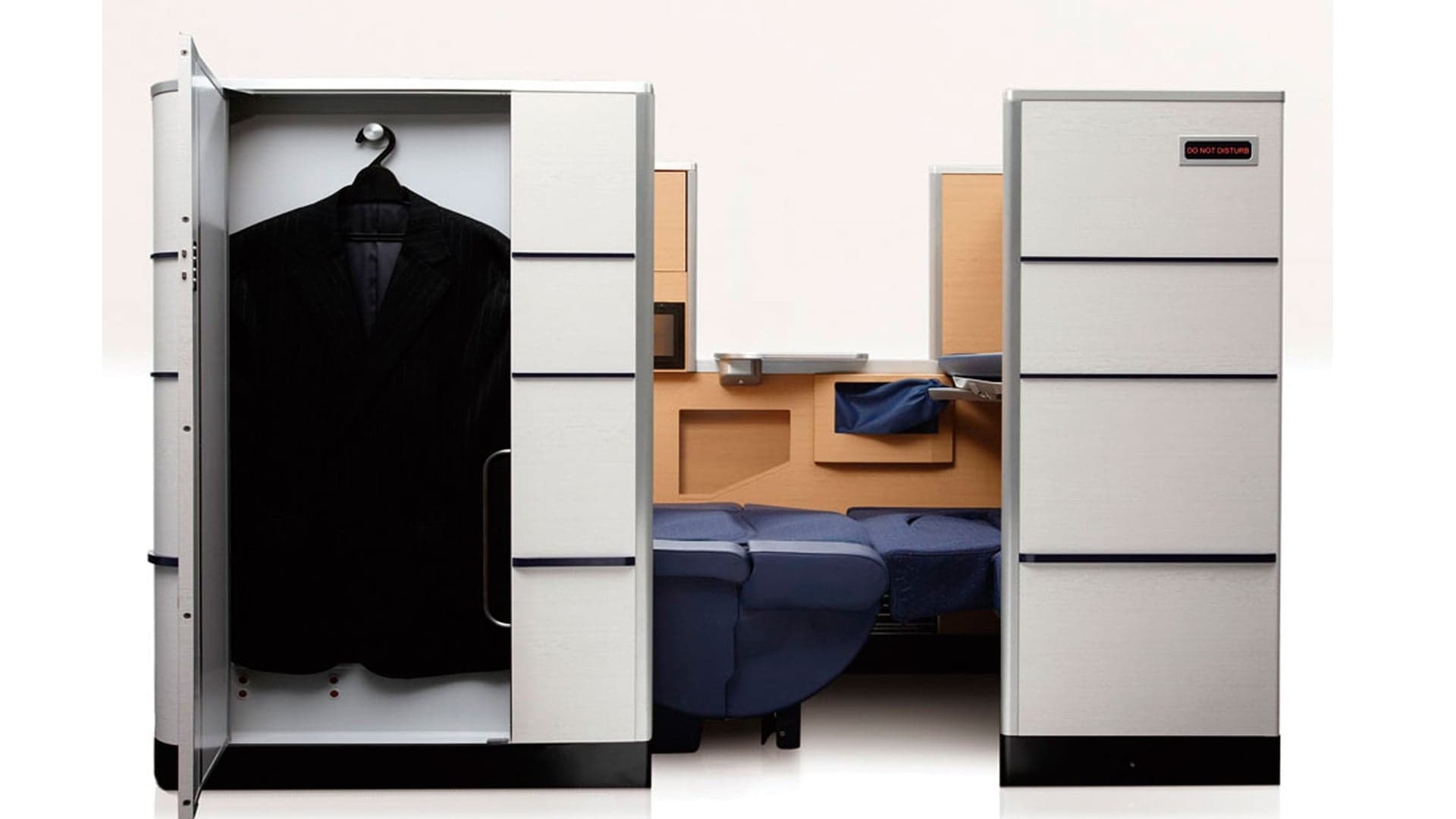
ANA First Class “The Suite”
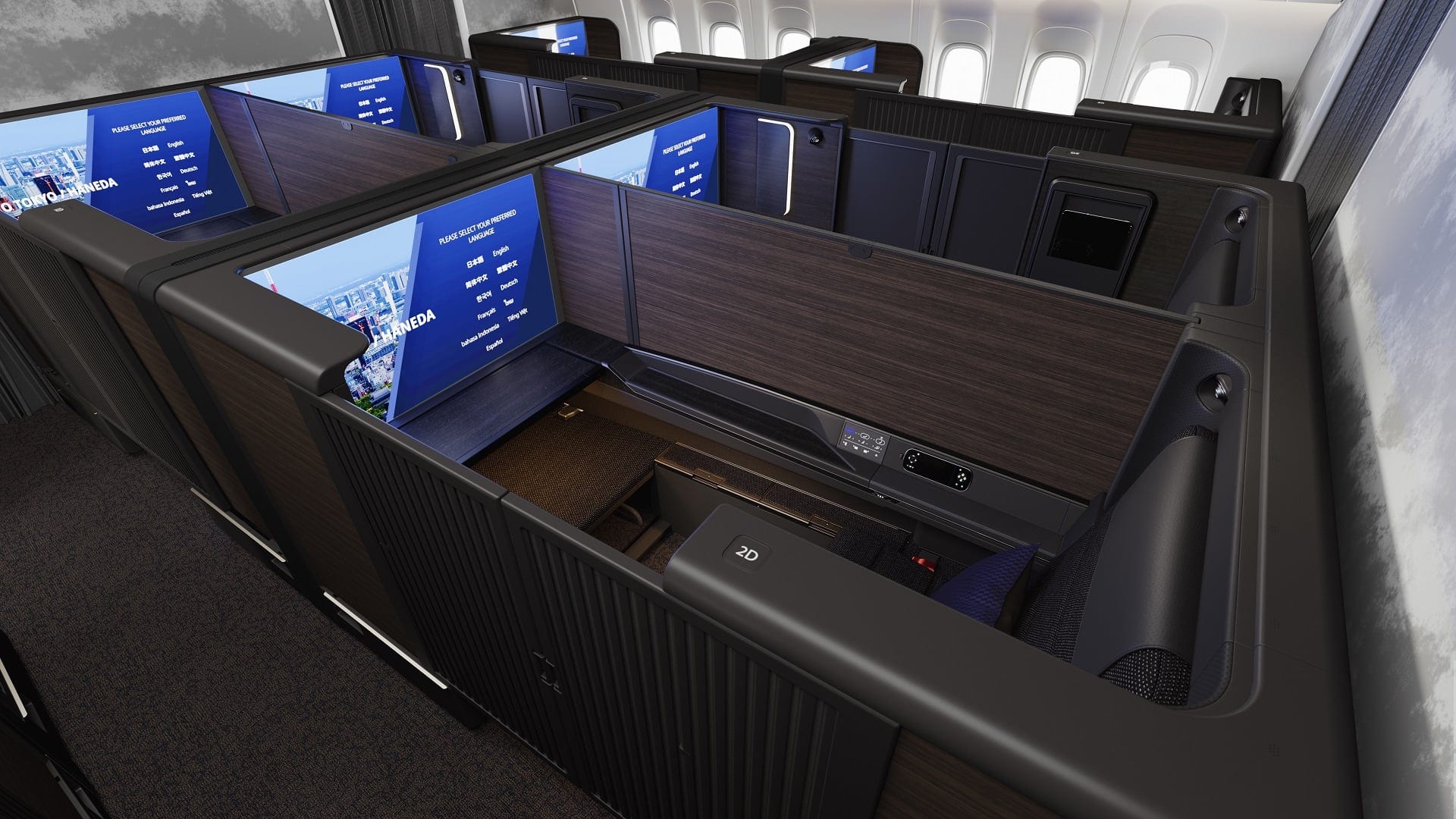
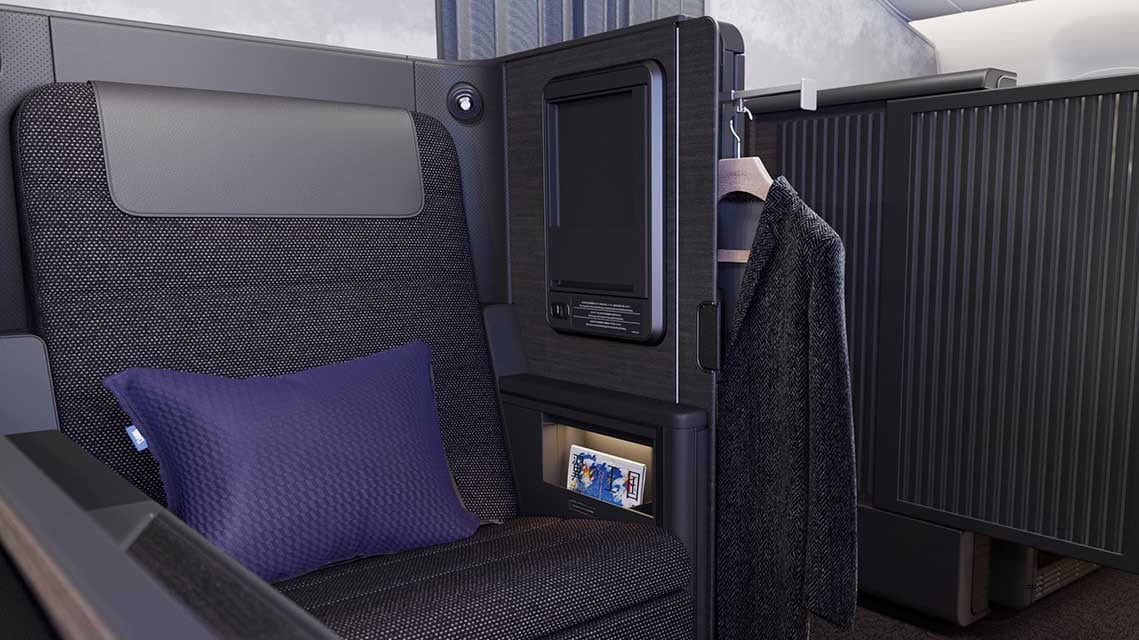
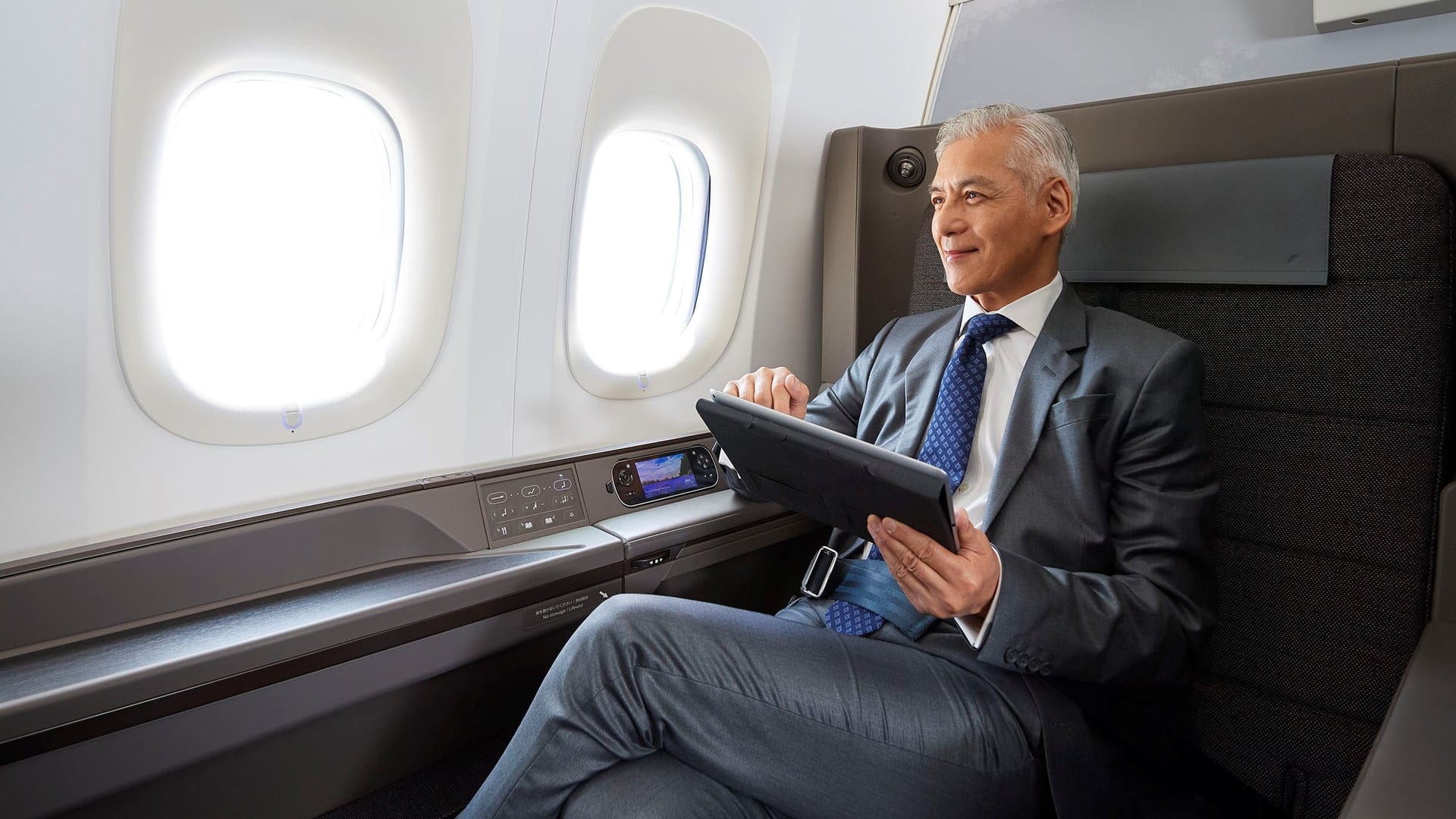
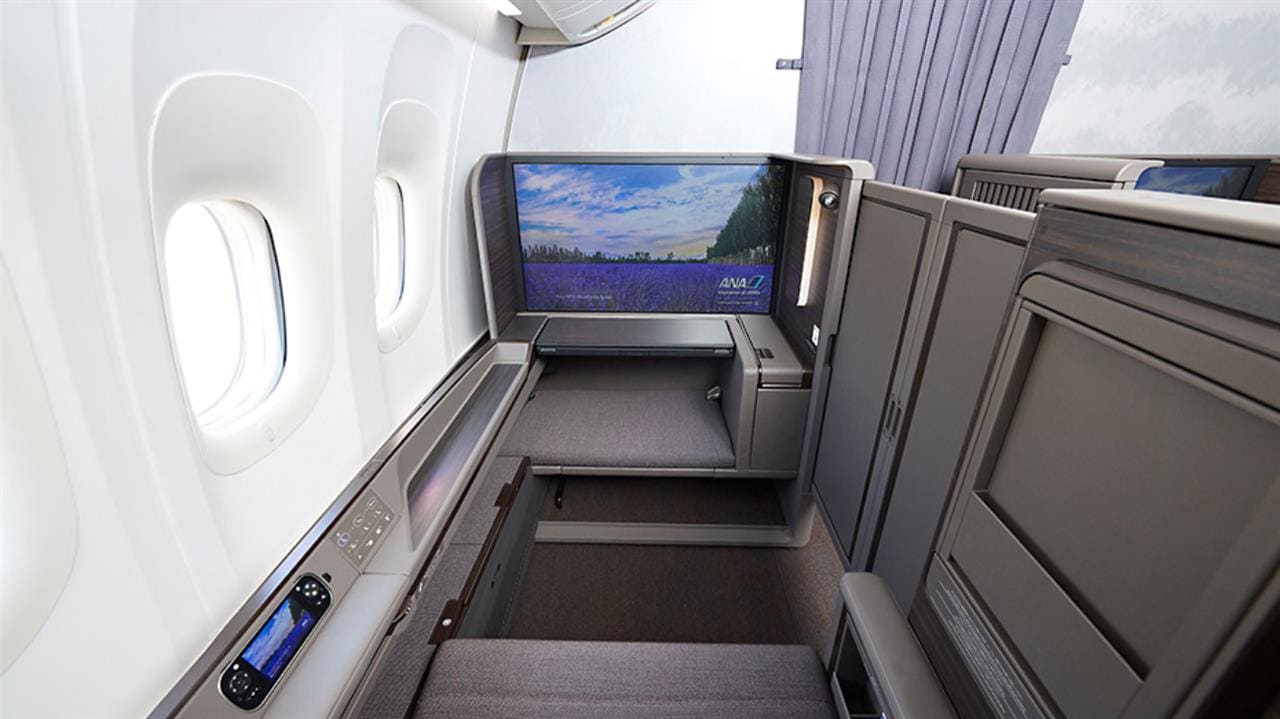
ANA’s newest first-class suite introduces a far more enclosed and residential-style design than previous generations. The redesigned seats place greater emphasis on privacy, storage, and personal space, while the relatively small cabin size reduces foot traffic and cabin noise during the flight.
Key features inside ANA First Class “The Suite” include:
- Sliding privacy doors
- Large entertainment screens
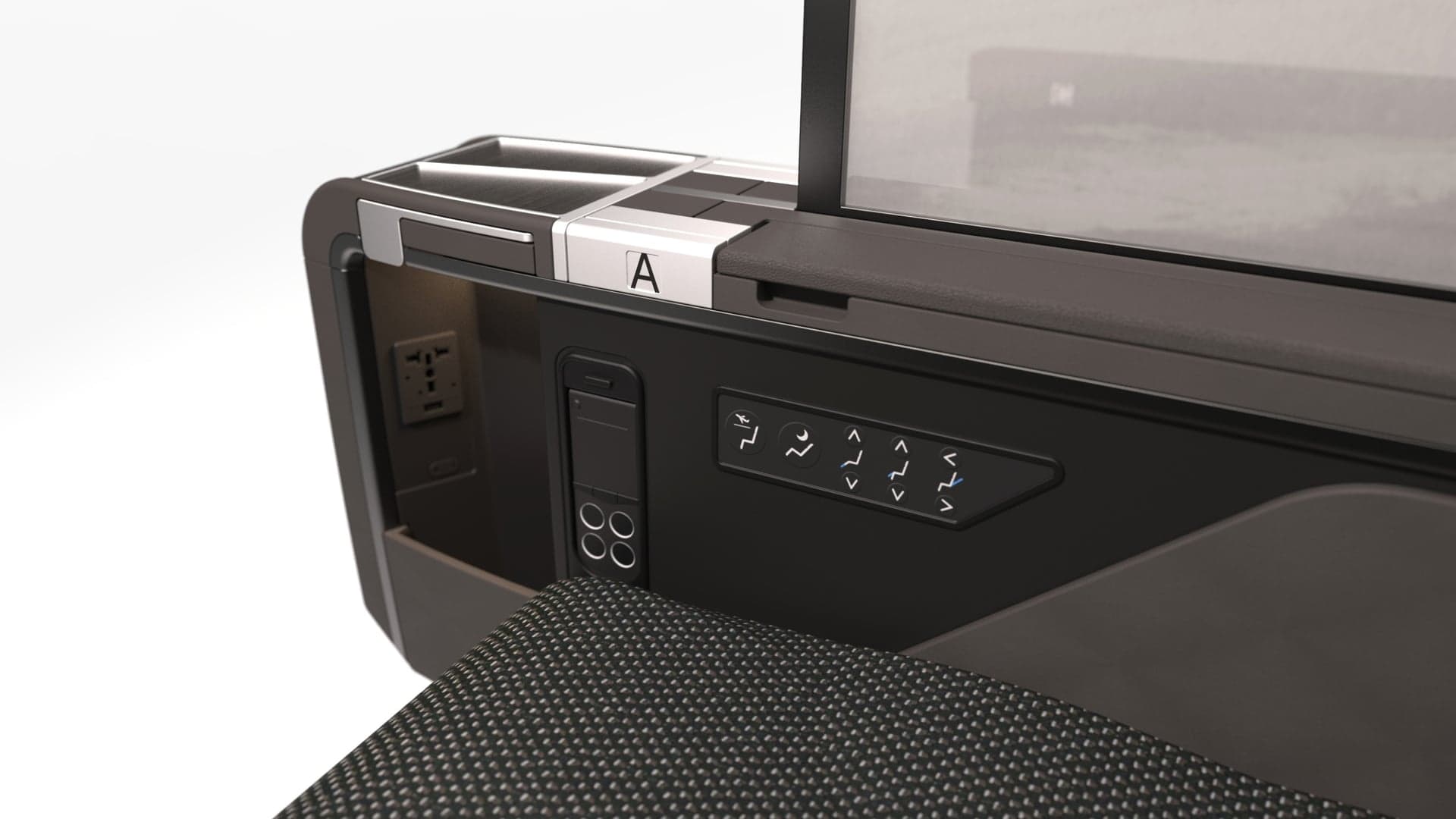
- Adjustable seat controls
- Multiple power outlets and a USB port
- Dedicated storage space near the armrest and side console
- Electronic window shades
- Large tray tables for dining or working
- Nishikawa bedding, slippers, and a duvet
The seat itself is firmer than on many competing products, reflecting traditional Japanese bedding preferences. Sliding doors and electronic window shades also make it easier to darken the suite during the flight.
Each suite includes a side table, a mirror, a compartment for bottled water, a fold-out dining table, and multiple storage spaces around the seat. The 42-inch (107 cm) entertainment screen is among the largest currently installed in commercial aviation and contributes to the residential feel inside the suite.
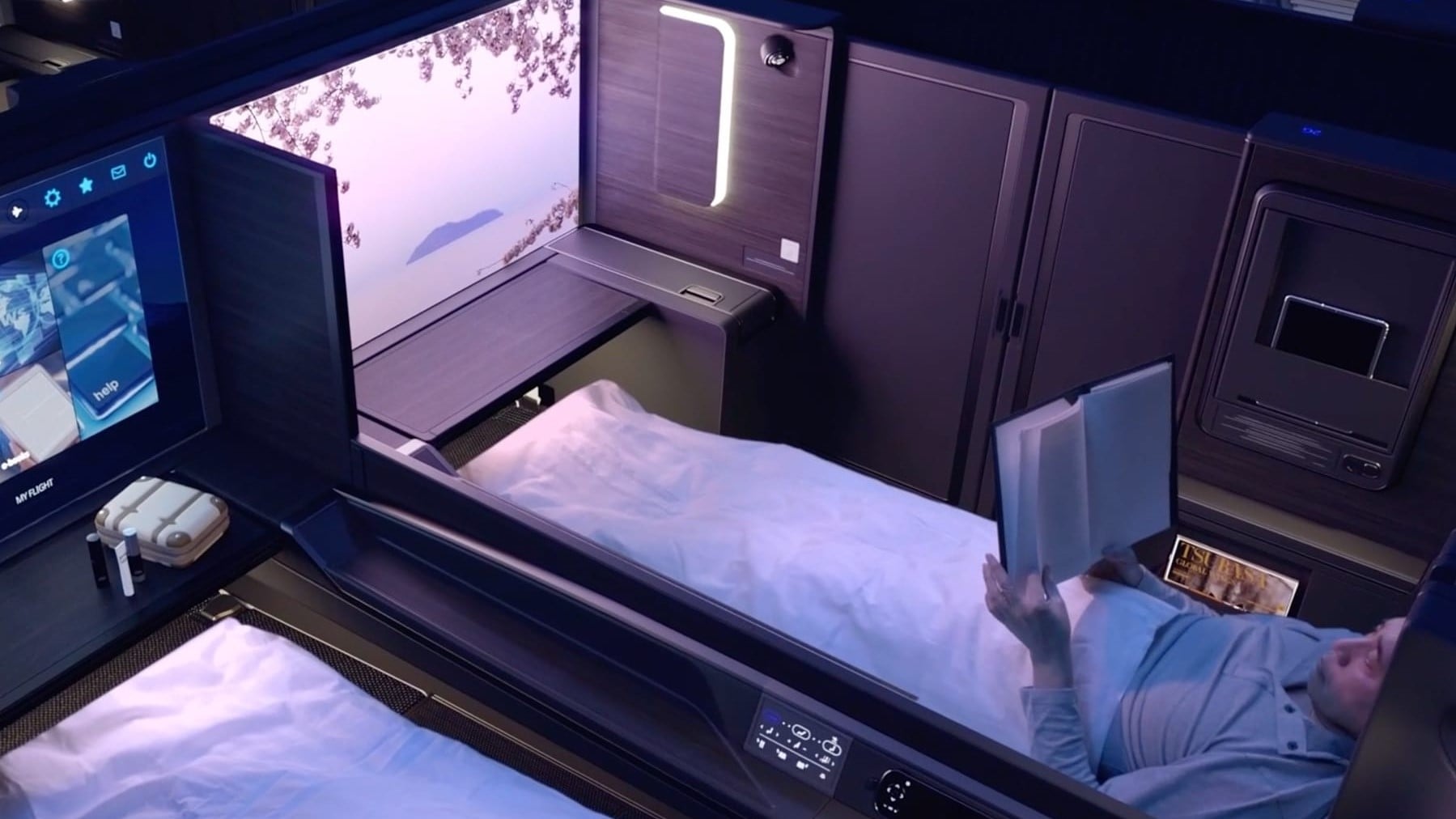
Beyond the seat itself, ANA also places significant emphasis on bedding and sleep comfort during long-haul flights. It offers comfort items such as a duvet, oversized pillow, slippers, and a day blanket to its first-class passengers. Also, each suite has adjustable air vents added during the latest cabin refresh. Travelers can usually identify the new seats directly on the ANA website, where aircraft featuring “The Suite” branding display the updated cabin during the booking process.
Airbus A380 First Class
On Airbus A380 planes, ANA follows a similar design language to The Suite, although the entertainment screen decreases to 32 inches (81 cm). The overall layout still feels quieter and more private than many conventional long-haul premium cabins.
ANA First Square
Some Boeing 777-300ER aircraft still operate with ANA First Square, the airline’s older first-class product. This cabin uses a more open design with no sliding door and a 23-inch (58 cm) in-flight entertainment screen. Although the seats still offer enough privacy, the center seats separate travelers more noticeably, making interaction less natural for couples than in ANA First Class “The Suite.”
Cuisine
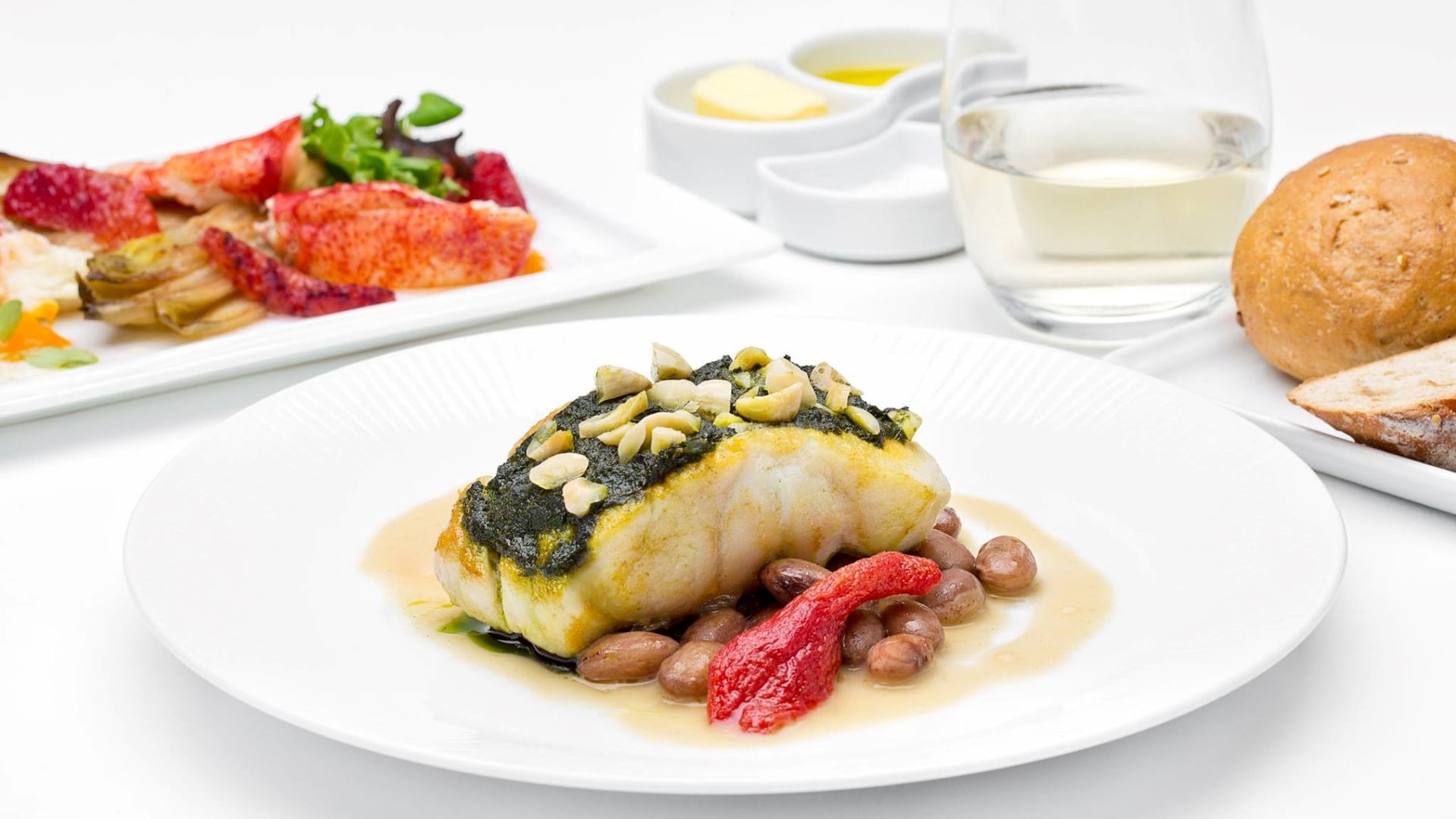
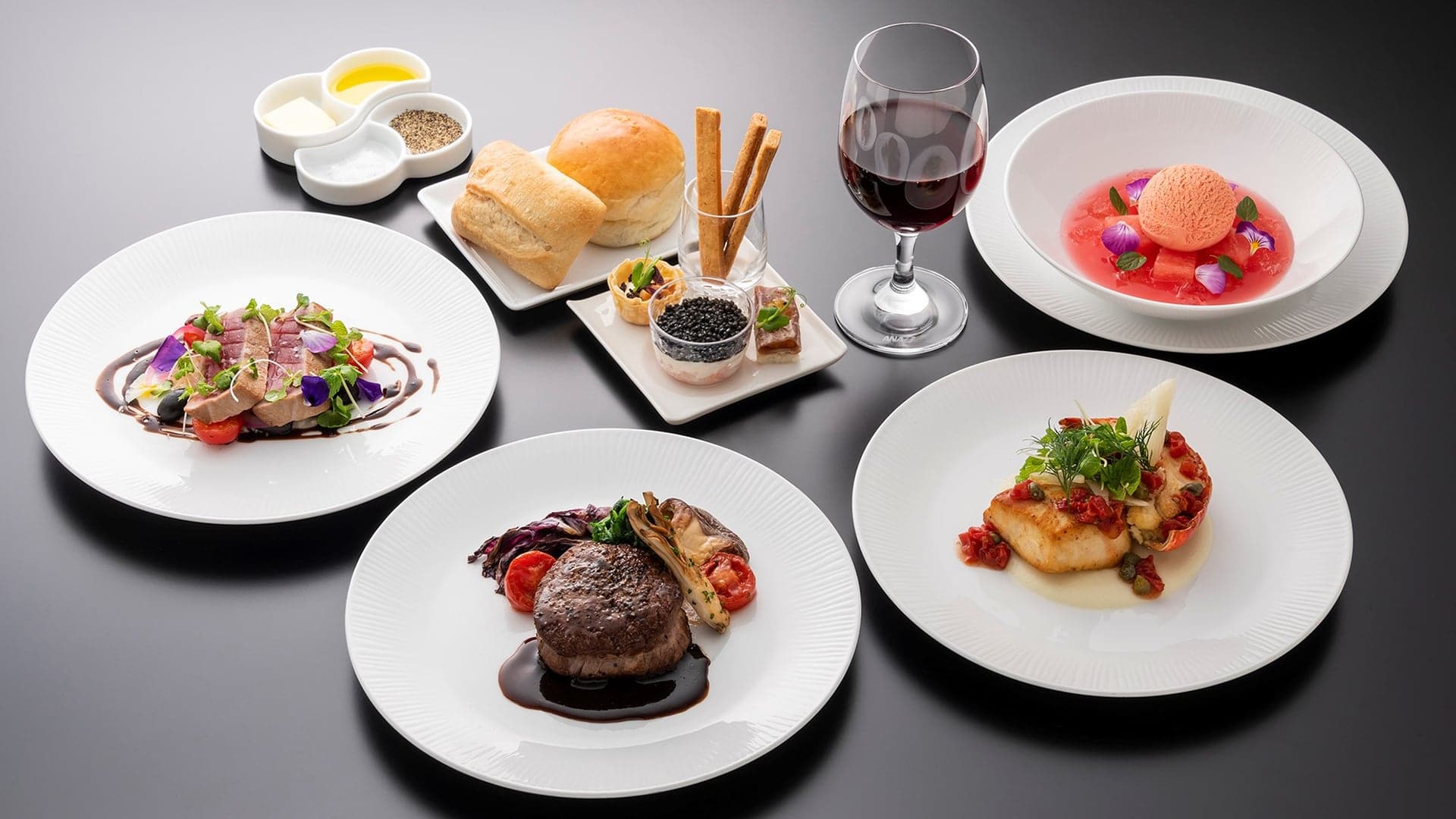
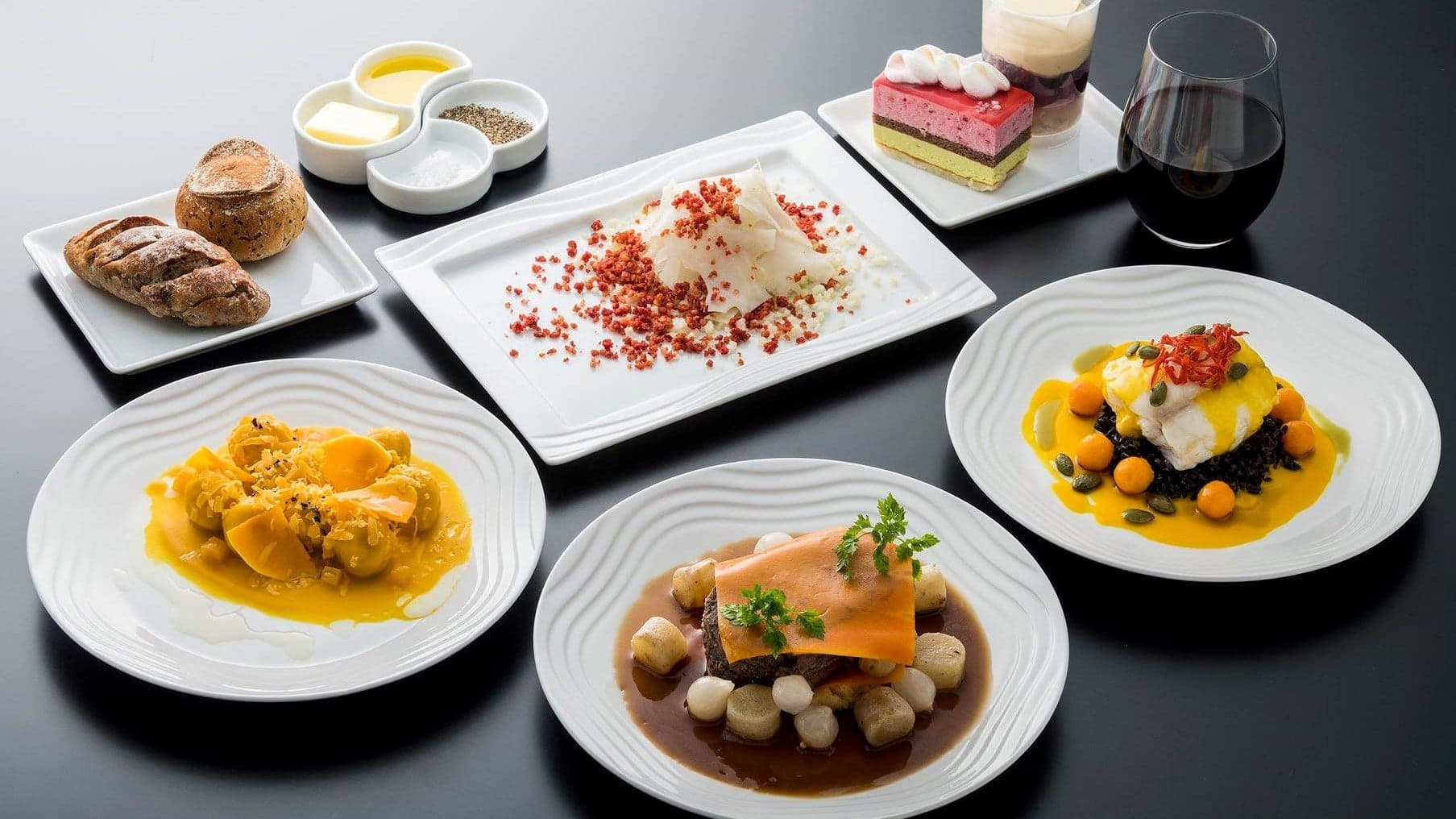
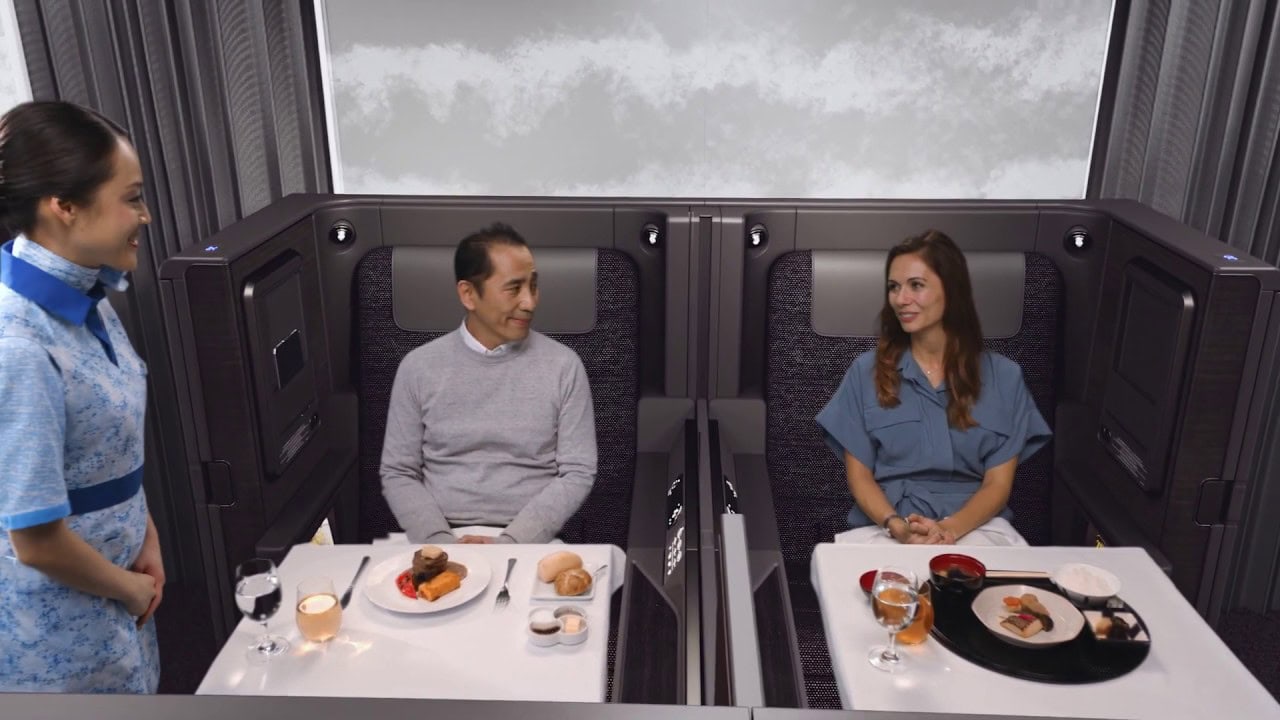
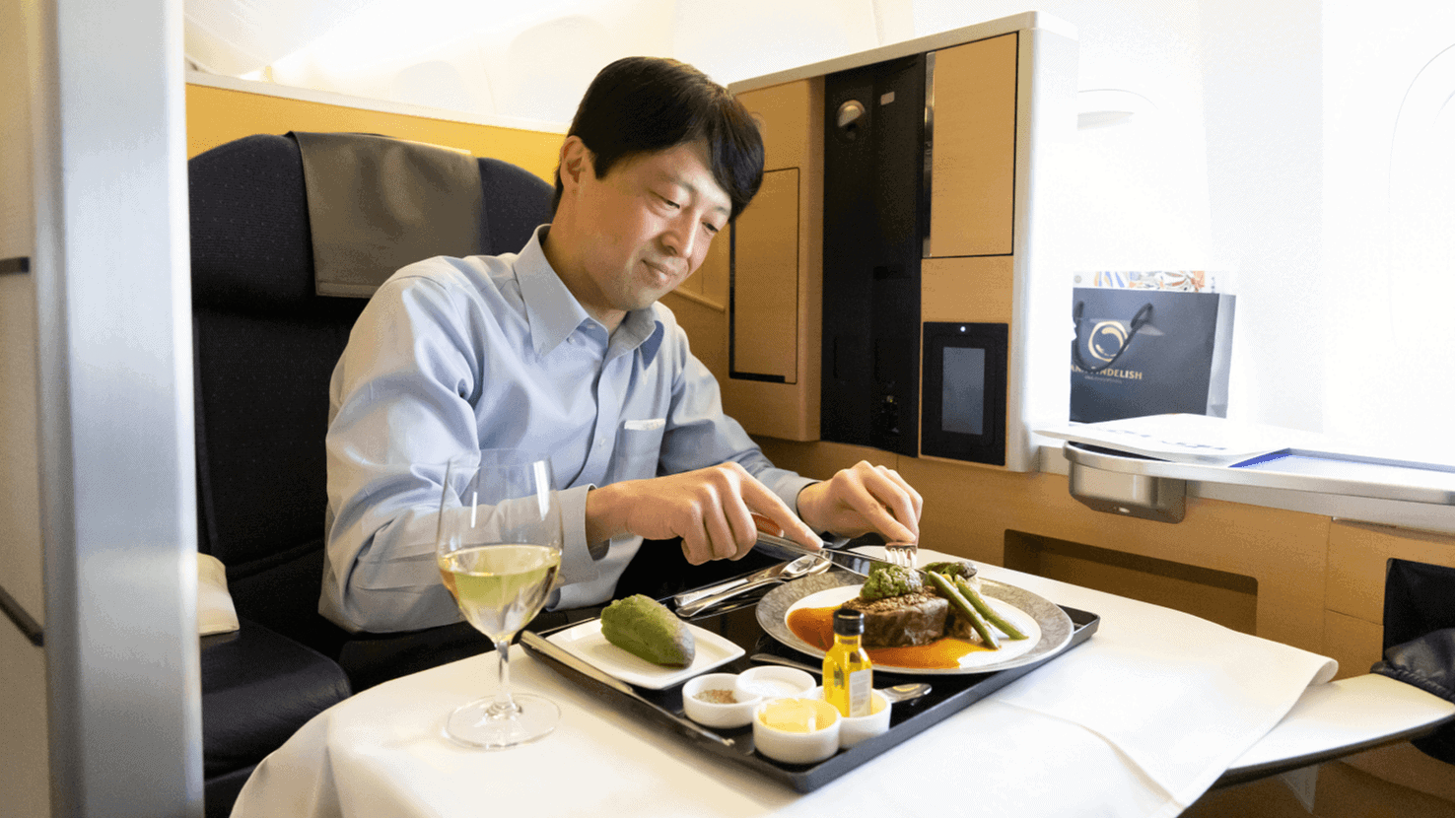
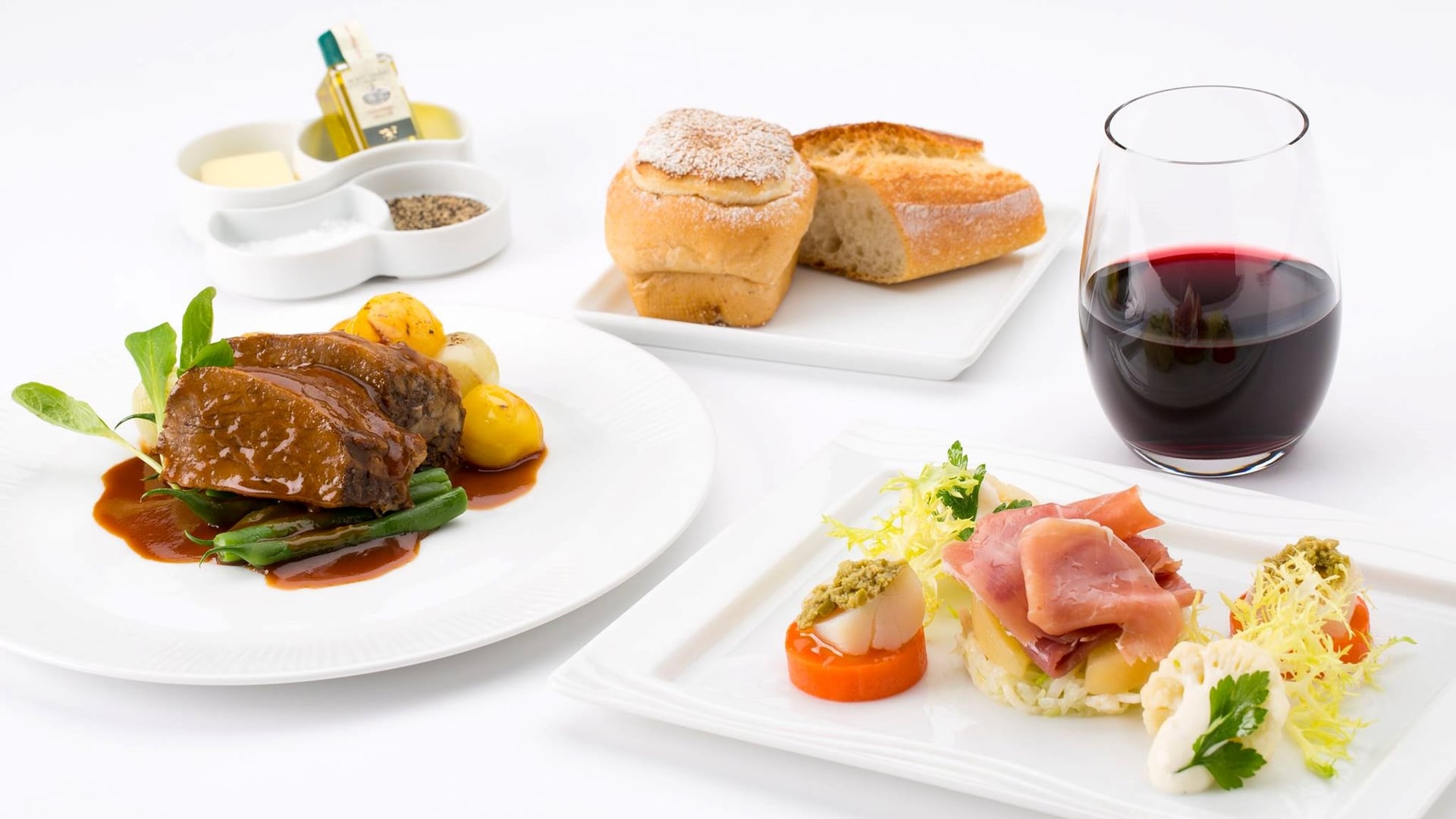
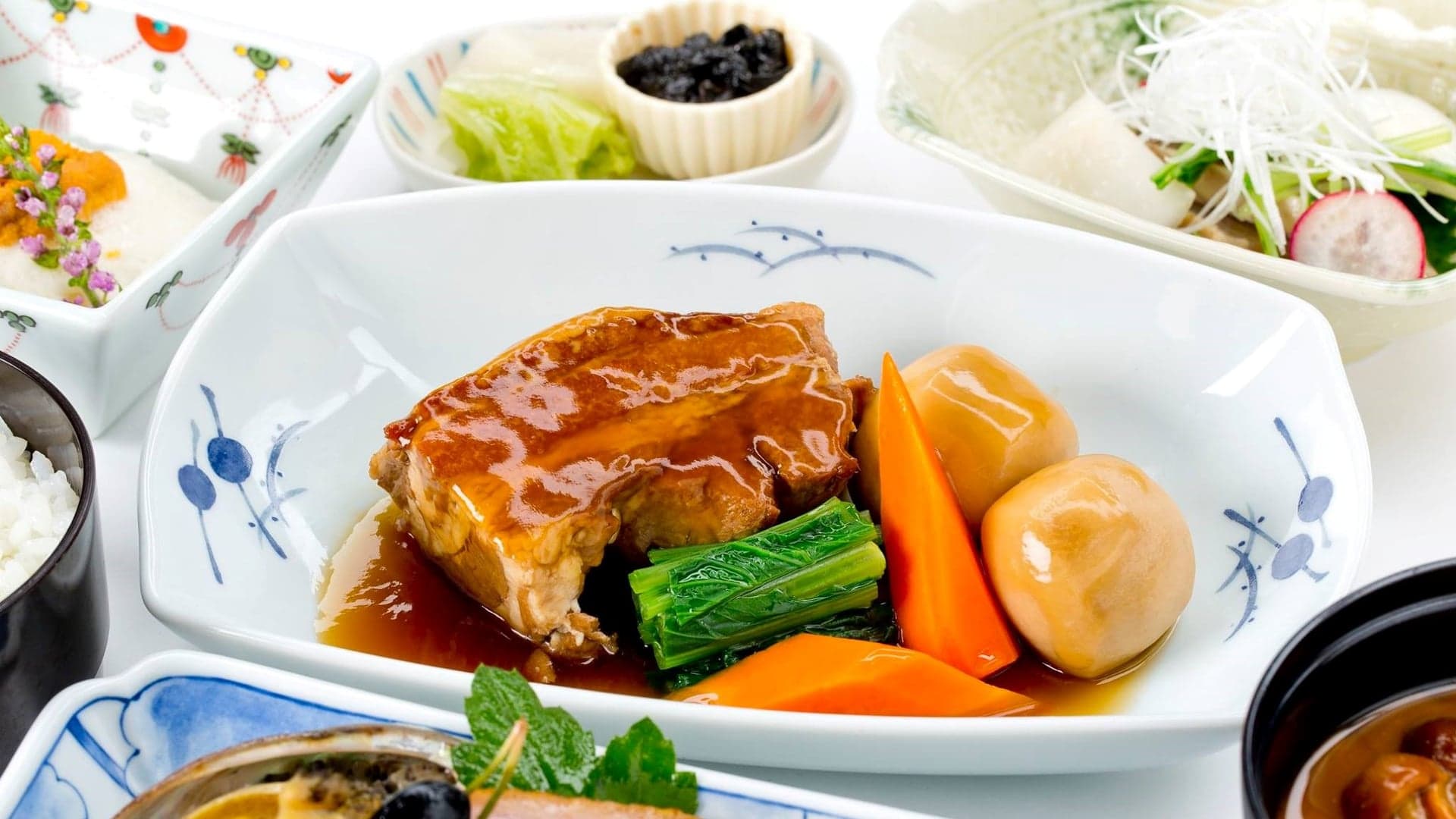
Dining in ANA First Class reflects the airline’s broader approach to hospitality, with service that feels precise and distinctly Japanese throughout the flight. Passengers can choose between a traditional Japanese set menu and a Western menu developed by ANA’s rotating group of “connoisseur” chefs. The airline also operates a flexible dine-on-demand system, allowing passengers to adjust parts of the meal service and order additional dishes throughout the journey.
Menus regularly include calorie counts beside many dishes, a detail rarely seen on other airlines. Shortly after takeoff, the crew sets the table with linen coverings, then brings printed menus, beverages, and small amuse-bouches with breadsticks.
Typical dining options include:
- Traditional Japanese multi-course dining
- A rotating Western menu with beef, seafood, or pasta
- ANA’s signature ramen and curry dishes
- Fruit, sandwiches, salads, sweets, and ice cream
- Vegetarian, Kosher, and children’s special meals
- Additional snacks and light dishes are available between meals
The Japanese menu leans heavily toward seasonal seafood and traditional washoku dining, with dishes that can include sashimi, grilled fish, uni, Japanese pickles, miso soup, rice courses, and beef sukiyaki presented across multiple small courses and traditional serving trays. The Western selection usually centers on dishes such as Wagyu beef, seafood, or pasta dishes. The caviar course is one of the defining parts of the broader meal service, with ANA serving an entire jar alongside traditional accompaniments.
Throughout the meal service, dishes arrive individually plated from the galley instead of from aisle carts, helping the presentation feel closer to restaurant dining than conventional airline catering. The crew serves hot towels throughout the meal service, regularly refills drinks, and finishes the meal with desserts that typically include cake, cheese, fruit, matcha-based sweets, and ice cream. Much of the appeal within the dining program comes from these smaller details as opposed to elaborate presentation alone.
Passengers can also order light dishes after the main meal service, including fruit, sweets, ramen, curry and rice, sandwiches, salads, and additional snacks displayed near the galley.
ANA also serves a second meal later in the flight on longer routes, although passengers still have flexibility over when they choose to eat.
Beverages
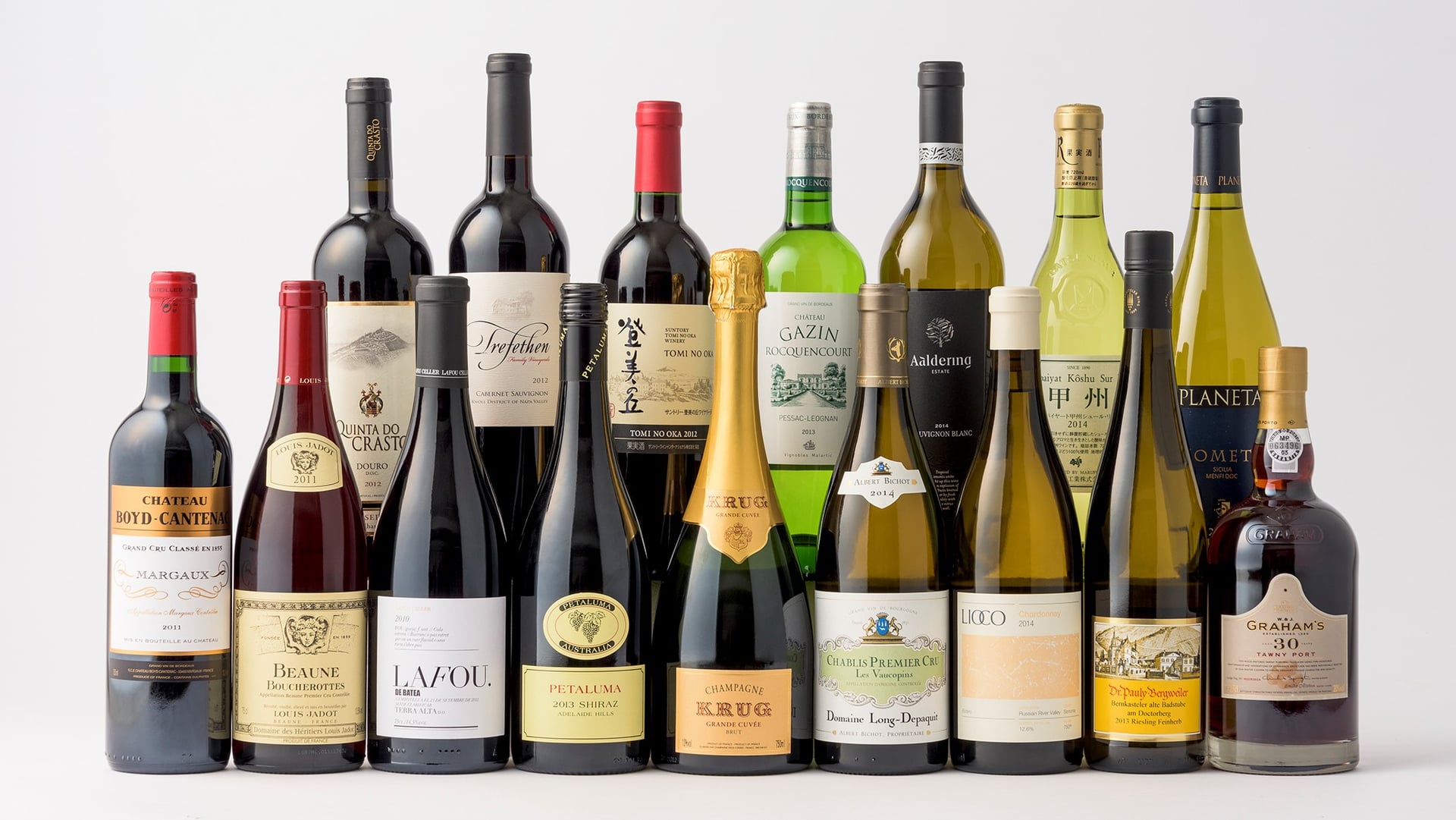
First-class passengers receive a pre-departure beverage before takeoff. Shortly after boarding, a flight attendant stops by each suite to introduce themselves and take drink orders, with Champagne typically poured directly at the seat.
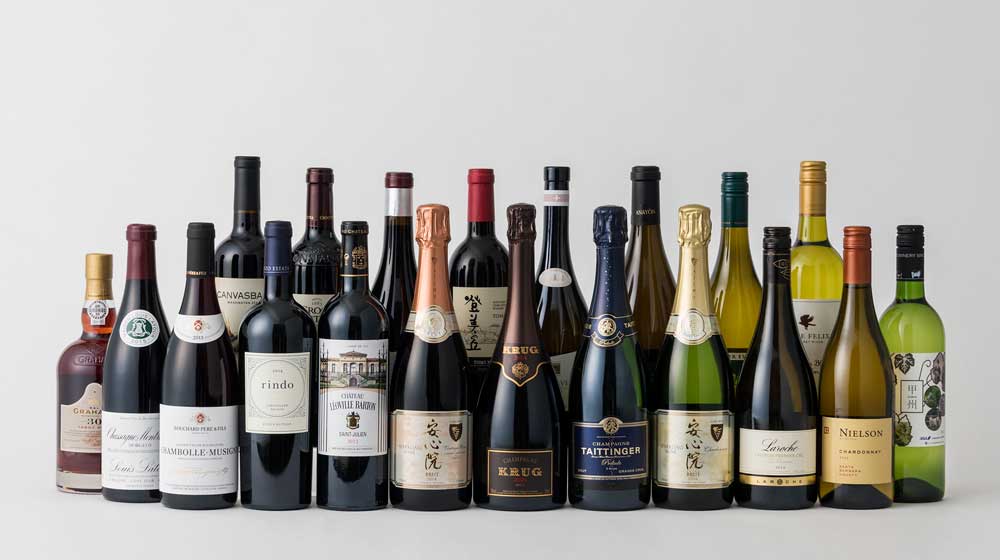
Champagne selections on ANA flights may include Krug Grande Cuvée and Billecart-Salmon, giving passengers a choice between two premium labels. After departure, another beverage round arrives alongside warm towels as part of the meal service opening.
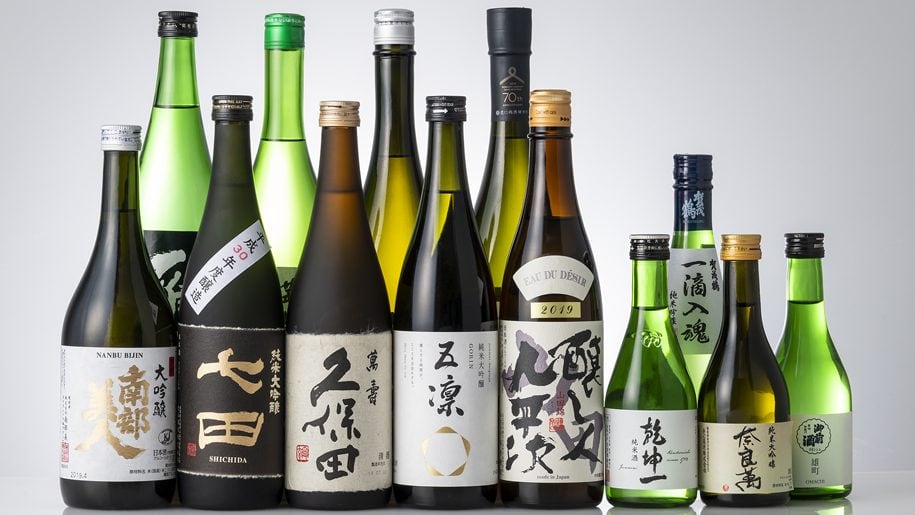
The broader beverage program includes:
- Multiple white and red wines
- Port and dessert wines
- Japanese sake, shochu, and plum wine
- Cocktails, mocktails, liqueurs, and bitters
- Japanese and international beers
- Soft drinks, juices, and non-alcoholic beer
Spirit selections regularly include brands such as Johnnie Walker Blue Label, Suntory Whisky Hibiki, and Bombay Sapphire. ANA also places strong emphasis on Japanese beverage options, particularly within the sake and whisky program.
Coffee and tea service receives similar attention. ANA uses a Brazilian coffee blend known as The Daterra for espresso, cappuccino, and iced coffee drinks. Tea selections come from Dallmayr and include iced green tea alongside more traditional hot tea options. The airline’s citrus and honey drink is one of the more recognizable non-alcoholic beverages available during the flight.
Service
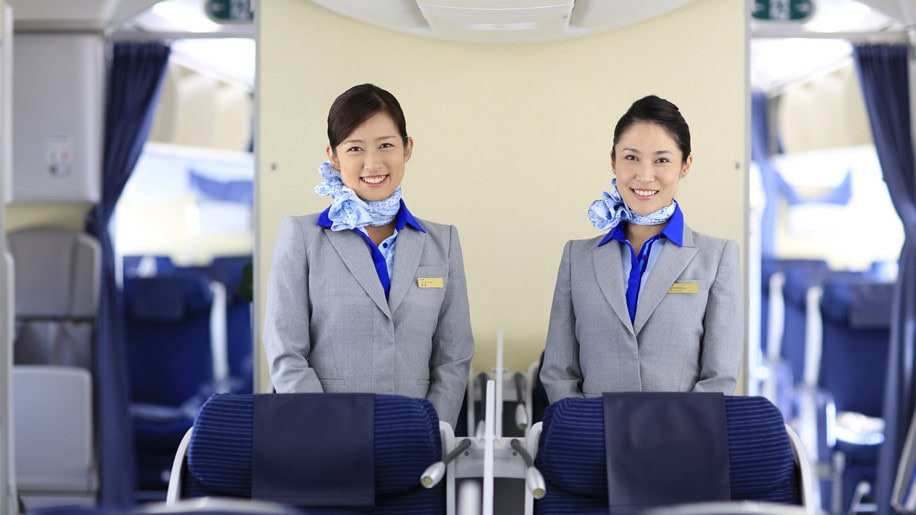
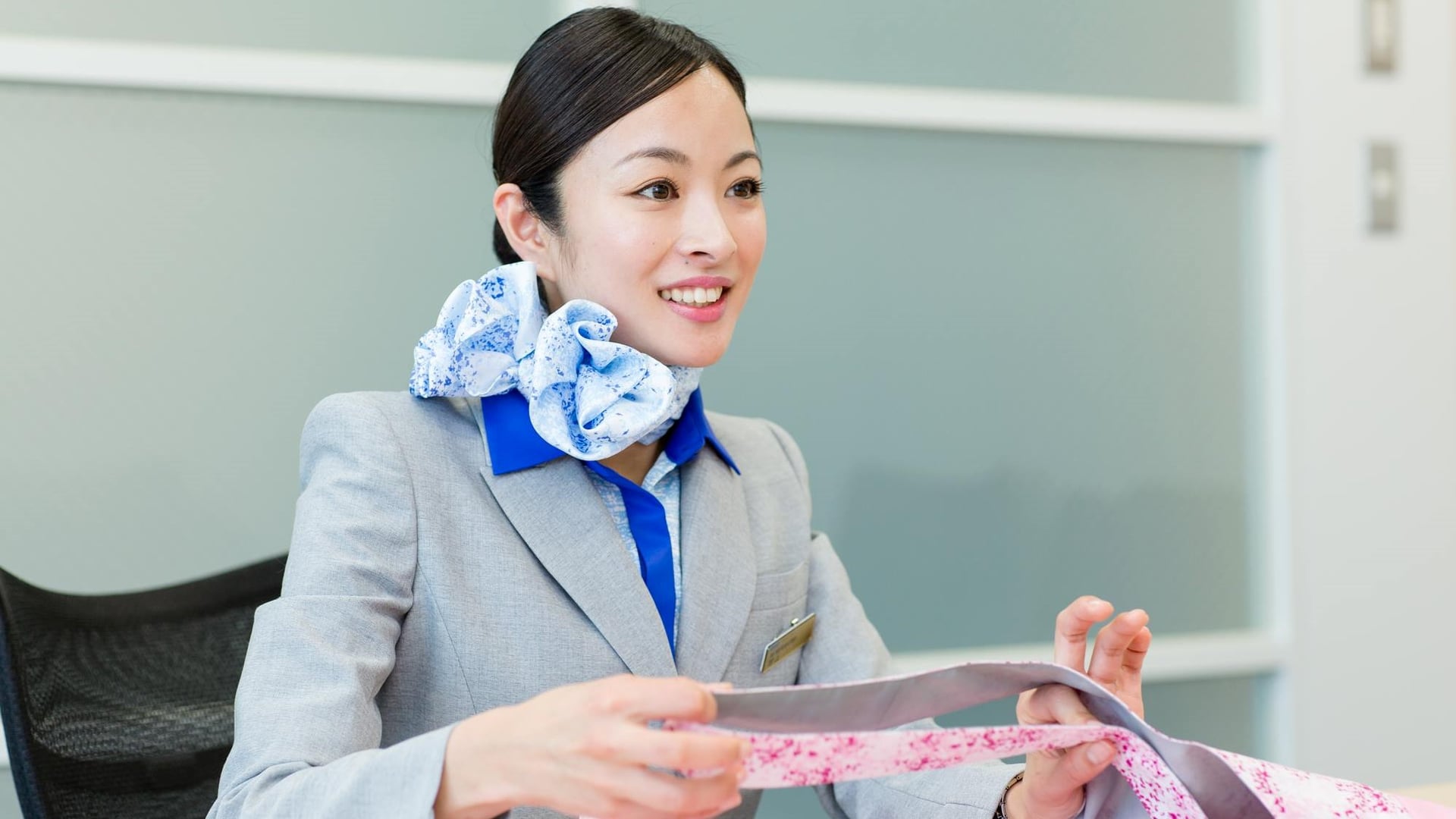
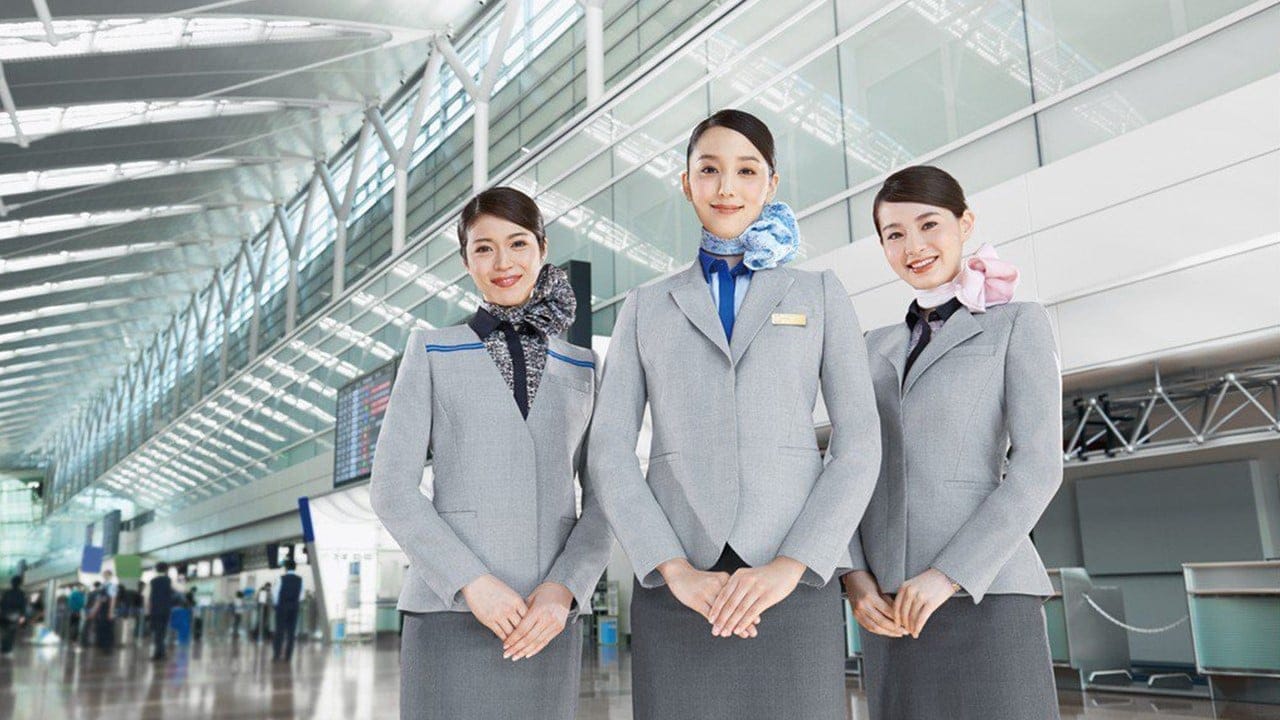
Service in ANA First Class feels attentive without becoming intrusive, which matches the quiet atmosphere inside the small first-class cabin. Between meals, the crew monitors the cabin carefully while limiting unnecessary movement through the aisles, helping preserve a calm environment during the flight.
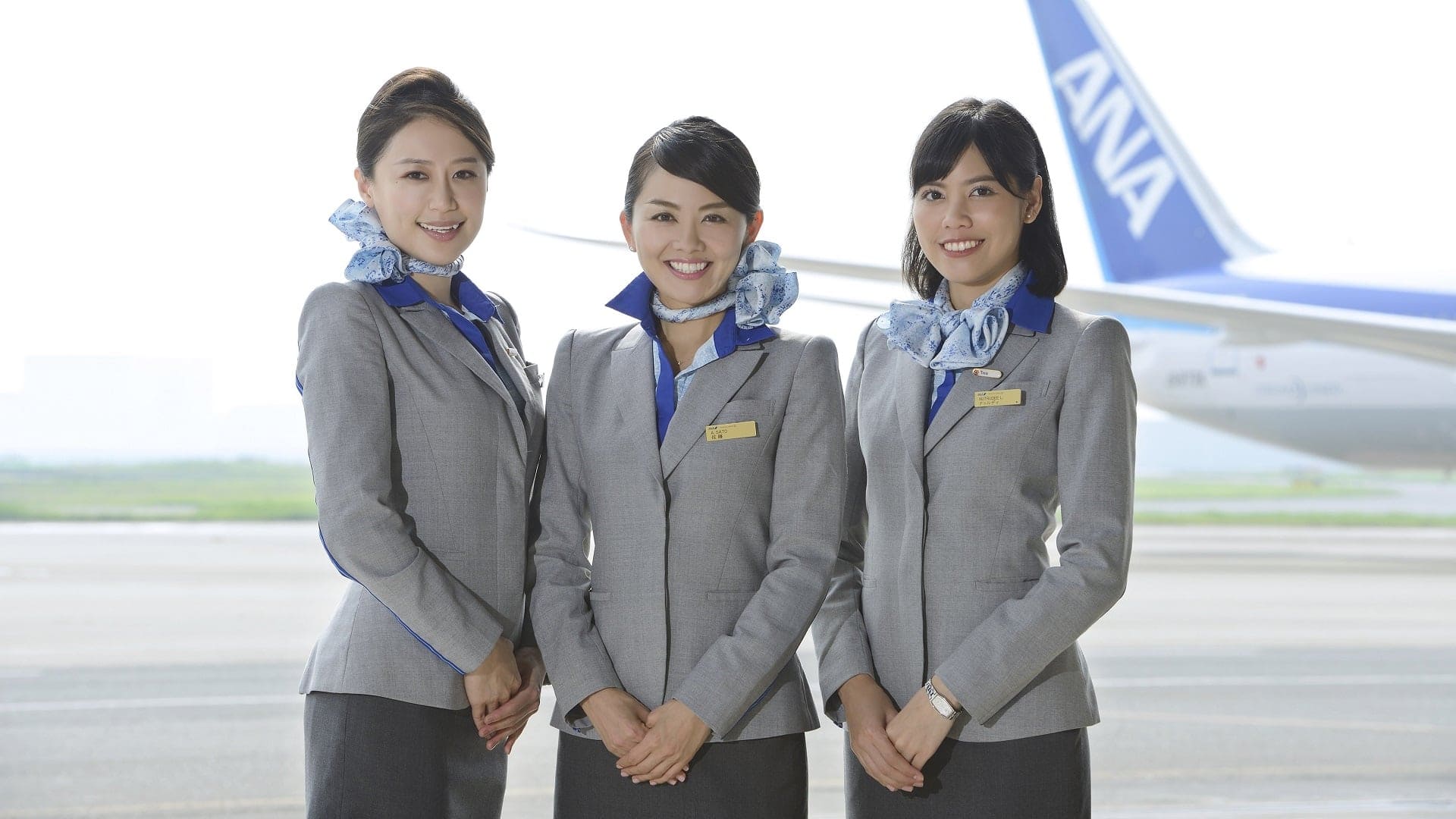
Much of ANA’s onboard hospitality reflects traditional Japanese service culture, where interactions tend to feel formal, polished, and highly detail-oriented instead of overly conversational. The crew usually adapts quickly to each passenger’s preferred level of interaction, whether someone prefers frequent engagement or a quieter in-flight experience.
Notable service details include:
- Personalized greetings by name
- Escorting passengers directly to their suite
- Proactive delivery of amenities and bedding
- Flexible and attentive meal service
- Quiet cabin checks between courses and overnight periods
- Bowing to passengers during boarding and deplaning
The role of the flight attendant extends well beyond standard meal delivery. Crew members regularly refresh drinks, prepare bedding, adjust pacing between courses, and respond quickly when passengers request assistance during the flight. Service generally feels highly coordinated despite the restrained delivery style.
Most crew members speak Japanese alongside functional English. Communication occasionally becomes slightly reserved compared with some Western or Middle Eastern carriers, although attentiveness and professionalism are consistent throughout the cabin.

Entertainment
ANA equips its newer first-class suites with 43-inch (109 cm) touchscreen displays, among the largest currently installed on commercial aircraft. The entertainment library combines Hollywood movies with a broad selection of international programming, music, documentaries, and short-form features available throughout the flight in multiple languages.
The system emphasizes Asian entertainment, with extensive Japanese, Korean, and Chinese movie and music catalogs. Western television options are somewhat more limited, especially compared with some competing international carriers.
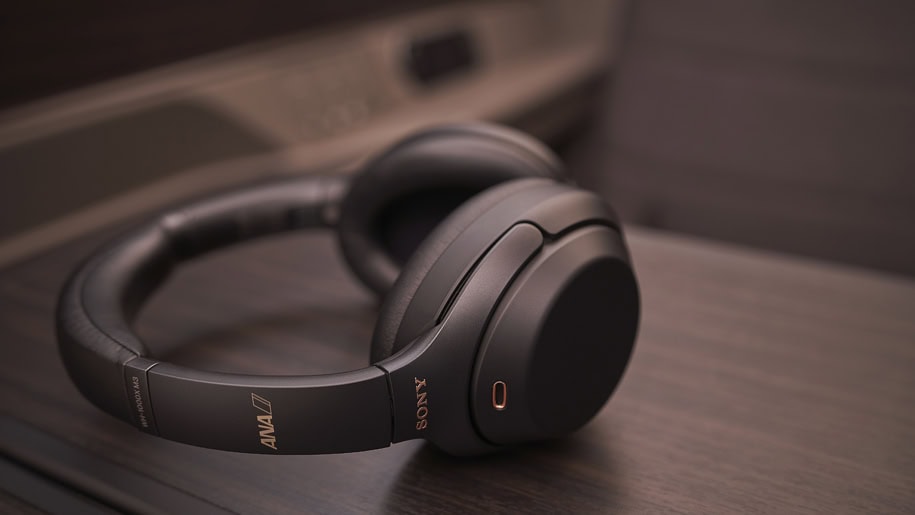
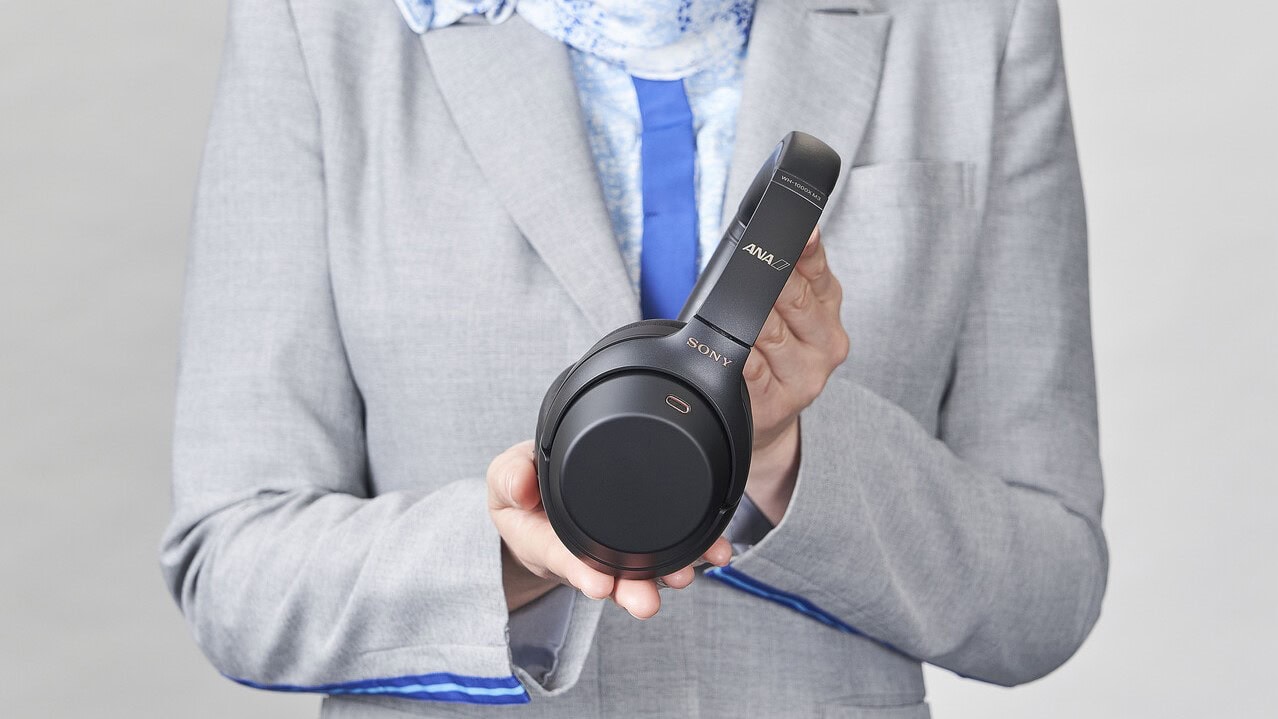
Noise-reducing Sony headsets are placed at each seat before departure, and handheld remote controls make it easy to navigate the system while reclined. ANA’s 3-D moving map display shows the aircraft from multiple viewing angles alongside details about the regions and landmarks below the aircraft during the journey. Many ANA aircraft also have external cameras, allowing passengers to follow takeoffs, landings, and in-flight scenery directly from the entertainment screen.
ANA generally provides complimentary Wi-Fi for first-class passengers on international flights, although availability can vary depending on aircraft and route.
Amenities
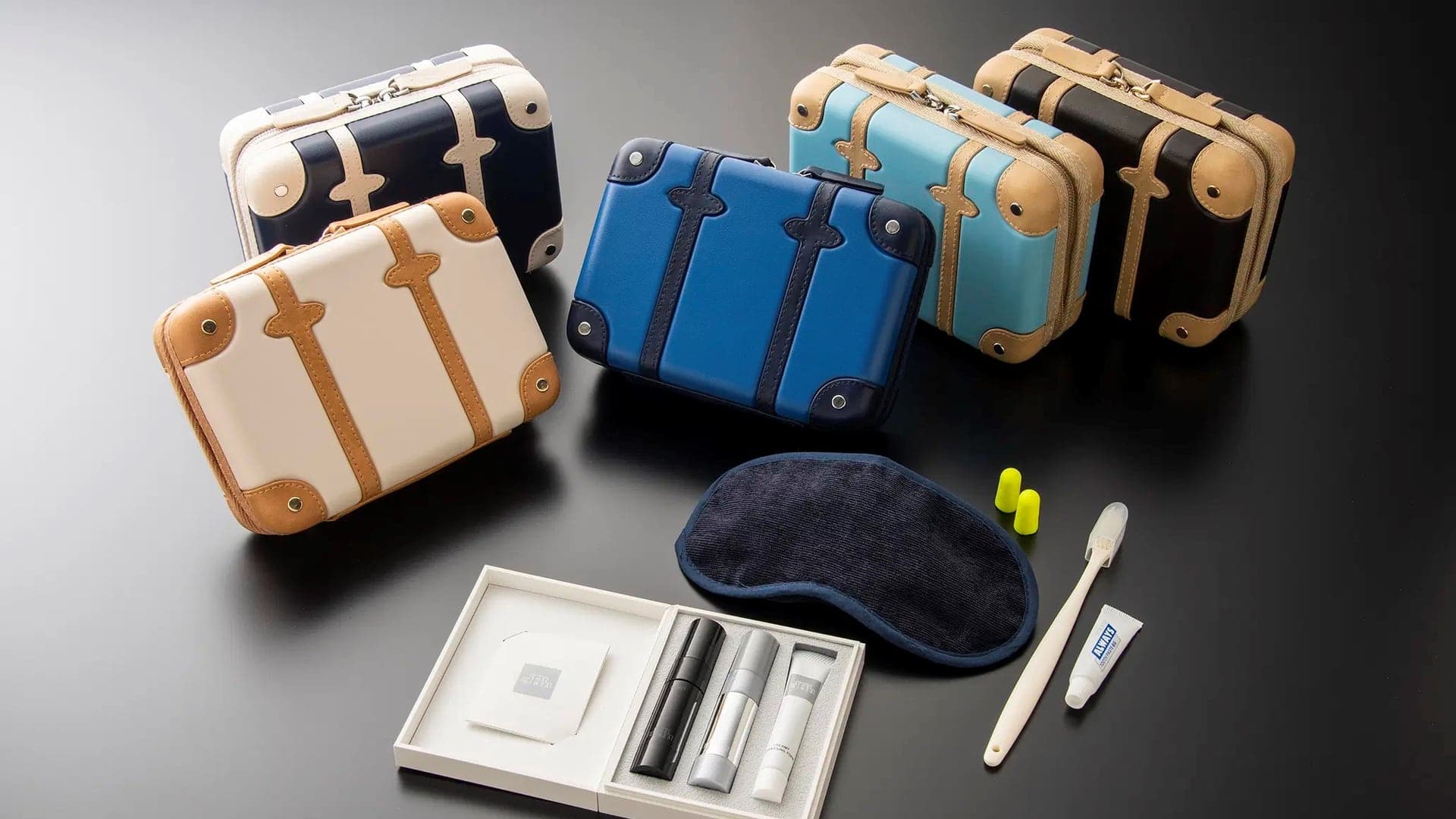
ANA’s Globe-Trotter amenity kit includes designer toiletries from The Ginza. Items inside the amenity kit typically include:
- Pajamas and slippers
- Aromatherapy stickers
- Face masks and lip balm
- Ear plugs
- Fragrances and face lotions by The Ginza
On longer routes, flight attendants also carry baskets with additional comfort items and offer them to passengers throughout the flight.
The first-class bathroom also stands out from many competing premium cabins thanks to its high-end toiletries and Japanese-style bidet functions. Compared with standard long-haul aircraft lavatories, the quieter cabin environment and more premium finish make the first-class bathroom feel noticeably more private during the flight.
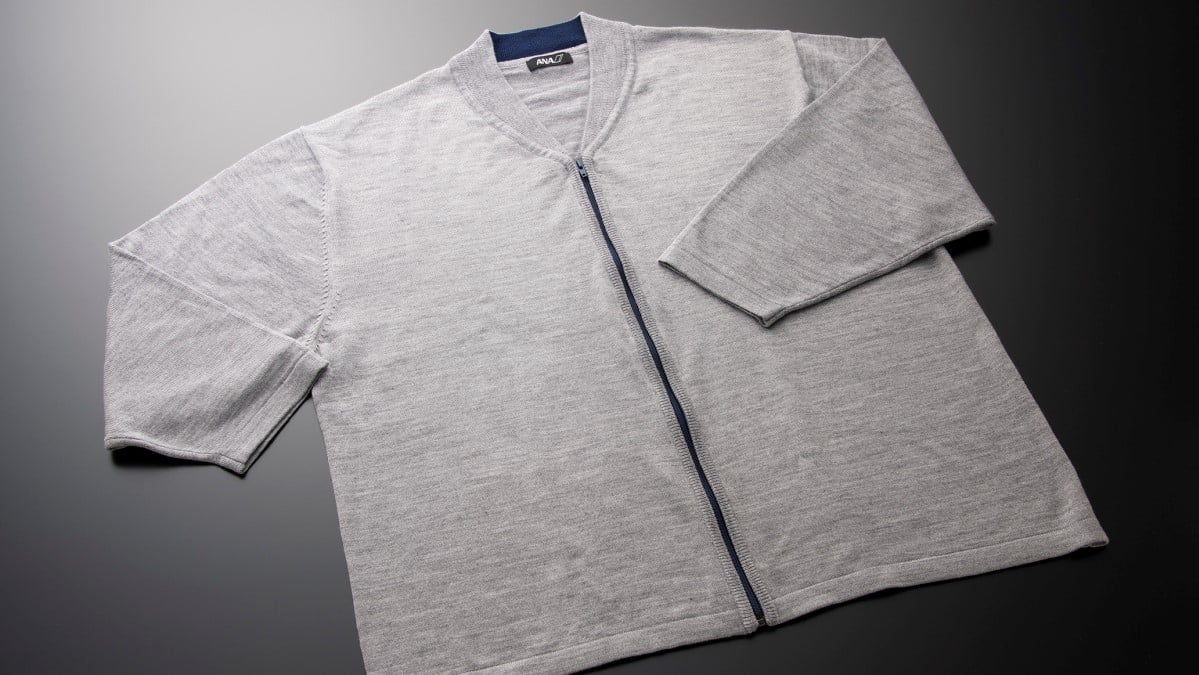
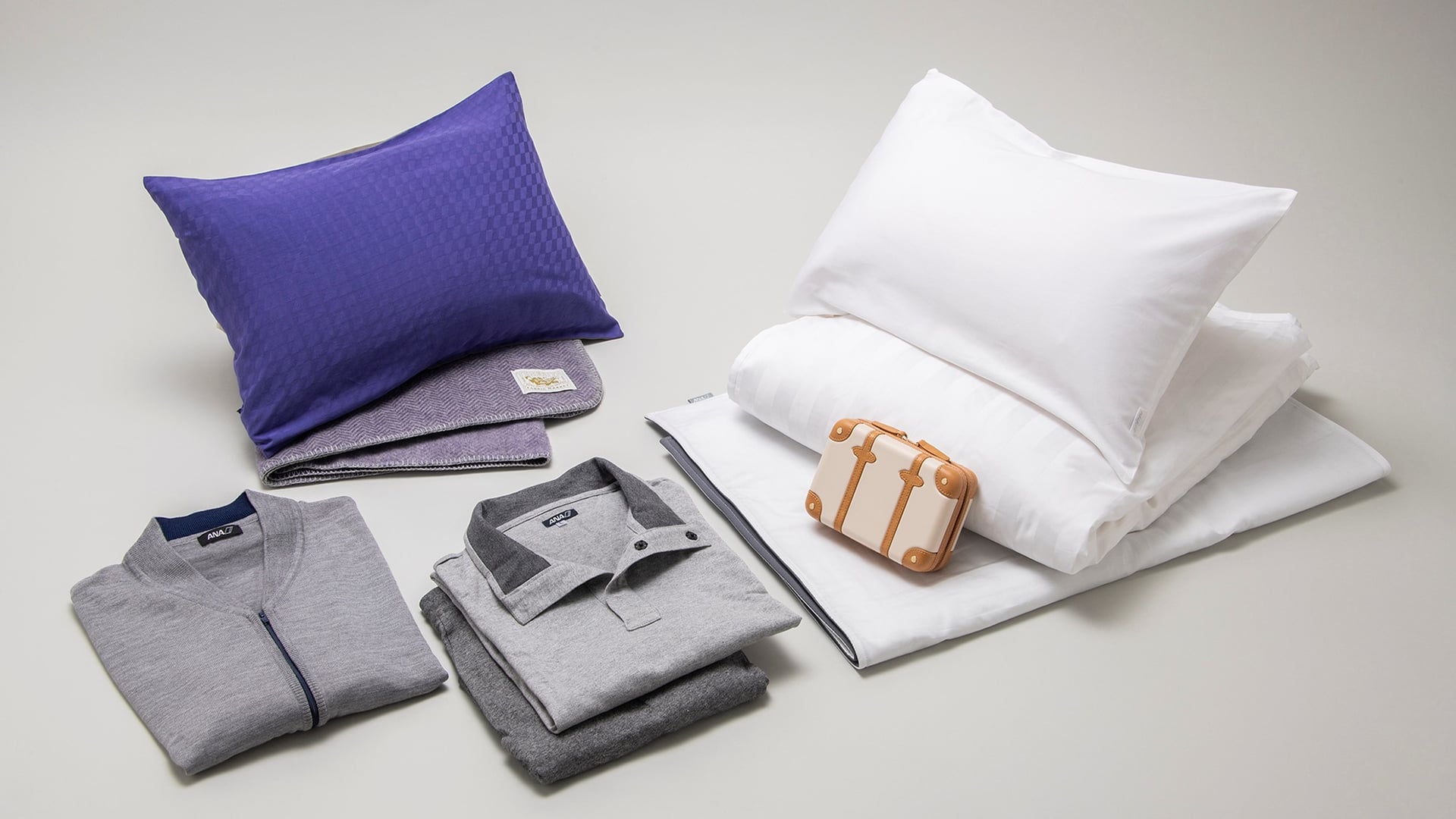
ANA places heavy emphasis on bedding quality. In addition to slippers and pajamas, the bedding setup includes two pillows, including one filled with Hungarian white duck down, alongside a Nishikawa duvet and mattress pad prepared during turndown service. A Tenerita blanket made from organic cotton with a cashmere exterior layer adds further warmth on longer and overnight flights. ANA also offers soft cardigan sweaters on request, which add another comfortable touch during colder overnight flights.
Smaller touches such as shoe bags and shoe horns further reinforce the more detail-oriented approach throughout the ANA first-class experience, even compared to many leading business-class products.


Short and Medium-Haul Flights
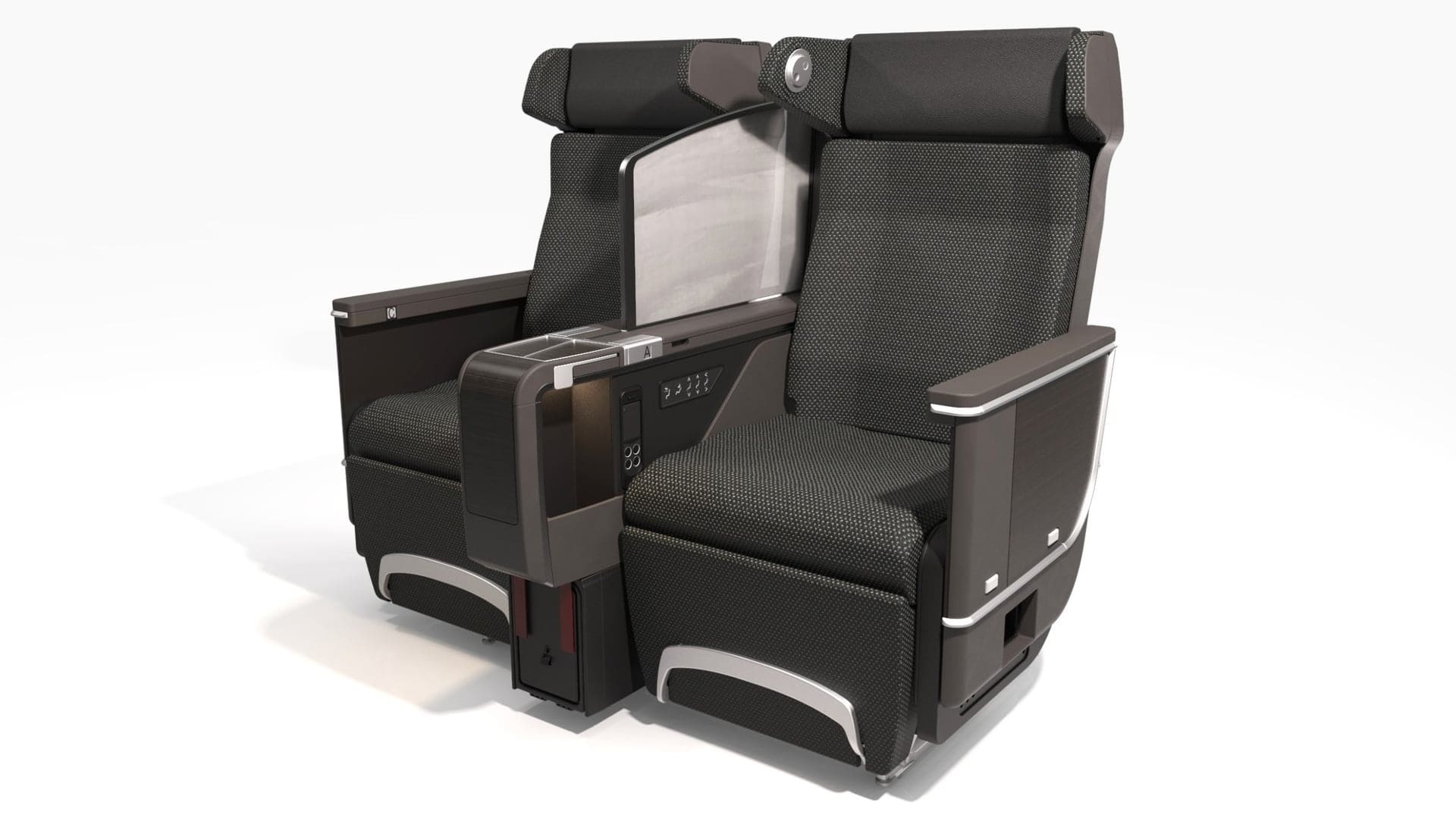
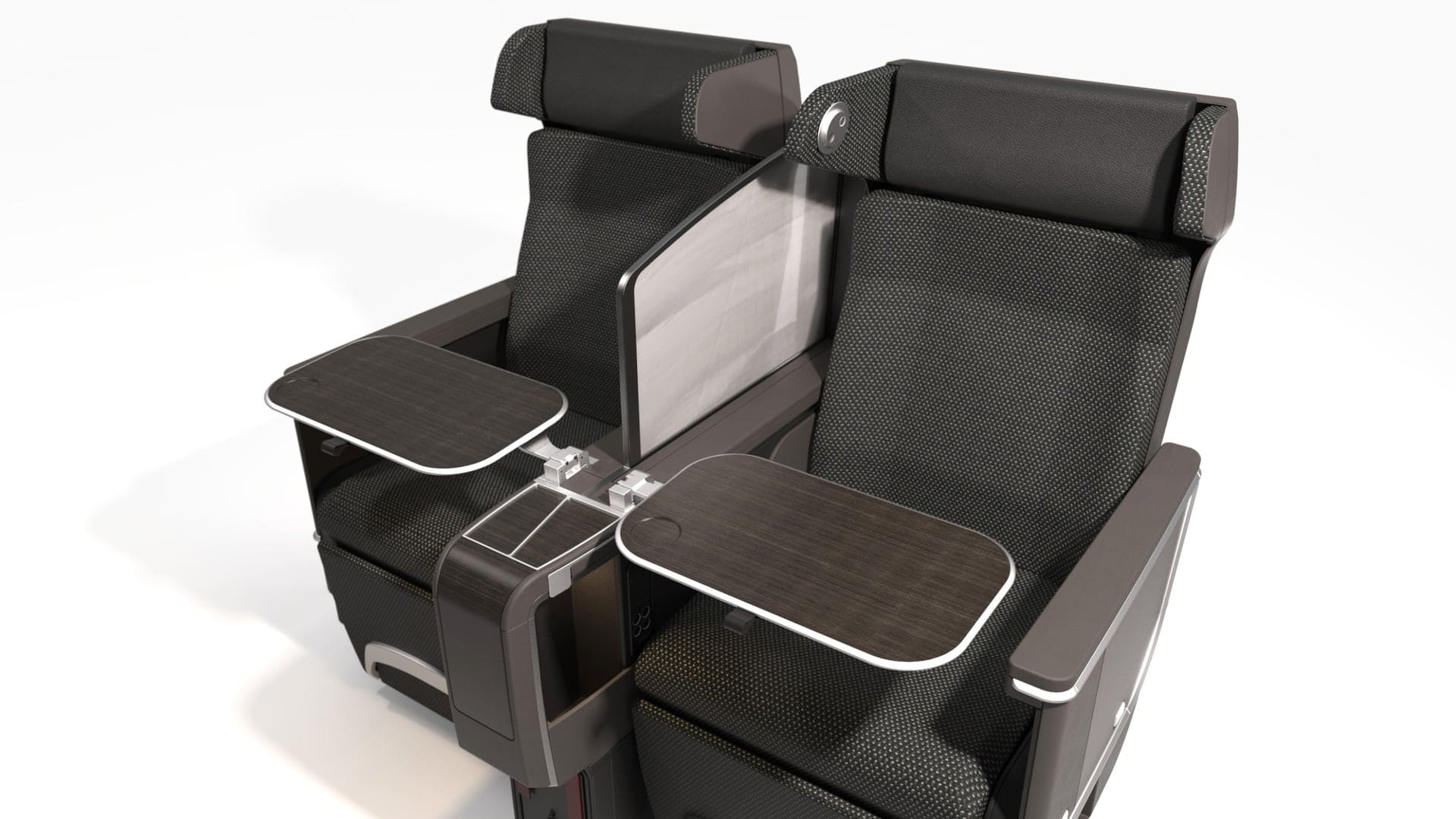
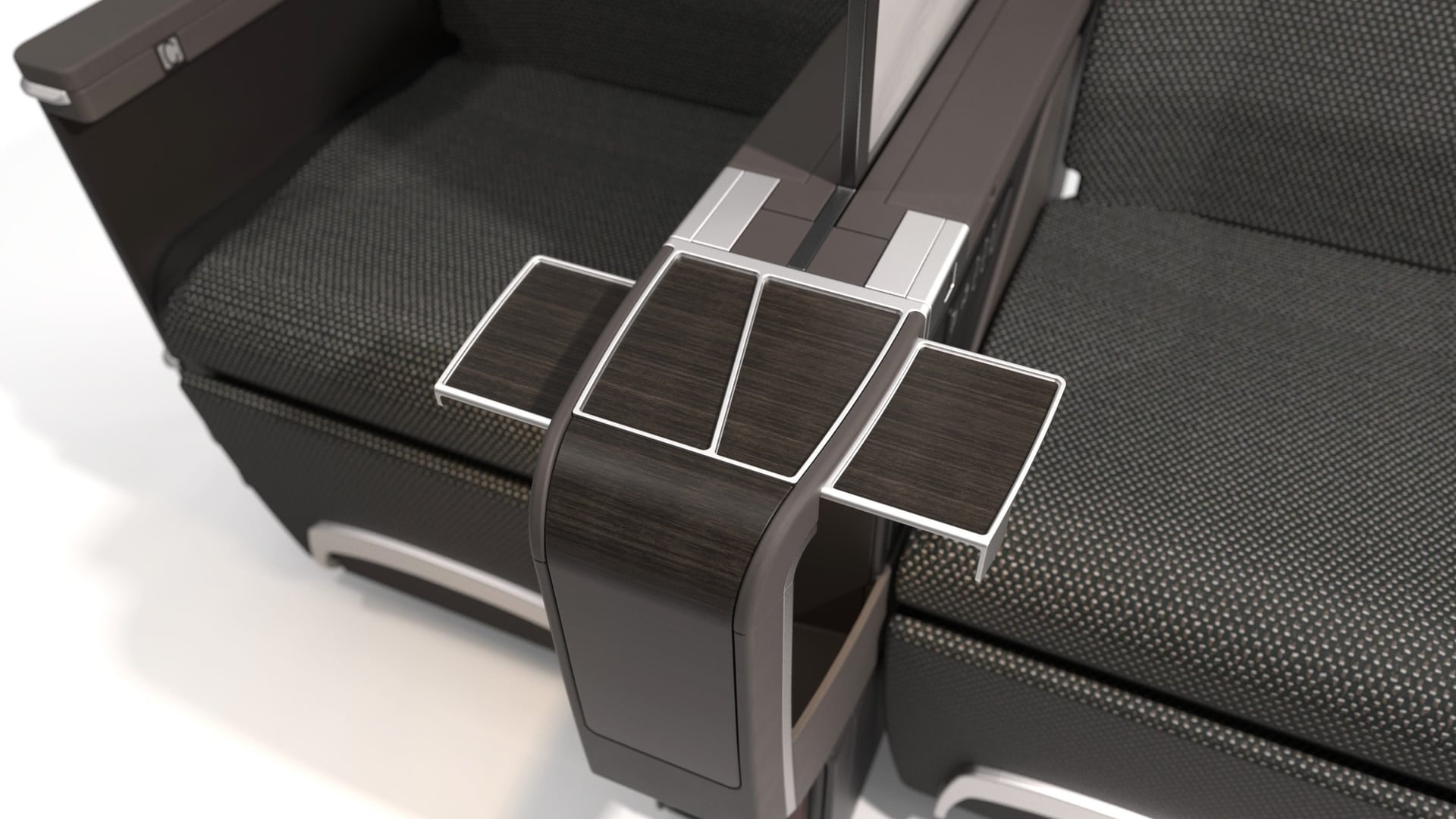
On short- and medium-haul routes, ANA operates a mix of widebody and narrowbody aircraft. A dedicated international first class is only available on a limited number of long-haul routes. Many shorter flights instead feature ANA’s regional business-class cabins or the airline’s domestic Premium Class product, depending on aircraft type and route length.
Cabin layouts vary considerably across ANA’s regional and domestic network. Some regional international widebody aircraft feature lie-flat seats, while other aircraft use recliner-style seats that better suit shorter flights. Even on flights without a dedicated first-class cabin, ANA generally maintains consistency in service standards, cabin cleanliness, and overall onboard presentation.
Meal and beverage options also depend heavily on route length. Shorter domestic flights may include lighter snack or meal selections alongside a more limited drink service, while longer regional flights often retain hot meals and expanded beverage options.
Depending on the aircraft and route, passengers may find:
- Lie-flat seats on some regional international widebody aircraft
- Recliner or cradle-style seats on domestic routes
- Hot meals on longer regional flights
- Lighter snack or meal selections on shorter domestic flights
- Beer, wine, sparkling wine, coffee, tea, and soft drinks
Premium Class Within Japan
Within Japan, ANA markets its domestic premium cabin as Premium Class instead of first class or business class. These cabins usually feature wider recliner seats, upgraded catering compared to economy, and priority airport services. ANA also positions premium economy as an important middle-ground product on many international routes, sitting between economy and business class within the airline’s broader cabin strategy.
Sustainability
All Nippon Airways (ANA) is investing in broader fuel-efficiency and emissions-reduction initiatives across both flight operations and ground handling. Alongside fleet modernization and recycling programs, ANA has introduced operational procedures aimed at reducing fuel consumption during daily operations.
These efforts include reduced use of pre-flight auxiliary power, expanded engine maintenance and cleaning programs, continuous-descent procedures that lower fuel consumption during arrival, and additional operational efficiency measures both in the air and on the ground.
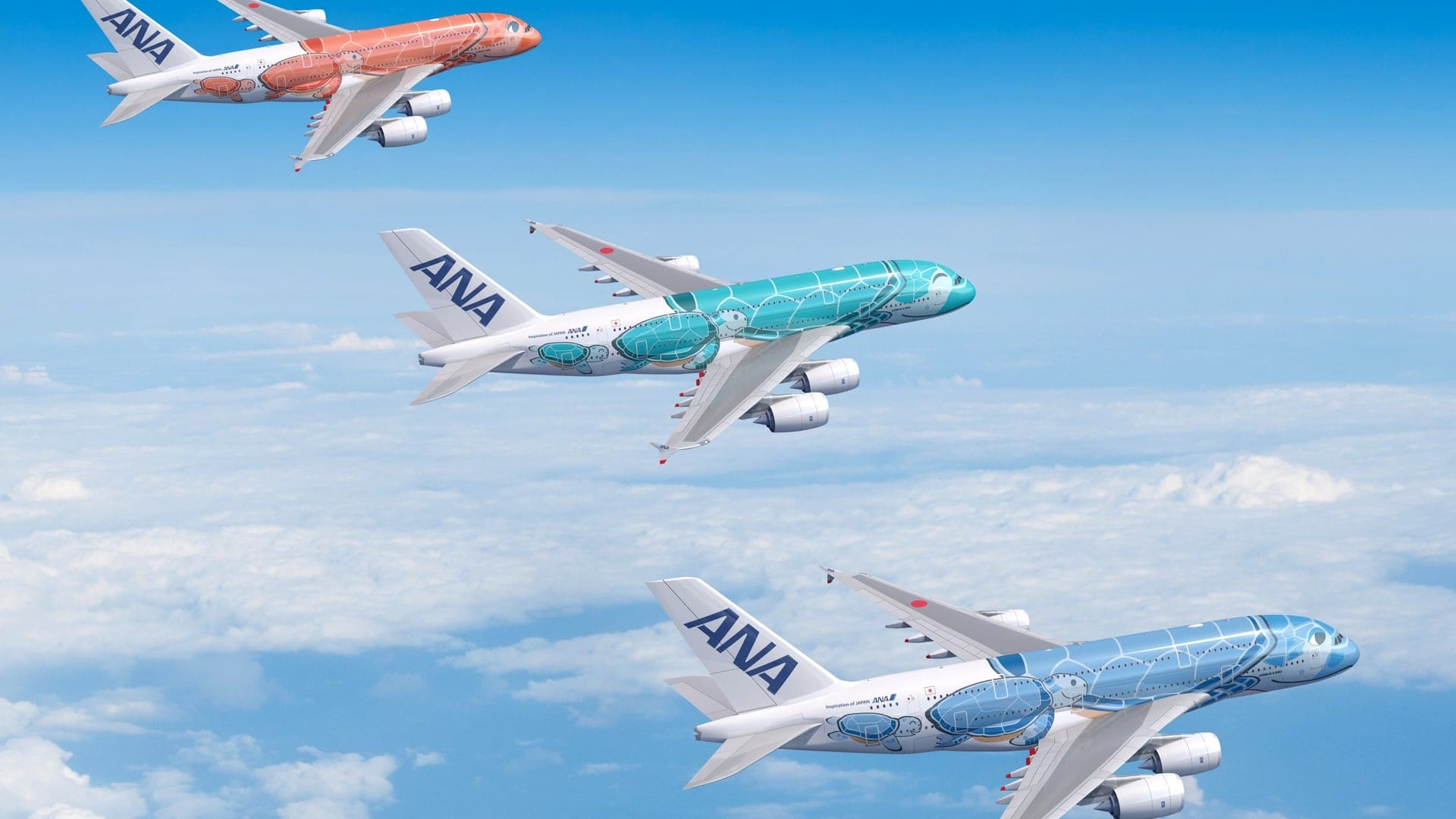
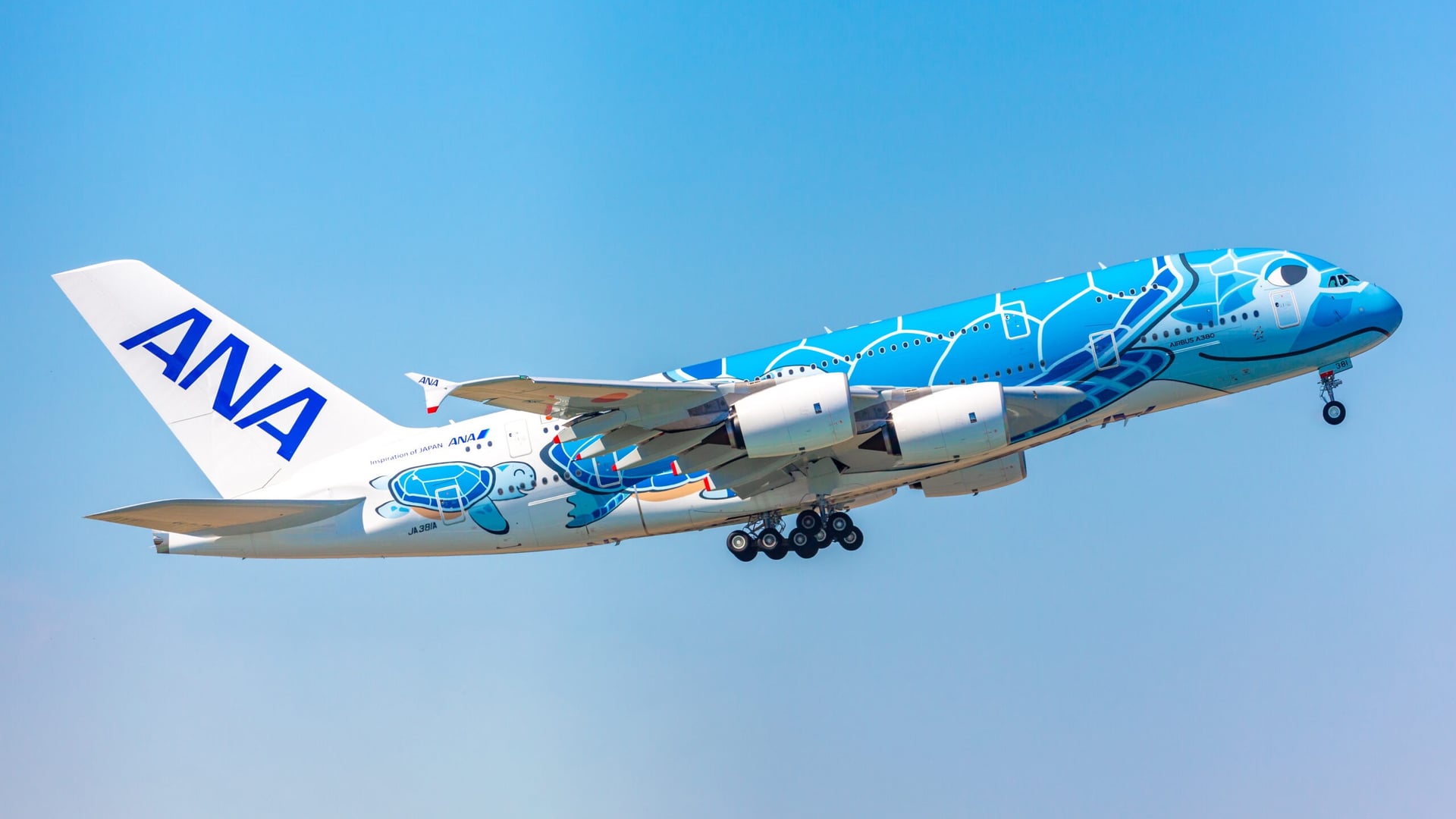
Besides, since Hawaii is one of ANA’s most important international markets, the airline’s three Airbus A380 aircraft feature special sea turtle liveries inspired by Hawaiian wildlife and tourism. This is also an act of spreading awareness about endangered and threatened animal species.
Core Considerations
ANA First Class places strong emphasis on traditional Japanese dining, with multi-course washoku meals, premium sake selections, Western menus, and flexible dine-on-demand service throughout the flight.
ANA’s premium lounges in Tokyo stand out for their quiet atmosphere, made-to-order noodle bars, Japanese beef curry, and distinctive details such as automatic beer-pouring machines.
ANA First Class “The Suite” introduces enclosed first-class suites with sliding privacy doors, large entertainment screens, and a noticeably quieter cabin environment than many competing long-haul premium cabins.
Quick Facts
Japanese hospitality shapes nearly every part of the experience on board All Nippon Airways’ flights, from the design of the quiet two-row first-class cabin on specific Boeing 777-300ER aircraft to the refined onboard dining and restrained service style. ANA First Class “The Suite” uses enclosed sliding-door suites with 43-inch (109 cm) entertainment screens, Nishikawa bedding, dine-on-demand meals, and one of the most complex Japanese dining programs currently available, including multi-course washoku service and extensive sake selections. The ground experience in Tokyo also stands out thanks to the ANA Suite Lounge, efficient airport handling, and calmer lounge environments than many larger international hubs. The firmer bedding and more reserved service style may not suit everyone, but ANA First Class is absolutely worth flying for travelers who value privacy, Japanese cuisine, and a quiet long-haul cabin atmosphere.
Suite Type: Sliding-door suites
Best Lounge: ANA Suite Lounge
Dining Style: Japanese multi-course meals
Best Aircraft: Boeing 777-300ER
Reviewed: May 2026