
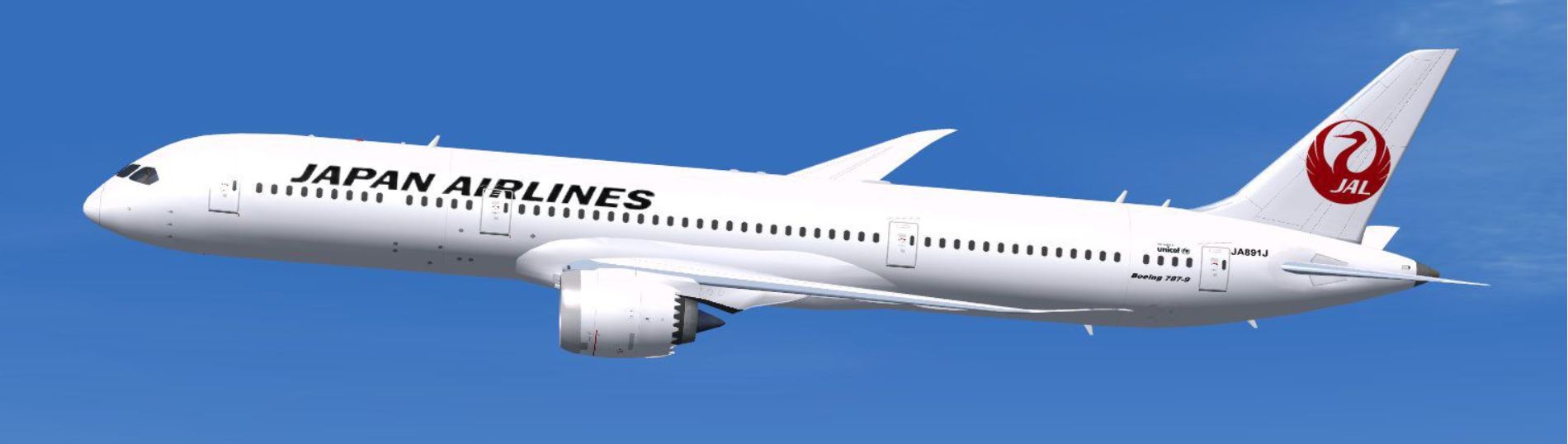
Japan Airlines (JAL) is Japan’s flag carrier and one of the country’s two largest airlines, with long-haul international flights across North America, Europe, Oceania, and Asia. Its reputation rests on consistency, careful service, and a cabin experience that usually feels more considered than flashy. That same approach carries into Japan Airlines’ premium economy class.
In a market where many airlines treat premium economy as a simple step above economy class, Japan Airlines gives the cabin a more distinct role. Japan Airlines’ premium economy is still not business class, but it offers enough comfort in terms of seat, service, and airport experience to feel like a separate premium product.
This full review of Japan Airlines’ premium economy class covers the airport experience, the premium economy cabin, seat, dining, service, entertainment, and amenities.
Airport Experience
Japan Airlines’ primary hubs are Tokyo Haneda Airport (HND) and Tokyo Narita Airport (NRT), but the airline also has significant operations at Osaka Kansai International Airport (KIX) and Chubu Centrair International Airport (NGO) in Nagoya. For premium economy passengers, the airport experience starts with dedicated bag drop counters, where Japan Airlines staff handle the formalities with courteous, attentive service.
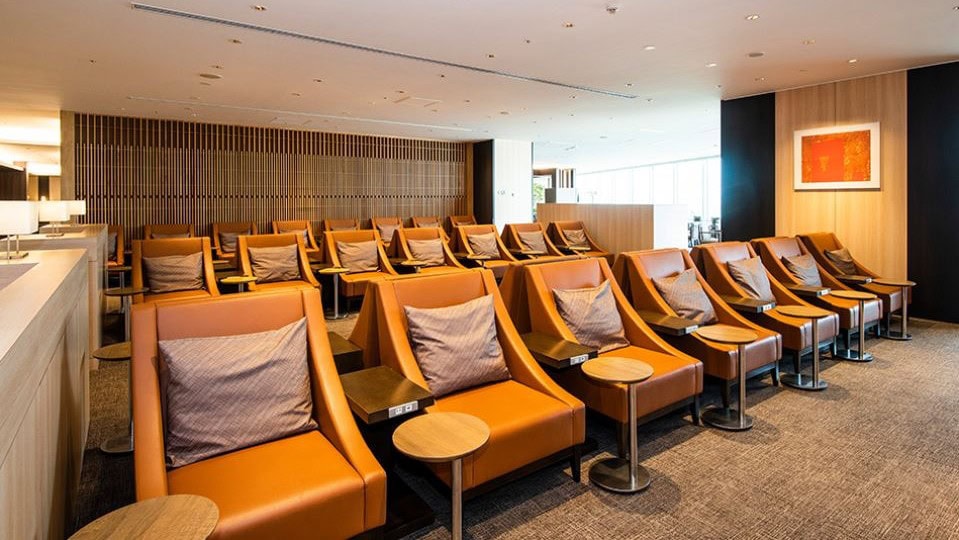
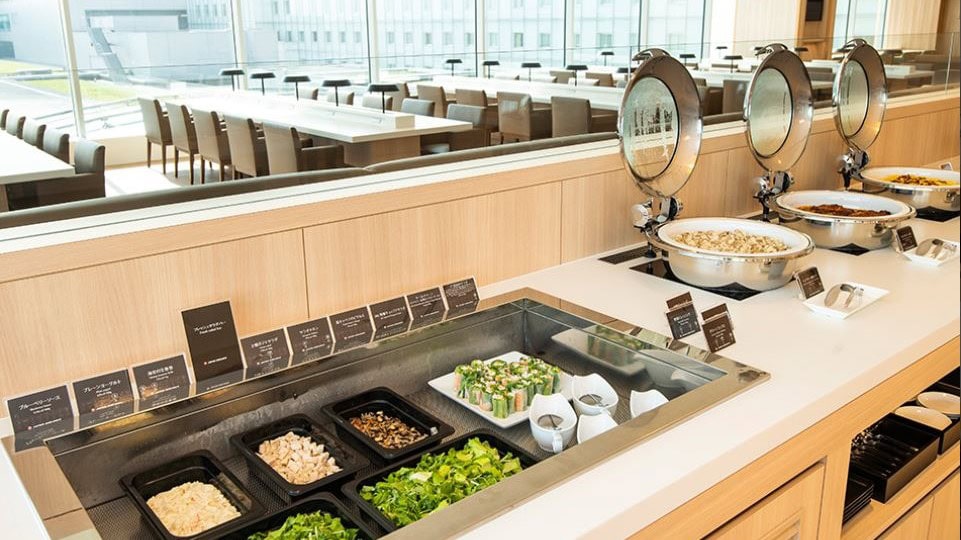
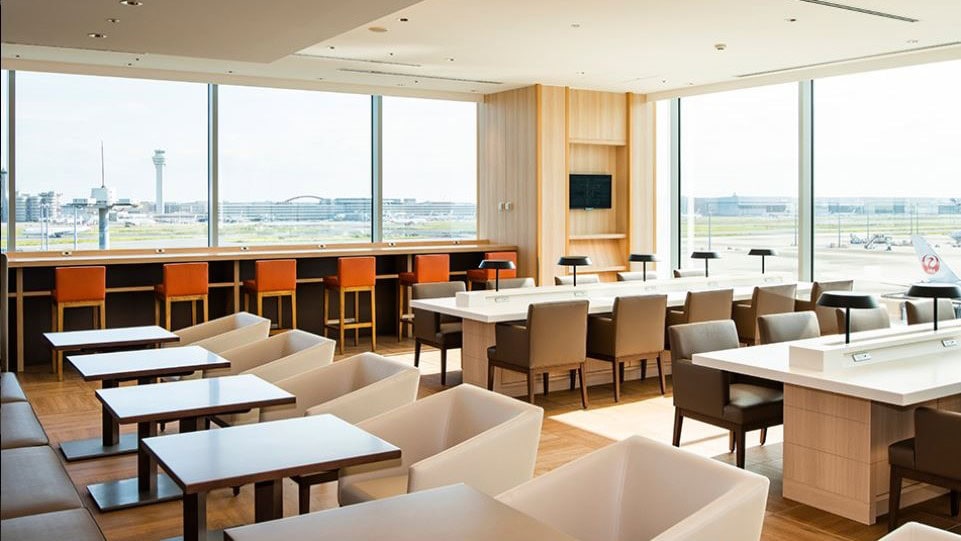
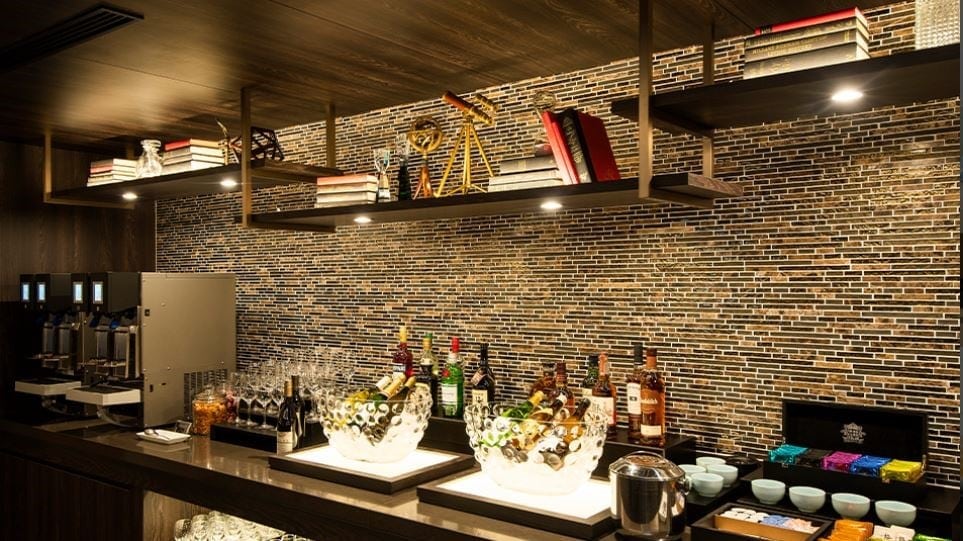
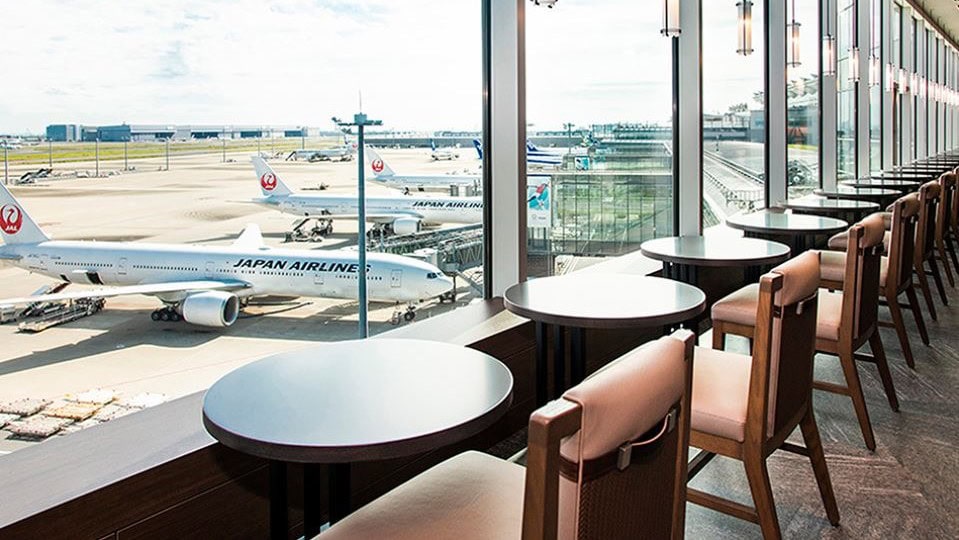
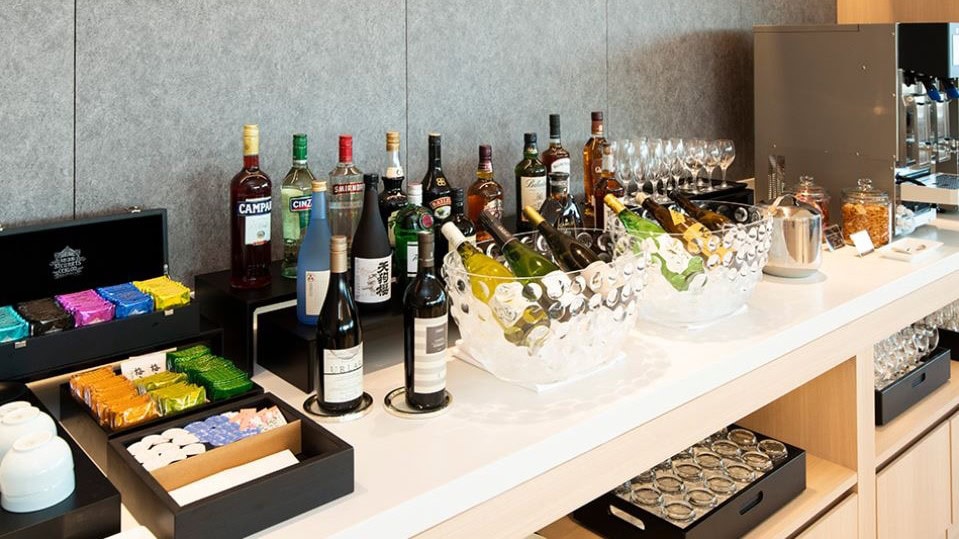
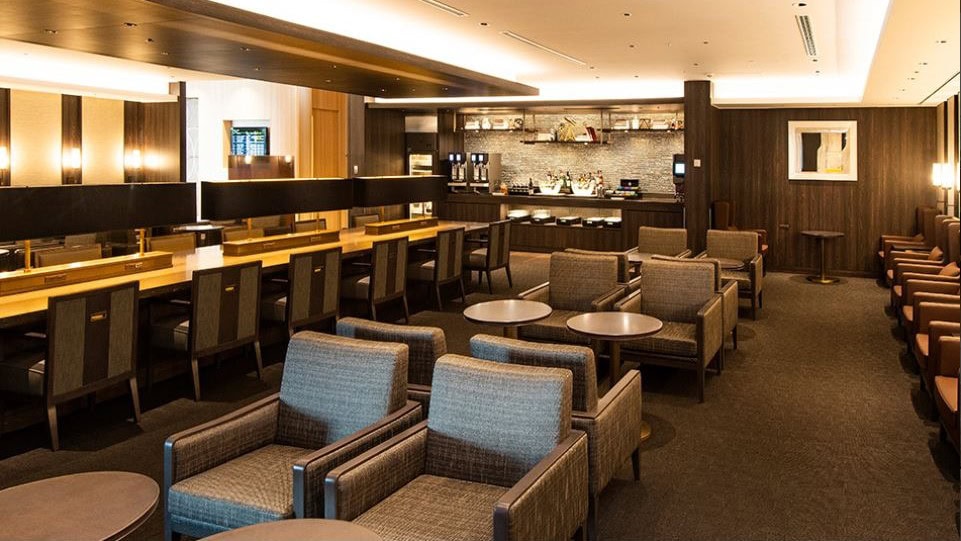
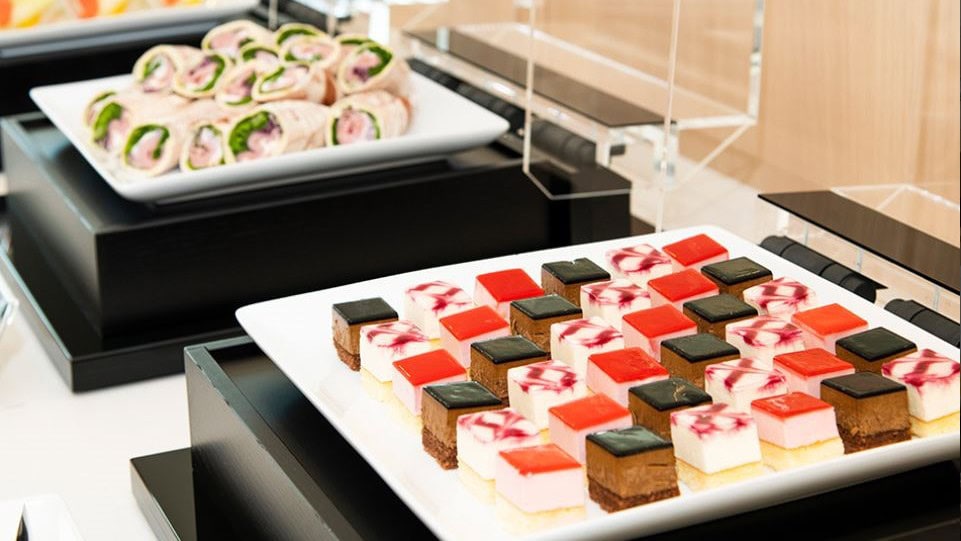
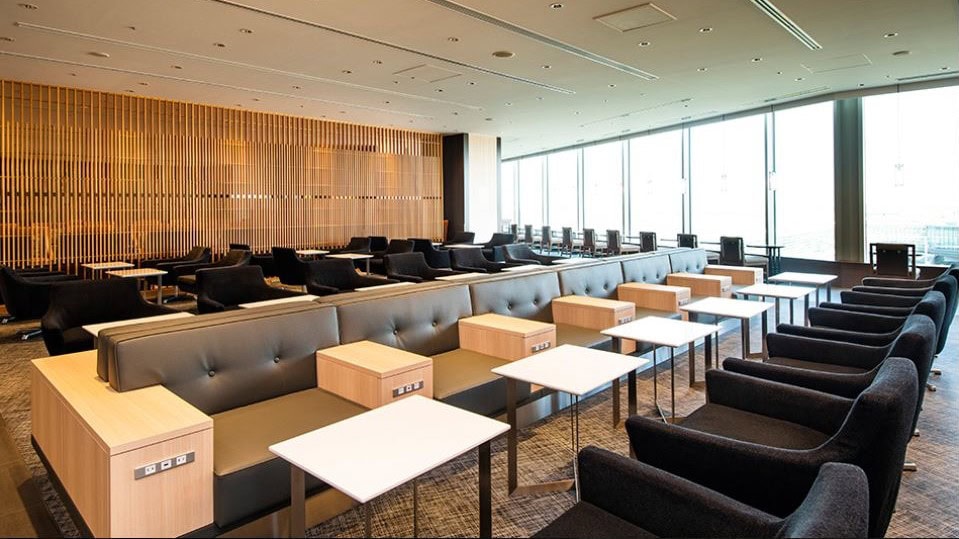
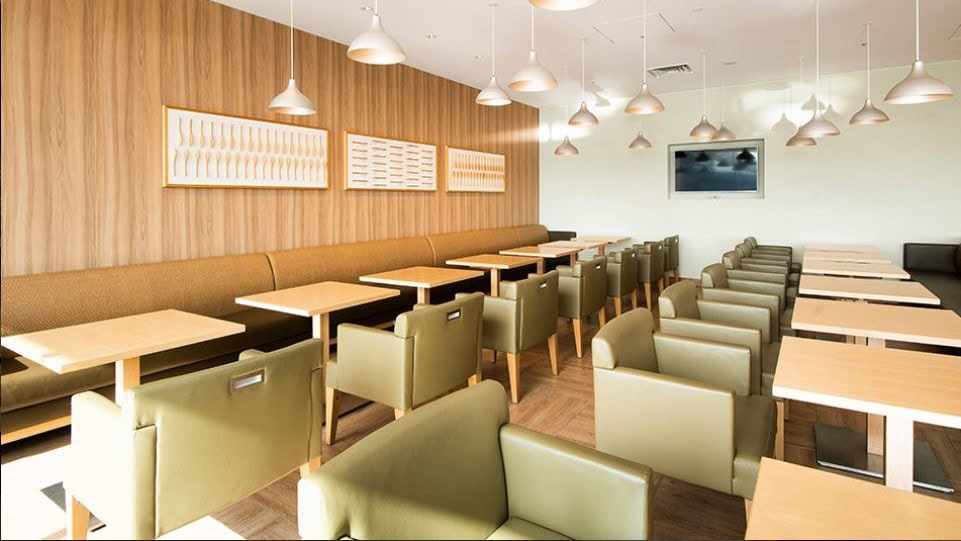
The Sakura Lounge
Premium economy passengers departing from Tokyo Haneda Airport (HND), Tokyo Narita Airport (NRT), Osaka Kansai International Airport (KIX), Chubu Centrair International Airport (NGO), and from some international airports such as Daniel K. Inouye International Airport (HNL) in Honolulu and Suvarnabhumi Airport (BKK) in Bangkok, receive access to the Sakura Lounges.
Regardless of their location, Sakura Lounges feature contemporary interiors in soft, natural tones, extensive seating areas, buffets serving Japanese and Western dishes, and a wide range of beverages. Amenities include complimentary workstations, Wi-Fi, reading materials, and, at Tokyo Narita Airport (NRT), dedicated children’s rooms, nap pods, showers, and massage chairs. Passengers who upgrade from economy to premium economy at the airport do not receive lounge access.
Extra Ground Benefits
The extra ground benefits depend on where the flight departs from. At some airports, premium economy passengers may use business-class counters, and at Tokyo Narita Airport (NRT), they may also use priority security lanes. Boarding follows the usual hierarchy: premium economy passengers board after first class and business class passengers. After landing, checked baggage receives priority delivery after first class and business class baggage.
Cabin and Seats
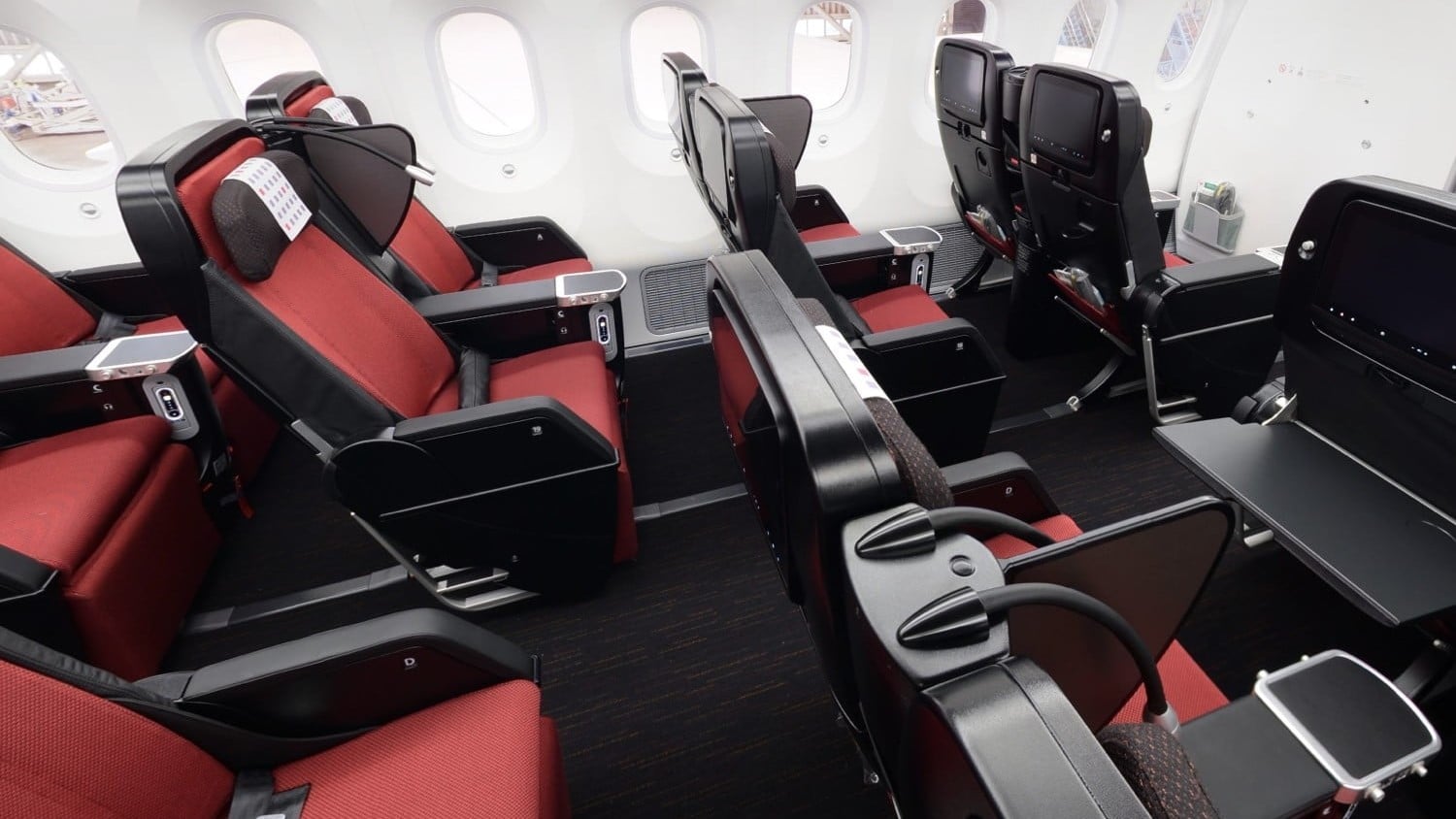
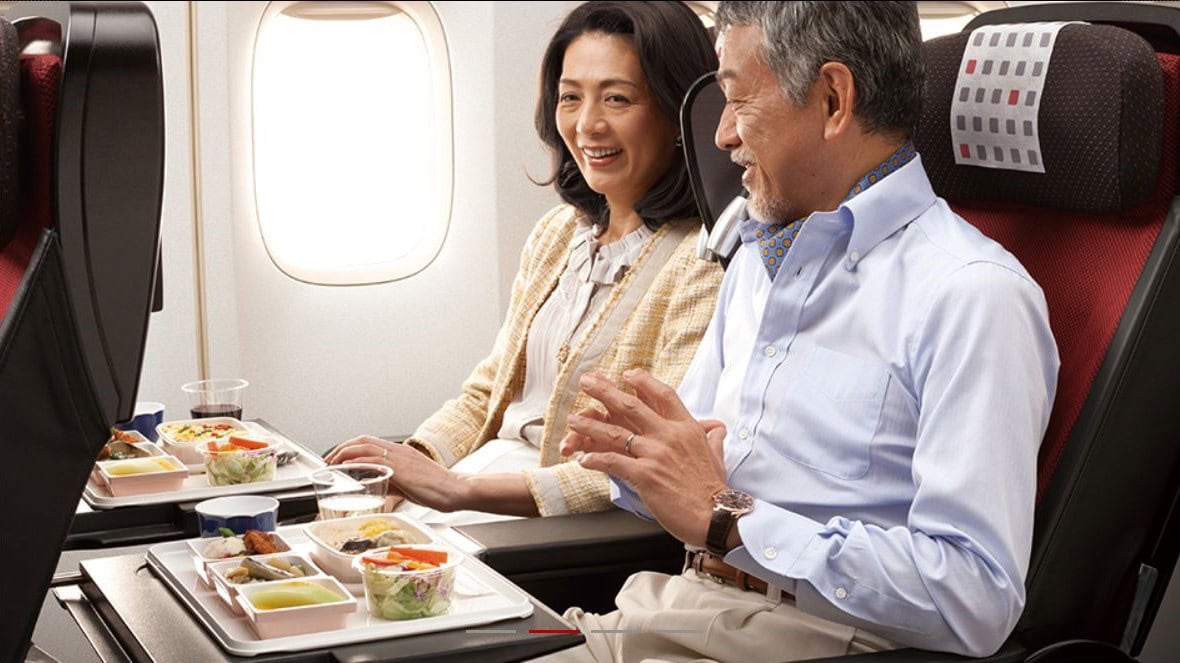
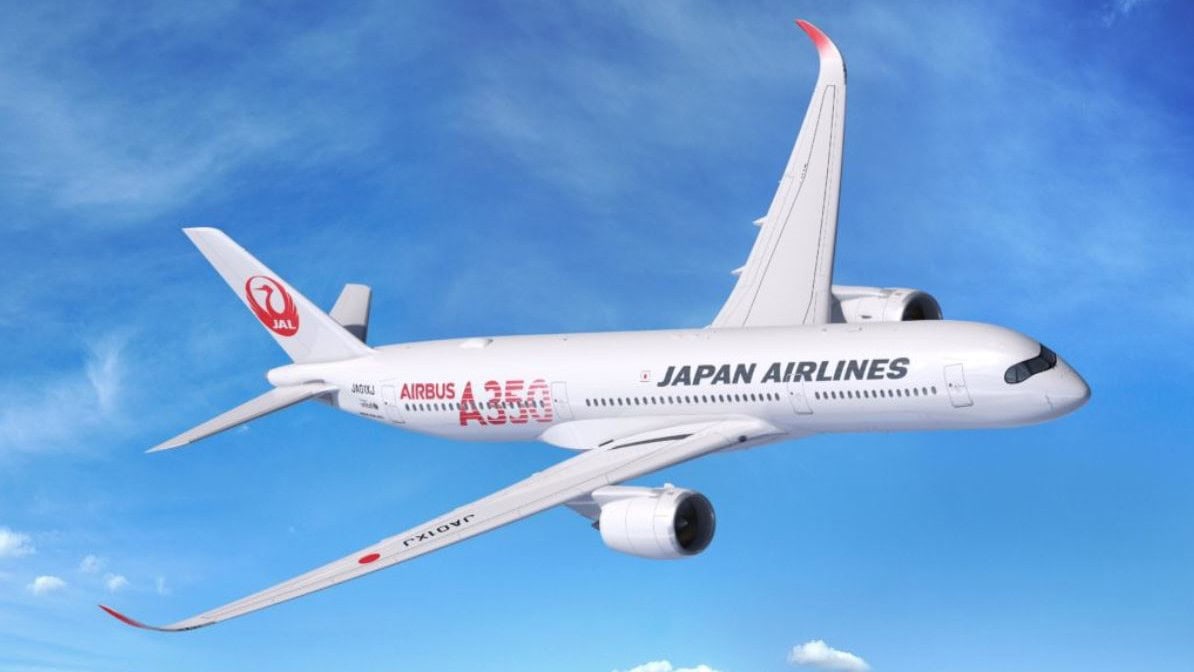
Japan Airlines premium economy cabins are available on three types of the airline’s widebody aircraft: Airbus A350-1000, Boeing 777-300ER, and Boeing 787-9 aircraft.
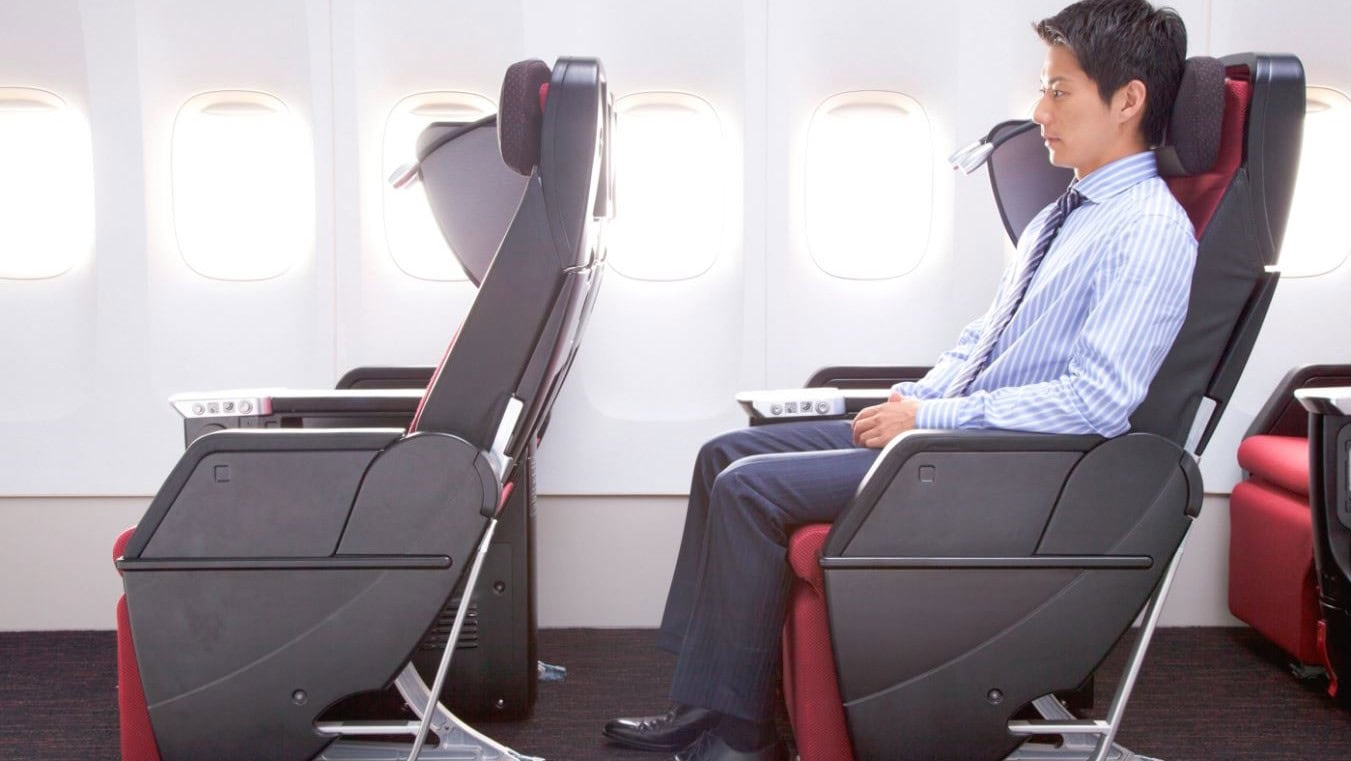
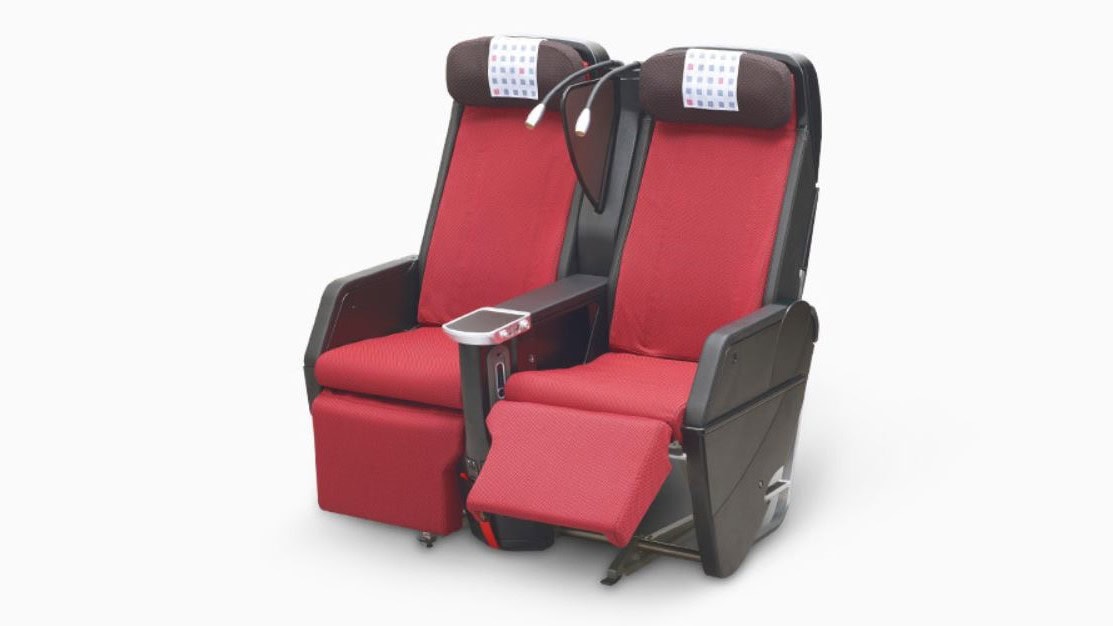
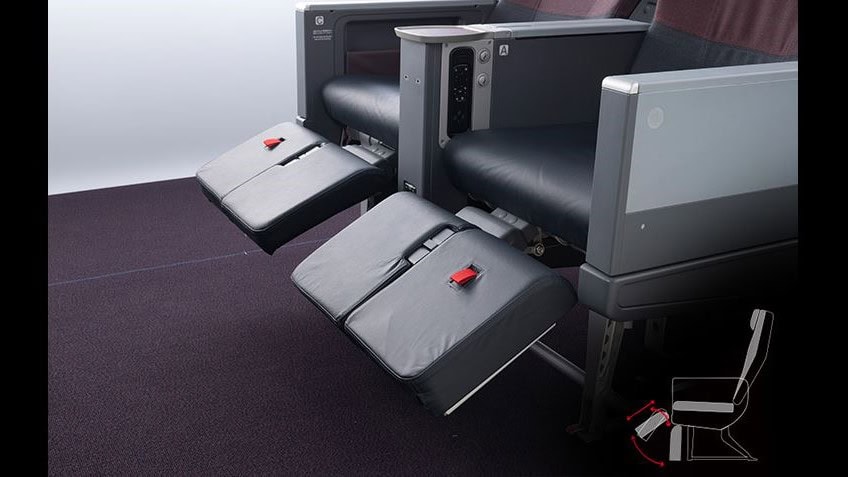
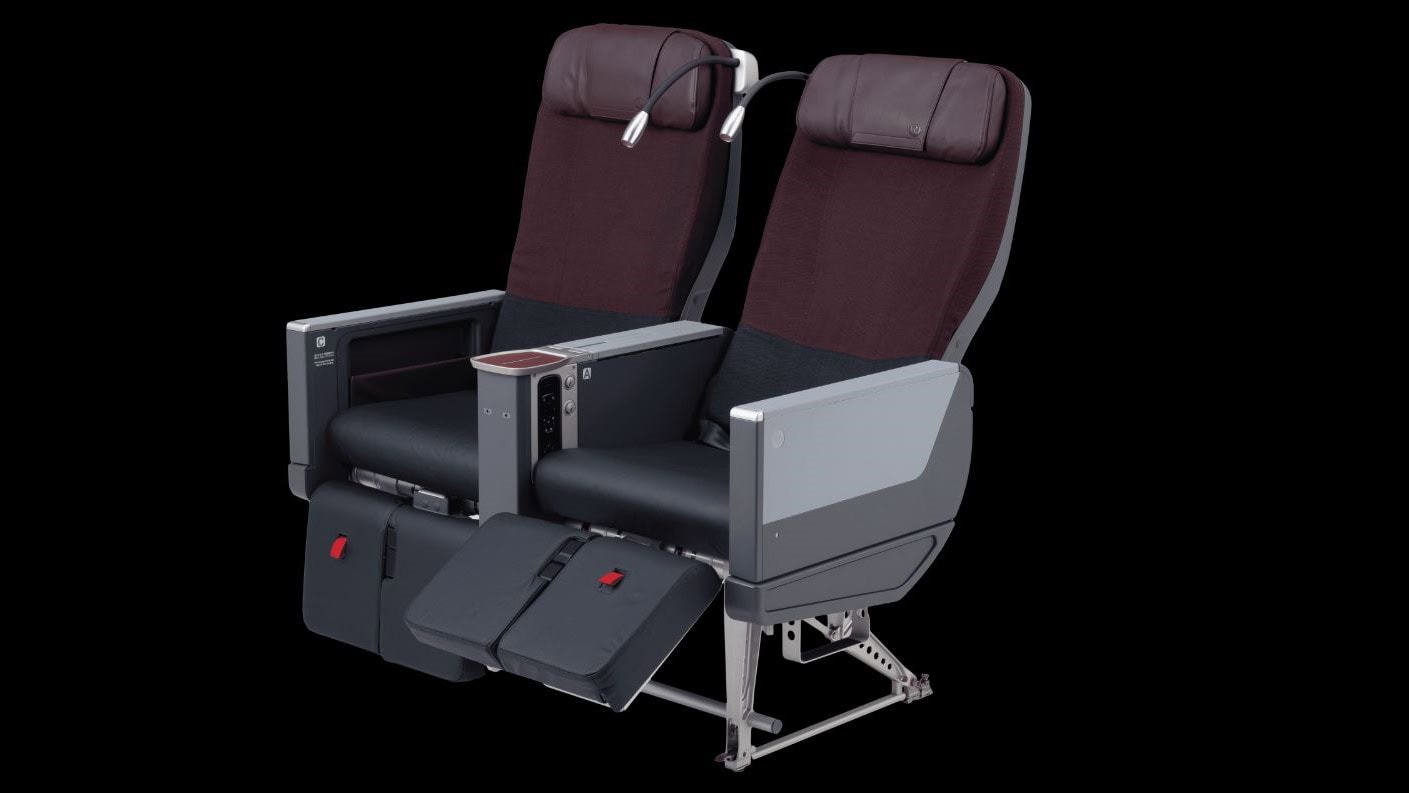
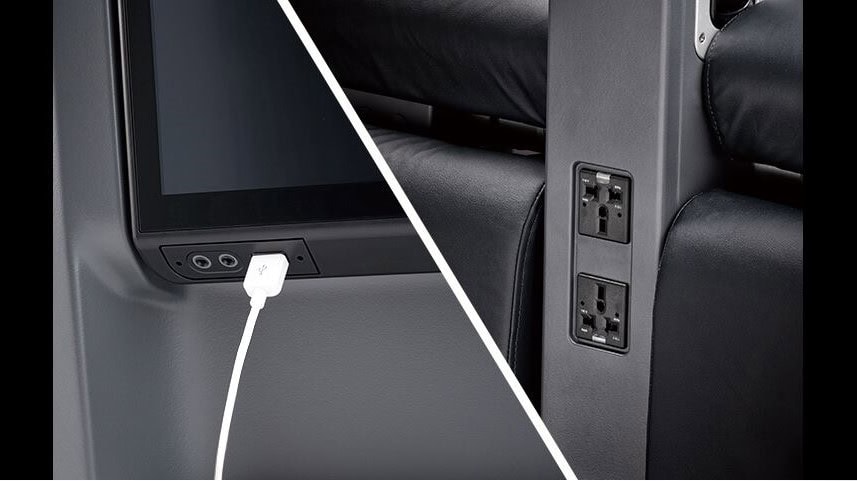
- Airbus A350-1000 aircraft feature a 2-4-2 seat layout. The premium economy cabin has 24 seats, each roughly 19 inches (48 cm) wide, with 42 inches (107 cm) of pitch. This aircraft also has the newest premium economy seat on the entire fleet, with electronic controls, motorized leg and footrests, large privacy partitions, laptop power outlets, USB Type-A and USB Type-C ports, cocktail trays, and a 16-inch 4K screen.
- Boeing 777-300ER aircraft also have a 2-4-2 layout, but the cabin is larger, with 40 premium economy seats. The JAL SKY PREMIUM seat has the same dimensions as the new seat on Airbus A350-1000 planes, but it uses manual controls for the foot and leg rest.
- Boeing 787-9 aircraft use a 2-3-2 configuration. These aircraft also have the JAL SKY PREMIUM seat, with the same manual foot and leg rest setup.
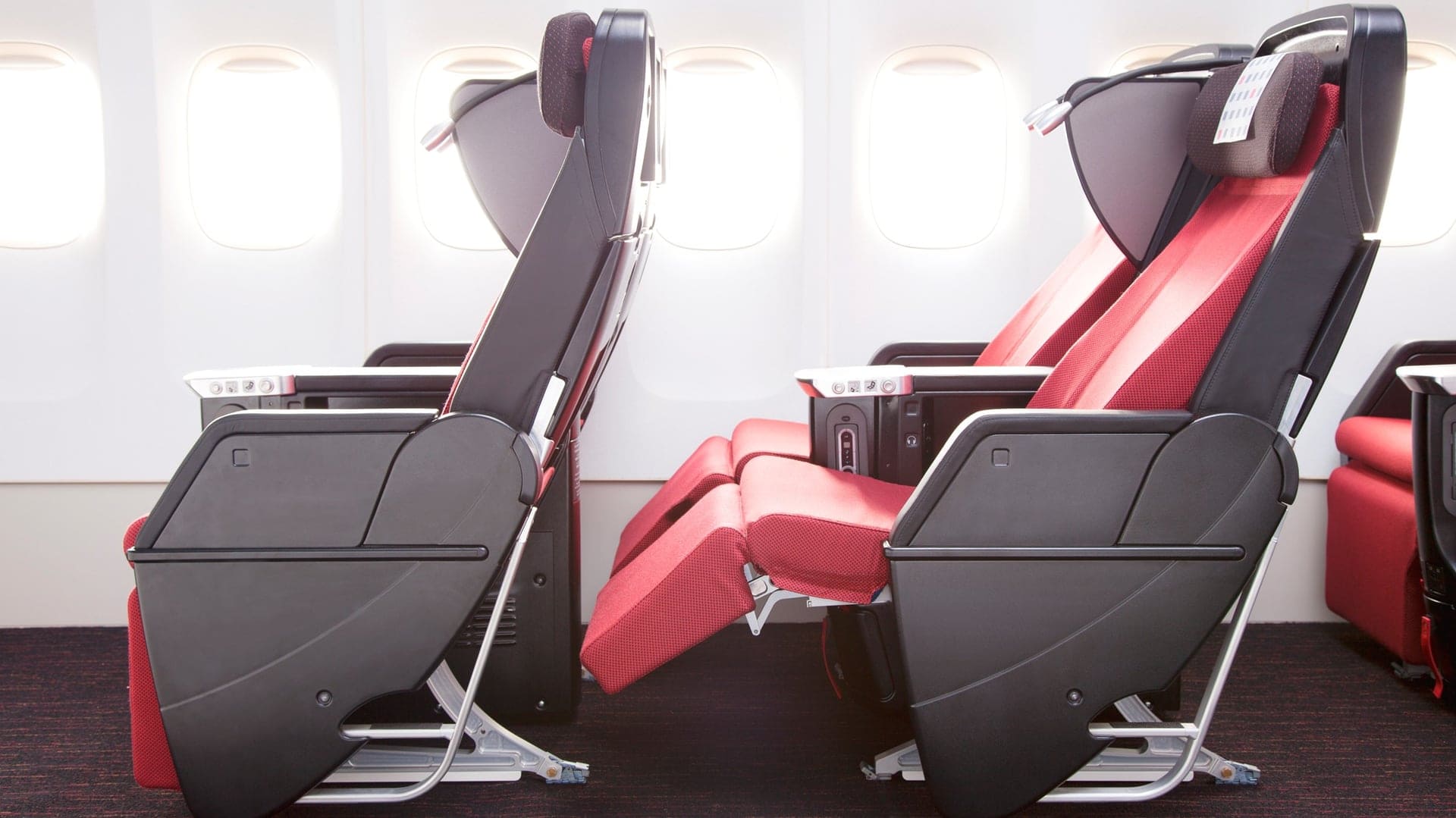
Across these aircraft, JAL uses a fixed-back shell design in premium economy. The seat slides forward instead of reclining into the row behind, so the seat in front does not move back into your personal space during the flight. Some aircraft carry an older model of the premium economy seat, but the core layout and 42-inch (107-cm) pitch are consistent.
The main comfort limitation across both Japan Airlines' premium economy seat versions is lumbar support. The seats give passengers more recline and more room than economy class, but they do not support the lower back in the same way as a fully flat business-class seat. On an ultra-long-haul flight, that difference becomes easier to notice after several hours of the trip.
Cuisine
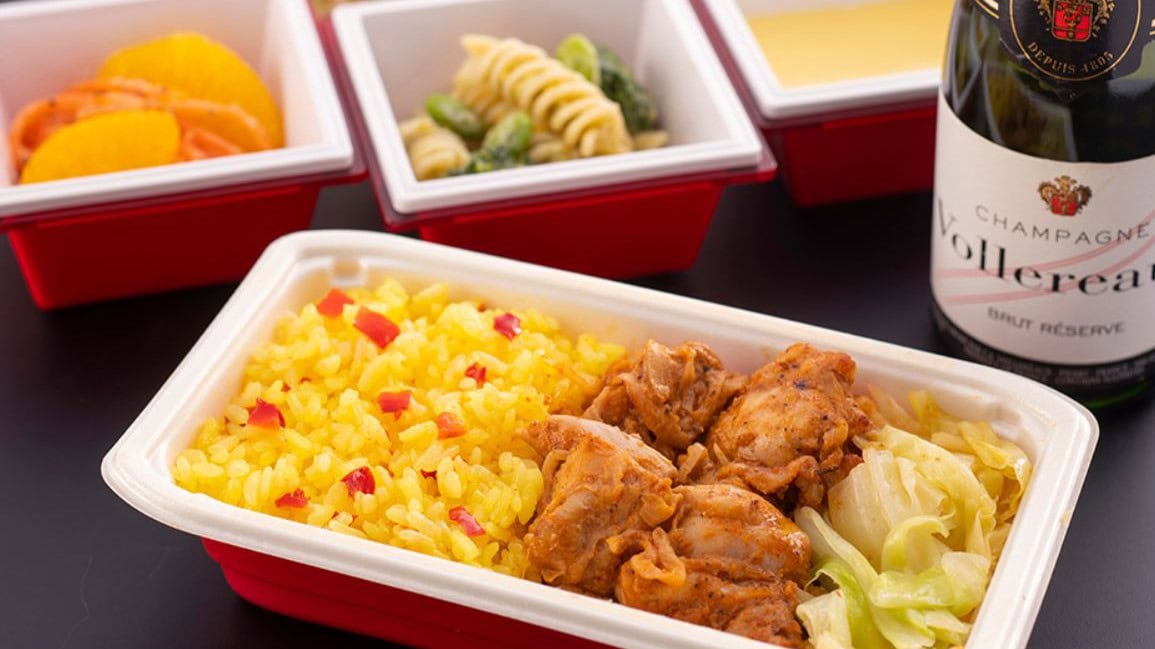
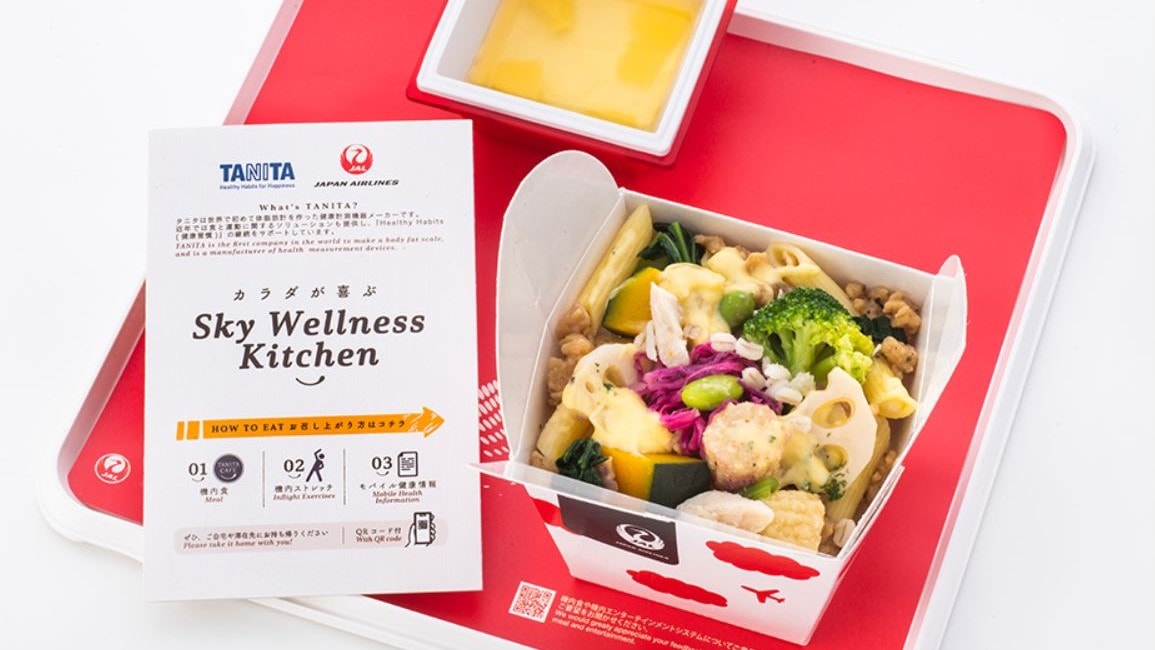
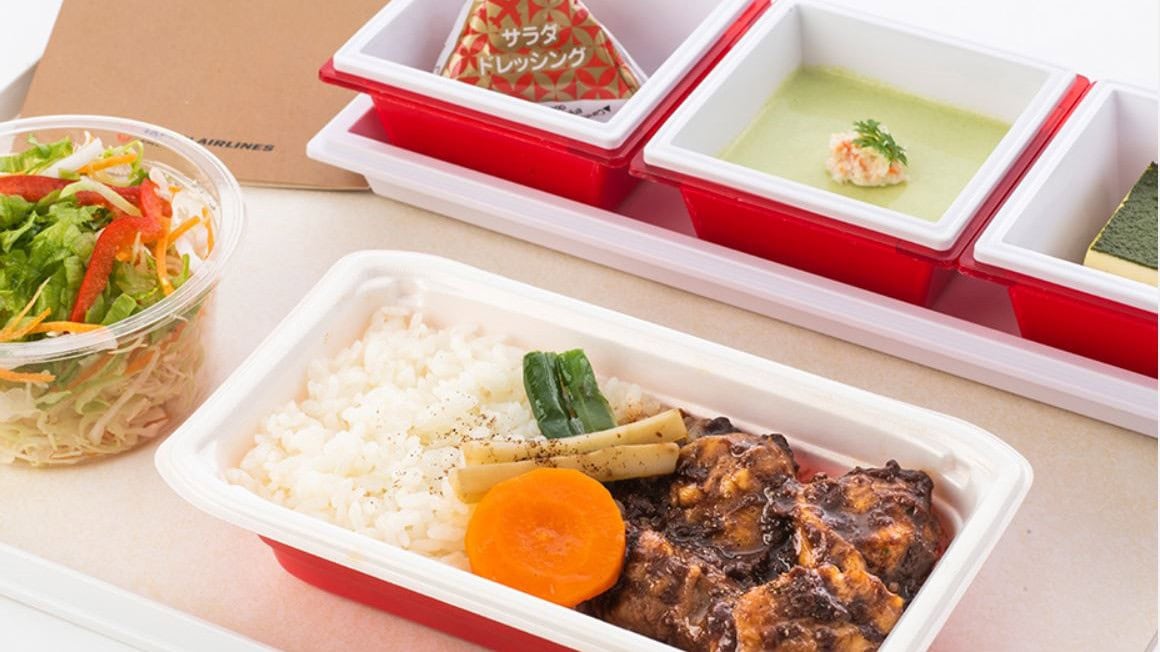
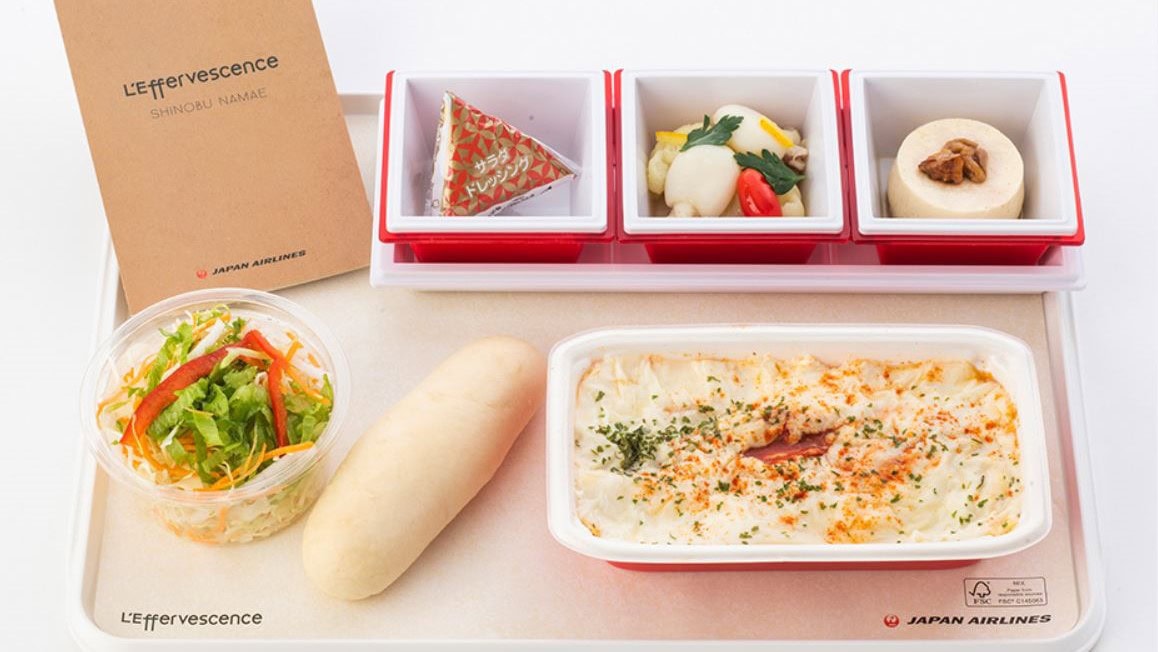
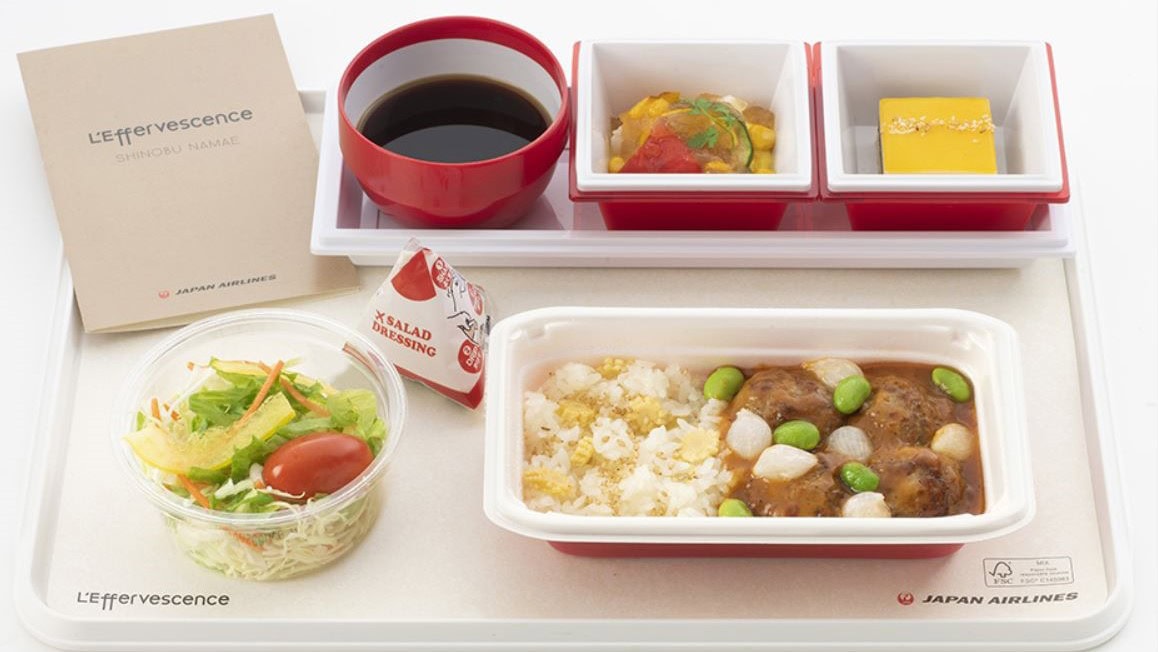
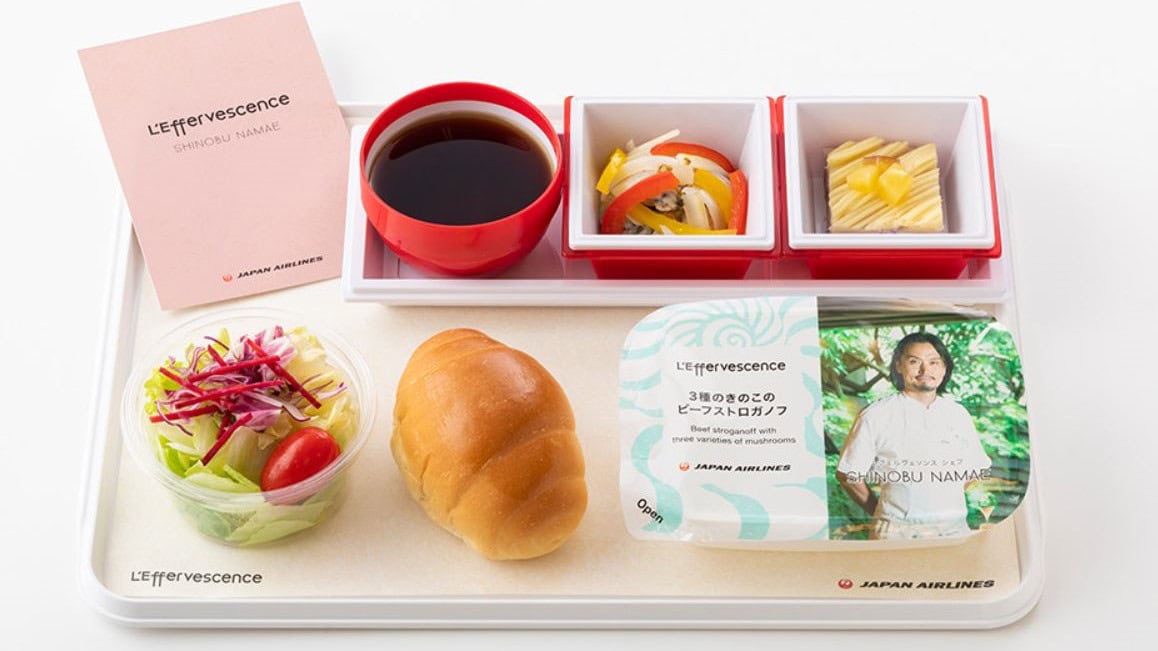
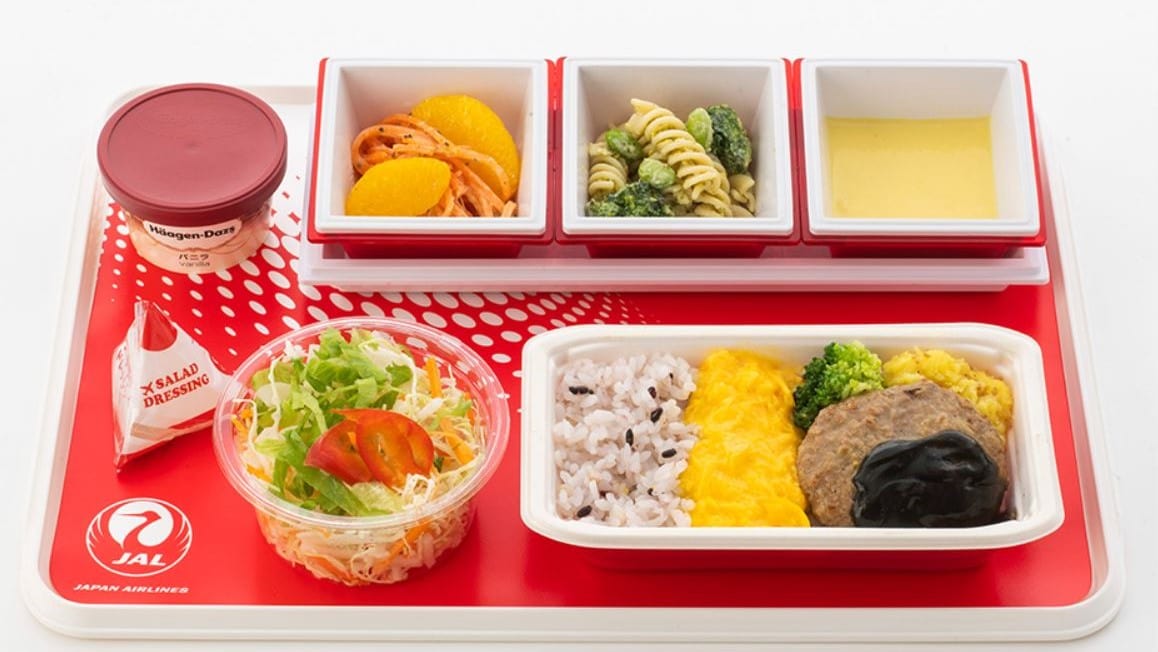
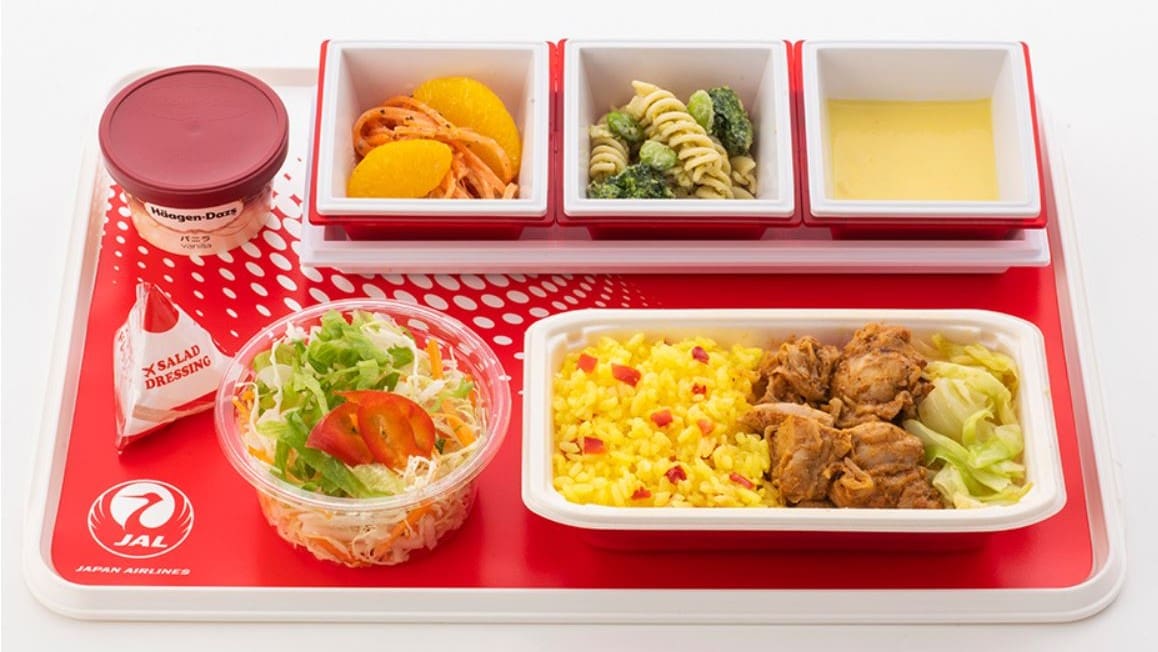
The meal service in Japan Airlines' premium economy cabin changes by route, direction, departure time, and menu cycle. On major long-haul routes, Japan Airlines may use different dining concepts, specifically Sky Wellness Kitchen and RED U-35 chef collaborations.
- Sky Wellness Kitchen: On routes to the US, Europe, and Oceania, Japan Airlines uses food concepts from Sky Wellness Kitchen, a JAL and TANITA collaboration focused on balanced in-flight meals. Menus may include meals such as salmon with millet pasta, tuna with scallion and millet short pasta, and chicken with mixed-grain short pasta in a soy-milk basil sauce.
- RED U-35 chef collaborations: On flights from Japan to North America, except Hawaii and Guam, and on flights from Japan to Europe, Australia, India, South Asia, and Southeast Asia, meals may include dishes developed with chefs from Japan’s RED U-35 culinary competition. Current selections may feature chicken with black vinegar sauce and Gomoku Chaofan-style rice, braised pork over chirashi sushi, and Provençal-style chicken thigh and eggplant with tomato pilaf. This menu concept does not apply to late-night flights.
- Shared dining with economy class: On some routes, premium economy passengers receive the same food that is served in economy class. Depending on the route and menu cycle, this may mean dishes such as chicken teriyaki, Irish beef stew, chicken katsu sandwiches, or dry curry with melted cheese.
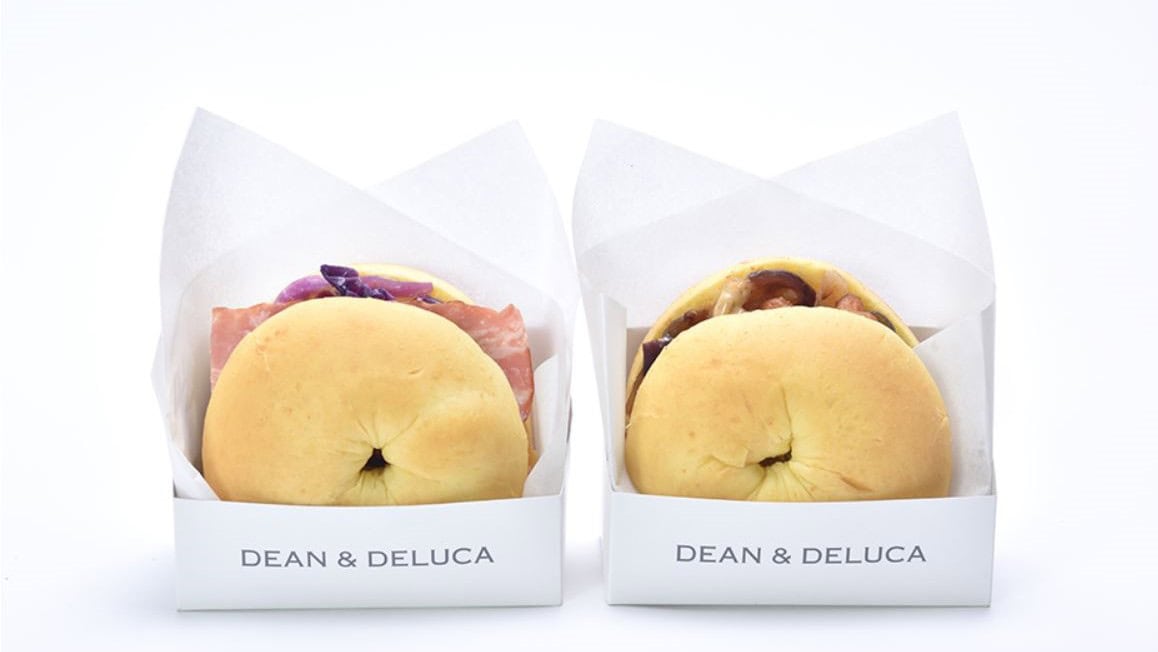
The meal service continues between the main meals with snacks and on-demand food options. On North America, Europe, Australia, India, and Southeast Asia routes, premium economy class also offers JAL’s “Udon de SKY” cup-noodle dish in addition to the standard economy-class menu.


Beverages
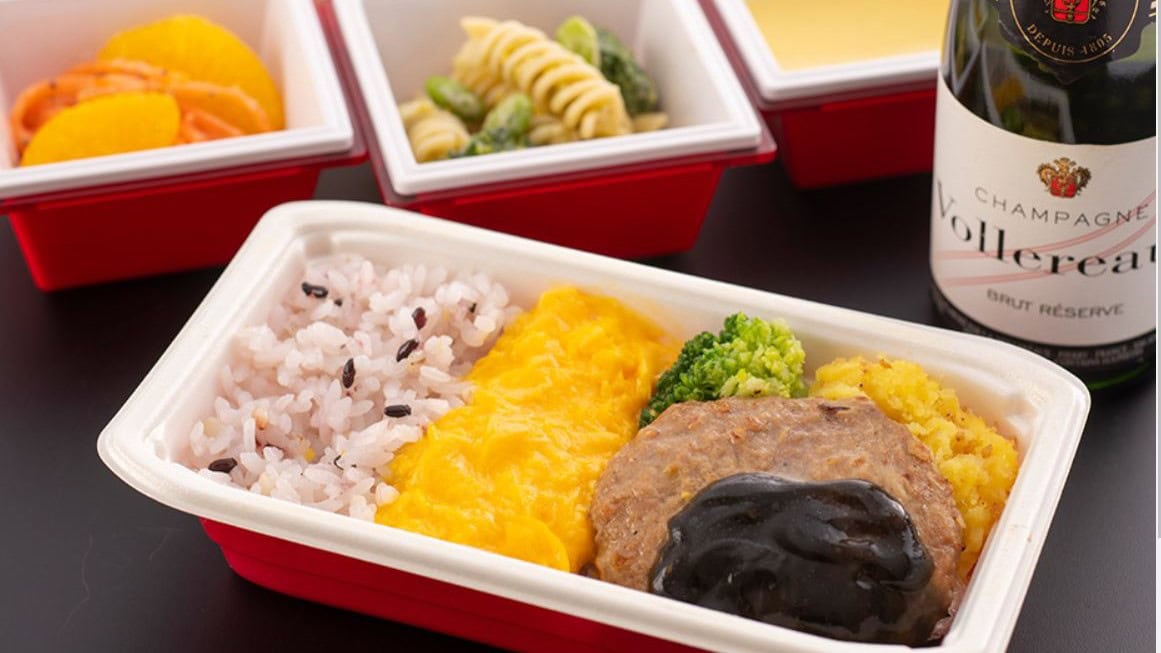
Some airlines distinguish premium economy with a welcome drink or a slightly broader wine list. Japan Airlines takes a more specific approach in premium economy class, with Champagne, original wines, and other distinct drink options.
Champagne options often feature Vollereaux Brut Réserve NV Champagne, while the wine list also includes JAL’s original “+81” wines, made from Spanish grape varieties under the guidance of wine advisor Okoshi Motohiro. These wines are not limited to premium economy class, since Japan Airlines also serves them in economy.
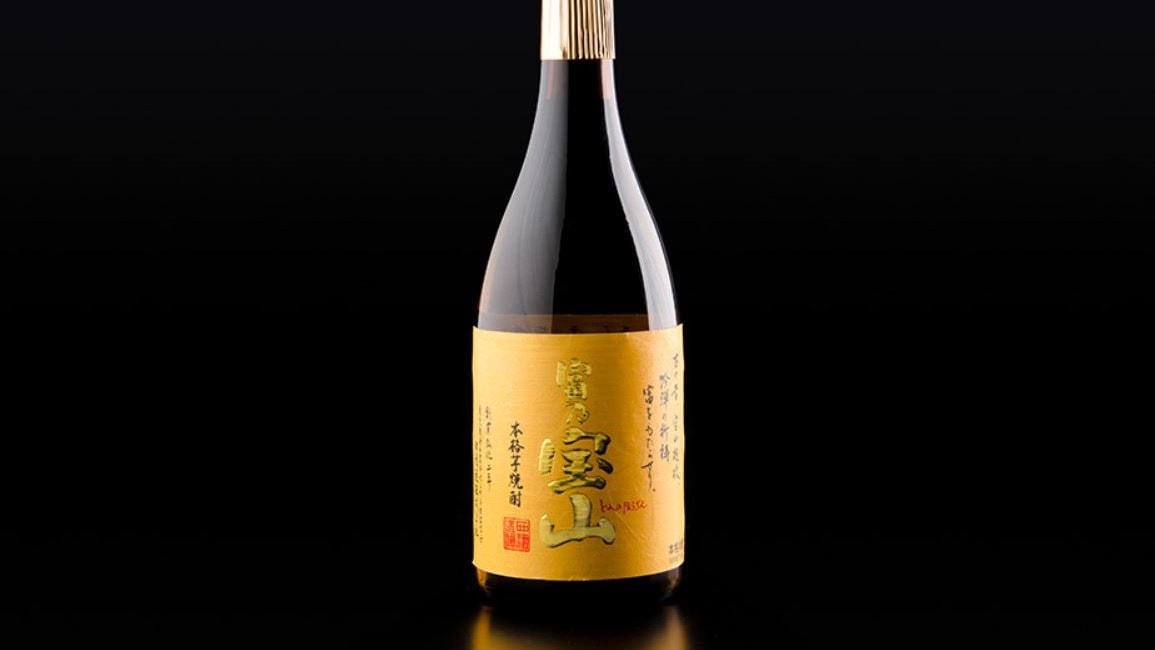
Beyond Champagne and wine, the drinks menu includes both Japanese and international options. Premium economy passengers can order Japanese sake, shochu, whisky, gin, vodka, brandy, and traditional plum wine during the flight.
Non-alcoholic options include Skytime peach and grape juice, soft drinks, Ayataka cold-brewed green tea, and freshly brewed coffee. Premium economy passengers can order these drinks throughout the flight.


Service
First impressions of the service in Japan Airlines' premium economy come from restraint rather than ceremony. The cabin feels orderly, and the crew’s presence is noticeable without becoming intrusive.
That restraint fits omotenashi, the Japanese idea of attentive service built around anticipation, preparation, and respect for the passenger’s space. In JAL premium economy, the crew does not hover over passengers, but they clear trays efficiently, answer call buttons quickly, and let passengers rest without unnecessary interruption.
This approach has also earned outside recognition. Skytrax ranked JAL among the world’s top 10 airlines for cabin crew in 2025, and Japan Airlines also holds Skytrax 5-Star Airline status.
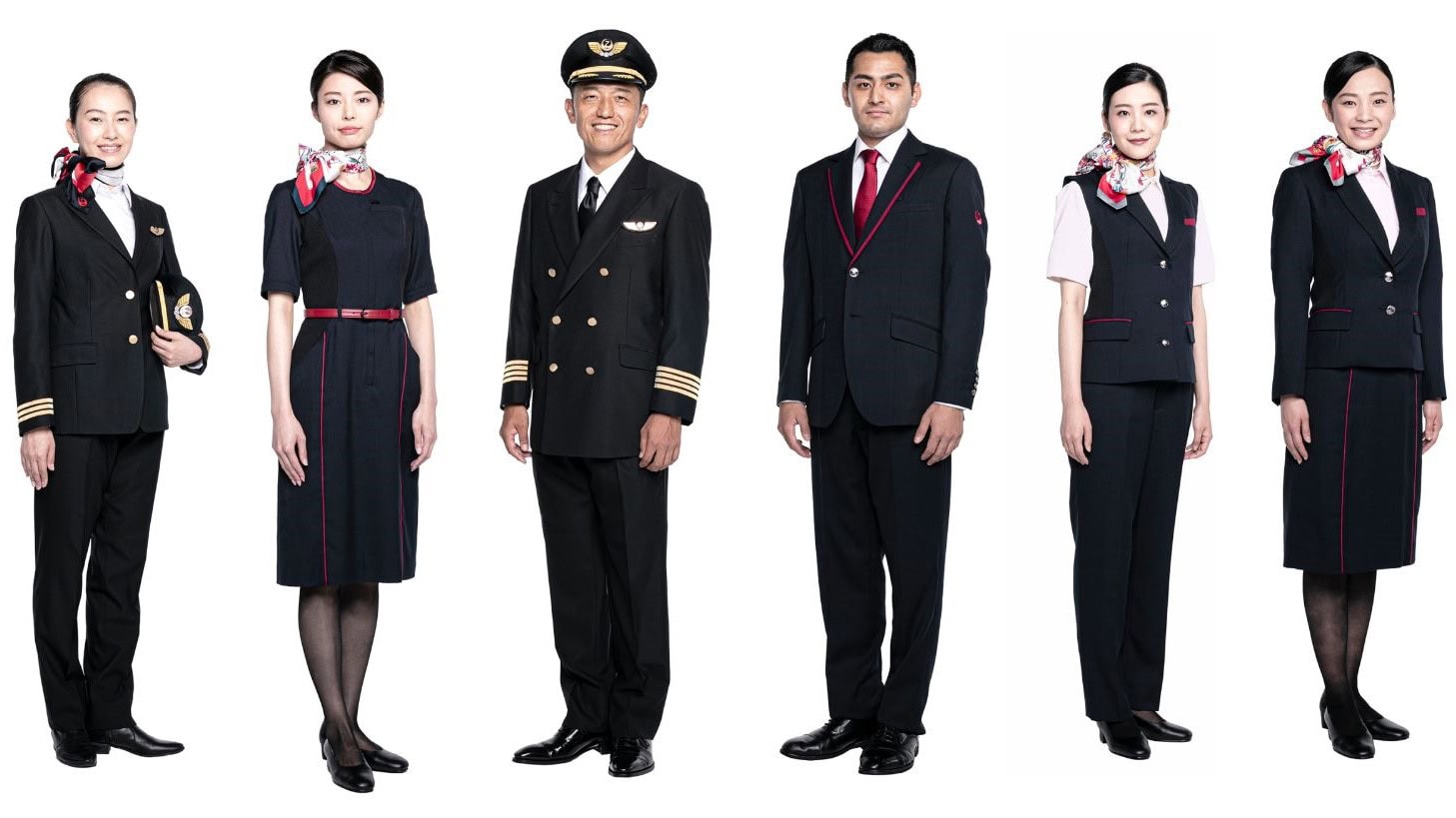
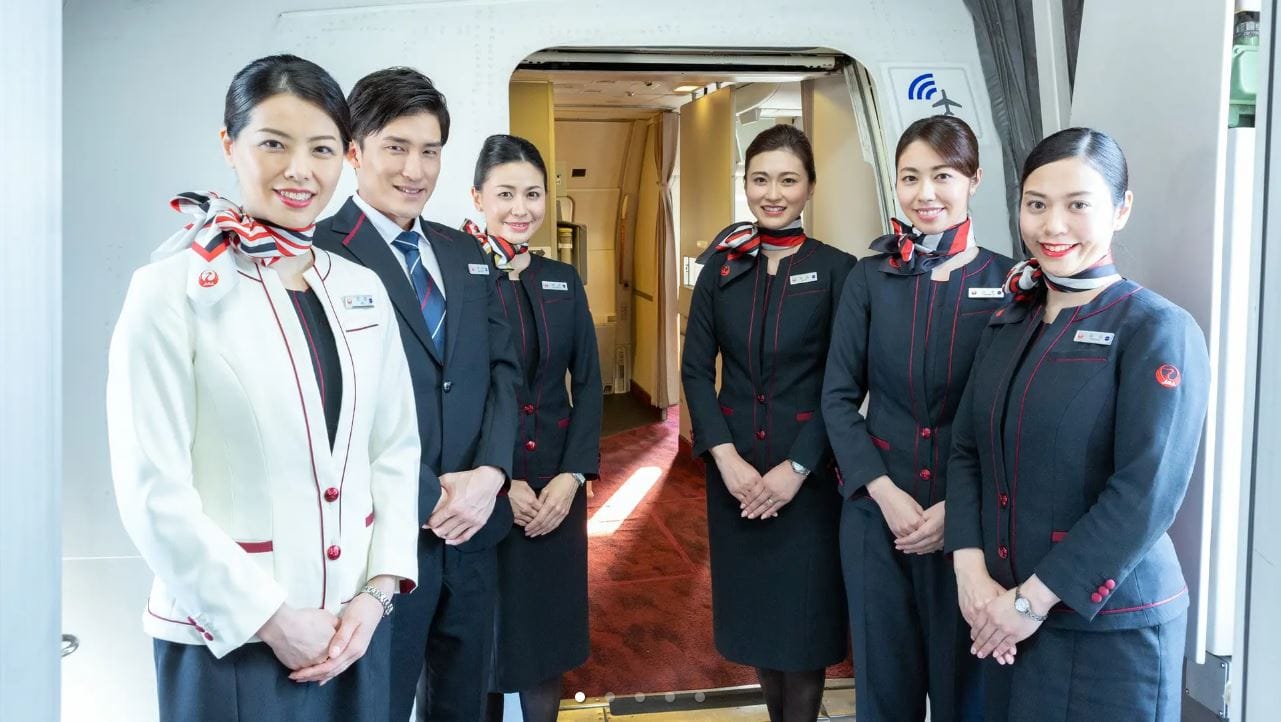
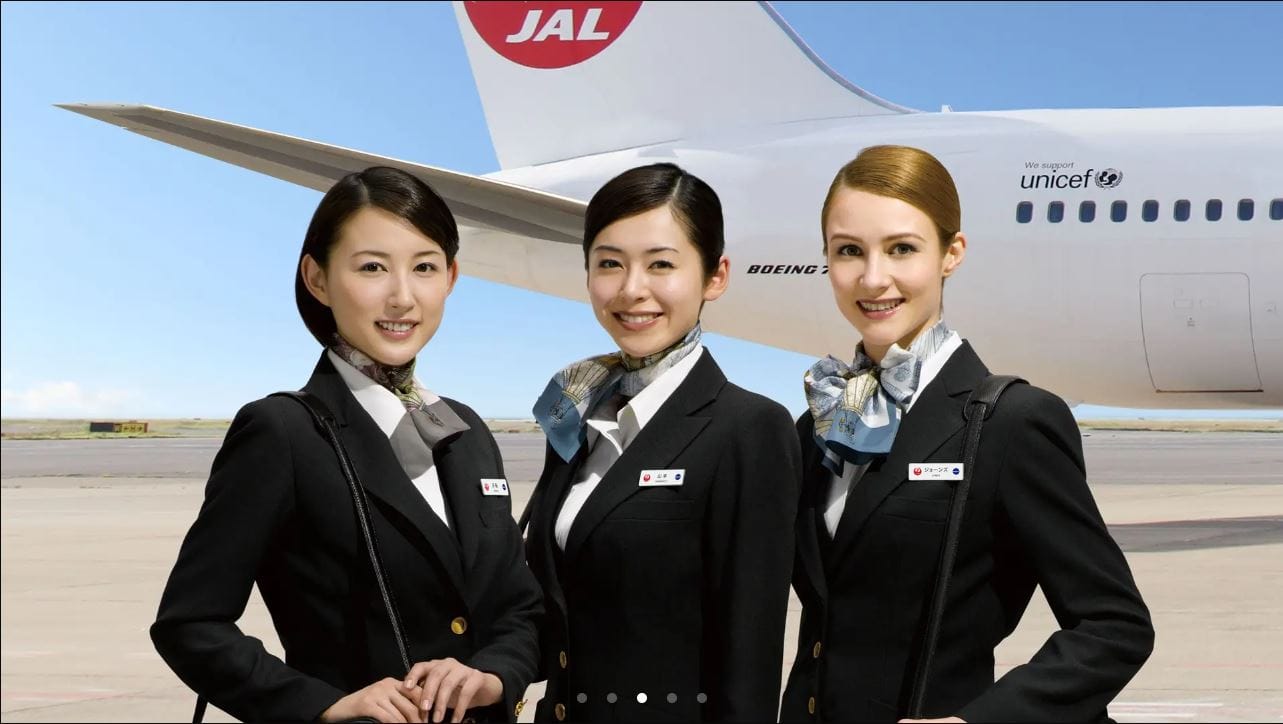
The crew presentation follows the same controlled style. Tokyo-based designer Yasutoshi Ezumi created the uniforms in deep navy hues and signature red accents, with scarf accessories.
Entertainment
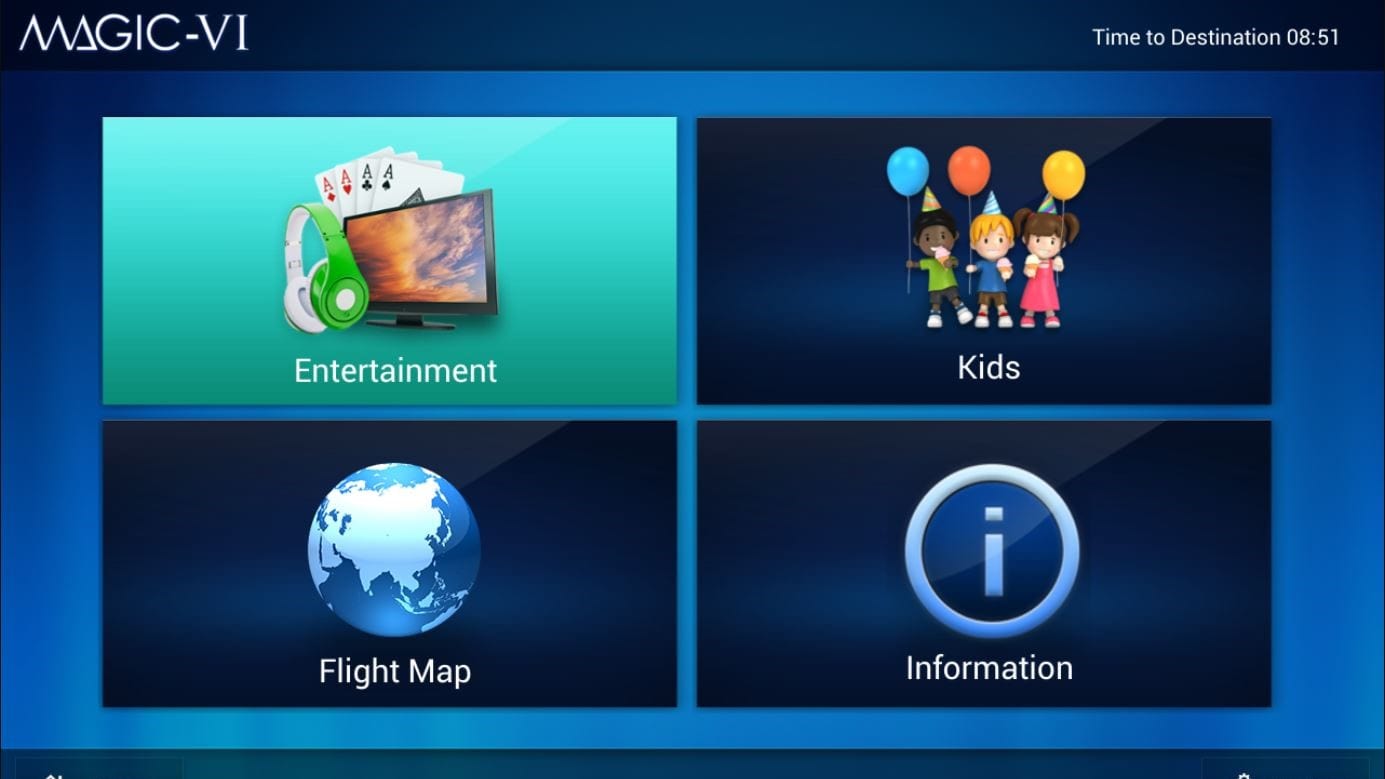
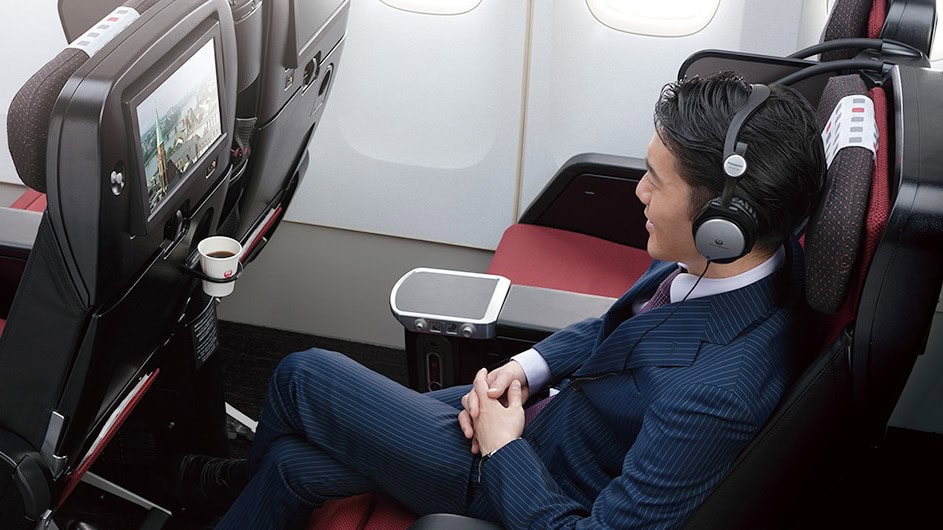
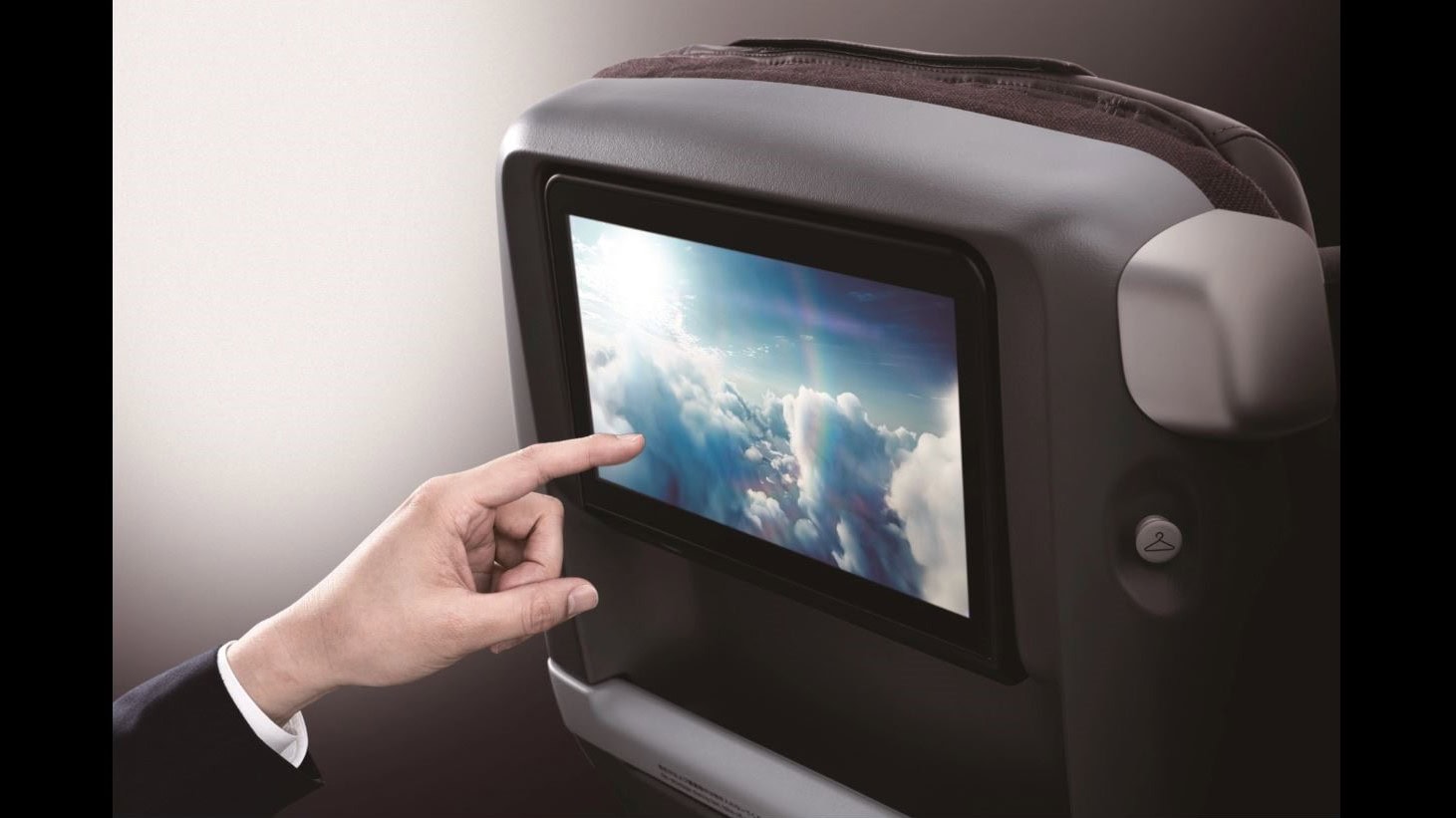
JAL’s MAGIC in-flight entertainment system runs on a touch screen across all aircraft, with a remote control available as an alternative. The screen size and resolution depend on the aircraft: Boeing 787-9 and Boeing 777-300ER aircraft have 12.1-inch screens, while Airbus A350-1000 aircraft have 16-inch 4K screens. Airbus A350-1000 aircraft also support Bluetooth connectivity, so passengers can use personal wireless headphones instead of the Sony noise-canceling headphones provided in premium economy.
The content library includes Japanese and international movies, TV shows, music, e-books, and games. The exact selection and number of titles can differ by aircraft, route, and month, but the library gives passengers enough variety for most long flights.
High-speed Wi-Fi is also available during international flights. As of 2026, premium economy passengers receive 1 hour for free. The 3-hour Wi-Fi plan costs $14.40, and the full-flight access plan costs $18.80. JAL Card holders receive reduced paid rates: $12.95 for 3 hours and $16.80 for the full-flight plan.
Amenities
Japan Airlines’ premium economy amenity kit is not extensive, but the items it provides are useful for a long-haul flight. The kit usually includes:
- Dental care kit
- Moisturizing face mask
- Ear plugs
- Eye mask
JAL provides the amenity kit on routes from Japan to Europe, to the US except Guam, Canada, Australia, to Southeast Asia except Manila, and to Delhi. On all other routes, passengers receive slippers. Before the meal service, passengers also receive a warm oshibori towel, a small steamed towel used to clean the hands. JAL also provides blankets and pillows for rest during the flight.
Short and Medium-Haul Flights
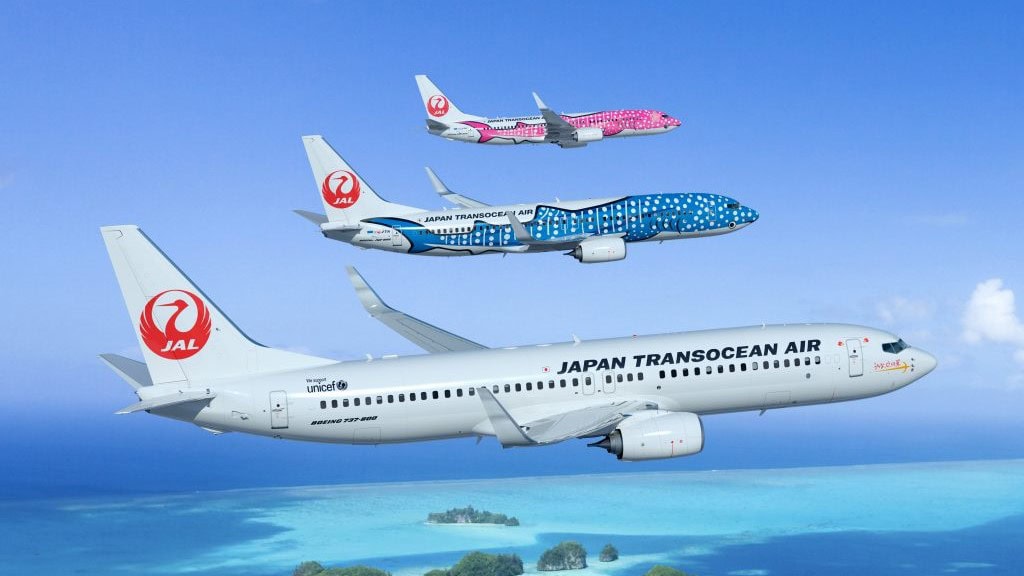
Japan Airlines' premium economy is mainly an international product, not a domestic cabin within Japan. On high-traffic domestic flights from Tokyo, Japan Airlines may use Airbus A350-900 aircraft, but those aircraft sell J Class instead of premium economy class. J Class gives passengers wider seats and a higher service level than standard economy class, but it is not the same product as JAL Premium Economy.
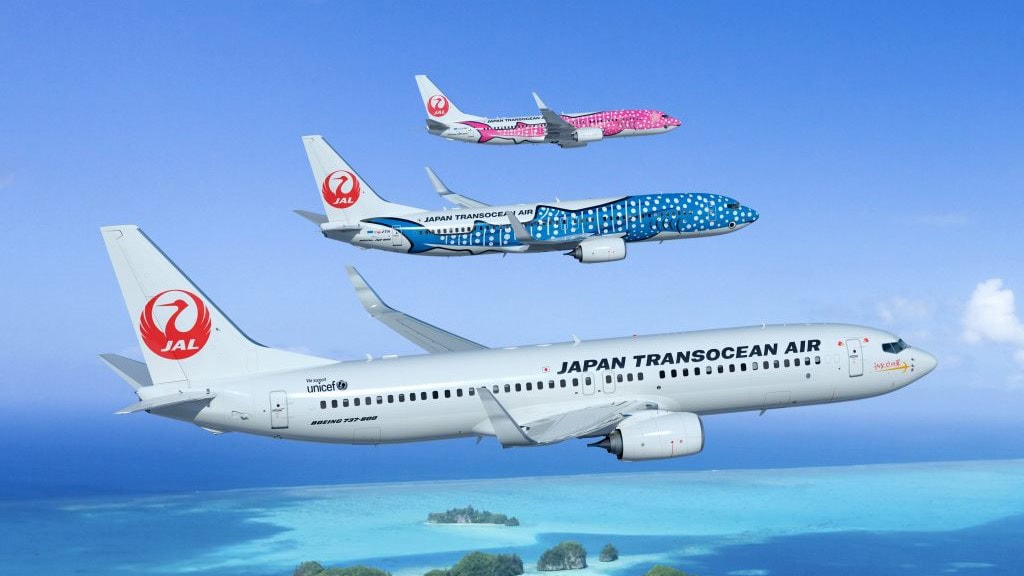
On shorter or medium-haul international flights, premium economy availability depends on the aircraft. Routes operated with Boeing 787-9, Boeing 777-300ER, or Airbus A350-1000 aircraft feature the international premium economy cabin.
Sustainability
Japan Airlines has set a long-term target to reach net-zero CO₂ emissions by 2050. Implementing newer aircraft is part of that plan: JAL says fuel-efficient models, including Airbus A350 aircraft, can reduce CO₂ emissions by about 15%–25% compared with conventional aircraft.
Sustainable aviation fuel, or SAF, is another part of the airline’s plan. Its target is to replace 10% of onboard fuel with SAF by 2030. Its sustainability work extends to catering and onboard materials, where Japan Airlines focuses on reducing, reusing, and recycling waste. Since July 2022, JAL Royal Catering has composted all recyclable food loss and cooking residues from in-flight meal preparation. Some vegetables grown with that compost return to JAL in-flight meals.
Passengers can also participate in JAL’s Carbon Offset program, which lets travelers calculate the emissions from a flight and support projects that reduce, capture, or avoid CO₂ emissions.
Core Considerations
The seat is the main reason to choose JAL's premium economy. Its 42-inch (107 cm) pitch gives the cabin more room than most premium economy products, and the fixed-back shell protects personal space because the seat in front does not recline into your area during the flight.
Japan Airlines also treats premium economy travelers with more care than many airlines do. Sakura Lounge access, calm onboard service, and thoughtful details before and during the flight give premium economy passengers a more complete product than a standard economy class upgrade.
Quick Facts
Premium economy on Japan Airlines stands out due to its 42-inch (107 cm) seat pitch, fixed-back shell seats, Sakura Lounge access, and restrained Japanese service. The cabin is available on Airbus A350-1000, Boeing 777-300ER, and Boeing 787-9 aircraft, with the newest seat, a 16-inch 4K screen, and Bluetooth connectivity on Airbus A350-1000 planes. Dining and lounge access depend on the route. This product is worth flying on long international routes when extra personal space, lounge access, and quiet and attentive service matter more.
Seat Pitch: 42 inches
Aircraft: Airbus A350, Boeing 777, Boeing 787
Lounge Access: Sakura Lounge
Main Weakness: Limited lumbar support
Reviewed: May 2026