

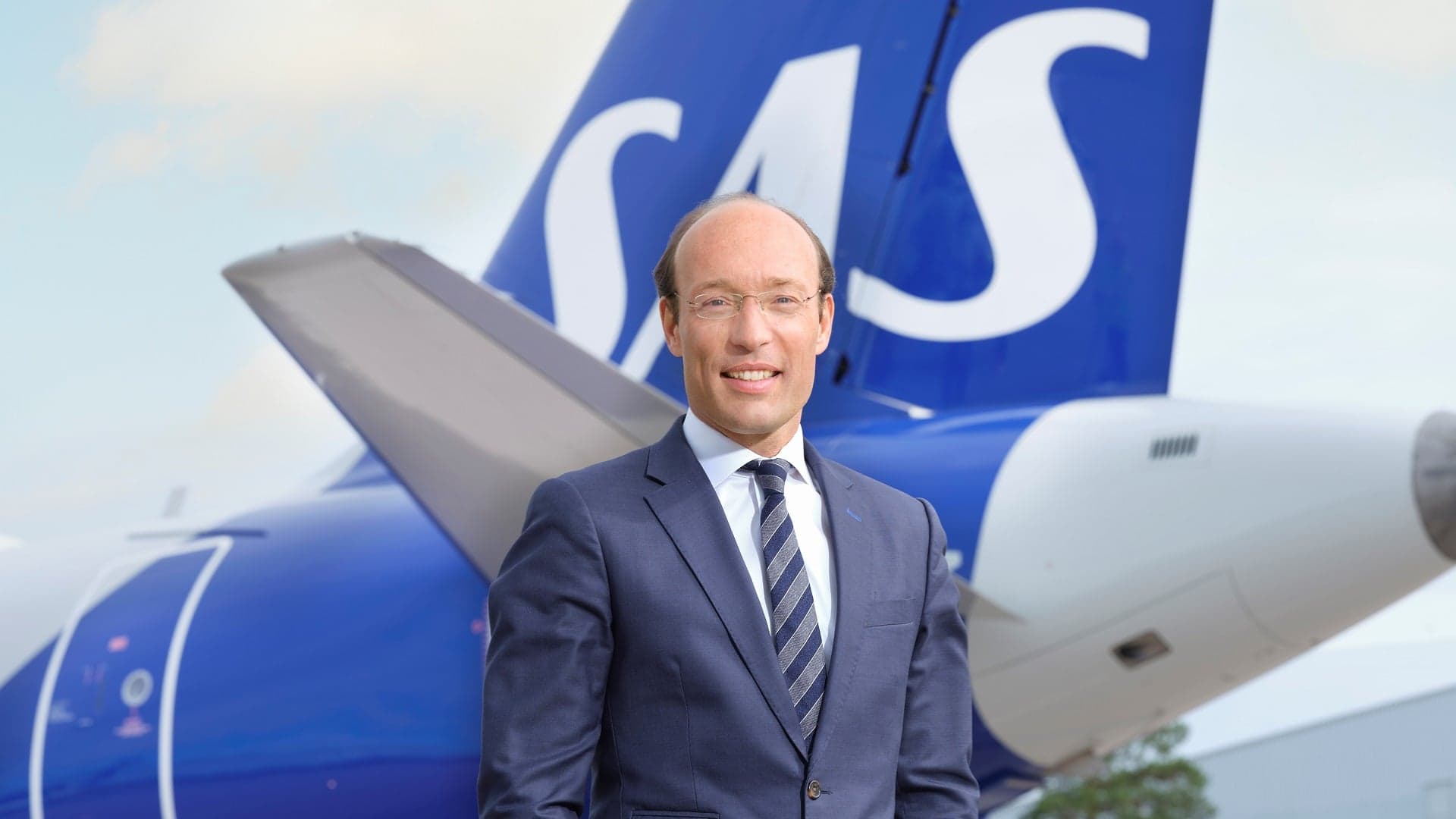
Leisure travel has become the cornerstone of the airline sector’s resurgence. SAS, the national carrier of Denmark, Norway, and Sweden, long renowned for its corporate strength, is now recalibrating to meet evolving traveler expectations.
This spring, SAS marked a milestone with the launch of nonstop services from Copenhagen and Stockholm to Toronto—a return to Canada after a 30-year hiatus.
SAS reconnects Scandinavia and Canada with twin inaugural routes
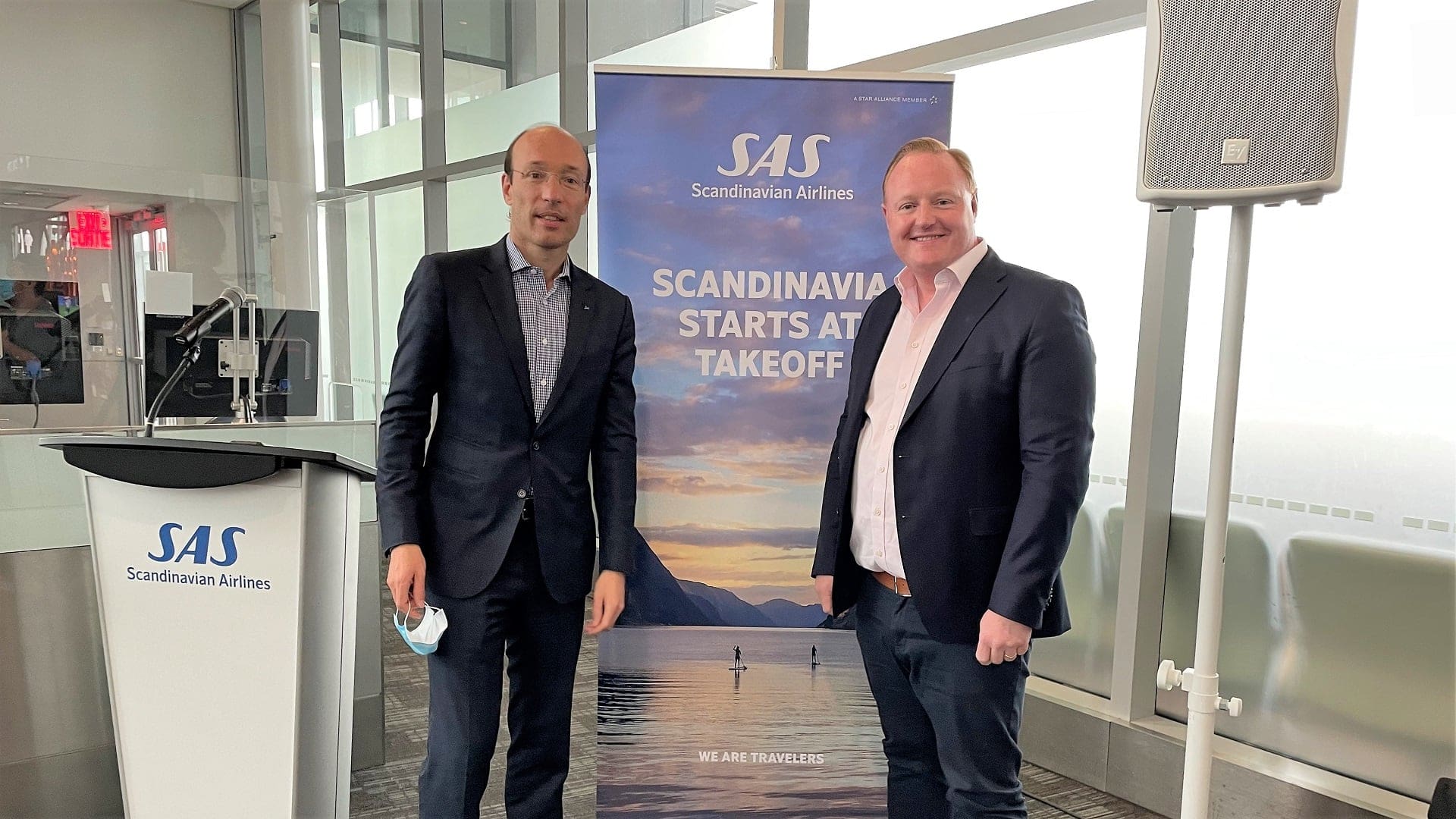
We joined this historic flight and sat down with Anko Van der Werff, CEO of SAS, whose extensive leadership experience spans Avianca, Aeroméxico, Qatar Airways, and Air France KLM. Van der Werff shared his vision for SAS, insights on the fleet’s new A321LR, and his perspective on the future of luxury air travel.



SAS Plus: Premium Economy Demand in a Shifting Market
With leisure travel rebounding faster than business trips, how is this shift influencing demand for SAS’s premium cabins?
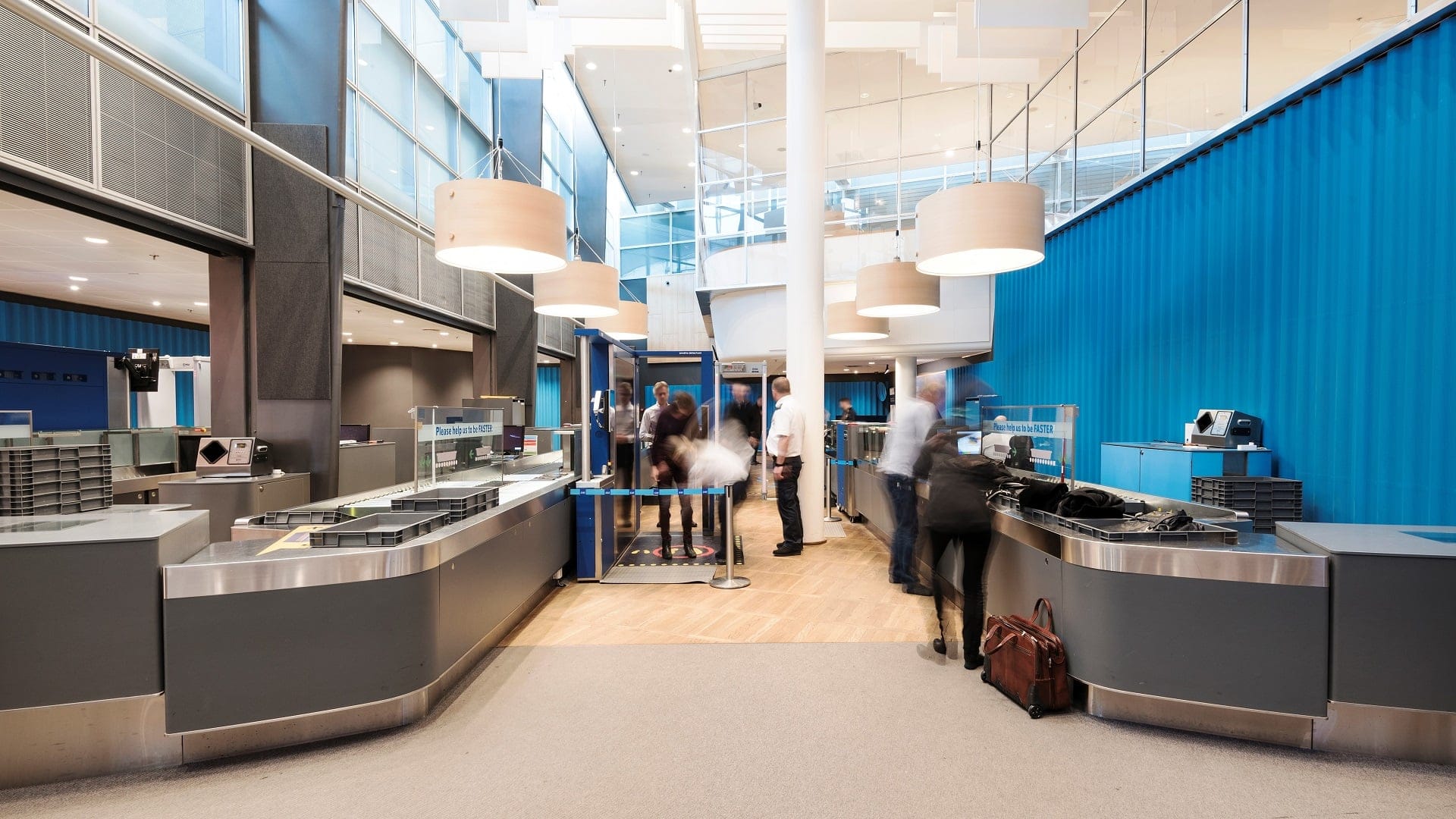
“We’re witnessing robust leisure demand eclipsing corporate travel, though business travelers are returning at a steady pace. The upcoming summer is set to be exceptionally busy, with travelers eager to reclaim the skies. This heightened demand is especially notable in our SAS Plus and SAS Business products. Today’s crowded airports make premium perks—priority check-in, expedited security, and lounge access—more valuable than ever.
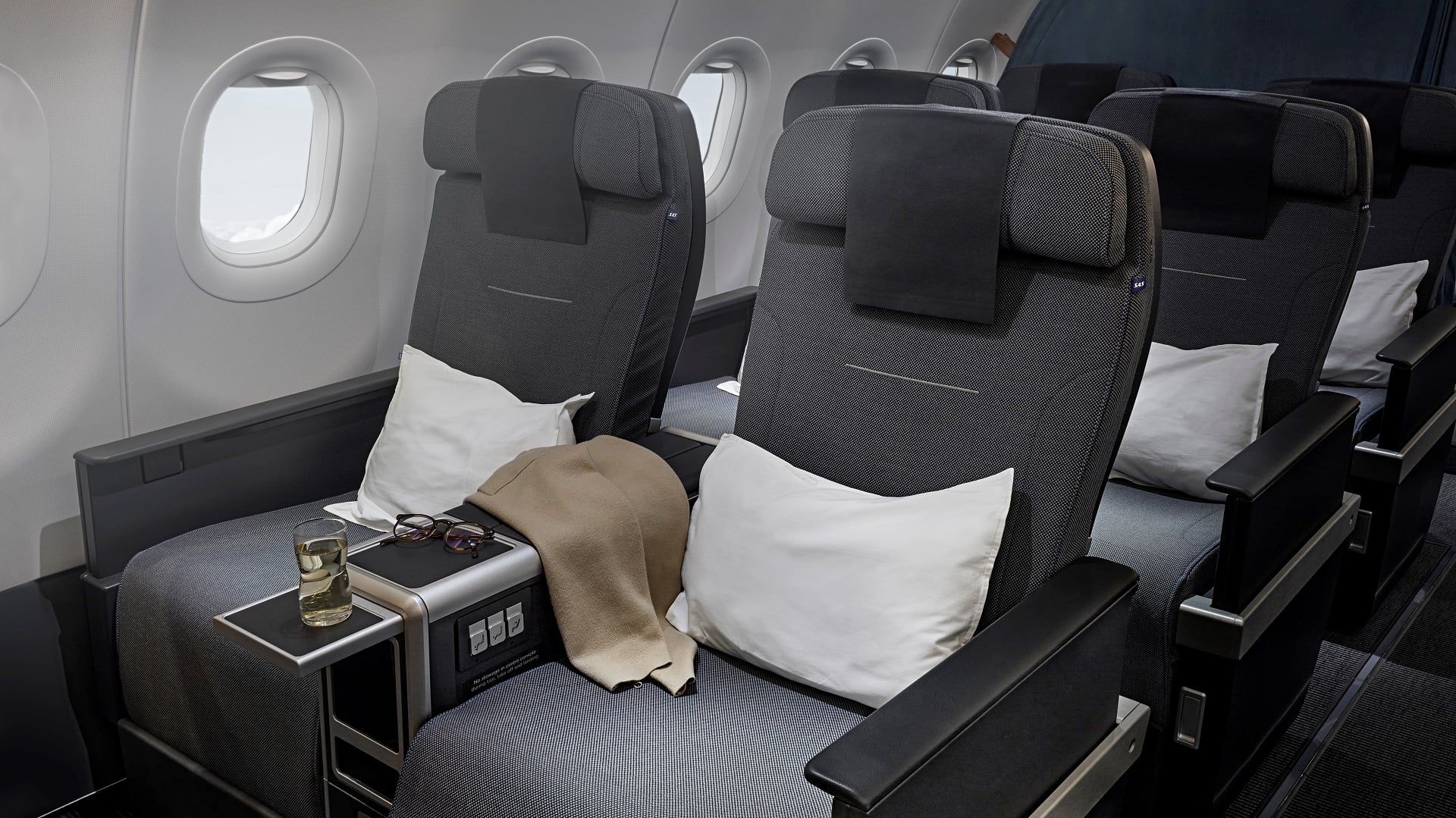
SAS pioneered the Premium Economy concept back in 2001, positioning itself as a trailblazer among global carriers. Uniquely, we continue to offer fast track and lounge privileges for SAS Plus guests, distinguishing our premium economy from the competition.
How does SAS Plus resonate with leisure travelers?
“SAS Plus strikes a compelling balance between superior comfort and accessible fares. Our long-haul cabins feature wider seats and a more refined ambiance, and demand consistently outpaces supply. Once travelers experience SAS Plus, they rarely return to standard economy. On our extended European routes to destinations like the Mediterranean and Canary Islands, the appetite for SAS Plus is even greater. We often dedicate up to 14 rows to this class on these routes, reflecting sustained customer preference.”
Long-Haul Flexibility: The Role of the A321LR
With Asia travel still recovering and leisure demand leading, how is SAS adapting its long-haul operations?
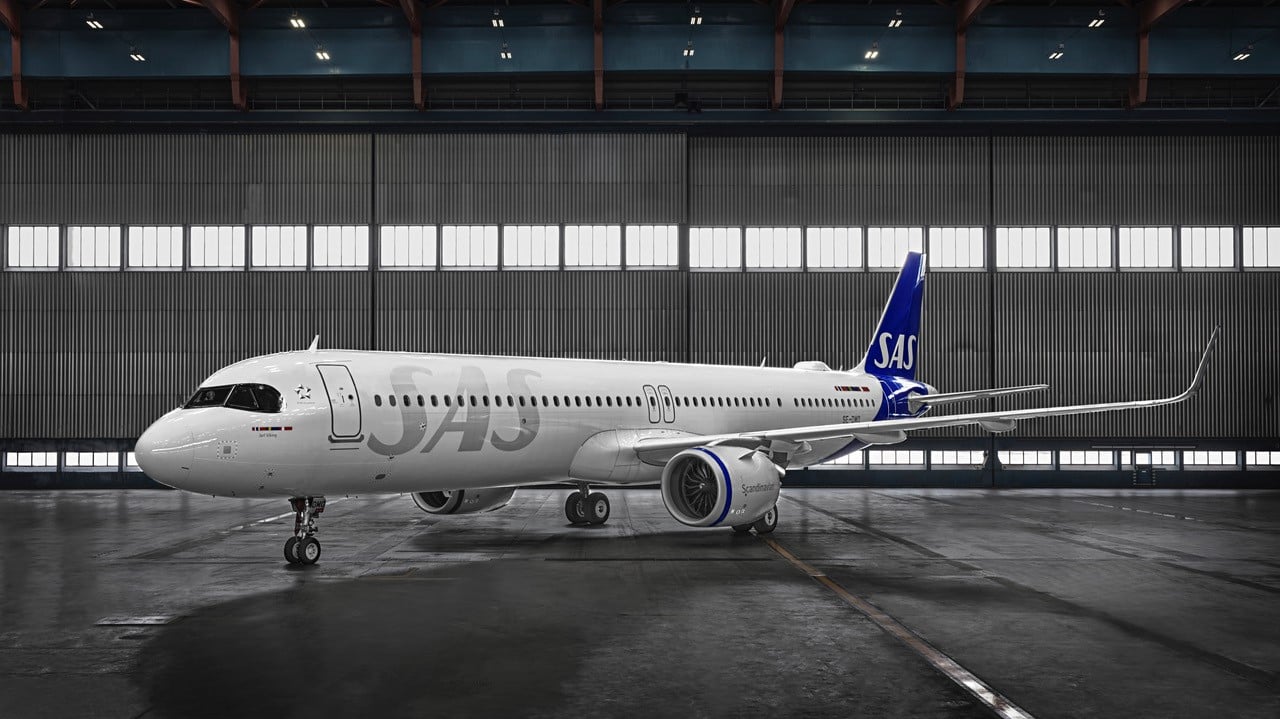
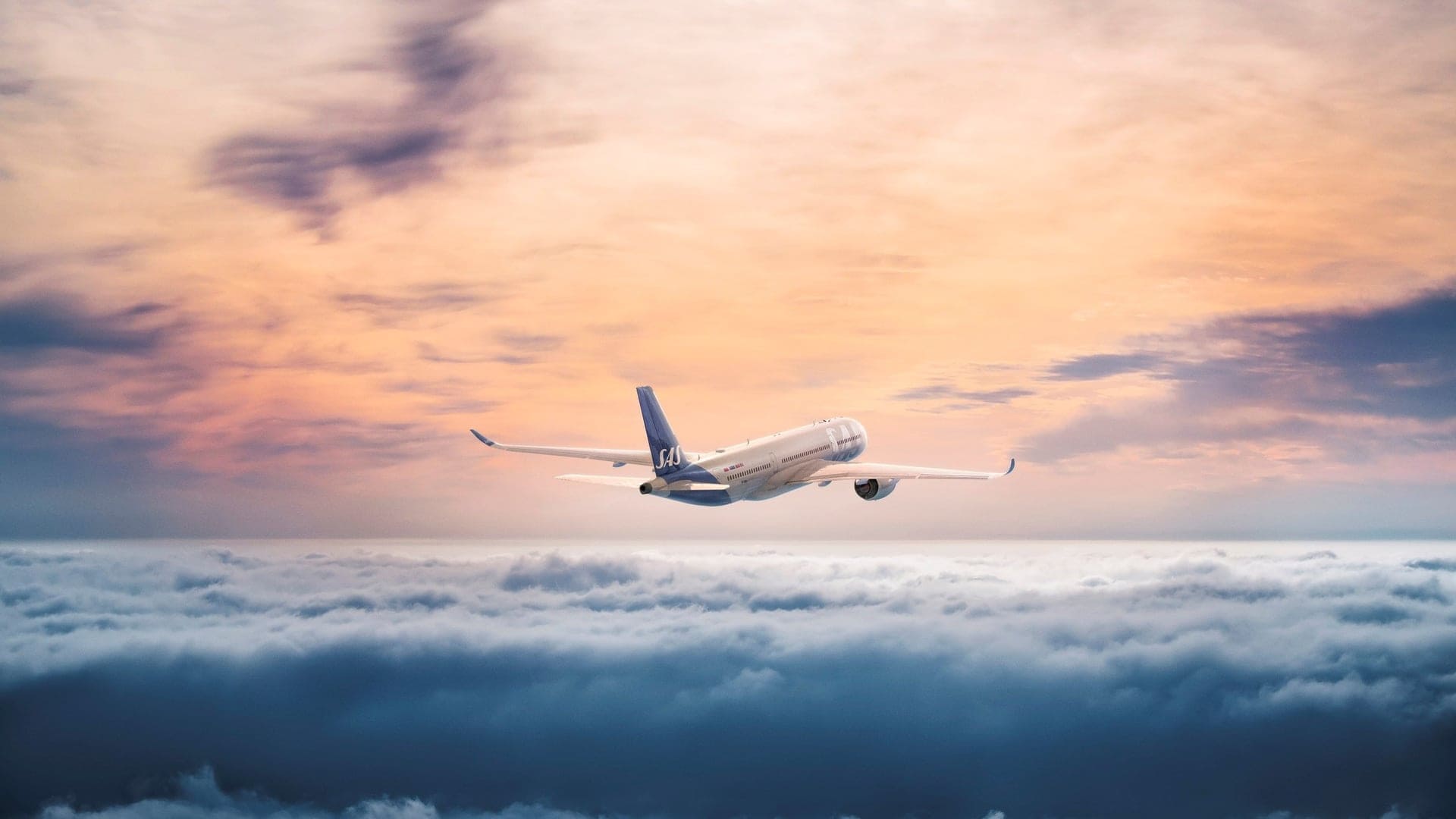
“Travel patterns are more seasonally concentrated than before, and with ongoing challenges in Asia, agility is essential. We currently have more wide-body aircraft than needed, but the A321LR has emerged as an ideal solution. This versatile narrow-body enables us to profitably serve routes that wouldn’t justify larger jets, and its flexibility allows us to deploy it on medium-haul Mediterranean or Canary Islands routes during off-peak long-haul periods. Our larger A330s and A350s remain dedicated to high-demand intercontinental flights.
First impressions of the A321LR have been outstanding. Its size is perfectly matched to the Scandinavian market, allowing us to operate profitably without resorting to deep fare discounts. The A321LR consumes 50-60% less fuel than an A330-300 on transatlantic journeys, and while cargo space is more limited, the environmental and financial benefits are significant.
When SAS committed to the A321LR, it was hailed as a game-changer for its ability to open new, thinner long-haul routes from secondary Scandinavian cities. This has generated industry buzz about possible new destinations such as Bergen, Billund, or Gothenburg to North America.
Does the A321LR open up new route opportunities for SAS?
“Absolutely. Our new direct connections between Copenhagen, Stockholm, and Toronto are just the beginning. With a range of up to 8.5 hours, the A321LR gives us the flexibility to consider new North American destinations or even routes to the Middle East and India. We’re always evaluating network expansion, and this aircraft type will be instrumental. It also enables us to offer more frequencies to established destinations like New York.”
Balancing Fleet Strategy and the Premium Experience
With the A321LR now a fleet favorite, how do the larger aircraft fit into SAS’s long-term strategy?
“Optimal fleet deployment is about matching the right aircraft to each route while ensuring a seamless onboard experience. The A350 is indispensable for our longest routes—San Francisco, Los Angeles, Tokyo—while the A330 is well-suited to other high-traffic long-haul sectors. Our immediate focus is refining our fleet mix for both intercontinental and intra-European operations.
As legacy carriers globally contend with aggressive low-cost competition, the lines between full-service and budget offerings have blurred, particularly in economy cabins.
Given ongoing cost pressures, how does SAS prioritize the premium journey?
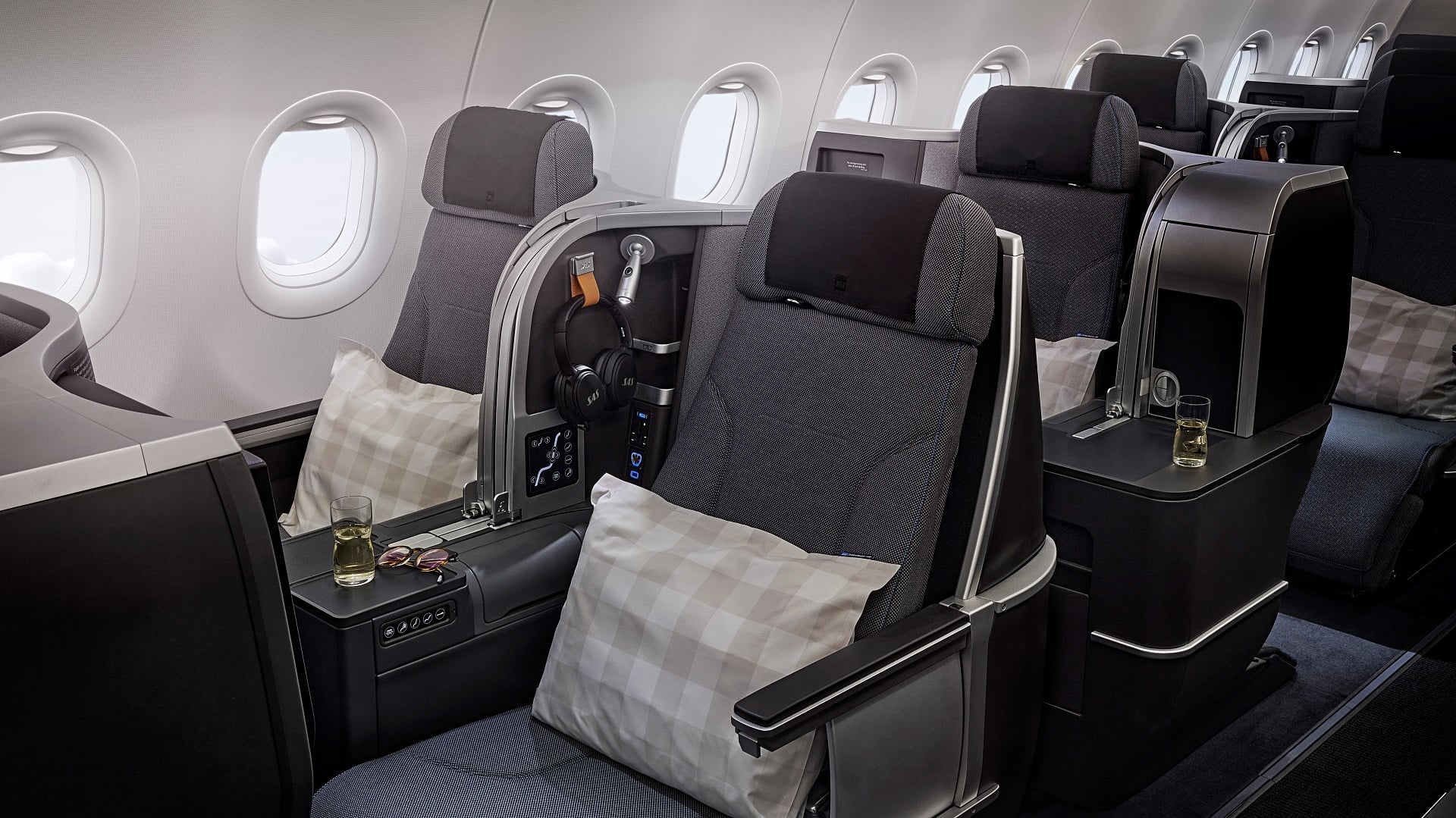
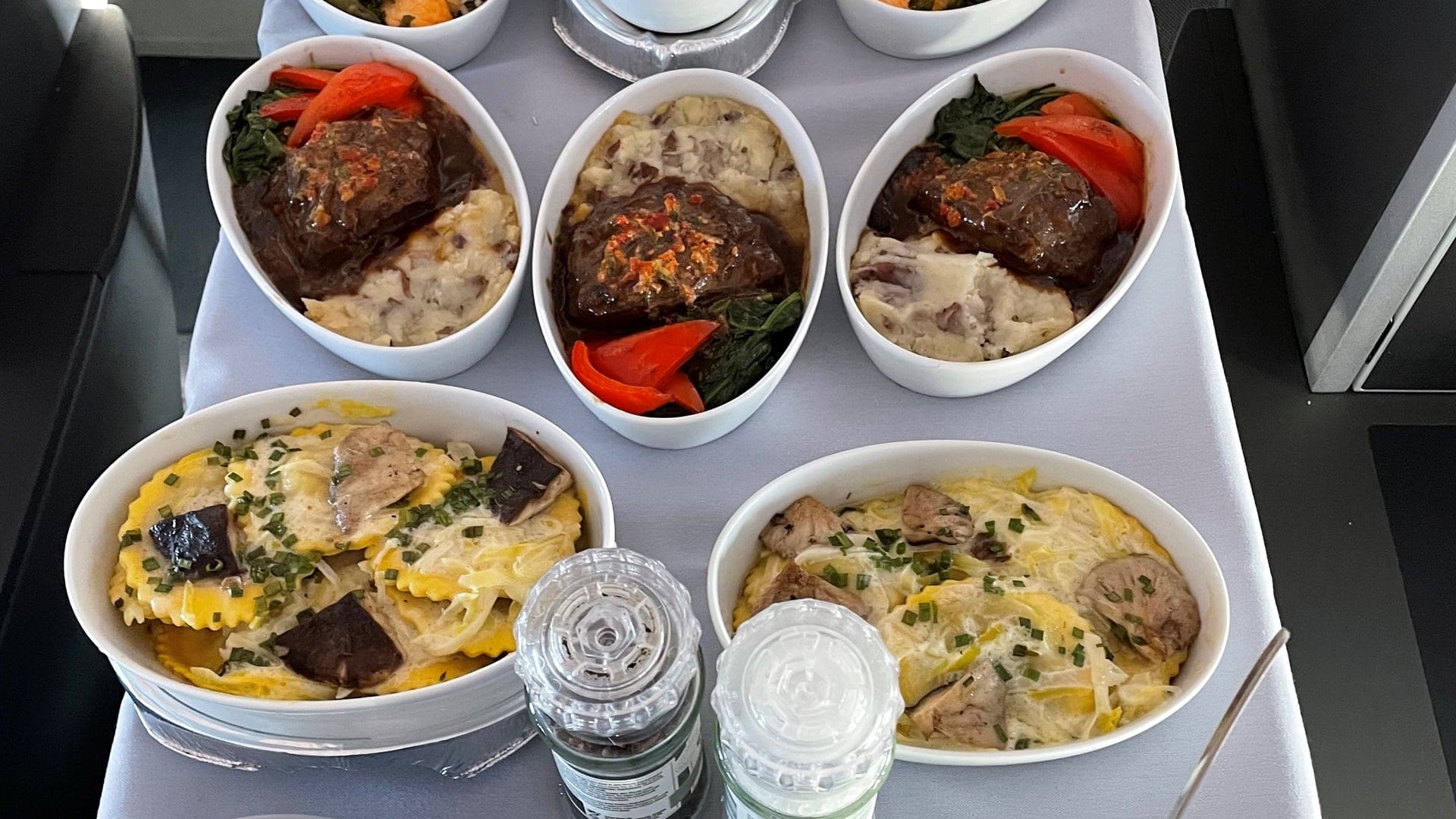
“Delivering an exceptional passenger experience remains at the heart of our brand. Our SAS Plus and SAS Business products—especially on long-haul—are protected from cost-cutting. We have fully reinstated our Business Class dining to pre-pandemic levels, and have introduced a boutique Champagne program featuring exclusive ‘Special Club’ labels. Our EuroBonus loyalty scheme and digital innovation initiatives are also critical investments. Cost efficiencies are achieved behind the scenes, never at the expense of our premium guests.”
Bundled Value: Protecting the Premium SAS Experience
Some airlines have begun offering ‘unbundled’ business fares without benefits like checked bags, seat selection, fast track, or lounge access. Is SAS considering this approach?
“We are deeply committed to the integrity of our premium products and the comprehensive value they provide. While we closely monitor industry trends and have introduced unbundled options in SAS Go, we remain steadfast in offering all-inclusive benefits in SAS Plus and SAS Business. We considered, but ultimately declined, introducing fast track as a paid add-on for SAS Go, as we want to preserve the exclusivity and efficiency of our premium services. Similarly, paid lounge access is carefully limited to ensure comfort and privacy for our top-tier guests.”
SAS’s Forward-Looking Vision for Scandinavia
Looking ahead, what are your ambitions for SAS over the next 3–5 years as the travel industry stabilizes?
“Our foremost priority is building a competitive, profitable airline that serves our customers, employees, and stakeholders. This requires a dynamic, right-sized fleet for both long- and short-haul markets. The EuroBonus program is a pillar of our brand, and we’re dedicated to enhancing its value, including new partners and expanded non-airline benefits. Continued investment in digital technology will further empower our guests with seamless self-service. Sustainability remains a core commitment, and we’re proud of our progress—Scandinavia leads the world in integrating eco-friendly practices into daily life, and we intend to set new standards for responsible aviation.”
As the first non-Scandinavian to lead SAS, what are your impressions of the region now that you’re settled in?
“Having previously worked in Stockholm, returning with SAS has felt like coming home. Yet, I’ve gained a renewed appreciation for Scandinavia’s diversity—each country has its own distinct culture, landscapes, and business environment, making it a fascinating and dynamic region in which to live, work, and travel. Scandinavians’ commitment to sustainability is truly inspiring.”
SAS operates three single-aisle A321LRs, with the remainder of its long-haul fleet comprised of 17 wide-body Airbus A330-300s and A350-900s.
See our in-depth review of SAS Business Class
Businessclass searches hundreds of travel sites to bring you the most competitive SAS fares. Businessclass also compares top hotel providers to secure exclusive rates for the world’s leading hotels.